Serafina Upper West
Serafina Upper West sits at 2178 Broadway, anchoring a stretch of the Upper West Side where neighbourhood dining has long favoured consistency over spectacle. Part of the Serafina group's multi-location Italian presence in New York, the restaurant draws a residential crowd seeking familiar Italian formats in a part of the city less served by destination-dining energy than Midtown or the Village.
Pearl is the En Primeur Club membership app — saves, bookings, and concierge access live there. Same editors, same standards.
- Address
- 2178 Broadway, New York, NY 10024
- Phone
- +12125950092
- Website
- serafinarestaurant.com
- Directions
- Get directions
 Saves & bookings on Pearl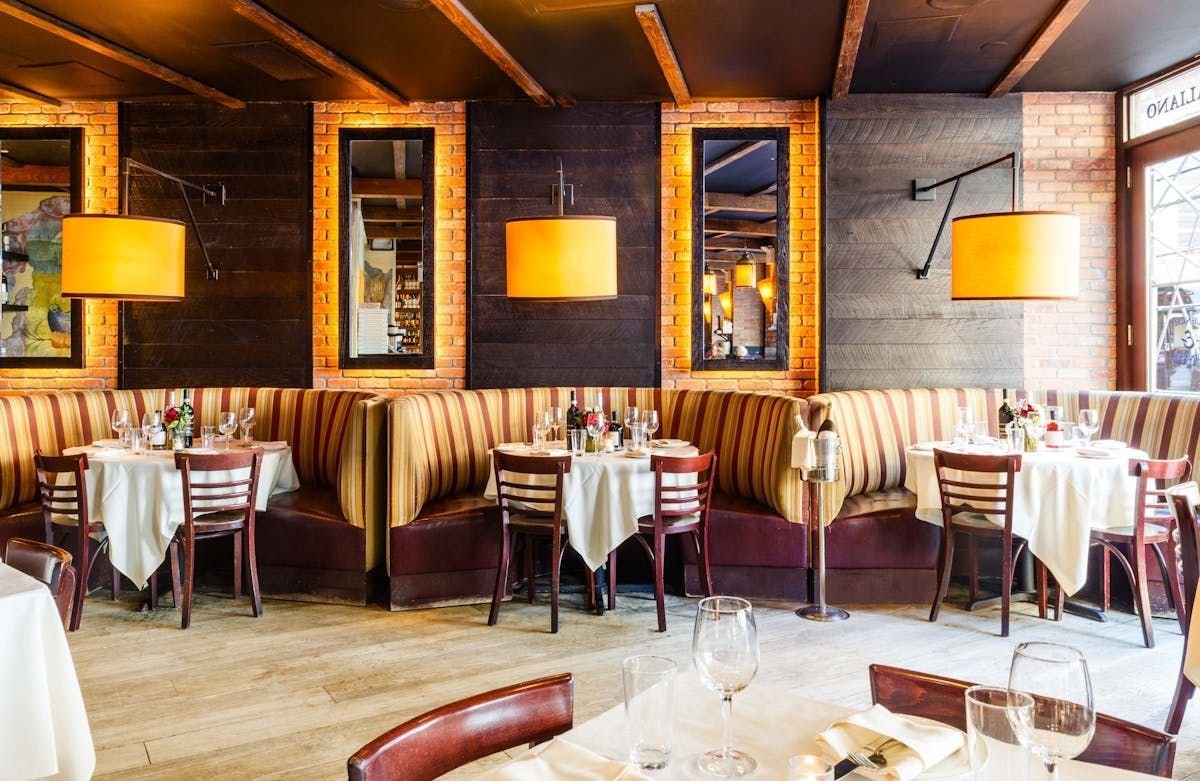
Italian Dining on the Upper West Side: What the Neighbourhood Demands
Broadway in the upper 70s and 80s runs through one of New York's most consistently residential corridors. The Upper West Side doesn't attract the same concentration of destination-restaurant investment that defines Midtown's expense-account circuit or the West Village's chef-driven ambition. What it does produce, reliably, is a particular kind of neighbourhood Italian: high-frequency, family-friendly, built around the kind of menu that can satisfy a table of four with different appetites and no patience for a tasting menu. Serafina Upper West, at 2178 Broadway, fits squarely inside that category.
The Serafina group has operated across multiple Manhattan locations, and its model reflects a durable logic: deploy a recognisable Italian format with consistent output across a city where Italian remains a default comfort category for a broad cross-section of diners. That consistency is the product, not an afterthought. In a neighbourhood where the competition is largely other casual Italian and American dining rooms rather than the Michelin-tracked counters you'd find at Le Bernardin or Masa, the competitive calculus is different.
Sourcing and the Ethics of the Everyday Italian Table
The sustainability conversation in New York fine dining has concentrated heavily on the upper tier: farm-to-table tasting menus, hyper-local ingredient lists, and the kind of named-producer transparency you see at Blue Hill at Stone Barns in Tarrytown, where the sourcing narrative is the menu's central argument. But a more consequential, if less celebrated, version of that conversation plays out at the neighbourhood Italian level, where volume is higher, waste exposure is greater, and decisions about supply chains affect far more covers per week.
The Upper West Side Dining Pattern
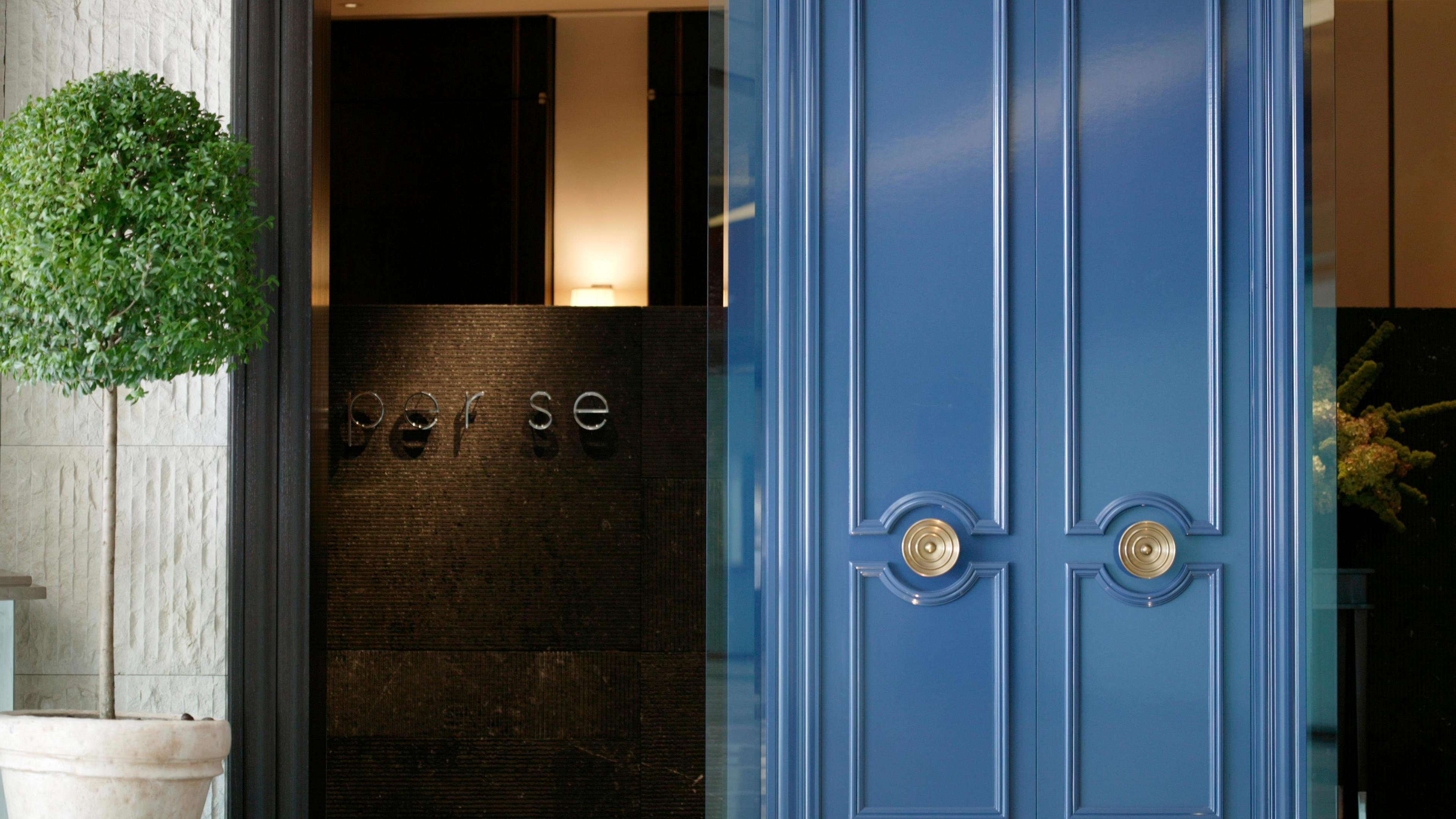
Understanding where Serafina Upper West sits requires understanding what the Upper West Side actually demands from its restaurants. The neighbourhood's population skews toward long-term residents, families with children, and a professional class that eats out frequently but rarely seeks the kind of theatre associated with, say, the omakase counters or tasting-room formats that define the city's upper-end conversation. Those registers belong to venues like Per Se or Atomix, which operate in a different economic and experiential tier entirely.
What the Upper West Side sustains is volume: neighbourhood restaurants that can handle early seatings for families and later tables for couples, that offer wine lists without demanding engagement with them, and that produce food recognisable enough to anchor a regular habit. The Italian format suits all of this. Pizza, pasta, and a mid-range proteins section cover the spread of a typical residential table without the friction of an unfamiliar menu. Serafina's multi-location model was built on exactly this kind of repeatability.
For comparison, casual Italian at a similar neighbourhood scale in other American cities, from Emeril's in New Orleans to the neighbourhood-facing rooms adjacent to destination restaurants in Chicago like Alinea, tends to serve a similar function: accessible, reliable, embedded in local life rather than positioned against national dining trends.
Multi-Location Italian in New York: The Consistency Argument
New York's Italian dining category covers an enormous range, from the red-sauce institutions of the outer boroughs to the refined Italian at venues like 8 1/2 Otto e Mezzo Bombana internationally and the European-inflected refinement of rooms like Alain Ducasse at Louis XV in Monte Carlo, which has shaped how European fine dining models have influenced American kitchens. Within New York itself, the casual Italian tier is crowded and price-sensitive, and differentiation comes from location, consistency, and the ability to capture a loyal residential base rather than from innovation or critical recognition.
Serafina's group strategy reflects an understanding of that dynamic. Multiple locations across the city allow for brand recognition without requiring each individual room to carry the weight of a destination pitch. The Upper West Side location at 2178 Broadway functions as a neighbourhood anchor rather than a flagship, which is a rational positioning for a street that serves residents rather than visitors seeking a dining itinerary.
Accolades, Compared
Comparable venues nearby, for context on price, style, and recognition.
| Venue | Cuisine | Price | Notes |
|---|---|---|---|
| Serafina Upper WestThis venue — the venue you are viewing | Northern Italian | $$$ | Not listed |
| Masseria East | Traditional Italian | $$$ | Upper East Side-Carnegie Hill |
| La Piazza | Venetian Italian | $$$ | Midtown-Times Square |
| Lumaca | Coastal Italian | $$$ | Midtown South-Flatiron-Union Square |
| Il Pesce | Italian Seafood | $$$ | Midtown South-Flatiron-Union Square |
| Il Falco | Authentic Italian Trattoria | $$$ | Long Island City-Hunters Point |
Continue exploring
More in New York City
Restaurants in New York City
Browse all →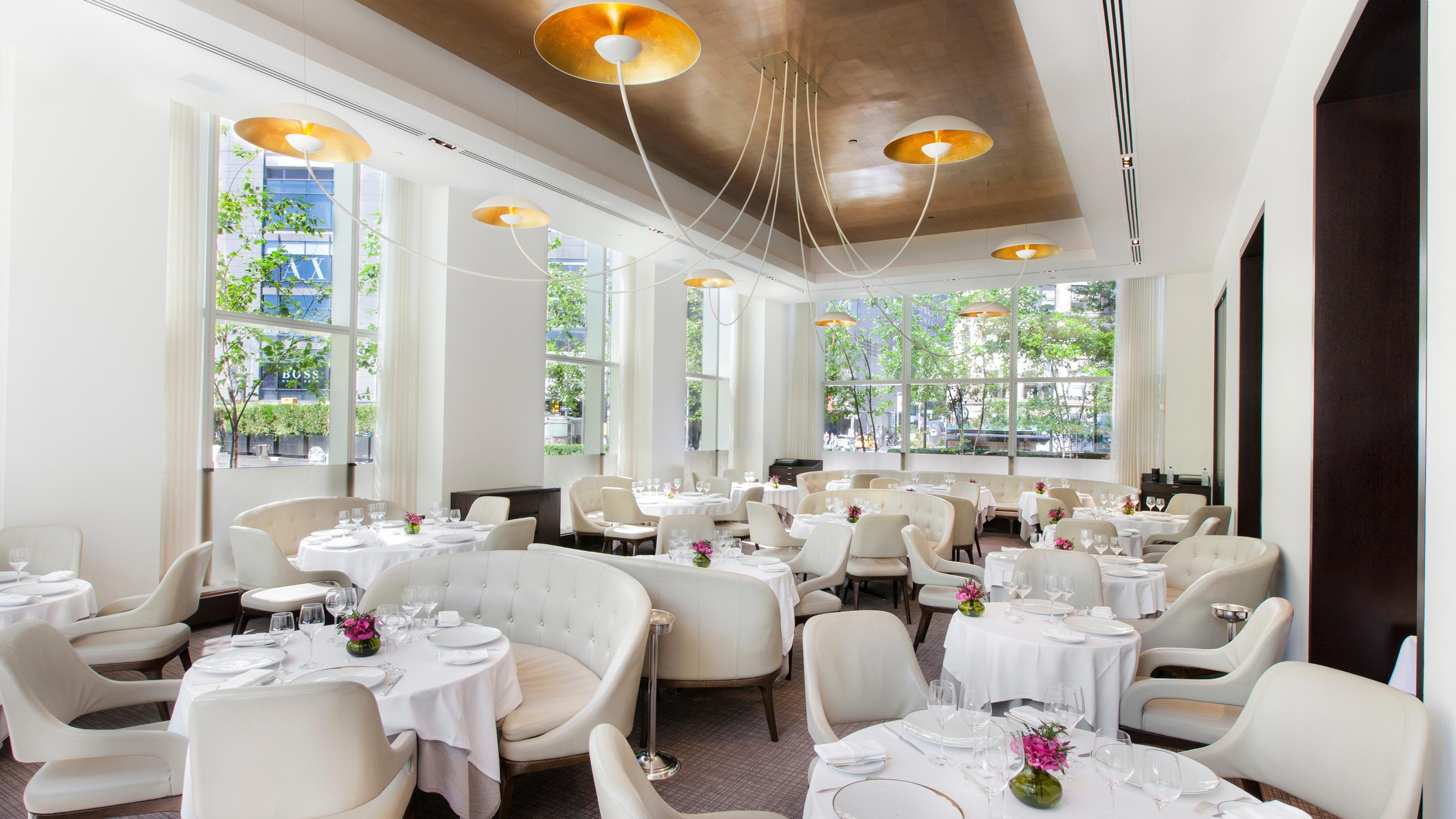
Bars in New York City
Browse all →
Hotels in New York City
Browse all →




At a Glance
- Lively
- Cozy
- Trendy
- Sophisticated
- Family
- Casual Hangout
- Brunch
- Open Kitchen
- Terrace
- Street Scene
Current opening hours
- Monday
- 12–10 PM
- Tuesday
- 12–10 PM
- Wednesday
- 12–10 PM
- Thursday
- 12–10 PM
- Friday
- 11:30 AM–10 PM
- Saturday
- 11:30 AM–10 PM
- Sunday
- 11:30 AM–10 PM
Hours can change for holidays and private events. Last verified .
Warm and welcoming with lively frescos, large windows providing street views, comfortable booths, and the aroma of the pizza oven creating a lively yet sophisticated atmosphere.