Tokyo's café scene has fractured into a dozen micro-niches, and Neighbors Café sits at the intersection of two of its more demanding ones: precision-driven artisan coffee and matcha culture refined enough to hold its own against the city's specialist tea houses. The menu runs grab-and-go without sacrificing the product standards that define the city's better specialty counters. A compact, purposeful stop for those who want quality without ceremony.
Pearl is the En Primeur Club membership app — saves, bookings, and concierge access live there. Same editors, same standards.
- Address
- Tokyo, Japan
- Website
- 1hotels.com
 Saves & bookings on Pearl
Where Tokyo's Coffee Culture and Matcha Tradition Meet
Tokyo has a particular relationship with café culture that most cities cannot replicate. The city's coffee scene is not one movement but several running in parallel: third-wave specialty roasters, deeply traditional kissaten that predate the espresso era, and a newer cohort of cafés that treat matcha with the same technical seriousness that baristas elsewhere apply to single-origin pour-overs. It is in this third category that Neighbors Café operates, building a grab-and-go format around a menu that takes both artisan coffee and premium teas seriously rather than treating one as an afterthought to the other. Neighbors Café is an Organic Grab-and-Go Cafe in Tokyo, with a price tier of about $15 per person.
The grab-and-go format is a deliberate editorial statement in a city that otherwise prizes the sit-down experience. Tokyo's top-tier dining, from the counter omakase at Harutaka to the tasting rooms at L'Effervescence and the kaiseki progression at RyuGin, is built around extended, ritualistic time at the table. A café that works the grab-and-go lane is making a different bet: that product quality can carry the experience even without the architecture of service around it. In Tokyo, where ingredient sourcing standards are high across the board, that bet is viable if the menu holds up.
Reading the Menu at Neighbors Café
The menu architecture at Neighbors Café tells you something about how the Tokyo café scene has evolved. Artisan coffee sits alongside premium teas and matcha items rather than competing with them, which reflects a broader shift in how the city's specialty cafés position themselves. A decade ago, the dominant format was the single-focus specialist: the kissaten with its siphon brew, the matcha house with its ceremonial-grade powder, the espresso bar with its calibrated extraction times. The current wave increasingly combines these traditions, and the menus that do it credibly are the ones that bring sourcing discipline to each category rather than using one to subsidise the other.
Matcha items, when done at the level the Tokyo market demands, are not low-effort additions. The city has a developed consumer base with strong opinions about powder grade, origin, and preparation temperature. A café that includes matcha in its lineup alongside specialty coffee is implicitly promising competence across both, and the quality of light bites on a grab-and-go menu functions the same way: they either reinforce the café's product standards or they undercut them. The structure of the Neighbors Café menu, as a category proposition, places it in a comparable set that is more exacting than a general coffee shop and more accessible than a formal tea house.
The Grab-and-Go Format in Context
Grab-and-go café culture in Tokyo occupies a specific social role that differs from its equivalents in London or New York. In a city where the act of eating or drinking while walking is still broadly considered poor form, grab-and-go often means standing at a counter or pausing near the venue rather than carrying a cup through a crowd. The format trades table service for speed and product focus, and the venues that succeed in this tier tend to do so by concentrating resources on what goes into the cup and on the plate rather than on ambient experience or seating design.
That positioning places Neighbors Café in a different competitive conversation than Tokyo's multi-course restaurant scene. A café in the specialty-plus-matcha tier answers a different question: where do you go between those commitments, or when you want quality without the advance planning? Across Japan, this kind of purposeful casual stop has a strong precedent. From the refined café culture of Osaka's Kitahama district to the tea-adjacent café rooms that sit adjacent to ryokan in Kyoto, the idea that a short stop can be taken seriously is well established. Neighbors Café draws from that tradition.
Tokyo as Context: Why the City's Standards Matter
It is worth understanding what it means to run a specialty café in Tokyo specifically. The city's food and drink culture applies a kind of collective pressure on quality that functions as an implicit rating system even before any formal recognition arrives. Consumers are knowledgeable, loyalty is earned slowly, and the competition within any given category is genuine. This is a city where, for example, the omakase tradition has produced some of the most competitive counter dining anywhere, where kaiseki restaurants like RyuGin operate at a precision that sets benchmarks for the form, and where French kitchens such as L'Effervescence have absorbed Japanese ingredient culture deeply enough to produce something genuinely hybrid.
A café in this environment either meets the city's standards or it does not last. The specialty coffee and matcha segment has its own version of this pressure: the city's knowledgeable café-goers distinguish between ceremonial and culinary-grade matcha, between filter coffee that is merely adequate and pour-overs with genuine traceability. That context is the leading credential Neighbors Café can carry: operating in Tokyo's café market at all implies a baseline that cafés in less demanding cities do not have to meet.
For those building a broader picture of Japan's food and drink culture, the café tier is one data point in a much longer story. The same seriousness about sourcing and craft that defines restaurants like Gion Sasaki in Kyoto, HAJIME in Osaka, or Goh in Fukuoka runs through the whole system, down to what ends up in a takeaway cup. Our full Tokyo guide covers the broader range, from quick stops to multi-hour tasting menus.
Planning Your Visit
Neighbors Café operates as a grab-and-go venue, which typically means no booking is required and the experience is structured around short visits rather than reserved time slots. The format suits a morning stop before a day of other commitments, or a mid-afternoon break between destinations. Because the menu runs coffee, teas, matcha items, and light bites, the most useful approach is to treat it as a specialist stop rather than a meal: come with a specific order in mind rather than expecting a full dining context. Specific hours and neighbourhood address are not listed here.
Category Peers
Comparable venues nearby, for context on price, style, and recognition.
| Venue | Cuisine | Price | Awards | Notes |
|---|---|---|---|---|
| Neighbors CaféThis venue — the venue you are viewing | Organic Grab-and-Go Cafe | $$ | , | |
| Sumibi Yaki Coffee Kura | Traditional Japanese kissaten & coffee shop | $$ | , | Toshima |
| FEBRUARY CAFE | Specialty coffee & toast cafe | $$ | , | Taitō |
| NEPALICO Shibuya ten | Traditional Nepalese soul food & curry | $$ | , | Shibuya |
| THEOBROMA | Artisan Chocolatier & Café | $$ | , | Shinjuku |
| TOLO COFFEE AND BAKERY | Bakery café with pasta and coffee | $$ | , | Setagaya |






At a Glance
- Modern
- Cozy
- Casual Hangout
- Brunch
- Hotel Restaurant
- Organic
- Local Sourcing
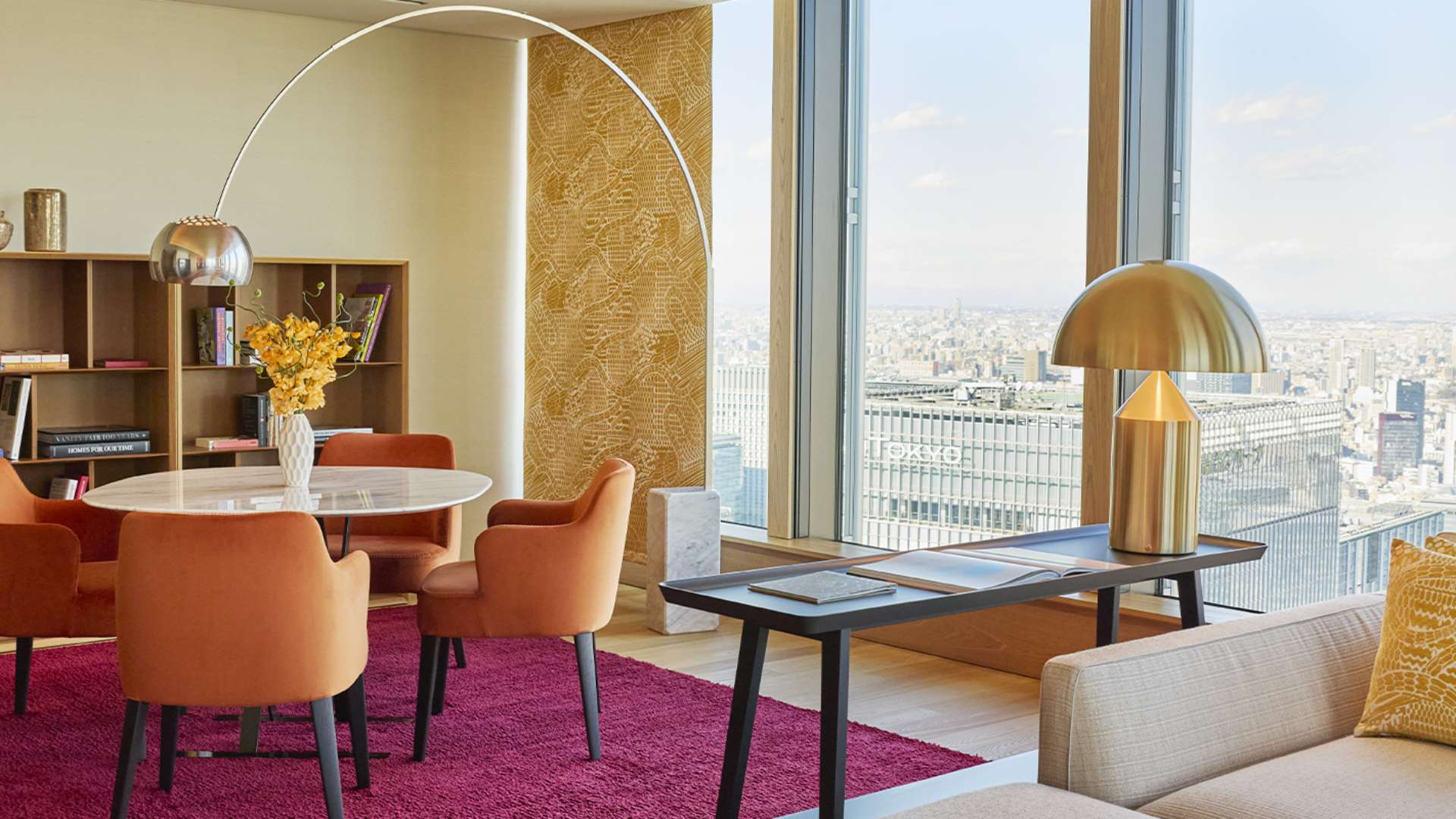
Bright and welcoming with a focus on healthy, quick-service dining.