NAU Nikkei Rooftop - InterContinental Lima Miraflores
NAU Nikkei Rooftop sits atop the InterContinental Lima Miraflores on the Malecón de la Reserva, fusing Japanese technique with Peruvian ingredients against an open-air backdrop facing the Pacific. The format places it within Lima's growing class of refined Nikkei dining, where the view is structural to the experience rather than incidental. For visitors and locals tracking where Lima's Japanese-Peruvian tradition has migrated since its coastal-restaurant origins, this is a relevant reference point.
Pearl is the En Primeur Club membership app — saves, bookings, and concierge access live there. Same editors, same standards.
- Address
- Mal. de la Reserva 751, Miraflores 15074, Peru
- Phone
- +5116160777
- Website
- opentable.com
- Directions
- Get directions
 Saves & bookings on Pearl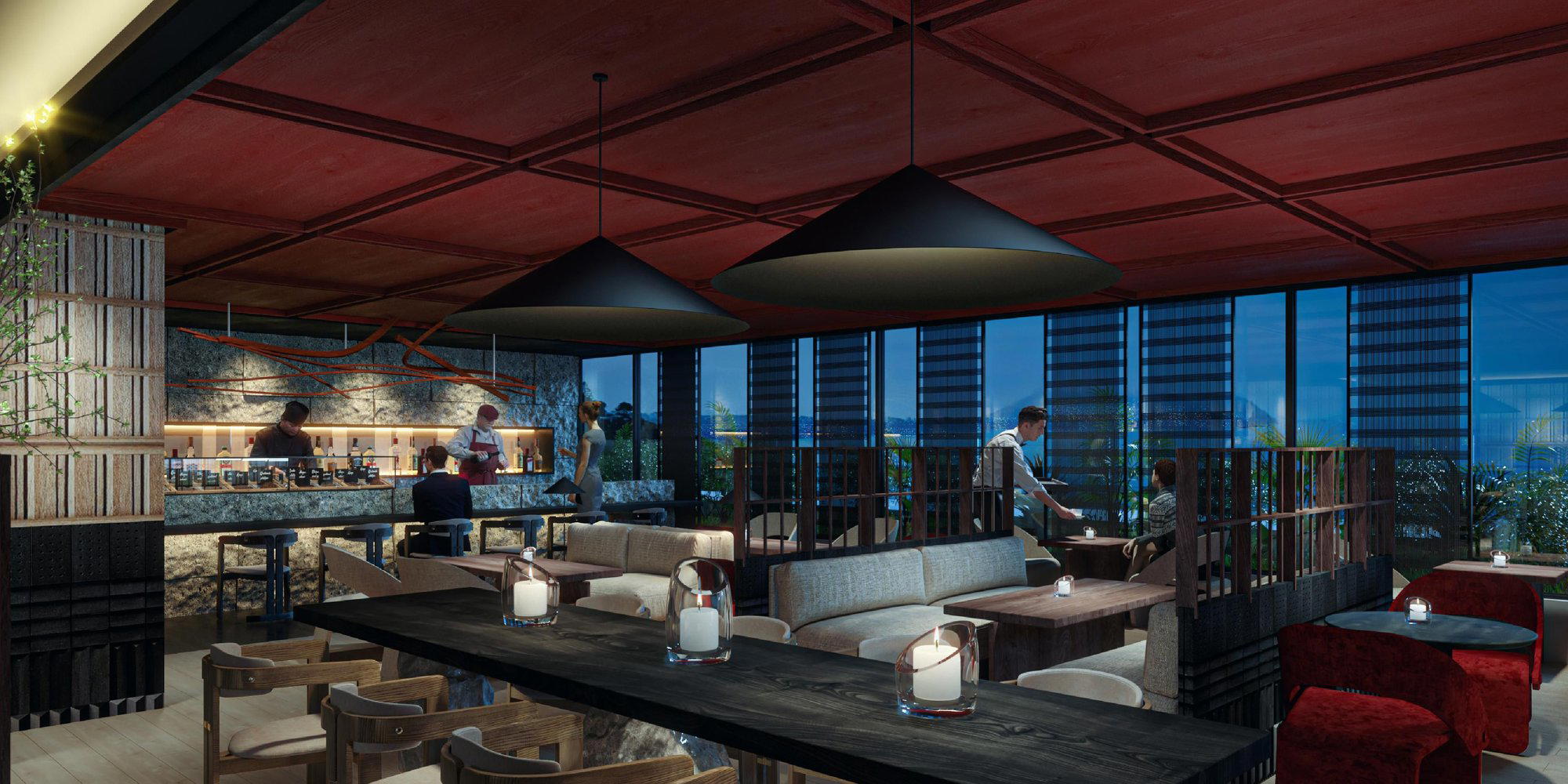
Where the Pacific Sets the Terms
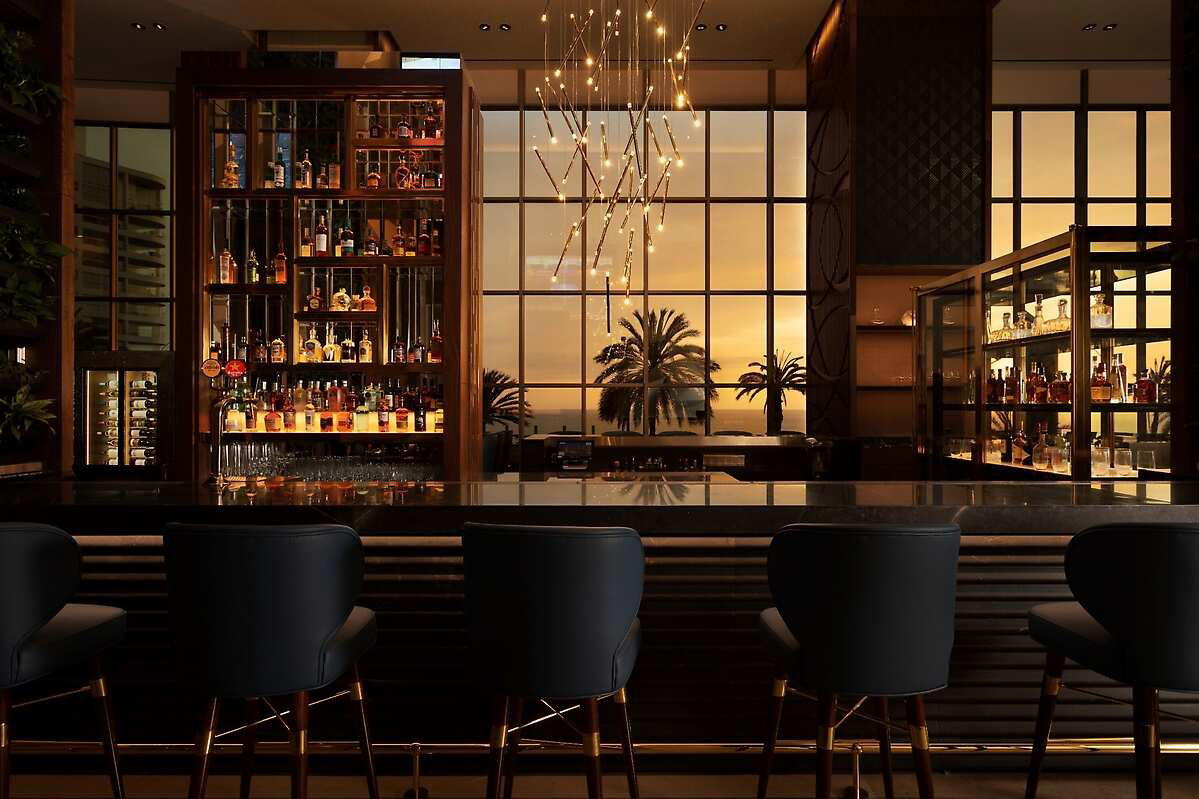
Lima's dining scene has long been shaped by its geography: a city pressed between desert hills and an ocean that refuses to be ignored. Nowhere is that dynamic more literal than on the rooftop tier of the InterContinental Lima Miraflores, where NAU Nikkei Rooftop positions the Pacific not as backdrop but as context. At this altitude above the Malecón de la Reserva, the horizon line arrives before the food does, and that sequencing is deliberate. Open-air rooftop dining in Lima carries atmospheric stakes that ground-floor restaurants simply cannot replicate: the salt in the air, the light shifting over the water as the afternoon cools, the particular silence of being above the city's noise while remaining inside it.
Miraflores is where Lima's premium dining has concentrated most densely, a district that now runs a competitive tier from traditional cevicherías and market-driven Peruvian kitchens up through ambitious tasting-counter formats. NAU sits within that district but operates in a sub-tier defined by hotel positioning and rooftop format, a combination that draws both international hotel guests and local residents who want the view alongside the cuisine. That dual audience shapes what Nikkei rooftop dining in this part of the city tends to look and feel like: slightly more relaxed than a dedicated fine-dining counter, considerably more considered than a hotel bar with food.
The Nikkei Framework in Lima
Nikkei cuisine, the fusion tradition born from Japanese immigration to Peru beginning in the late nineteenth century, is now one of Lima's most internationally recognized culinary exports. Its logic rests on a productive collision: Japanese technique and restraint applied to Peruvian raw materials, particularly the country's extraordinary range of fish, citrus, chilli, and root vegetables. The result is a cuisine that reads Japanese in structure but Peruvian in flavour weight. Dishes tend to be precise and clean in construction while carrying the assertive acidity and heat that define Peruvian palates.
Within Lima, Nikkei dining has evolved across several registers. At the fine-dining end, restaurants like Central Restaurante in Lima have pushed the entire Peruvian canon, Nikkei included, into international conversation, with recognition from the World's 50 Best and consistent Michelin attention. At the neighbourhood end, smaller spots serve tiraditos and causa to local regulars without ceremony. NAU occupies a middle tier that the hotel rooftop format defines: accessible enough for a hotel guest's first night in the city, considered enough to draw residents who track where the cuisine is being done seriously. For visitors wanting to calibrate Lima's Nikkei register across price points, comparing NAU with ground-level operators like Asianica provides useful contrast on how format shapes the experience.
The Sensory Architecture of a Rooftop Nikkei Dinner
The sensory logic of dining at this altitude in Lima is worth understanding. The Malecón de la Reserva runs along the cliff edge, meaning a rooftop venue at this address gains elevation above an already refined promenade. The Pacific is visible, the horizon broad. Lima's coastal light in the late afternoon, a diffuse, marine-layer silver that softens as the sun drops, tends to be more atmospheric than the sharp golden light of drier climates, and it plays well against ceramic tableware and the clean lines that Nikkei presentation typically favours.
Sound at a rooftop venue of this type is not the hush of a tasting counter. Wind off the ocean arrives periodically, ambient conversation carries, and the neighbourhood below contributes its own register. Diners who want the concentration of a dedicated counter experience, the focused quiet of somewhere like Atomix in New York City or the precision setting of Le Bernardin in New York City, should calibrate expectations accordingly. This is a different register: the atmosphere is the point as much as the plate, and the format rewards a slower, more ambient pace.
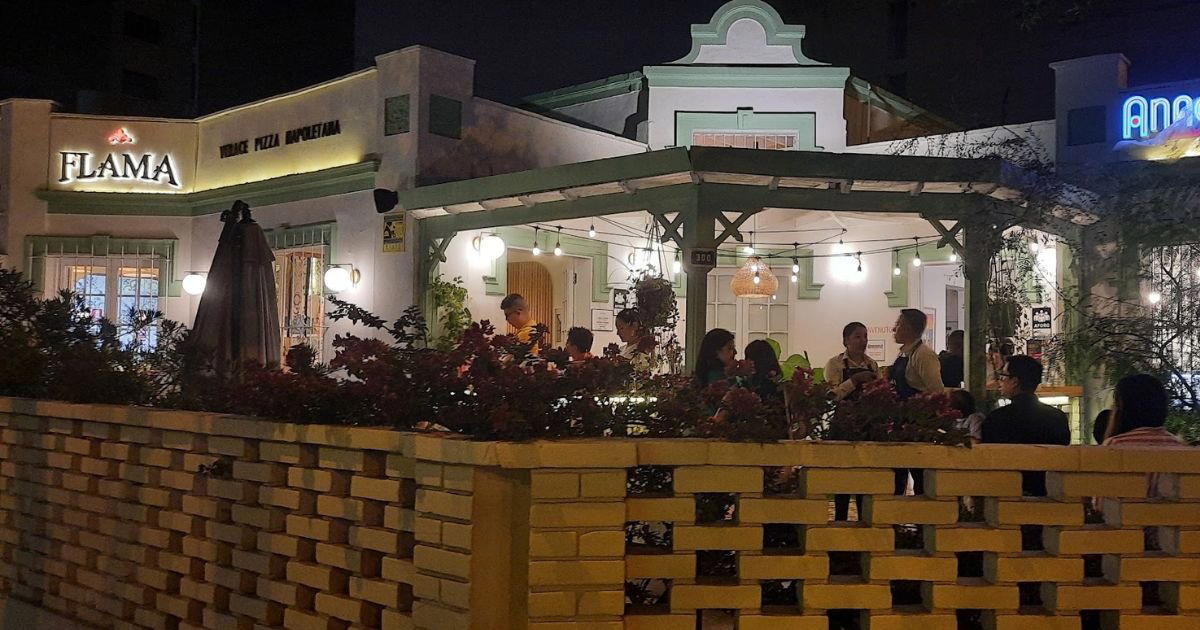
The Nikkei menu format at venues of this type typically anchors around tiradito, causa, and nigiri-adjacent preparations, with cooked dishes drawing on Japanese technique, light curing, precise heat application, clean emulsifications, applied to Peruvian protein. For visitors building a broader picture of Lima's seafood-forward tradition before or after this meal, Costanera 700 (Peruvian Seafood) and El Mercado (Peruvian Cuisine) represent the more traditionally Peruvian end of the same protein universe, while Flama and Factory Steak and Lobster Lima Miraflores occupy adjacent positions in Miraflores' premium dining tier.
Placing NAU Inside Lima's Wider Geography
Miraflores is only one node in Peru's dining map. Visitors extending beyond Lima will find the Nikkei and Peruvian fusion traditions continuing in unexpected registers: KUSHKA Restaurant in Cuzco and LIMO Cocina Peruana & Pisco Bar in Cusco show how altitude and Andean ingredients shift the reference points entirely, while Mil Centro in Moray operates at a research-forward level that puts it in conversation with Central's methodology.
Planning Your Visit
NAU Nikkei Rooftop is located at Malecón de la Reserva 751, Miraflores 15074, within the InterContinental Lima Miraflores hotel. The address puts it on the clifftop promenade, walkable from Miraflores' central park district and accessible by taxi or app-based car service from Barranco or San Isidro in under fifteen minutes depending on traffic.
Peers Worth Knowing
Comparable venues nearby, for context on price, style, and recognition.
| Venue | Cuisine | Price | Notes |
|---|---|---|---|
| NAU Nikkei Rooftop - InterContinental Lima MirafloresThis venue — the venue you are viewing | Nikkei Fusion | $$$$ | Not listed |
| Factory Steak and Lobster Lima Miraflores | Steak and Lobster Steakhouse | $$$$ | Miraflores |
| La Gloria | Mediterranean-Peruvian Fusion | $$$ | Miraflores |
| Saladero | Peruvian and International Fusion | $$$ | Miraflores |
| Costanera 700 | Nikkei Peruvian-Japanese Fusion | $$$ | Miraflores |
| The Market- InterContinental Lima Miraflores | Contemporary Peruvian with International Influences | $$$ | Miraflores |
Continue exploring
More in Miraflores
Restaurants in Miraflores
Browse all →

Hotels in Miraflores
Browse all →
Wineries in Miraflores
Browse all →
At a Glance
- Elegant
- Sophisticated
- Scenic
- Modern
- Date Night
- Special Occasion
- Rooftop
- Hotel Restaurant
- Panoramic View
- Terrace
- Craft Cocktails
- Sake Program
- Local Sourcing
- Waterfront
- Skyline
Elegant rooftop setting with relaxing atmosphere, dramatic city and ocean views, especially magical at sunset.