Skip to Main Content
Modern Peruvian Contemporary
← Collection
Dress CodeSmart Casual
ServiceUpscale Casual
NoiseQuiet
CapacityIntimate
We're Smart World

Statera, on Avenida Mariscal La Mar in Miraflores, has earned five radishes and a place in the Top 100 Best Vegetable Restaurants in the World for its plant-forward cooking rooted in Peruvian biodiversity. Chef André Patsias draws from coast, Andes, and Amazon to construct honest, vegetable-driven dishes that sit at the less-travelled edge of Lima's dining scene.

Pearl is the En Primeur Club membership app — saves, bookings, and concierge access live there. Same editors, same standards.

Plan your visit on PearlPlan Your Visit
Address
Avenida Mariscal La Mar 463, , 15074 Miraflores, Peru
Statera restaurant in Miraflores, Peru
About

Where Lima's Biodiversity Arrives at the Table

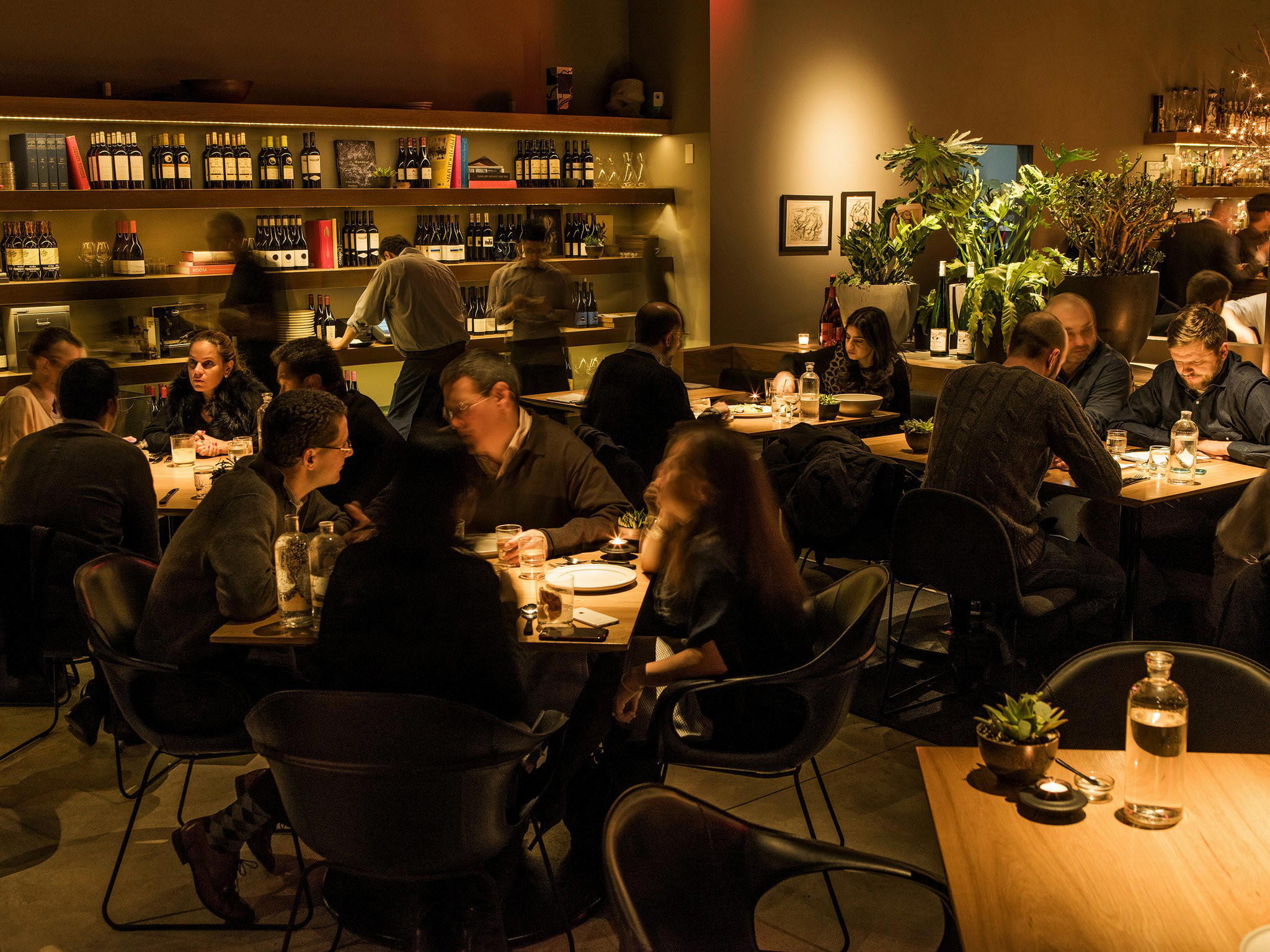
Statera is a restaurant in Miraflores, Lima, at Avenida Mariscal La Mar 463, with a price tier of 3 and a plant-led Modern Peruvian Contemporary focus. Avenida Mariscal La Mar runs through one of Miraflores' quieter residential stretches, a few blocks removed from the cliff-edge spectacle of Larco Mar and the louder circuit of tourist-facing restaurants. Arriving at number 463, there is little of the theatrical entrance common to Lima's more celebrated addresses. The building is understated, and that restraint carries directly into the room: no elaborate plating theatrics announced at the door, no overture of luxury signalling. What you encounter instead is a dining space calibrated to let the food carry the argument.

That argument, at Statera, is about what Peru's territory actually contains. The country's geography produces one of the most concentrated overlaps of ecosystems on earth: Pacific coastal currents that shape distinct seafood environments, high-altitude Andean farmland where native tubers, grains, and legumes have been cultivated for millennia, and Amazonian jungle that delivers ingredients most of the world's kitchens have never processed. Lima's best-known restaurants have drawn on all three zones for years. Central in Lima built an international reputation around altitude-mapped tasting menus that move systematically through those ecosystems. Mil Centro in Moray plants itself physically inside Andean terrain to make the same point. Statera's version of this conversation is narrower and, in some ways, more disciplined: it focuses the lens on plant ingredients, many of them from the lesser-documented edges of Peruvian biodiversity, and it does so through a philosophy its kitchen operates under explicitly.

The Think Vegetables! Think Fruit! Framework

The Think Vegetables! Think Fruit! philosophy that guides Statera's kitchen places vegetables and fruit at the structural centre of the meal. It places vegetables and fruit at the structural centre of the meal rather than as accompaniments to protein, and it demands genuine sourcing intelligence: knowing which varieties exist, where they are grown, and how they behave under heat, fermentation, or raw preparation. In Lima's context, that is a significant undertaking. Peru has over 3,000 documented varieties of potato alone. The Amazon basin contributes fruits, roots, and leaves that lack any established fine-dining vocabulary. The Andean highlands produce native corn varieties, quinoa relatives, and high-altitude tubers that remain unfamiliar even within Peru's own urban centres.

Statera's kitchen works with this material not as novelty but as the primary substance of its cooking. The result, according to the recognition the restaurant has received, is food that reads as simple and honest rather than technically demonstrative. That positioning places it at an interesting remove from some of the more technique-heavy addresses on Miraflores' dining circuit. Venues like Costanera 700 anchor their identity in Peruvian seafood, while El Mercado operates as a broader Peruvian cuisine reference. Asianica and Flama represent the neighbourhood's range of contemporary formats. Statera occupies a separate niche: a plant-led table drawing on the full geographic spread of Peruvian ingredients, with formal recognition validating that niche positioning.

Recognition and What It Signals

The five-radish rating and Top 100 placement in the Leading Vegetable Restaurants in the World is the most specific credential attached to Statera. That award framework evaluates restaurants on their commitment to vegetable-centred cooking, sourcing depth, and culinary execution, and a five-radish result places a kitchen at the assessment's upper tier. For a restaurant in a city where the dominant fine-dining conversation has long been about ceviche, causa, and protein-forward tasting menus, that recognition points toward something genuinely distinct.

The award citation specifically flags lesser-known Peruvian ingredients from coast, highlands, and Amazon as the sourcing foundation, and it describes the result as a vegetable feast built on simplicity and flavour rather than technical showmanship. That framing matters because it positions Statera alongside a global cohort of plant-focused restaurants where the competitive measure is ingredient knowledge and cooking clarity, not luxury signals. For comparison, at the protein-centred end of Lima's ambitious dining, chefs like those behind Cosme in San Isidro are working different sourcing arguments. Internationally, the plant-forward fine-dining tier that Statera sits within is distinct from the seafood-dominant prestige model of places like Le Bernardin in New York City or the regional American tradition represented by Emeril's in New Orleans.

Ingredient Geography as Menu Logic

Three-zone sourcing model, coast, Andes, Amazon, is now well established in the rhetoric of Peruvian fine dining, but the execution varies considerably. Restaurants that claim the full geographic range often rely on the most commercially accessible representatives of each zone. Coastal ingredients default toward standard ceviche fish and shellfish. Andean sourcing leans on purple corn, quinoa, and the potato varieties already present in Lima's markets. Amazonian ingredients, the harder and more expensive sourcing challenge, often appear as garnish or accent rather than as central elements.

Specific mention in Statera's award citation of "less known" ingredients from all three zones, combined with the vegetable and fruit focus, suggests a sourcing operation that goes further than the typical Lima narrative. Amazon fruits like camu camu, cocona, or aguaje; high-altitude Andean grains like cañihua; coastal vegetables from Peru's narrow desert littoral: these are the categories that a committed plant-focused kitchen would need to engage with meaningfully. Restaurants anchored in Peru's Amazon geography, like those serving guests aboard Delfin Amazon Cruises in Iquitos or at the Delfin I dining room in Nauta, work with Amazonian ingredients out of physical proximity. Statera does it from a Miraflores address, which is a different and more deliberate sourcing commitment. For regional context, the work being done at Chicha por Gaston Acurio in Cusco and Cirqa in Arequipa shows how Peru's regional kitchens engage with local ingredient pools; Statera's contribution is to bring that geographic range into a single Miraflores dining room.

Planning Your Visit

Statera sits at Avenida Mariscal La Mar 463 in Miraflores. Statera sits at Avenida Mariscal La Mar 463 in Miraflores. Dress code is smart casual and reservations are recommended.

Frequently asked questions

At-a-Glance Comparison

Comparable venues nearby, for context on price, style, and recognition.

At a Glance
Vibe
  • Modern
  • Elegant
  • Intimate
  • Cozy
Best For
  • Date Night
  • Business Dinner
  • Special Occasion
Experience
  • Open Kitchen
Drink Program
  • Craft Cocktails
Sourcing
  • Local Sourcing
Dress CodeSmart Casual
Noise LevelQuiet
CapacityIntimate
Service StyleUpscale Casual
Meal PacingLeisurely

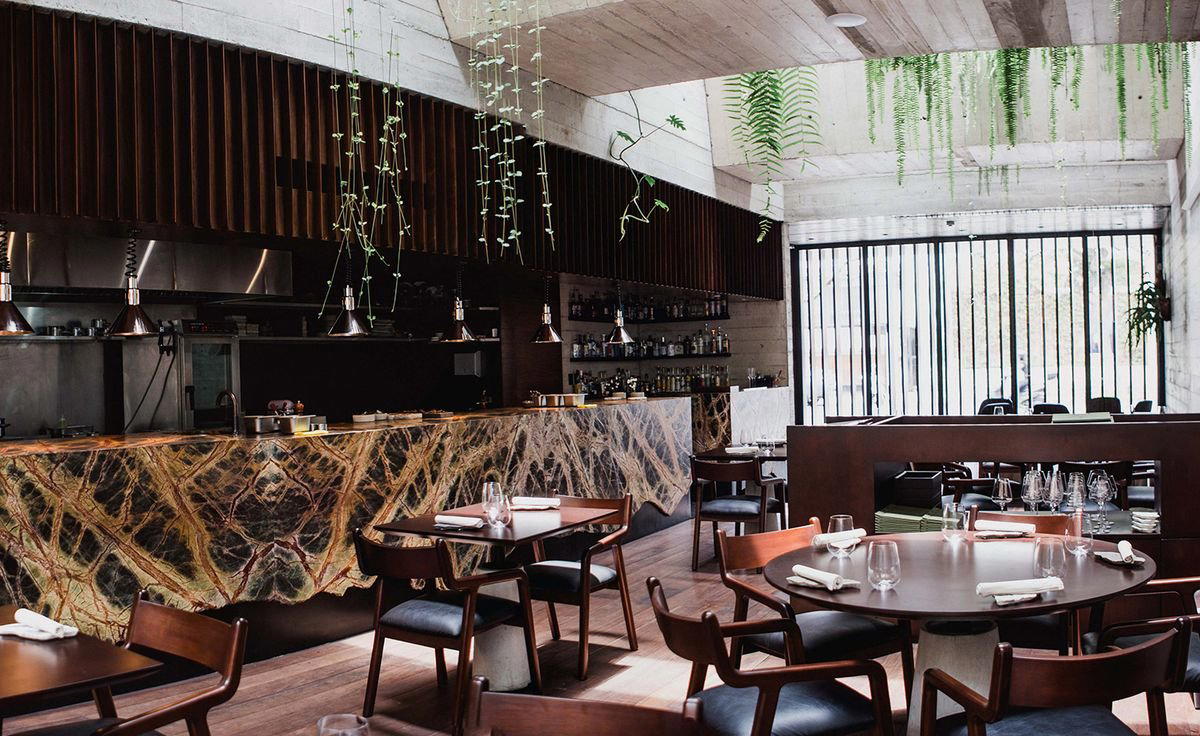
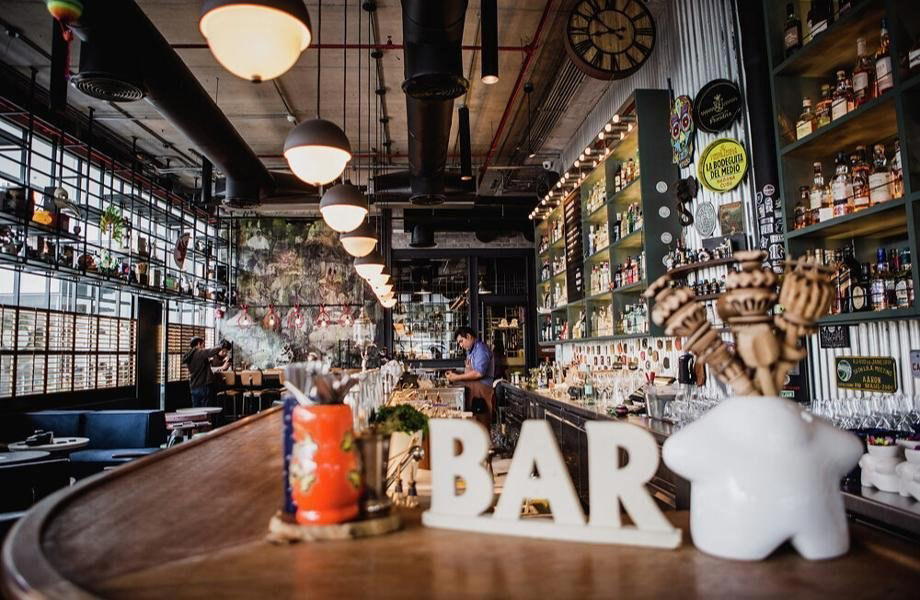
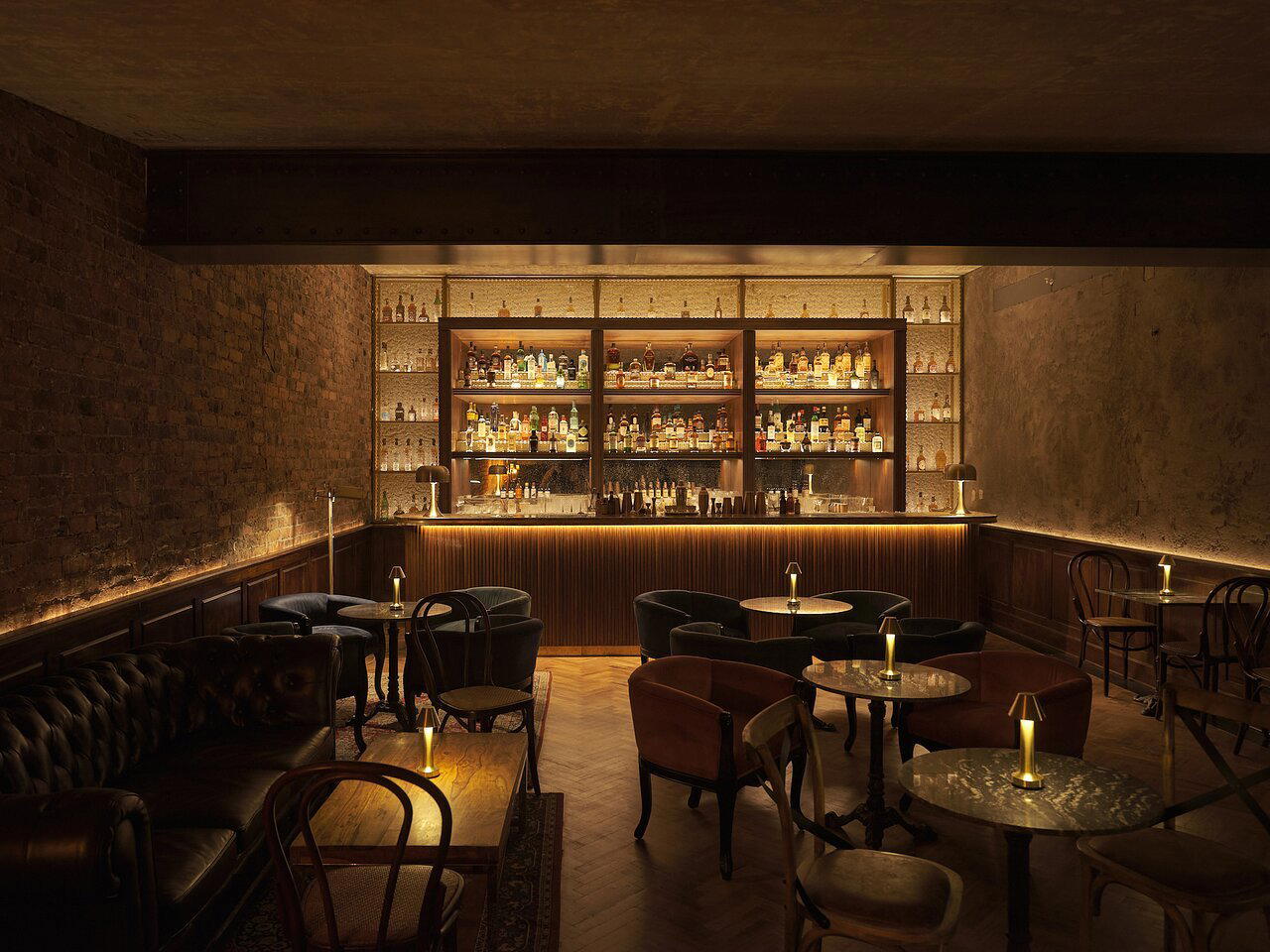
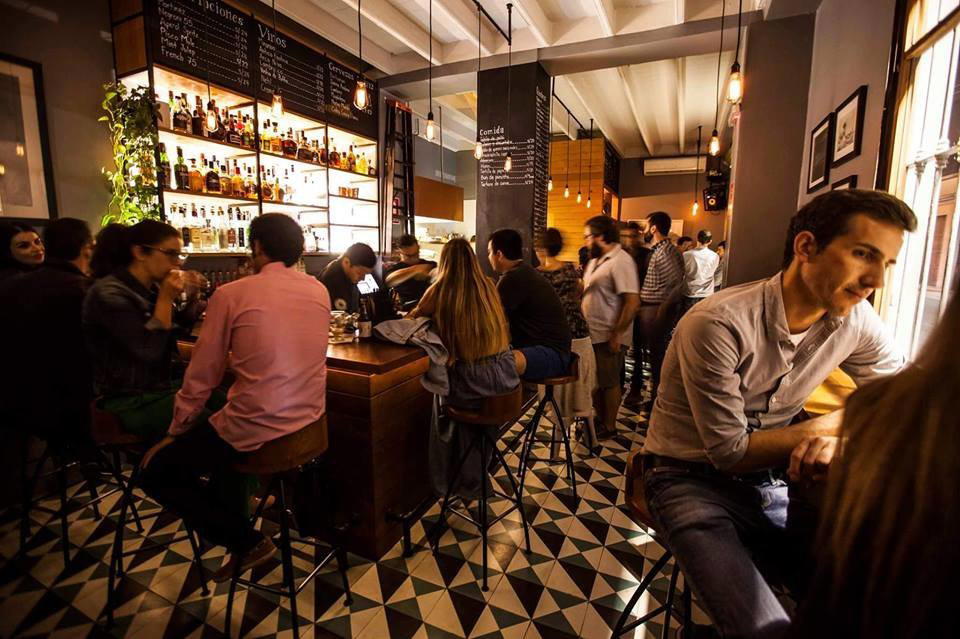
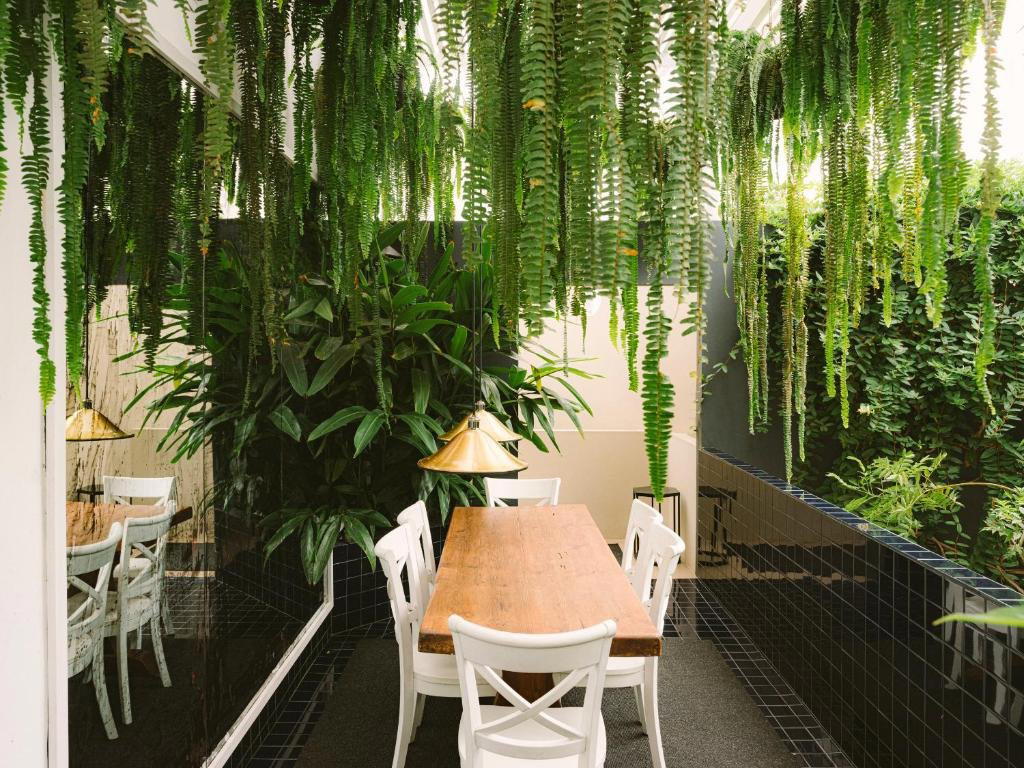
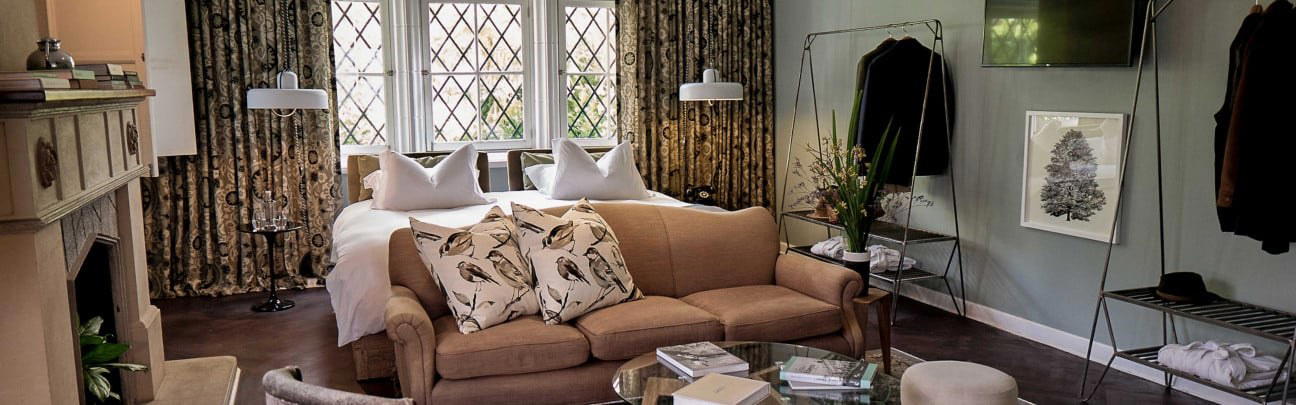
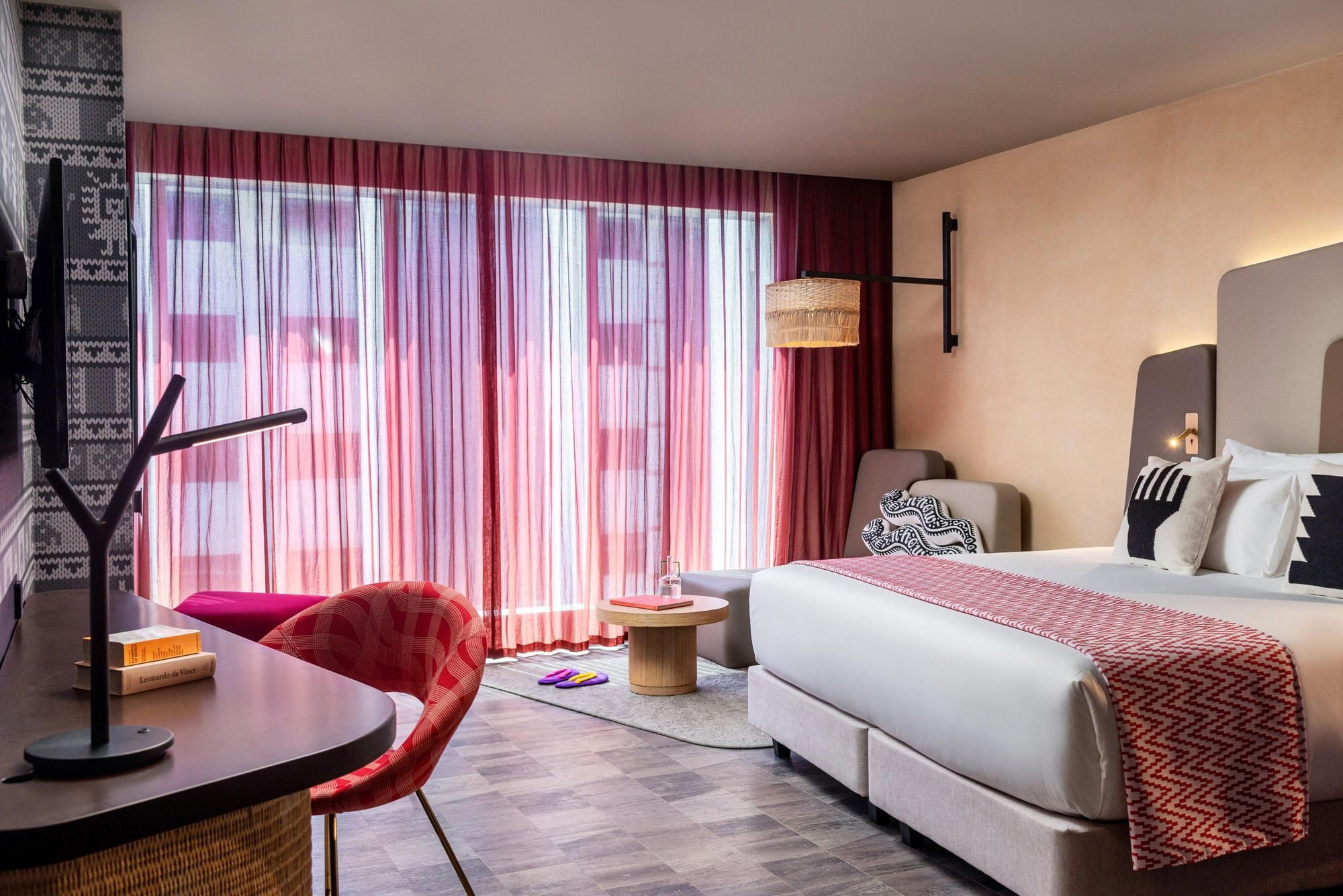
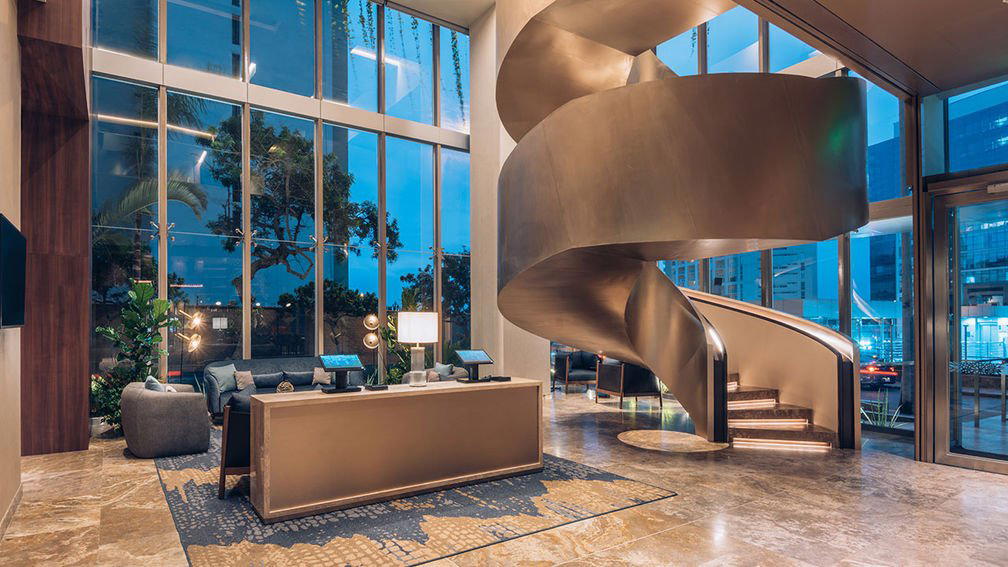
Mood-lit space with dark timber floors, walnut furnishings, marble bar, exposed kitchen, and greenery overflowing from concrete beams creating a cool, light-filled oasis.