
We're Smart World 2 Radishes
Our verdict
A plant-based kitchen in Miraflores that draws on Peruvian, Japanese, Thai, and American influences to produce hearty, flavor-driven food without any fine-dining pretension. Recognized by the We're Smart Green Guide for proving that impact doesn't require white tablecloths or tasting menus. Find it on Av. Petit Thouars in the heart of Miraflores.

Pearl is the En Primeur Club membership app, where members save venues, book tables and use the concierge.
The menu
What to order
- Veggie makis
- Bao burger
- Hongos saltado
- Pirikara ramen
Where Plant-Based Eating Meets the Global Pantry
Miraflores has long been Lima's most internationally minded district, a neighbourhood where Japanese nikkei kitchens sit alongside Peruvian ceviches, Thai-inflected plates, and American-leaning comfort food. Asianica, on Av. Petit Thouars, operates at the intersection of all of those traditions simultaneously, not as a gimmick, but as a reflection of how Lima's plant-based dining scene has developed: pluralist, unapologetic, and oriented toward flavor rather than dietary virtue-signaling. In a city that has spent two decades building a global reputation through the Central-and-Acurio axis, a kitchen that refuses to position itself as either fine dining or health food occupies genuinely useful territory.
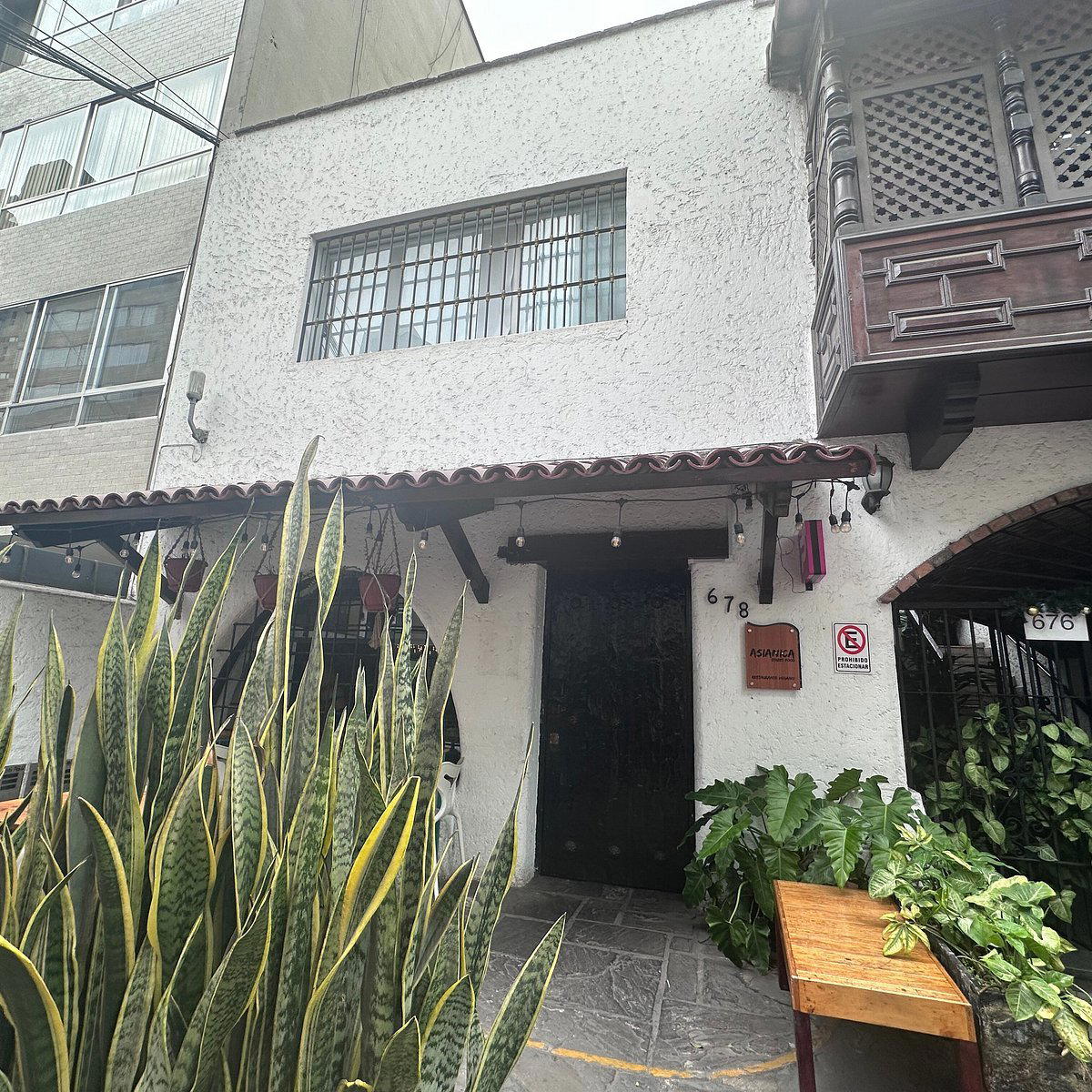
The physical space on Petit Thouars signals the kitchen's priorities before you sit down. There is no attempt at the hushed minimalism that marks Lima's upper-tier tasting rooms, and no effort to replicate the tiled, market-stall aesthetic that has become shorthand for casual Peruvian eating. What you get is a room organized around the food itself: hearty portions, cross-cultural references, and a format built for appetite rather than ceremony. Compared with the refined, surf-forward cooking at Costanera 700 or the market-kitchen sensibility of El Mercado, Asianica occupies a different register entirely, lower formality, wider geographic reference, and a commitment to plant-sourced ingredients as the organizing principle rather than an afterthought.
The Sourcing Logic Behind a Global Plant Kitchen
Running a 100% plant-based kitchen that pulls from Peruvian, Japanese, Thai, and American culinary traditions is a sourcing challenge before it is a cooking one. Peru is, by almost any measure, one of the most ingredient-rich countries in the world: over 3,000 varieties of potato, hundreds of chili cultivars, native grains like quinoa and kiwicha, and a coastal and Amazonian produce diversity that few countries can match. A plant-based kitchen in Miraflores draws on that biodiversity in ways that a meat-centric restaurant can partially obscure. Here, the underlying ingredient has to carry the dish.
The Japanese and Thai threads in the menu introduce a second sourcing logic: umami-forward ferments, soy-based proteins, rice preparations, and aromatic herb profiles that sit naturally alongside Peruvian chili heat and citrus. This is not an unusual combination in Lima, where nikkei cooking (the Japanese-Peruvian fusion tradition that Cosme in San Isidro represents in a more refined register) has been part of the culinary fabric for over a century. Across Peru more broadly, from the altitude cooking of Mil Centro in Moray to the regional kitchens of Chicha por Gaston Acurio in Cusco, plant ingredients form the structural backbone of Andean cuisine, Asianica's approach is less radical in context than it might appear on paper.
The American thread in the menu is worth noting for what it implies about the kitchen's orientation. American comfort food is, at its core, about generosity of portion and directness of flavor. Grafting that sensibility onto plant-based ingredients is harder than it sounds: the challenge is achieving the satiety and depth that meat-heavy American food delivers without the shortcuts. When a kitchen does it credibly, it signals genuine technical competence in plant-based cooking, not just a substitution exercise.
Recognition Without Stars
We're Smart Green Guide, which focuses exclusively on plant-forward and vegetable-centric restaurants, includes Asianica explicitly because of what it is not. The guide's note is direct: this is not a five-radish restaurant in Lima, but it makes an impact, and that is why it belongs. In a guide structure where the top tier is reserved for kitchens like those operating at the level of Le Bernardin in New York City or the ingredient-obsessed precision of Mil Centro, the decision to include a hearty, unfussy flavor kitchen is a deliberate editorial statement about the range of ways plant-based eating can matter.
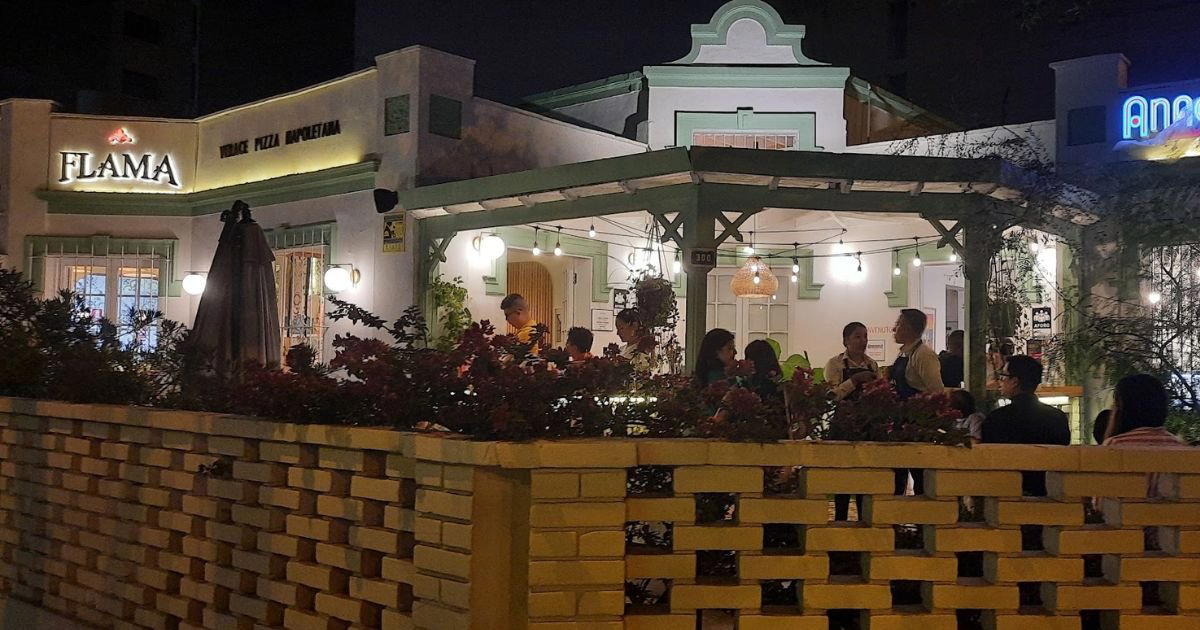
In Lima specifically, the fine-dining conversation tends to dominate coverage. The city's international reputation rests on a handful of restaurants whose tasting menus and Michelin-adjacent credentials position them alongside the world's most technically demanding kitchens. That framing, while accurate about those specific addresses, can compress the picture of what Lima actually offers across price points and formats. Flama and the broader Miraflores casual dining circuit show that the district supports a wide range of formats. Asianica's inclusion in a respected plant-focused guide adds a data point that is otherwise underrepresented in standard Lima coverage: that the city's plant-based options have moved well past token salad menus and into kitchens with genuine cross-cultural ambition.
Miraflores Context and How to Approach It
Miraflores is Lima's most visitor-ready district, with the densest concentration of restaurants, bars, and hotels relative to footprint. Our full Miraflores restaurants guide covers the spectrum from market-style ceviche counters to long-menu tasting experiences. Within that spectrum, Asianica sits in the accessible, high-flavor, no-ceremony tier: a practical choice for a lunch or dinner that doesn't require advance booking anxiety or a formal dress consideration, and that delivers genuine cross-cultural cooking in a neighborhood that can otherwise skew toward premium price points.
The address on Av. Petit Thouars places it within walking range of Miraflores's central commercial and residential core. For visitors combining the restaurant with broader Lima exploration, the district's accommodation options are covered in our full Miraflores hotels guide, and the bar circuit in our full Miraflores bars guide. Those planning a wider Peru itinerary might also look at the experiential dining available further afield: Cirqa in Arequipa, Killa Wasi in Urubamba, and the remarkable floating-kitchen format of Delfin Amazon Cruises in Iquitos or the Delfin I dining room in Nauta each represent different aspects of Peru's geographic and culinary range. For those comparing plant-forward comfort cooking against a different American tradition, Emeril's in New Orleans anchors the American end of that spectrum. You can also explore Miraflores wineries and Miraflores experiences to round out a stay in the district.
Frequently asked questions
Is Asianica okay with children?
The format suits families reasonably well. The kitchen is described as hearty and straightforward rather than formally structured, which means portions and flavour profiles skew approachable. The 100% plant-based menu at Av. Petit Thouars 5232 removes common allergen concerns around meat and fish, though parents should confirm specific dietary needs directly with the restaurant.
How would you describe the vibe at Asianica?
Casual and appetite-forward. The We're Smart Green Guide specifically notes this is not fine dining but frames that as a point in its favour: the kitchen prioritises generous, flavour-driven cooking over ceremony. In Miraflores, where white-tablecloth ambition is the default register, Asianica sits at a different register altogether.
Is Asianica award-winning?
Asianica has received recognition including: Asianica is a 100% pure plant restaurant made for those with a big appetite. The cuisine is a fusion of flavors from around the world—from Peruvian to Japanese, Thai, American, and more—all presented in a straightforward and hearty way. Is ….
What do regulars order at Asianica?
The menu pulls from Peruvian, Japanese, Thai, and American traditions across a 100% plant-based framework, so repeat visitors tend to move across cuisines rather than anchoring to a single dish. The We're Smart Green Guide recognition points to the kitchen's ability to deliver on flavour across that range, which suggests the globally inflected preparations are the draw rather than any single signature item.
Where do I go for Asianica?
Asianica is located at Av. Petit Thouars 5232, Miraflores 15074, Peru, Miraflores.
Comparable Venues
Comparable venues nearby, for context on price, style, and recognition.
| Venue | Cuisine | Price | Awards | Notes |
|---|---|---|---|---|
| AsianicaThis venue (the venue you are viewing) | Vegan Asian-Peruvian Fusion | $10–20 | We're Smart World 2 Radishes | Not listed |
| Insumo Rooftop | Modern Peruvian Seafood Rooftop | $50–100 | Not listed | Miraflores |
| NAU Nikkei Rooftop - InterContinental Lima Miraflores | Nikkei Fusion | Not listed | Not listed | Miraflores |
| Flama | Authentic Neapolitan Pizza | $20–30 | 50 Top Pizza World #37 | Miraflores |
| The Market- InterContinental Lima Miraflores | International Cuisine with a Global Twist | $30–50 | Not listed | Miraflores |
| Costanera 700 | Nikkei Peruvian-Japanese Fusion | $50–100 | La Liste Top Restaurants · Star Wine List | Miraflores |
Recognition history
Dated appearances from independent guides and award organizations, with the underlying list record or original source where available.
We're Smart World 2 Radishes
We're Smart World
Continue exploring
More in Lima
Restaurants in Lima
All restaurants in Lima →
Bars in Lima
All bars in Lima →
Hotels in Lima
All hotels in Lima →
Wineries in Lima
All wineries in Lima →
Details
- Cozy
- Modern
- Intimate
- Casual Hangout
- Date Night
- Open Kitchen
- A La Carte
- Small Plates
- Vegan Options
- Vegetarian Friendly
Current opening hours
- Monday
- 12–4 PM, 6–9 PM
- Tuesday
- 12–4 PM, 6–9 PM
- Wednesday
- 12–4 PM, 6–9 PM
- Thursday
- 12–4 PM, 6–9 PM
- Friday
- 12–4 PM, 6–10 PM
- Saturday
- 12–4 PM, 6–10 PM
- Sunday
- 12:30–4:30 PM, 6–9 PM
Hours can change for holidays and private events. Hours as of .
Calm and pleasant with friendly service, cozy small space featuring smooth electro music and beautiful food presentation.