Naruto
Naruto sits on Rue de la Verrerie in the historic centre of Aix-en-Provence, a city where serious dining tends to cluster around the cours Mirabeau axis and the medieval quarter behind it. The address places it squarely within that concentration, drawing on a neighbourhood where centuries-old stone buildings frame a dining scene that ranges from Provençal bistros to contemporary tasting-menu rooms. Aix's restaurant tier has sharpened considerably in recent years, and Naruto occupies a position worth understanding in that context.
Pearl is the En Primeur Club membership app — saves, bookings, and concierge access live there. Same editors, same standards.
- Address
- 19 Rue de la Verrerie, 13100 Aix-en-Provence, France
- Phone
- +33442214907
- Website
- restaurant-naruto.com
- Directions
- Get directions
 Saves & bookings on Pearl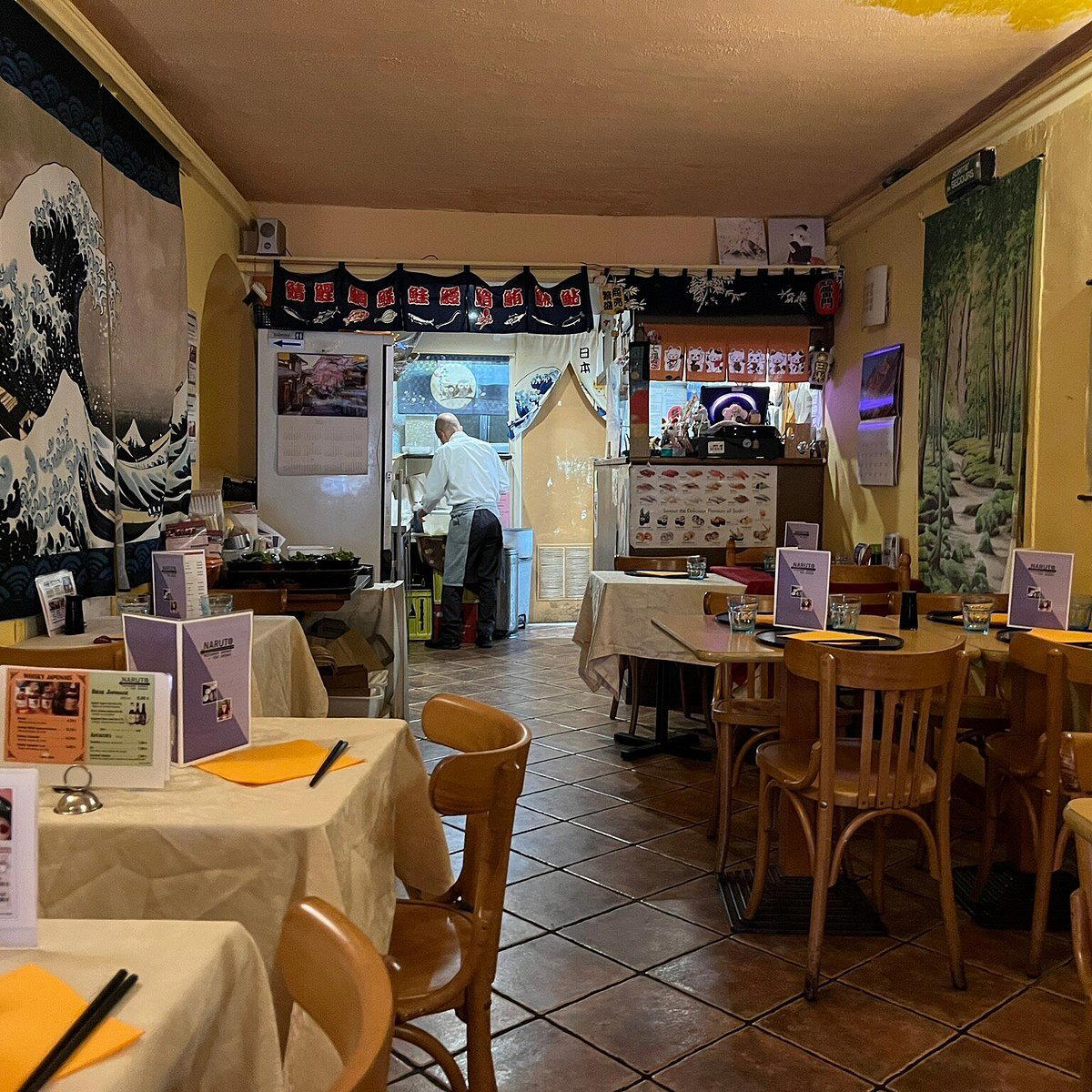
Where the Street Leads You
Rue de la Verrerie is one of those narrow streets in central Aix-en-Provence that rewards the pedestrian willing to move away from the broad, plane-tree-lined sweep of the cours Mirabeau. The stone facades close in, the foot traffic thins, and the addresses shift from tourist-facing to something more local in character. At number 19, Naruto occupies a spot that reflects a wider pattern in Aix: the city's more considered dining choices tend to sit just off the main arteries, in addresses that require a deliberate decision to find.
Aix-en-Provence's dining scene has gone through a recognisable sorting process over the past decade. The city's proximity to Marseille, where AM par Alexandre Mazzia has drawn sustained international attention, has raised the baseline expectation for serious cooking across the wider region. Against that backdrop, Aix has developed its own tier of restaurants worth tracking: Pierre Reboul at the creative end, Le Art working the modern cuisine register, and Château de la Pioline anchoring a more classically French position. Naruto sits within this field, at an address that has become part of the neighbourhood's dining fabric.
The Arc of a Meal in Aix
One useful way to think about dining in this part of southern France is through the structure of the meal itself. Provençal cooking at its most coherent follows a progression that respects the season and the source: lighter preparations first, drawing on the market produce that makes the region's morning routines in the Place Richelme so well regarded, moving toward richer, more anchored main courses, and resolving in something that acknowledges the Mediterranean sweet tradition without overwhelming it. This is a different architecture from the elaborately constructed tasting menus you find at the French establishments that attract international attention, places like Mirazur in Menton or Alléno Paris au Pavillon Ledoyen, but it is no less intentional for that.
In the neighbourhood tier where Naruto operates, the progression of a meal carries its own logic. The opening courses in this kind of room tend to work with what the region produces directly: vegetables from the Var hinterland, the herbs that grow with little encouragement across Provence, the olive oils that local producers press in small quantities. The middle of a meal in this register often anchors around a protein that has some relationship to the land or the coast, given that Aix sits at a plausible distance from both. The resolution, in a restaurant drawing on Japanese reference points as the name implies, might shift the register entirely, introducing a counterpoint precision that the Provençal tradition does not naturally produce on its own.
That kind of cultural layering, French-Japanese in particular, has a long history in serious French dining. Flocons de Sel in Megève has explored similar dialogues at altitude. The tradition reaches back further into the deep lineage of French cooking that institutions like Troisgros and Bras in Laguiole represent, establishments where the French kitchen's willingness to absorb external influence has always been part of the story. Auberge de l'Ill in Illhaeusern and Au Crocodile in Strasbourg represent the Alsatian strand of that inheritance. At the level of a neighbourhood restaurant in Aix, the conversation is less formal but structurally similar: what does Japanese precision or Japanese product logic do when it meets the Provençal pantry?
Aix's Dining comparable set and Where Naruto Sits
The city's restaurant field is not large by the standards of major French dining destinations, which is partly what makes it legible. At the upper end, Pierre Reboul and Le Art operate at a price point and ambition level that places them in direct comparison with regional restaurants elsewhere in southern France. Below that, Côté Cour and BACK to BAC occupy a more accessible register. Naruto's position in this structure is worth considering when planning how to sequence a stay in Aix: it functions as a distinct counterpoint within the city's dining options, bringing a reference point that the Provençal-heavy field does not otherwise supply in concentrated form.
For a city of Aix's scale, the diversity of available cuisines is more limited than in Marseille or Lyon, which means that a restaurant drawing on Japanese culinary logic occupies a less crowded position than it would in Paris or Nice. The comparison point internationally would be the kind of focused, technically grounded small restaurants in New York, where Atomix has demonstrated how Korean-inflected precision can reshape expectations in a dining city already saturated with options, or where Le Bernardin has long shown that a single cuisine register executed with consistency builds a different kind of reputation than range alone. In Aix, the bar is set differently, but the principle holds: a restaurant that commits to a specific culinary reference within a field that does not otherwise provide it tends to become a fixture faster than a generalist.
Planning a Visit
The address at 19 Rue de la Verrerie places Naruto within walking distance of the cours Mirabeau and the major squares of the old town, making it direct to incorporate into a day that starts at the market and ends at a bar in the Mazarin quarter. Aix's historic centre is compact enough that most of the city's notable dining addresses are within fifteen minutes on foot of each other, which makes meal sequencing across a multi-day stay easier to manage than in a city with multiple disconnected dining corridors. The full picture of what Aix offers across cuisine types and price tiers is covered in the EP Club Aix-en-Provence restaurants guide. For the broader regional frame, the benchmark restaurants at the highest level of French cooking, from Paul Bocuse's Auberge du Pont de Collonges to Assiette Champenoise in Reims, provide a useful reference grid for understanding how Aix fits into the wider French dining geography.
- gyoza
- ramen
- tempura
- yakitori
- sashimi
- karaage
- okonomiyaki
- donburi
Awards and Standing
Comparable venues nearby, for context on price, style, and recognition.
| Venue | Cuisine | Price | Notes |
|---|---|---|---|
| NarutoThis venue — the venue you are viewing | Traditional Japanese Izakaya | $$ | Not listed |
| Pizzeria Délices De Capoue | Authentic Italian Wood-Fired Pizza | $$ | Centre Ville |
| Mammò | Corsican Bistro | $$ | Centre Ville |
| Grenache | Modern French Bistro | $$ | Pont De Beraud |
| Kaiseki - Château de la Gaude | Dining | Not listed | Les Hauts D'Aix |
| BACK to BAC - Aix-en-Provence | Cocktail Bar with Tapas & Pizza | $$ | Centre Ville |
Continue exploring
More in Aix-en-Provence
Restaurants in Aix-en-Provence
Browse all →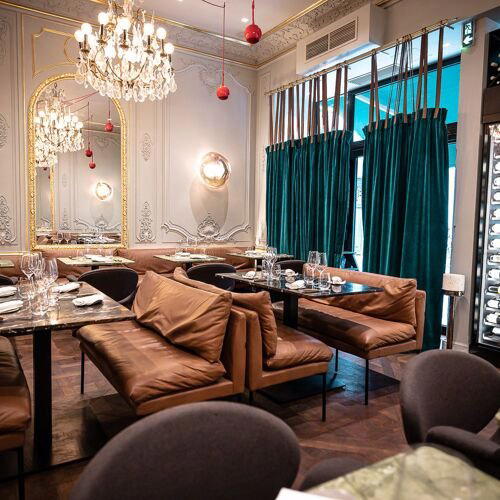
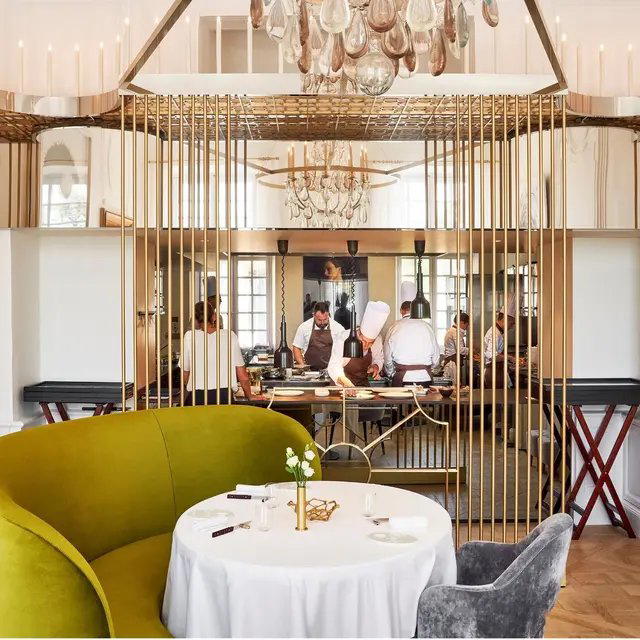
Bars in Aix-en-Provence
Browse all →
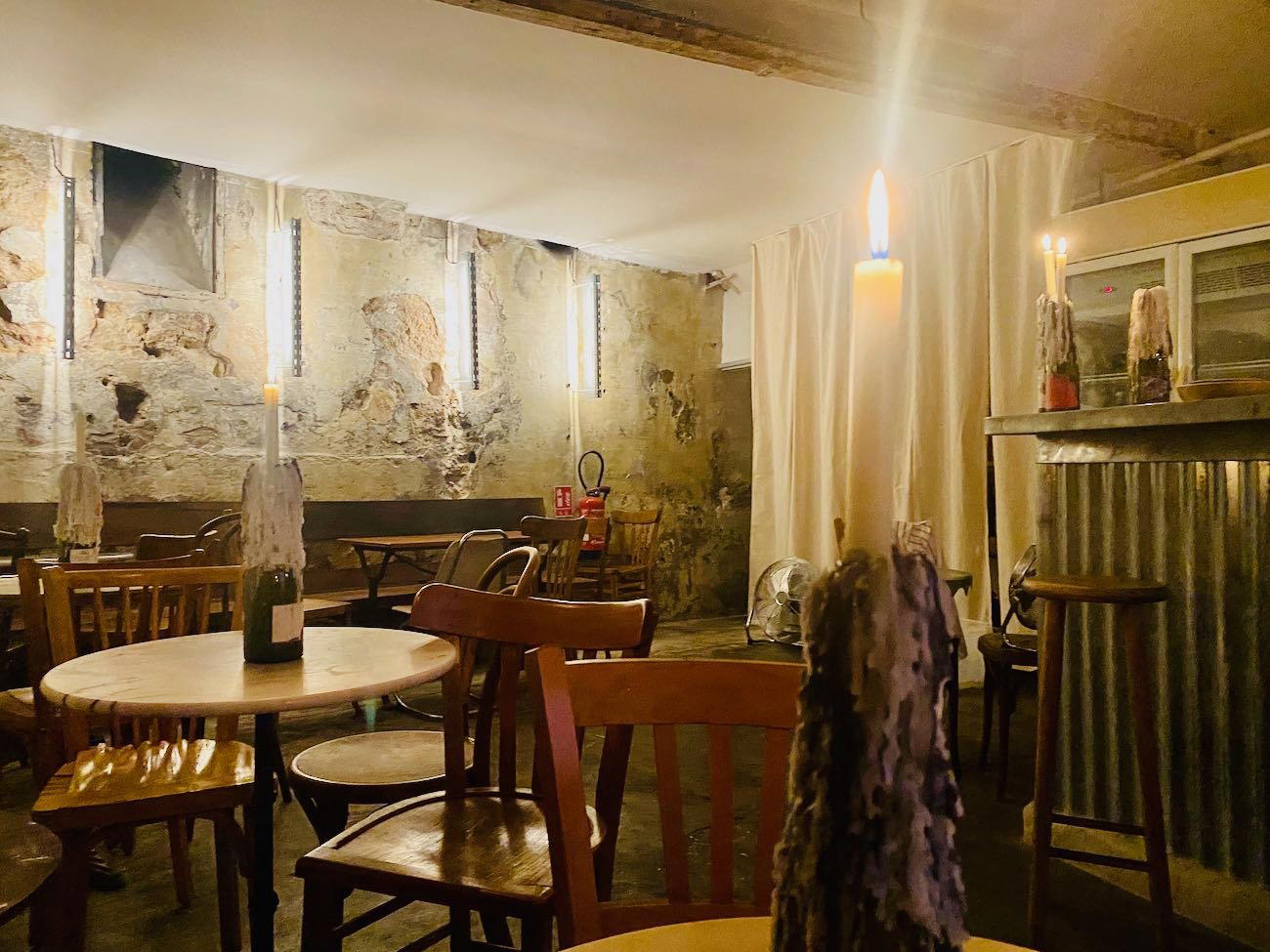
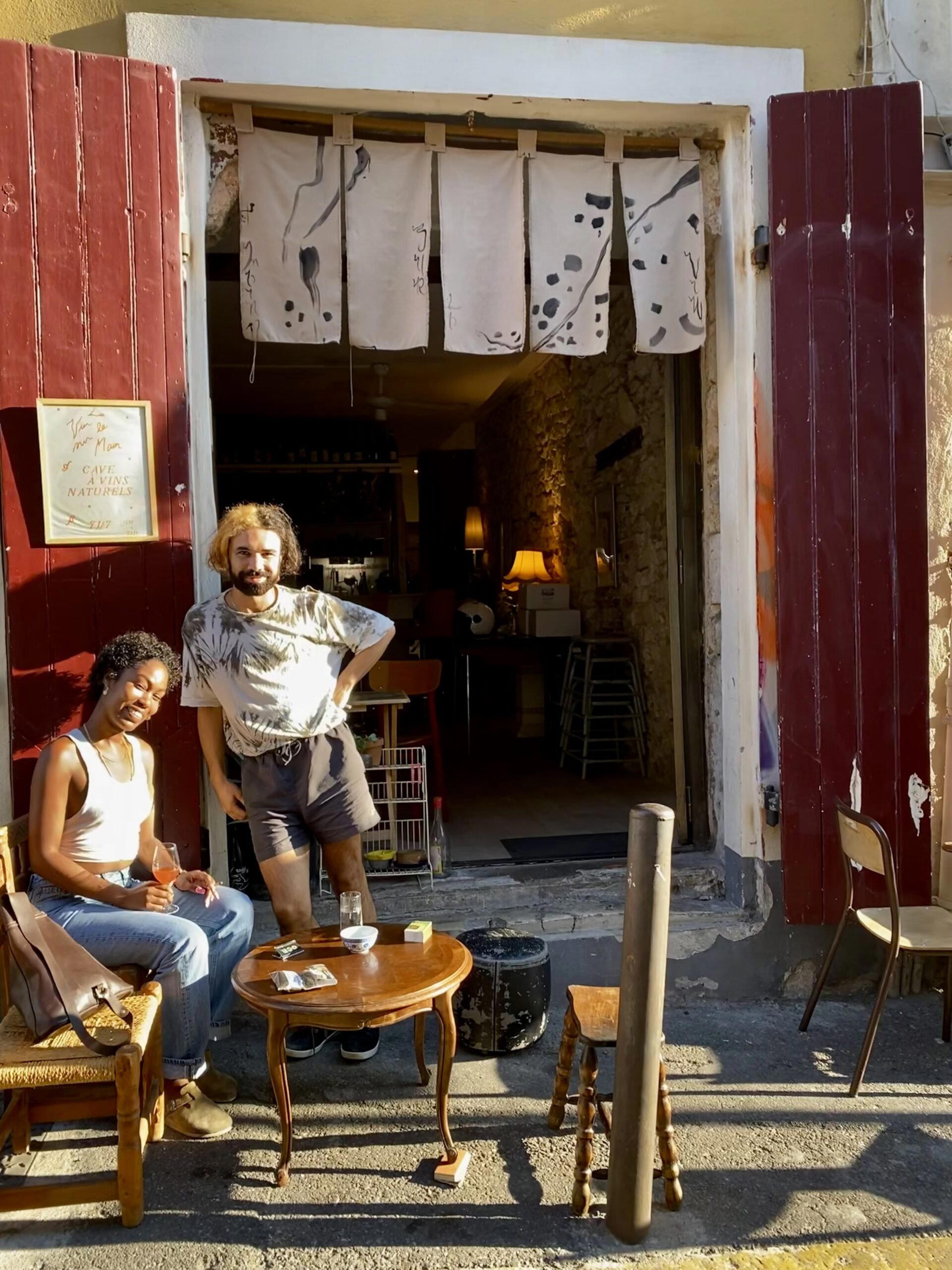
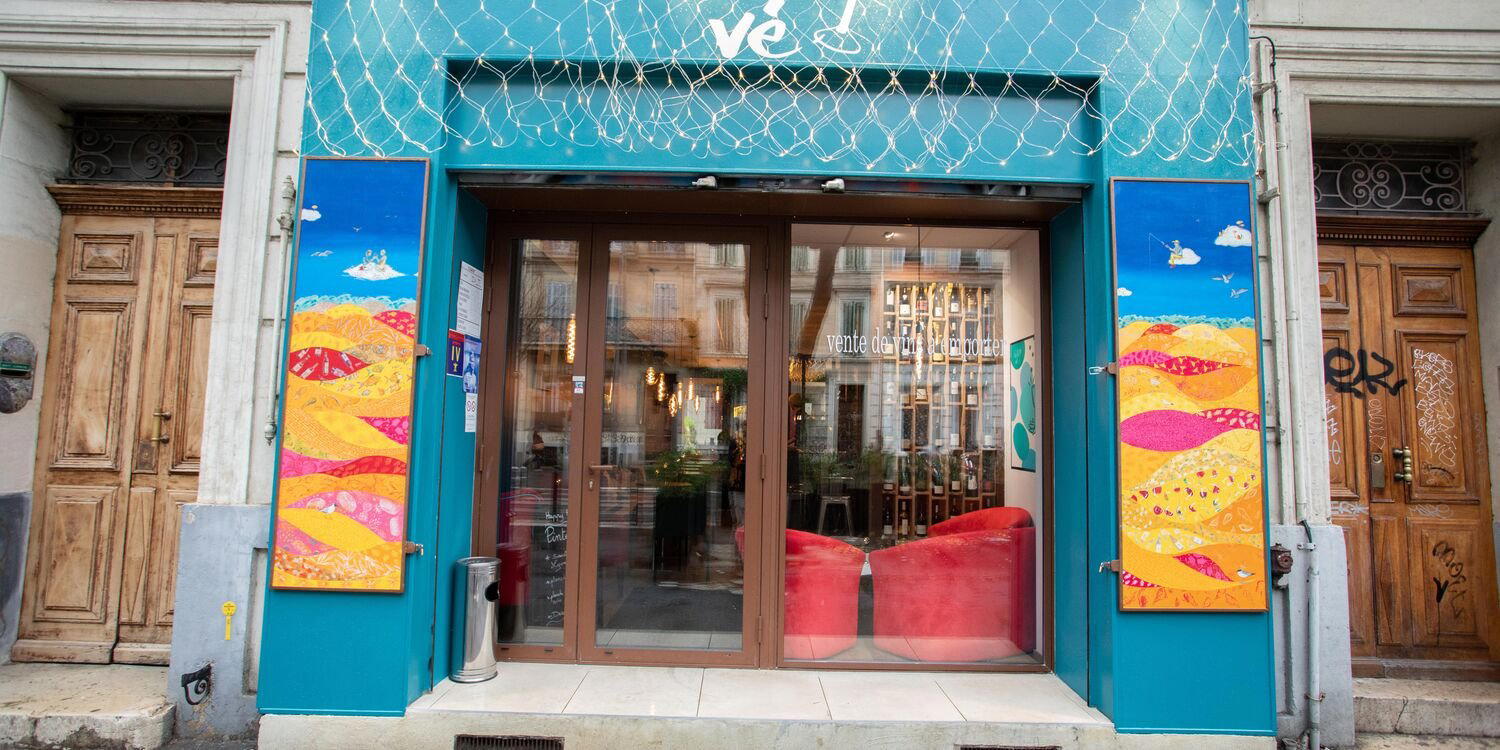
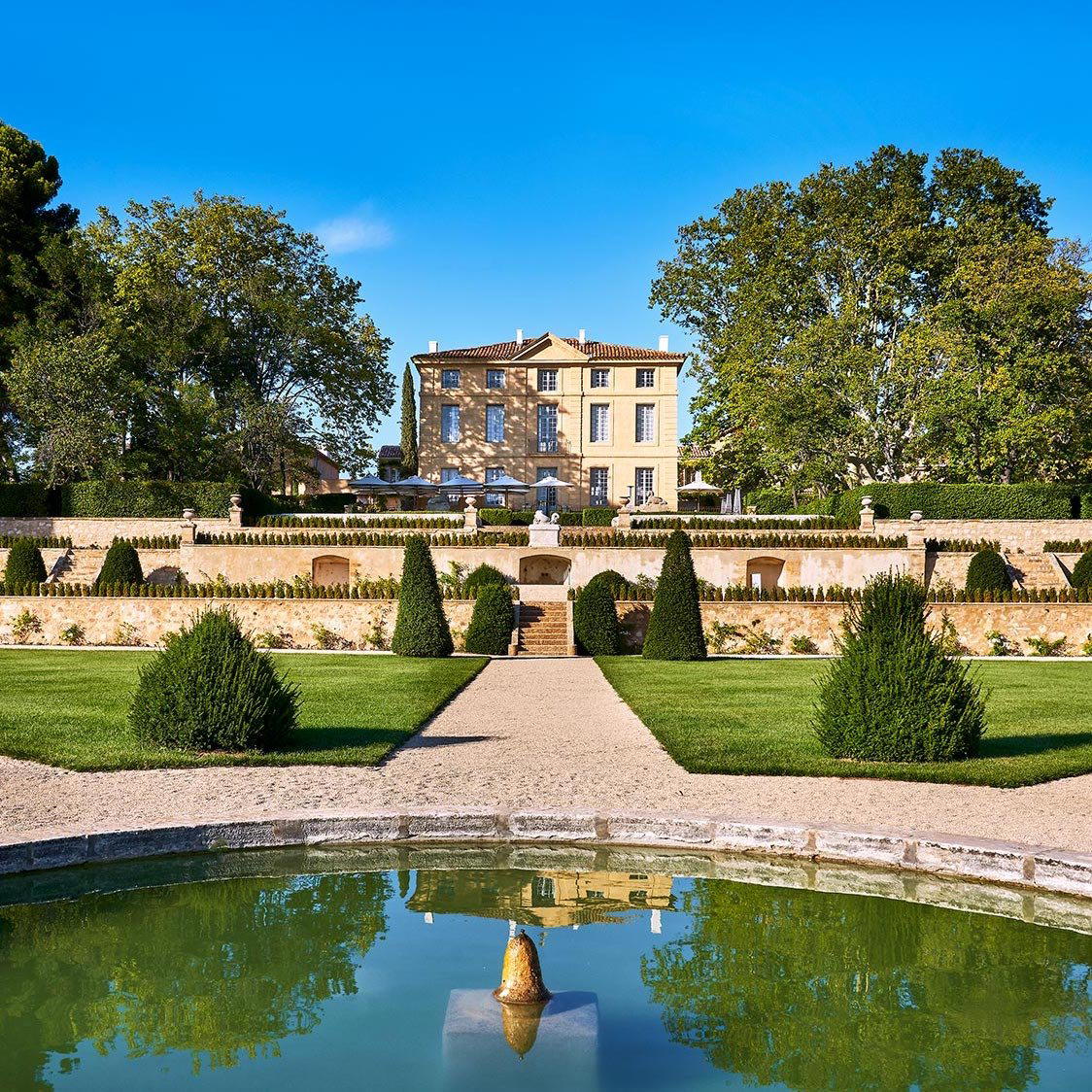
Hotels in Aix-en-Provence
Browse all →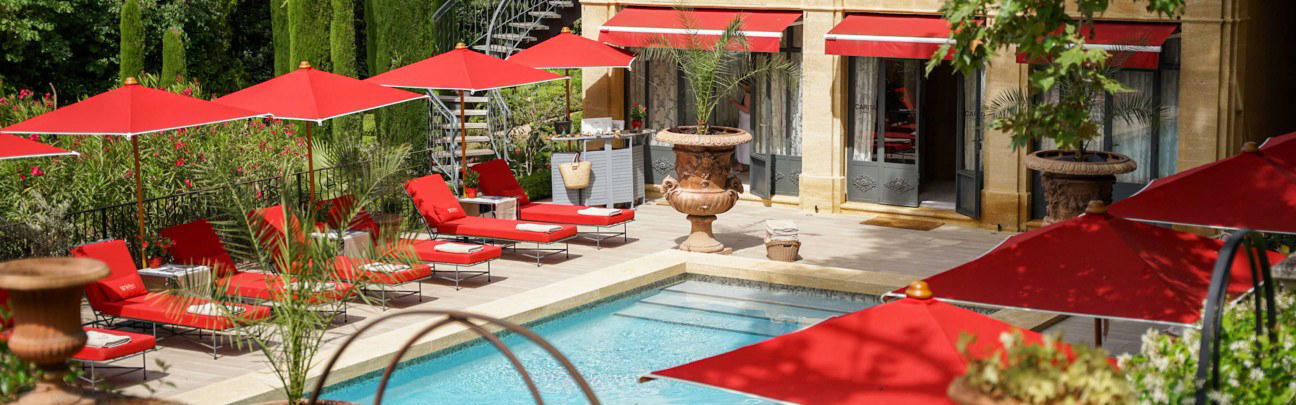

At a Glance
- Quiet
- Classic
- Cozy
- Casual Hangout
- Group Dining
- Family
- Standalone
Current opening hours
- Monday
- Closed
- Tuesday
- 12–2 PM, 7–11 PM
- Wednesday
- 12–2 PM, 7–11 PM
- Thursday
- 7–11 PM
- Friday
- 12–2 PM, 7–11 PM
- Saturday
- 12–2 PM, 7–11 PM
- Sunday
- Closed
Hours can change for holidays and private events. Last verified .
Quiet, old-fashioned dining atmosphere in a charming location near Place des Cardeurs with practical, unpretentious decor.