Zuiver
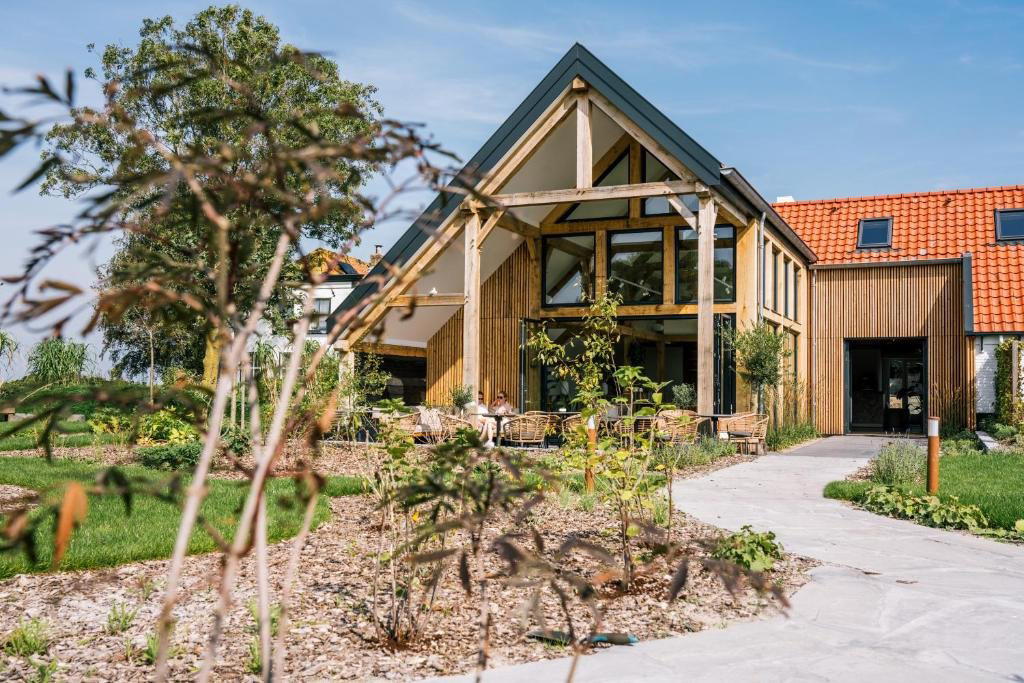
On a car-free Wadden Sea island reached by ferry from Harlingen, Zuiver occupies a position shaped by its geography as much as its kitchen. The tidal ecosystem surrounding Vlieland, a UNESCO-listed stretch of the North Sea coast, defines what arrives on the plate. For Dutch island dining with genuine sourcing logic built into the setting, this is a serious address.
Pearl is the En Primeur Club membership app — saves, bookings, and concierge access live there. Same editors, same standards.
- Address
- Willem de Vlaminghweg 2, 8899 AV Oost-Vlieland, Netherlands
- Phone
- +31562451857
- Website
- zuiver-vlieland.nl
- Directions
- Get directions
 Saves & bookings on Pearl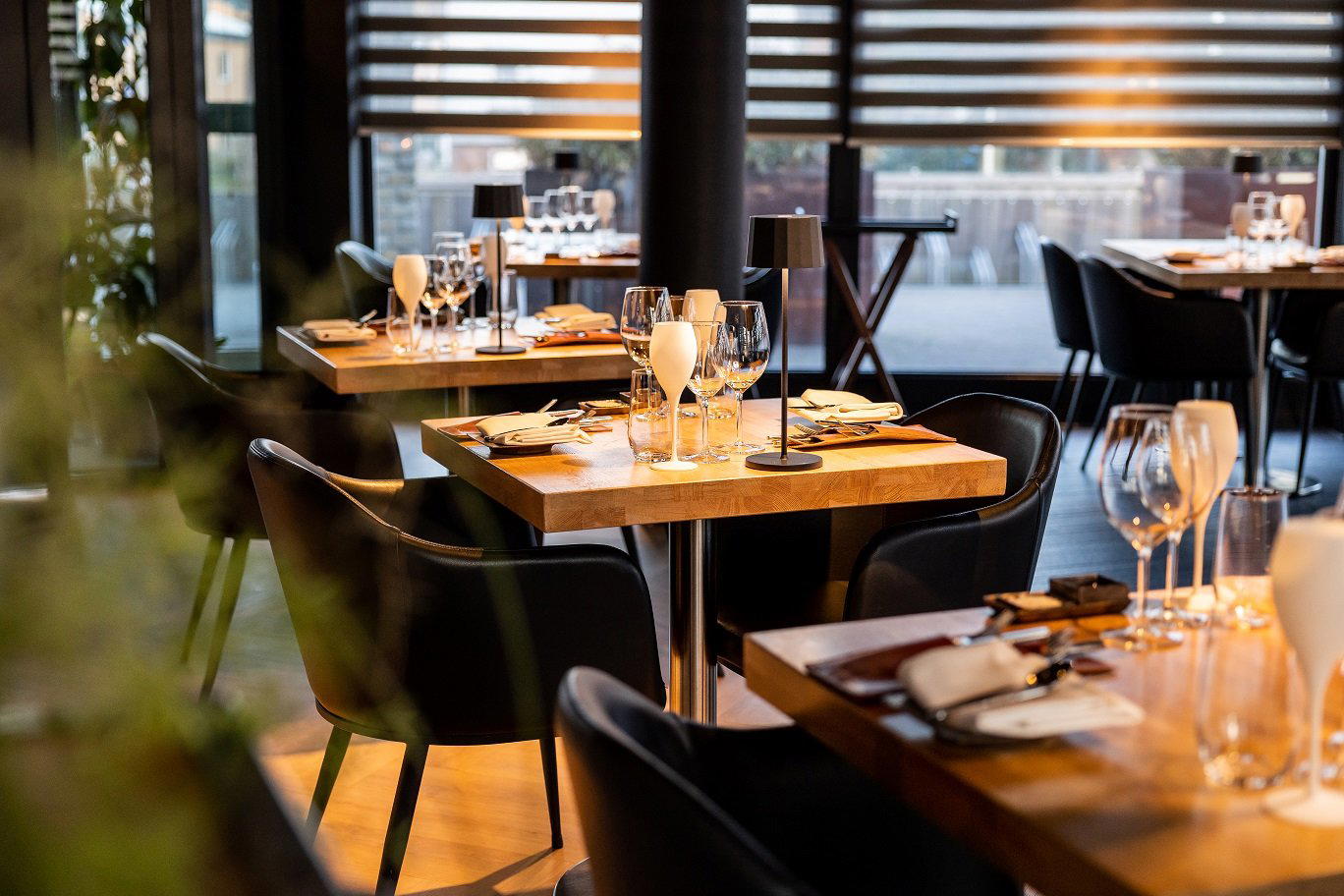
Arriving at the Edge of the Wadden Sea
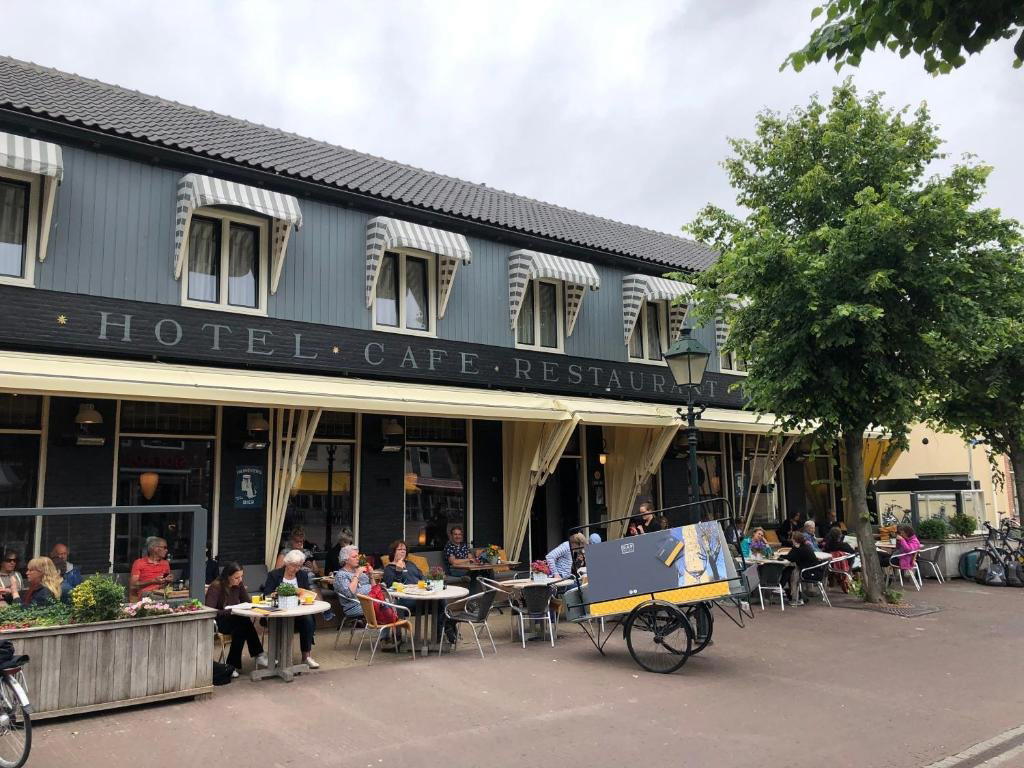
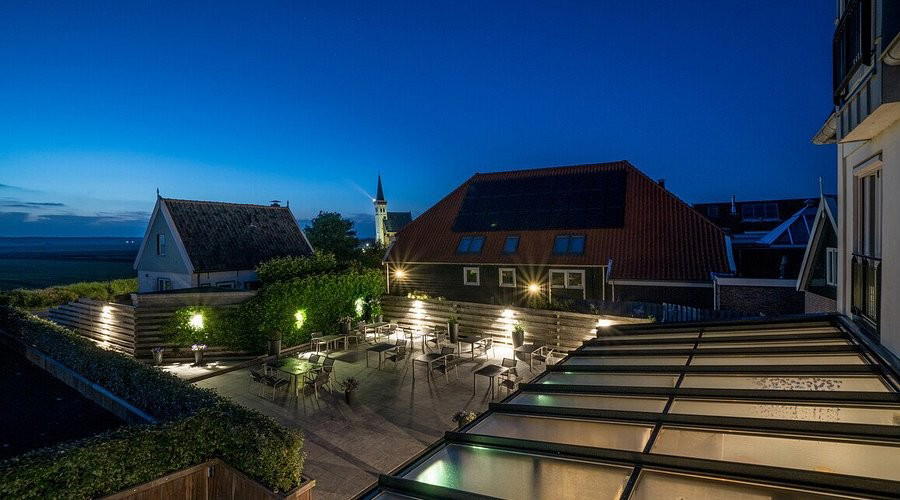
Vlieland is not an island you drift onto by accident. One of the five inhabited West Frisian islands strung across the Dutch North Sea coast, it is accessible only by ferry from Harlingen, a crossing that takes roughly ninety minutes and runs on a schedule that does not wait. The island has no through-road to any other land mass, no cars for visitors, and a permanent population counted in the hundreds. When you arrive at Oost-Vlieland, the single village, the absence of traffic noise is the first thing that registers. The second is the light: flat, wide, Baltic in character, the kind that makes distances hard to judge and colours shift by the hour. It is within this context, at Willem de Vlaminghweg 2, that Zuiver sits.
Ingredient Geography: What the Wadden Provides
Dining in this part of the Netherlands has always been shaped by what the surrounding ecosystem makes available. The Wadden Sea, a UNESCO World Heritage Site since 2009, is one of the most productive tidal ecosystems in Europe. The intertidal mudflats support dense populations of shellfish, the channels run with flatfish, and the salt marshes that fringe the islands produce lamb with a distinctive mineral character that comes directly from the halophyte grasses the animals graze. For any kitchen operating in this geography, the sourcing argument is not a philosophical stance; it is a practical reality defined by what is catchable, harvestable, and reachable without crossing to the mainland.
This matters editorially because the Wadden islands occupy a distinct position in Dutch gastronomy. On the mainland, restaurants at the premium tier, places like De Librije in Zwolle, 't Nonnetje in Harderwijk, or Aan de Poel in Amstelveen, draw from a national supply network that can deliver Zeeland oysters, Texel lamb, and hothouse herbs on a two-day cycle. Island kitchens operate differently. The ferry schedule is the supply chain. What arrives is what gets used; what the sea offers that day enters the menu by necessity as much as by design. This is not a constraint that serious cooks typically resist. It is, for the right sensibility, a creative framework.
The broader pattern visible across the Dutch fine dining tier, represented also at De Nieuwe Winkel in Nijmegen with its Michelin Green Star for sustainability, and at Brut172 in Reijmerstok, is a move toward hyperlocal sourcing as a structural commitment rather than a seasonal accent. Island cooking on Vlieland sits at the far end of that spectrum by geography alone.
The Vlieland Dining Scene in Context
Vlieland's restaurant options are limited by the island's size, but that scarcity creates a coherence that larger cities cannot replicate. There is no meaningful competition from chain dining, no pressure to position against a dense field of comparable venues. The comparison set for a serious kitchen here is not the island's other tables but rather the broader category of destination dining in the Netherlands: restaurants where the journey is part of the value proposition.
Within Vlieland itself, Bravoure represents the other end of the island's dining register. The two venues serve different functions in the island's hospitality offer. For a complete picture of what to eat and drink on the island, the full Vlieland restaurants guide maps the options by occasion and format. Destination dining in the Netherlands more broadly includes reference points at different price brackets: Ciel Bleu in Amsterdam, Inter Scaldes in Kruiningen, De Bokkedoorns in Overveen, and De Lindenhof in Giethoorn, each making a case that the drive or transit time is justified by what is on the plate. Vlieland adds a ferry crossing to that calculus, which raises the commitment threshold considerably and filters the dining room accordingly.
Other Dutch kitchens earning recognition in the Michelin constellation include De Lindehof in Nuenen, De Groene Lantaarn in Staphorst, De Treeswijkhoeve in Waalre, Tribeca in Heeze, and FG - François Geurds in Rotterdam. Internationally, the model of tidal-environment ingredient sourcing has parallels at venues like Le Bernardin in New York City and the precision sourcing culture visible at Atomix in New York City, though the scale and context differ substantially from a small island operation.
Planning the Visit
Getting to Zuiver requires planning the ferry first. Teso and Rederij Doeksen operate the Harlingen-to-Vlieland crossing; the journey takes about ninety minutes each way and does not run continuously throughout the day, so most visitors overnight on the island rather than treat this as a day trip. On Vlieland, private cars are prohibited for non-residents, which means arrival by bicycle or on foot is the norm from the ferry terminal. The address at Willem de Vlaminghweg 2 is reachable within cycling distance of the harbour. Because the island has limited accommodation and ferry capacity, booking accommodation alongside any dinner reservation is standard practice, particularly in summer when July and August bring the densest visitor load to the island.
How Zuiver Vlieland compares with similar nearby venues.
| Venue | Cuisine | Price |
|---|---|---|
| 't Golfje | Modern French | €€€ |
At a Glance
- Intimate
- Romantic
- Cozy
- Date Night
- Special Occasion
- Standalone
- Extensive Wine List
- Local Sourcing
Current opening hours
- Monday
- Closed
- Tuesday
- Closed
- Wednesday
- Closed
- Thursday
- 6 PM–12 AM
- Friday
- 6 PM–12 AM
- Saturday
- 6 PM–12 AM
- Sunday
- 6 PM–12 AM
Hours can change for holidays and private events. Last verified .
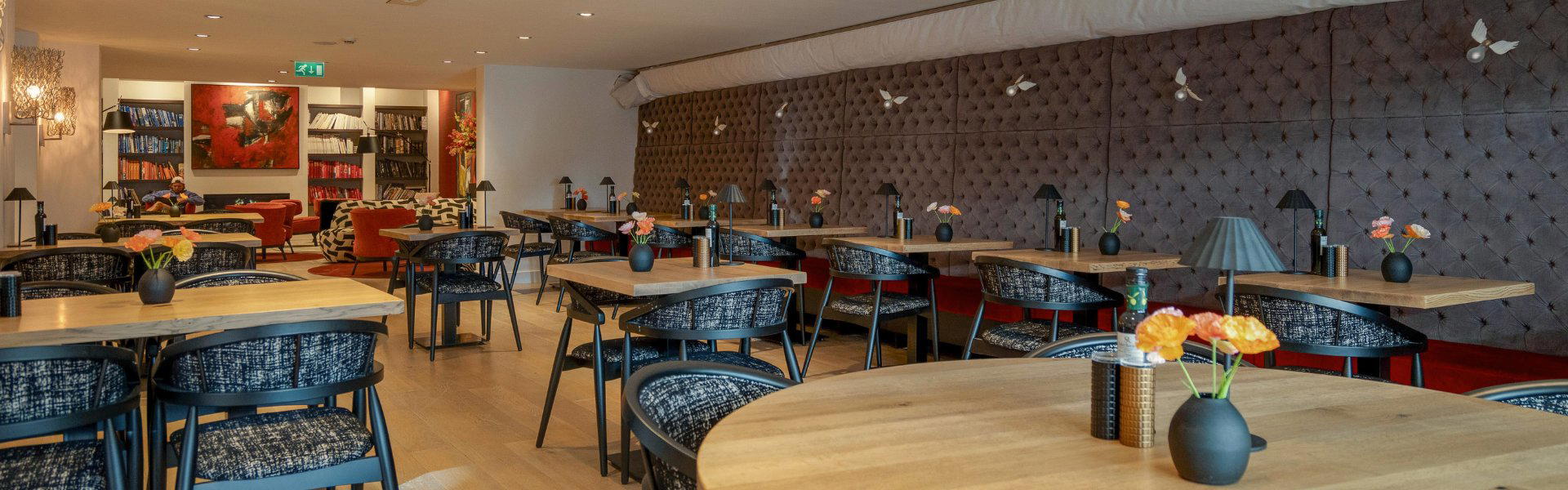
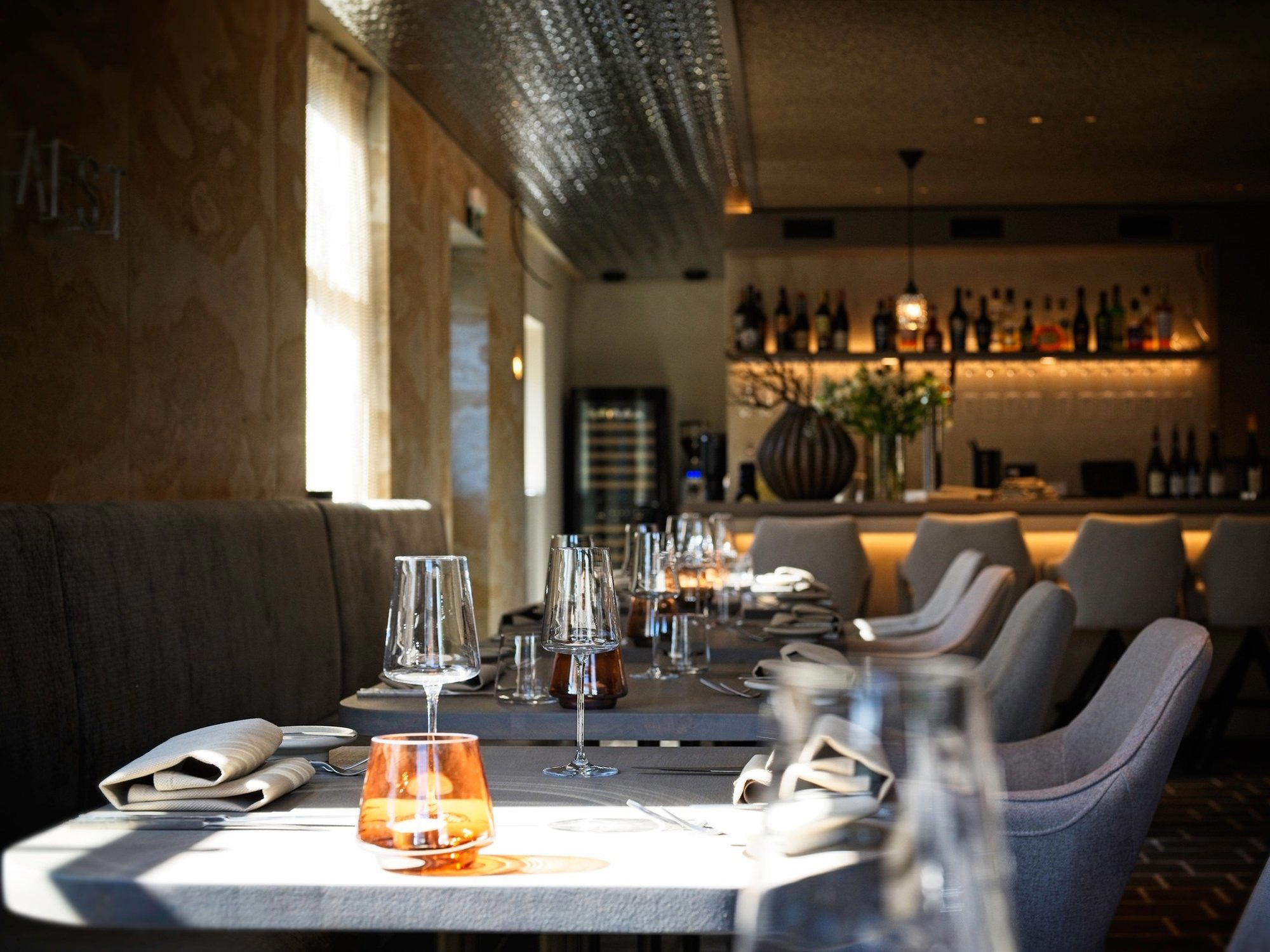
Intimate and romantic setting with relaxed atmosphere.