AEST

Michelin Plate
Our verdict
AEST occupies a address on Dorpsstraat in Hoorn, placing it within the older commercial grain of a city that has fed the Dutch interior for centuries. Hoorn's dining scene has quietly added ambition in recent years, and AEST sits within that shift. For visitors moving through West Friesland, it represents a fixed point worth marking before the trip.

Pearl is the En Primeur Club membership app, where members save venues, book tables and use the concierge.
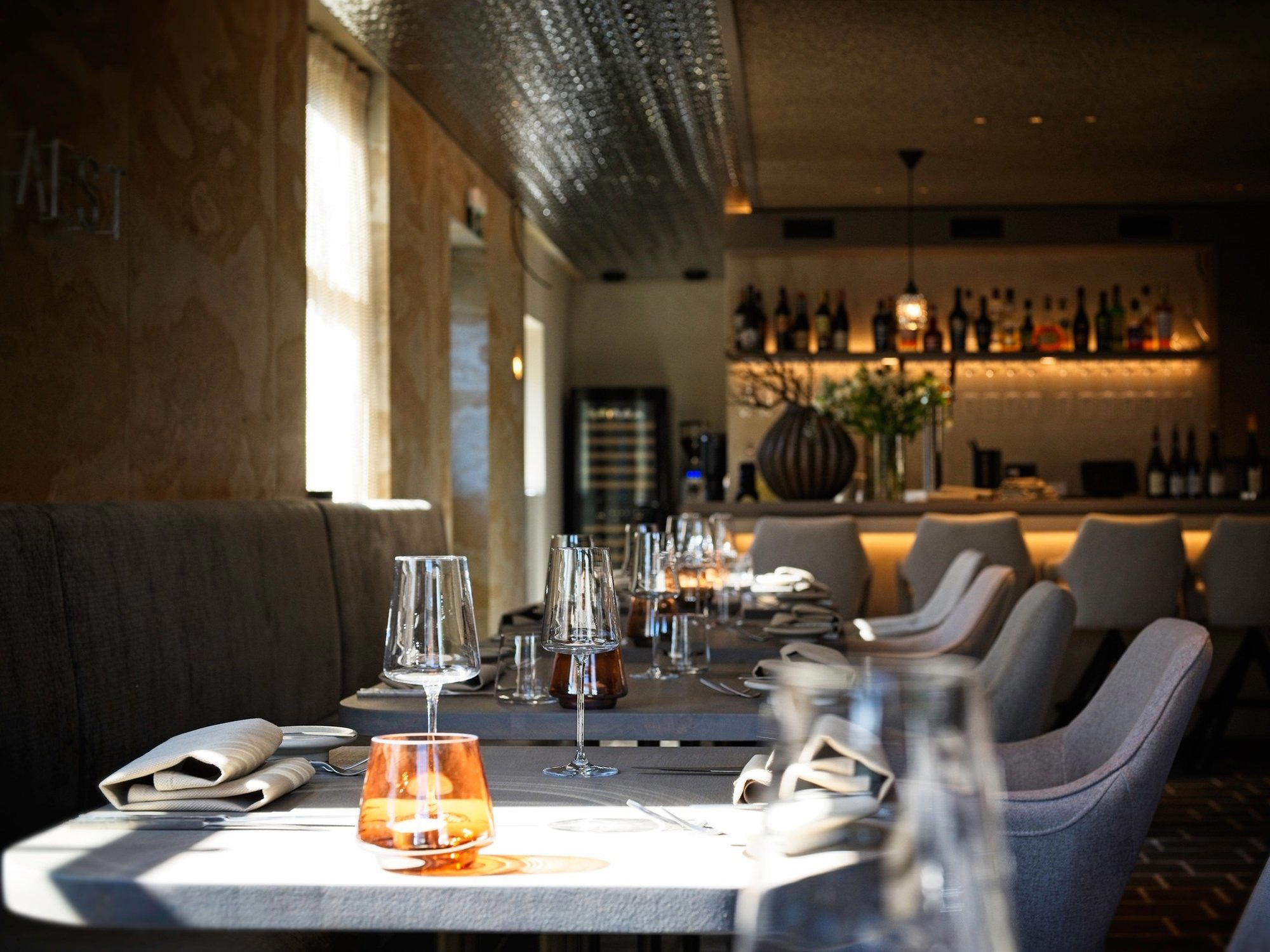
Hoorn's Dining Moment and Where AEST Fits
Hoorn is not a city that typically draws restaurant pilgrims. Its reputation rests on seventeenth-century harbour architecture, the VOC legacy baked into its brickwork, and a regional identity rooted in the agricultural flatlands of West Friesland. Yet Dutch dining outside the Randstad has been quietly recalibrating over the past decade. The country's Michelin-starred addresses now extend well beyond Amsterdam: De Librije in Zwolle, Inter Scaldes in Kruiningen, and De Nieuwe Winkel in Nijmegen are among the addresses that have shifted the geography of serious Dutch cooking toward smaller, often historically grounded cities. Hoorn has its own conditions to contribute to that shift: proximity to the IJsselmeer, the polderland produce of North Holland, and a town centre dense enough to support deliberate dining without the cost pressure of a major urban market.
AEST sits on Dorpsstraat 35, one of the streets that forms the commercial and social spine of Hoorn's older quarters. The address alone signals a particular kind of commitment. Dorpsstraat is not a peripheral location or a refurbished warehouse district; it is embedded in the working texture of the city. That positioning matters when thinking about what kind of restaurant AEST is trying to be.
The Sourcing Logic of West Friesland
The editorial angle on AEST that rewards the most attention is not the restaurant itself but the broader question it raises: what does cooking in North Holland actually mean in terms of what ends up on the plate, and where does it come from?
West Friesland has one of the more distinctive agricultural identities in the Netherlands. The region's clay-heavy polderland supports root vegetables, heritage brassicas, and dairy at a density that most of the country cannot match. The IJsselmeer, which borders Hoorn to the east, historically supported freshwater fishing traditions that have thinned considerably but have not disappeared entirely. Smoked eel from the lake region still circulates through specialist suppliers. Lamb and beef from the dike grasslands carry a salinity from the brackish-influenced grazing that distinguishes them from inland alternatives.
This is the raw material logic that informs serious cooking in North Holland. Restaurants that engage with it seriously, rather than using it as marketing shorthand, tend to build menus around what the season and the immediate geography actually yield. That approach is visible across Dutch regional kitchens that have drawn critical attention: De Groene Lantaarn in Staphorst and De Lindehof in Nuenen both operate with supply chains rooted tightly in their regional geography. De Lindenhof in Giethoorn has built a significant reputation on exactly this kind of hyper-local material fidelity. The question for any new address in Hoorn is whether it engages with this tradition or positions itself as something more generically modern European.
Concrete data on AEST's menu, sourcing partnerships, or kitchen philosophy is not publicly available in sufficient detail to make specific claims here. What can be said is that the city context rewards restaurants that take the regional larder seriously, and that Hoorn diners have access to produce networks that most European cities would envy.
Hoorn's Competitive Dining Set
Hoorn's restaurant scene is not large, but it has meaningful range. At the mid-market level, HAVN operates in modern cuisine territory at the €€ price point, making it the most accessible serious option in the city. Hendrickje Stoffels and La Guapa Argentijns Grill Restaurant round out the offering with different format and cuisine emphases.
AEST's position within this set depends on data not yet in the public record with sufficient reliability to state precisely. What the address and city context suggest is a restaurant operating in a market where the upper tier is defined by a small number of ambitious addresses and where the cost of entry for diners is lower than in Amsterdam or Rotterdam, creating conditions for a kitchen to take risks that a higher-rent urban market might not permit.
For context on the broader category of Dutch regional fine dining, addresses like Brut172 in Reijmerstok, Tribeca in Heeze, De Bokkedoorns in Overveen, and De Treeswijkhoeve in Waalre illustrate the pattern: serious cooking in smaller Dutch cities consistently anchors itself in regional produce and a degree of informality that distinguishes it from its urban counterparts. Internationally, the model has parallels in destination restaurant formats like Lazy Bear in San Francisco and the ingredient-driven precision of Le Bernardin in New York City, though the Dutch regional tradition operates at a different scale and with a different relationship to the supply chain.
Planning a Visit
Hoorn is accessible by direct train from Amsterdam Centraal in approximately 35 minutes, making it a viable half-day or evening destination from the capital without requiring an overnight stay. The city's compact centre means Dorpsstraat is walkable from the station in under ten minutes. For visitors building a broader North Holland itinerary, Hoorn pairs naturally with Enkhuizen and Medemblik along the IJsselmeer shore. Booking ahead is advisable for any address in Hoorn operating at the serious end of the market, as the city's dining capacity at that tier is limited and weekend covers fill quickly. Contact and reservation details for AEST are best confirmed directly through current local listings, as operational information for this address is not available with sufficient reliability to publish here. Our full Hoorn restaurants guide provides the wider context for building a visit around the city's dining offer.
Frequently asked questions
Can I bring kids to AEST?
Nothing in AEST's public record rules out younger diners, but Hoorn's restaurant culture at Dorpsstraat 35 skews toward adult evening dining. check the venue's official channels to confirm whether the format suits a family visit before making the trip from Amsterdam or elsewhere in North Holland.
Is AEST worth the trip from Amsterdam to Hoorn?
Hoorn is roughly 35 minutes from Amsterdam Centraal by direct train, which puts AEST within range as a standalone dinner destination rather than a detour. The town's seventeenth-century harbour architecture and VOC history give the visit context beyond the meal itself. Whether the restaurant justifies the journey on its own merits is best assessed by checking current reviews and reservation availability directly with the venue at Dorpsstraat 35.
What should I eat at AEST?
The area's agricultural and coastal geography gives any serious cook in this postcode a distinct larder to work with.
What's the address for AEST?
AEST is located at Dorpsstraat 35, 8896 JA Hoorn, Netherlands, Hoorn.
Should I book AEST in advance?
Hoorn's restaurant scene is compact enough that tables at addresses worth visiting fill faster than the town's profile might suggest. AEST is located at Dorpsstraat 35, Hoorn, contacting them before your visit, particularly if arriving from Amsterdam on a weekend, is the sensible approach.
A Quick Peer Check
Comparable venues nearby, for context on price, style, and recognition.
| Venue | Cuisine | Price | Awards | Notes |
|---|---|---|---|---|
| AESTThis venue (the venue you are viewing) | Modern Local Terschelling Fine Dining | $50–100 | Michelin Plate | Not listed |
| QuiDine | Modern Dutch Fine Dining | $50–100 | Michelin Plate | Binnenstad |
| HAVN | Modern Dutch Fusion | $50–100 | Michelin Bib Gourmand | Oude Haven |
| Hendrickje Stoffels | French-Oriental Fusion Bistro | $50–100 | Not listed | Hoorn Harbor |
| Marque | Modern French-Mediterranean | $50–100 | Michelin Plate · Star Wine List | Bierkade |
| La Guapa Argentijns Grill Restaurant | Argentine Grill | Not listed | Not listed | Centrum |
Recognition history
Dated appearances from independent guides and award organizations, with the underlying list record or original source where available.
Michelin Plate
Michelin
Continue exploring
More in Hoorn
Restaurants in Hoorn
All restaurants in Hoorn →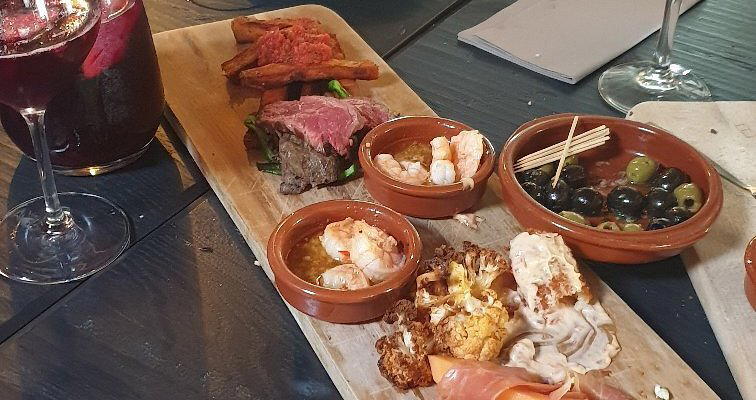
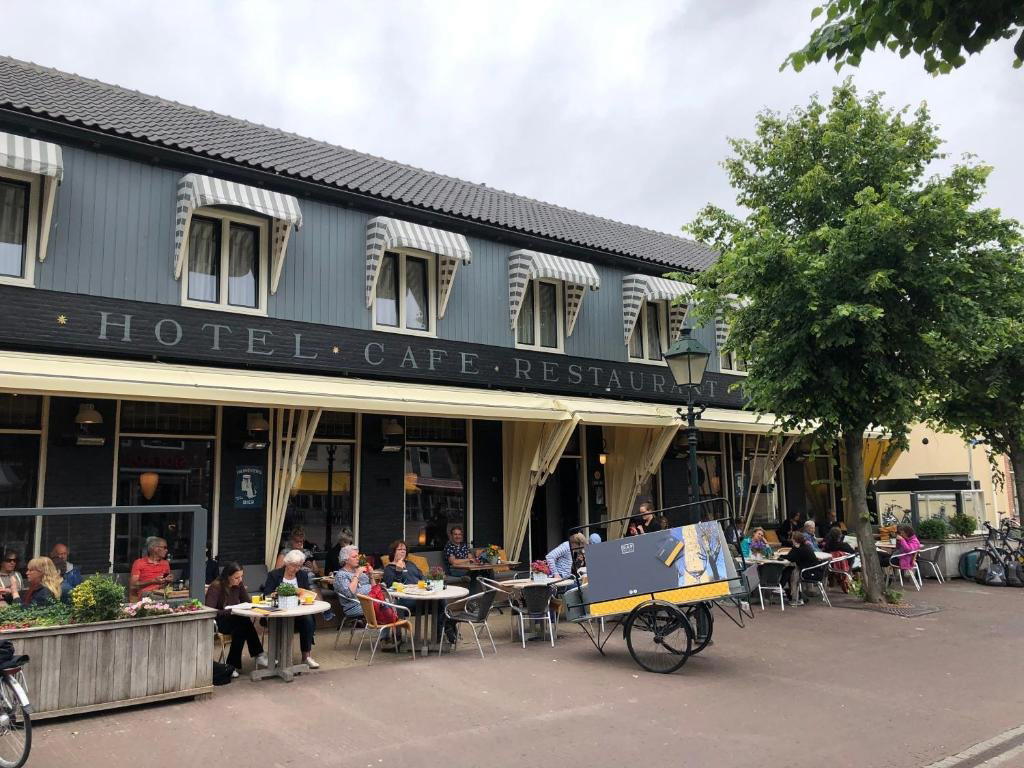
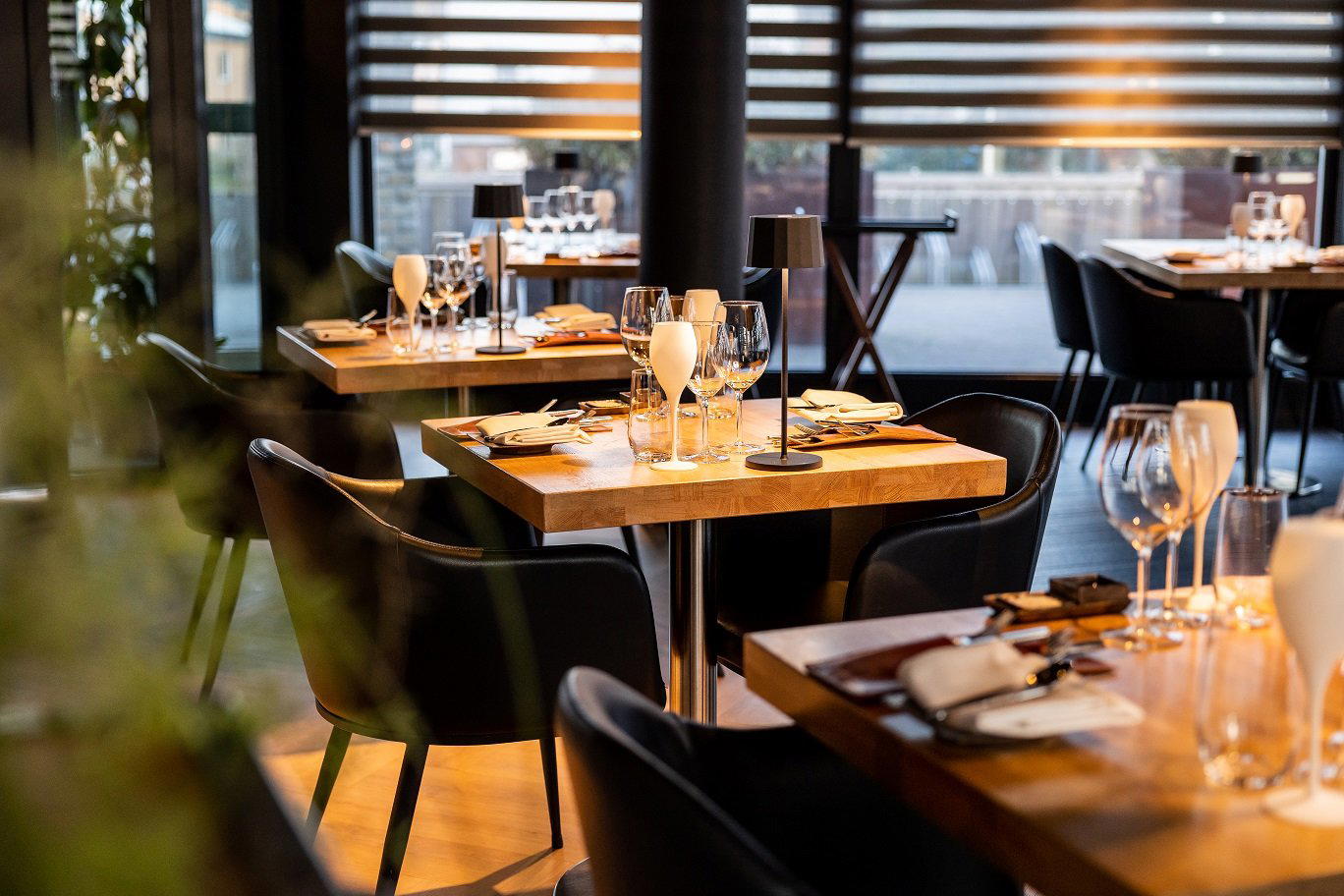
Hotels in Hoorn
Browse all →
Details
- Elegant
- Intimate
- Modern
- Date Night
- Special Occasion
- Hotel Restaurant
- Sommelier Led
- Local Sourcing
- Tasting Menu
- Set Menu
Current opening hours
- Monday
- Closed
- Tuesday
- Closed
- Wednesday
- Closed
- Thursday
- Closed
- Friday
- Closed
- Saturday
- Closed
- Sunday
- Closed
Hours can change for holidays and private events. Hours as of .
Personal and cared-for reception by maître-sommelier, sophisticated dining atmosphere praised for completing the culinary experience with perfectly matched wines.