
Tabelog 100 #94
Our verdict
Tokyo’s serious tempura counters sit in a narrow band where frying technique, ingredient sourcing and reservation discipline matter more than spectacle. Tempura Osaka belongs to that conversation through repeated Tabelog Tempura 100 selections, including 2025, and a compact counter format in Nishishinbashi that places it closer to specialist tempura rooms than broad Japanese dining.

Pearl is the En Primeur Club membership app, where members save venues, book tables and use the concierge.
The menu
What to order
- Seasonal seafood tempura omakase
- Shrimp head and body tempura
- Seasonal vegetable tempura
- Tempura course menus (lunch and dinner)
Tokyo’s dining culture can feel understated before it feels destination-led: narrow fronts, regulars moving between daily routines and dinner, and restaurants earning loyalty without street-level theatre. Here, tempura reads differently from sushi or kaiseki. The drama is not luxury ingredients announced ceremonially, but batter, oil, timing and heat, judged piece by piece at close range.
Tempura Osaka sits in that specialist category rather than Tokyo’s general washoku bracket. Its selection for Tabelog’s Tempura 100 in 2025 is the relevant signal: in a city dense with tempura rooms, category-specific recognition matters more than a generic popularity badge. The listed budget places it in a serious but not ultra-ceremonial tier, below rarefied trophy counters yet above casual tendon and lunch-set territory.
A tempura-focused room in Tokyo
Tokyo tempura rewards proximity and attention. Unlike ramen, yakitori or curry, where format can carry a room from a distance, tempura is built around seconds: when an item leaves the oil, lands, and is eaten. The meal turns from plates into technical performance, which is why pacing matters here more than decor language.
The Tokyo setting shapes the audience. The city has both high-end dining gravity and everyday eating culture close at hand. Between those poles, a tempura room can run quietly: small groups, focused meals, and diners who know the format works poorly as a long, flexible hangout. Compared with Tempura Aratamikawa, another Tokyo tempura name in the premium bracket, Tempura Osaka reads as a category-focused room rather than a broad luxury statement.
That matters because tempura has a narrower margin for error than many visitors assume. Often simplified abroad as “fried food,” in Tokyo it tests moisture control, oil management and pacing. Ingredients are not merely coated and served; each piece needs batter thickness and timing that preserve character without heaviness. The venue’s category focus fits a long Tokyo pattern in which tempura remains tied to close technical attention.
Recognition that says more about category than celebrity
The absence of a public chef narrative is not a weakness. Tokyo dining culture often over-rewards biography in English-language coverage, while local reputation can be built through repeat use, category lists and a room’s ability to hold attention over time. Tempura Osaka’s current profile is best read through that operating frame rather than a new-opening flash cycle.
Tabelog’s Tempura 100 is not a Michelin star and should not be read as one. Its value is specific: it separates tempura from the broader restaurant field and places venues into like-for-like context. For travellers choosing between categories, that is useful. A sushi counter at this price competes with dense global mythology; a tempura meal competes on quieter technical confidence, often more revealing for diners who already know Tokyo’s basic dining codes.
In price terms, the restaurant’s listed budget is Dinner: JPY 20,000 - JPY 29,999; Lunch: JPY 10,000 - JPY 14,999. The comparison with everyday specialities such as Curry no Mise Ganji, or yakitori rooms like Yakitori Nakamura and Toranomon Yakitori Kuniyoshi, is not a claim of hierarchy; it clarifies expectation. Tempura at this level asks diners to pay attention to ingredient handling, pacing and a cuisine where small misjudgments are immediately visible.
For broader Tokyo planning, it belongs in a specialist itinerary rather than a checklist of famous formats. Pairing it with yakitori, sushi, soba and one contemporary cocktail night gives a stronger read on the city than chasing only prestige dining. EP Club’s broader city pages help frame that mix: Our full Tokyo restaurants guide, Our full Tokyo hotels guide, Our full Tokyo bars guide, Our full Tokyo wineries guide and Our full Tokyo experiences guide are most useful as a map of categories, not a race through names.
How to place it in a Tokyo eating schedule
The smartest way to use a Tokyo tempura meal is to give it its own slot. It is not a prelude to bar-hopping or an add-on after a large lunch; the format needs focus and appetite. Lunch can be attractive when available, especially because the genre’s precision is easier to read before fatigue, while dinner suits travellers building a quieter Tokyo evening around one focused meal.
The small-party logic also matters. Tempura is not naturally suited to large groups, because the sequence is paced by cooking rather than by a table’s casual rhythm. Smaller parties often get the clearer version: less waiting between pieces, fewer interruptions and a better sense of the cooking tempo. For visitors used to tasting-menu dining, the key difference is that tempura is less narrative than calibration. The meal succeeds when the rhythm stays steady without making the diner feel managed.
Tokyo’s strength is the number of serious micro-categories side by side. A traveller could build a trip from focused rooms: yakitori for skewers, curry for spice and comfort, sushi or seafood-led counters for another register, and contemporary cafes or bars for visual and social contrast. The point is contrast: tempura sharpens against smoke, spice, raw fish and urban novelty.
Readers extending the Japan file beyond Tokyo can widen the same category-led approach through other dining rooms across the country, from grill-focused meals to cafes, curry specialists and tightly defined modern Japanese formats. For Japanese drinking culture abroad, the same lesson applies: the strongest examples tend to travel best when the format remains narrow, disciplined and easy to understand.
The editorial case for Tempura Osaka is clear: choose it to understand Tokyo tempura as a disciplined cuisine with local recognition, not for theatrical luxury or a chef-driven story. Its reputation rests on category-specific acknowledgement and format discipline, the signals that matter in this corner of Tokyo dining.
The Short List
Nearby venues at a similar price tier for orientation.
| Venue | Cuisine | Price | Awards | Notes |
|---|---|---|---|---|
| Tempura OsakaThis venue (the venue you are viewing) | Seasonal Tempura Omakase | $100–150 | Tabelog 100 #94 | Not listed |
| Curry no Mise Ganji | Japanese curry shop | Not listed | Tabelog 100 #47 | JPY 4,000 - JPY 4,999 JPY 1,000 - JPY 1,999 |
| Tempura Aratamikawa | Edomae Tempura Omakase | $100–150 | Michelin Plate · Tabelog 100 #41 | Tempura |
| Yakitori Nakamura | Yakitori Omakase | $100–150 | Tabelog 100 #80 | JPY 10,000 - JPY 14,999 |
| Koshikiryori Koki | Hong Kong-Style Chinese Fine Dining | $100–150 | 1 Michelin Star · Tabelog 100 #56 | Chinese |
| Toranomon Yakitori Kuniyoshi | Yakitori & Chicken Dishes | $100–150 | Tabelog 100 #1 | JPY 10,000 - JPY 14,999 |
Recognition history
Dated appearances from independent guides and award organizations, with the underlying list record or original source where available.
Tabelog 100 #94 · No. 94
Tabelog · Tabelog 100 - Tempura - 2025
Continue exploring
More in Tokyo
Restaurants in Tokyo
All restaurants in Tokyo →
Bars in Tokyo
All bars in Tokyo →


Details
- Intimate
- Quiet
- Cozy
- Elegant
- Business Dinner
- Date Night
- Special Occasion
- Celebration
- After Work
- Solo
- Chefs Counter
- Open Kitchen
- Standalone
- Sake Program
- Extensive Wine List
- Local Sourcing
- Sustainable Seafood
- Tasting Menu
- Omakase
- Counter Dining
- Set Menu
- Sake
- Wine
- Shochu
- Pescatarian Friendly
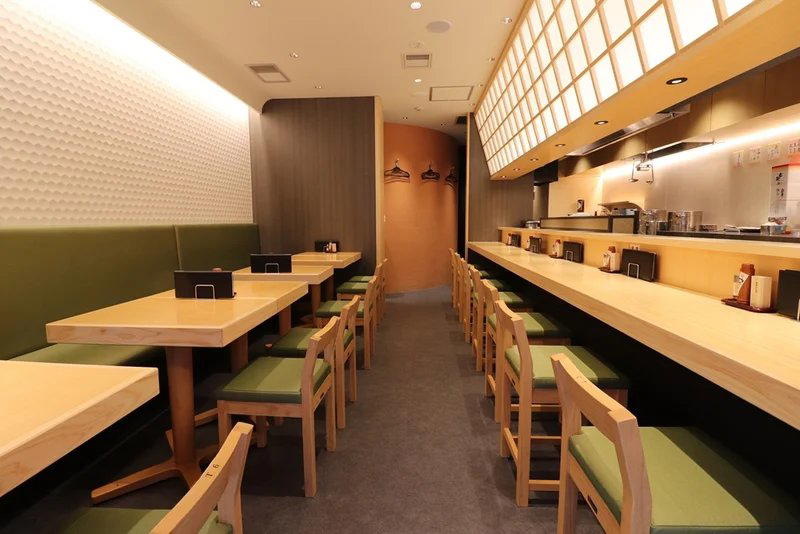
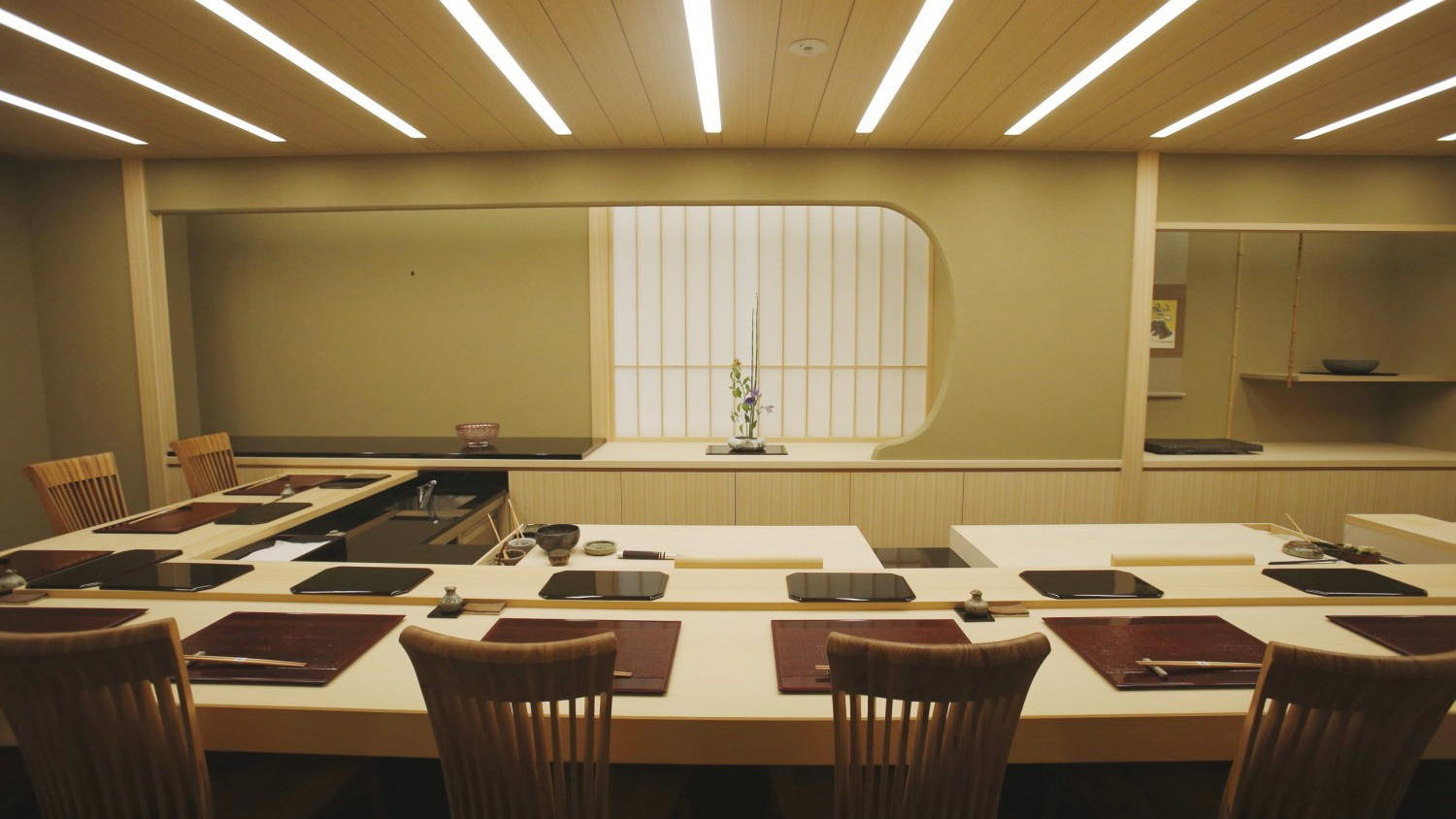
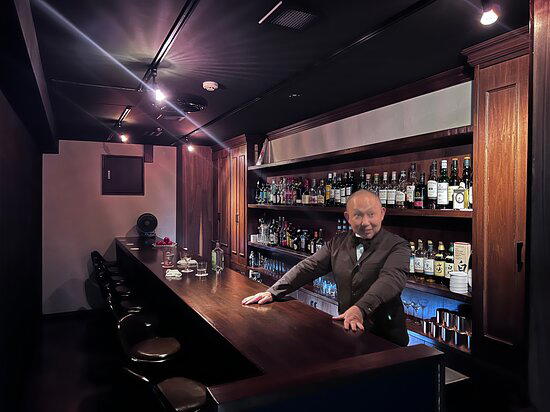
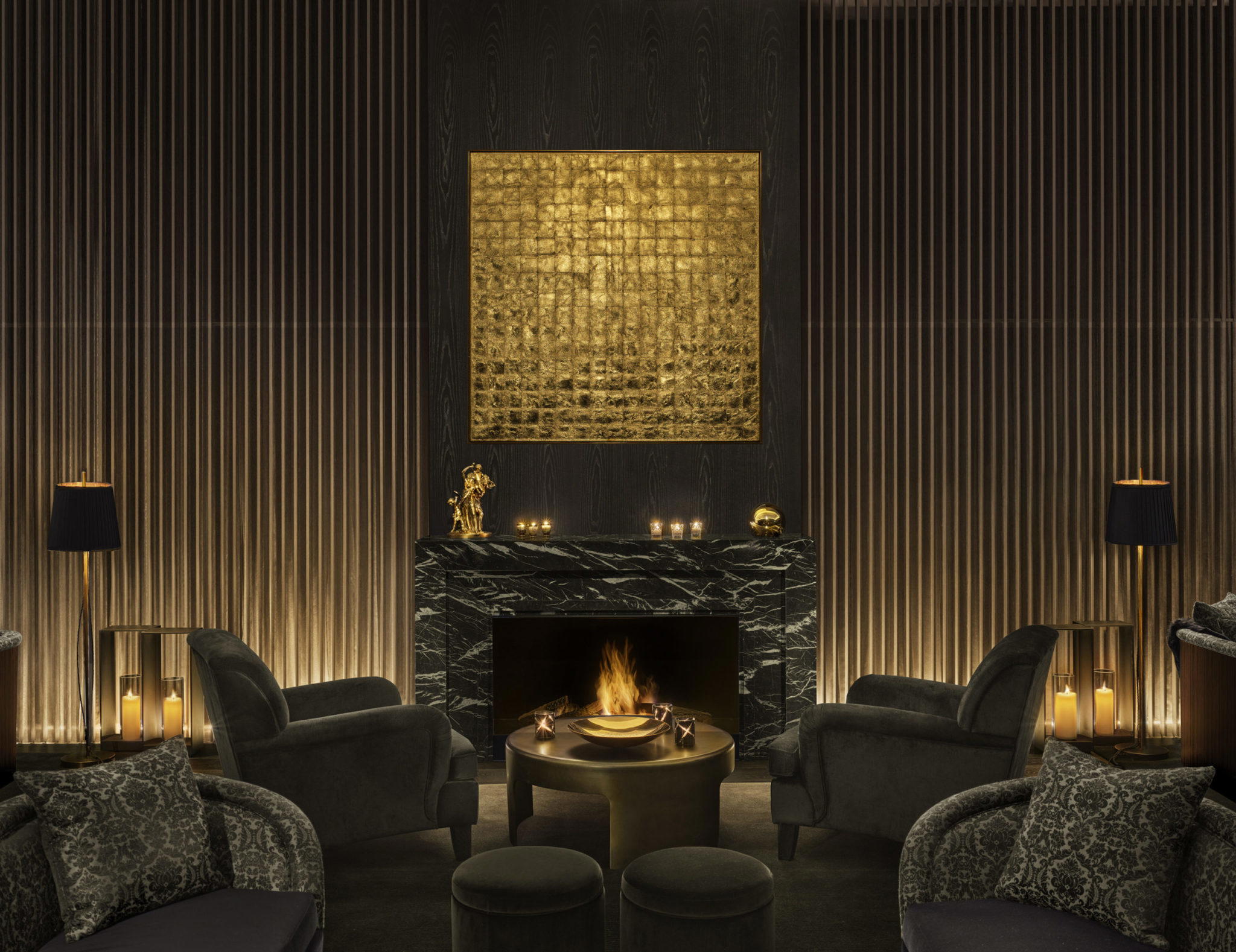
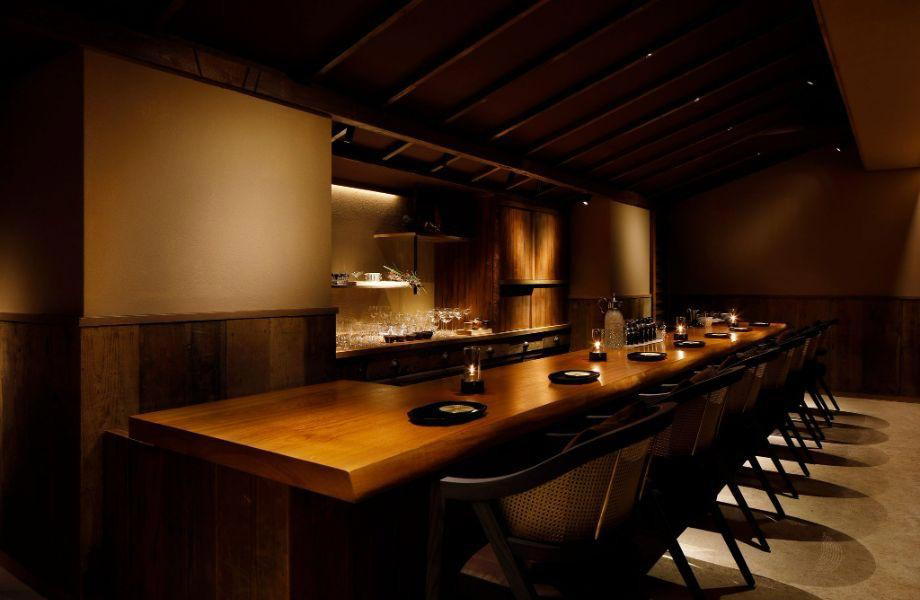
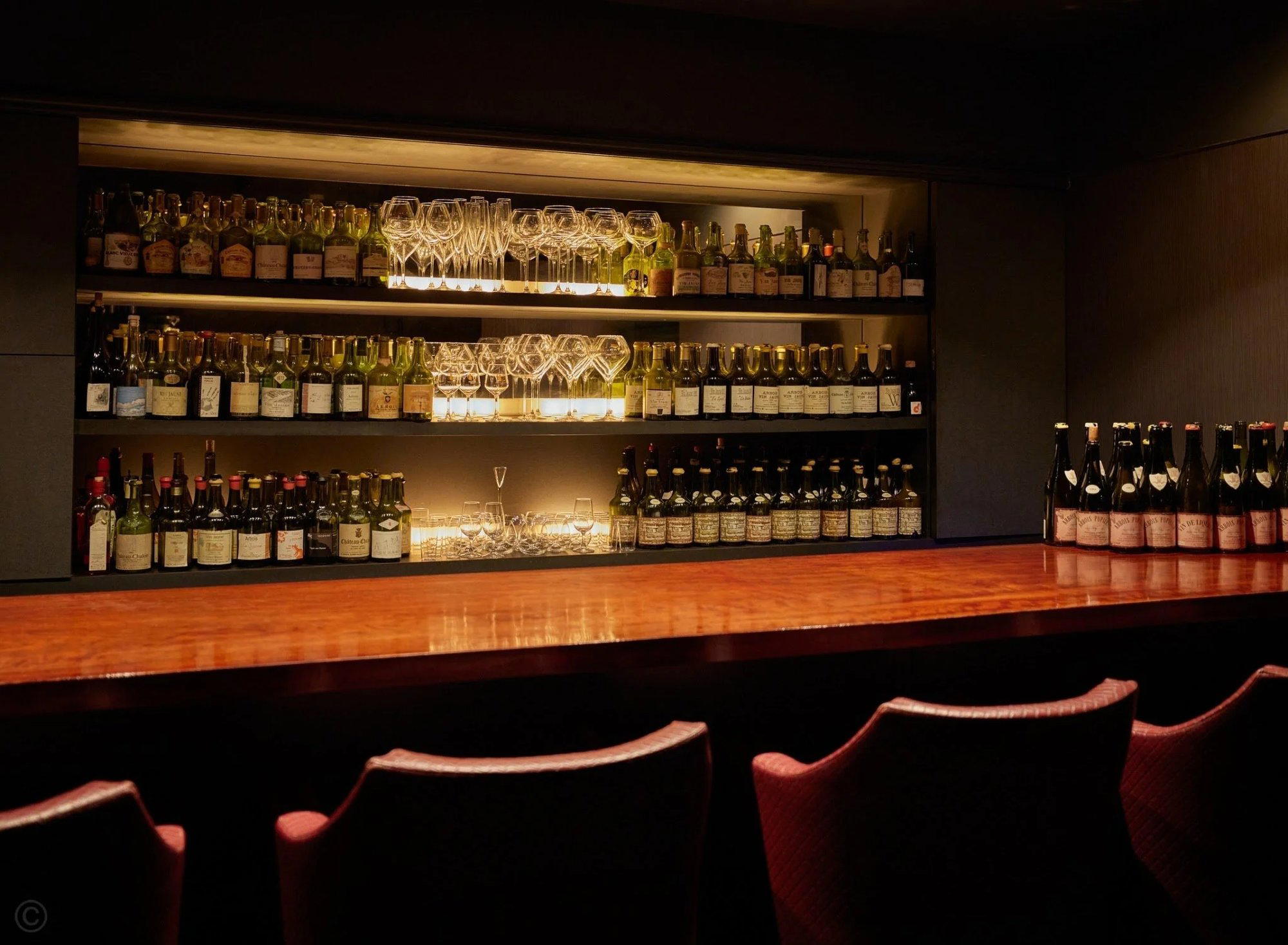
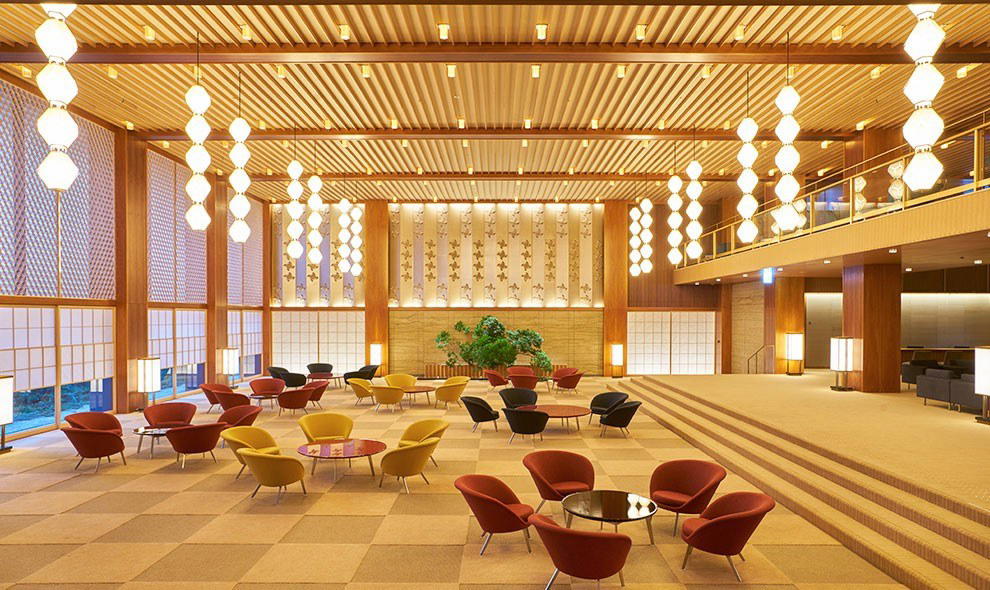
A calm, counter-only hideaway with a classic Japanese feel, intimate lighting, and an open kitchen where guests quietly watch the chef work; well suited to business dinners, special occasions, and adult date nights rather than casual or family dining.