
Tokyo yakitori has moved well beyond the quick skewer-and-beer template, and BLESS sits in the more structured end of that evolution: a Morishita counter-and-table room built around a paced chicken course with Italian and wine signals around the edges. Its repeated Tabelog Yakitori 100 selections from 2021 through 2025 make it a useful read on how serious yakitori now competes with tasting-menu dining.
Pearl is the En Primeur Club membership app — saves, bookings, and concierge access live there. Same editors, same standards.
- Address
- 2 Chome-20-13 Morishita, Koto City, Tokyo 135-0004, Japan
- Phone
- +81 3-6666-9678
- Website
- tabelog.com
 Saves & bookings on Pearl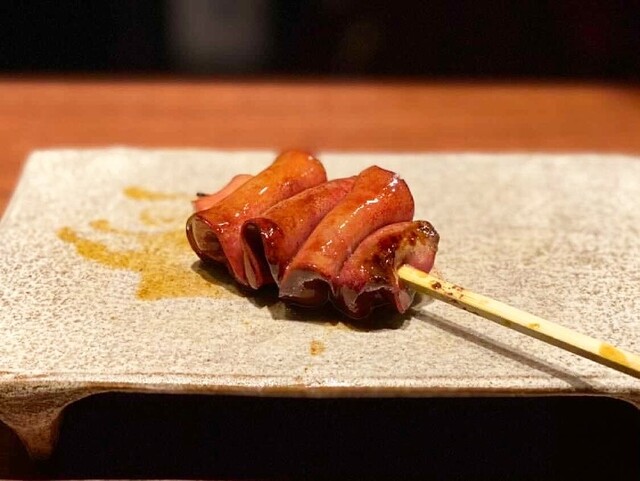
Morishita gives yakitori a different register from Ginza polish or Shinjuku volume. East of the Sumida, the streets feel lower-slung and residential, suiting a format built on timing rather than spectacle: smoke, counter rhythm, pauses, and a meal advancing piece by piece. BLESS belongs to contemporary Tokyo yakitori where grilled chicken is treated as progression, not a snack sequence.
That matters. Serious Tokyo yakitori has become a tasting-menu language, arranging breast, thigh, skin, offal, vegetables, condiments, rice, and broth to manage fat, heat, and appetite. The leading rooms do not just grill well; they pace. Skewers become monotonous when seasoning and texture stay in one lane. Here, the restaurant’s spread of yakitori, Italian, and chicken dishes suggests a broader grammar without fusion theatre.
A skewer progression shaped like a tasting menu
Tokyo’s higher-end yakitori counters now compete less with izakaya than with compact omakase rooms. Price, sequencing, and drink service put the category beside sushi, tempura, and kappo in a traveller’s itinerary. BLESS operates in that lane, with a dinner budget listed at JPY 8,000 to JPY 9,999 and a format for diners who want structure rather than à la carte grazing.
The signal is not luxury vocabulary but control. Yakitori depends on small technical decisions: when salt is applied, how fat is rendered, and how fast each piece reaches the table after the grill. Multi-course service lets the kitchen build contrast, with leaner cuts before richer ones, softer textures against crisp skin, and chicken-focused dishes as rests between skewers. Without naming dishes that change by service, the appeal is clear: the meal’s arc is the point.
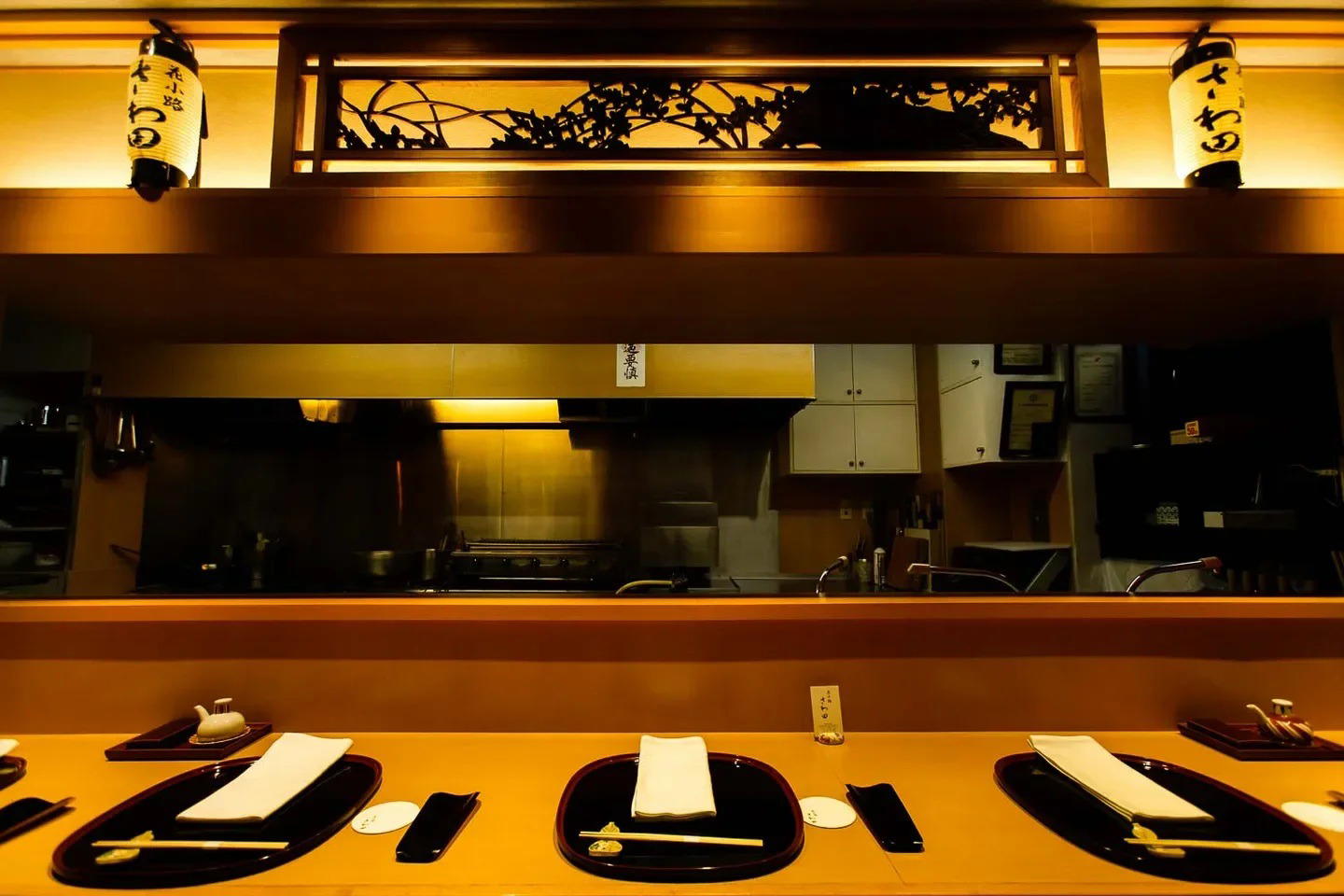
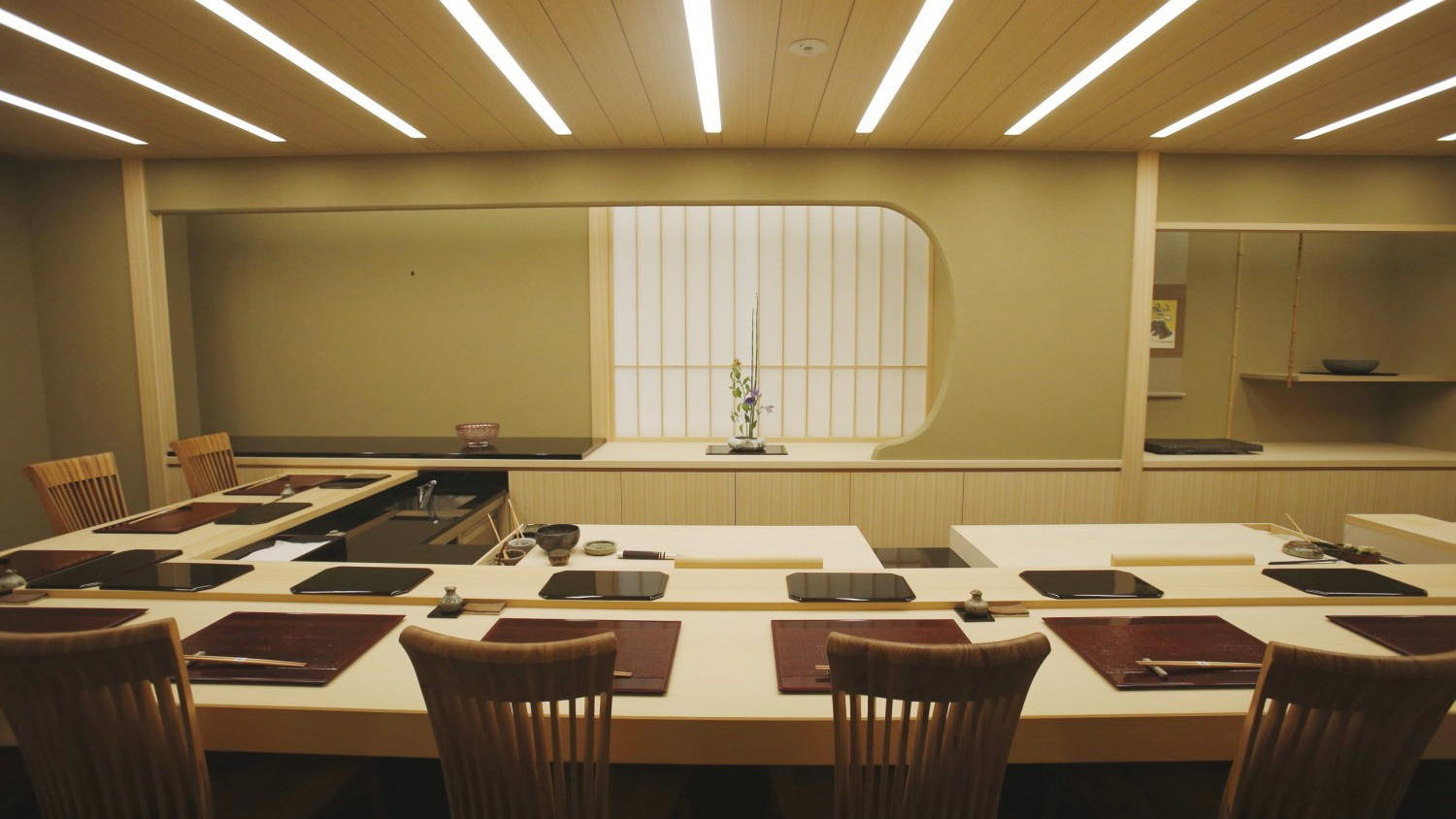
The 29-seat configuration, including seven counter seats, places the restaurant between two Tokyo modes. It is neither a tiny chef-only shrine nor a broad dining room. Counter seats keep the grill foregrounded; tables and terrace seats make the experience less severe than the city’s smallest omakase formats. That middle position suits travellers who want craft without the hush and pressure of more formal counters.
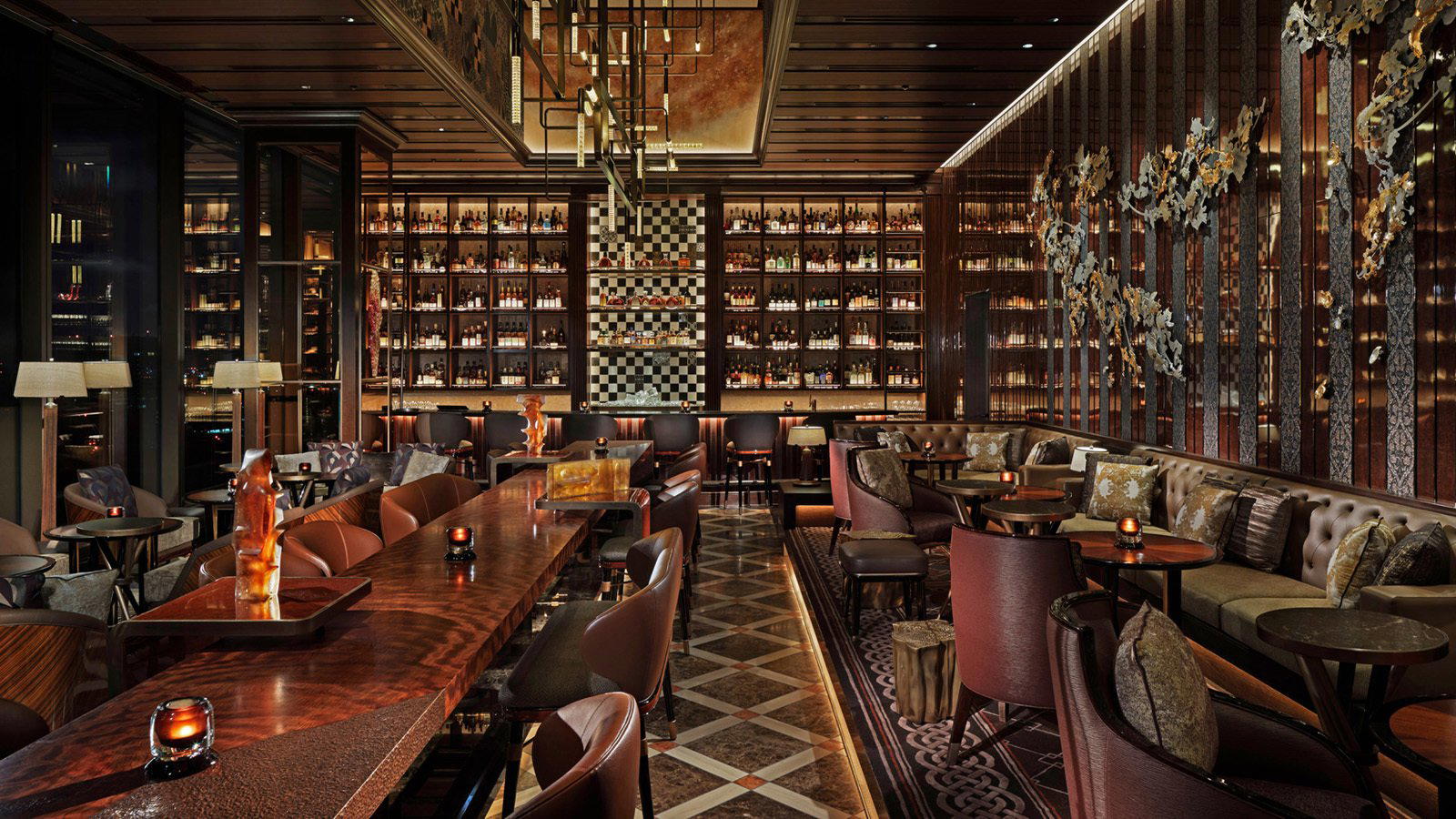
Drinks list adds another clue. Sake, shochu, and wine are all stated offers, with a sommelier available and BYO drinks permitted. In Tokyo yakitori, wine has become a serious pairing route because smoke, salt, skin fat, and tare handle acidity and texture in ways that mirror bistro cooking. That makes the Italian category tag editorially interesting: it suggests a room comfortable letting grilled chicken speak across Japanese and European drinking habits.
Morishita puts the room outside Tokyo's luxury shorthand
Location changes how a meal reads. Morishita, in Koto City, is close enough to central Tokyo for dinner but lacks the automatic prestige of Ginza, Aoyama, or Roppongi. That can help yakitori, a cuisine tied to neighbourhood dining even as price and technique rise. The address near Morishita Station sits in a district where evening feels less staged than in the city’s international hotel corridors.
Tabelog selection is the strongest external marker. The restaurant has been selected for the Tabelog Yakitori 100 across multiple years, including the 2025 EAST list, after selections in 2021, 2022, 2023, and 2024. In a crowded specialist category, repeat inclusion means more than a single-year appearance because it implies relevance after novelty. The listed Tabelog score of 3.73 also sits in a range Japanese diners read with nuance; on that platform, numbers above the mid-threes can signal serious local traction.
Opened in 2020, BLESS belongs to a post-2010s generation of Tokyo yakitori rooms borrowing omakase discipline while loosening the old binary between casual skewer shop and formal Japanese counter. The non-smoking policy, no private rooms, and private-use availability for up to 20 people point to focused dining rather than late-night sprawl. A cancellation fee for no-shows or guest-count changes aligns it with course-led restaurants where prep and seat economics matter.
Within Tokyo dining, this is a different decision from curry, café, sukiyaki, or pizza nights. For a wider itinerary, compare the mood with 3 Chome no Curry Ya San, the visual café culture of 2D Cafe, or grill-and-seafood formats such as . 鮪と炭火焼き うお炭 秋葉原店. Within yakitori, 124. KAGURAZAKA (Yakitori) is another Tokyo reference, while 12/10 Shinjuku ten speaks to a different neighbourhood rhythm.
Who should make room for this dinner
This is the right booking for diners who understand yakitori as an extended form. Anyone seeking a fast beer-and-skewer stop will miss the point; value sits in progression, heat management, and the way drinks stretch the meal. With no private rooms, it is better for couples, small groups, and travellers who want the room’s tempo rather than a sealed-off occasion.
In a city of relentless choice, BLESS works as a counterweight to sushi-heavy planning. Tokyo visitors often overfill trips with raw fish and kappo because those categories carry clearer prestige cues abroad. Yakitori deserves equal seriousness when the grill becomes course structure, and this Morishita address gives that argument a credible, moderately priced form by Tokyo tasting-menu standards.
For broader planning, use Our full Tokyo restaurants guide alongside Our full Tokyo hotels guide, Our full Tokyo bars guide, Our full Tokyo wineries guide, and Our full Tokyo experiences guide. Travellers extending beyond the capital can compare Japanese dining formats at -Grilled beef Sukiyaki- KAMAKURA TANUKIAN 鎌倉 たぬき庵 in Kamakura.cafe in Osaka.know in Kumamoto, (Shoku) Vietnam in Kawasaki, [Curry Senmon Ten] Maruyama Kyoju. in Sapporo, and [ki:] in Kyoto. For Japanese drinking and casual food culture outside Japan, Jōdo Saké Bar in Los Angeles and Onigiri Time in Pasadena extend the comparison in another direction.
Comparable Spots, Quickly
Comparable venues side-by-side for orientation.
| Venue | Cuisine | Price | Notes |
|---|---|---|---|
| BLESSThis venue — the venue you are viewing | Yakitori | $$$ | Not listed |
| Takano Fruit Parlour | Japanese Fruit Parlor | $$$ | Shinjuku |
| Unitora (うに虎) | Sea Urchin Specialty Sushi | $$$ | Tsukiji |
| Tori Ki | Yakitori Omakase Counter | $$$ | Sumida |
| Yakiniku Toka | Modern nostalgic Wagyu yakiniku | $$$ | Chūō |
| Kuzushi Teppan AVAGURA Kanda ten | Modern Teppanyaki | $$$ | Chiyoda |
Recognition history
Dated appearances from independent guides and award organizations, with the underlying list record or original source where available.
Tabelog 100 #93 · No. 93
Tabelog · Tabelog 100 - Yakitori - EAST - 2025







At a Glance
- Cozy
- Sophisticated
- Intimate
- Modern
- Date Night
- Celebration
- Special Occasion
- Business Dinner
- Standalone
- Design Destination
- Extensive Wine List
- Beer Program
- Local Sourcing
Current opening hours
- Monday
- Closed
- Tuesday
- Closed
- Wednesday
- 6–10 PM
- Thursday
- 6–10 PM
- Friday
- 6–10 PM
- Saturday
- 6–10 PM
- Sunday
- 6–10 PM
Hours can change for holidays and private events. Last verified .
An intimate hideout-style space with a house-restaurant feel, combining counter and table seating with a relaxed, polished atmosphere.