Namu Stonepot
Namu Stonepot operates at the intersection of Korean-American cooking and Mission District neighbourhood culture, where a menu built around dolsot bibimbap and Korean-inflected California ingredients speaks directly to the crosscultural character of the street it sits on. At 499 Dolores St, it occupies a price point accessible to the Mission's regulars while operating with the kind of menu discipline that makes it worth tracking across San Francisco's broader Korean-American dining conversation.
- Address
- 499 Dolores St, San Francisco, CA 94110
- Phone
- +1 415 431 6268
- Website
- namustonepot.com
- Directions
- Get directions
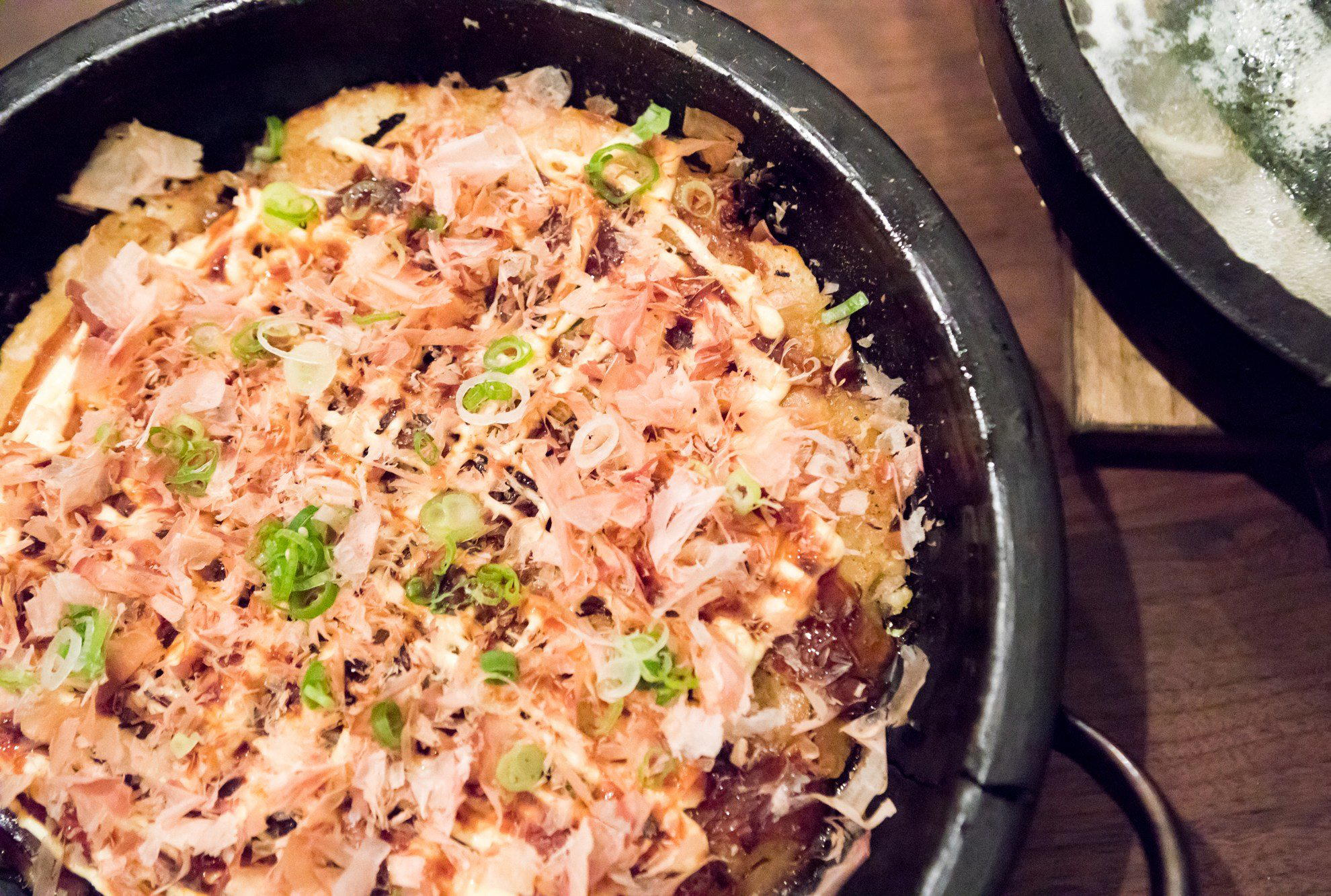
What the Stonepot Format Tells You About the Menu
In San Francisco's Korean-American dining scene, the choice of format is itself a statement. Where higher-end Korean cooking in the United States has moved toward tasting-menu structure, Atomix in New York is the clearest reference point for that shift, a restaurant that centres the dolsot stonepot makes a deliberate argument about what Korean food is, and for whom. The stonepot is a working format: a single vessel that does its own cooking at the table, builds its own crust without intervention, and delivers a dish that is as much about texture and timing as it is about seasoning. Choosing it as the organisational anchor of a menu rather than a side item is a structural decision that tells you everything about what the kitchen is trying to say.
Namu Stonepot, at 499 Dolores St in San Francisco's Mission District, builds around that logic. The name is not incidental, it foregrounds the cooking vessel rather than the chef, the concept, or a borrowed European framework. In a city where the tasting-menu format has produced some of the country's most decorated restaurants (see Benu, Atelier Crenn, and Lazy Bear for that tier), Namu Stonepot situates itself in a different register entirely: accessible, neighbourhood-facing, and rooted in a specific Korean culinary tradition rather than a hybridised fine-dining approximation of one.
The Mission District as Culinary Context
Dolores Street anchors the western edge of the Mission, a neighbourhood whose dining character has been shaped for decades by Latin American communities and, more recently, by a wave of Korean, Vietnamese, and broader Asian-American kitchens that have established themselves along its side streets and main corridors. The Mission's dining culture rewards specificity. Restaurants that arrive with a clear point of view, a single format, a defined cultural reference, a menu that does not try to be everything, tend to last. Namu Stonepot's address places it within walking distance of Dolores Park, which draws a consistent lunch and early-evening crowd that reflects the neighbourhood's mix of long-term residents and newer arrivals.
San Francisco's Korean-American dining scene sits in a different position from Los Angeles's Koreatown, which operates at scale and with decades of community infrastructure behind it. In San Francisco, Korean-inflected restaurants have historically been scattered and specialist, appealing to diners who arrive with some existing familiarity with the cuisine. A format as specific as the stonepot assumes that familiarity, or invites it directly.
How the Menu Architecture Works
A menu built around a single vessel type creates unusual discipline. It limits the kitchen's temptation to range widely, and it sets a consistent expectation at the table: you are here for a specific thing, executed at a specific temperature, with specific accompaniments. Dolsot bibimbap, the stonepot version of Korea's most recognised rice dish, arrives in a cast iron or stone bowl heated to a temperature that continues cooking the rice against the vessel's surface, producing the crisp layer known as nurungji. That crust is not decorative; it is the point. A menu that puts that process at its centre is, in culinary architecture terms, a process-led menu rather than a product-led one.
This is a meaningful distinction in the context of San Francisco dining, where tasting menus at places like Quince and Saison are product-led in the sense that the quality and provenance of individual ingredients drives the structure. The restaurant's architecture asks the diner to engage with a process rather than a sequence of individual showcased ingredients. That is closer in spirit to Korean communal dining traditions, where the act of cooking, assembling, and sharing at the table is as significant as what is being cooked, than to the Western fine-dining framework that dominates San Francisco's upper price tier.
Korean-American Cooking in the National Conversation
The Korean-American dining moment in the United States has been building for over a decade. At the fine-dining end, Atomix in New York has demonstrated that Korean techniques and ingredient logic can operate at the same level of formal ambition as any European-influenced tasting counter. At the neighbourhood end, Korean fried chicken, barbecue, and banchan formats have entered the mainstream across most major American cities. What sits between those poles, restaurants that take Korean cooking seriously without adopting the formal structure of a tasting menu, is a smaller, more interesting category. The restaurant positions itself in that middle register.
Across the country, comparable conversations are happening at different price points and in different culinary registers. Smyth in Chicago and Blue Hill at Stone Barns in Tarrytown represent process-led menus in a fine-dining European frame; Providence in Los Angeles and Addison in San Diego illustrate the California approach to ingredient-first tasting menus. The restaurant's relationship to those reference points is one of deliberate contrast rather than aspiration toward them.
Know Before You Go
| Address | 499 Dolores St, San Francisco, CA 94110 |
|---|---|
| Neighbourhood | Mission District |
| Price Range | Around $20 per person |
| Reservations | Walk-in friendly |
| Hours |
Price and Positioning
Comparable venues nearby, for context on price, style, and recognition.
| Venue | Cuisine | Price | Notes |
|---|---|---|---|
| Namu StonepotThis venue — the venue you are viewing | Not listed | $$ | Not listed |
| The Buoy | Hayes Valley, Modern Korean Anju | $$$ | Not listed |
| Manna | Inner Sunset, Authentic Korean | $$ | Not listed |
| Stone Korean Kitchen | Not listed | $$ | Financial District/South Beach, Modern Korean Comfort Food |
| Gung Ho | Not listed | $$ | San Francisco (Chinatown area), Korean Street Food |
| Buoy Bar | Not listed | $$$ | Hayes Valley, Modern Korean Bar & Small Plates |
Continue exploring
More in San Francisco
Restaurants in San Francisco
Browse all →
Bars in San Francisco
Browse all →
Hotels in San Francisco
Browse all →
At a Glance
- Modern
- Trendy
- Casual Hangout
- Group Dining
- Family
- Standalone
- Open Kitchen
- Farm To Table
- Local Sourcing
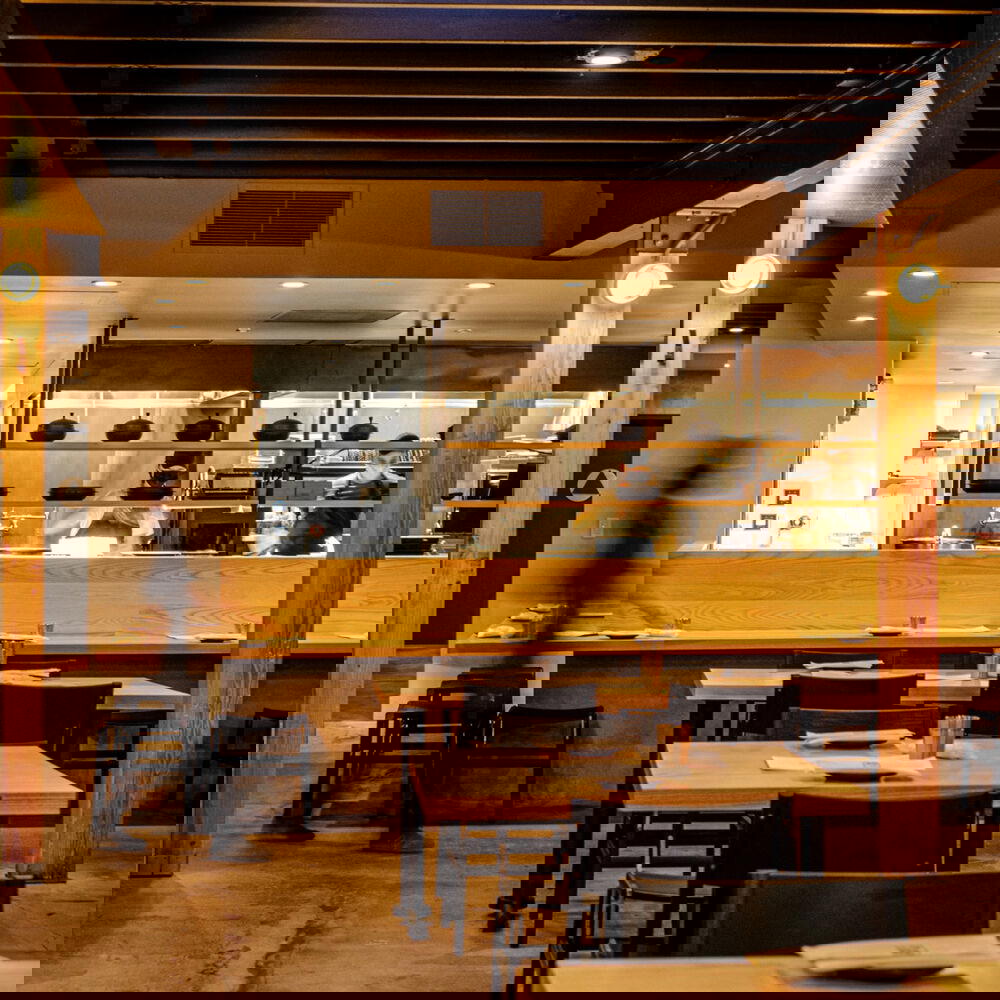
Contemporary casual dining with focus on approachable, affordable Asian American fare.