Manna
Our verdict
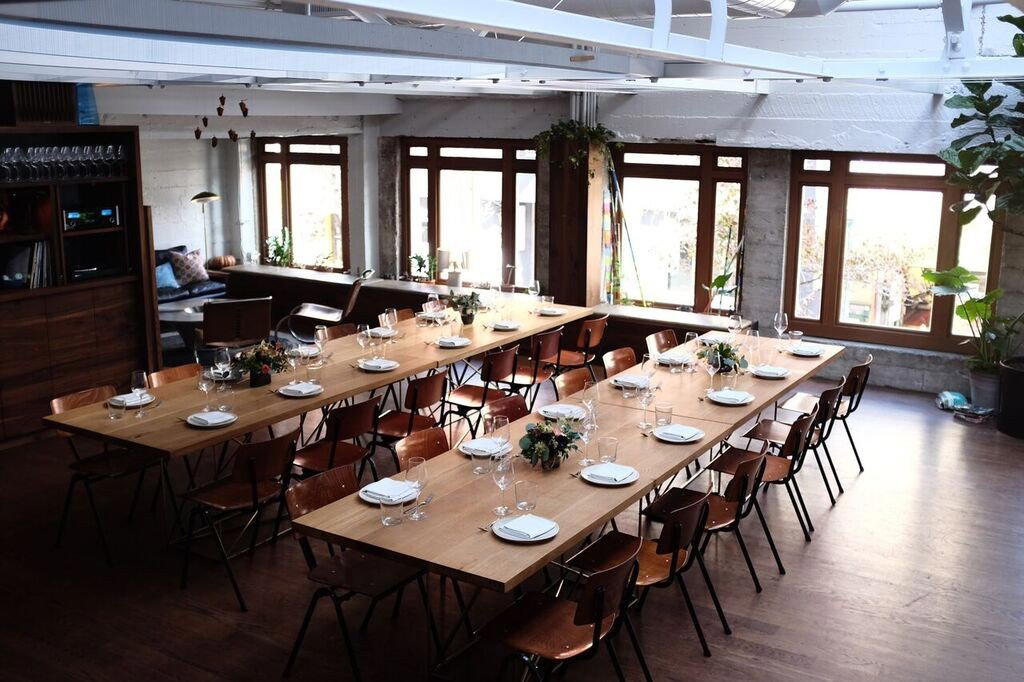
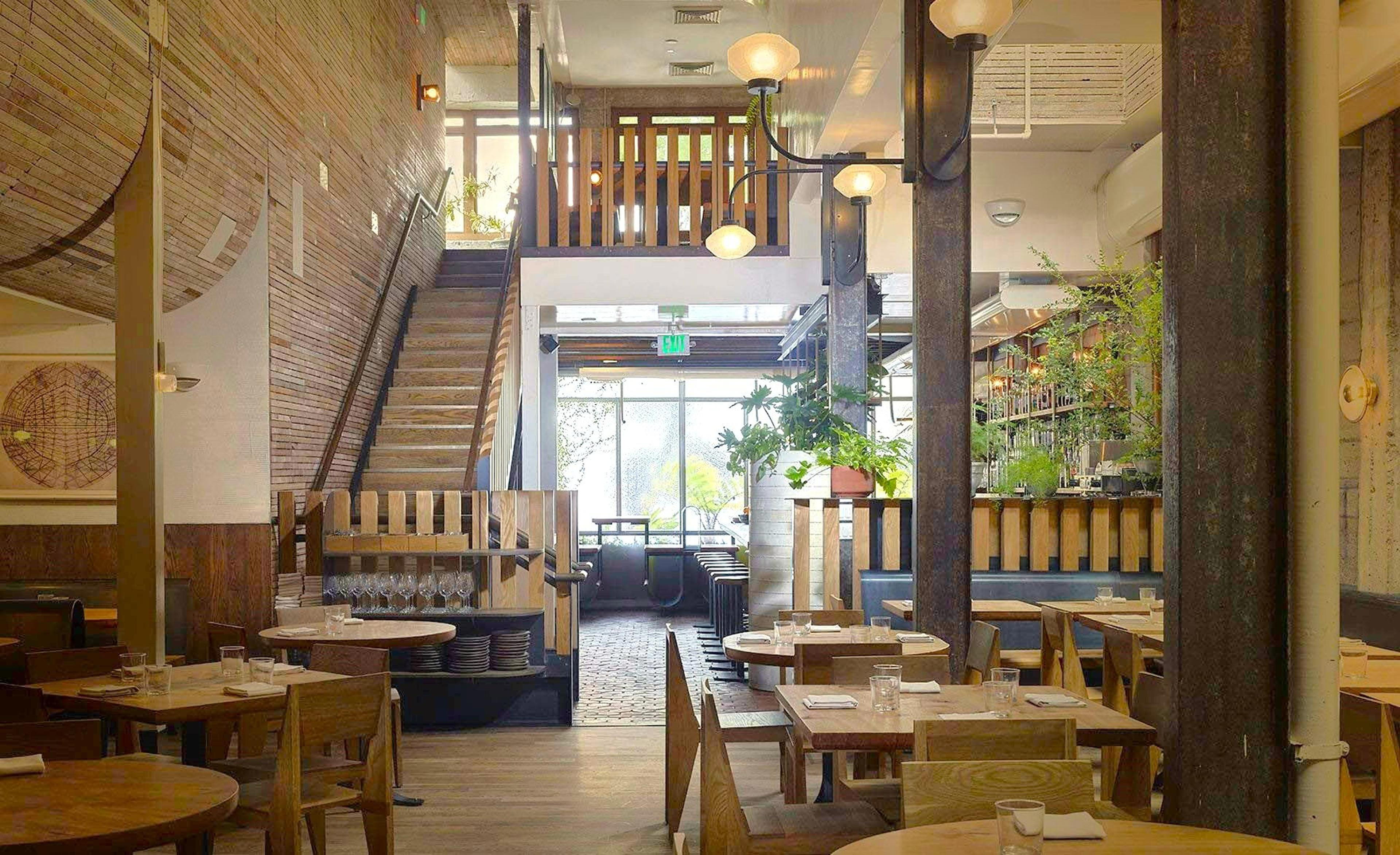
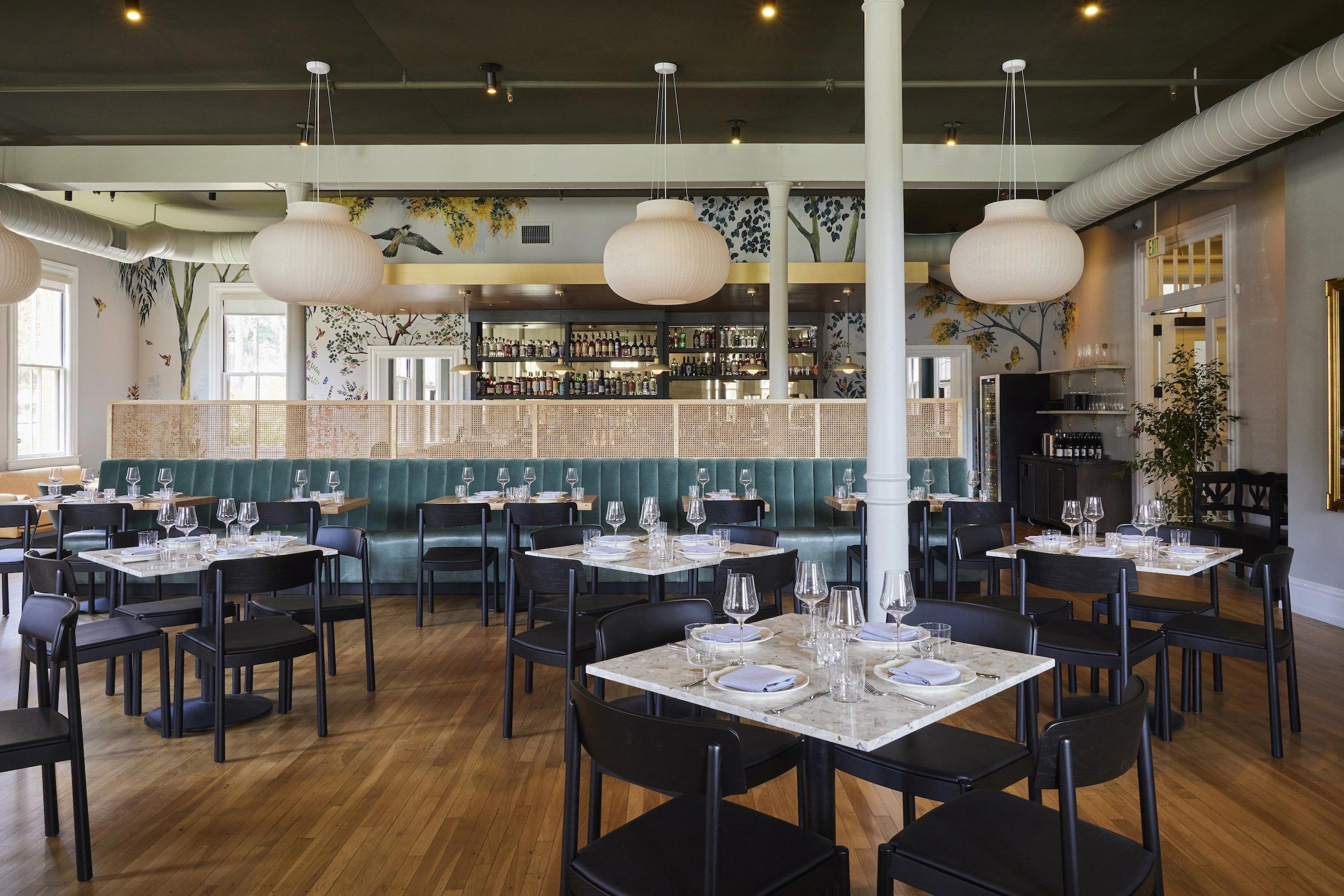
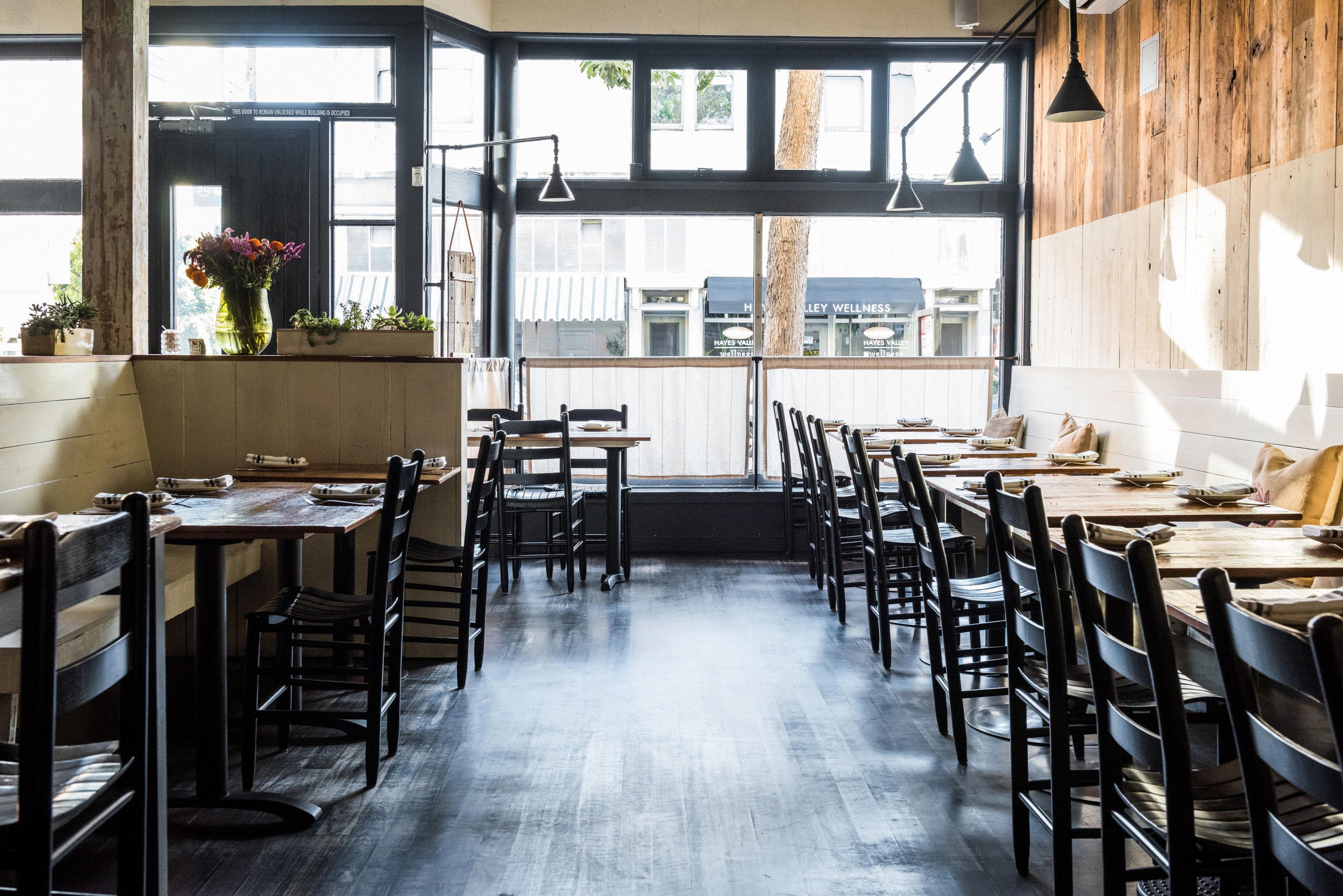
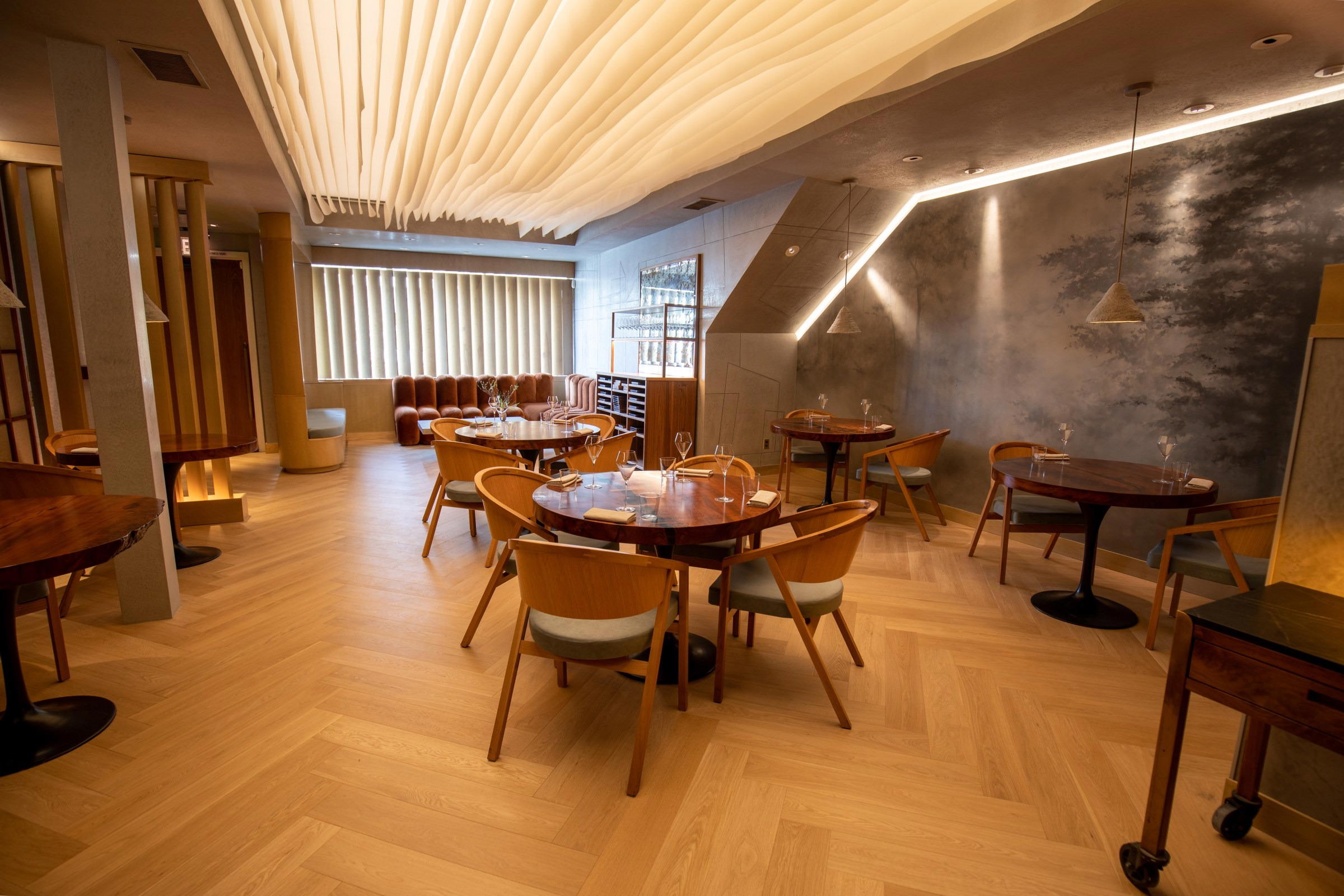
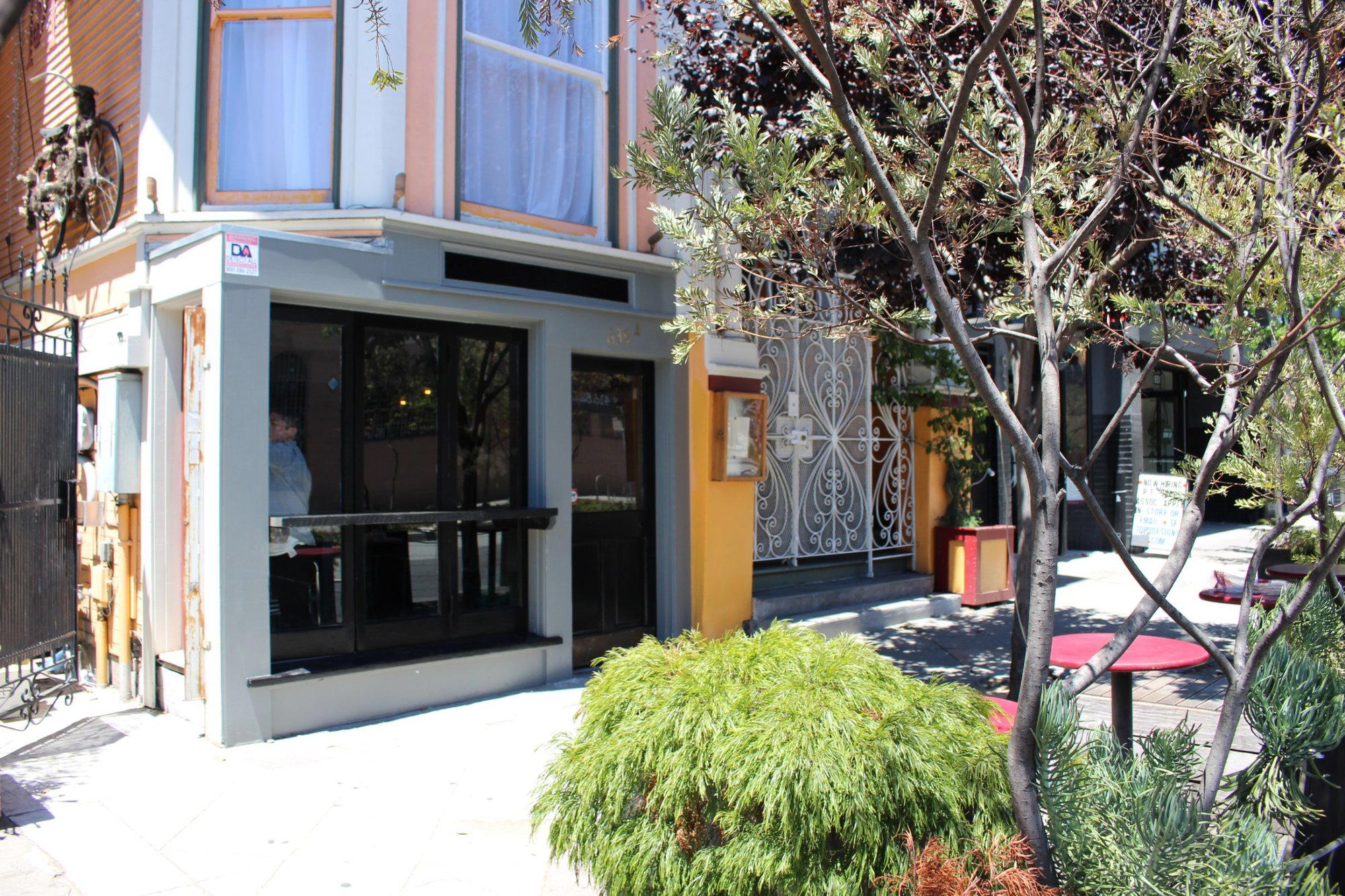
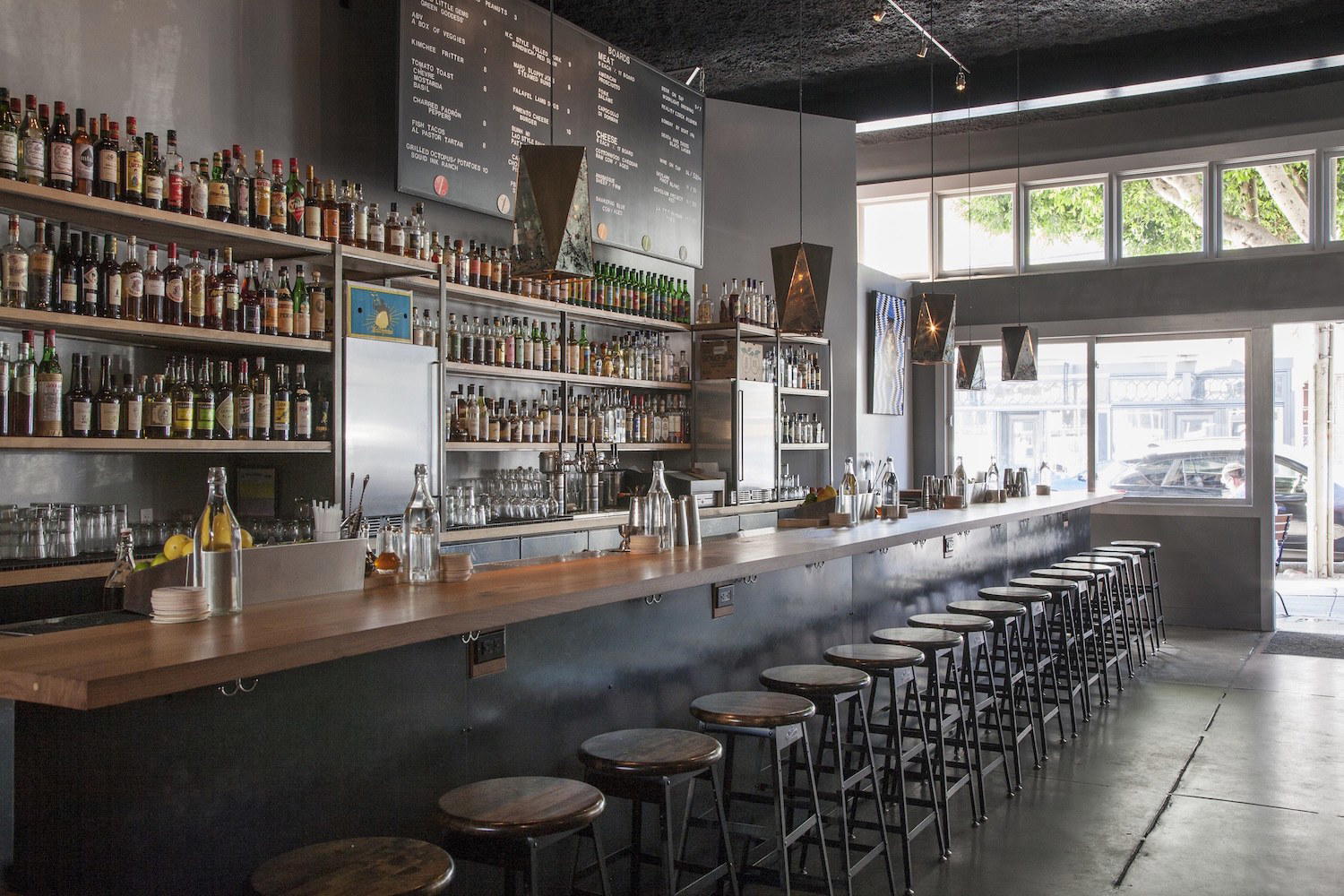
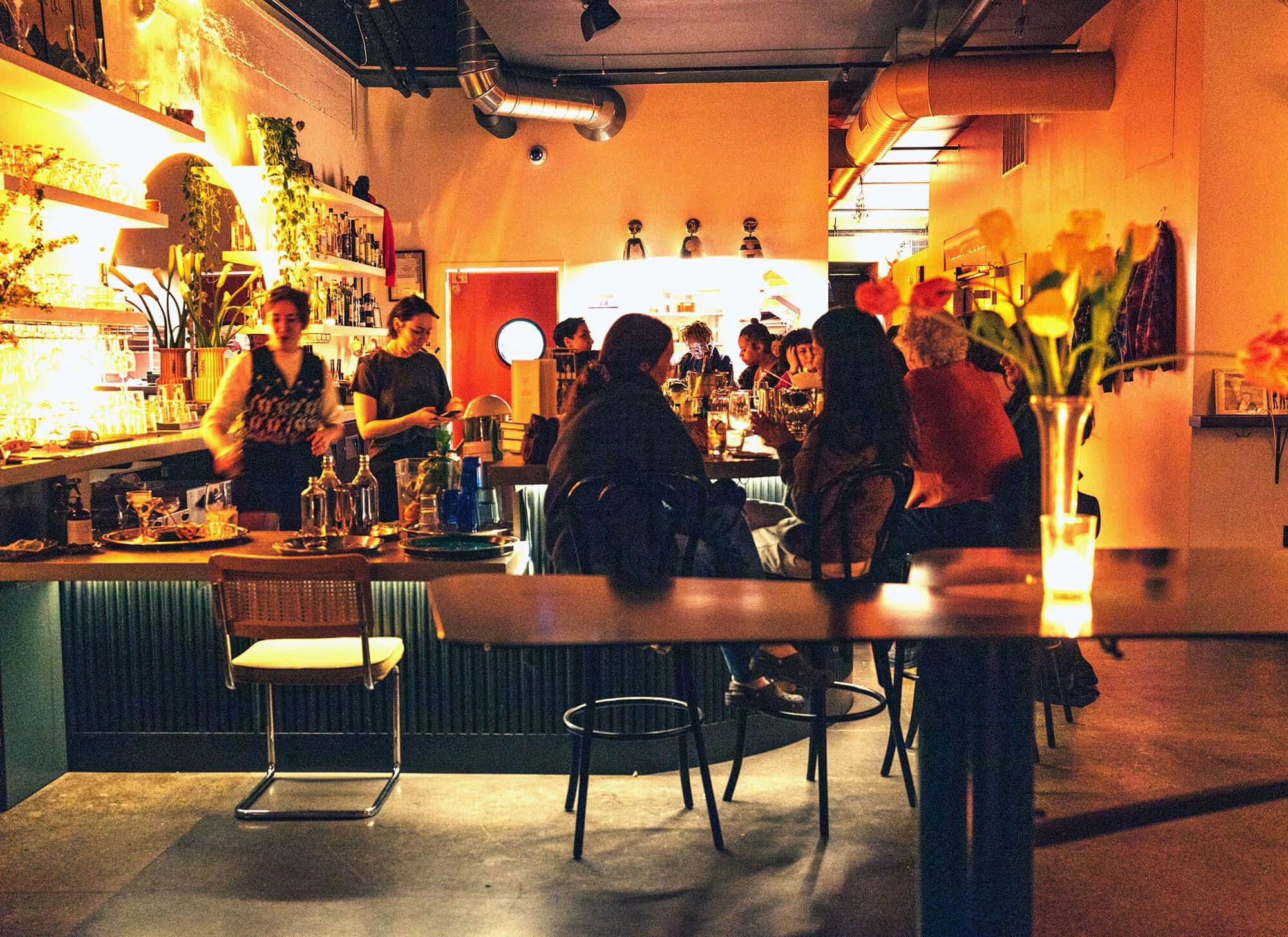
On Irving Street in San Francisco's Inner Sunset, Manna occupies a modest address that punches well above the neighborhood's casual dining norm. The space itself tells a story about how this stretch of the city has quietly developed a dining character distinct from the Ferry Building circuit or the Mission's louder rooms. A measured, considered dining experience for those willing to travel west of Divisadero.

Pearl is the En Primeur Club membership app — saves, bookings, and concierge access live there. Same editors, same standards.

The menu
What to order
- Bulgogi
- Kimchi Fried Rice
- Dol-sot Bibimbap
- Kanpoongki
- Soft Tofu Soup
Irving Street and the Quiet End of San Francisco Dining
San Francisco's dining conversation tends to collapse inward toward a handful of postcodes: SoMa's tasting-menu belt, the Mission's natural-wine rooms, Hayes Valley's neighborhood anchors. The Inner Sunset, stretching along Irving Street past the edge of Golden Gate Park, operates on a different register entirely. This is a residential corridor where fog arrives early and the restaurants that survive do so because locals return, not because out-of-town reservation hunters cycle through. Manna, at 845 Irving Street, belongs to that quieter geography, and understanding what that address means is the first step toward understanding the room itself.
In San Francisco's fine-dining tier, the design conversation is currently dominated by dramatic architectural statements: the open-fire hearth theatrics at Saison, the clinical counter precision of Benu, the poetic industrial textures at Atelier Crenn. Neighborhood restaurants in districts like the Inner Sunset tend to resist that register, working instead with lower ceilings, tighter footprints, and the kind of spatial honesty that comes from serving the same zip code week after week rather than a rotating cast of destination diners.
The Physical Container: What the Space Signals
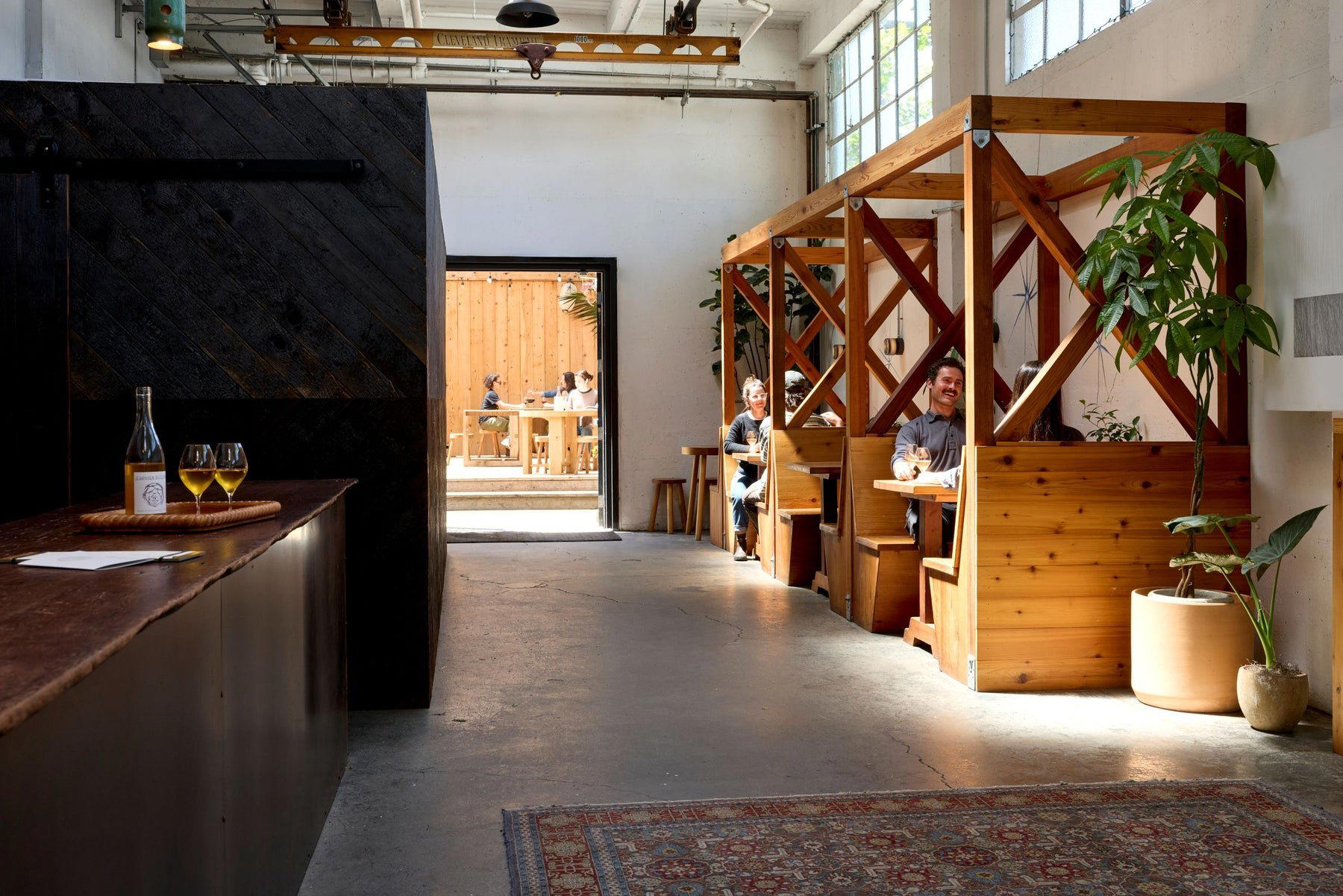
The architecture of a restaurant on Irving Street is shaped by the building stock of the neighborhood: early twentieth-century mixed-use structures where ground-floor retail spaces were never designed for the sight lines and flow of a modern dining room. What operators do within those constraints tells you a great deal about their editorial point of view. Rooms that work in these conditions tend to lean into compression rather than fight it, using the intimacy of a tight dining area to create a social density that larger purpose-built rooms can rarely replicate.
This is a different calculus than what you encounter at, say, Quince in the Financial District, where the high-ceilinged former warehouse allows for spatial generosity and the kind of table spacing that signals a certain price point before a menu arrives. Or at Lazy Bear in the Mission, where the communal format is itself a design argument about how dining rooms should function. Neighborhood spaces along Irving operate from a different premise: the room is a given, and the cooking has to carry the weight.
Across American dining more broadly, some of the most compelling rooms of the last decade have been in precisely these constrained neighborhood formats. Blue Hill at Stone Barns in Tarrytown and Single Thread Farm in Healdsburg both demonstrate how a considered relationship between space and food can define a dining identity more durably than any single dish. The scale is different, the ambition comparable.
Inner Sunset's Dining Character in Context
The Inner Sunset has historically been one of San Francisco's more underexamined dining corridors from a critical standpoint, which has allowed it to develop organically rather than in response to press attention. Irving Street between 5th and 20th avenues contains a cross-section of the city's immigrant food traditions, alongside a growing number of operators working at a more considered register. The result is a stretch that rewards familiarity: regular visitors identify quickly which rooms are coasting on neighborhood loyalty and which are doing something more deliberate.
That dynamic is not unique to San Francisco. In New York, neighborhoods like Jackson Heights or Sunset Park contain restaurants that serious food writers have argued belong in the same conversation as rooms like Atomix or Le Bernardin, simply because the cooking is technically serious even when the address isn't. In Los Angeles, the argument runs similarly with Providence having long demonstrated that a Melrose address can carry serious culinary weight independent of neighborhood prestige. The question for any Irving Street room is whether the cooking justifies the geography, or whether the geography is doing the heavy lifting.
Where Manna Sits in the City's Broader Map
San Francisco's restaurant map at the upper end is well documented: The French Laundry in Yountville sets the regional benchmark for tasting-menu ambition, while the city's own Michelin-recognized rooms cluster in SoMa and the Financial District. Restaurants operating at a neighborhood scale in the Sunset or Richmond districts tend to be evaluated by a different set of criteria, where consistency, value relative to price point, and fit with local dining culture matter more than architectural drama or wine program depth.
That is not a lesser standard. It is a different one. The restaurants that have built durable reputations in American neighborhood dining contexts, from Bacchanalia in Atlanta to Addison in San Diego, have done so by identifying a specific lane and executing within it without drift. For Irving Street operators, that lane is defined by the neighborhood's own character: unpretentious, local-facing, and sustained by repeat business rather than destination traffic.
For readers building a San Francisco itinerary that extends beyond the obvious SoMa and Hayes Valley circuit, our full San Francisco restaurants guide maps the city's dining character across neighborhoods and price tiers, including the Inner Sunset corridors that rarely surface in national coverage.
Planning Your Visit
The Inner Sunset is most efficiently reached via the N-Judah Muni line, which runs along Irving Street and connects to the downtown rail network. Dress: The Inner Sunset's dining culture skews casual to smart-casual; arriving overdressed for a neighborhood room on Irving will read as misaligned with the room's register. Budget: Pricing has not been publicly confirmed; verify current menu pricing directly with the venue. Timing: The N-Judah corridor sees heavier foot traffic on weekend evenings, and neighborhood parking along Irving and adjacent streets can be limited after 6pm.
Frequently asked questions
What's the address for Manna?
Manna is located at 845 Irving St, San Francisco, CA 94122, San Francisco.
How does Manna compare to other Inner Sunset restaurants on Irving Street?
Irving Street in San Francisco's Inner Sunset has historically attracted independent operators rather than the kind of chef-driven projects that dominate the Mission or Hayes Valley. Manna's presence at 845 Irving St places it within a dining corridor defined by neighbourhood loyalty over critical attention, a context that tends to reward restaurants with a focused, consistent identity rather than seasonal reinvention.
What's the best thing to order at Manna?
Specific menu details for Manna at 845 Irving St are not currently published online. Contacting the restaurant directly before your visit is the most reliable way to learn what's on offer and what regulars tend to return for.
Do I need a reservation for Manna?
Given the neighbourhood's growing dining reputation and the modest footprint typical of Irving Street's mixed-use buildings, calling ahead is advisable, particularly on weekends.
What has Manna built its reputation on?
Manna sits in the Inner Sunset, a corridor that San Francisco critics have historically underexamined relative to SoMa or the Mission. Restaurants in this part of the city tend to build standing through consistency with a local customer base rather than through awards-season exposure. Manna's longevity on Irving Street is itself a signal worth noting.
Is Manna allergy-friendly?
No allergen or dietary accommodation information is currently confirmed for Manna at 845 Irving St, San Francisco.
Is Manna overpriced or worth every penny?
The Inner Sunset generally supports restaurants at more moderate price points than SoMa's tasting-menu corridor, so expectations should be calibrated accordingly. Confirming current pricing directly with Manna at 845 Irving St is recommended.
City Peers
Comparable venues nearby, for context on price, style, and recognition.
| Venue | Cuisine | Price | Notes |
|---|---|---|---|
| MannaThis venue (the venue you are viewing) | Authentic Korean | $20–30 | Not listed |
| Wonmi Korean Restaurant | Authentic Korean Comfort Food | Not listed | Richmond District |
| Brothers Restaurant | Authentic Korean BBQ | $30–50 | Inner Richmond |
| Stone Korean Kitchen | Modern Korean Comfort Food | $20–30 | Financial District/South Beach |
| Surisan | Modern Korean Fusion | $20–30 | North Beach |
| Cocobang | Korean BBQ and Fried Chicken | $20–30 | Tenderloin |