
Tabelog 100 #36
Our verdict
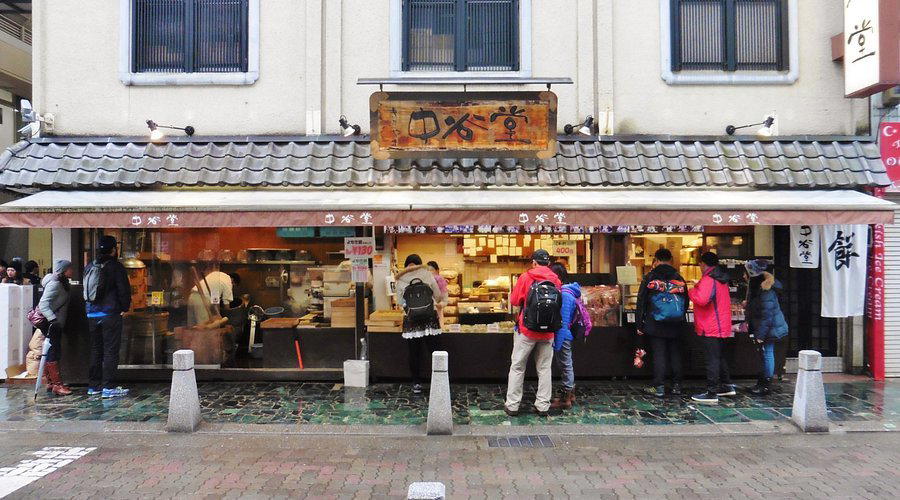
Nakatani Do places Nara’s street-side wagashi culture in full view: low-priced Japanese sweets, take-out service, and a public mochi-pounding rhythm that depends on sales rather than a fixed showtime. Its Tabelog 100 selection for Japanese traditional sweets and sweets cafe in WEST 2023 gives it a credentialed place in a city better known for temples, deer, and formal dining.

Pearl is the En Primeur Club membership app, where members save venues, book tables and use the concierge.
The menu
What to order
- Yomogi mochi with sweet red bean filling
- Freshly pounded green mugwort mochi dusted with kinako
Nara sits in a part of the city’s food culture where visitor movement, quick purchases, and snack counters can overlap. The draw here is not a hushed dining room or a chef-led tasting format, but the older street logic of wagashi: a short stop, a small spend, and sweets made for immediate enjoyment. Nakatani Do belongs to that public-facing tradition, where the craft is less about ceremony than timing, turnover, and rice-based snacks handled close to the rhythm of the city.
Nara’s restaurant conversation often leans toward formal Japanese cooking, curry, French-influenced rooms, and destination dining, but Japanese sweets carry a different kind of authority. They are tied to visits, tea culture, everyday shopping, and the agricultural grammar of rice, beans, and seasonal flavorings. In that frame, a counter specializing in Japanese traditional sweets and senbei is not a lighter alternative to lunch; it is a compact reading of the city’s food culture. The listed price band sits at - JPY 999 - JPY 999, which keeps the experience in the realm of daily snack rather than planned meal.
Rice, speed, and the public theatre of fresh sweets
Rice-based sweets are simple only on paper. Texture, warmth, and timing matter, and the best versions depend on being made and sold while the product still feels fresh. At Nakatani Do, the appeal is tied to that immediate counter format rather than to a long service sequence. That detail matters. It keeps the process connected to demand rather than turning the shop into a detached display for passers-by.
The ingredient story begins with rice, but the editorial value lies in how perishable the result can be. Fresh Japanese sweets occupy a narrow window between softness, chew, and balance. Wagashi shops that work in this mode make a quiet argument against over-packaged souvenir sweets: production is local, timing-sensitive, and meant to be eaten soon. The format also explains why a quick-stop visit makes sense here. This is a stop built around immediate consumption and movement through Nara, not a long table reservation.
The Tabelog Hyakumeiten recognition in 2023 gives the shop a useful benchmark. It places the counter inside a sweets conversation rather than merely a tourist circuit. The score listed at 3.72 reinforces that this is not only a visual stop; it has enough food credibility to sit among recognized addresses for Japanese traditional sweets and senbei.
How it fits into Nara's eating day
Nara’s appeal for food-focused travelers is its range at a compact scale. A day can move from sweets and senbei to more formal Japanese cooking without requiring the logistics of a larger city. For travelers mapping a broader itinerary, our full Nara restaurants guide is the better planning layer, with dining references across Nara’s seated dining range. Those addresses speak to longer meals; this shop speaks to the city’s edible street rhythm.
Comparison within Nara is useful only if the formats are kept separate. huerto and Wakakusa Curry Honpo sit in low-to-mid everyday spend territory, while Kaiseki Kakomura belongs to a more formal Japanese category. Nakatani Do operates on another axis entirely: lower spend, shorter dwell time, and a product whose quality is tied to freshness and turnover rather than service sequence. That makes it better used as a punctuation mark in the day, not as a substitute for lunch or dinner.
The practical pattern is simple. The shop works best as a sweets stop in Nara, especially for travelers already moving through the city. Its listed categories are Japanese traditional sweets and senbei, so expectations should be set around a compact snack format rather than a full meal. For current opening times, payment rules, access details, and service notes, check the venue’s official channels before visiting.
Use it as a Nara street-food anchor, not a dining-room event
The mistake would be to judge the place by the criteria of a restaurant. There is no need to build an afternoon around a seat count, wine pairing, or chef biography. Its value is narrower and more convincing: a recognized wagashi counter where rice-based sweets, senbei, modest pricing, and production timing meet in public. Ask for the freshest available items if that matters to the visit, but the stronger way to read the address is as a working example of how Nara folds snack culture into the flow of a day out.
For a wider Nara trip, the surrounding planning categories matter. Hotels shape whether central stops like this become casual or require transit planning; start with our full Nara hotels guide. Drinking, wineries, and cultural programming sit in separate lanes, covered in our full Nara bars guide, our full Nara wineries guide, and our full Nara experiences guide. Travelers continuing through Japan and beyond can also compare how casual specialties travel across cities, from other street-food counters and sweets shops to broader dining rooms in major destinations.
Frequently asked questions
Is Nakatani Do okay with children?
Publicly provided venue details here do not include a specific children policy. Nakatani Do is a Nara sweets stop with quick-service appeal; check the venue's official channels for the latest details before visiting with children.
What's the overall feel of Nakatani Do?
It feels like a brisk, public-facing sweets stop rather than a sit-down dining room. The Tabelog Hyakumeiten recognition in 2023 gives it a sense of standing within the sweets category. Expect a compact Nara stop focused on Japanese traditional sweets, senbei, and quick-service rhythm.
Is Nakatani Do more mid-range or high-end?
Pricing at Nakatani Do is listed as - JPY 999 - JPY 999.
What time does Nakatani Do open and close?
Specific opening hours are not provided here. Check the venue's official channels for the latest schedule before visiting.
Where is Nakatani Do located?
Nakatani Do is located in Nara.
Side-by-Side Snapshot
Comparable venues by cuisine and price in the same metro.
| Venue | Cuisine | Price | Awards | Notes |
|---|---|---|---|---|
| Nakatani DoThis venue (the venue you are viewing) | Traditional Japanese mochi shop | $1–10 | Tabelog 100 #36 | Not listed |
| Kanakana | Japanese cafe with healthy set meals and curry | $10–20 | Tabelog 100 #33 | Nara |
| Ramenya Mitsuba | Modern foamy ramen shop | $10–20 | Tabelog 100 #41 | Nara |
| ç½ | Modern Kaiseki | $100–150 | 2 Michelin Stars · La Liste Top Restaurants | Nara |
| 麺屋 NOROMA | 鶏白湯ラーメン | $10–20 | Not listed | 西大寺 |
| Housekibaco (Jewelry Box) | Japanese Kakigori Cafe | $10–20 | Tabelog 100 #85 | Naramachi |
Recognition history
Dated appearances from independent guides and award organizations, with the underlying list record or original source where available.
Tabelog 100 #36 · No. 36
Tabelog · Tabelog 100 - Japanese traditional sweets / Japanese sweets cafe - WEST - 2023
Continue exploring
More in Nara
Restaurants in Nara
All restaurants in Nara →

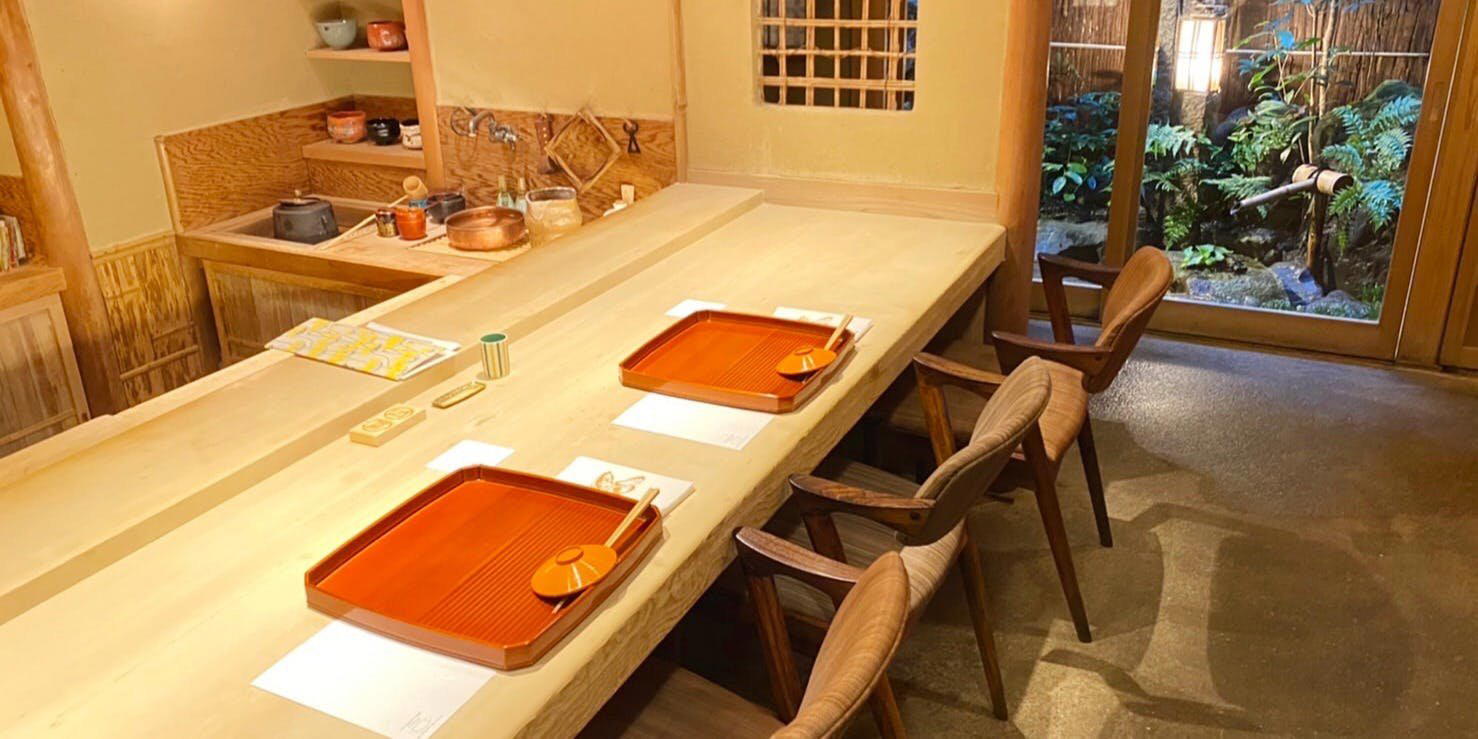
Bars in Nara
All bars in Nara →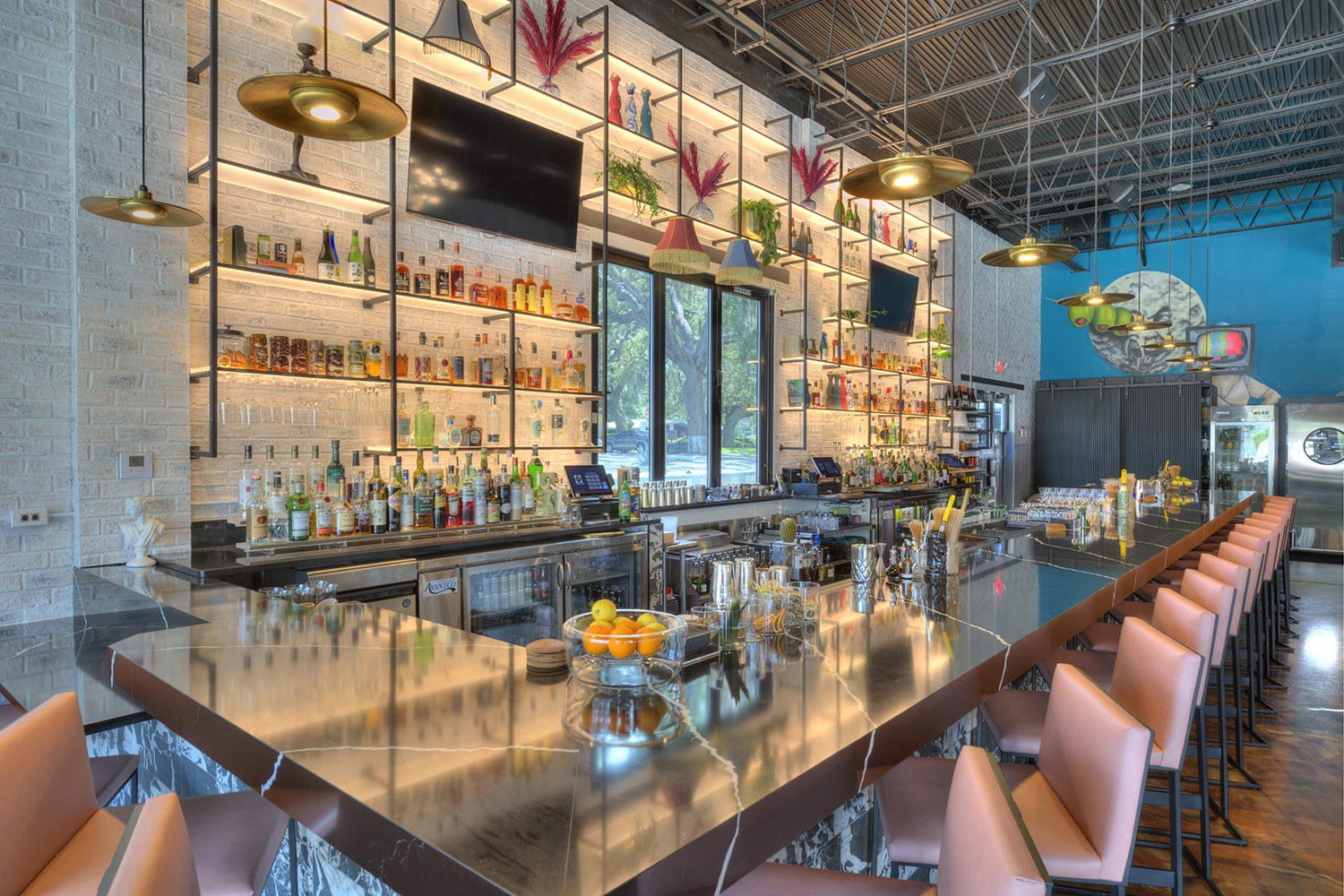
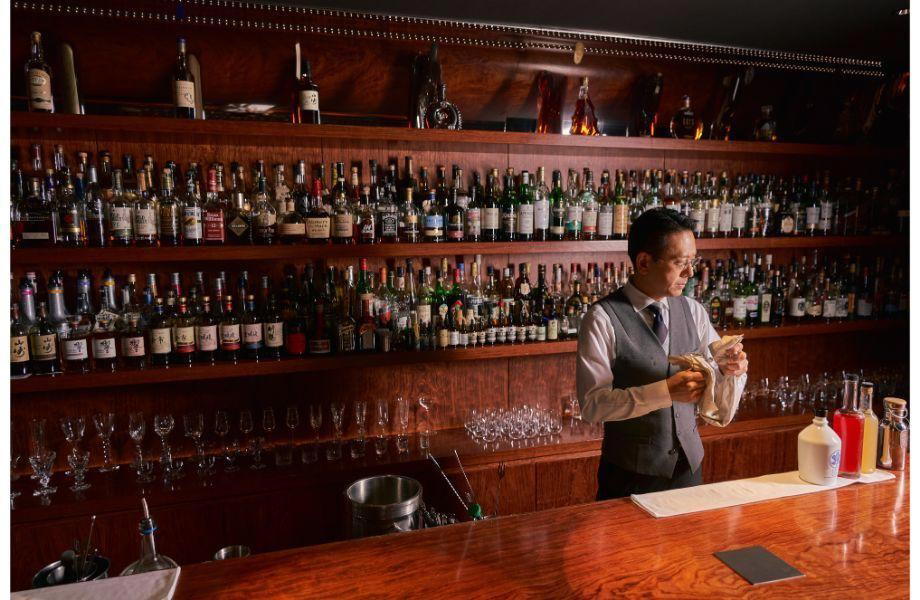

Hotels in Nara
All hotels in Nara →



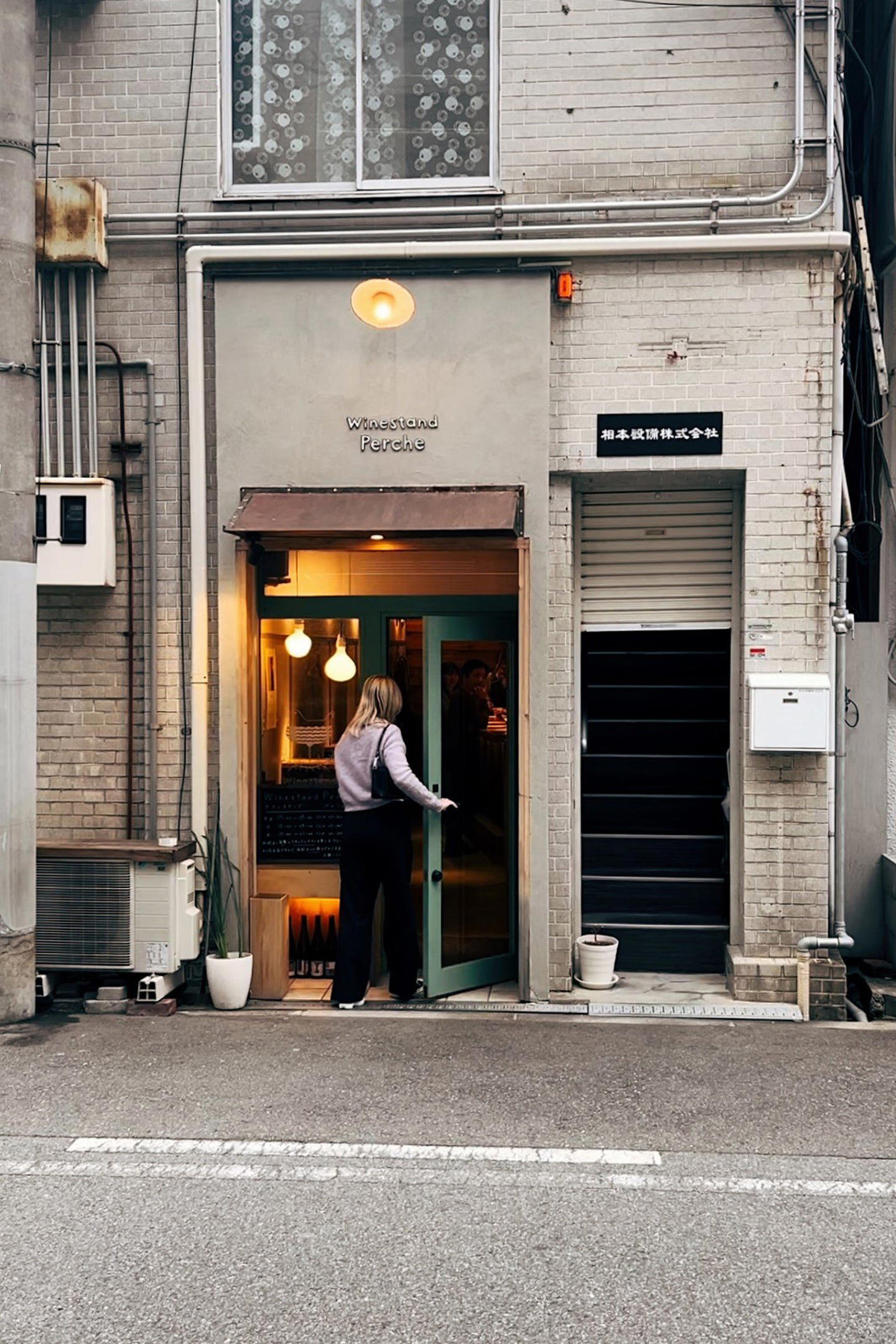
Wineries in Nara
Browse all →
Details
- Lively
- Well Known
- Solo
- Family
- Casual Hangout
- After Work
- Standalone
- Historic Building
- Local Sourcing
- Street Scene
- Counter Dining
- A La Carte
- Vegetarian Friendly
- Vegan Options
Current opening hours
- Monday
- 10 AM–6 PM
- Tuesday
- Closed
- Wednesday
- 10 AM–6 PM
- Thursday
- 10 AM–6 PM
- Friday
- 10 AM–6 PM
- Saturday
- 10 AM–6 PM
- Sunday
- 10 AM–6 PM
Hours can change for holidays and private events. Last verified .
Bustling, street-side sweets shop atmosphere where crowds gather to watch energetic mochi-pounding, with a casual grab-and-go feel rather than a sit-down restaurant setting.