Nakashi Restaurante Japonês
Nakashi Restaurante Japonês operates on Av. Carlos Consoni in Ribeirao Preto's Jardim Canada district, placing Japanese cuisine within a city whose dining scene leans heavily Italian and Brazilian. The address puts it at a deliberate remove from the central restaurant corridor, signalling the kind of neighbourhood anchor that earns repeat local custom rather than tourist traffic. Booking details are best confirmed directly with the venue.
Pearl is the En Primeur Club membership app — saves, bookings, and concierge access live there. Same editors, same standards.
- Address
- Av. Carlos Consoni, 435 - Jardim Canada, Ribeirão Preto - SP, 14024-270, Brazil
- Phone
- +551631025551
- Website
- familiaaguiar.com.br
- Directions
- Get directions
 Saves & bookings on Pearl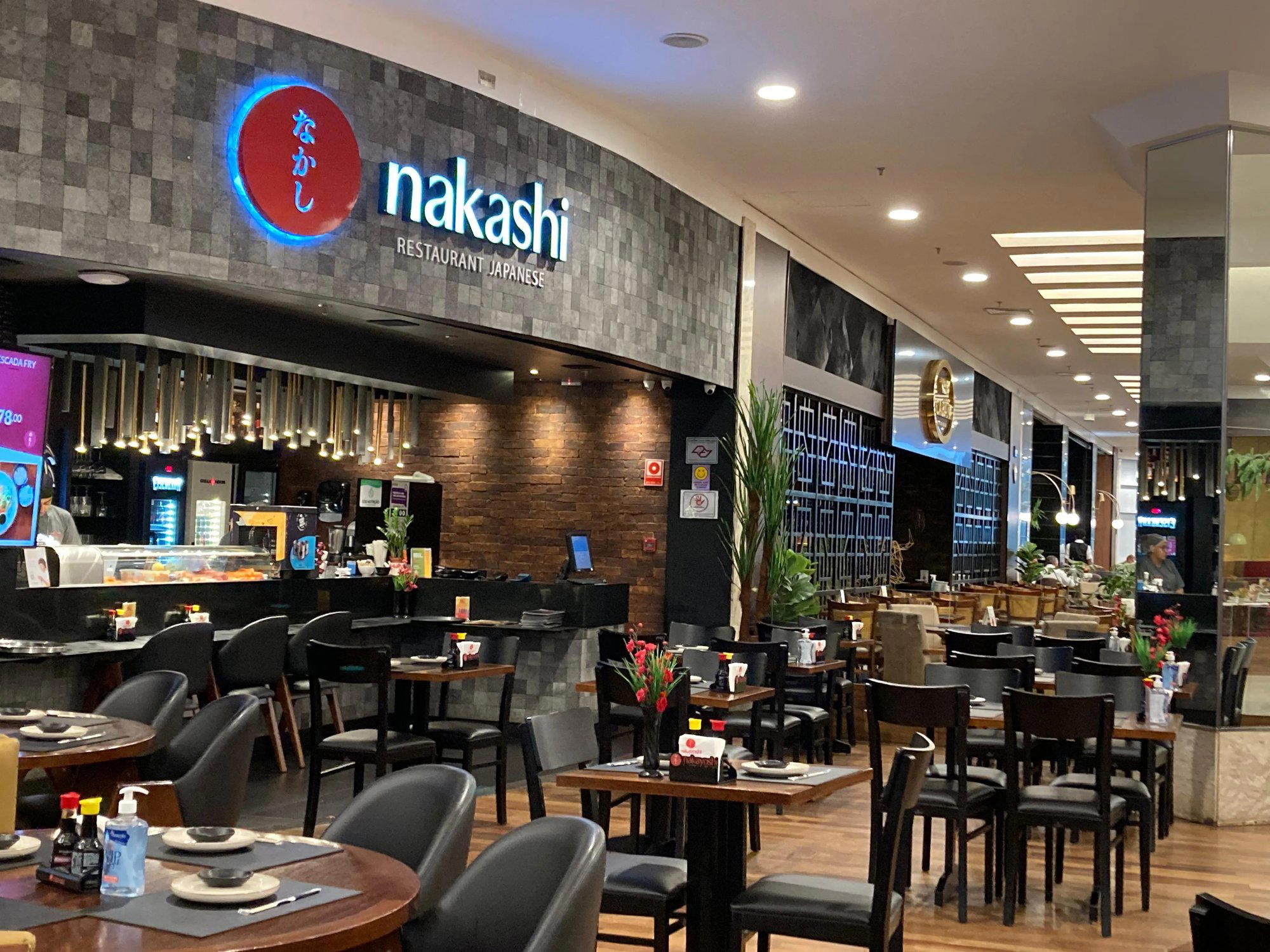
Japanese Cooking in an Interior Brazilian City
Ribeirao Preto's restaurant culture is shaped by its demographic roots: a city built on coffee wealth, Italian immigration, and a cattle economy that still drives the local appetite for churrasco and pasta. Against that backdrop, a Japanese restaurant on Av. Carlos Consoni in Jardim Canada occupies a specific cultural position. It is not operating within a dense ethnic enclave the way a Japanese restaurant in São Paulo's Liberdade district would be, drawing on generations of Nikkei community cooking. It is, instead, making a case for Japanese cuisine on its own terms inside a city that did not historically centre that tradition.
That context matters. Brazil holds the largest Japanese diaspora population outside Japan, and the culinary influence of that community has radiated well beyond São Paulo over several decades. Cities like Ribeirao Preto, roughly 320 kilometres from the capital, now have their own relationship with Japanese food, shaped partly by the broader national absorption of sushi and sashimi into mainstream Brazilian dining and partly by the presence of local practitioners working in the tradition. Nakashi Restaurante Japonês operates in that middle ground, where Japanese food is neither exotic novelty nor community institution, but a settled part of the city's dining options.
The Jardim Canada Address and What It Signals
The Jardim Canada neighbourhood sits outside Ribeirao Preto's most concentrated restaurant corridors. The choice of address on Av. Carlos Consoni follows a pattern common to mid-sized Brazilian cities: quality neighbourhood restaurants that depend on local loyalty rather than high foot traffic or proximity to hotels and commercial centres. For visitors, this means the venue requires a deliberate decision to seek it out, which is a reasonable proxy for the kind of place that earns its clientele through consistency rather than convenience.
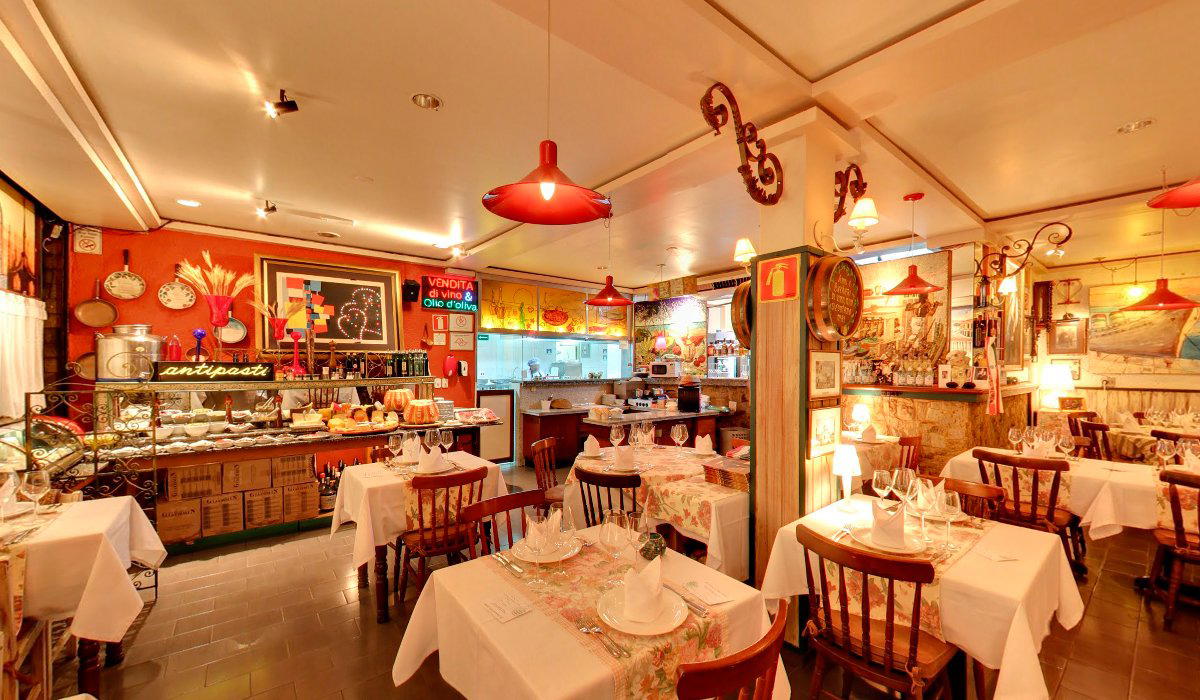
Ribeirao Preto's broader dining map skews toward Italian-influenced cooking, which is well represented by places like Amici Di Tullio, La Cucina di Tullio Santini, and Famosa Pizza, all of which reflect the city's strong Italian-heritage community. Japanese cuisine occupies a smaller but stable share of the market, and a restaurant in this category competes less on novelty and more on the quality of its execution relative to what locals already know.
Brazilian Japanese Cuisine: What the Category Actually Means
Japanese food in Brazil is not a direct transplant of what you would find in Tokyo or Osaka. Over more than a century of Nikkei settlement, the cuisine has developed its own local register: temaki filled with cream cheese and salmon, hot rolls that have no Japanese precedent, and sushi rice prepared slightly sweeter and softer than the Tokyo standard. These adaptations are not compromise positions. They are the product of a genuine cultural negotiation between Japanese culinary discipline and Brazilian ingredient availability and palate preferences, and at their leading they produce dishes that are coherent on their own terms.
The contrast with what you find at the upper end of Japanese cooking in Brazil's major cities is instructive. Restaurants like D.O.M. in São Paulo and Lasai in Rio de Janeiro operate in a register defined by formal tasting menus, sourcing transparency, and international critical attention. Japanese fine dining in São Paulo's Liberdade district competes within a different set of expectations entirely. Interior cities like Ribeirao Preto are neither of these markets. The dining that works here is precise, consistent, and well-priced against local alternatives, without the ceremony of a metropolitan tasting counter.
For reference points on what Japanese cooking looks like when it reaches a formal fine-dining register, Atomix in New York City and Le Bernardin in New York City represent the kind of precision and citation-level ambition that defines the international top tier. Ribeirao Preto's Japanese restaurants are not competing in that bracket, nor should they be evaluated against it. The relevant comparison is within the city's own category of serious, locally anchored restaurants doing consistent work.
Planning Your Visit
Nakashi Restaurante Japonês is located at Av. Carlos Consoni, 435, Jardim Canada, Ribeirão Preto, SP 14024-270. The Jardim Canada address is accessible by car and by app-based ride services. Weekday lunchtimes and weekend evenings are typically the periods of highest demand. Arriving without a reservation on a Saturday night carries some risk.
Visitors staying in the city's commercial centre will find Jardim Canada a short ride away. The neighbourhood has no strong tourist draw of its own, which is part of what makes the restaurant's presence there a signal of neighbourhood loyalty rather than visitor traffic.
Elsewhere in Brazil
If you are travelling more broadly across Brazil and looking for reference points in other cities, the EP Club covers a range of regional options. For other regional dining worth noting, Madê in Santos, Bistro Fitz Carraldo in Manaus, Cantina Pozzobon in Santa Maria, Fornazzo Pizzaria in Passo Fundo, Casa da Flor Restaurante in Dourados, Aero Burguer e Grill in Santa Cruz do Sul, Arte e Café Imperial in Angra dos Reis, Casa da Dika Restô e Eventos in Bragança, and Casa da Picanha Penedo in Itatiaia each anchor local dining in their respective cities.
Booking and Cost Snapshot
Comparable venues nearby, for context on price, style, and recognition.
| Venue | Cuisine | Price | Notes |
|---|---|---|---|
| Nakashi Restaurante JaponêsThis venue — the venue you are viewing | Jardim Canada, Modern Japanese Sushi | $$$ | Not listed |
| La Cucina di Tullio Santini | Not listed | $$$ | Jd. América, Traditional Italian Trattoria |
| Famosa Pizza | Not listed | $$ | :null, Italian Pizza |
| Amici Di Tullio | Not listed | $$$$ | Jd. Sumaré, French-Italian Fine Dining |
| Kobu Sushi | Cidade Jardim, Japanese Sushi | $$$ | Not listed |
| OUE Sushi Alphaville | Alphaville, Modern Fusion Sushi | $$$ | Not listed |
Continue exploring
More in Ribeirao Preto
Restaurants in Ribeirao Preto
Browse all →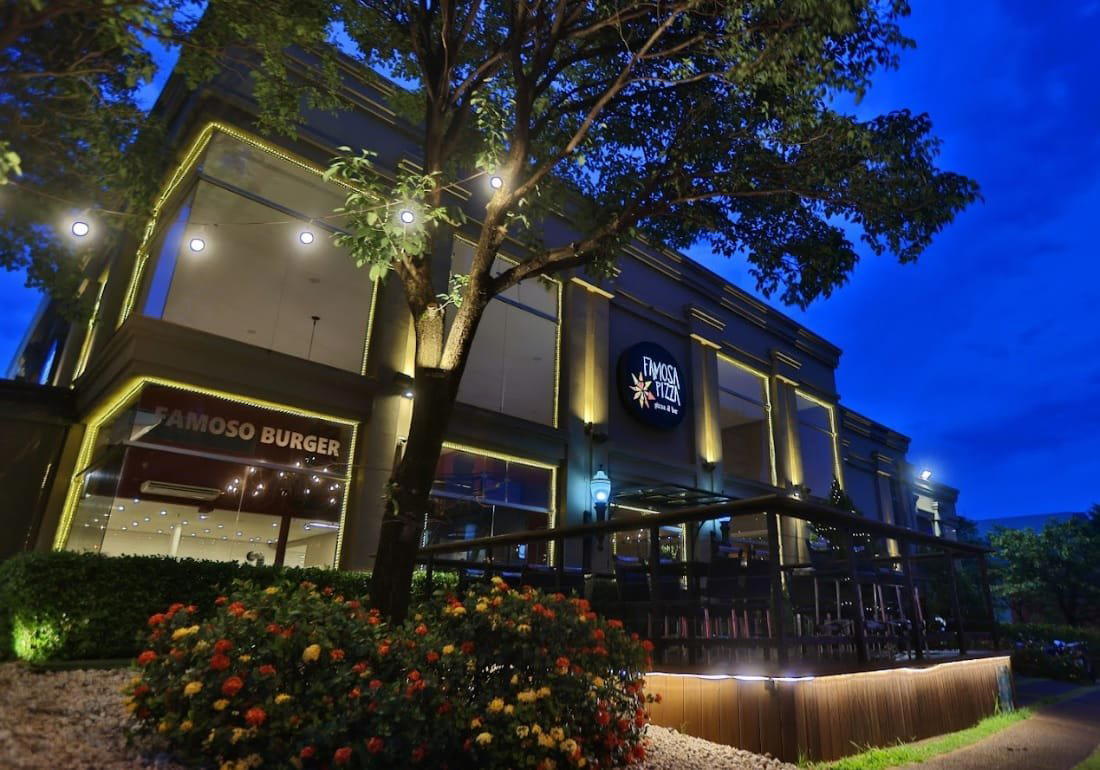
At a Glance
- Sophisticated
- Elegant
- Cozy
- Date Night
- Group Dining
- Special Occasion
- Open Kitchen
- Sake Program
Current opening hours
- Monday
- Closed
- Tuesday
- 11:45 AM–10:30 PM
- Wednesday
- 11:45 AM–10:30 PM
- Thursday
- 11:45 AM–11 PM
- Friday
- 11:45 AM–11 PM
- Saturday
- 11:30 AM–11 PM
- Sunday
- 11:30 AM–10 PM
Hours can change for holidays and private events. Last verified .
Cozy and beautifully decorated with fish scale-inspired counters and hanging kokedamas, creating a charming Japanese atmosphere.