Amici Di Tullio
Amici Di Tullio occupies a residential stretch of Jardim Sumaré, one of Ribeirão Preto's more settled dining neighbourhoods, where Italian-rooted cooking has built a loyal local following over years of consistent service. The address on Rua Olavo Bilac places it within easy reach of the city centre, making it a practical choice for both weeknight regulars and visitors working through the São Paulo interior's dining options.
Pearl is the En Primeur Club membership app — saves, bookings, and concierge access live there. Same editors, same standards.
- Address
- R. Olavo Bilac, 1280 - Jardim Sumare, Ribeirão Preto - SP, 14025-400, Brazil
- Phone
- +55 16 3235-9610
- Website
- amici.ditullio.com.br
- Directions
- Get directions
 Saves & bookings on Pearl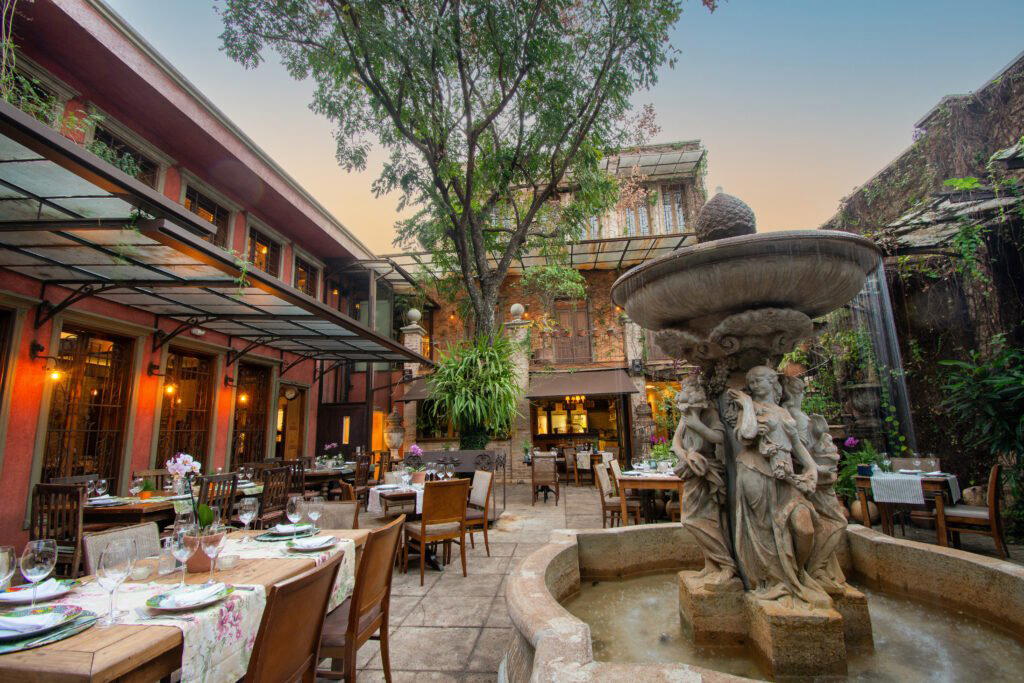
Italian Roots in the São Paulo Interior
Ribeirão Preto's dining identity has long been shaped by the agricultural wealth that surrounds it. The region's coffee and sugar-cane economy historically attracted Italian and Japanese immigrant communities, and their culinary influence settled into the city's fabric in ways that outlasted the economic cycles. The result is a restaurant culture where Italian-rooted kitchens operate not as novelties but as fixtures, held to a standard set by decades of local expectation. Amici Di Tullio sits on Rua Olavo Bilac in Jardim Sumaré, a residential neighbourhood that has accumulated a quiet concentration of neighbourhood restaurants precisely because its residents eat out often and have strong opinions about where they do it.
That neighbourhood context matters when assessing what a kitchen like this is trying to do. In cities where Italian food is treated as a category to be reinvented, sourcing and ingredient provenance become arguments for positioning. In Ribeirão Preto, where the tradition is embedded rather than imported, the argument is different: the kitchen has to be good enough that regulars keep coming back, and honest enough that the community trusts what is on the plate. Those are harder standards to meet than a single impressive tasting menu, and they tend to produce a more grounded style of cooking.
Ingredient Sourcing and the Interior São Paulo Advantage
One of the structural advantages that kitchens in cities like Ribeirão Preto hold over their counterparts in São Paulo or Rio de Janeiro is proximity to agricultural production. The Ribeirão Preto region sits at the heart of some of Brazil's most productive farmland. Seasonal vegetables, quality cuts, and fresh dairy move shorter distances here than they do to coastal restaurant kitchens, which means a neighbourhood restaurant with reliable supplier relationships can work with fresher raw material than a comparable establishment paying São Paulo's logistics costs.
This is the context in which ingredient sourcing becomes an editorial point rather than a marketing claim. When a restaurant in the interior operates close to its supply chain, the quality of what arrives in the kitchen reflects both the geography and the relationships the kitchen has built over time. For Italian-influenced cooking specifically, where the underlying philosophy tends to favour product quality over technique complexity, that proximity is an advantage that compounds with consistency. A well-sourced risotto or a pasta with local ingredients is not a concept dish; it is the result of a supply chain that the kitchen has spent time developing. For comparison, restaurants further from agricultural centres, such as Oteque in Rio de Janeiro or D.O.M. in São Paulo, operate at a different scale and with different sourcing logistics entirely, which shapes what kind of cooking they can credibly deliver.
Where Amici Di Tullio Sits in Ribeirão Preto's Dining Mix
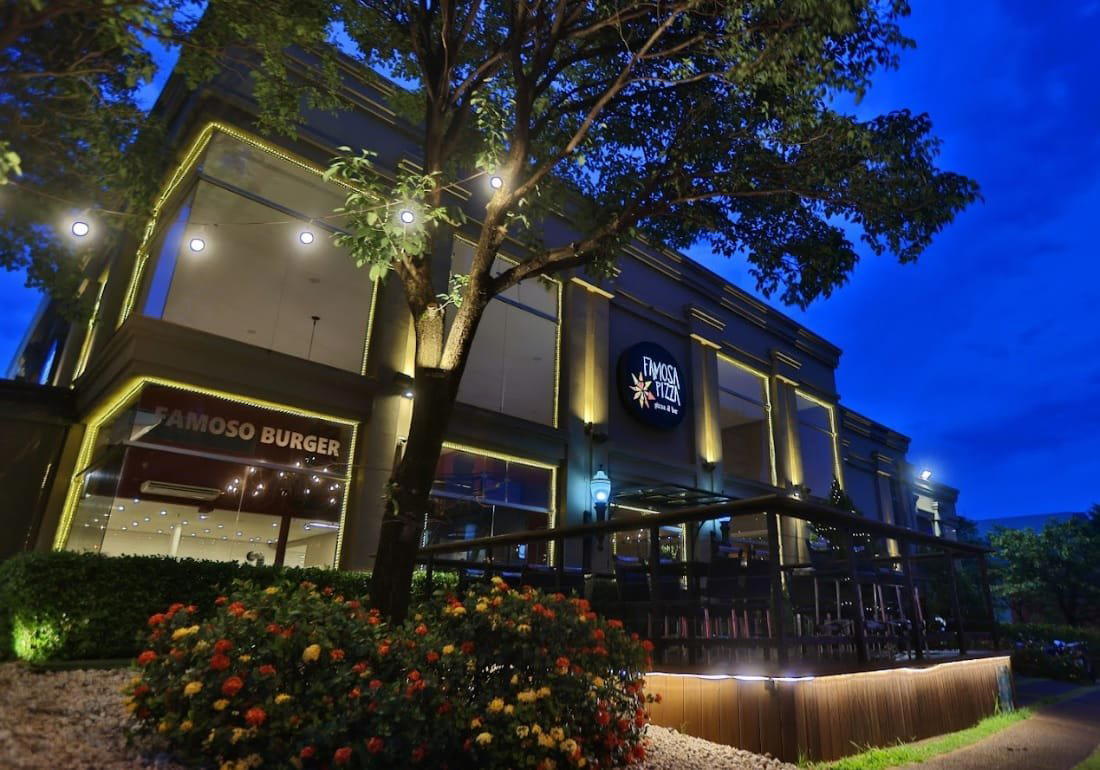
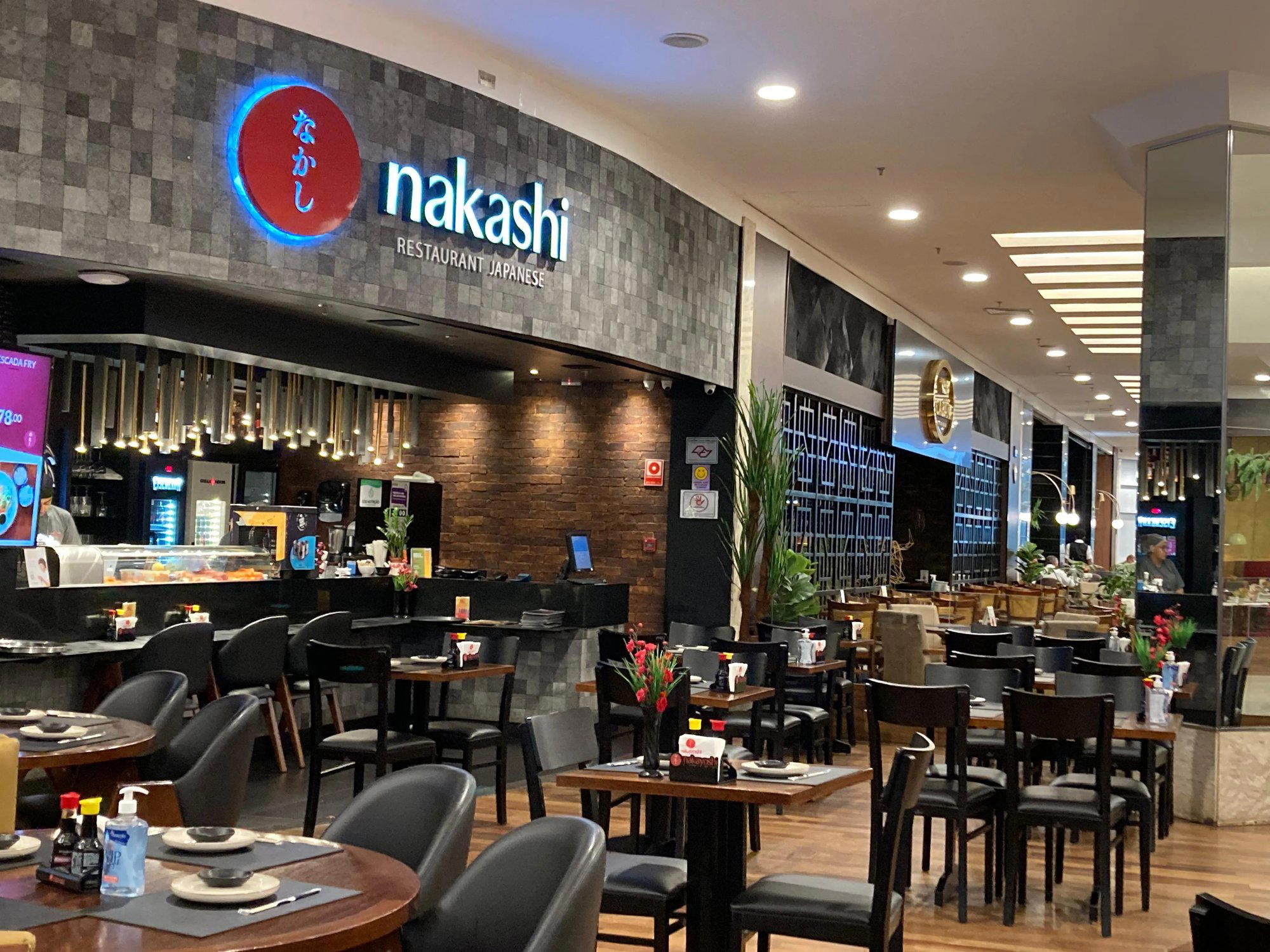
Ribeirão Preto's restaurant scene has a wider range than its interior-city status might suggest. The city supports Japanese cooking at places like Nakashi Restaurante Japonês, pizza-focused formats at Famosa Pizza, and Italian-rooted tables including La Cucina di Tullio Santini, which occupies its own distinct position in the city's Italian dining bracket. Amici Di Tullio competes within that Italian tier, where the differentiators tend to be consistency of execution, depth of the wine list, and the regularity of the clientele rather than conceptual novelty.
Across Brazil's interior cities, the restaurants that hold their ground over time are generally those that prioritise the returning guest over the first impression. That pattern is visible in comparable cities: Olivetto Restaurante E Enoteca in Campinas operates on a similar logic in another large interior São Paulo city, where longevity and a loyal clientele define success more reliably than critical acclaim. The same argument applies to places like Manu in Curitiba or Birosca S2 in Belo Horizonte, which anchor their reputations in consistent regional cooking rather than seasonal reinvention. The restaurant reads as part of that pattern: a restaurant whose address in a residential neighbourhood signals that it is built for the long term, not for destination traffic.
The Broader Brazilian Regional Dining Context
Understanding a restaurant in Ribeirão Preto requires some sense of where it sits within Brazilian dining more broadly. The country's restaurant culture has diversified substantially, with regional cooking receiving serious critical attention from places as varied as Manga in Salvador, Orixás in Itacaré, and Lobby Café in Belém. Those restaurants draw on specific regional ingredient traditions, the Amazon basin, the Bahian coast, and the Atlantic forest. The interior São Paulo tradition is different in character: it draws on European immigrant settlement and productive agricultural land rather than indigenous or Afro-Brazilian foodways. That does not make it less interesting, but it positions it differently within the national conversation.
For visitors to Ribeirão Preto who are arriving from places with larger international dining profiles, the frame of reference matters. The city is not competing with Le Bernardin in New York City or Lazy Bear in San Francisco for the same kind of attention. It is doing something categorically different: producing consistent, ingredient-led cooking for a community that knows what good food looks like and will notice when it is not there. That is a legitimate and demanding standard.
For anyone planning time in the region, the full picture is available in our full Ribeirão Preto restaurants guide, which maps the city's dining across categories and neighbourhoods. Rua Olavo Bilac is accessible from the city centre without difficulty, and the Jardim Sumaré address means parking is generally manageable compared to Ribeirão Preto's busier commercial strips. Booking ahead is essential, especially for Friday and Saturday evenings. Other comparable experiences in the broader region include Mina in Campos do Jordão and Primrose in Gramado, both of which operate in smaller cities with loyal local bases and seasonal visitor traffic, and Castelo Saint Andrews in Vale do Bosque for a different register entirely. State of Espírito Santo in Rio Bananal represents the kind of regional specificity that makes Brazil's interior restaurant culture worth tracking beyond the headline cities.
A Quick Peer Check
Comparable venues nearby, for context on price, style, and recognition.
| Venue | Cuisine | Price | Notes |
|---|---|---|---|
| Amici Di TullioThis venue — the venue you are viewing | French-Italian Fine Dining | $$$$ | Not listed |
| La Cucina di Tullio Santini | Traditional Italian Trattoria | $$$ | Jd. América |
| Famosa Pizza | Italian Pizza | $$ | :null |
| Nakashi Restaurante Japonês | Modern Japanese Sushi | $$$ | Jardim Canada |
| Roberta Sudbrack | Modern Brazilian | $$$$ | Jardim Botânico |
| Vecchio Torino | Classic Italian | $$$ | Pinheiros |
Continue exploring
More in Ribeirao Preto
At a Glance
- Romantic
- Elegant
- Sophisticated
- Cozy
- Date Night
- Business Dinner
- Special Occasion
- Celebration
- Private Dining
- Garden
- Open Kitchen
- Standalone
- Extensive Wine List
- Sommelier Led
- Local Sourcing
- Garden
Current opening hours
- Monday
- Closed
- Tuesday
- 7 PM–12 AM
- Wednesday
- 7 PM–12 AM
- Thursday
- 7 PM–12 AM
- Friday
- 7 PM–12 AM
- Saturday
- 7 PM–12 AM
- Sunday
- 12–3 PM
Hours can change for holidays and private events. Last verified .
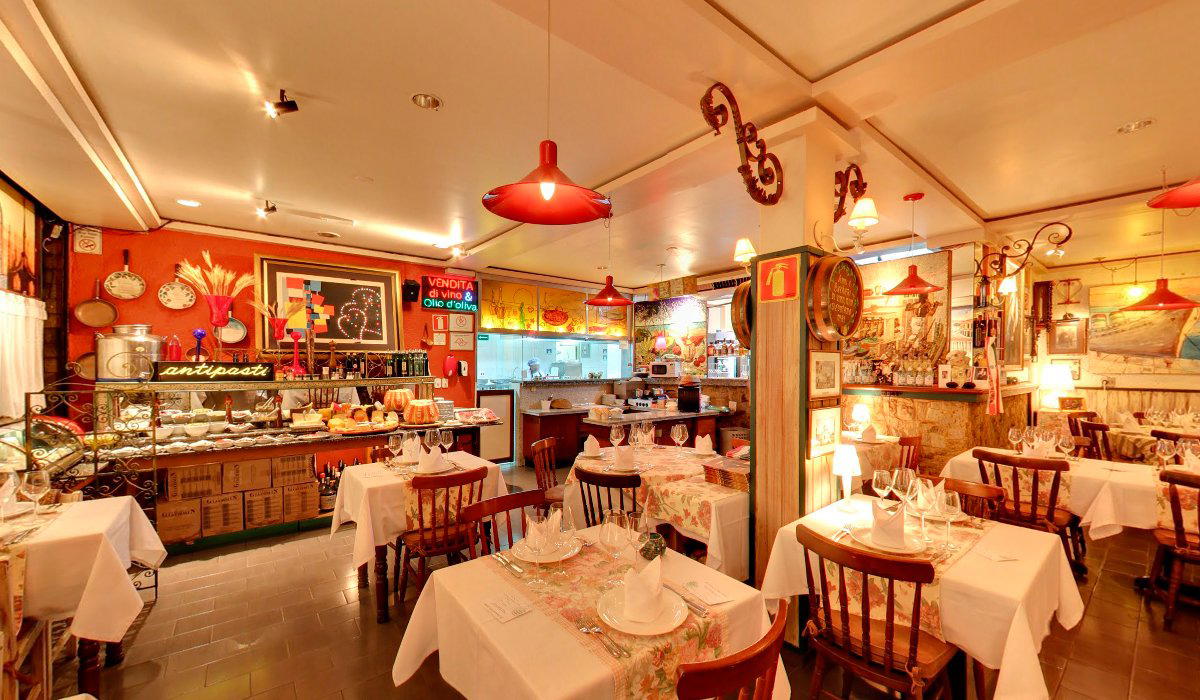
Softly lit indoor and outdoor spaces with abundant garden landscaping, sculptures, and indirect lighting creating an inviting, cozy Italian village atmosphere