La Cucina di Tullio Santini
La Cucina di Tullio Santini brings Italian kitchen cooking to Ribeirão Preto’s Jardim São Luíz neighbourhood, operating within a city that has deep Italian-Brazilian culinary roots. The Santini name, shared with the related Amici Di Tullio, signals family-rooted Italian cooking rather than trend-led novelty, positioned in Ribeirão Preto’s established mid-to-upper dining tier. The restaurant benefits from interior São Paulo state’s strong agricultural supply base.
Pearl is the En Primeur Club membership app — saves, bookings, and concierge access live there. Same editors, same standards.
- Address
- Av. Antônio Diederichsen, 485 - Jardim Sao Luiz, Ribeirão Preto - SP, 14020-240, Brazil
- Phone
- +551636236361
- Website
- tulliosantini.com.br
- Directions
- Get directions
 Saves & bookings on Pearl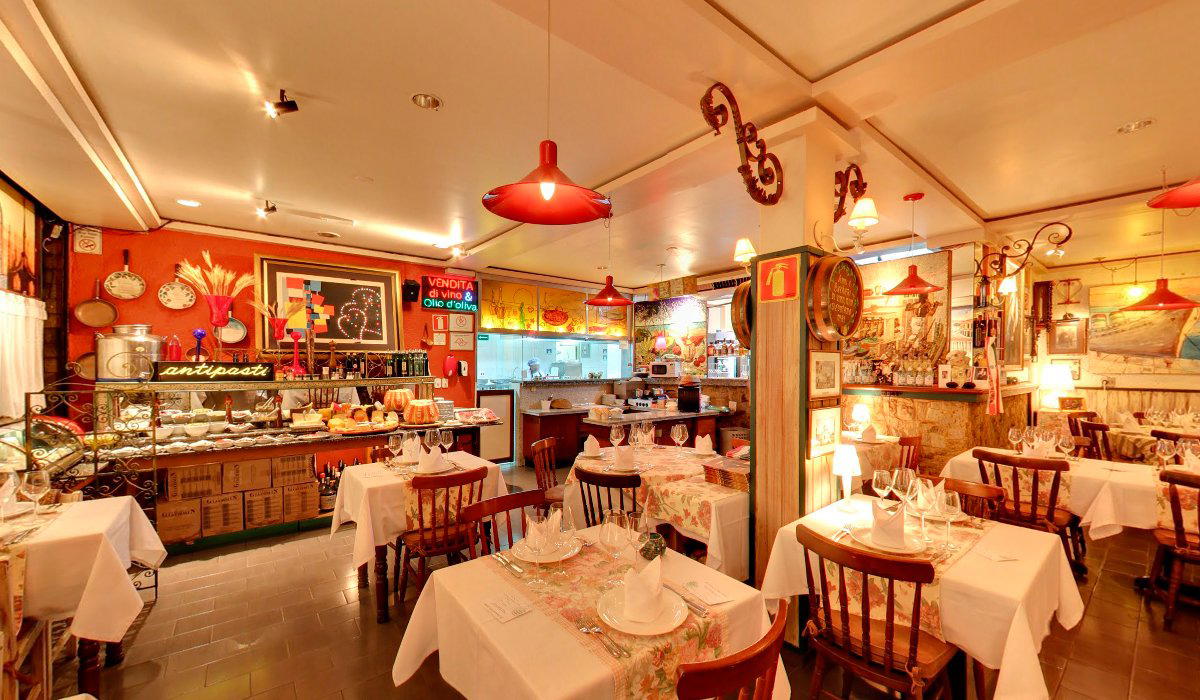
Italian Cooking in Ribeirão Preto's Jardim São Luíz
Ribeirão Preto sits in the heart of São Paulo state’s interior, a city whose agricultural wealth, built on sugar cane and coffee, has long made it one of Brazil’s better-supplied dining markets. The Jardim São Luíz neighbourhood along Avenida Antônio Diederichsen carries the character of that prosperity: mid-rise residential blocks, established restaurants, and a clientele that expects cooking to be taken seriously. La Cucina di Tullio Santini occupies this address in Ribeirão Preto.
The name signals Italian lineage immediately. “La cucina”, the kitchen, in literal and domestic Italian sense, frames the intent. This is not a restaurant positioning itself around spectacle or fusion novelty. The reference point is the table at the centre of Italian domestic life, where produce quality and technique carry the weight that décor might elsewhere. That framing matters in a city like Ribeirão Preto, where the Italian-Brazilian culinary tradition runs deep, stretching back to nineteenth-century immigration into São Paulo state and forward into a restaurant scene that treats pasta and risotto as native rather than imported languages.
What the Name “Tullio Santini” Signals in This Market
The name Tullio Santini carries clear Italian-family resonance, the kind associated with trattorias built across generations rather than opened by investors. In Ribeirão Preto’s Italian-inflected dining scene, that lineage matters as a shorthand for a particular kind of seriousness: one rooted in recipes with family histories rather than in trend cycles. The presence of a related operation, Amici Di Tullio, suggests the Santini name extends across more than one address in the city.
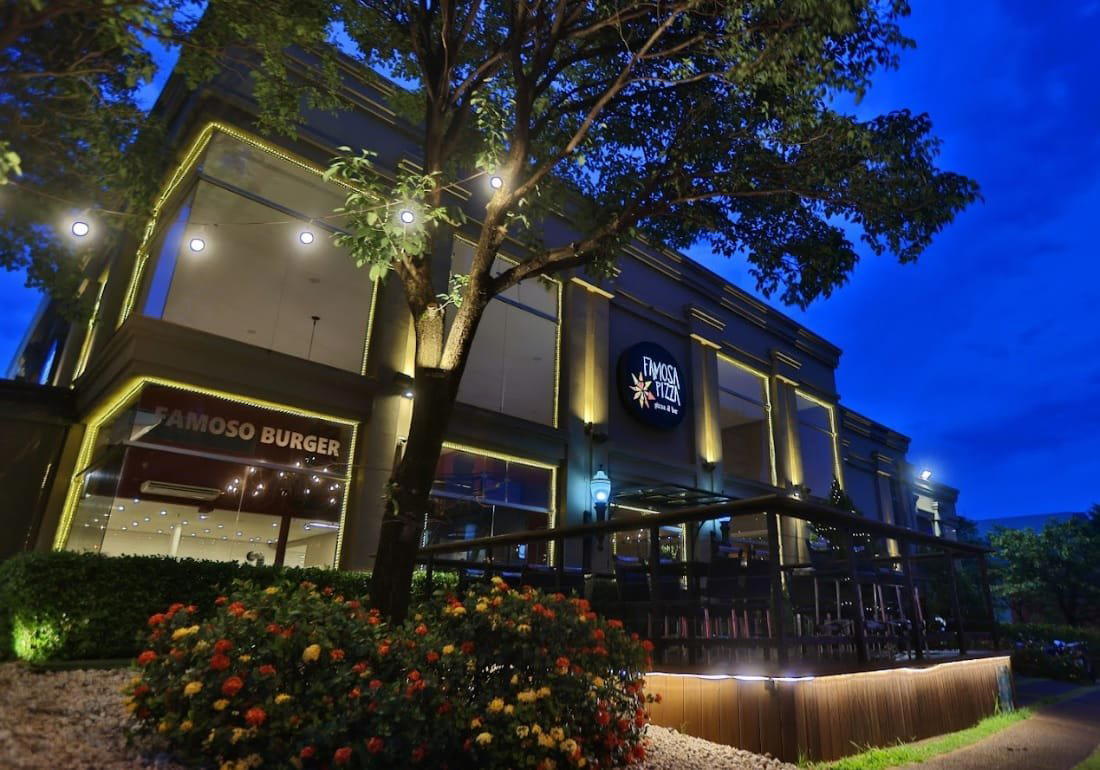
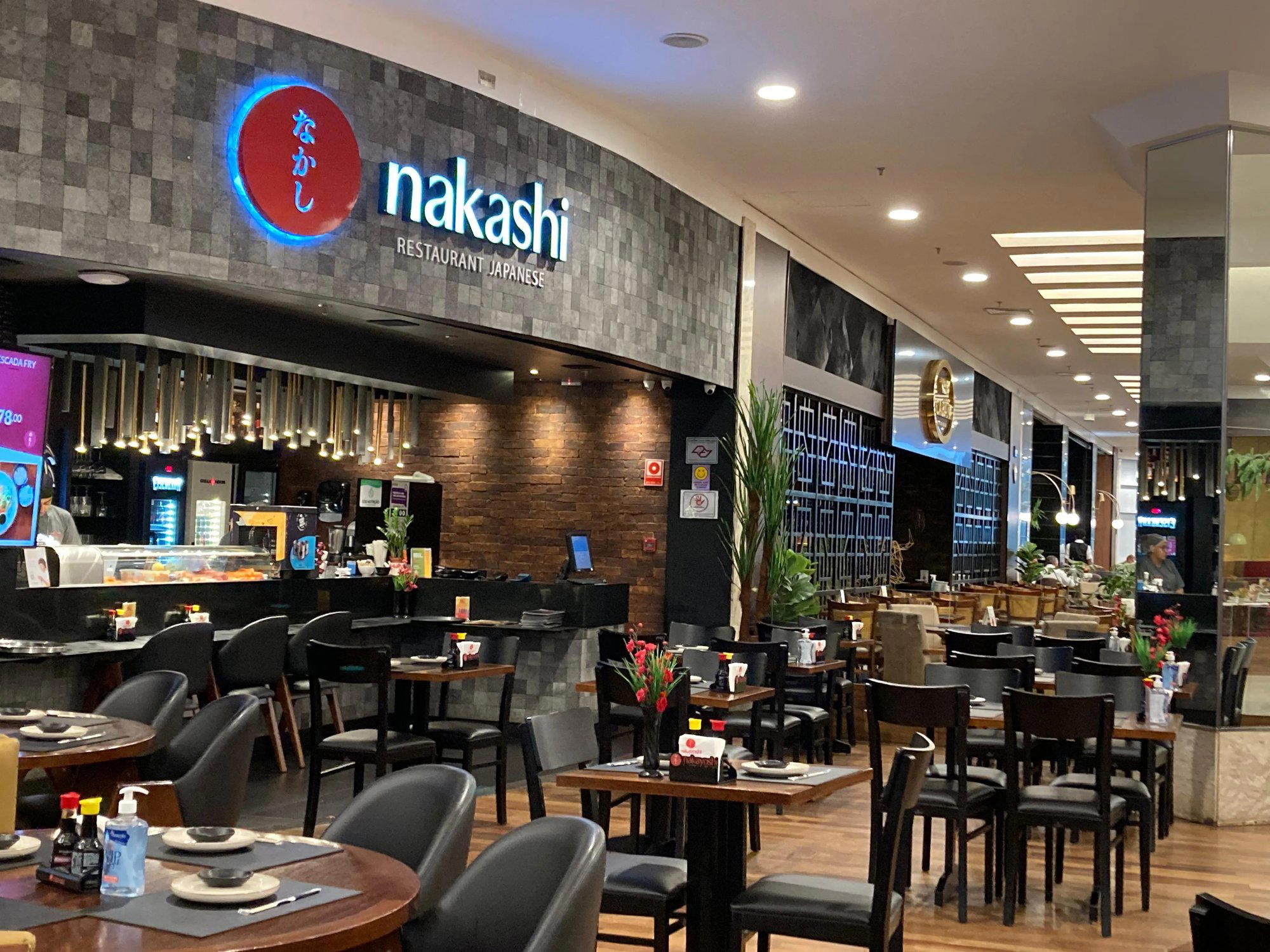
In the broader Ribeirão Preto dining context, Italian kitchens compete alongside a widening range of options. Nakashi Restaurante Japonês represents the city’s appetite for Japanese cooking, while Famosa Pizza anchors the more casual end of the Italian-Brazilian spectrum. La Cucina di Tullio Santini reads as the more formal expression of Italian cooking within that set, where the dining experience is built around the table rather than the slice or the quick turn.
Ingredient Sourcing and the Interior São Paulo Advantage
The ingredient argument for restaurants in Ribeirão Preto is often underappreciated by visitors who associate Brazil’s leading produce with coastal markets or the Amazon. São Paulo state’s interior is, in agricultural terms, extraordinarily productive. The region surrounding Ribeirão Preto supplies not just the cane and coffee that built its economy, but also a range of grains, dairy, and market-garden produce that gives local kitchens access to raw materials that coastal restaurants often need to import from the interior anyway.
For an Italian kitchen operating in this context, that supply geography is meaningful. Risotto rice, for instance, is grown in Rio Grande do Sul and moves north through established supply chains. Cheeses with Italian roots, minas, colonial, and the various queijos artesanais produced by the descendants of Italian settlers in São Paulo and neighbouring states, are often better sourced in interior cities than in São Paulo’s capital, where premium positioning can disconnect cost from quality. The same applies to cuts of beef and pork, where interior São Paulo has direct access to rearing operations that supply the capital at a remove.
This is the sourcing context within which a restaurant named “La Cucina” operates in Ribeirão Preto. The logic of Italian kitchen cooking, that ingredient quality is the starting point, not the finishing flourish, maps reasonably well onto a city with genuine agricultural depth. Compare this to the sourcing pressures facing high-end Italian-inflected restaurants in Rio de Janeiro, where Lasai has built its reputation on Brazilian produce used with European technique, or in São Paulo’s capital, where D.O.M. has made Amazonian and cerrado ingredients a defining identity. Ribeirão Preto kitchens are working with a different but equally coherent supply logic: proximity to the productive interior of the country’s most agriculturally intensive state.
Italian Cooking’s Particular Fit for Ribeirão Preto
Italian-Brazilian cooking in São Paulo state is not a niche proposition. The descendants of Italian immigrants who arrived in the late nineteenth and early twentieth centuries to work the coffee fazendas transformed the food culture of the entire state. Macarrão ao sugo is as embedded in the interior São Paulo diet as rice and beans. What distinguishes restaurants like La Cucina di Tullio Santini from that broad baseline is the insistence on treating the Italian kitchen as a discipline with its own internal standards, not merely as a set of dishes that have become Brazilian by absorption.
That distinction plays out in how pasta is made, how sauces are built, and how the plate is composed relative to Brazilian portion norms. The Italian tradition tends toward restraint in plating and complexity in execution, a logic that can sit in some tension with Brazilian restaurant expectations around abundance. That balance is part of what defines its position in the local market.
Across Brazil, a number of restaurants have found their identity in exactly this negotiation. Cantina Pozzobon in Santa Maria represents the Italian-Brazilian cantina tradition in Rio Grande do Sul, another state shaped by Italian immigration. Madê in Santos shows how coastal São Paulo state kitchens handle their own ingredient and cultural negotiations. The pattern of Italian-rooted restaurants finding durable local standing in Brazilian interior cities is well established; the restaurant fits that pattern in Ribeirão Preto.
Planning Your Visit
The restaurant is located at Av. Antônio Diederichsen, 485, in the Jardim São Luíz district of Ribeirão Preto, a neighbourhood accessible by car from the city centre in a short drive and well served by app-based transport. Current hours and reservation availability should be checked before visiting.
Ribeirão Preto is roughly 300 kilometres from São Paulo by road, making it a realistic day trip from the capital for visitors with a specific dining purpose, or a natural stop on a broader interior São Paulo itinerary.
How It Stacks Up
Comparable venues nearby, for context on price, style, and recognition.
| Venue | Cuisine | Price | Notes |
|---|---|---|---|
| La Cucina di Tullio SantiniThis venue — the venue you are viewing | Traditional Italian Trattoria | $$$ | Not listed |
| Famosa Pizza | Italian Pizza | $$ | :null |
| Amici Di Tullio | French-Italian Fine Dining | $$$$ | Jd. Sumaré |
| Nakashi Restaurante Japonês | Modern Japanese Sushi | $$$ | Jardim Canada |
| Vecchio Torino | Classic Italian | $$$ | Pinheiros |
| Casa de Massas Zarattini | Italian Pasta House | $$$ | Centro |
Continue exploring
More in Ribeirao Preto
Restaurants in Ribeirao Preto
Browse all →
At a Glance
- Classic
- Cozy
- Elegant
- Date Night
- Business Dinner
- Special Occasion
- Live Music
- Private Dining
- Extensive Wine List
Current opening hours
- Monday
- Closed
- Tuesday
- 7–11 PM
- Wednesday
- 7–11 PM
- Thursday
- 7–11 PM
- Friday
- 7 PM–12 AM
- Saturday
- 7 PM–12 AM
- Sunday
- 12–3 PM
Hours can change for holidays and private events. Last verified .
Nicely decorated in an old-fashioned Italian style with music instruments, pictures from Italy, live music playing table by table, and a welcoming, cozy trattoria atmosphere.