Nakama Sushi
Our verdict
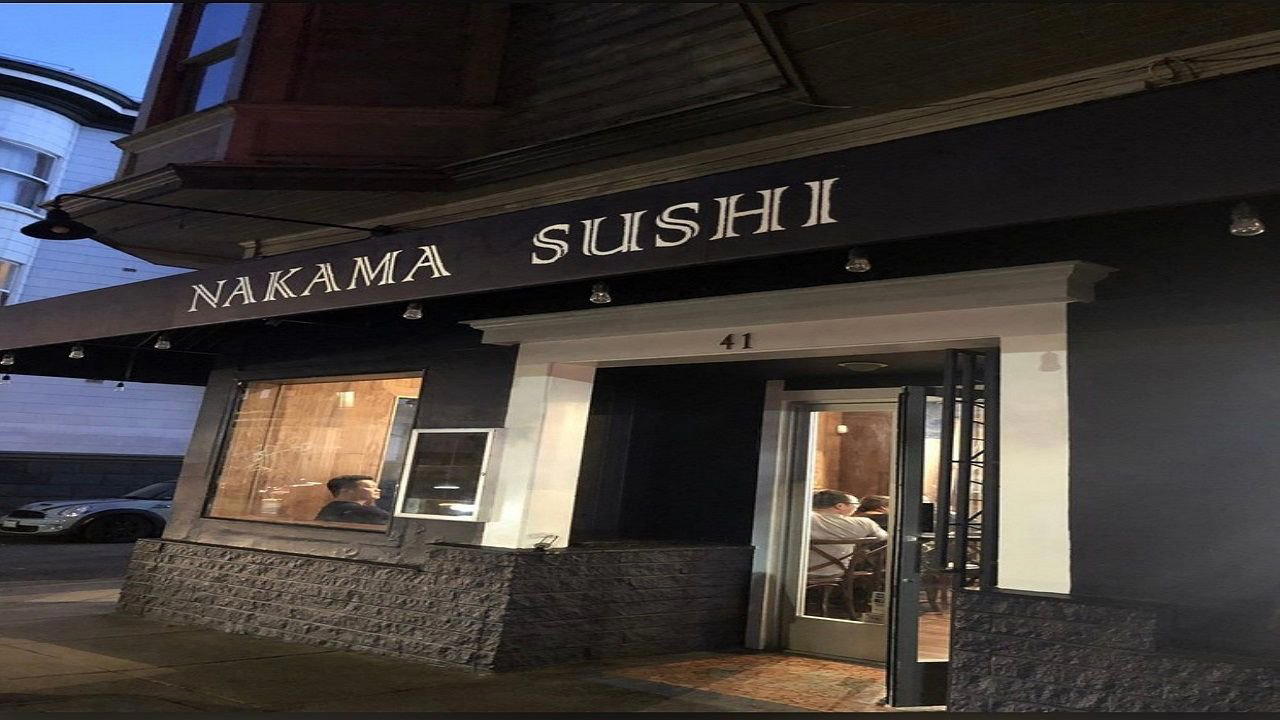
Nakama Sushi operates at 41 Franklin St in San Francisco's Civic Center corridor, placing it within a city whose omakase and counter-dining scene has grown considerably more competitive over the past decade. With limited publicly available data on pricing, awards, or format, the restaurant occupies a position worth examining against the broader arc of Japanese dining in the Bay Area.

Pearl is the En Primeur Club membership app, where members save venues, book tables and use the concierge.
The menu
What to order
- Omakase
- Nigiri
- Sashimi Platter
- Wagyu Beef on Hot Stones
Sushi Counters and the San Francisco Tier System
San Francisco's Japanese dining scene has stratified sharply since the mid-2010s. At the leading sit multi-course omakase operations with allocation-style booking windows, Michelin recognition, and per-person spends that compete directly with tasting menus at places like Benu or Atelier Crenn. Below that bracket, a second tier of counter restaurants offers composed Japanese dining at more accessible price points, often without the formal credential signaling of the leading floor. Nakama Sushi, at 41 Franklin St in the Civic Center-adjacent stretch of Hayes Valley, sits within this second category, a neighborhood sushi address in a city where the distinction between a neighborhood spot and a destination counter matters considerably to how you plan a visit.
That address is worth noting on its own. Franklin Street runs north-south through a transitional zone where Civic Center's institutional density gives way to Hayes Valley's denser restaurant corridor. The surrounding blocks have attracted a range of independent operators over the past several years, and the positioning of Nakama Sushi within that area places it closer to a local dining circuit than to the tourist-facing Financial District cluster or the Japantown operations further west along Geary.
The Role of Team Coordination in Counter Dining
One of the structural differences between sushi counter experiences and conventional restaurant dining is the degree to which the front-of-house, kitchen, and any beverage program must operate in deliberate coordination. At a conventional table-service restaurant, timing tolerances are broader. At a counter, where courses arrive directly from a chef's station and the pace is set by preparation rather than expediting, the alignment between whoever is reading the room and whoever is shaping the fish becomes the service itself.
This dynamic has become a defining quality signal in San Francisco's counter dining tier. Operations like Lazy Bear in the Mission have built reputations in part on the visible coherence between kitchen and floor. The counter format forces that coherence into plain view, there is nowhere to hide a misread guest or a mistimed course when the room holds fewer than twenty seats. For a dining culture increasingly shaped by the omakase model imported from Tokyo and Osaka, this transparency has raised the bar for service execution across the category.
What the location and category context suggest is that the restaurant operates within the neighborhood counter model rather than the high-ceremony omakase tier, which carries its own set of expectations around pace, interaction, and the balance between formality and accessibility.
San Francisco Japanese Dining in a National Frame
To understand where a San Francisco sushi counter fits, it helps to map the national context. The cities that have developed the most layered Japanese dining ecosystems in the United States are New York, Los Angeles, and San Francisco, with Chicago and Miami adding depth more recently. Within San Francisco specifically, the conversation around serious Japanese dining has long included the Japantown corridor as a cultural anchor, while newer counter operations have spread into SoMa, the Mission, and the Hayes Valley-adjacent areas.
Comparable investment in Japanese counter dining can be found across the country. Atomix in New York City demonstrates how a Korean-led fine dining operation can absorb Japanese counter discipline into a distinct cultural framework. Providence in Los Angeles shows a different approach, building Japanese technique into a seafood-forward tasting format rather than a dedicated sushi program. In the Bay Area itself, Single Thread Farm in Healdsburg and The French Laundry in Napa anchor the high end of the broader Northern California tasting experience, framing just how wide the tier gap has become between neighborhood counters and destination fine dining.
For travelers building a San Francisco itinerary that includes Japanese dining, the relevant peer comparisons tend to cluster around price tier and format rather than cuisine alone. A counter restaurant in the Civic Center corridor occupies a different role in a trip than a booking at Quince or Saison, more accessible, more local in character, and more suited to a weeknight dinner than a special-occasion reservation.
Neighborhood Context and Practical Positioning
The Hayes Valley and Civic Center area has developed a legitimate independent dining identity over the past decade. The proximity to the San Francisco Symphony, the Opera House, and Davies Symphony Hall means the neighborhood absorbs a pre-performance dining crowd that skews toward shorter timelines and mid-range price points, conditions that favor counter-format operations with some flexibility in pacing. Nakama Sushi's Franklin Street address places it within reach of that audience while remaining accessible to residents from the broader western neighborhoods.
For those building a fuller picture of what San Francisco offers across cuisine types and price tiers, our full San Francisco restaurants guide covers the range from Michelin-recognized tasting menus to neighborhood-anchored independents. Comparisons further afield are available through profiles including Le Bernardin in New York City, Alinea in Chicago, Addison in San Diego, Blue Hill at Stone Barns in Tarrytown, The Inn at Little Washington, Bacchanalia in Atlanta, Emeril's in New Orleans, and 8 1/2 Otto e Mezzo Bombana in Hong Kong for international framing.
Planning Snapshot: Nakama Sushi vs. San Francisco Tasting-Menu Peers
| Venue | Cuisine | Price Tier | Format |
|---|---|---|---|
| Nakama Sushi | Japanese / Sushi | Counter (details unconfirmed) | |
| Benu | French-Chinese, Asian | $$$$ | Tasting menu |
| Lazy Bear | Progressive American | $$$$ | Communal tasting |
| Atelier Crenn | Modern French | $$$$ | Tasting menu |
| Quince | Italian, Contemporary | $$$$ | Tasting menu |
Frequently asked questions
Where exactly is Nakama Sushi?
Nakama Sushi is located at 41 Franklin St, San Francisco, CA 94102, San Francisco.
How does Nakama Sushi fit into San Francisco's broader Japanese dining scene?
Nakama Sushi's Franklin Street address places it in Hayes Valley, a neighborhood that has developed a credible independent dining identity over the past decade, distinct from the higher-ceremony omakase operations concentrated in SoMa or the Financial District. San Francisco's Japanese dining tier system has sharpened considerably since the mid-2010s, with counters increasingly differentiated by sourcing, format, and seat count. Nakama occupies a position within that structure that warrants direct research before booking to confirm current format and price point.
What dish is Nakama Sushi famous for?
The counter sits on Franklin Street in San Francisco's Hayes Valley corridor, a neighborhood where sushi operations tend to anchor around nigiri-led formats. check the venue's official channels for current menu specifics.
Is Nakama Sushi reservation-only?
San Francisco sushi counters at this address tier, Franklin Street, Hayes Valley, frequently operate on reservation-priority systems, particularly for weekend seating.
What's the signature at Nakama Sushi?
Within San Francisco's sushi counter segment, operations in the Hayes Valley and Civic Center zone tend to emphasize seasonal fish sourcing and focused nigiri progressions, though specifics vary by kitchen. Confirm the current format with the venue before visiting.
Can Nakama Sushi accommodate dietary restrictions?
If shellfish allergies, pescatarian requirements, or omission requests apply, raise them at the time of booking rather than on arrival, this is standard practice across San Francisco's counter-format sushi operations.
Price and Recognition
Comparable venues nearby, for context on price, style, and recognition.
| Venue | Cuisine | Price | Notes |
|---|---|---|---|
| Nakama SushiThis venue (the venue you are viewing) | Traditional Japanese Sushi & Omakase | $50–100 | Not listed |
| Ozumo | Modern Japanese Robata and Sushi | $100–150 | Financial District/South Beach, Modern Japanese Robata and Sushi |
| Anzu | Contemporary Japanese-Californian Fusion | $30–50 | Tenderloin, Contemporary Japanese-Californian Fusion |
| Ebisu | Authentic Japanese Sushi | $30–50 | Inner Sunset, Authentic Japanese Sushi |
| Izakaya Sozai | Authentic Japanese Izakaya | $30–50 | Inner Sunset, Authentic Japanese Izakaya |
| Sasaki | Modern Japanese Omakase | Not listed | Mission, Modern Japanese Omakase |
Continue exploring
More in San Francisco
Restaurants in San Francisco
All restaurants in San Francisco →
Bars in San Francisco
All bars in San Francisco →
Details
- Cozy
- Intimate
- Date Night
- Special Occasion
- Sake Program
- Omakase
- A La Carte
- Sake
Current opening hours
- Monday
- Closed
- Tuesday
- 5–9 PM
- Wednesday
- 5–9 PM
- Thursday
- 5–9 PM
- Friday
- 5–9:30 PM
- Saturday
- 5–9:30 PM
- Sunday
- 5–9 PM
Hours can change for holidays and private events. Hours as of .
Moderate noise in a small, cozy space with an intimate atmosphere.