Nakal
Nakal occupies a address on Dorpsstraat in Meijel, a small Limburg village where the Netherlands' southern agricultural traditions run deep. The restaurant sits in a region where proximity to local producers is less a marketing choice than a structural fact, placing it within a broader movement of destination dining that has quietly taken root outside the Randstad. For visitors tracking the Dutch fine-dining circuit beyond Amsterdam and Rotterdam, Meijel warrants attention.
Pearl is the En Primeur Club membership app — saves, bookings, and concierge access live there. Same editors, same standards.
- Address
- Dorpsstraat 10, 5768 CE Meijel, Netherlands
- Phone
- +31772083180
- Website
- restaurantnakal.nl
- Directions
- Get directions
 Saves & bookings on Pearl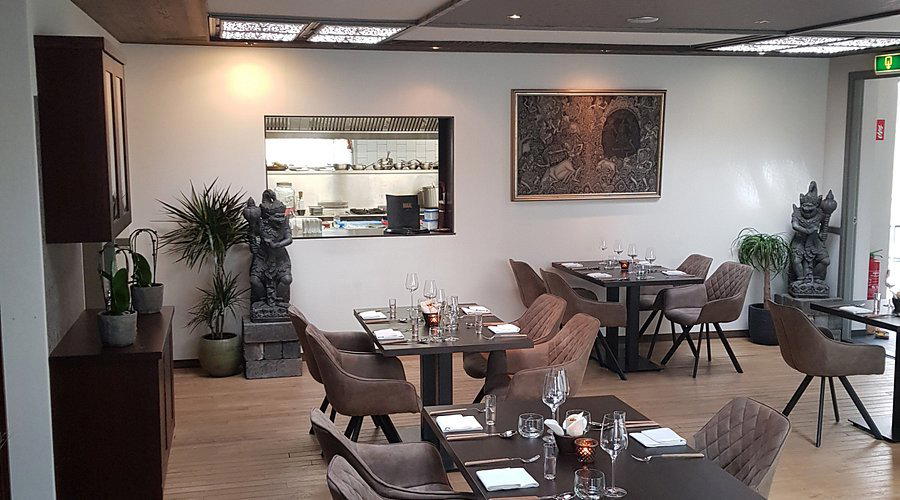
Limburg's Quieter Table: What Meijel Says About Dutch Destination Dining
The Dutch fine-dining conversation has long centered on a handful of urban anchors: Amsterdam's canal-side tasting menus, Rotterdam's post-industrial creative kitchens, the Zeeland coast where Inter Scaldes in Kruiningen has held serious Michelin weight for years. But the more interesting structural shift of the past decade has been the dispersal of serious cooking into smaller provincial towns, where low overhead, direct producer relationships, and a local clientele that actually comes back repeatedly allow kitchens to operate with a different kind of discipline. Meijel, a village of a few thousand in the Peel region of Limburg, sits inside that pattern.
Dorpsstraat 10 is a Meijel address that functions, in the context of Dutch provincial dining, the way certain village restaurants in Burgundy or the Basque hinterland function: the setting reads as ordinary from the outside, but the reason people make the drive is anything but. This is a restaurant in Meijel, Limburg, serving modern Indonesian cooking at a price tier 2 level.
The Peel Region and the Sourcing Argument for Cooking Here
Limburg and the adjacent Peel region carry agricultural credentials that do not always surface in the national dining conversation. The area produces some of the Netherlands' most serious asparagus, soft fruit, and field vegetables, with sandy Peel soils creating growing conditions that are genuinely distinct from the clay-heavy polderland further north. For a kitchen that takes ingredient sourcing seriously, this geography is not incidental: it is the argument for being here rather than somewhere with more foot traffic.
This sourcing logic mirrors what has driven serious restaurants to similarly unglamorous postcodes across Europe. De Groene Lantaarn in Staphorst operates on a comparable premise in Overijssel, where proximity to northern Dutch produce defines the kitchen's identity as much as technique does. Brut172 in Reijmerstok takes an analogous position in South Limburg, leaning into local terroir where another restaurant might lean into urban foot traffic. The pattern is consistent: in the Netherlands' smaller food-serious towns, the leading argument for the address is usually the land around it.
Across the broader Dutch kitchen scene, the organic and hyper-local framing has moved from niche positioning to something closer to a baseline expectation at serious price points. De Nieuwe Winkel in Nijmegen has pushed that logic furthest, building a Michelin-recognised kitchen almost entirely around plant-based and foraged ingredients. What distinguishes the restaurants that do this credibly from those that merely cite it in press materials is the specificity of their supplier relationships and the degree to which seasonal constraints actually shape the menu rather than decorate it.
Where Nakal Sits in the Regional comparable set
The Limburg and North Brabant corridor has developed a concentration of serious cooking that tends to be underweighted in national rankings relative to the Randstad. De Lindehof in Nuenen and De Treeswijkhoeve in Waalre represent the established end of that corridor, with long track records in contemporary Dutch cooking rooted in southern produce. Tribeca in Heeze operates nearby, in a similar village-to-destination format.
Nakal's position within this comparable set is what makes it worth tracking for the serious visitor to the region. The restaurant operates at a Meijel address where there is no ambient hospitality infrastructure to cushion an underwhelming meal: guests who make the drive from Eindhoven or Venlo are arriving with specific intent, and the kitchen operates knowing that. This dynamic, common to the leading provincial European restaurants, tends to produce more honest cooking than urban venues cushioned by tourist volume and walk-in traffic.
For readers building a Limburg itinerary around dining rather than the other way around, the regional comparable set also includes De Lindenhof in Giethoorn for a different provincial register, and the benchmark urban operations like Ciel Bleu in Amsterdam and FG - François Geurds in Rotterdam provide the city-end comparison point against which southern provincial restaurants are implicitly measured.
The Broader Dutch Fine-Dining Frame
At the upper end of the Dutch market, the reference points are places like De Librije in Zwolle, which has long functioned as a regional destination for decades, drawing guests from across the country to a provincial address through sheer kitchen credibility. 't Nonnetje in Harderwijk operates similarly in the Veluwe region. What both demonstrate is that the Dutch dining public will travel for the right table regardless of postcode, a behavioral pattern that makes the provincial dining model viable in ways it might not be in more car-averse countries.
Internationally, the provincial-destination model has its clearest reference points in places like Le Bernardin in New York City and Atomix in New York City at one end of the formality register, and a long tradition of French and Spanish destination restaurants at the other. The Dutch version tends toward less ceremony and more directness, a reflection of both cultural temperament and the practical reality that a village restaurant in Limburg cannot sustain a dining room atmosphere that reads as performatively grand.
For the non-Dutch visitor, Aan de Poel in Amstelveen and De Bokkedoorns in Overveen offer useful reference points for what Dutch fine dining looks like in a near-urban format, before the full provincial commitment that a Meijel visit requires. Understanding where Nakal sits in relation to those operations clarifies what the visit is and is not.
Planning a Visit
Meijel is most practically reached by car from Eindhoven, roughly 40 kilometres to the west, or from Venlo, approximately 25 kilometres to the east. Public transport to the village is limited, and the Dorpsstraat 10 address is not walkable from a rail connection. The village itself offers limited accommodation, so most guests treat a Nakal visit as a day or evening excursion from one of the larger regional centres.
Comparison Snapshot
Comparable venues nearby, for context on price, style, and recognition.
| Venue | Cuisine | Price | Notes |
|---|---|---|---|
| NakalThis venue — the venue you are viewing | Modern Indonesian | $$ | Not listed |
| Badhuis | Seasonal European Small Plates | $$ | Noordoost |
| Sally's Kitchen Amersfoort | Authentic Indonesian | $$ | De Berg Zuid |
| Waroeng Padang Lapek | Authentic Sumatran Padang Cuisine | $$ | The Hague Centre (Kortenbos) |
| De Blauwe Hollander | Traditional Dutch | $$ | Leidsebuurt Noordoost |
| Lovely Local | Local Sustainable Comfort Food | $$ | City Centre |
At a Glance
- Cozy
- Elegant
- Modern
- Date Night
- Family
- Celebration
- Open Kitchen
Current opening hours
- Monday
- Closed
- Tuesday
- Closed
- Wednesday
- 5 PM–1 AM
- Thursday
- 5 PM–1 AM
- Friday
- 5 PM–1 AM
- Saturday
- 5 PM–1 AM
- Sunday
- 5 PM–1 AM
Hours can change for holidays and private events. Last verified .
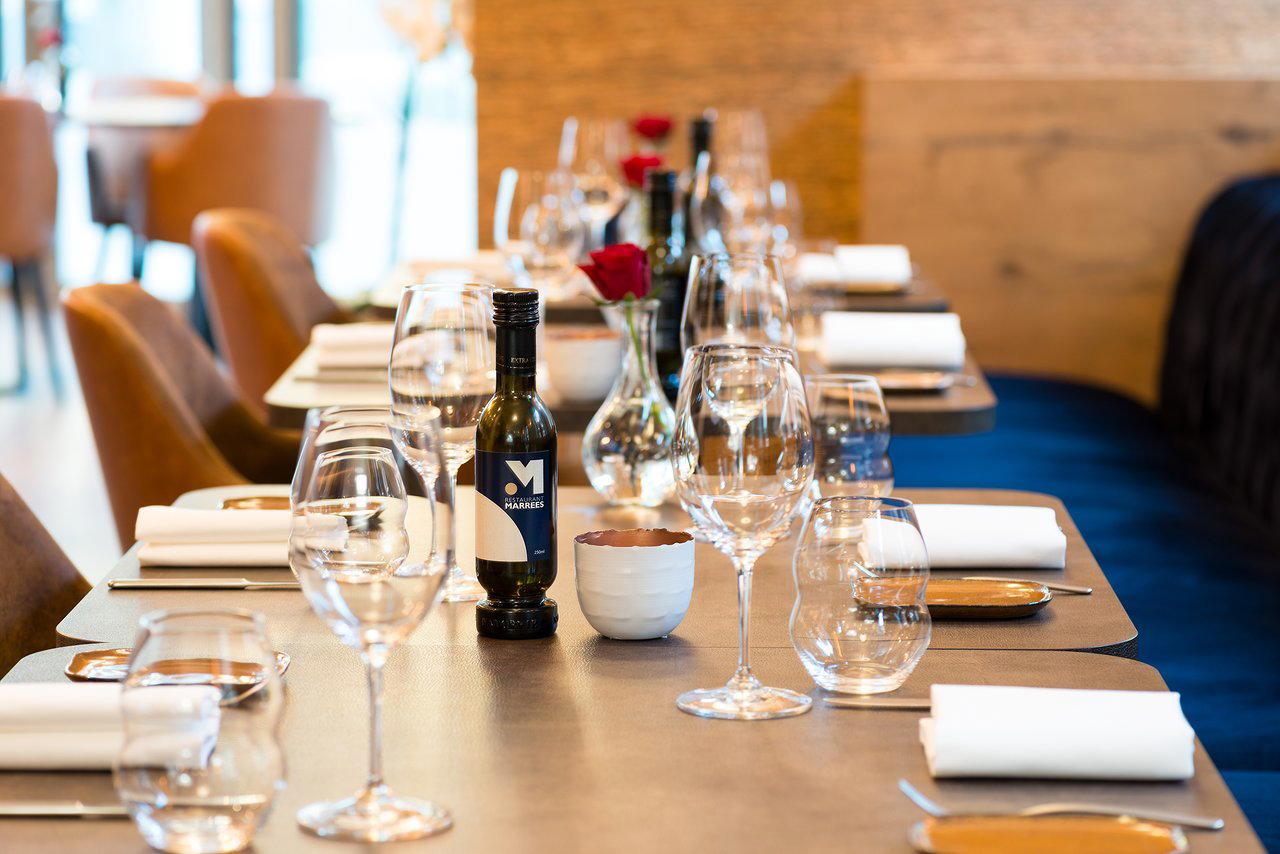
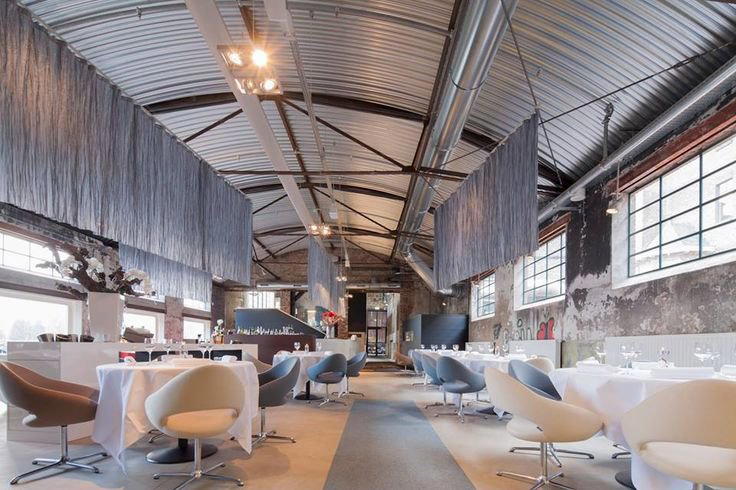
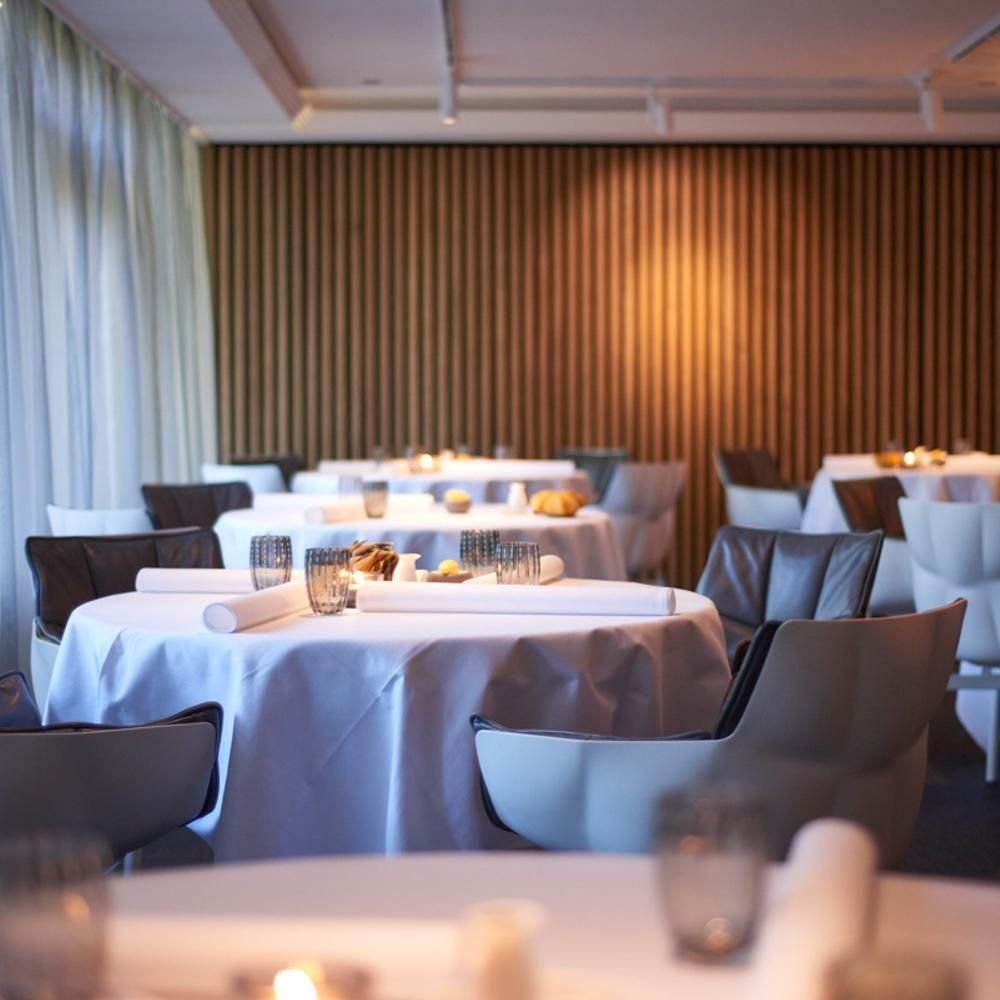
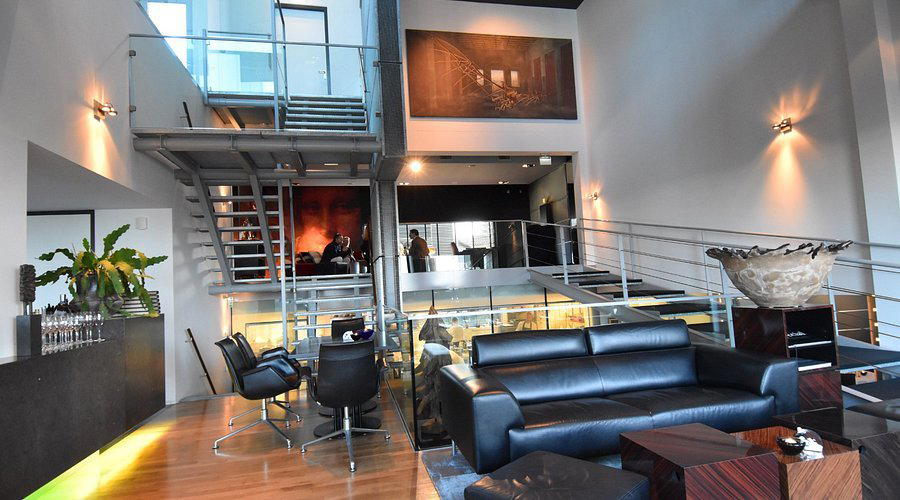
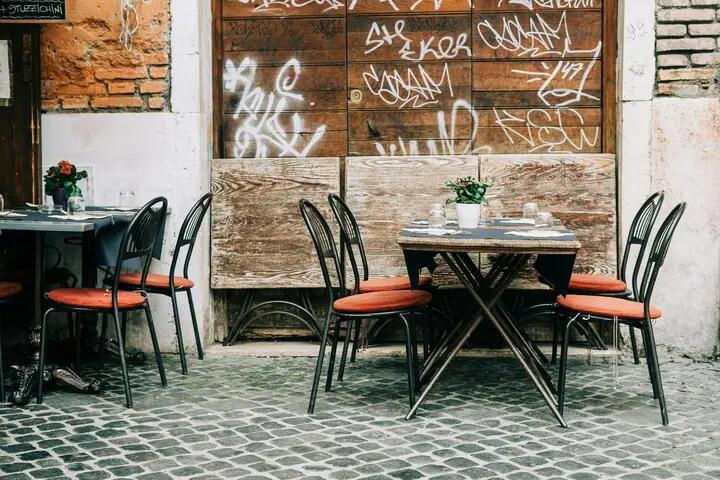
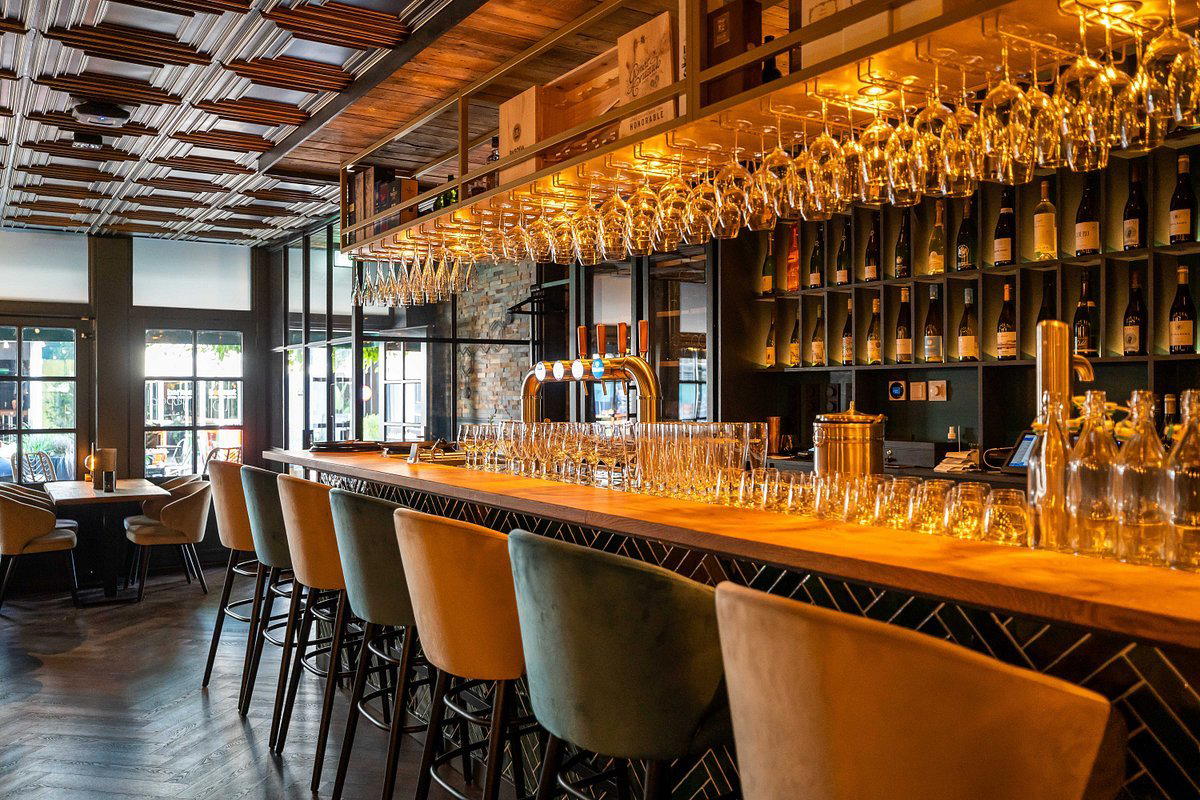
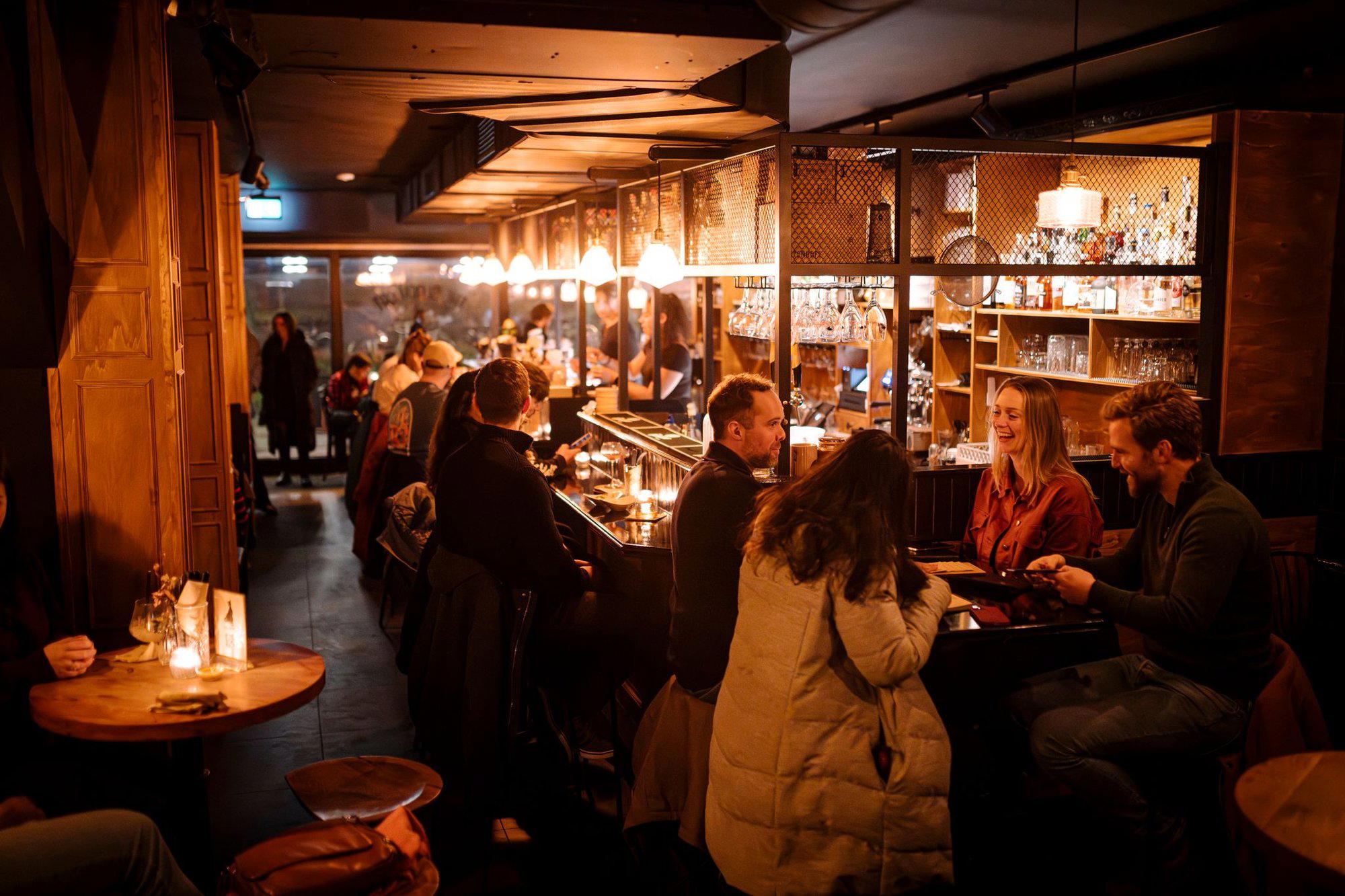
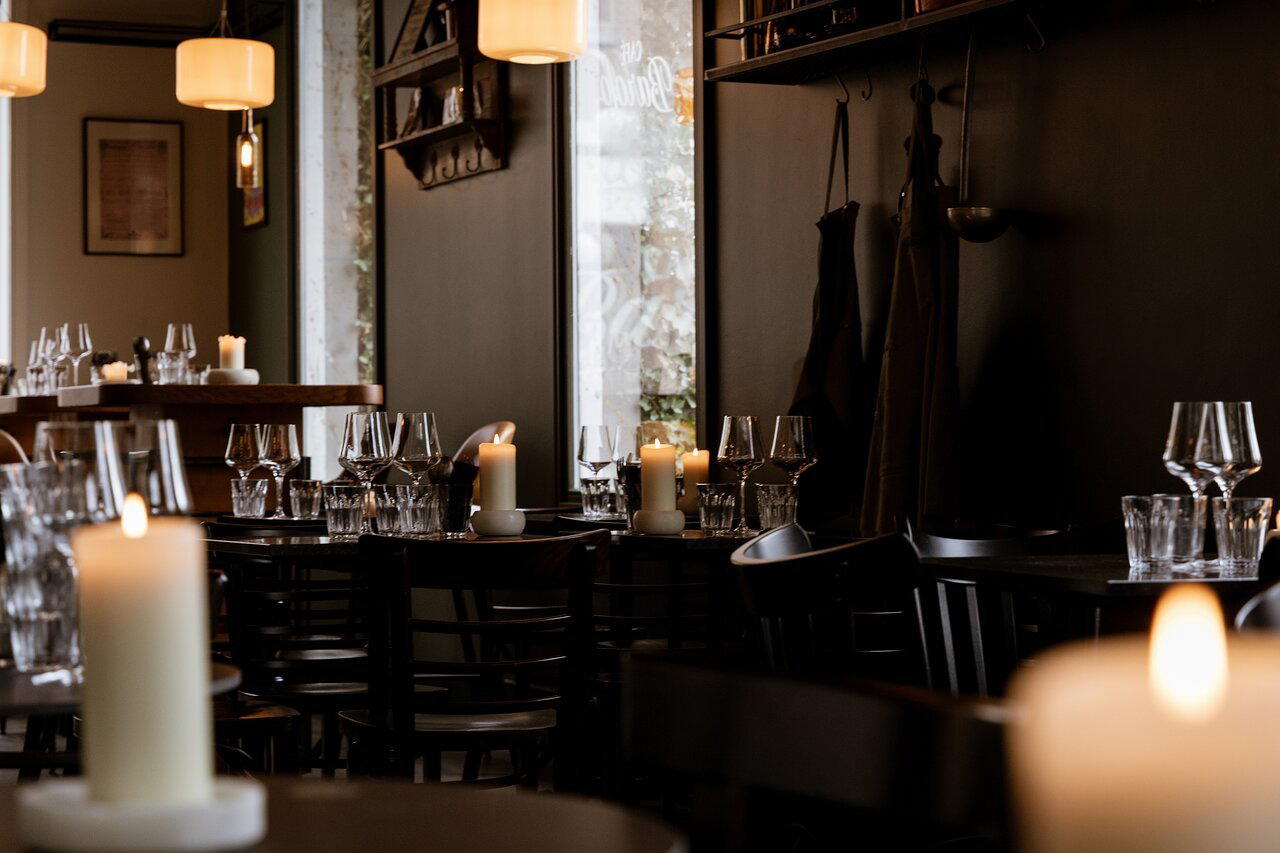
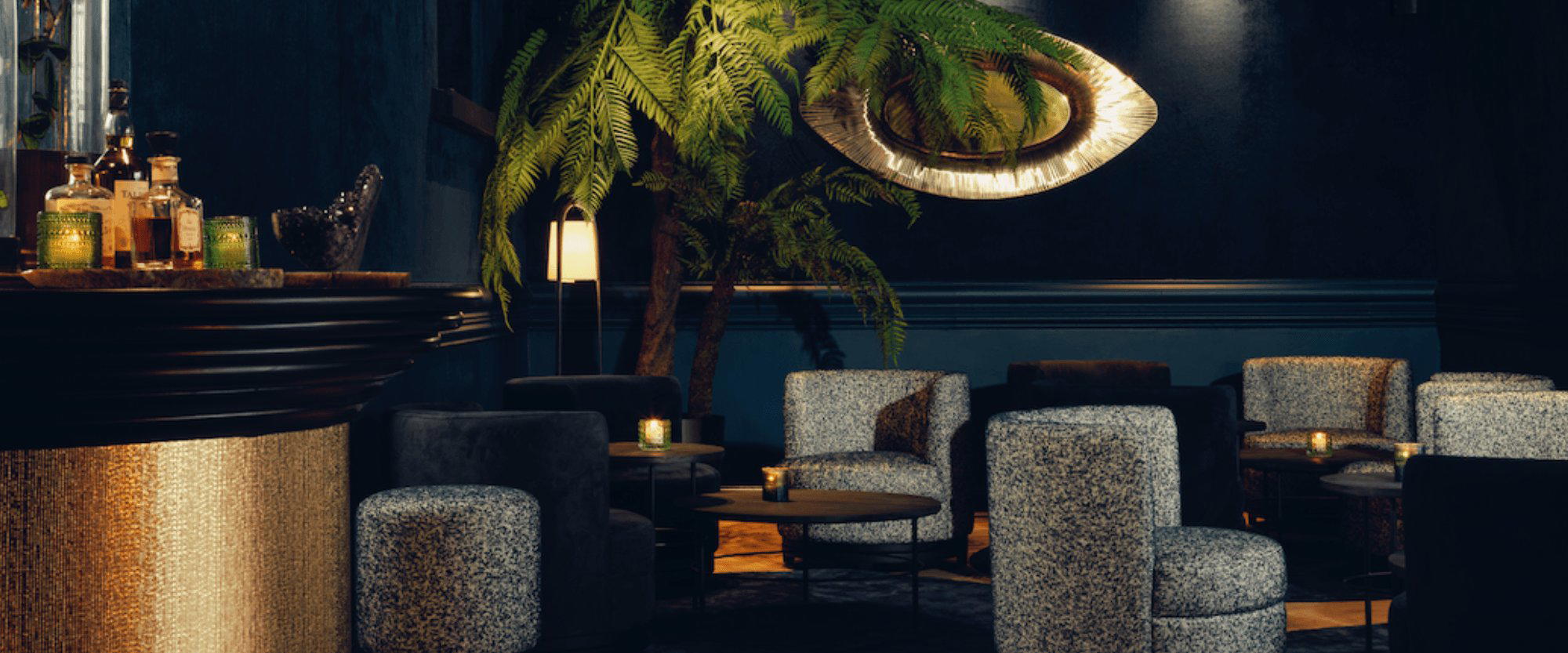
Warm, inviting, elegant and comfortable atmosphere with quiet music and spacious seating.