Sabero

1 Michelin Star
Our verdict
Sabero holds a Michelin star and sits on the ground floor of Nico and Sonja Boreas's home in Leende, making it one of the Netherlands' more intimate fine dining addresses. The kitchen fuses Asian technique with classical European foundations, producing sauces and seasonings that signal serious culinary range. Operating just three evenings a week plus Saturday lunch, it rewards those who plan ahead.

Pearl is the En Primeur Club membership app, where members save venues, book tables and use the concierge.
The menu
What to order
- North Sea crab with pumpkin kimchi curry
- Beef tartare with sea urchin roe
- Scallops with yuzu kosho
A Living Room with a Star
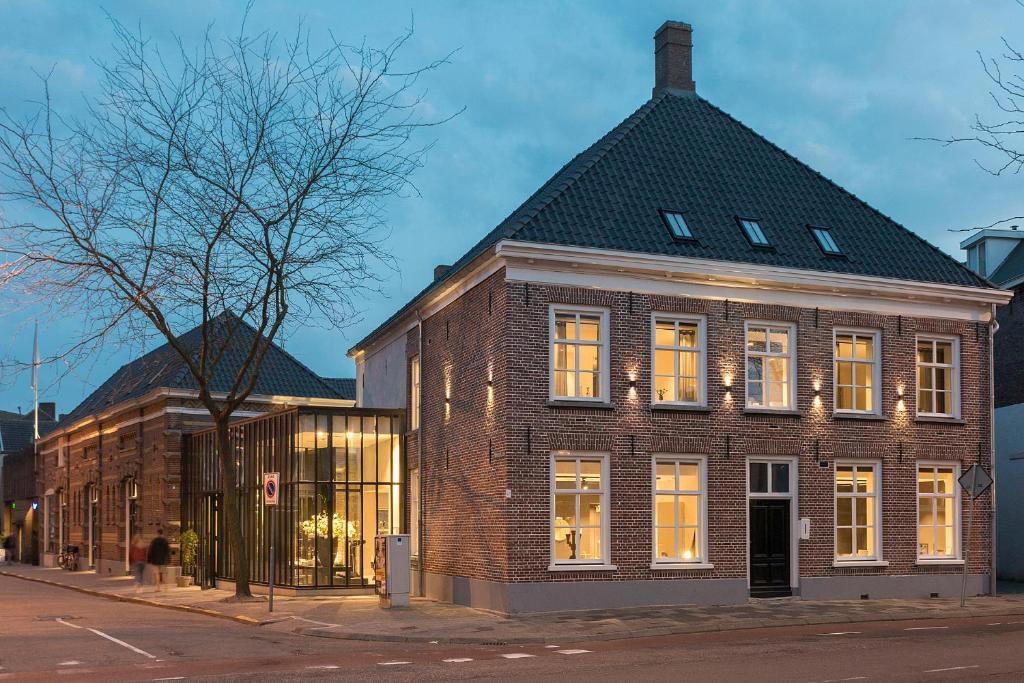
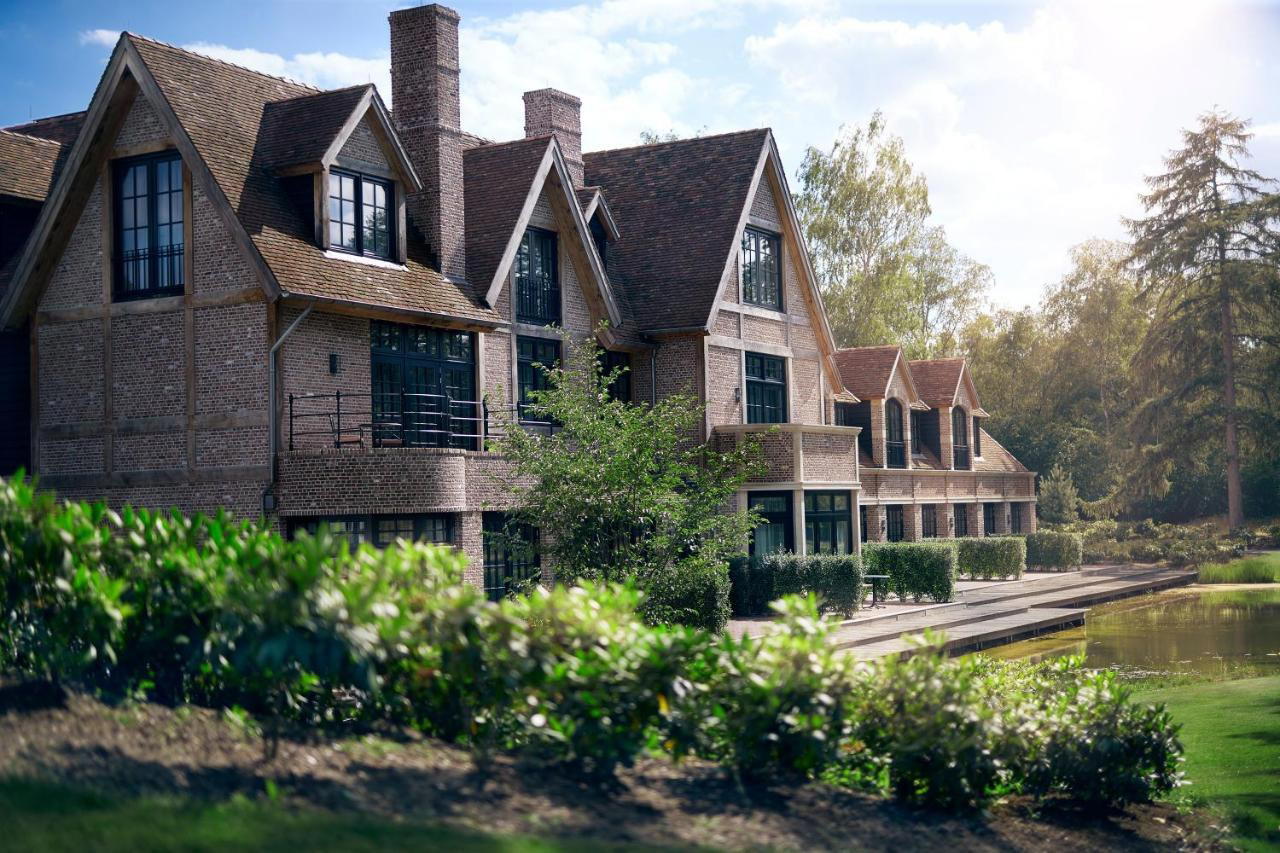
There are perhaps a dozen fine dining addresses in the Netherlands that operate out of genuinely domestic settings, where the architecture is residential and the scale is deliberately small. Sabero, on Zevenhuizen in the village of Leende in the Noord-Brabant countryside, belongs to that grouping. Nico and Sonja Boreas scaled down a larger operation to run a restaurant from the ground floor of their own home, a move that compresses the formality typical of starred dining into something considerably more personal. You are, in the most literal sense, a guest in someone's house.
That framing matters because it shapes everything from the room count to the service rhythm. The Dutch fine dining circuit, which includes addresses like Aan de Poel in Amstelveen and De Bokkedoorns in Overveen, tends toward polished hotel settings or countryside manor formats. Sabero operates at a different register: fewer covers, no separation between the people cooking and the people hosting, and a pace set by the couple rather than by a brigade of forty. Michelin awarded the restaurant a star in 2024, placing it firmly in the tier of Dutch kitchens whose technical ambition is not in question.
The Kitchen's Frame of Reference
Dutch fine dining has spent the past decade pulling in influences from further afield than France and Scandinavia. A handful of kitchens have integrated Japanese fermentation techniques, Korean seasoning logic, and Southeast Asian aromatics into European foundations, rather than presenting "fusion" as a concept. Nico Boreas's cooking falls into this category. The Michelin citation specifically references sole fillets with a yuzu koshō jus and a beurre blanc incorporating koji, a combination that is worth unpacking: yuzu koshō is a paste of fermented citrus and chilli with sharp, vegetal heat; koji is the mould used in miso and sake production, lending a deep umami note to the butter sauce. Together, they transform a classically French preparation into something with considerably more complexity. It is a technique-led move, not a decorative one.
This places Sabero in an interesting position within the Netherlands' starred tier. Restaurants like De Librije in Zwolle have long used unconventional flavour pairings to distinguish their cooking from the mainstream of European fine dining. De Nieuwe Winkel in Nijmegen builds its identity around organic and plant-forward logic. Sabero's differentiator is the use of Asian fermentation and spice vocabulary applied to classical European protein and sauce structures. The comparison set is not confined to the Netherlands: kitchens like Atomix in New York City have made careers out of exactly this kind of East-West technical integration at the highest level, while Le Bernardin in New York City has similarly demonstrated how classical French technique and Asian seasoning can coexist without either diluting the other. Nico Boreas is working in an established and serious mode, not an experimental one.
The Michelin description notes a facility with complex sauces and a particular skill with exotic seasonings. Both are hard-won capabilities. Sauce-making at a high level requires years of technique accumulation; integrating non-European aromatics into that framework without tipping into incoherence requires genuine understanding of the underlying chemistry and flavour logic. The citation's language suggests a kitchen that is settled in its approach, not still searching for its register.
Sonja Boreas and the Wine Dimension
At smaller high-end restaurants, the front-of-house role can feel like a support function to the kitchen. At Sabero, the Michelin citation treats Sonja Boreas as a co-equal element of the experience. Her wine list and her manner of working the room are called out specifically. This matters in practical terms: wine pairing at the €€€€ price point in the Netherlands is increasingly expected to go beyond safe Burgundy and Bordeaux selections, and at a restaurant with Asian and Western influences on the plate, the matching logic becomes more demanding. A sake or orange wine that bridges koji-inflected sauces and classical sole is a harder pairing problem than most. The fact that the wine program draws Michelin's attention suggests it is meeting that challenge.
Restaurants in the Netherlands that operate at this tier with serious wine programs include Inter Scaldes in Kruiningen and Fred in Rotterdam. Adding the cheese cart to a set menu, as the Michelin guide specifically recommends for Sabero, is also a pointer toward a broader European fine dining tradition that the kitchen is clearly engaged with.
Context: Fine Dining in Small Dutch Villages
Leende is not an obvious fine dining destination. It is a small village in the Heeze-Leende municipality, southeast of Eindhoven, with no significant hotel infrastructure and limited other reasons for a traveler to stop. The pattern of starred restaurants operating in Dutch villages is nonetheless well-established. De Groene Lantaarn in Staphorst, De Lindehof in Nuenen, and De Lindenhof in Giethoorn each draw serious diners out of the major cities into smaller Noord-Brabant and regional settings. The logic is direct: lower overheads allow more investment in the plate, and the removal from an urban restaurant scene creates conditions for a more focused, less trend-driven kitchen. Brut172 in Reijmerstok operates on a similar geography. Sabero fits this pattern precisely: the decision to move from a larger operation to a home-based restaurant in a village is a deliberate recalibration toward quality over scale.
Eindhoven, approximately 25 kilometres to the northwest, is the nearest city with significant accommodation and transport links. For those exploring the region, our full Leende restaurants guide, our full Leende hotels guide, our full Leende bars guide, our full Leende wineries guide, and our full Leende experiences guide cover the broader area.
Planning a Visit
Sabero operates on a compressed schedule that reflects its domestic scale. The kitchen opens Thursday and Friday evenings from 6 PM to 9 PM, Saturday lunch from noon to 4 PM, and Saturday dinner from 6:30 PM to 9 PM. It is closed Sunday through Wednesday. At the €€€€ price point, the expectation is a set menu format; the recommendation to add the cheese cart to any menu is worth taking seriously given the Michelin commentary.
The combination of a short drive, a residential setting, and a husband-and-wife kitchen and front-of-house team means the evening will not follow the rhythm of a larger restaurant. That is, for most people who choose to make the trip, precisely the point.
Frequently asked questions
What price level is Sabero?
Pricing at Sabero is listed as €€€€.
Side-by-Side Snapshot
| Venue | Cuisine | Price | Awards | Notes |
|---|---|---|---|---|
| SaberoThis venue (the venue you are viewing) | Modern Fusion with French and Asian Accents | $150–200 | 1 Michelin Star | Not listed |
| De Librije | Modern Dutch Fine Dining | $200–300 | 3 Michelin Stars · World's 50 Best #46 | Modern Cuisine |
| Aan de Poel | Modern French Fine Dining | $150–200 | 2 Michelin Stars · La Liste Top Restaurants | Creative |
| De Lindehof | Contemporary Dutch, Creative | Not listed | Michelin 2 Star | Not listed |
| Fred | Modern French Fine Dining | $200–300 | 2 Michelin Stars · La Liste Top Restaurants | Creative French |
| De Nieuwe Winkel | Botanical Fine Dining | $300–500 | 2 Michelin Stars · La Liste Top Restaurants | Organic |
Recognition history
Dated appearances from independent guides and award organizations, with the underlying list record or original source where available.
Michelin 1 Star
Michelin
Full recognition history (2 entries)
Michelin 1 Star
Michelin
Continue exploring
More in Leende
Restaurants in Leende
All restaurants in Leende →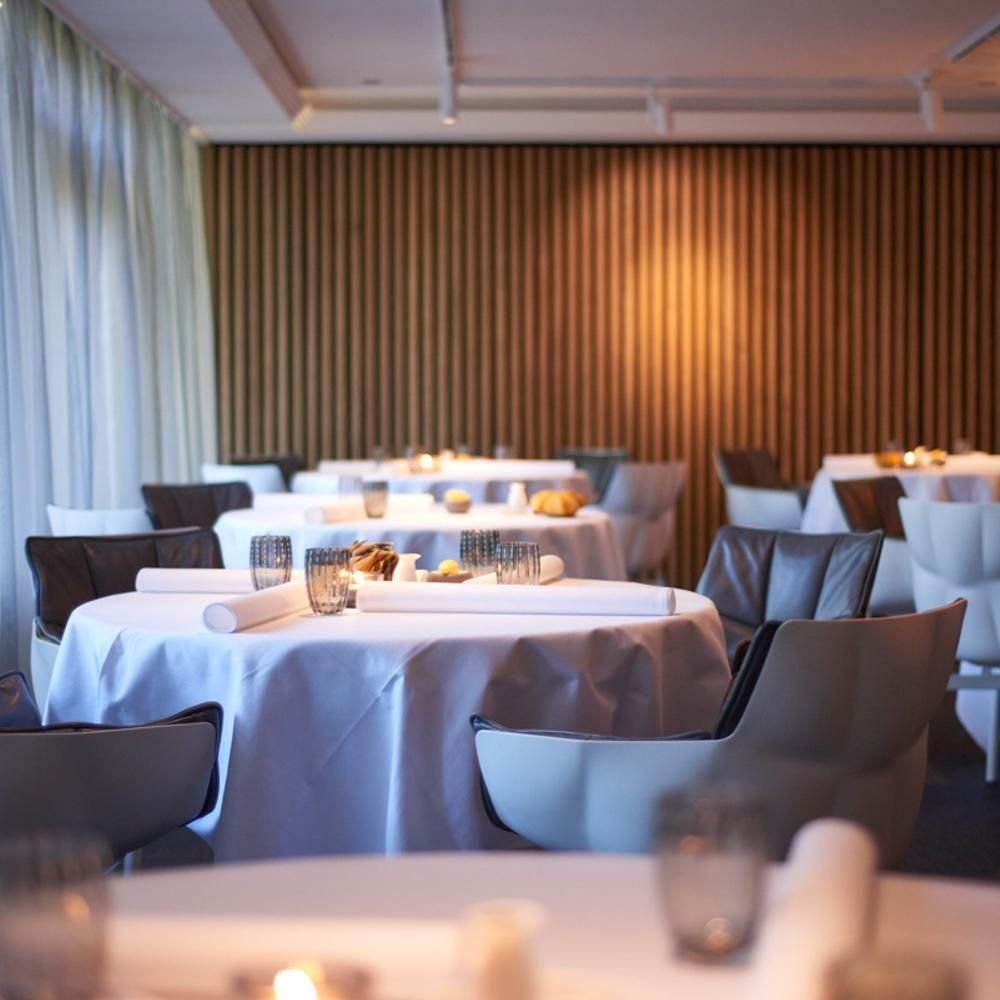
Bars in Leende
Browse all →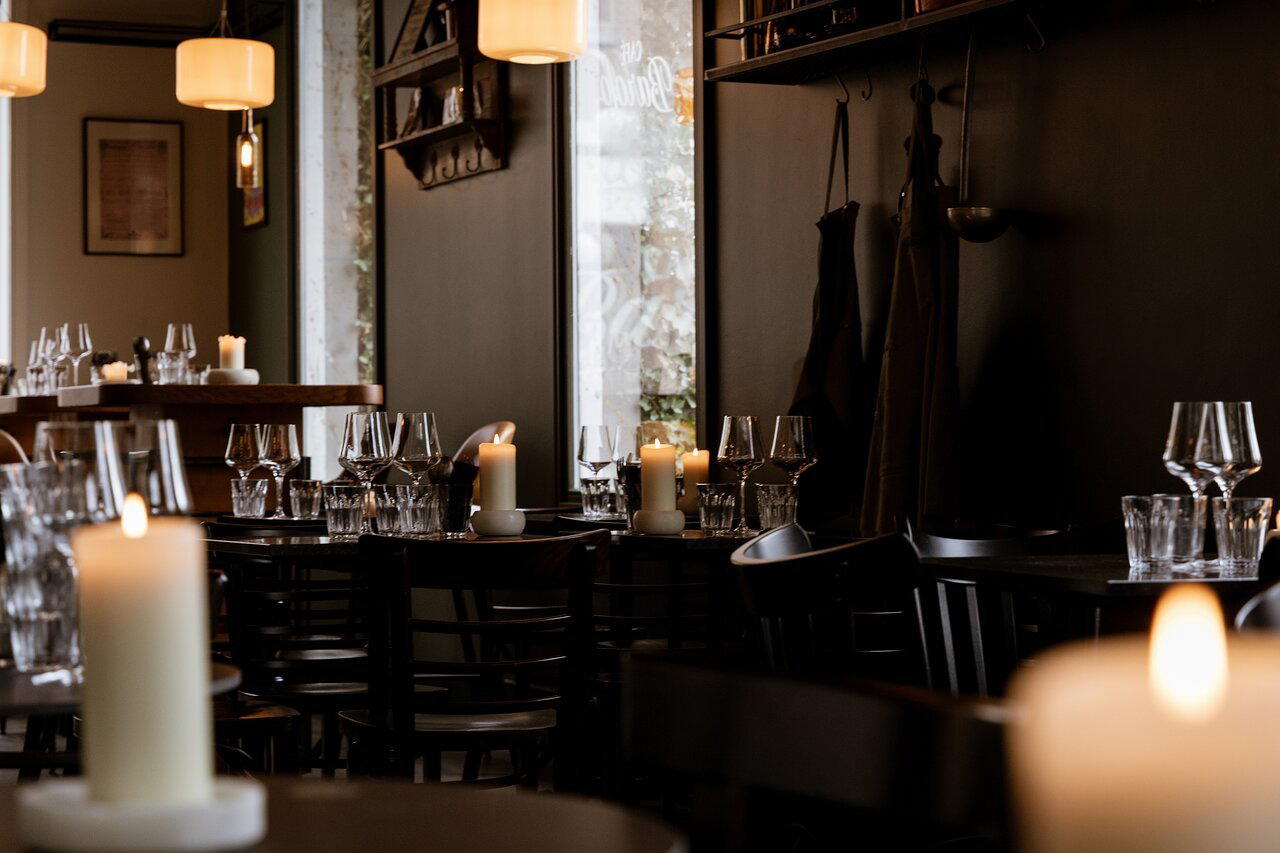
Details
- Intimate
- Cozy
- Elegant
- Sophisticated
- Date Night
- Special Occasion
- Open Kitchen
- Extensive Wine List
- Garden
- Tasting Menu
Current opening hours
- Monday
- Closed
- Tuesday
- Closed
- Wednesday
- Closed
- Thursday
- 6–9 p.m.
- Friday
- 6–9 p.m.
- Saturday
- 12–4 p.m., 6:30–9 p.m.
- Sunday
- Closed
Hours can change for holidays and private events. Hours as of .
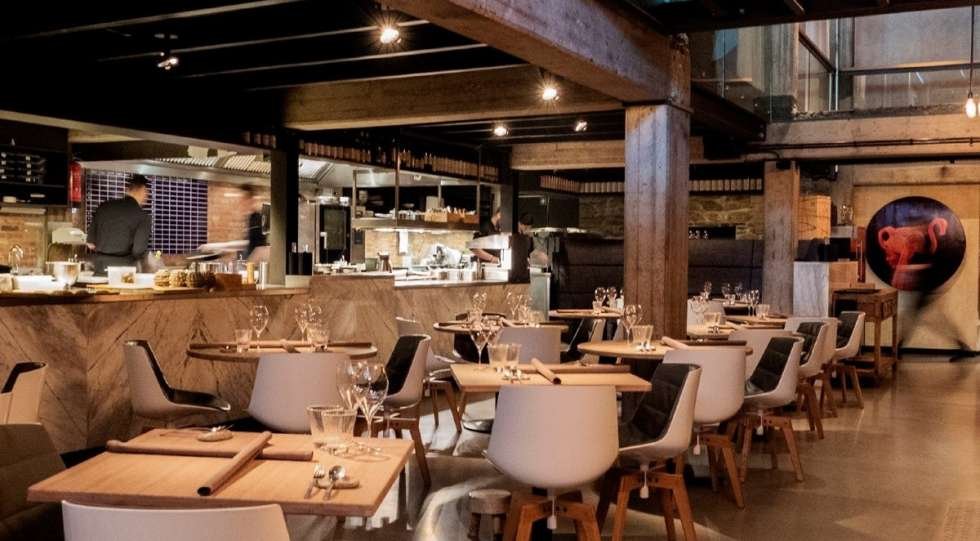
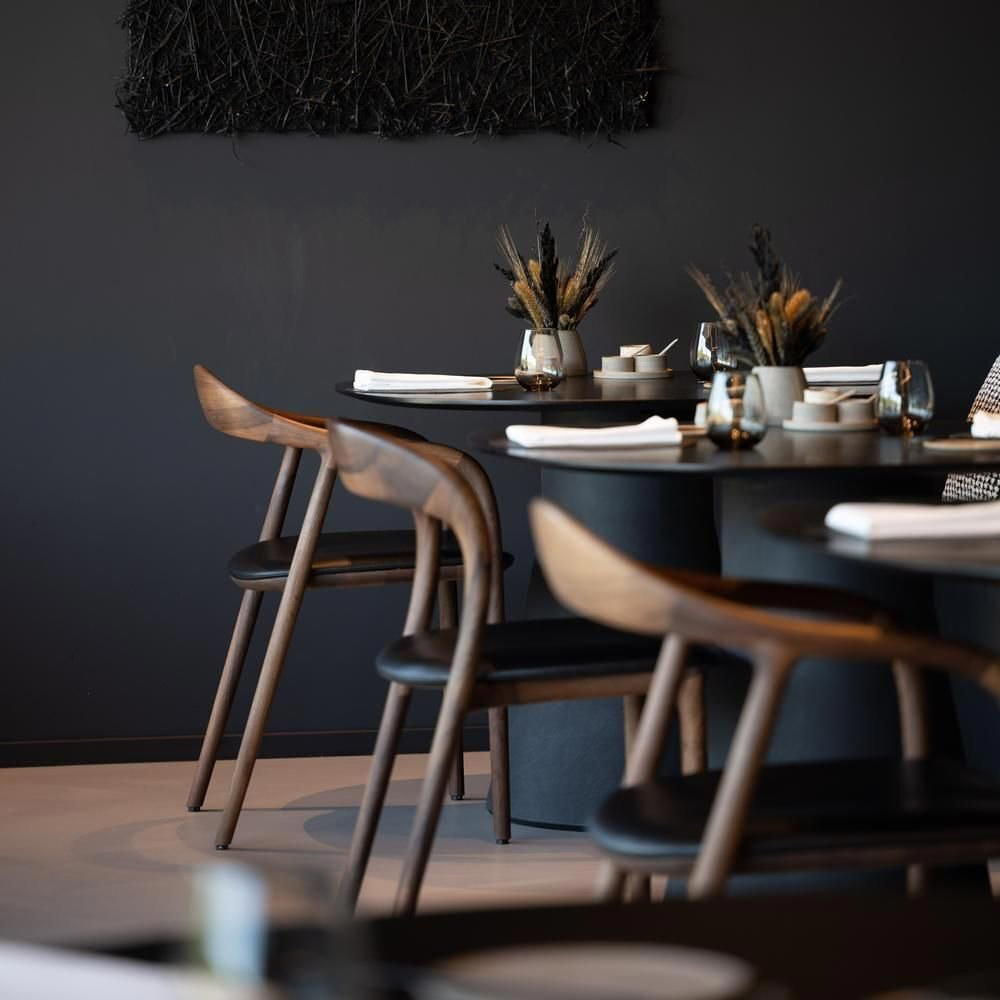
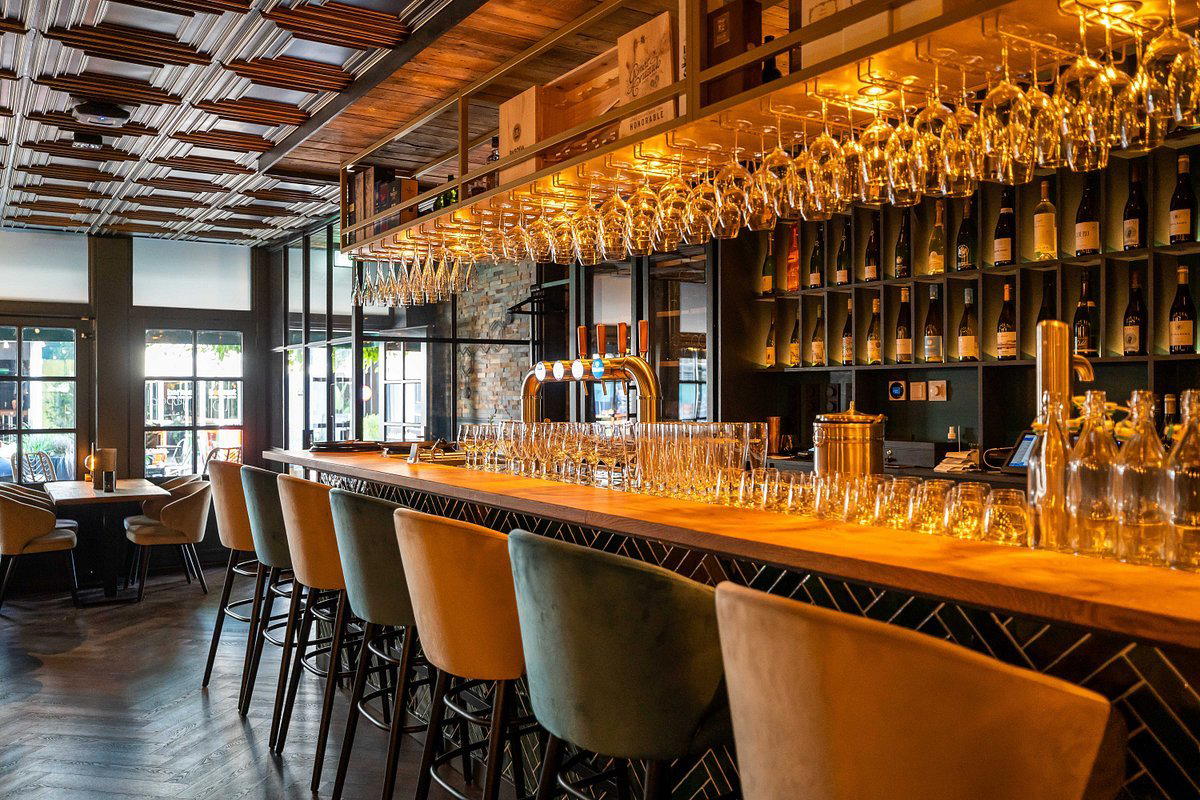
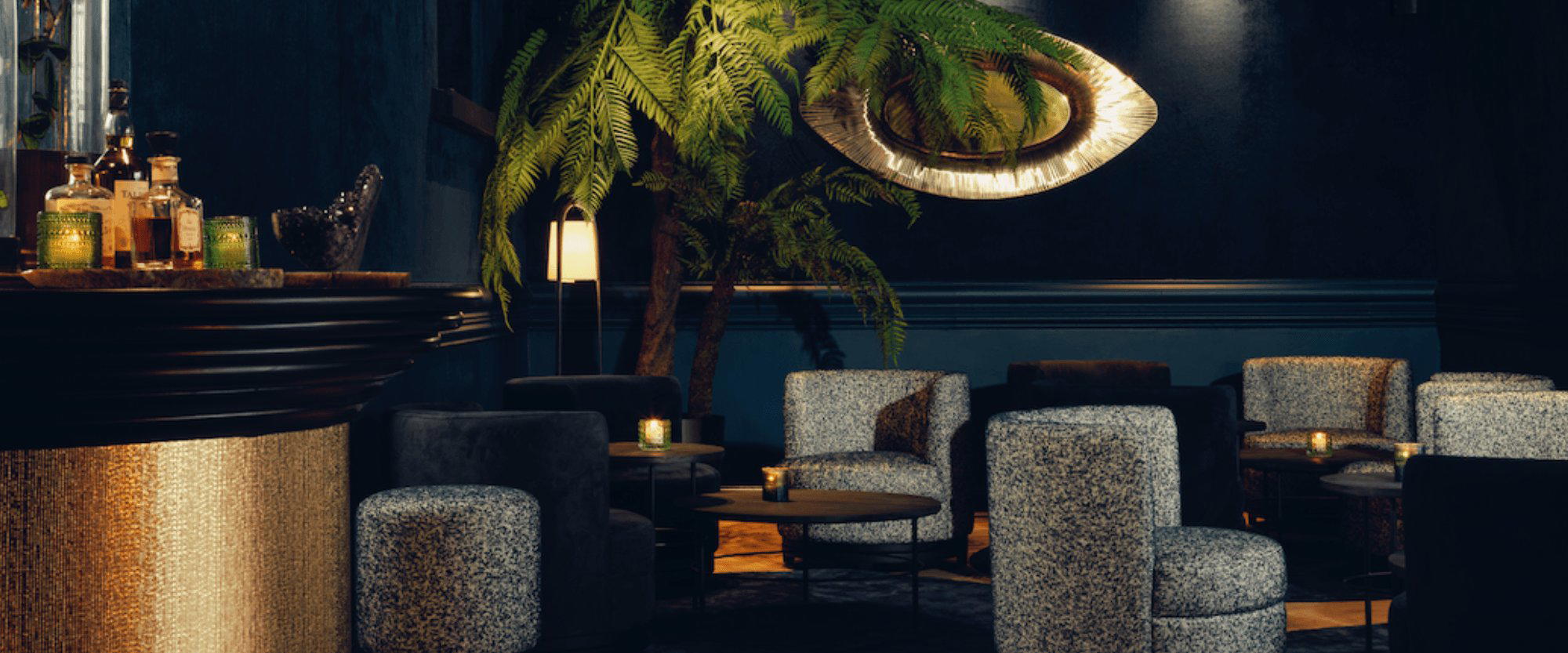
Serene and warmly personal atmosphere with soft lamplight, hushed conversations, and cozy living-room setting.