Positioned on Avenida Dr. Ermelindo Maffei in the São Luiz district, Nagoro Sushi Itu brings Japanese cuisine to one of the interior of São Paulo state's most historically layered cities. In a regional dining scene where Japanese food has long held roots through the state's significant Nikkei population, Nagoro occupies a local address with city-wide relevance. For visitors and residents seeking sushi away from the São Paulo metro, this is a meaningful reference point.
Pearl is the En Primeur Club membership app — saves, bookings, and concierge access live there. Same editors, same standards.
- Address
- Av. Dr. Ermelindo Maffei, 211 - São Luiz, Itu - SP, 13304-305, Brazil
- Phone
- +551127155792
- Website
- mechamenozap.com.br
- Directions
- Get directions
 Saves & bookings on Pearl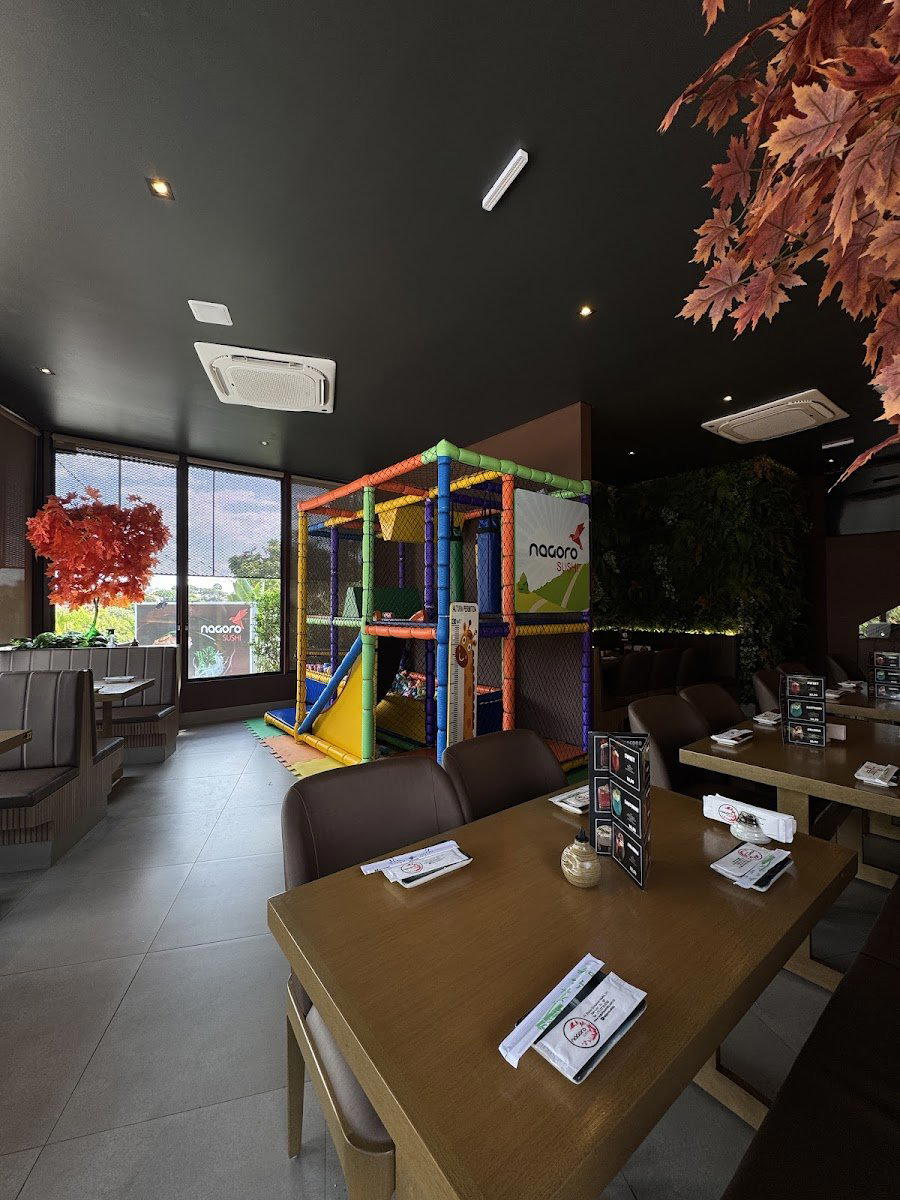
Sushi in the Interior: What Itu's Dining Scene Reveals
São Paulo state's interior cities carry a culinary heritage that metro residents frequently underestimate. Itu, roughly 100 kilometres west of the state capital along the Castelo Branco corridor, is better known for its colonial architecture and the running joke about everything in town being oversized, a local tourism gimmick that has somehow outlasted several generations of visitors. What gets less attention is the city's positioning within the broader Nikkei geography of São Paulo state, where Japanese immigration communities planted agricultural roots across the interior and, over decades, shaped the regional food supply and restaurant culture in ways that São Paulo city alone tends to claim credit for.
It is in that context that Nagoro Sushi Itu, at Av. Dr. Ermelindo Maffei, 211 in the São Luiz district, operates as a Japanese Sushi Fusion restaurant. Japanese restaurants in Brazil's interior do not operate as novelties. In a state where Japanese-Brazilian communities have been present since the early twentieth century, sushi in a mid-sized inland city reflects an established tradition rather than a transplanted trend. The address in São Luiz places Nagoro away from Itu's tourist-heavy historic centre, in a district that reads more as a working residential neighbourhood, which tends to mean a local rather than transient customer base, and a correspondingly different set of expectations around consistency and value.
The São Luiz District and What Location Signals
Venue geography in Brazilian interior cities matters more than it often does in large metros. In São Paulo city, a restaurant in Vila Madalena or Pinheiros carries an implicit set of peer comparisons. In Itu, the São Luiz district positions a restaurant within the everyday fabric of the city rather than in front of weekend visitors walking the Calçadão or photographing the famous oversized phone booth on the main square. For Nagoro, this is a location that prioritises the repeat customer: the neighbourhood resident who wants a reliable Japanese option without driving forty minutes toward Sorocaba or committing to the toll costs of the Castelo Branco back to São Paulo.
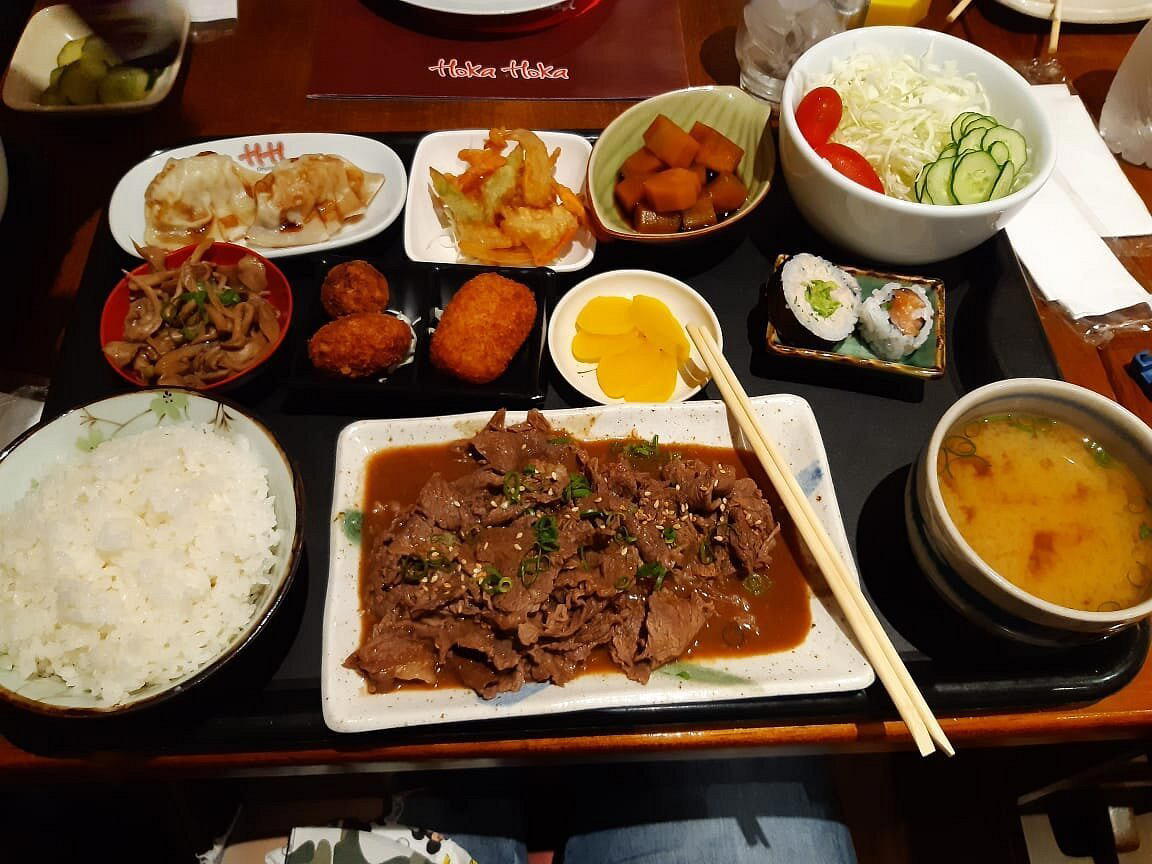
That positioning matters when comparing Nagoro to the other Japanese food options in Itu. Hoka Hoka Japanese Food represents a different format within the local market, while bowl-format options like Mana Poke Itú reflect the broader shift toward Hawaiian-influenced raw fish formats that has moved through Brazilian cities over the past decade. Nagoro's sushi positioning places it in the more traditional tier of that local Japanese food conversation. For broader Itu dining context, our full Itu restaurants guide maps the city's options across categories. Other Itu dining options worth knowing include Pollo Loko Itu for those whose groups split between Japanese and grilled options.
Japanese Cuisine in Brazil's Interior: The Wider Frame
Brazil holds the largest Japanese diaspora population outside Japan, and São Paulo state concentrates the majority of it. The culinary consequence of that demographic fact runs deeper than tourist-facing sushi bars in Liberdade, the São Paulo neighbourhood most associated with Japanese-Brazilian culture. Across the state's interior, from Marília to Bauru to Itu, Japanese restaurants have operated for decades as functional neighbourhood institutions rather than destination dining concepts.
The distinction between Brazilian-Japanese sushi and the omakase tradition of counters in Tokyo or even São Paulo city's more ambitious Japanese addresses is significant. At destination-level, venues like D.O.M. in São Paulo and Lasai in Rio de Janeiro represent the country's engagement with internationally benchmarked fine dining, and references like Le Bernardin in New York City or Atomix in New York City show how far the high end of that conversation extends globally. Nagoro operates in a different register entirely: the interior Brazilian sushi market, where the benchmark is neighbourhood reliability, not tasting menu architecture. That is not a criticism; it is a description of function. The cities and venues that serve that function well are what make regional dining culture coherent across a country as large as Brazil.
For context on how Japanese-format dining plays out across Brazilian cities more broadly, Kampeki Sushi in Canoas offers a useful southern-state comparison point. Regional Italian dining in the interior follows comparable dynamics, as seen at venues like Cantina Pozzobon in Santa Maria and Fornazzo Pizzaria in Passo Fundo, immigrant-community food traditions that became embedded in local daily life long before they attracted any regional recognition.
Planning a Visit
Nagoro Sushi Itu is located at Av. Dr. Ermelindo Maffei, 211, São Luiz, Itu, SP, 13304-305. The São Luiz district is accessible by car and sits within the broader urban grid of Itu without requiring navigation through the congested historic centre. For those arriving from São Paulo via the Castelo Branco, Itu is a logical stop rather than a dedicated destination, and the neighbourhood location means parking is generally more direct than at central Itu options. Current hours and reservation availability should be checked directly before visiting. Given the local neighbourhood character of the address, walk-in visits are likely viable at off-peak hours, though weekend evenings in any Brazilian interior city restaurant worth visiting tend to fill with regulars.
Other dining references across Brazil's interior and smaller cities include Casa da Picanha Penedo in Itatiaia, Famosa Pizza in Ribeirao Preto, Aero Burguer e Grill in Santa Cruz Do Sul, Arte e Café Imperial in Angra Dos Reis, Bistro Fitz Carraldo in Manaus, Casa da Dika Restô e Eventos in Bragança, and Casa da Flor Restaurante in Dourados, a cross-section of what regional Brazilian dining looks like outside the major metro centres.
A Lean Comparison
Comparable venues nearby, for context on price, style, and recognition.
| Venue | Cuisine | Price | Notes |
|---|---|---|---|
| Nagoro Sushi ItuThis venue — the venue you are viewing | Centro, Japanese Sushi Fusion | $$ | Not listed |
| Hoka Hoka Japanese Food | Centro, Japanese Sushi | $$ | Not listed |
| Mana Poke Itú | Vila Leis, Hawaiian Poke Bowls | $$ | Not listed |
| Pollo Loko Itu | Centro, Brazilian Fried Chicken | $ | Not listed |
| Temakeria Paulista | Agua Rasa, Japanese Temaki & Sushi | $$ | Not listed |
| Kyuurai | Not listed | $$ | Embaré, Authentic Japanese Sushi and Seafood |
At a Glance
- Sake Program
Current opening hours
- Monday
- 11:30 AM–2:30 PM, 6:30–10:30 PM
- Tuesday
- 11:30 AM–2:30 PM, 6:30–11 PM
- Wednesday
- 11:30 AM–2:30 PM, 6:30–11 PM
- Thursday
- 11:30 AM–2:30 PM, 6:30–11 PM
- Friday
- 11:30 AM–2:30 PM, 6:30–11 PM
- Saturday
- 12–4 PM, 6:30–11 PM
- Sunday
- 12–10:30 PM
Hours can change for holidays and private events. Last verified .