Inoue Sushi Temakeria
Inoue Sushi Temakeria brings Japanese temaki culture to Indaiatuba's dining scene on Avenida Eng. Fábio Roberto Barnabé in Vila Almeida. The temakeria format, hand-rolled cones served fresh and to order, represents one of Brazil's most distinctly adapted expressions of Japanese culinary tradition, suited to both casual visits and longer meals.
Pearl is the En Primeur Club membership app — saves, bookings, and concierge access live there. Same editors, same standards.
- Address
- Av. Eng. Fábio Roberto Barnabé, 1205 - Vila Almeida, Indaiatuba - SP, 13330-655, Brazil
- Phone
- +551925163222
- Website
- inouesushi.menudino.com
- Directions
- Get directions
 Saves & bookings on Pearl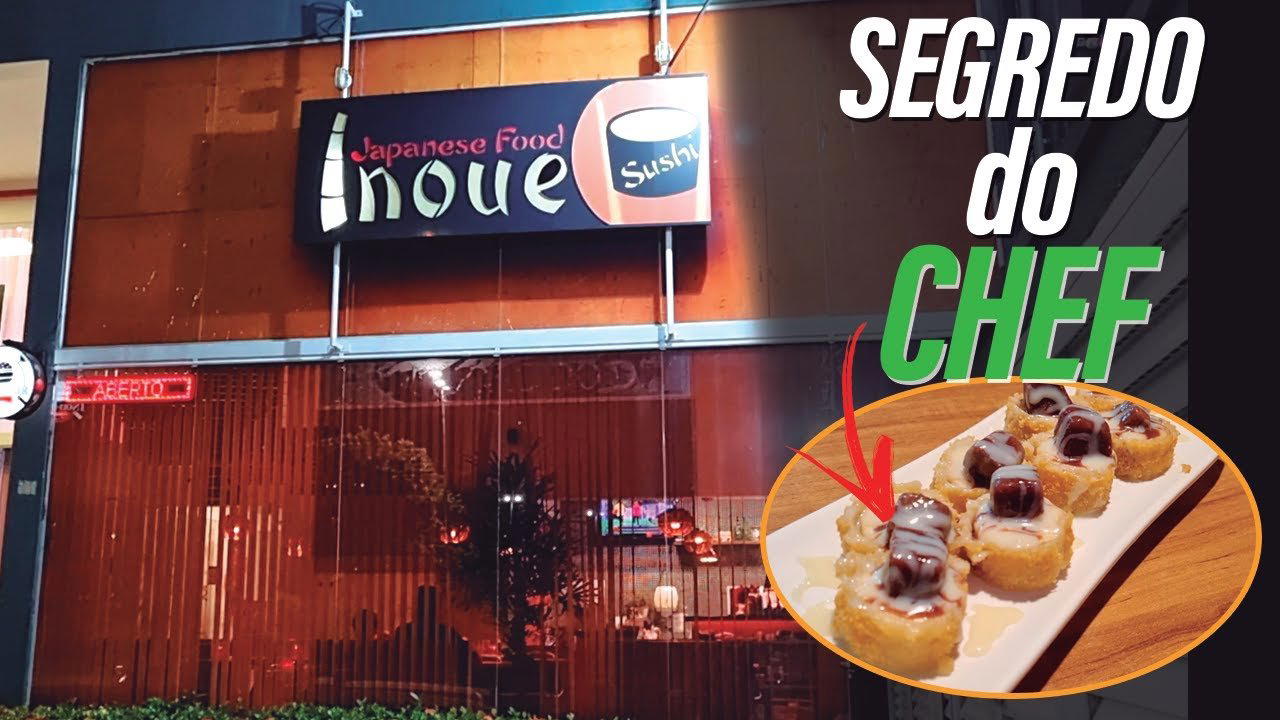
Temaki in the Interior: How Japanese Food Took Root in São Paulo State
Brazil hosts one of the largest Japanese diaspora communities in the world outside Japan itself, and the culinary evidence runs deep into the interior of São Paulo state. In cities like Indaiatuba, that influence doesn't arrive via high-end omakase counters or the kind of Michelin-tracked tasting menus you'd associate with D.O.M. in São Paulo or Lasai in Rio de Janeiro. It arrives through the temakeria, a format that is, in itself, a Brazilian invention. The hand-rolled temaki cone exists in Japan as a home preparation, not a restaurant format. Brazil turned it into a sit-down dining category, and the temakeria now functions across the country the way the sushi bar functions in the United States: as the everyday, accessible register of Japanese food culture.
Inoue Sushi Temakeria is a casual Japanese Sushi & Temaki restaurant in Indaiatuba, São Paulo, at Avenida Eng. Fábio Roberto Barnabé in the Vila Almeida neighbourhood. The address places it in a district with a functional, residential character, not a dedicated dining strip, but the kind of neighbourhood where local food culture operates on its own terms rather than on tourist traffic. Arriving along the avenida, the signage and frontage are consistent with the neighbourhood's texture: grounded, unpretentious, oriented toward the regulars who return weekly rather than the visitor who found the place on a travel list.
The Temakeria Format and What It Means
Understanding what a temakeria is matters before considering any individual venue within the category. The cone-shaped hand roll, nori on the outside, rice and filling inside, eaten immediately before the seaweed softens, is a format that demands speed and sequence. Unlike plated sushi or nigiri, temaki doesn't hold. The kitchen and the guest operate on roughly the same clock: the roll is made, it is eaten, another is ordered. This creates a dining rhythm that is informal without being rushed, social without being loud. It's a format that lends itself to groups, to long tables, to the kind of meal that extends through multiple rounds rather than arriving as a composed tasting sequence.
In Brazil's interior cities, temakerias serve a function that mirrors what casual Japanese restaurants do in urban centres elsewhere in the world, they carry a cuisine across cultural distance without diluting its essential logic. The fish is still raw or lightly prepared, the nori still requires freshness to function properly, the rice still needs the right acidity. The adaptations are real: Brazilian fillings frequently include cream cheese, which appears in virtually no traditional Japanese preparation, and local fish species replace those that would be flown in for capital-city restaurants. But the structural discipline of the format remains.
Indaiatuba's Dining Context
Indaiatuba sits within the Campinas metropolitan region, a part of São Paulo state where industrial and residential growth over recent decades has produced a dining scene that reflects its population's diversity. The city's restaurant offer spans formats that would look familiar in any mid-sized Brazilian city: casual burger operations like H3 Burger and Smash Brothers Burger, European-influenced dining at Le Triskell, and Japanese-influenced options like Kostela do Japonês, which signals the city's comfort with Japanese culinary culture as a regular part of its food week rather than a special-occasion category.
Within that context, a temakeria occupies a specific and well-understood tier. It is not positioned against high-end sushi; it sits alongside casual dining options as a reliable, ingredient-forward alternative to grilled meat or pizza.
Japanese Culinary Tradition in the Brazilian Interior
The Japanese-Brazilian culinary relationship is worth understanding on its own terms rather than as a footnote to Japanese food globally. Japanese immigrants began arriving in Brazil in significant numbers from 1908, with many settling in São Paulo state to work on coffee plantations before establishing their own farming communities. Food was part of that settlement from the beginning, not as a performance of cultural identity, but as practical sustenance. Over generations, Japanese-Brazilian cuisine developed as a genuinely hybrid form, one in which the techniques and structural logic of Japanese cooking were maintained while ingredients and formats adapted to what was available and what Brazilian diners responded to.
The temakeria represents that hybridity at its most legible. It is Japanese in its ingredients and preparation logic, raw fish, seasoned rice, toasted nori, and Brazilian in its social format and some of its flavour combinations. Neither purely one nor the other, it functions as its own category, and it is one that restaurants like Bistro Fitz Carraldo in Manaus or Cantina Pozzobon in Santa Maria, operating in their own regional food traditions, would recognise as a parallel process of adaptation. Across Brazil's interior, from Casa da Flor Restaurante in Dourados to Famosa Pizza in Ribeirao Preto, the pattern holds: cuisines travel, adapt, and eventually produce formats that belong to both traditions simultaneously.
Planning a Visit
Inoue Sushi Temakeria is located at Av. Eng. Fábio Roberto Barnabé, 1205, Vila Almeida, Indaiatuba, SP 13330-655. Given the venue's neighbourhood positioning and category, a local temakeria rather than a destination fine-dining address, visiting without a reservation on a weekday is generally feasible, though weekends at Japanese-Brazilian restaurants in residential districts tend to draw family groups and extended tables that fill the room earlier than the posted hour might suggest. The restaurant is walk-in friendly and typically open Monday to Saturday from 11:30 AM to 2 PM and 5:30 to 10 PM, with Sunday dinner service from 5:30 to 10 PM. This is neighbourhood dining, priced and paced accordingly.
Budget Reality Check
Comparable venues nearby, for context on price, style, and recognition.
| Venue | Cuisine | Price | Notes |
|---|---|---|---|
| Inoue Sushi TemakeriaThis venue — the venue you are viewing | Vila Almeida, Japanese Sushi & Temaki | $$$$ | Not listed |
| Le Triskell | Indaiatuba, French Bistro | $$$$ | Not listed |
| H3 Burger | Indaiatuba, Fast Food Burgers | $$ | Not listed |
| Smash Brothers Burger | Centro, Smash Burger House | $$ | Not listed |
| Kostela do Japonês | Not listed | $$ | Distrito Industrial João Narezzi, Brazilian Rib Steakhouse |
| Nakka Jardins | Jardim Paulista, Modern Japanese Omakase | $$$ | Not listed |
Continue exploring
More in Indaiatuba
Restaurants in Indaiatuba
Browse all →
Bars in Indaiatuba
Browse all →
Hotels in Indaiatuba
Browse all →
At a Glance
- Lively
- Casual
- Casual Hangout
- Solo
- Standalone
Current opening hours
- Monday
- 11:30 AM–2 PM, 5:30–10 PM
- Tuesday
- 11:30 AM–2 PM, 5:30–10 PM
- Wednesday
- 11:30 AM–2 PM, 5:30–10 PM
- Thursday
- 11:30 AM–2 PM, 5:30–10 PM
- Friday
- 11:30 AM–2 PM, 5:30–10 PM
- Saturday
- 11:30 AM–2 PM, 5:30–10 PM
- Sunday
- 5:30–10 PM
Hours can change for holidays and private events. Last verified .
Casual and lively, with a small counter-service format suited to quick temaki visits or relaxed meals.