Chácara Santa Victória occupies a notable address on Avenida São Paulo in Sorocaba's Vila São Domingos district, placing it within a city that has developed a more considered dining culture than its industrial profile might suggest. With limited publicly available details, the venue rewards those who engage with Sorocaba's quieter, locally oriented restaurant circuit rather than its more visible options.
Pearl is the En Primeur Club membership app — saves, bookings, and concierge access live there. Same editors, same standards.
- Address
- Av. São Paulo, 3445 - Vila Sao Domingos, Sorocaba - SP, 18013-004, Brazil
- Phone
- +551532370220
- Website
- santavictoria.com.br
- Directions
- Get directions
 Saves & bookings on Pearl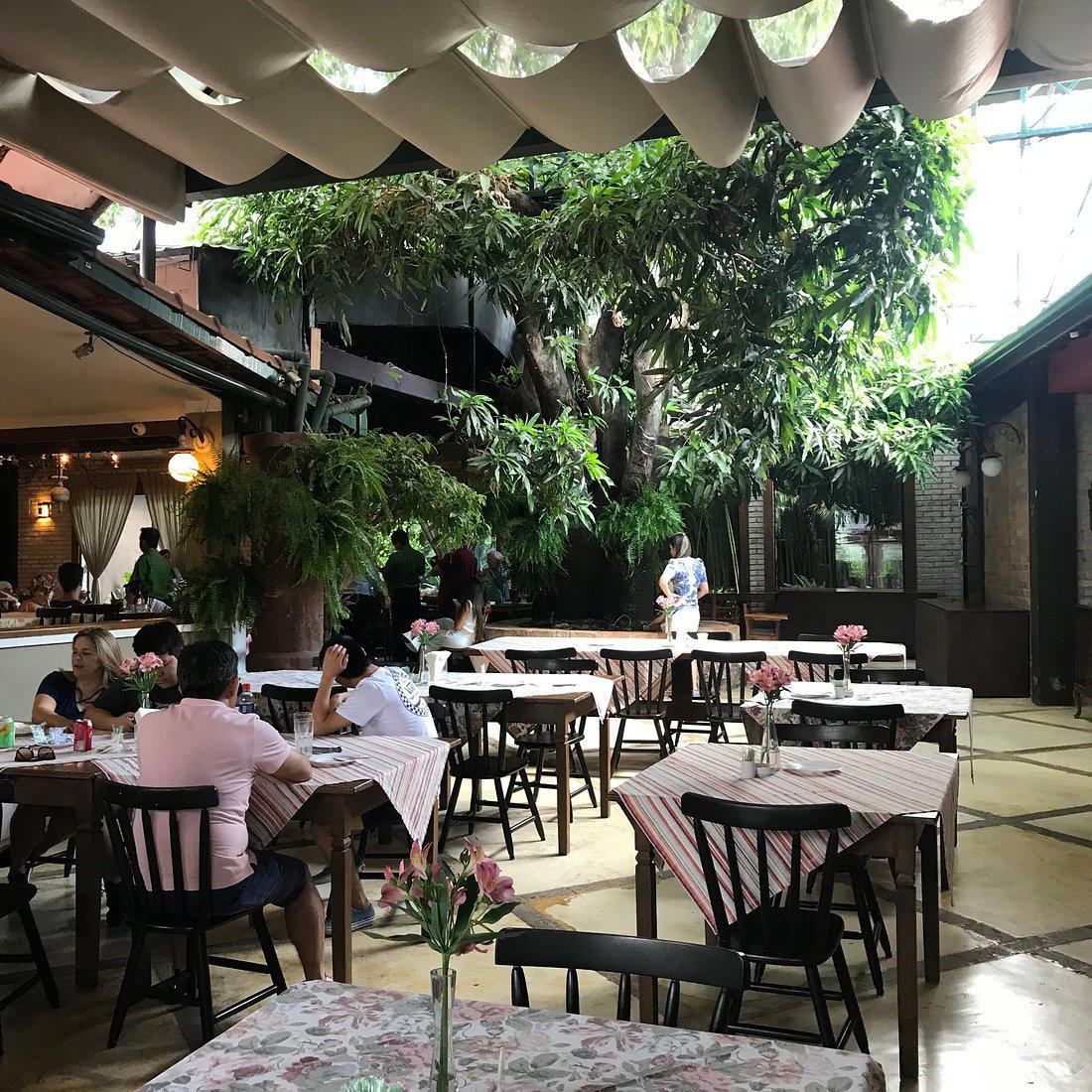
Sorocaba's Dining Scene and Where Chácara Santa Victória Sits Within It
Chácara Santa Victória is a restaurant in Sorocaba, São Paulo, serving Brazilian Buffet at casual price tier 2. São Paulo's interior, the stretch of cities running southwest from the capital along the Anhanguera and Castelo Branco corridors, has historically been characterised by industrial output rather than culinary tourism. But that reading misses what has been quietly developing in neighbourhoods like Vila São Domingos, where Chácara Santa Victória occupies a plot along Avenida São Paulo. In Brazilian cities of this scale, addresses along major arterial roads often signal venues that serve a local, returning clientele rather than destination visitors, a distinction that shapes everything from menu composition to the rhythm of service.
Across Brazil, interesting dining has often emerged not from the Michelin-tracked circuit in São Paulo or Rio de Janeiro, where venues like D.O.M. in São Paulo and Oteque in Rio de Janeiro operate under close international scrutiny, but from mid-sized cities where chefs and owners source regionally without the pressure of high-profile press coverage. This dynamic is well established in Brazil's culinary geography. Places like Mina in Campos do Jordão and Birosca S2 in Belo Horizonte illustrate how regional roots can produce cooking of genuine depth when the sourcing geography is short and the clientele is familiar enough to reward consistency over spectacle.
The Question of Ingredient Provenance in São Paulo State's Interior
São Paulo state's interior is one of Brazil's most productive agricultural zones. The region around Sorocaba, and the broader circuit stretching toward Campinas and the Tietê river valley, supports smallholder production of vegetables, citrus, pork, and dairy alongside larger-scale commodity farming. For any restaurant operating in this corridor, the sourcing question is less about access to ingredients and more about which relationships the kitchen has chosen to cultivate.
In Brazilian chácara culture, the term itself references a smallholding or rural property, the implicit promise is proximity to the land. Whether that promise is fulfilled in cooking depends on execution, but the framing is culturally significant. Venues that operate under a chácara identity in Brazilian cities tend to position themselves around informal hospitality, outdoor or semi-outdoor settings, and food that connects to regional agricultural rhythms. This places them in a different register from the urban tasting-menu format, and closer to the tradition of fazenda dining that Brazilian families have long treated as a weekend ritual.
That tradition has parallels in other parts of Brazil. The Bahian coast, where Orixás in Itacaré and Manga in Salvador draw on local produce and Afro-Brazilian culinary heritage, demonstrates how regional ingredient identity can anchor a restaurant's entire proposition. In the south, Manu in Curitiba has built recognition around Paraná's biodiversity. In Sorocaba's case, the sourcing potential is genuinely strong, the question for any visitor is how a given kitchen engages with it.
Sorocaba's Broader Restaurant Circuit
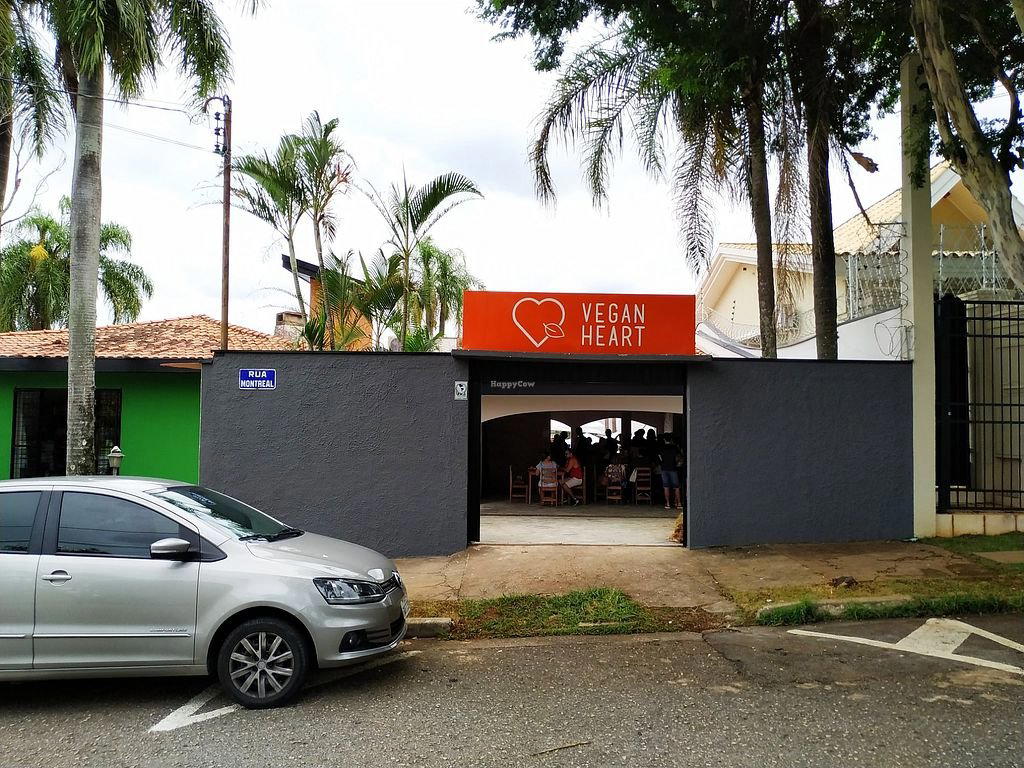
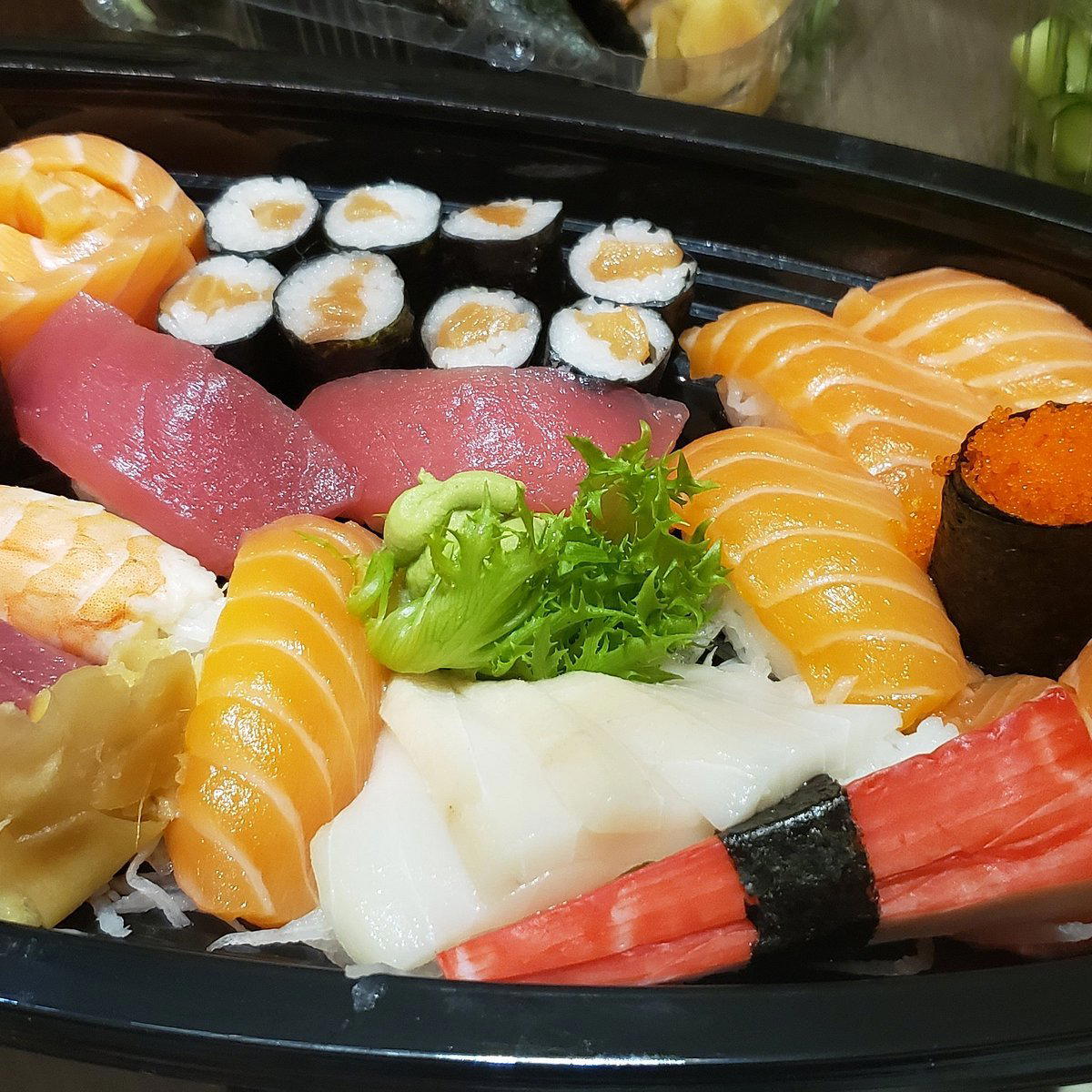
The city's dining options have diversified considerably in the past decade. Horse BBQ - Smoke'n Grill represents the city's appetite for American-influenced barbecue formats that have spread across Brazilian urban centres. Japanese cuisine has a particularly established presence here, reflecting the large Nikkei community across the state of São Paulo: Restaurante Japonês Kyodai and Yosugiru Sushi both serve this segment of the market. Plant-forward dining has also arrived, with Vegan Heart occupying space in a city that has historically been meat-centric.
Within this circuit, venues with a chácara or fazenda identity occupy a specific niche: they tend to draw family groups and returning locals rather than visitors specifically seeking them out, and their staying power is typically measured in decades rather than seasons. The address at Av. São Paulo, 3445 places the restaurant within accessible distance of central Sorocaba, a practical consideration in a city where traffic along the main arterial roads can compact travel times unpredictably on weekends.
Planning a Visit: What to Consider
Reservations are recommended. The restaurant is open Tuesday through Friday from 12 to 3 PM, and Saturday and Sunday from 12 to 4 PM; it is closed Monday.
For those travelling to Sorocaba from São Paulo, the journey along the Castelo Branco highway (SP-280) typically runs to around 90 minutes depending on departure time and traffic volume, making it a feasible day trip. Visitors already in the interior of the state, coming from Campinas, where Olivetto Restaurante e Enoteca represents the city's more European-inflected dining tradition, or from the mountain resort circuit around Gramado, which counts Primrose and Castelo Saint Andrews among its higher-profile addresses, would find Sorocaba a natural extension of an interior São Paulo itinerary. Internationally, the reference point for dedicated sourcing-led dining at serious scale sits at venues like Le Bernardin in New York City or Lazy Bear in San Francisco, both of which demonstrate how ingredient provenance can anchor an entire identity, though the chácara format operates at a far more informal register than either.
Quick Comparison
Comparable venues nearby, for context on price, style, and recognition.
| Venue | Cuisine | Price | Notes |
|---|---|---|---|
| Chácara Santa VictóriaThis venue — the venue you are viewing | Brazilian Buffet | $$ | Not listed |
| VEGAN HEART | Vegan American Burgers | $$ | Centro |
| Yosugiru Sushi Sorocaba | Japanese Sushi | $$$ | Parque Campolim |
| Restaurante em Sorocaba l Horse BBQ - Smoke´n Grill | Brazilian BBQ Smokehouse | $$ | Jardim Santa Rosália |
| Restaurante Japonês Kyodai Sorocaba | Traditional Japanese Sushi | $$ | Downtown |
| Frevo | Brazilian Diner - Beirute Sandwiches | $$ | Jardim Paulista |
Continue exploring
More in Sorocaba
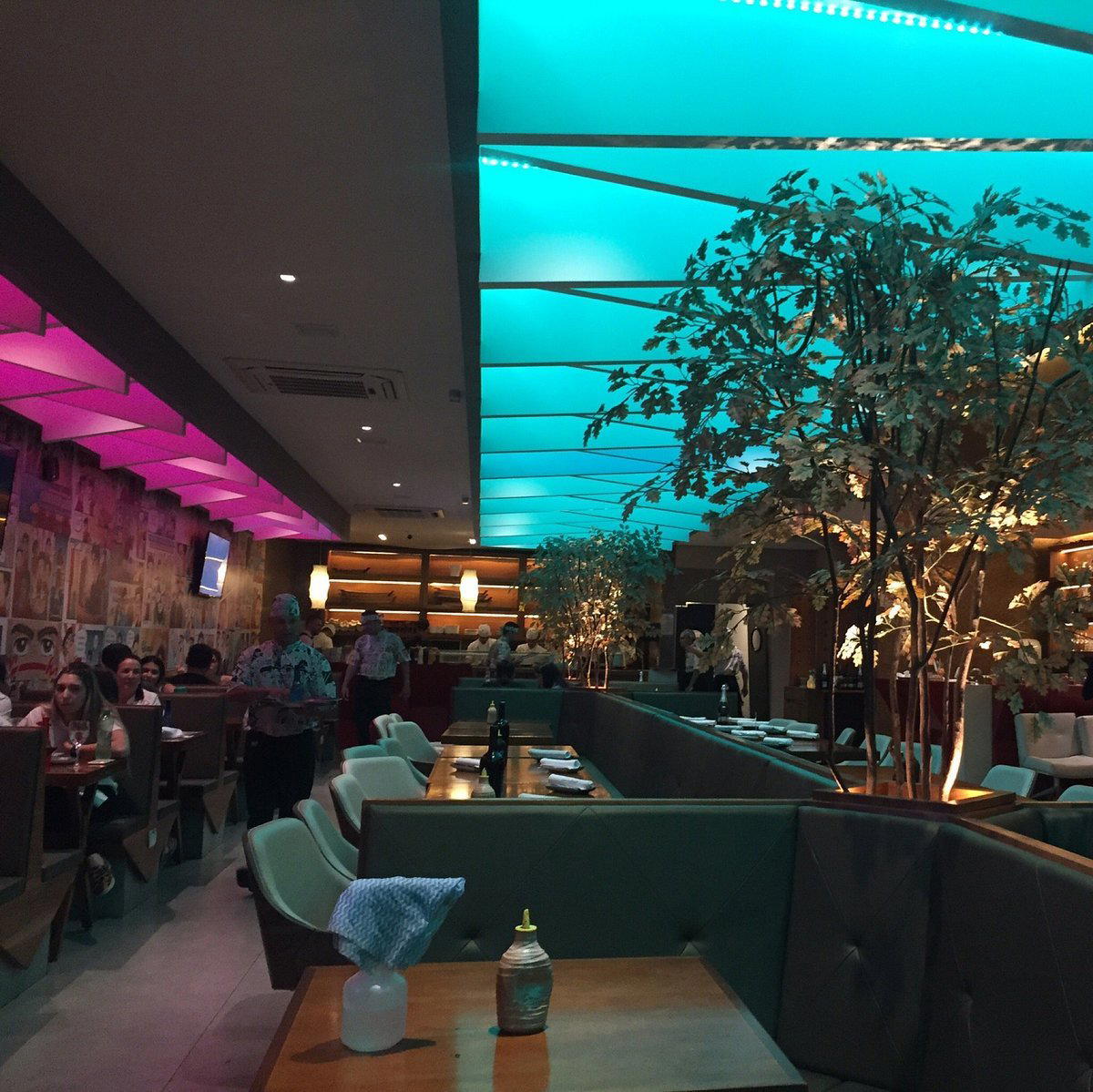
Restaurants in Sorocaba
Browse all →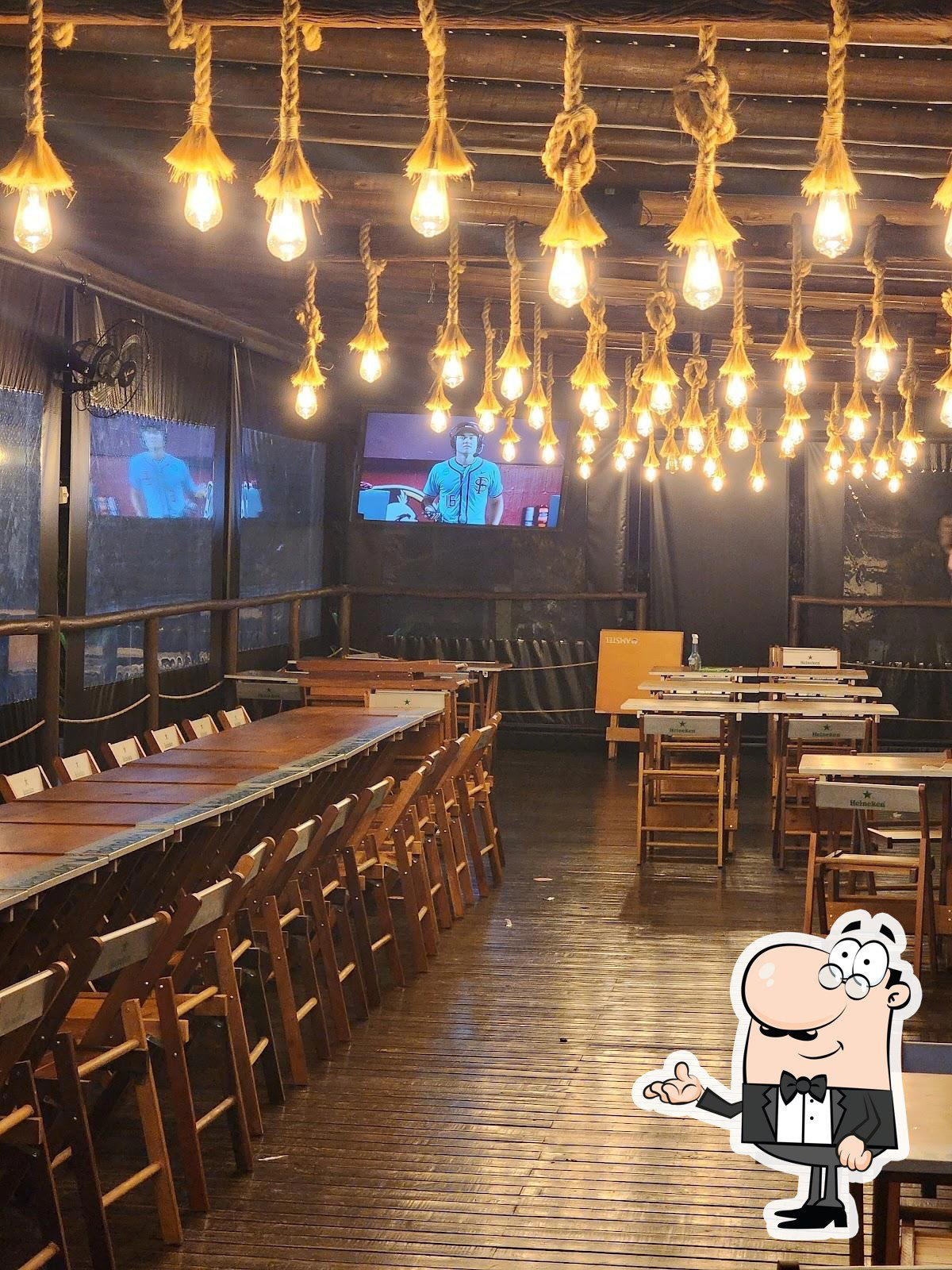
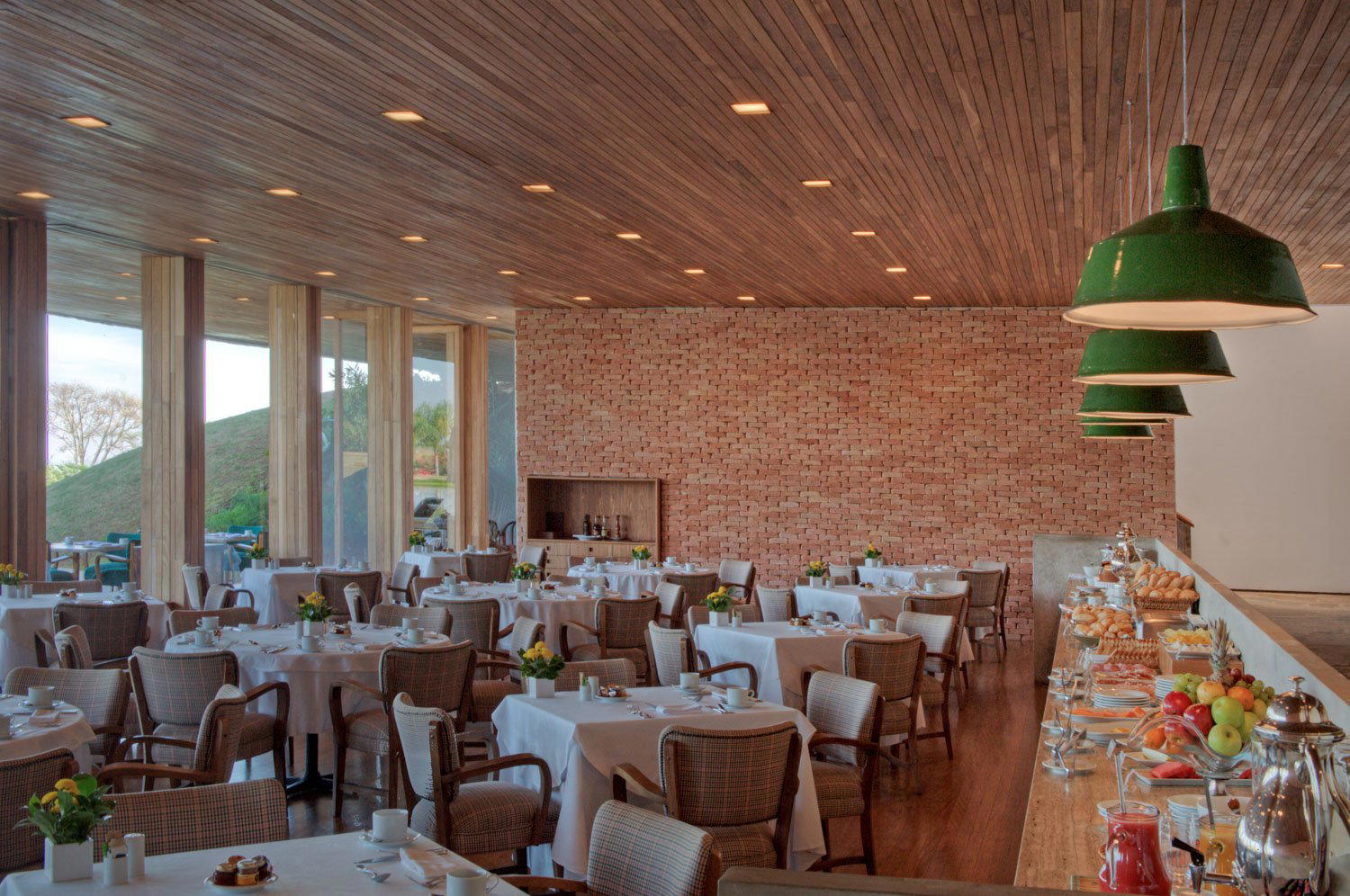
Bars in Sorocaba
Browse all →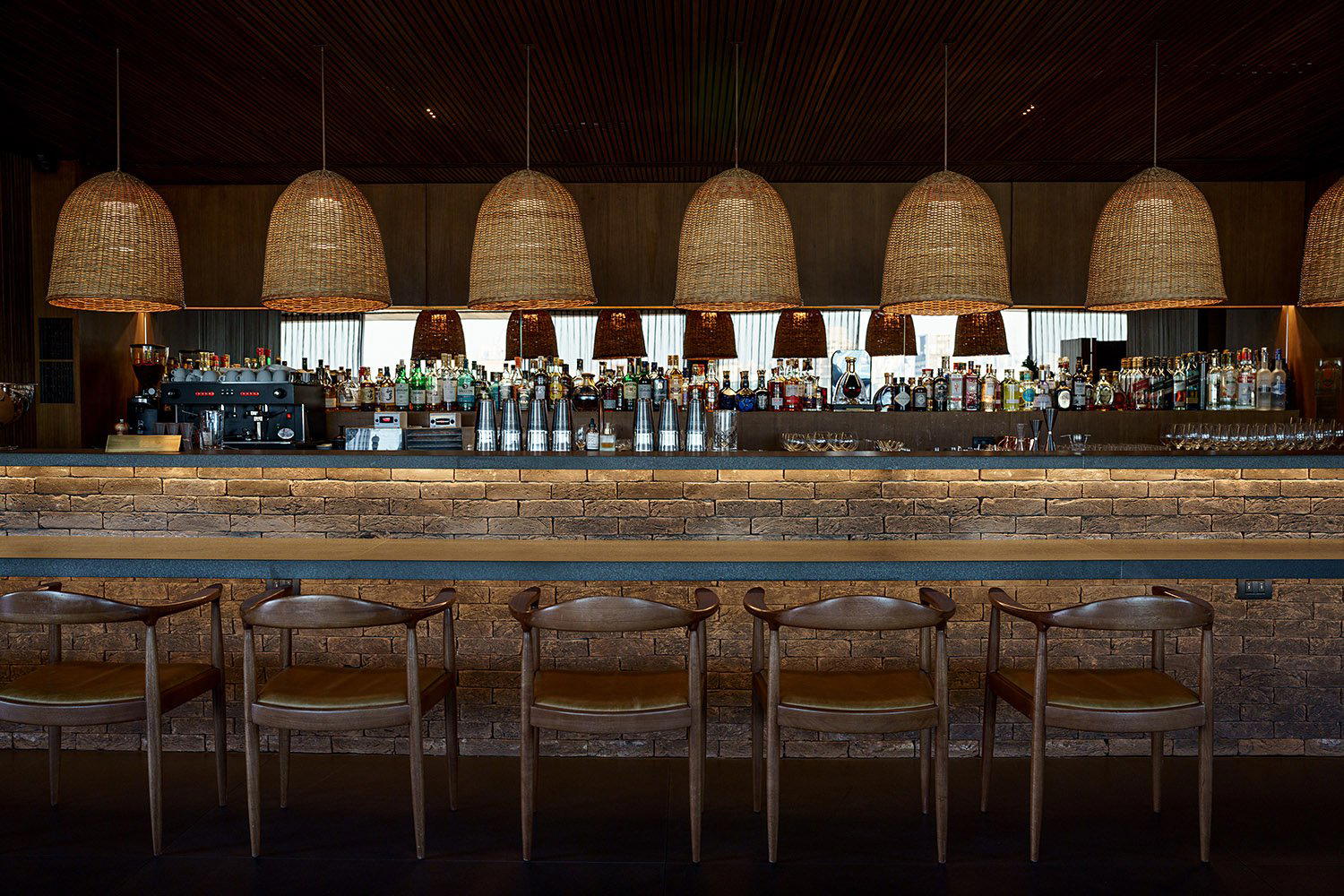
Hotels in Sorocaba
Browse all →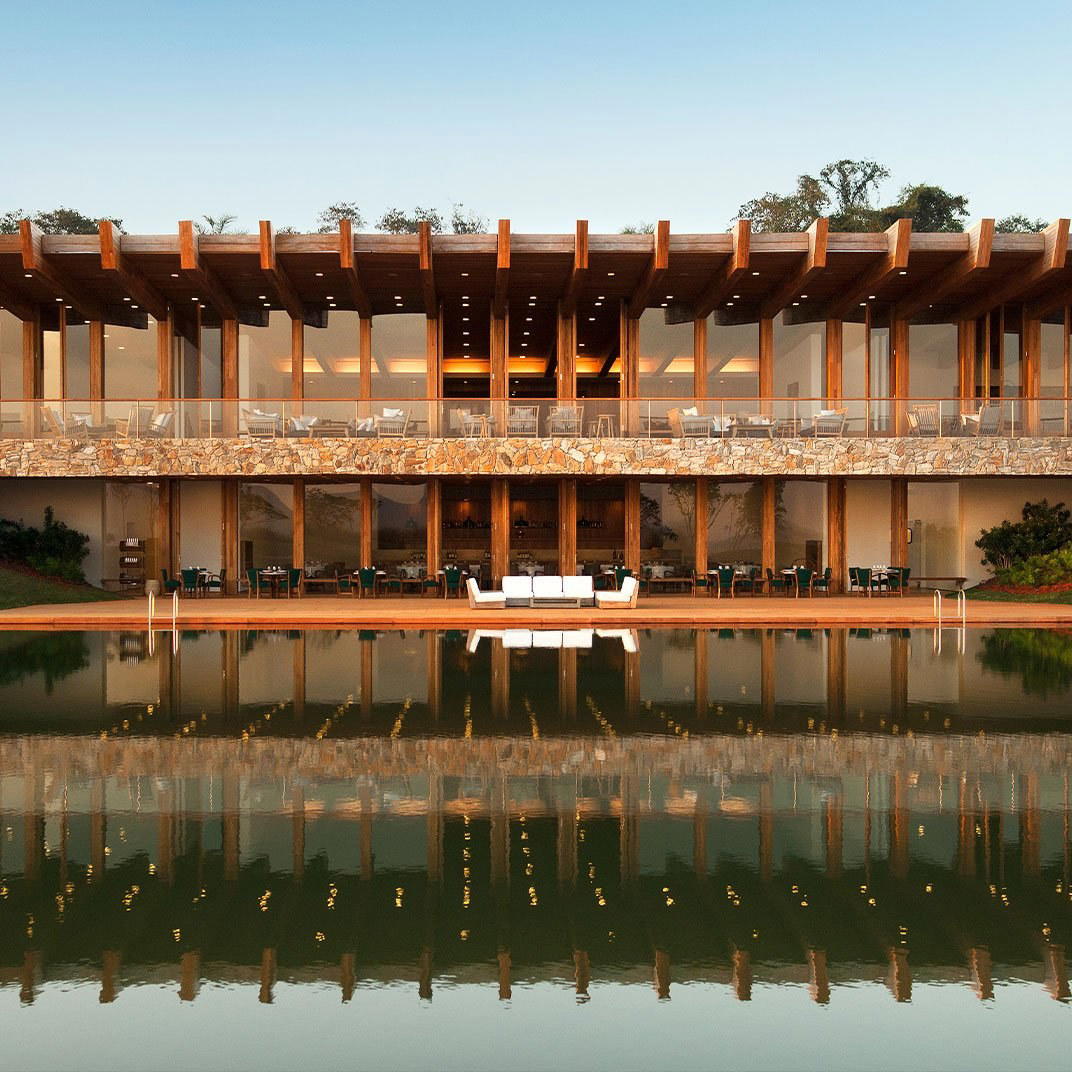
At a Glance
- Rustic
- Scenic
- Family
- Celebration
- Garden
- Garden
Current opening hours
- Monday
- Closed
- Tuesday
- 12–3 PM
- Wednesday
- 12–3 PM
- Thursday
- 12–3 PM
- Friday
- 12–3 PM
- Saturday
- 12–4 PM
- Sunday
- 12–4 PM
Hours can change for holidays and private events. Last verified .
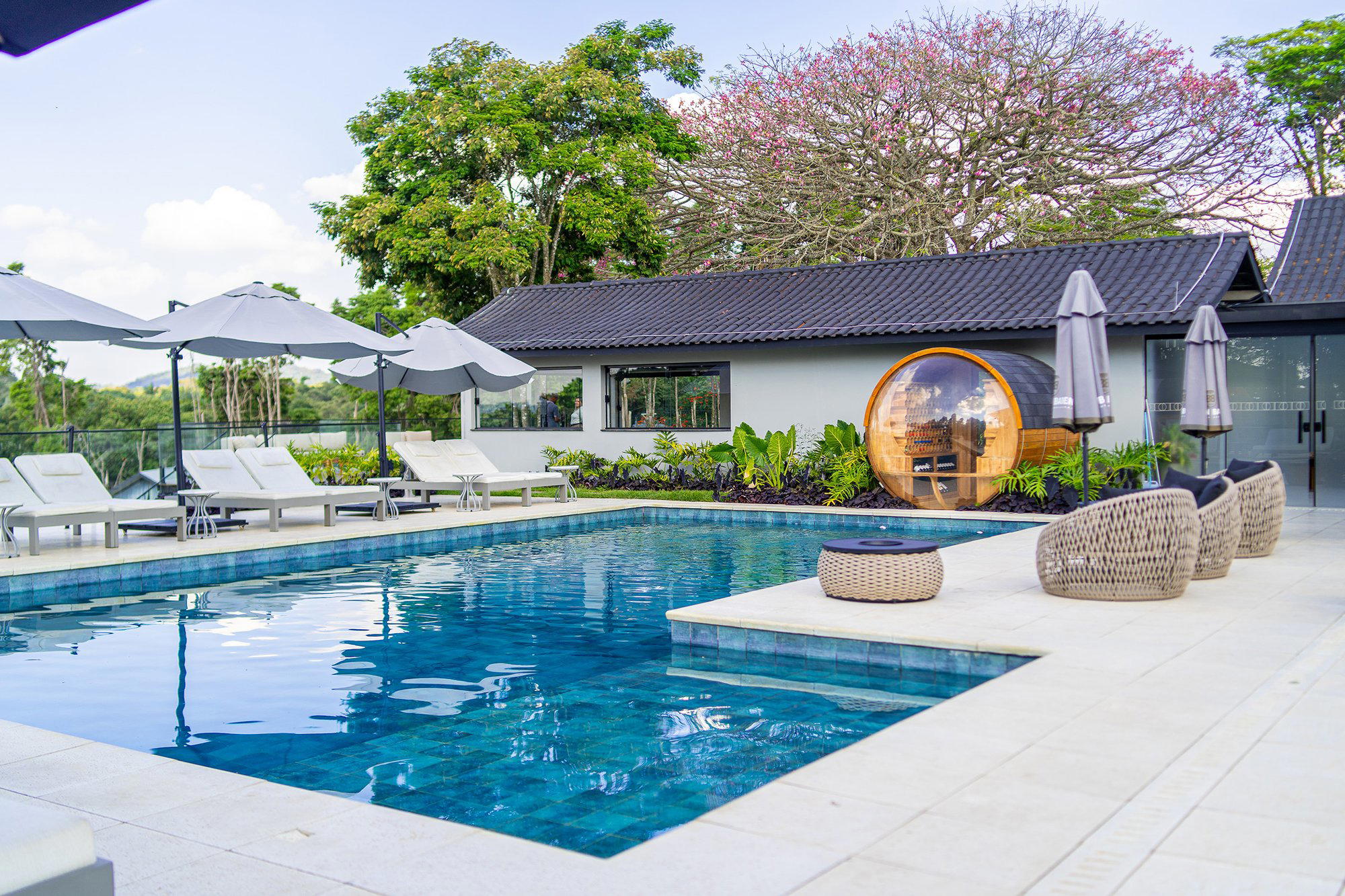
Natural setting with vast greenery and ample space for families.