Nage & Sauge occupies a Haidhausen address that places it within reach of Munich's most considered dining corridor. The name itself signals intent: nage, the French aromatic court-bouillon, paired with sauge, sage, a culinary vocabulary that points toward classical French foundations reworked through a contemporary lens. In a city where a leading tables cluster around Michelin-validated tasting menus, this address invites closer attention.
Pearl is the En Primeur Club membership app — saves, bookings, and concierge access live there. Same editors, same standards.
- Address
- Mariannenstraße 2, 80538 München, Germany
- Phone
- +494989298803
- Website
- nageundsauge.de
- Directions
- Get directions
 Saves & bookings on Pearl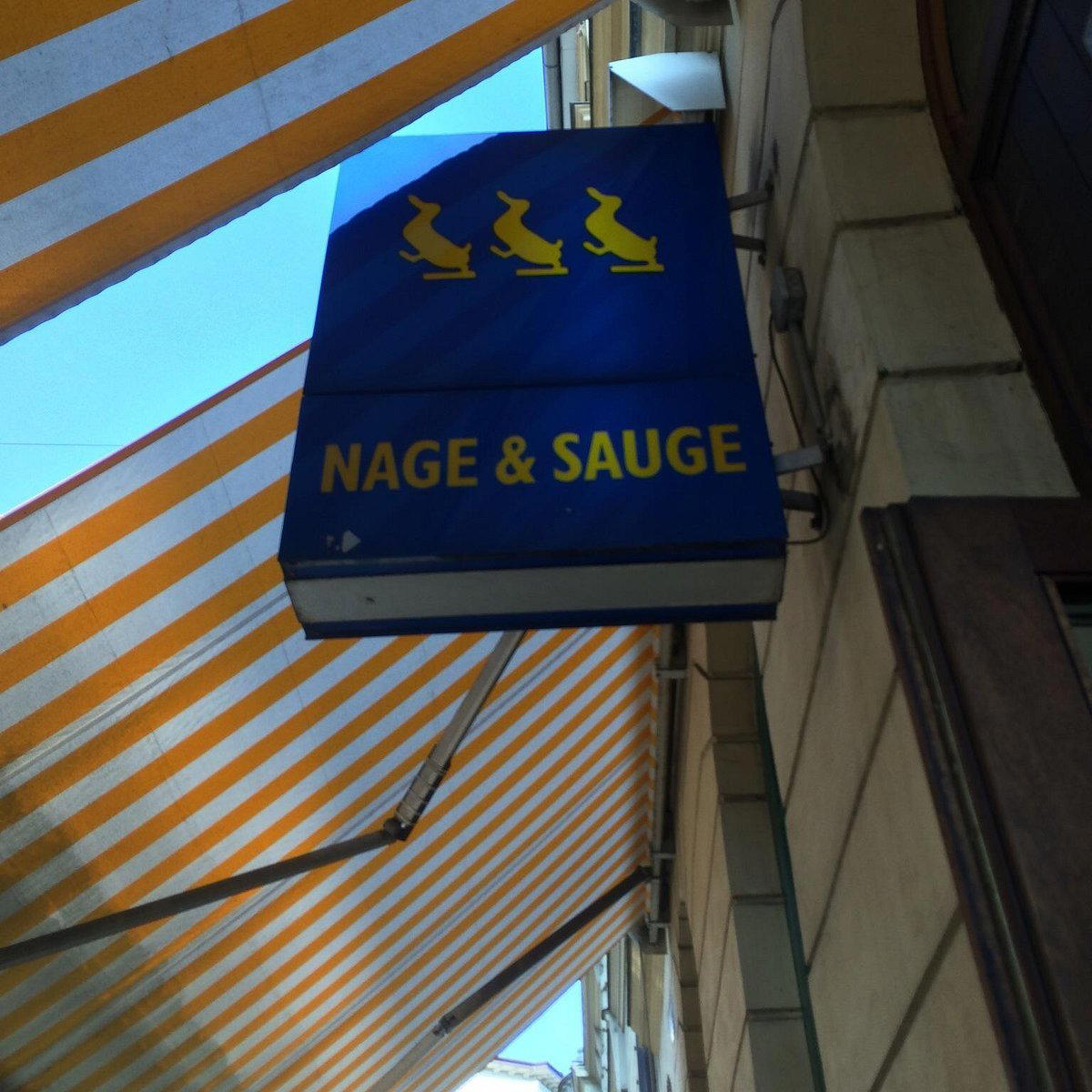
Where Haidhausen Meets the French Kitchen
Munich's dining geography has a logic to it. Munich's dining geography has a logic to it. The city's most notable rooms tend to cluster in the western and central precincts, Tantris in Schwabing, Atelier in the Bayerischer Hof, Alois at Dallmayr in the Altstadt. The east bank of the Isar tells a different story: Haidhausen and its immediate surrounds have long sustained a more neighbourhood-scaled version of serious eating, where the rooms are smaller and the culinary conversation is quieter but no less precise. Mariannenstraße 2 sits in that zone, and Nage & Sauge belongs to the tradition of the Franco-German table that has shaped Munich's fine dining identity for decades.
The name carries meaning. Nage is the classical French aromatic poaching liquor, typically built from white wine, vegetables, and herbs, that defines a precise, technique-led approach to cooking. Sauge is sage, a herb that crosses the Franco-Bavarian border with ease and turns up in the kitchens of both regions. Together, the two words telegraph a restaurant that takes French culinary grammar seriously while acknowledging where it is geographically. That dual register, classical rigour, regional awareness, is the organising idea behind how serious German restaurants have positioned themselves for the past generation, from Schwarzwaldstube in Baiersbronn to Vendôme in Bergisch Gladbach.
What the Menu Architecture Reveals
A restaurant's menu structure is among the more honest things about it. The decision to offer a single tasting format or a range of à la carte choices, to anchor the menu in sauces or in proteins, to name dishes by their primary ingredient or by their preparation technique, all of these choices expose the kitchen's underlying priorities before a single plate arrives.
The name Nage & Sauge prioritises process over product. This is a kitchen that leads with technique: the nage is not an ingredient, it is a method, a reduction, a form of concentrated flavour-building. Restaurants that name themselves after sauce-making traditions are making a statement about where they believe value is created in cooking. It is a different claim than naming yourself after a prized ingredient or a sourcing region. At tables like Le Bernardin in New York, the menu has long been structured around sauce work rather than protein provenance, and that approach has defined the restaurant's identity far more durably than any single ingredient sourcing story could.
In the German fine dining context, the Franco-classical sauce tradition has been the dominant technical inheritance. The three-star rooms at Aqua in Wolfsburg and Victor's Fine Dining in Perl both work within that inheritance, whatever their surface-level stylistic differences. Nage & Sauge, from its address in Haidhausen, appears to operate in the same current, a kitchen where the sauce is the signature, not the afterthought.
This contrasts with the cross-cultural menu architectures gaining traction elsewhere in Munich. Tohru in der Schreiberei builds its menu around a German-Japanese dialogue, and JAN draws on a wider creative framework. Nage & Sauge's vocabulary is narrower and older, which in this case appears to be a considered position rather than a limitation.
The Haidhausen Setting
Approaching Mariannenstraße from the Isar, the neighbourhood reads as residential first, with the kind of unhurried pace that does not naturally suggest destination dining. That contrast, serious cooking in an unassuming setting, is itself part of the proposition. Some of the more consequential German tables operate precisely this way: ES:SENZ in Grassau and Schanz in Piesport both exist in locations that require the guest to seek them out, and that friction becomes a filtering mechanism for who ends up in the room.
Within Munich, the more accessible east-bank addresses have supported kitchens that rely on neighbourhood loyalty as well as destination traffic. The dynamic differs from the hotel dining rooms and landmark addresses in the city centre, where a significant proportion of covers are first-time visitors. A Haidhausen room earns its regulars differently, and that affects both menu evolution and the tone of service over time.
Placing Nage & Sauge in the Munich Scene
Munich's upper-tier restaurant map has become more internationally referenced over the past decade. Guides and platforms that once concentrated their German coverage on Düsseldorf, Hamburg, and Frankfurt now give the Bavarian capital a sustained look. rooms like Haerlin in Hamburg or Waldhotel Sonnora in Dreis serve as reference points for what sustained classical excellence looks like at the German fine dining tier.
Within that context, a restaurant built around the Franco-classical sauce tradition occupies a specific and coherent position. It is not chasing the cross-cultural tasting menu format that has proliferated across the city's newer openings, nor is it the casual-modern bistro format that has absorbed much of the mid-market appetite. It sits in the space between: technically demanding, classically anchored, neighbourhood-scaled. The comparison set includes not just Munich peers but rooms like Bagatelle in Trier, where French classical vocabulary is applied with German thoroughness in a setting that does not announce itself loudly.
Nage & Sauge represents one coherent strand of that picture: the Franco-German kitchen that has been Munich's most durable fine dining identity, expressed at neighbourhood scale.
CODA Dessert Dining in Berlin demonstrates how radically different a menu's organising logic can be, and how much that difference shapes the entire experience. And for Korean tasting menu precision as a point of international comparison, Atomix in New York shows the full range of what technique-led menu architecture can achieve across different culinary traditions.
Know Before You Go
Address: Mariannenstraße 2, 80538 München, Germany
Neighbourhood: Haidhausen, east bank of the Isar
Reservations: Walk-ins are welcome and the restaurant is casual
Hours: Mon: 5:15–11 PM; Tue: 5:15 PM–12 AM; Wed: 5:15 PM–12 AM; Thu: 5:15 PM–12:30 AM; Fri: 5:15 PM–1 AM; Sat: 5:15 PM–1 AM; Sun: Closed
Getting There: Mariannenstraße 2, 80538 München, Germany
In Context: Similar Options
Comparable venues nearby, for context on price, style, and recognition.
| Venue | Cuisine | Price | Notes |
|---|---|---|---|
| Nage & SaugeThis venue — the venue you are viewing | International Salads and Pasta | $$ | Not listed |
| Cotidiano Promenadeplatz | Modern International All-Day Cafe | $$ | Isarvorstadt |
| Atzinger Wirtshaus | Traditional Bavarian Gastropub | $$ | Schwabing |
| Madame DO | Vietnamese Street Food | $$ | Schwabing |
| Blue Nile One | Authentic Ethiopian | $$ | Schwabing |
| Shandiz | Persian Grill | $$ | Neuhausen |
At a Glance
- Cozy
- Trendy
- Lively
- Casual Hangout
- Date Night
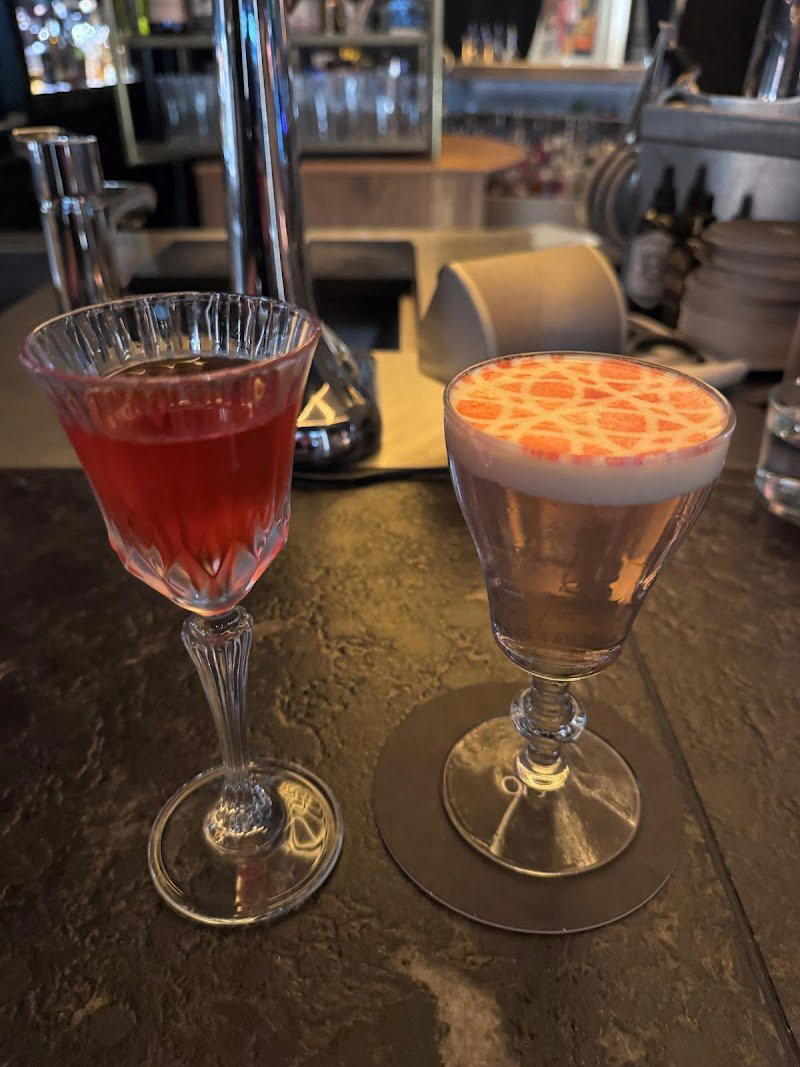
- Craft Cocktails
Current opening hours
- Monday
- 5:15–11 PM
- Tuesday
- 5:15 PM–12 AM
- Wednesday
- 5:15 PM–12 AM
- Thursday
- 5:15 PM–12:30 AM
- Friday
- 5:15 PM–1 AM
- Saturday
- 5:15 PM–1 AM
- Sunday
- Closed
Hours can change for holidays and private events. Last verified .
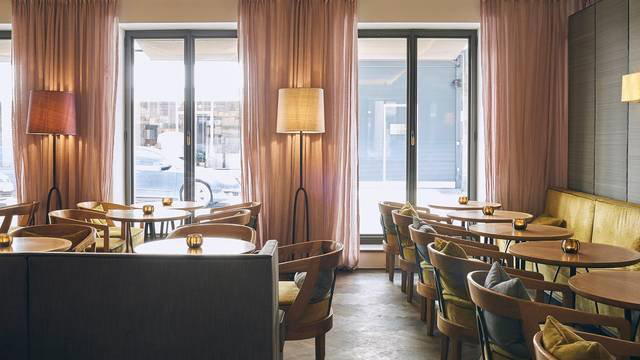
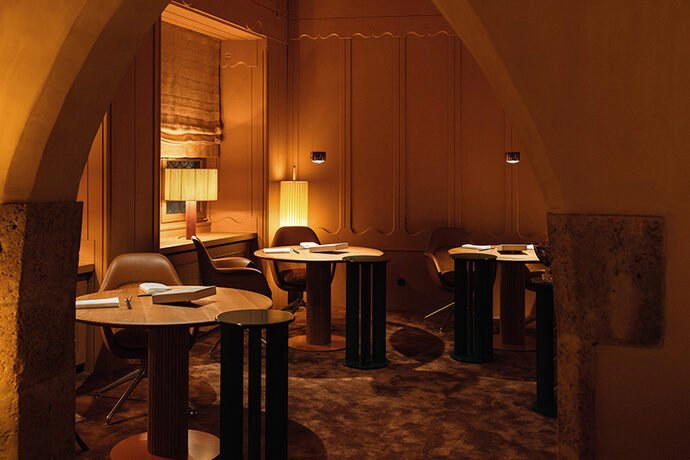
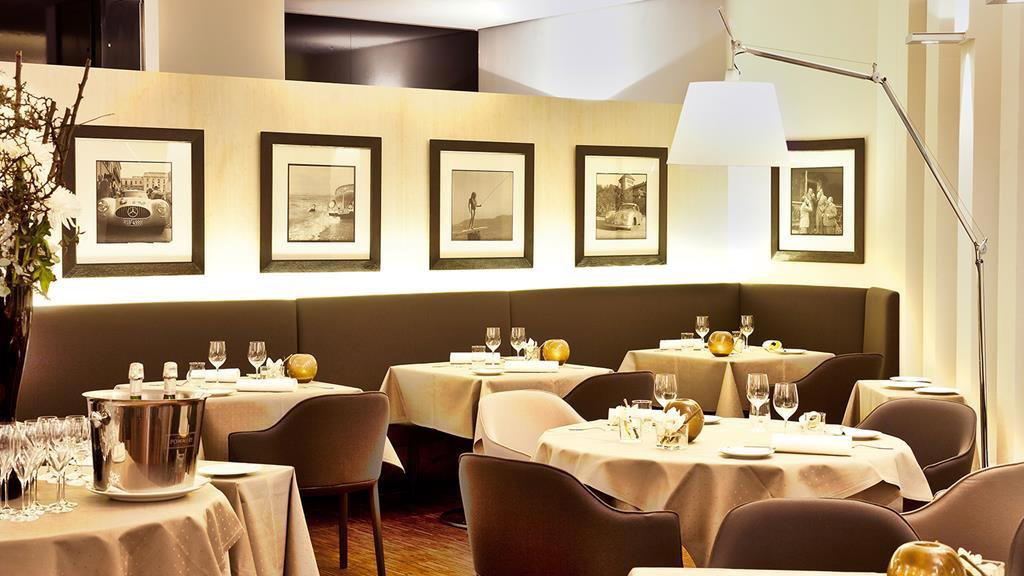
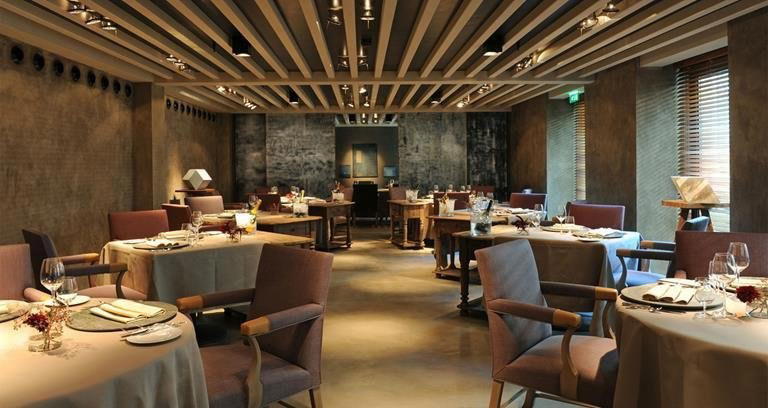
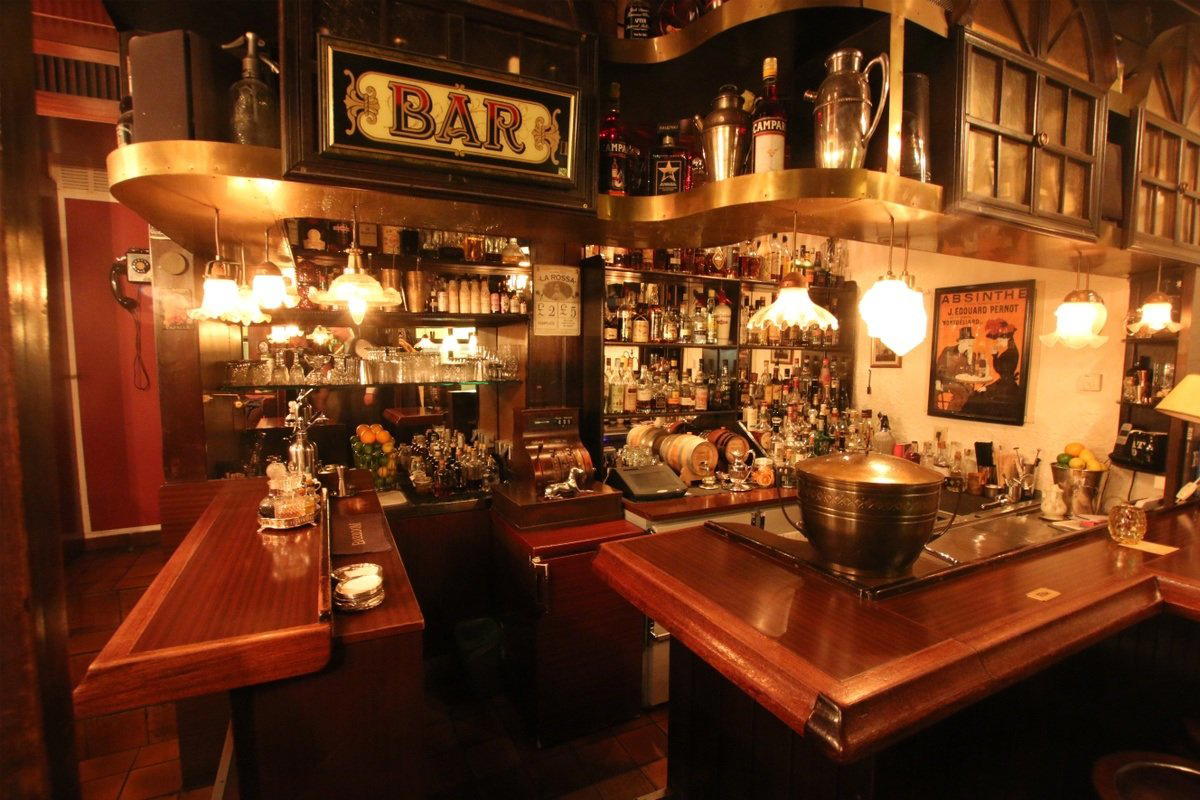
Dimly lit tavern with traditional wood seating, deliberate shabby look, and comfortable, laid-back atmosphere.