On Amalienstraße in Munich's Maxvorstadt district, Madame DO occupies a quietly purposeful position in the city's dining conversation. The address places it within reach of the university quarter's more considered restaurants, where atmosphere and progression matter as much as the food itself. For those tracking where Munich's mid-to-upper dining tier is moving, this is a useful reference point.
Pearl is the En Primeur Club membership app — saves, bookings, and concierge access live there. Same editors, same standards.
- Address
- Amalienstraße 53, 80799 München, Germany
- Phone
- +498941116194
- Website
- madamedo.de
- Directions
- Get directions
 Saves & bookings on Pearl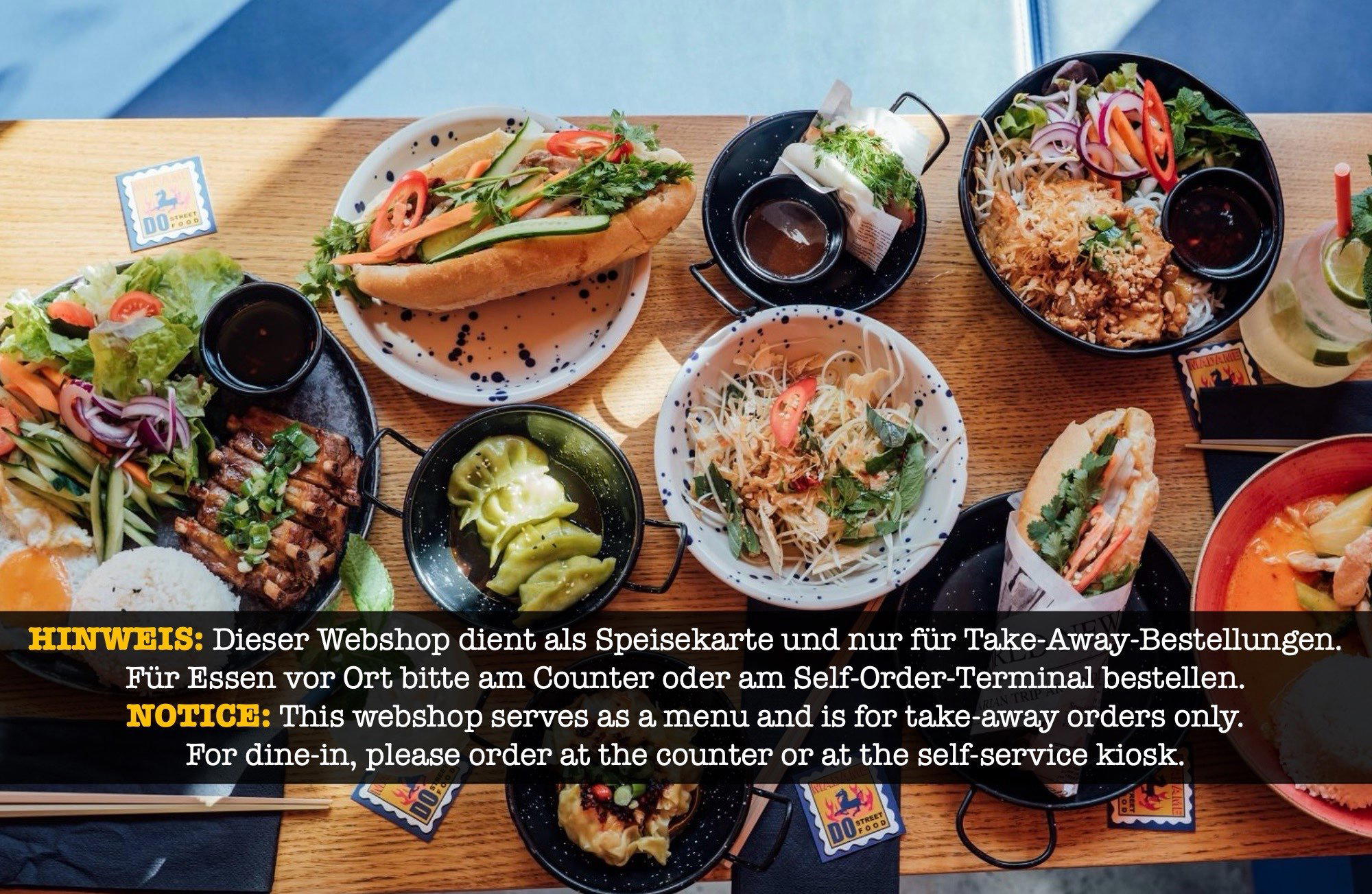
Maxvorstadt and the Shifting Register of Munich Dining
Amalienstraße runs through the heart of Maxvorstadt, Munich's university and museum quarter, where the dining scene has historically operated at a different frequency than the polish of Innenstadt or the see-and-be-seen energy further south. The streets here attract a more considered crowd: academics, gallery-goers, and residents who treat the neighbourhood's restaurants as extensions of their intellectual lives rather than stages for occasion dining. It is into this context that Madame DO sits at Amalienstraße 53, a Schwabing-adjacent address that carries particular weight in a city where postcode still functions as a shorthand for intent.
Munich's upper-mid dining tier has grown considerably more sophisticated over the past decade. The city's Michelin-starred corridor, anchored by addresses like Tantris and Atelier, has pushed ambition upward across all price points, and restaurants operating just below that formal fine-dining ceiling now frequently match starred peers on technique and sourcing discipline. Alois - Dallmayr Fine Dining and Tohru in der Schreiberei represent how seriously Munich now takes the space between casual and ceremonial. Madame DO belongs to that broader movement: restaurants where the sequencing of a meal, rather than its price point alone, defines the experience.
The Architecture of a Meal at Madame DO
In cities where tasting menus have become the default grammar of serious restaurants, there is growing interest in how individual courses build on each other rather than simply accumulating. Compelling dining rooms in Germany right now are those that treat progression as a compositional problem, not a logistical one. Addresses like JAN in Munich and CODA Dessert Dining in Berlin have each, in different ways, made the arc of a meal the thing itself, not merely the vehicle for individual dishes.
This editorial framing matters for understanding where the restaurant positions itself. The name alone suggests a certain femininity and formality, a proprietorial intimacy that European dining rooms of a particular register have long used to soften what might otherwise read as ceremony. That tonal choice shapes the experience before a guest sits down: the expectation is of a meal that moves with intelligence and care rather than technical display alone.
Across Germany, the restaurants that have attracted sustained attention in recent years share a commitment to this kind of sequential thinking. Aqua in Wolfsburg, Vendôme in Bergisch Gladbach, and Schanz in Piesport each demonstrate how the rhythm of service, the pacing of flavour intensity, and the logic connecting early and late courses can function as a form of authorship. Whether a restaurant operates with one Michelin star or three, the same compositional discipline applies. The question for any Munich dining room occupying the restaurant's postcode and register is how seriously it takes that structural challenge.
Maxvorstadt as Context, Not Just Address
The significance of Amalienstraße 53 extends beyond its specific block. Maxvorstadt is bounded by the Englischer Garten to the east and the Pinakothek museums to the west, giving it a cultural density unusual even for a city as culturally serious as Munich. Restaurants here compete not just with each other but with the intellectual context their guests arrive carrying. A dinner in this neighbourhood follows an afternoon at the Haus der Kunst or an evening lecture at the Ludwig Maximilian University; the meal is expected to hold its own in that company.
This is different from the dynamic at Munich's most formal fine-dining addresses, where the restaurant is the destination in itself. In Maxvorstadt, a restaurant earns its reputation by becoming part of the neighbourhood's rhythm rather than by extracting guests from it. Successful dining rooms here tend toward assured rather than showy, toward depth over spectacle. That register is increasingly common at the sharper end of German regional dining: consider how Waldhotel Sonnora in Dreis or ES:SENZ in Grassau have built reputations on consistency and setting rather than headline-grabbing spectacle.
Where Madame DO Sits in the Broader German Fine Dining Conversation
Germany's restaurant scene has spent the better part of two decades correcting an international perception problem. The country's leading tables, from Victor's Fine Dining by Christian Bau in Perl to Schwarzwaldstube in Baiersbronn, now draw international guests who previously might have routed entirely through Paris, Copenhagen, or San Sebastián. Munich has benefited from this shift, with its density of Michelin recognition making it one of the more productive German cities for serious dining itineraries.
Within that context, restaurants operating below the formal starred tier carry a different burden of proof. They must demonstrate value through specificity: a distinctive voice in the kitchen, a room that earns its prices, a service cadence that reads as intentional rather than merely efficient. The comparison set for the restaurant includes not just Munich neighbours but the broader category of European restaurants that have built loyalty through quality-to-register rather than award accumulation. In New York, that dynamic is well understood at places like Atomix, where the experience is so precisely calibrated that formal certification feels beside the point. Le Bernardin represents the other end of that equation, where sustained award recognition validates what the room already communicates. Munich addresses like Restaurant Haerlin in Hamburg and Bagatelle in Trier occupy analogous positions in their respective cities.
Planning a Visit
The restaurant is located at Amalienstraße 53, 80799 München, in the Maxvorstadt district. The address is walkable from multiple U-Bahn stops, with Universität station on the U3/U6 lines placing guests a short walk from the door. Maxvorstadt's restaurant density means that a dinner here fits naturally into a broader evening in the neighbourhood, whether that begins at the Pinakotheken or along Türkenstraße. As with most Munich dining rooms operating in this register, advance planning is advisable, particularly on weekends and during the city's major cultural programming periods.
Recognition, Side-by-Side
Comparable venues nearby, for context on price, style, and recognition.
| Venue | Cuisine | Price | Notes |
|---|---|---|---|
| Madame DOThis venue — the venue you are viewing | Vietnamese Street Food | $$ | Not listed |
| Annam Grill | Authentic Vietnamese | $$ | Theresienwiese |
| MIVU | Vietnamese, Thai & Lao Fusion | $$ | Schwabing |
| Soy München | Vegan Vietnamese | $$ | Neuhausen |
| Nam Giao 31 | Authentic Vietnamese | $$ | Ludwigsvorstadt |
| An An Vietnamese Cuisine | Vietnamese Fine Cuisine | $$ | Neuhausen |
At a Glance
- Trendy
- Lively
- Casual Hangout
- Late Night
- Standalone
Current opening hours
- Monday
- 11:30 AM–2:30 PM, 5–10 PM
- Tuesday
- 11:30 AM–2:30 PM, 5–10 PM
- Wednesday
- 11:30 AM–2:30 PM, 5–10 PM
- Thursday
- 11:30 AM–2:30 PM, 5–10 PM
- Friday
- 11:30 AM–2:30 PM, 5–10:30 PM
- Saturday
- 11:30 AM–2:30 PM, 5–10:30 PM
- Sunday
- 11:30 AM–2:30 PM, 5–10 PM
Hours can change for holidays and private events. Last verified .
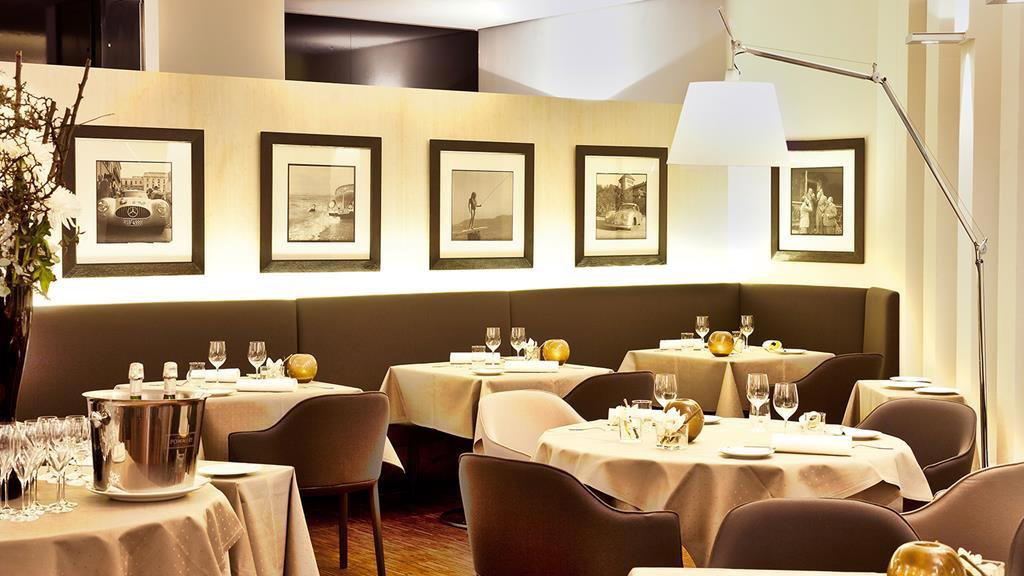
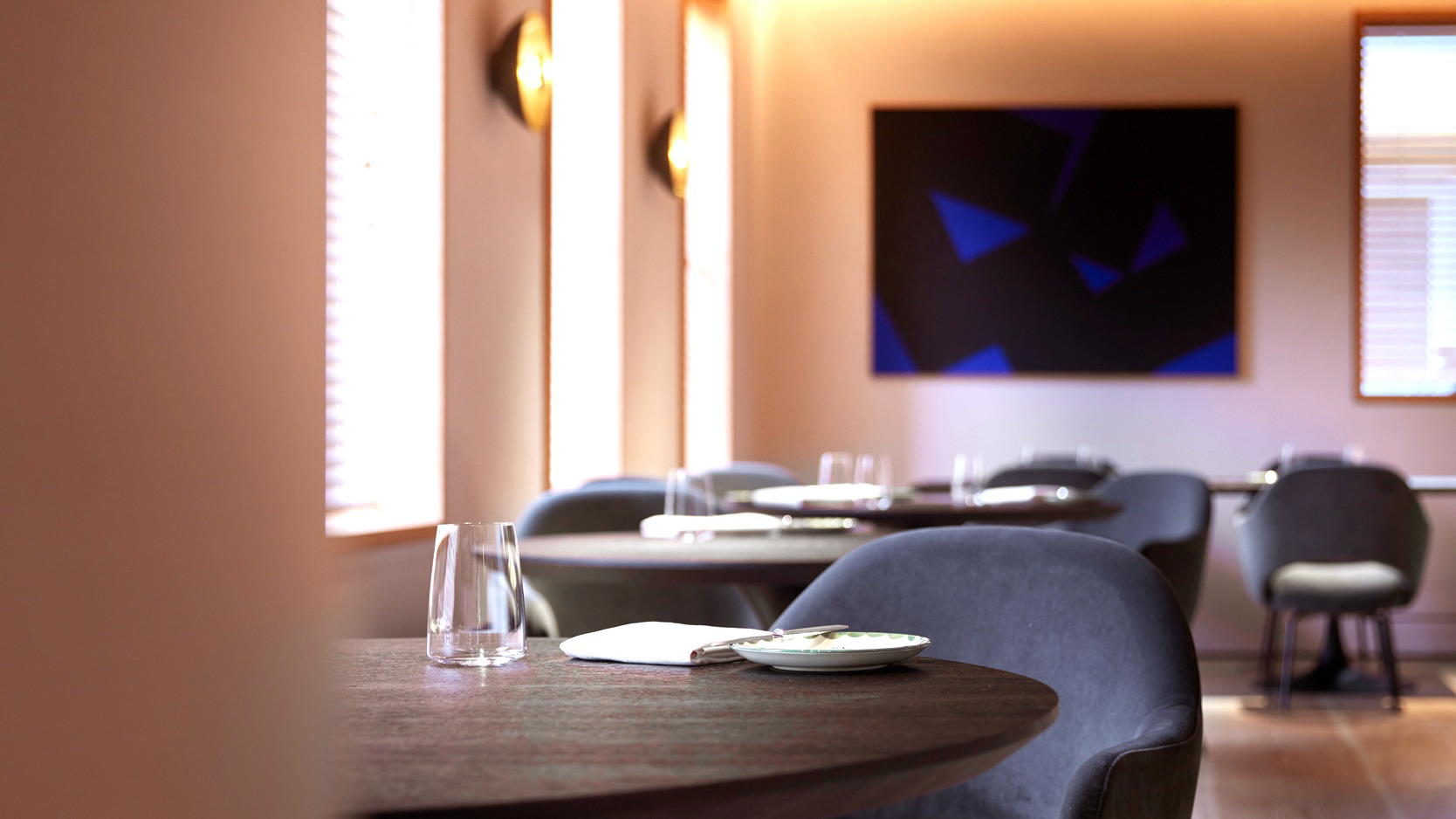
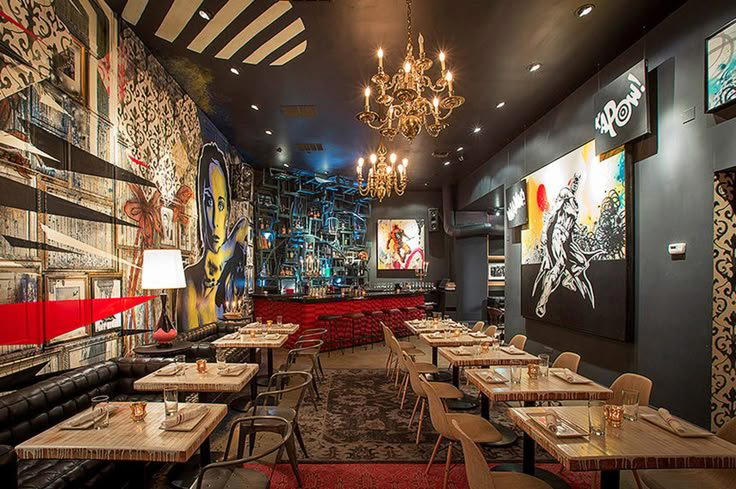
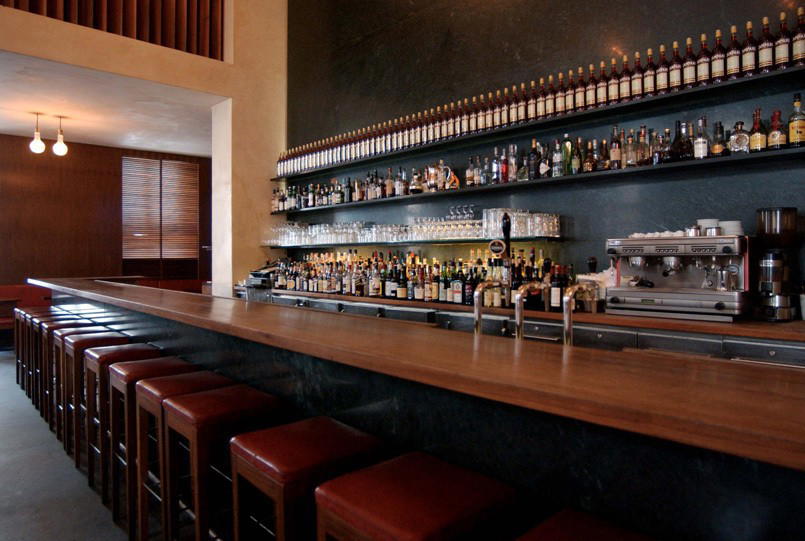
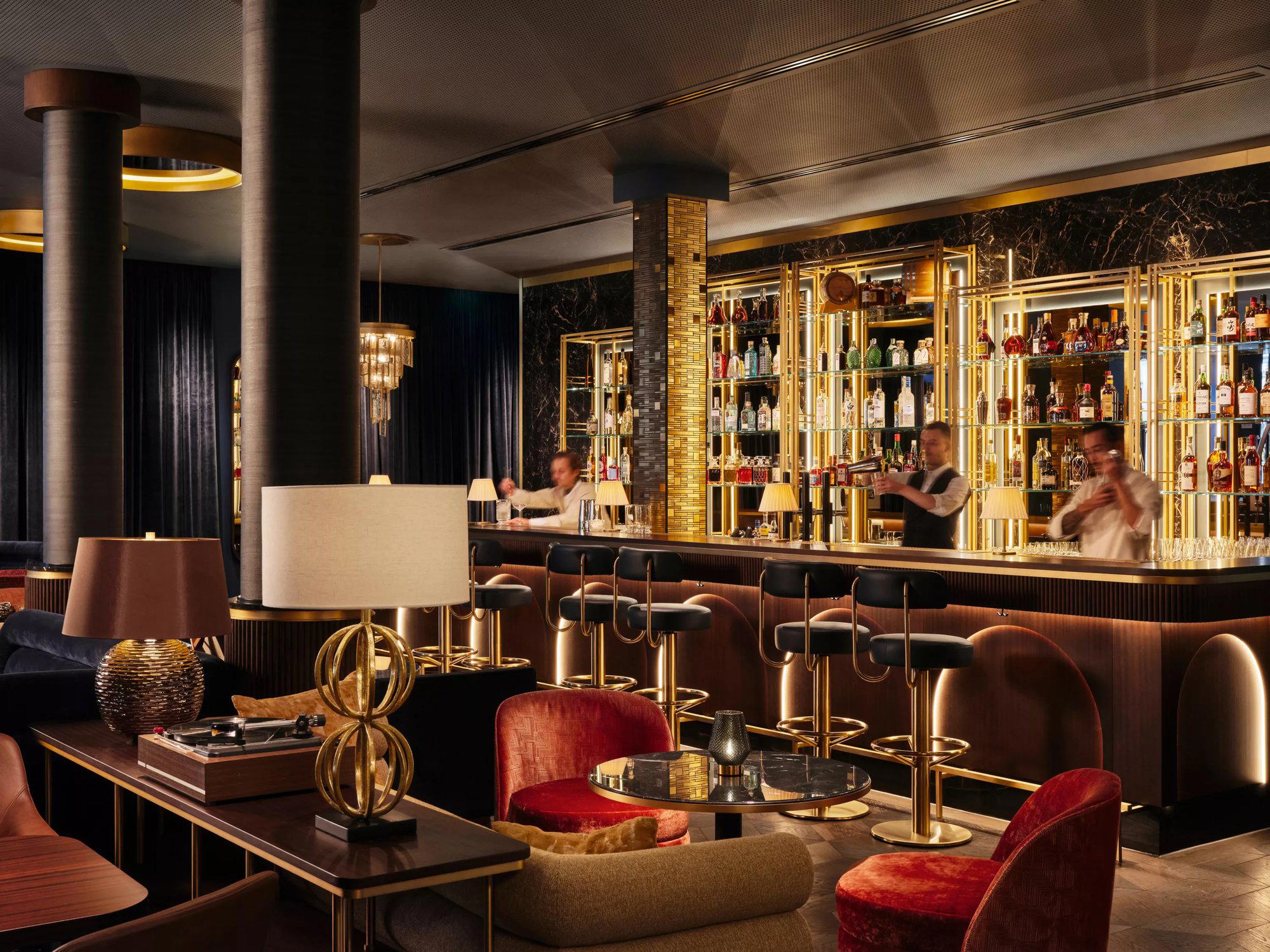
Casual and lively atmosphere evoking bustling Vietnamese street food scenes.