
Tabelog 100 #78
Our verdict
nacol places contemporary Italian cooking in Asakusa’s smaller, reservation-led dining tier, with an eight-seat counter, wine focus, and a 2025 Tabelog 100 Italian Tokyo selection. The draw is ingredient direction rather than spectacle: fish-led cooking, prosciutto, seasonal produce, and a compact format that reads closer to a Tokyo counter restaurant than a large trattoria.

Pearl is the En Primeur Club membership app, where members save venues, book tables and use the concierge.
The menu
What to order
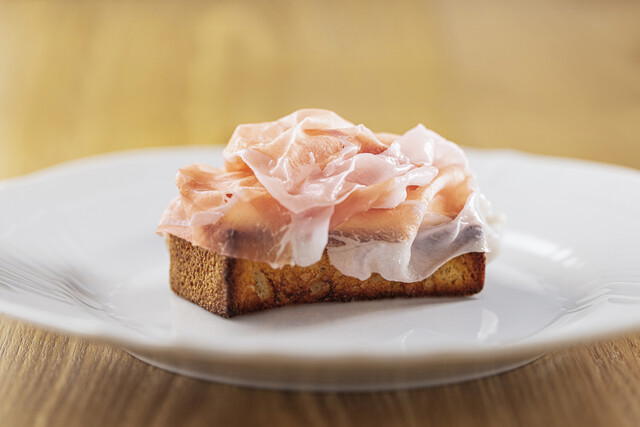
- Melt-in-your-mouth prosciutto
- Prosciutto-based soup
- Fresh pasta
Tokyo changes texture after the daytime rush thins: shutters come down, backstreets quieten, and the city’s serious dinner rooms reveal themselves without the daytime theatre. nacol belongs to that later rhythm. The venue sits in Tokyo, and its public profile puts it in a category that the city understands well: a premium restaurant listing, an Italian classification, and enough external recognition to make it relevant for a planned meal.
Tokyo’s Italian scene has never been a simple import culture. At the ambitious end, pasta and wine are only part of the grammar; the sharper distinction is how a kitchen translates local expectations into Italian structure without turning dinner into shorthand. nacol’s public signals point clearly toward a more considered bracket. It is categorized as Italian and selected for Tabelog 100 Italian Tokyo 2025 with a 4.07 score. That combination places it in a narrower field than the city’s casual pizza-pasta market: a Tokyo restaurant where the category, budget, and recognition do much of the positioning.
Italian restraint in a Tokyo dining context
The category angle matters because Tokyo’s high-end Italian cooking often competes less on abundance than on precision. Seasonal produce and careful sourcing, in particular, are areas where the city has an advantage over many dining capitals: supply chains are fast, seasonality is closely watched, and customers are trained by sushi, tempura, and kappo traditions to notice temperature, cut, and timing. An Italian kitchen operating in Tokyo is entering a demanding conversation, not borrowing an easy luxury cue.
Italian restraint adds a different axis. In Italy, familiar ingredients can be regional markers, tied to curing, fat, salt, freshness, and service; in Tokyo they often become tests of procurement, timing, and temperature. nacol’s position within the Italian category suggests a restaurant best understood through its overall format rather than through a single advertised plate. That is the stronger reason to pay attention here. The appeal sits at the intersection of Italian reference points and Japanese market logic, where the question is not whether a dish is orthodox, but whether the restaurant’s category and recognition align with the occasion.
The restaurant also separates itself from the broadest Tokyo dining mix. The city is full of casual meals, old-line Western-style rooms, noodles, cafés, and post-sightseeing stops, but a recognized Italian restaurant in Tokyo asks for a different kind of attention. That makes the location useful editorially: it shows how Tokyo’s serious dining is not confined to a single luxury corridor, and how purposeful formats can operate with focus across the city.
A premium listing changes the expectations
Price is not a decorative detail in Tokyo. It changes the expectations around planning, pacing, and the guest’s own approach to the evening. A restaurant in this band should not be treated like a flexible everyday stop; arrivals, cancellations, party size, and dietary requests all deserve more care. For a venue like nacol, the point is not spectacle but clarity: the public listing gives readers a defined budget, an Italian category, and a recognized place in the city’s dining map.
That positioning also helps explain the price band. At JPY 15,000 to JPY 19,999 for lunch and dinner, nacol sits well above everyday Tokyo dining but below the city’s most extravagant trophy tasting-menu tier. The more relevant comparison is not a quick casual meal nearby; it is the Tokyo middle-high category where the premium is paid for a more deliberate restaurant choice. For readers mapping the city, Grill Sakura and grill GRAND represent older Western-style comfort traditions at a different kind of table, while Miyakodori:Tokyo Geisha Entertainment and Restaurant points toward cultural dining rather than ingredient-led Italian. nacol occupies another lane entirely.
The practical signals should be read in that context. This is not a nostalgic catch-all address but a modern Tokyo dining choice whose value rests on the Italian category, the listed budget, and the external validation of the 2025 Tabelog 100 Italian Tokyo selection. Its 4.07 score gives readers a useful public benchmark, while the price range keeps expectations grounded: premium, but not positioned as the very top of Tokyo’s luxury market.
How to place it in a Tokyo itinerary
The smarter use of nacol is as a Tokyo dinner anchor, not a casual add-on after an overfilled day. The city rewards slower pacing: museums, shopping streets, coffee stops, riverside walks, and quieter neighbourhood wandering can all make sense before a planned evening meal. The broader point is simple: this is a restaurant to plan around, not a place to treat as an afterthought.
Tokyo diners choosing between categories should be precise about what they want. Other dining rooms in the city may point toward more explicitly Japanese formats, casual-day planning, or different versions of counter culture. nacol belongs in the Italian conversation, with the useful distinction that it has a 2025 Tabelog 100 Italian Tokyo selection and a published score of 4.07. For the wider city edit, use Our full Tokyo restaurants guide, with adjacent planning through Our full Tokyo hotels guide, Our full Tokyo bars guide, Our full Tokyo wineries guide, and Our full Tokyo experiences guide.
Outside Tokyo, the contrast becomes clearer without needing named comparisons. Ingredient identity, format, and city context can pull Japanese dining in many directions, from casual cafés to regional cooking and destination bars. nacol’s case is narrower and more Tokyo-specific: an Italian-category restaurant in Tokyo, priced at JPY 15,000 to JPY 19,999 for lunch and dinner, and validated by a 2025 Italian-category selection rather than by tourist visibility.
Cuisine and Awards Snapshot
Nearby venues at a similar price tier for orientation.
| Venue | Cuisine | Price | Awards | Notes |
|---|---|---|---|---|
| nacolThis venue (the venue you are viewing) | Prosciutto-Focused Italian | $100–150 | Tabelog 100 #78 | Not listed |
| タヴェルナマルコポーロ | Italian Trattoria | $50–100 | Not listed | Chūō |
| トラットリア ブカ・マッシモ | Italian Trattoria | $50–100 | Michelin Bib Gourmand | Kōtō |
| Fakalo pizza gallery | Neapolitan-style Pizza & Seasonal Course Menu | $50–100 | Tabelog 100 #56 | Taitō |
| エリオ・ロカンダ・イタリアーナ | Authentic Southern Italian Trattoria | $50–100 | Tabelog 100 #86 | Chiyoda |
| バンデルオーラ | Sicilian Italian Trattoria | $50–100 | Not listed | Shibuya |
Recognition history
Dated appearances from independent guides and award organizations, with the underlying list record or original source where available.
Tabelog 100 #78 · No. 78
Tabelog · Tabelog 100 - Italian - TOKYO - 2025
Continue exploring
More in Tokyo
Restaurants in Tokyo
All restaurants in Tokyo →







Details
- Intimate
- Sophisticated
- Quiet
- Modern
- Special Occasion
- Celebration
- Date Night
- Private Event
- Standalone
- Extensive Wine List
- Sommelier Led
- Byob
- Local Sourcing
- Set Menu
- Wine
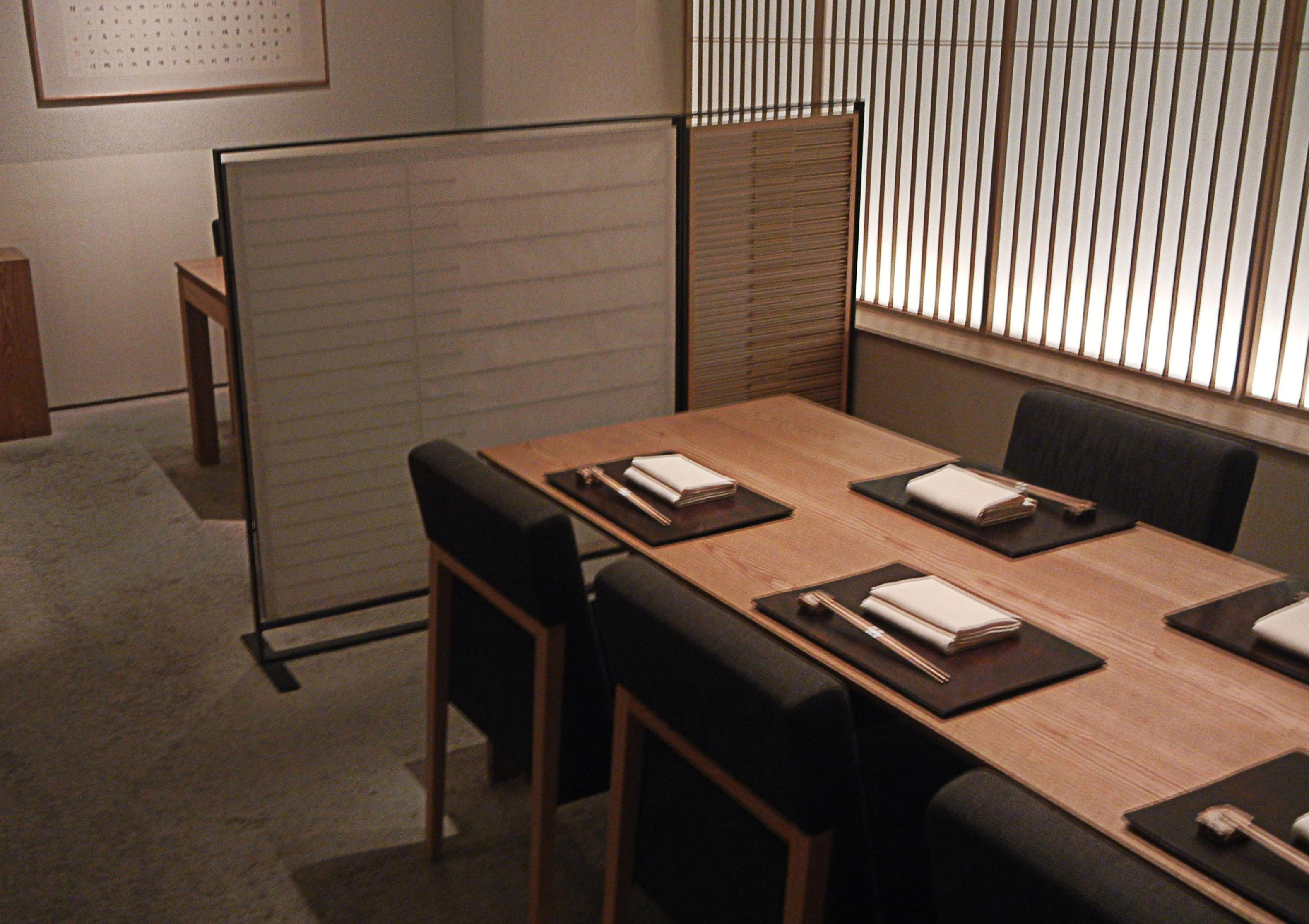
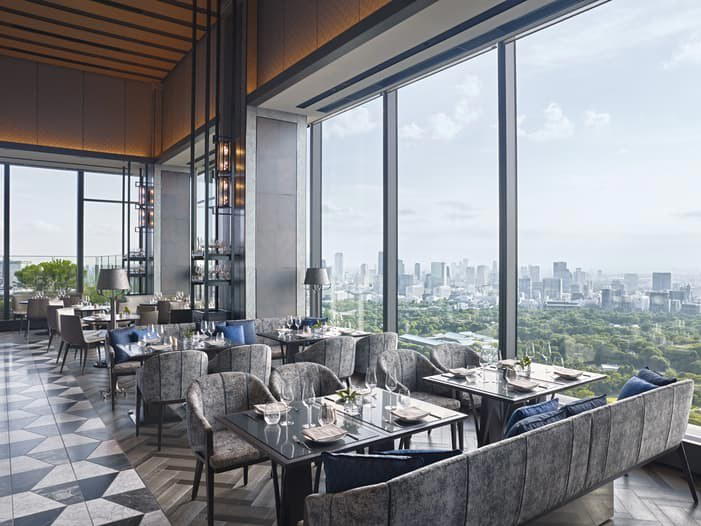
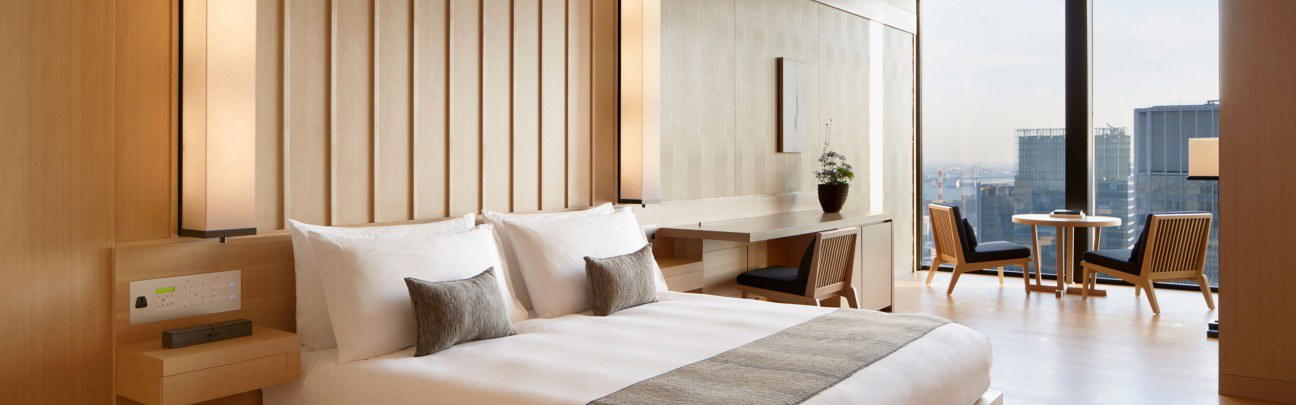
A quiet, hidden-backstreet dining room with a stylish, relaxed feel and an intimate large-table setup.