
Na Oh brings Korean contemporary cooking to an unlikely address inside Singapore's Hyundai Motor Group Innovation Centre, holding a Michelin Plate recognition in 2025. Priced at the accessible end of the city's fine dining spectrum, it applies Korean fermentation and pairing logic to a dining room context that rewards curiosity about how soju culture translates beyond Seoul. Rated 4.6 on Google from 148 reviews.
Pearl is the En Primeur Club membership app — saves, bookings, and concierge access live there. Same editors, same standards.
- Address
- 2 Bulim Ave HMGICS, Level 3, Singapore 649674
- Phone
- +65 6263 1548
- Website
- hyundai.com
- Directions
- Get directions
 Saves & bookings on Pearl
Korean Fermentation at the Edge of the City
Singapore's fine dining map has long been weighted toward French and European kitchens. The Michelin list reflects that tilt: Odette, Les Amis, and Zén anchor the upper tier, with a concentration of tasting-menu kitchens that speak a broadly European technical language. Korean contemporary sits at a different coordinate on that map, closer to fermentation tradition, to the pairing logic of makgeolli and soju, and to a philosophy of seasoning that runs through doenjang and ganjang rather than butter and reduction. It is not in the city centre. That matters, and it also tells you something about the type of restaurant this is.
What the Address Signals
Bulim Avenue is in the Jurong Innovation District, west of the city core, a research and manufacturing precinct, not a restaurant neighbourhood. For Na Oh, the location inside a Hyundai-operated innovation campus places it in a lineage of corporate-affiliated fine dining with genuine culinary ambition, a category that has produced particularly interesting rooms in Asia. The trade-off is access: getting here requires a deliberate trip rather than a casual detour between drinks. That self-selection filters the dining room toward guests who have specifically chosen Korean contemporary over the accumulated pressure of Singapore's more central options. The result, in rooms like this, tends to be an audience that engages more directly with what the kitchen is actually doing.
Soju, Makgeolli, and the Pairing Tradition Behind the Menu
Korean drinking culture has a structural logic that shapes how food is built around it. Soju, clear, grain-distilled, typically around 16 to 25 percent ABV, is designed to cut through fat and amplify savory seasoning, which is why it pairs with grilled meat, fermented banchan, and dishes carrying the deep umami of aged doenjang. Makgeolli, the unfiltered rice wine with its milky opacity and mild acidity, works differently: its slight effervescence and gentle sweetness complement lighter fermented vegetables and seafood preparations. Any Korean contemporary kitchen operating at a serious level will have thought about this pairing logic and either honored it or deliberately subverted it. The contemporary-cuisine framing at Na Oh, applied to a cuisine that already contains one of the world's most developed fermentation cultures, sets up the interesting question of how much of that traditional pairing architecture the kitchen preserves, and how much it reconstructs for a broader dining context.
Globally, the Korean contemporary format has produced particularly discussed restaurants of the past decade. In Singapore, Nae:um has established the category's upper register locally, with a tasting-menu approach that draws on Korean seasonal and regional reference. Na Oh operates in the same genre but at a more accessible price point ($$, against Nae:um's higher positioning), which suggests a different set of choices about format and portion architecture. In other cities, the Korean contemporary category spans a wide range: Restaurant Ki in Los Angeles, ANJU in Saint-Gilles, Baroo in Los Angeles, NaNum in Berlin, and Sogonggan and LAB XXIV by Kumuda in Busan each demonstrate how differently the format can be interpreted depending on which elements of Korean culinary tradition the kitchen decides to foreground. GiwaKang in Seoul sits at the tradition-forward end of that spectrum.
Price Tier and Competitive Context
At the $$ price range, Na Oh sits in a different competitive tier from the $$$$-bracket rooms that dominate the Singapore Michelin list. A useful comparison matrix:
| Venue | Cuisine | Price Tier | Recognition |
|---|---|---|---|
| Na Oh | Korean Contemporary | $$ | Michelin Plate 2025 |
| Zén | European Contemporary | $$$$ | Michelin-listed |
| Jaan by Kirk Westaway | British Contemporary | $$$ | Michelin-listed |
| Summer Pavilion | Cantonese | $$ | Michelin-listed |
| Born | Creative/Innovative | $$$$ | Michelin-listed |
The Michelin Plate designation, awarded to restaurants the inspectors consider worth a visit, below star level, places Na Oh inside the Michelin universe without the booking pressure of starred rooms. At the $$ price point, it offers Michelin-recognized Korean contemporary cooking at a tier where few serious kitchens operate. Summer Pavilion is the closest structural parallel in the comparison set: Michelin-recognized, $$ pricing, and a cuisine tradition (Cantonese) with its own deep fermentation and pairing culture. The parallel is useful not because the cuisines resemble each other, but because both demonstrate that the Michelin framework in Singapore does not reserve recognition exclusively for high-spend European formats.
Korean Contemporary in Singapore's Broader Dining Scene
Singapore has absorbed and reinterpreted cuisines from across Asia for generations, but Korean fine dining arrived here later than Japanese or Chinese forms, and without the same depth of local reference point. The city's Korean restaurant scene has historically concentrated at the casual and mid-market level, barbecue houses, army stew canteens, fried chicken spots, with the contemporary fine dining format emerging only recently. That makes the Michelin Plate at Na Oh a marker of the category's maturation in the city, not just a recognition of a single kitchen. The trajectory follows what Japanese and Chinese contemporary formats went through earlier: an initial phase of casual familiarity, followed by a generation of kitchens applying serious culinary training to traditional reference material. For readers who follow Korean contemporary kitchens across multiple cities, Singapore's current moment is early but accelerating.
Planning Your Visit
Na Oh is at 2 Bulim Avenue, HMGICS Level 3, Singapore 649674. The Jurong Innovation District location is not walkable from central Singapore; plan for a taxi or ride-hail journey of 25 to 35 minutes from the Orchard or Marina Bay areas depending on traffic. Given the campus address, confirming opening hours and reservation availability directly before visiting is advisable. The $$ pricing positions a meal here below the SGD 200-plus per person threshold common at the city's starred rooms, making it one of the more financially accessible Michelin-recognized Korean options in Singapore. Dress code and exact booking method are not specified; the campus setting suggests a smart-casual approach is appropriate.
A Quick Peer Check
Comparable venues nearby, for context on price, style, and recognition.
| Venue | Cuisine | Price | Awards | Notes |
|---|---|---|---|---|
| Na OhThis venue — the venue you are viewing | Modern Contemporary Korean | $$$ | Michelin Plate | Not listed |
| San Shu Gong | Teochew Private Dining | $$$ | Michelin Plate | KAMPONG BUGIS |
| Ingleside | Modern European Grill | $$$ | Michelin Plate | CHINATOWN |
| No Signboard Seafood | Singaporean Seafood - White Pepper & Chili Crab | $$$ | Not listed | ALJUNIED |
| Béni | French-Japanese Fusion | $$$$ | Michelin Plate | SOMERSET |
| Magpie | Modern Borderless Fusion | $$$ | Michelin Plate | TIONG BAHRU |
Recognition history
Dated appearances from independent guides and award organizations, with the underlying list record or original source where available.
Michelin Guide Plate
Michelin Guide
Michelin Plate
Michelin
Continue exploring
More in Singapore
Restaurants in Singapore
Browse all →
Bars in Singapore
Browse all →
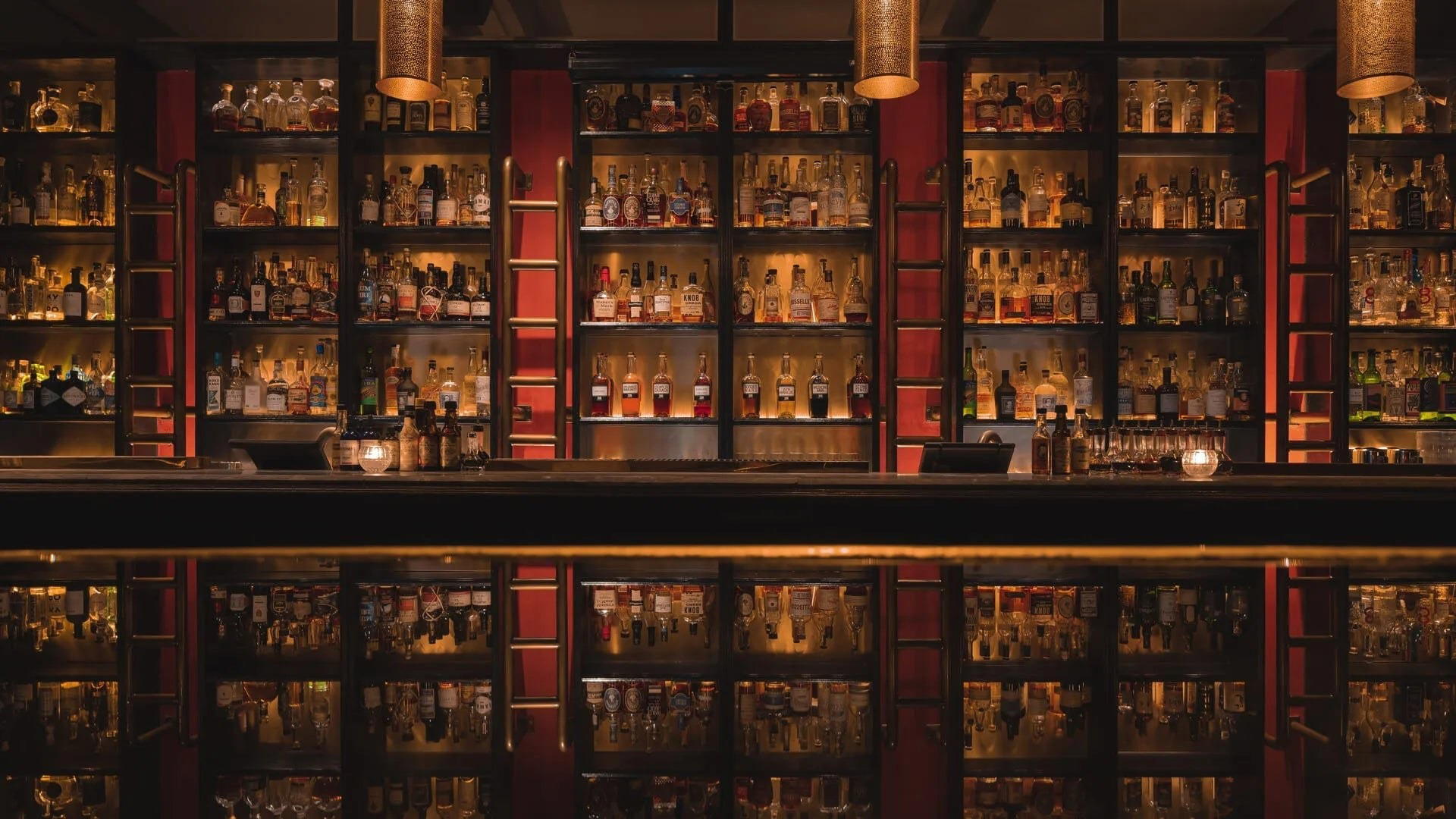
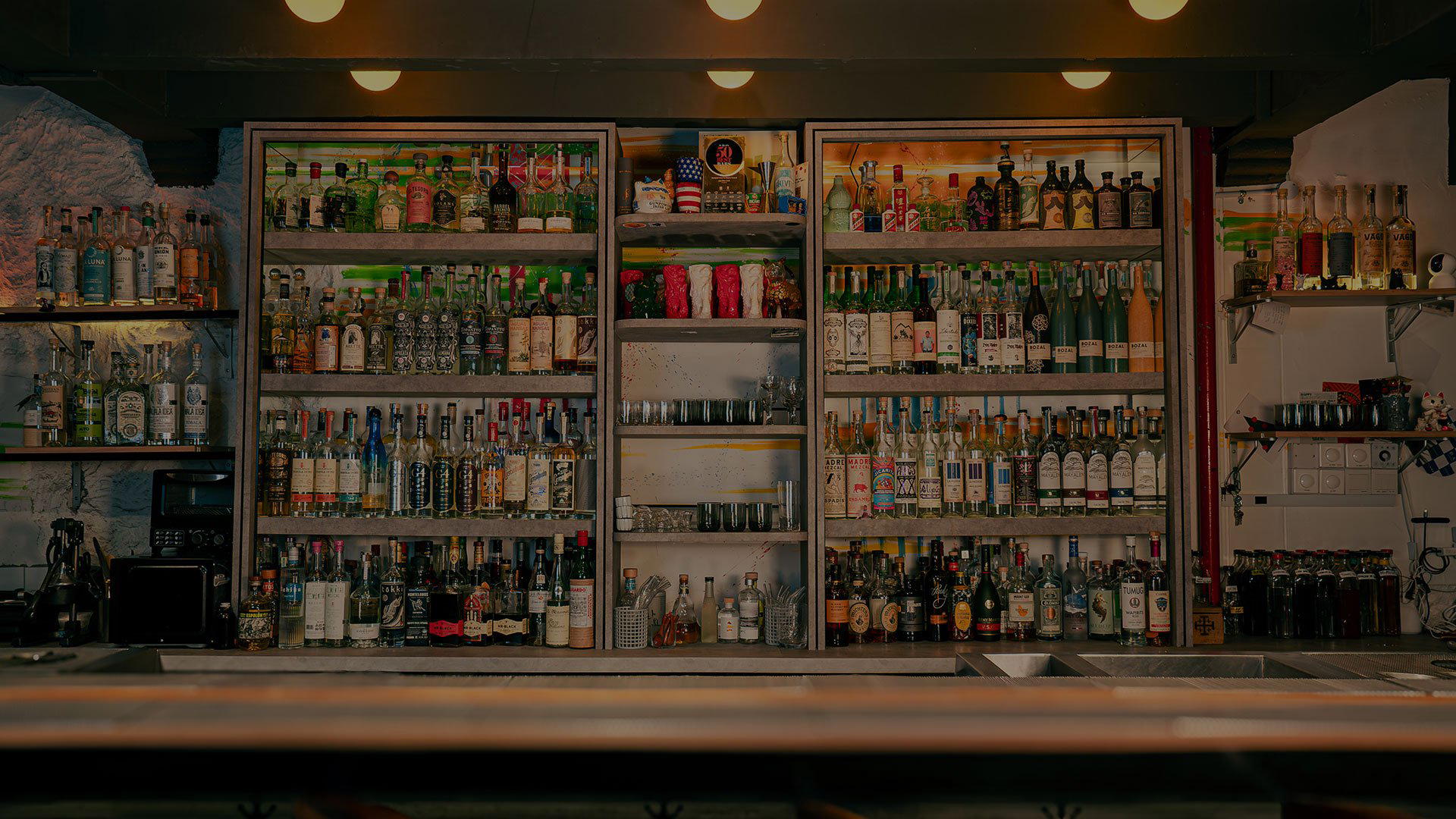
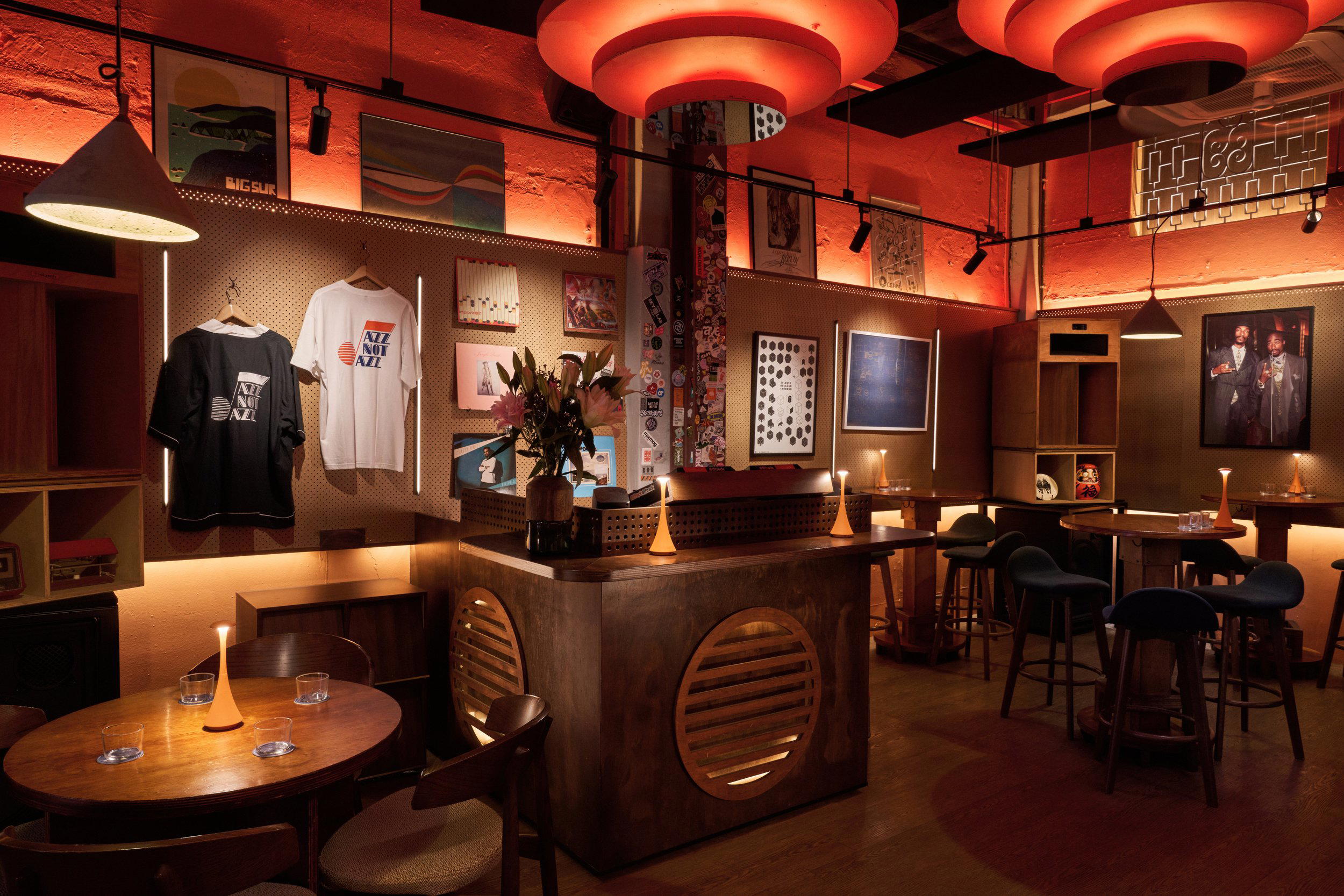
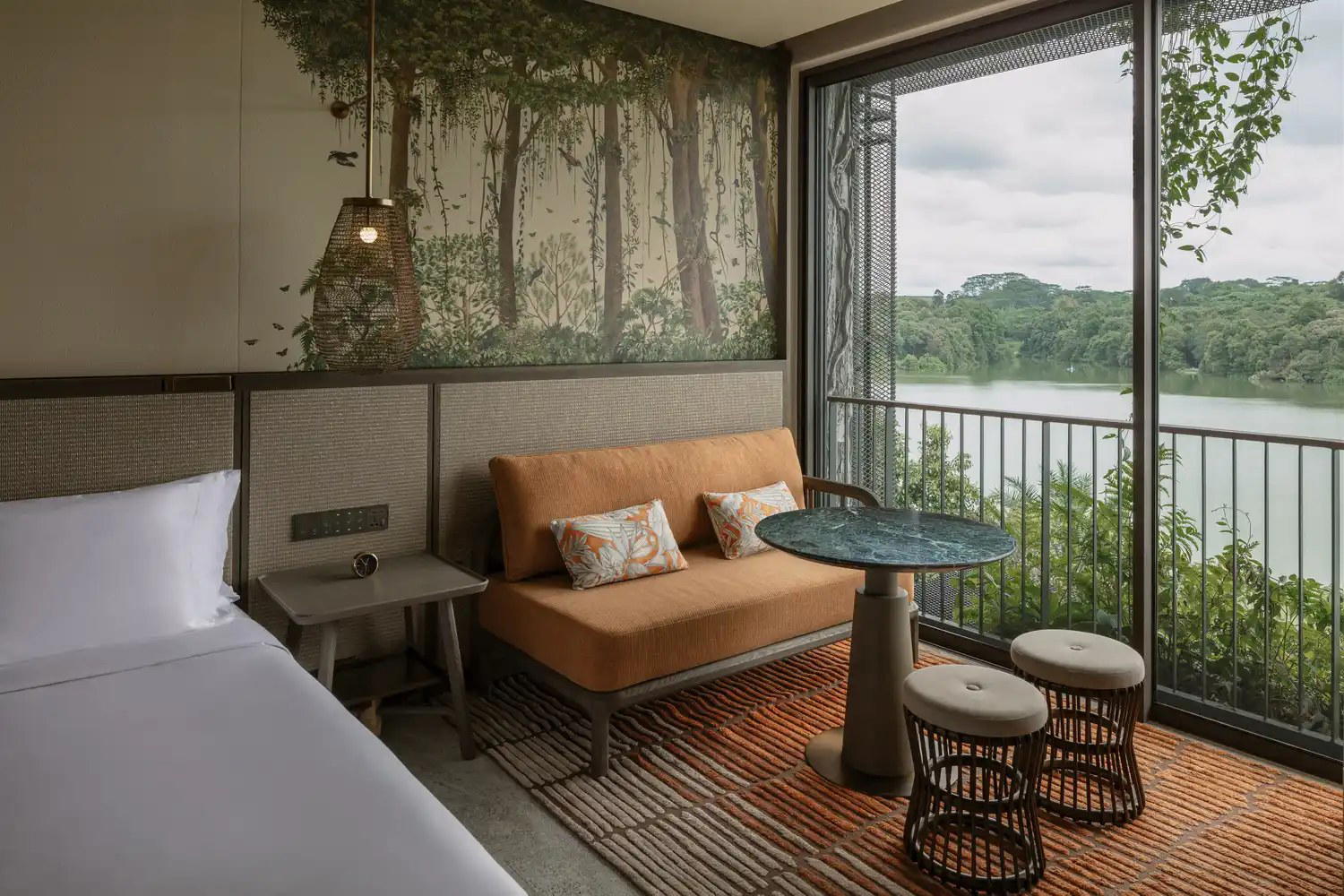
At a Glance
- Modern
- Minimalist
- Elegant
- Sophisticated
- Special Occasion
- Date Night
- Open Kitchen
- Sake Program
- Local Sourcing
- Farm To Table
Current opening hours
- Monday
- Closed
- Tuesday
- 11:30 AM–4 PM, 6–10 PM
- Wednesday
- 11:30 AM–4 PM, 6–10 PM
- Thursday
- 11:30 AM–4 PM, 6–10 PM
- Friday
- 11:30 AM–4 PM, 6–10 PM
- Saturday
- 11:30 AM–4 PM, 6–10 PM
- Sunday
- Closed
Hours can change for holidays and private events. Last verified .
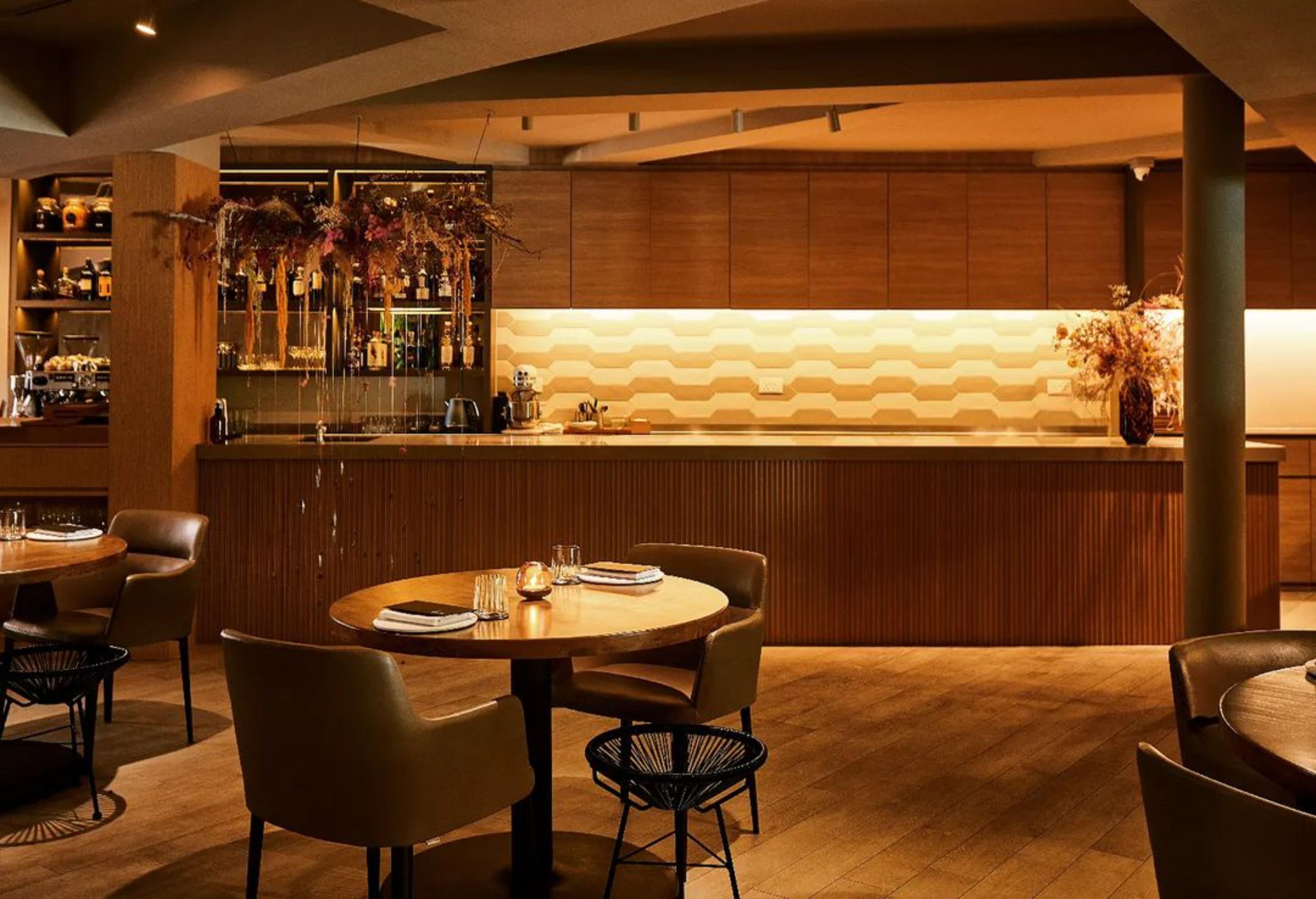
Spacious, contemporary, minimalist with industrial touches and a sense of openness.