Baroo



Baroo occupies a quiet Arts District address in Los Angeles and makes a credible case for being the city's most ambitious Korean contemporary table. The $115 tasting menu, built around fermentation and seasonal vegetables, earned Michelin Plate recognition in both 2024 and 2025, plus the LA Times 2024 Restaurant of the Year. Reservations are available but book ahead.
Pearl is the En Primeur Club membership app — saves, bookings, and concierge access live there. Same editors, same standards.
- Address
- 905 E 2nd St #109, Los Angeles, CA 90012
- Phone
- (213) 221-7967
- Website
- baroolosangeles.com
- Directions
- Get directions
 Saves & bookings on Pearl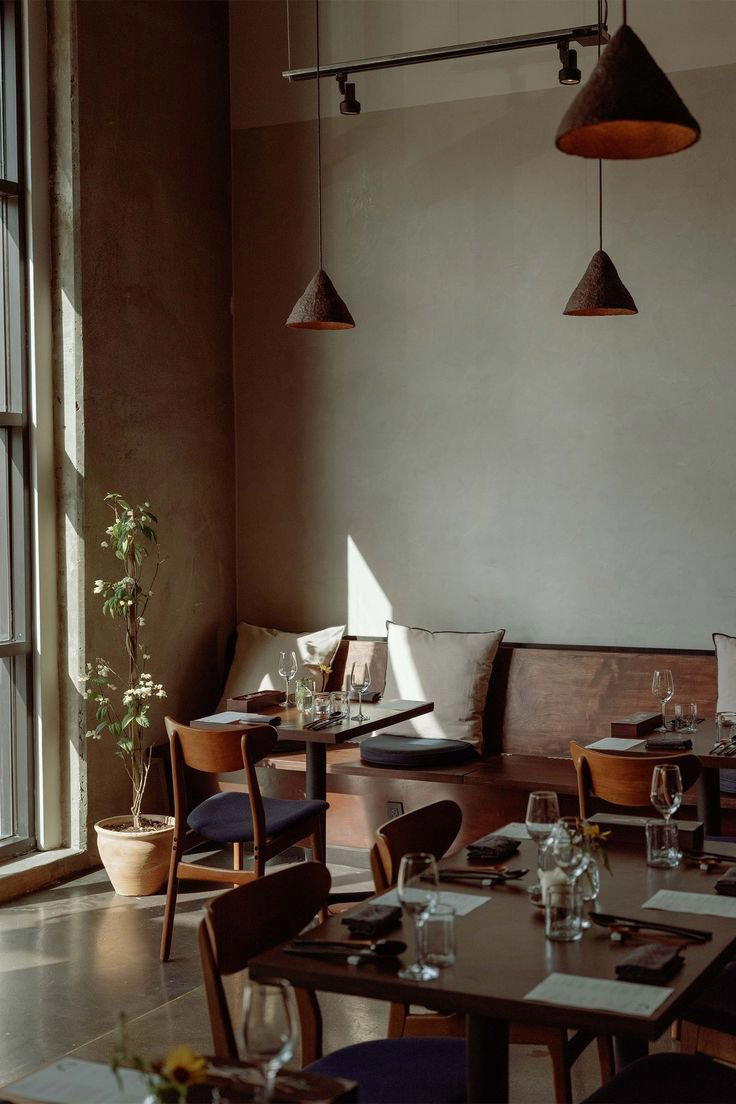
The Arts District Sets the Stage
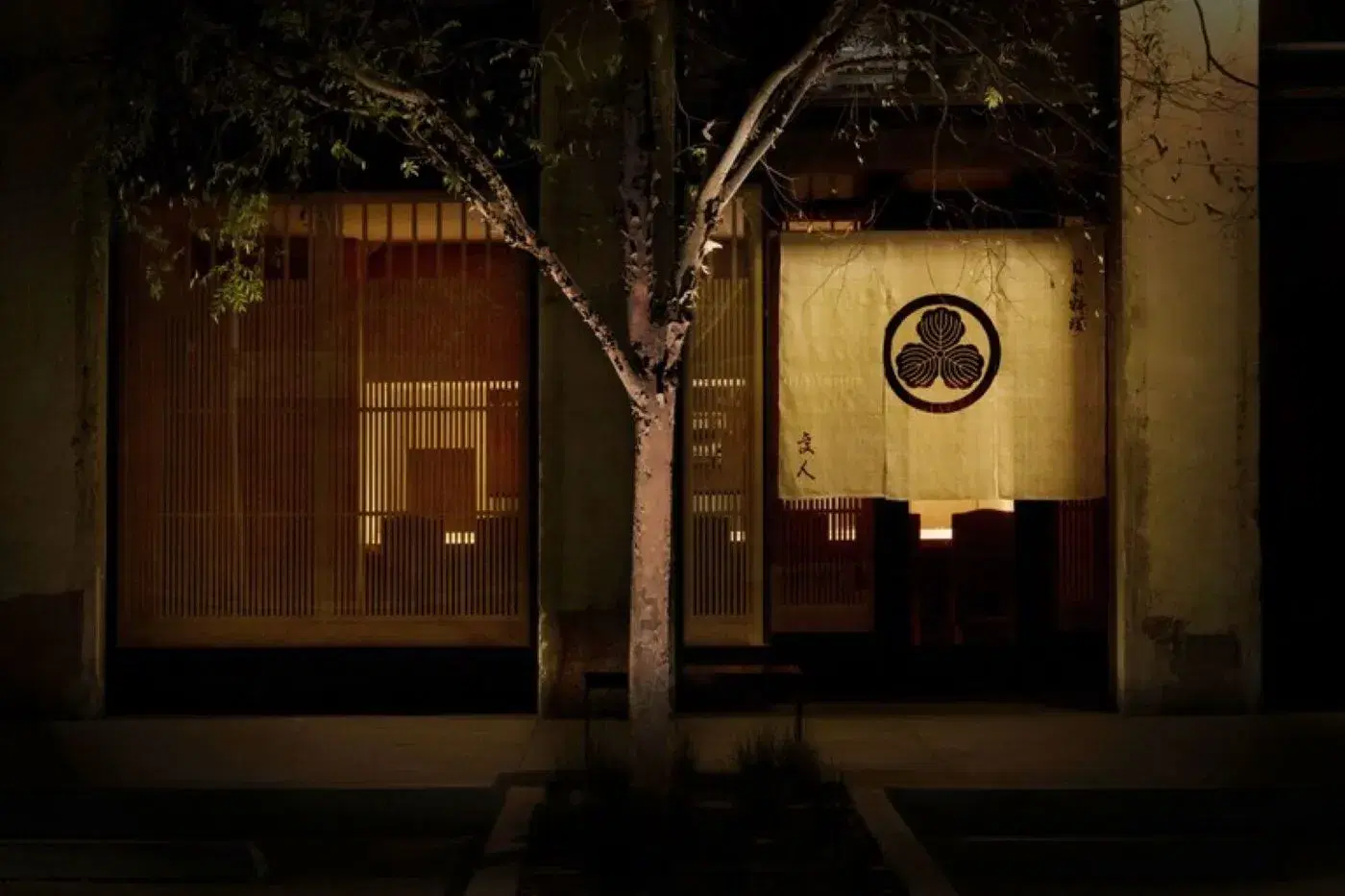
Baroo is a modern Korean tasting menu restaurant in Los Angeles's Arts District, with a $125-per-person price point. The neighbourhood runs along the eastern edge of Downtown, caught between converted warehouses and the train yards beyond the LA River, and it attracts a dining crowd that tends to know what it came for rather than stumble in from the street. That context matters for understanding Baroo, which sits at 905 E 2nd St in a low-key commercial building that gives nothing away from the outside. The room inside is comfortable and well-lit without tilting into the kind of theatrical design that signals ambition before the food arrives. In a city where the Arts District's restaurant scene has developed a reputation for substance over spectacle, Baroo fits the pattern precisely.
The neighbourhood also positions Baroo at a remove from the Koreatown corridor, which is worth noting. Traditional Korean dining in Los Angeles is largely concentrated around Wilshire and Western, anchored in banchan-and-grill formats that have defined the city's Korean food culture for decades. Baroo operates in an entirely different register and, deliberately, in an entirely different part of the city. That physical separation underscores the conceptual one.
Fermentation as a Structural Idea
Korean contemporary cuisine internationally tends to split between chefs who use Western fine-dining formats as containers for Korean ingredients, and those who let Korean culinary logic drive the entire structure of a meal. Baroo falls firmly in the second category. Fermentation is not a flourish here; it is the kitchen's primary mode of building flavour. Kimchi, jangs derived from soybean bases, and house pickles do not appear as Korean signifiers alongside otherwise neutral dishes. They function as sauces, seasonings, and sometimes as the dish itself.
That approach aligns Baroo with a broader movement in premium Korean cooking that has drawn international attention, visible in venues like Nae:um in Singapore and ANJU in Saint-Gilles, where Korean technique is deployed with the same structural confidence that French kitchens bring to their own preserved and fermented traditions. At the tasting menu level, this kind of discipline is what separates a coherent kitchen identity from a menu that merely gestures at a culinary heritage.
Within Los Angeles's own premium tier, Baroo occupies a distinct position. Kato holds a Michelin star and works from a New Taiwanese framework with similar attention to precision and restraint. Somni operates in molecular territory. Restaurant Ki brings its own Korean-influenced contemporary approach. What separates Baroo from that comparable set is the primacy of fermentation as a structural kitchen logic rather than a technique deployed occasionally for effect.
What the Menu Delivers
The tasting menu at $125 per person runs at a pace calibrated for diners who are impatient with slow prix fixe formats. That is not a trivial observation in Los Angeles, where tasting menus have sometimes struggled against a dining culture that prefers spontaneity and sharing over structured progressions. The decision to keep the format moving and the price accessible by the standards of this category gives Baroo a wider audience than most comparable tables.
The emphasis across courses sits with vegetables, herbs, and seafood, with one course built around short rib or pork collar alongside a bowl of rice seasoned with ingredients such as dried shepherd's purse and an XO sauce made from chorizo. A vegetarian version of the tasting menu is available with 24 hours' advance notice. That version draws heavily from Korean temple cuisine, a tradition with its own rigorous internal logic, and has been described as among the more fully realised plant-based menus in the city. The beverage programme, directed by Jason Lee, centres Korean spirits alongside the food.
LA Times ranked Baroo third on its 101 Best Restaurants list for 2024 and named it Restaurant of the Year for the same year. Michelin awarded a Plate in both 2024 and 2025. Those are not equivalent honours, but together they represent sustained recognition from the two most prominent critical frameworks operating in Los Angeles dining. For context, the Michelin Plate signals food worth seeking out without the star tier, which places Baroo in a cohort of serious kitchens that have not yet converted critical recognition into the full star designation.
Baroo in the Longer Story of Los Angeles Korean Dining
Project started nearly a decade ago in a Hollywood strip mall, operating as a counter-service spot with grain bowls and fermented pastas priced under $20. That origin is relevant not as biography but as a signal about the kitchen's disposition: this was never a chef's concept designed around fine-dining trappings from the outset. The transition to the Arts District tasting menu format, and the operational stability that made it viable, reflects a maturation in both culinary ambition and business execution.
In the broader story of Korean cuisine in Los Angeles, that arc is significant. Traditional expressions have defined the city's Korean dining culture with enormous depth and consistency, but innovation at the premium end has been slower to consolidate into lasting institutions. Baroo's longevity and the critical recognition it has accumulated position it as one of the few Korean contemporary tables in the city to have crossed from interesting project to durable fixture.
Lazy Bear in San Francisco operates a tasting menu format with a similarly communal energy. Alinea in Chicago and Single Thread Farm in Healdsburg anchor their respective cities' premium tiers at significantly higher price points. The French Laundry in Napa, Le Bernardin in New York, and Emeril's in New Orleans each define their cities' fine dining through a European-derived framework. Baroo sits outside all of those lineages and is more interesting for it.
Within Los Angeles's own tasting menu tier, Providence holds two Michelin stars for contemporary seafood, and Osteria Mozza remains the city's anchor Italian address. Baroo's price point, at $115, sits below most multi-course peers in the city's top tier, which makes it a practical entry point into serious Los Angeles dining for visitors who want a single high-quality tasting menu experience.
Planning a Visit
Baroo is at 905 E 2nd St #109 in the Arts District, accessible from Downtown Los Angeles. Reservations are essential, and the vegetarian tasting menu requires 24 hours' notice. The service is described as gracious rather than formal, and the room is comfortable without being designed to impress on entry.
Fast Comparison
Comparable venues nearby, for context on price, style, and recognition.
| Venue | Cuisine | Price | Awards | Notes |
|---|---|---|---|---|
| BarooThis venue — the venue you are viewing | Modern Korean Tasting Menu | $$$$ | Michelin Plate | Not listed |
| matū | Grass-Fed Wagyu Steak Omakase | $$$$ | Michelin Plate | Beverly Hills |
| LSXO | Modern Vietnamese | $$$$ | Michelin Plate | Huntington Beach |
| Bar Sawa | Edomae-style Omakase with Cocktails | $$$$ | Michelin Plate | Little Tokyo |
| Sun Nong Dan | Traditional Korean Braised Short Ribs | $$ | Not listed | Wilshire Center |
| Camélia | French-Japanese Bistro | $$$$ | Not listed | Boyle Heights |
Recognition history
Dated appearances from independent guides and award organizations, with the underlying list record or original source where available.
James Beard Award Semi Finalist
James Beard Award
James Beard Award Nominee
James Beard Award
Michelin Plate
Michelin · 2026 Michelin Plate
James Beard Award Semi Finalist
James Beard Award
LA Times 101 Best Restaurants #3
LA Times
Michelin Plate
Michelin
LA Times 101 Best Restaurants #3
LA Times
Michelin Plate
Michelin
Continue exploring
More in Los Angeles
Restaurants in Los Angeles
Browse all →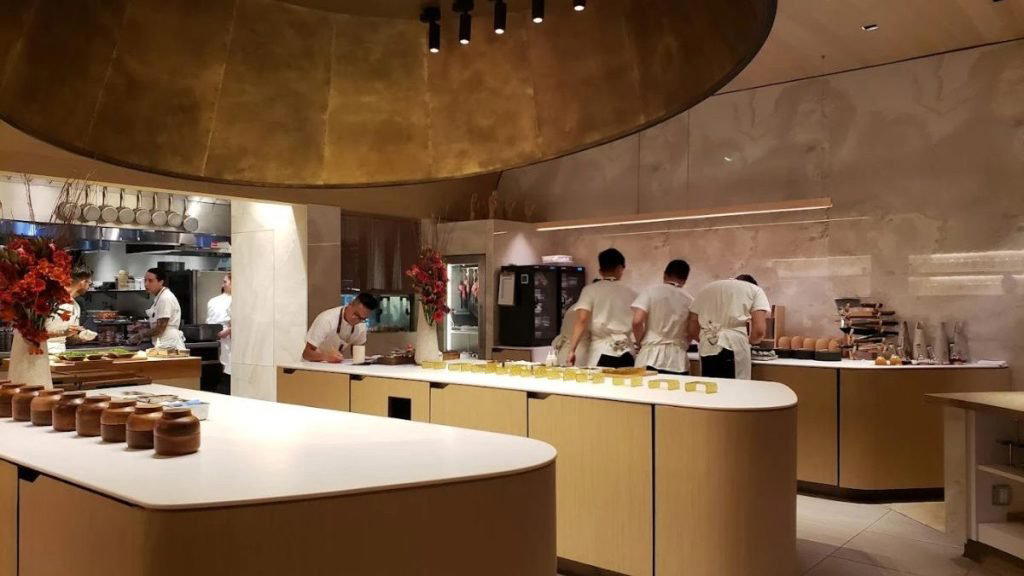
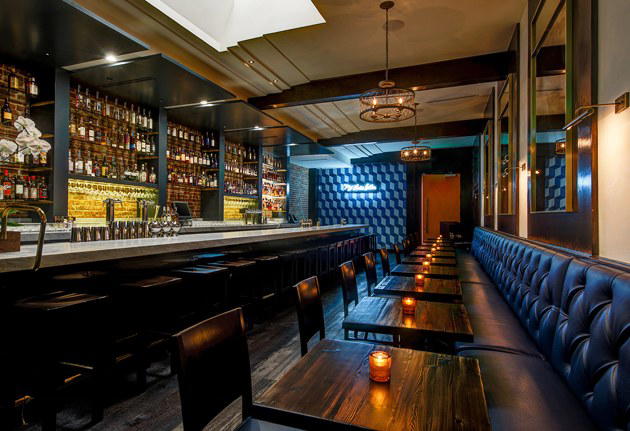
Bars in Los Angeles
Browse all →

Hotels in Los Angeles
Browse all →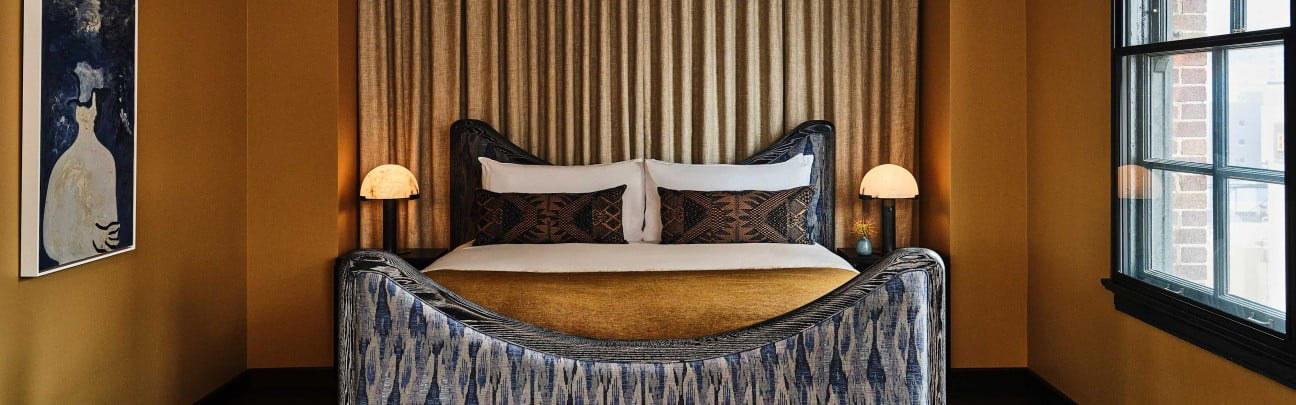
Wineries in Los Angeles
Browse all →
At a Glance
- Modern
- Intimate
- Minimalist
- Trendy
- Date Night
- Special Occasion
- Chefs Counter
- Open Kitchen
- Sake Program
Current opening hours
- Monday
- Closed
- Tuesday
- 5:30–9 PM
- Wednesday
- 5:30–9 PM
- Thursday
- 5:30–9 PM
- Friday
- 5:30–9 PM
- Saturday
- 5:30–9 PM
- Sunday
- Closed
Hours can change for holidays and private events. Last verified .
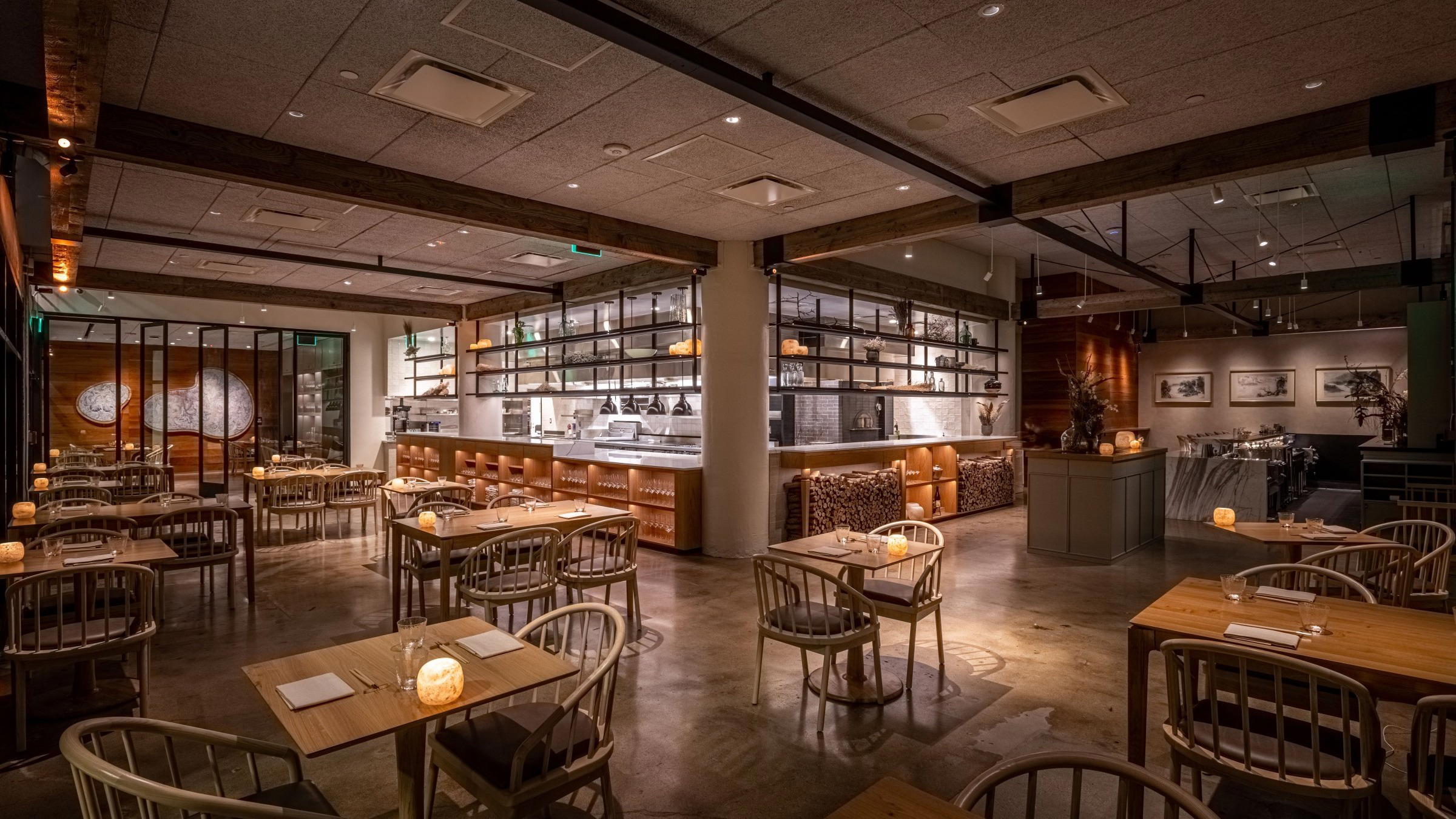
Minimalist space with exposed ductwork, concrete floors, moody recessed lighting, high ceilings, open kitchen, and warm wood accents creating a relaxed yet refined atmosphere.