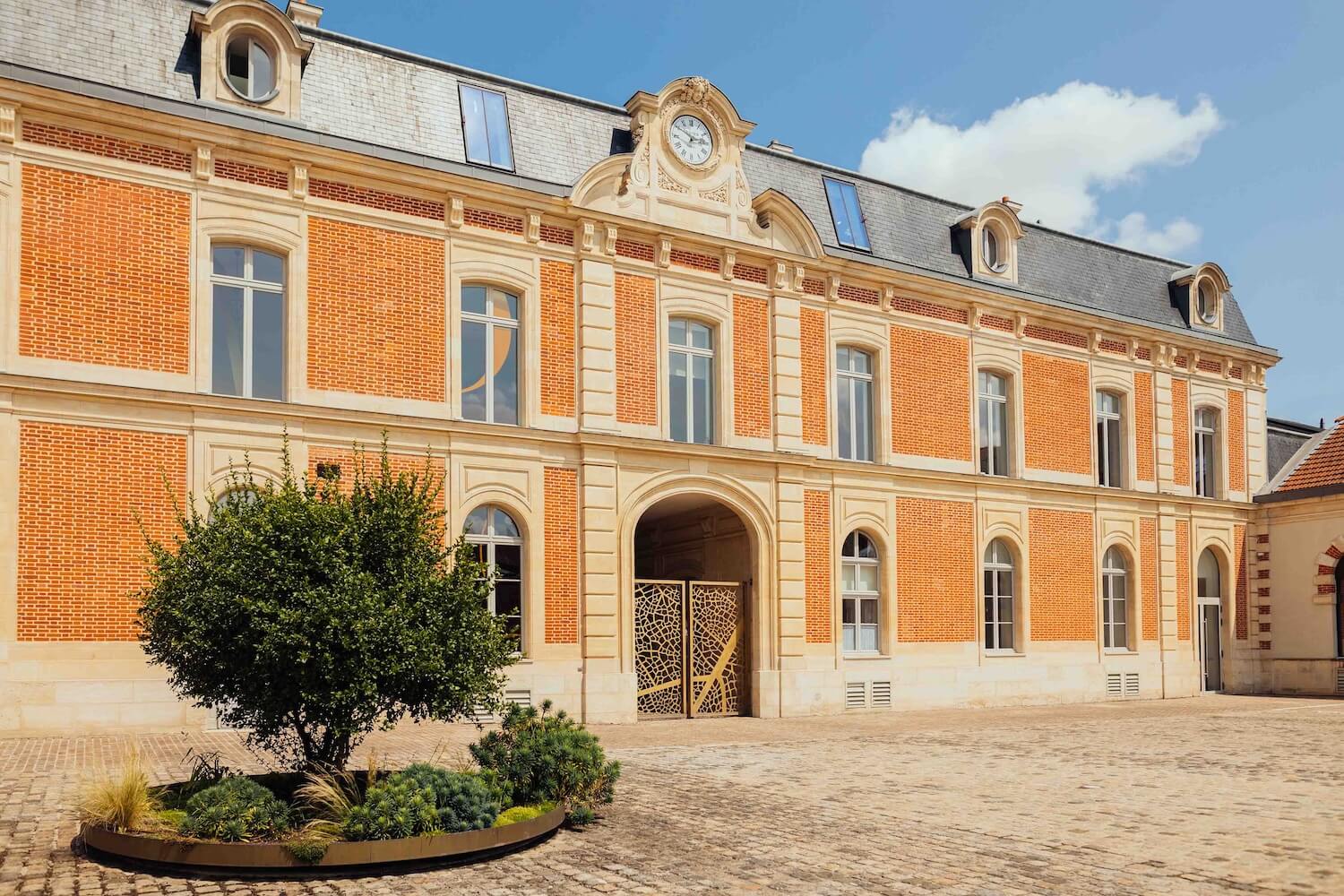
Michelin Plate
Our verdict
At the €€ price point, it occupies a practical tier in a city where Japanese dining ranges from neighbourhood ramen to multi-starred omakase.

Pearl is the En Primeur Club membership app — saves, bookings, and concierge access live there. Same editors, same standards.
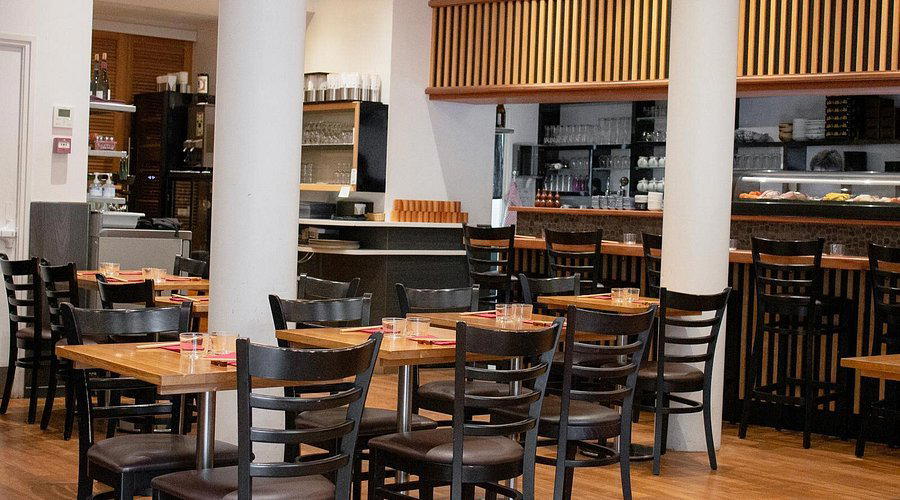
Japanese Dining in Paris: A City Learning to Choose Its Registers
Paris has been absorbing Japanese culinary influence for longer than most European cities. The wave arrived in force during the 1980s, when Japanese chefs began appearing in French brigade kitchens, and by the 1990s the city had a recognisable community of Japanese-owned restaurants operating somewhere between their home tradition and their adopted one. That cross-pollination produced Kei, which eventually became the first Japanese-born chef to hold three Michelin stars in France, but it also produced a broader mid-market tier of Japanese restaurants that operated in the margins of French dining without attracting serious critical attention.
What has changed since roughly 2015 is that Paris now has a more stratified Japanese restaurant scene. At the leading, counters like L'Abysse au Pavillon Ledoyen and Sushi Yoshinaga operate at price points and format disciplines that put them in direct comparison with serious Tokyo omakase. Further down, a working mid-market has consolidated around restaurants that serve Japanese food competently to a broad audience without the ceremony or the invoice. Those two data points together describe a restaurant doing something consistently right for a large number of people at the €€ price tier.
The Metropolitan Divide: Speed vs. Refinement
The most useful frame for understanding where a restaurant like Zen sits is the divide that runs through Japanese cuisine globally — the difference between the Tokyo register and the Kyoto register. Tokyo dining tends toward intensity, precision, and volume: the city has more Michelin stars than any other, its sushi counters are booked months in advance, and the competitive pressure produces constant refinement. Kyoto operates differently. The kaiseki tradition there emphasises restraint, seasonality, and an almost deliberate resistance to spectacle. Dishes at restaurants like Chakaiseki Akiyoshi in Paris are read as statements about time and place, not as technical demonstrations.
Paris's Japanese restaurant scene has tended to import the Tokyo model — the high-volume, high-precision counter, the omakase format with its theatrical fish deliveries, while the quieter Kyoto-inflected register has found fewer obvious homes. Zen, at its price point and with its Michelin Plate recognition, operates below that high-stakes counter tier.
Where the 1st Arrondissement Fits
The Rue de l'Échelle address places Zen close to the Palais-Royal and the Louvre, a neighbourhood that attracts both tourists and a working professional lunch crowd from the surrounding ministry district. It is not the cluster of Japanese restaurants that has developed around the Opéra and the 9th arrondissement, Paris's closest equivalent to London's Soho for Japanese food concentration, but it benefits from consistent foot traffic and a clientele that tends to know what it wants rather than arriving with no expectations.
For context, the restaurants that define the upper end of Paris's Japanese dining conversation are significantly more expensive and considerably harder to book. Hakuba and L'Abysse sit in a different pricing and ceremony tier. At the more casual end, Abri Soba has built a specific following around a single-format Japanese noodle program. Zen sits between those poles, Michelin-acknowledged, mid-market in pricing, and apparently consistent enough to accumulate over two thousand largely positive responses from the public.
Michelin Plate and What It Signals
The Michelin Plate, awarded in the 2025 guide, is not a star but it is not nothing. Michelin introduced the Plate designation to indicate restaurants that inspectors consider worth visiting even without the star threshold being met, good cooking at a reliable standard. In Paris, where the guide's coverage is dense and competition for any form of recognition is acute, a Plate at the €€ price tier indicates that the kitchen is producing food that holds up to professional scrutiny without the resources or the pricing that a starred establishment would command.
For comparison, the starred Japanese restaurants in Paris that have attracted the most sustained critical attention, including L'Abysse au Pavillon Ledoyen and operations connected to French fine dining institutions, sit at €€€€ and require advance planning. Zen's position at €€ with a Plate puts it in a different conversation: accessible Japanese cooking that Michelin inspectors have judged worth noting.
Japanese Cuisine in the French Fine Dining Context
It is worth placing Zen's cuisine type in the broader context of how Paris's most serious restaurants have absorbed Japanese influence. The multi-starred French houses that define the city's international reputation, from Paul Bocuse's Auberge du Pont de Collonges in Lyon to Mirazur in Menton, from Troisgros in Ouches to Bras in Laguiole and Auberge de l'Ill in Illhaeusern, draw on French regional identity as their primary frame. Japanese restaurants in Paris occupy a separate track, building credibility through fidelity to Japanese technique rather than through dialogue with the French classical tradition.
That separation is increasingly respected by Paris diners, who have learned to read Japanese restaurant signals more fluently than they could a decade ago. The question for a restaurant like Zen is whether its version of Japanese cooking reads as its own coherent statement or as a general-purpose approximation.
For those planning a broader sequence of Japanese dining in Paris, the EP Club guides cover the full range: from counter omakase to soba specialists, kaiseki formats, and the mid-market tier that Zen represents. See also the coverage of Myojaku in Tokyo and Azabu Kadowaki in Tokyo for the reference points against which serious Paris Japanese cooking is increasingly measured.
Planning Your Visit
| Detail | Zen | L'Abysse (peer, upper tier) | Abri Soba (peer, casual tier) |
|---|---|---|---|
| Price tier | €€ | €€€€ | € |
| Michelin recognition | Plate (2025) | 2 Stars | Plate |
| Not comparable format | High volume, positive | ||
| Cuisine format | Japanese | Sushi omakase | Soba specialist |
| Location | 1st arr. Rue de l'Échelle | 8th arr. Champs-Élysées | 10th arr. Canal Saint-Martin area |
For full coverage of where to eat, drink, stay, and explore in the French capital, see our full Paris restaurants guide, our full Paris hotels guide, our full Paris bars guide, our full Paris wineries guide, and our full Paris experiences guide.
Frequently asked questions
What should I expect cuisine-wise at Zen?
Has Zen won any awards?
Zen has received recognition including: Michelin Plate (2025).
What's the signature dish at Zen?
Zen holds a 2025 Michelin Plate for Japanese cuisine at the €€ price tier, which points to consistent kitchen execution rather than a single showpiece dish. The Michelin Plate designation recognises cooking quality across the menu rather than singling out one preparation. For confirmed current dishes, checking directly with the restaurant on Rue de l'Échelle is the reliable route.
Is Zen expensive?
Pricing at Zen is listed as €€.
Accolades, Compared
Comparable venues nearby, for context on price, style, and recognition.
| Venue | Cuisine | Price | Awards | Notes |
|---|---|---|---|---|
| ZenThis venue — the venue you are viewing | Authentic Japanese Sushi | $30–50 | Michelin Plate | Not listed |
| HANADA | French-Japanese Fusion | $30–50 | 1 Michelin Star | La Défense |
| L'Arpaon | French | Not listed | Michelin Plate | Paris |
| Nodaïwa | Traditional Japanese Unagi | $50–100 | Michelin Plate | Louvre / Palais-Royal |
| Le Verre volé | French Bistro with Natural Wines | $30–50 | Star Wine List | Canal Saint-Martin |
| Nanashi Canal Saint Martin | Modern Japanese Bento | Not listed | Not listed | Canal Saint Martin |
Recognition history
Dated appearances from independent guides and award organizations, with the underlying list record or original source where available.
Michelin Plate
Michelin
Full recognition history (2 entries)
Michelin Plate
Michelin