Tabelog 100 #5
Our verdict
Myojinshita Kandagawa Honten sits in Tokyo’s old unagi tradition rather than the city’s faster casual eel circuit. Recognition in the Tabelog 100 Unagi list in 2018, 2019, 2022, and 2024 places it among specialist rooms where the meal is built around sequence, patience, and a narrow craft vocabulary rather than menu breadth.

Pearl is the En Primeur Club membership app, where members save venues, book tables and use the concierge.
The menu
What to order
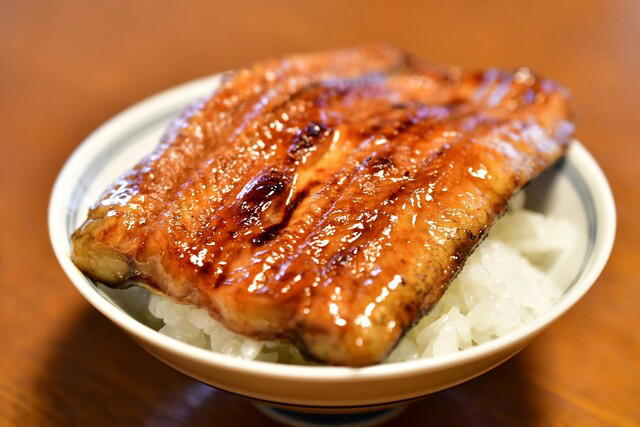
- Kabayaki grilled unagi
- Unaju (eel over rice in lacquer box)
- Unadon (eel over rice bowl)
- Shirayaki (plain grilled eel)
- Umaki (eel omelette)
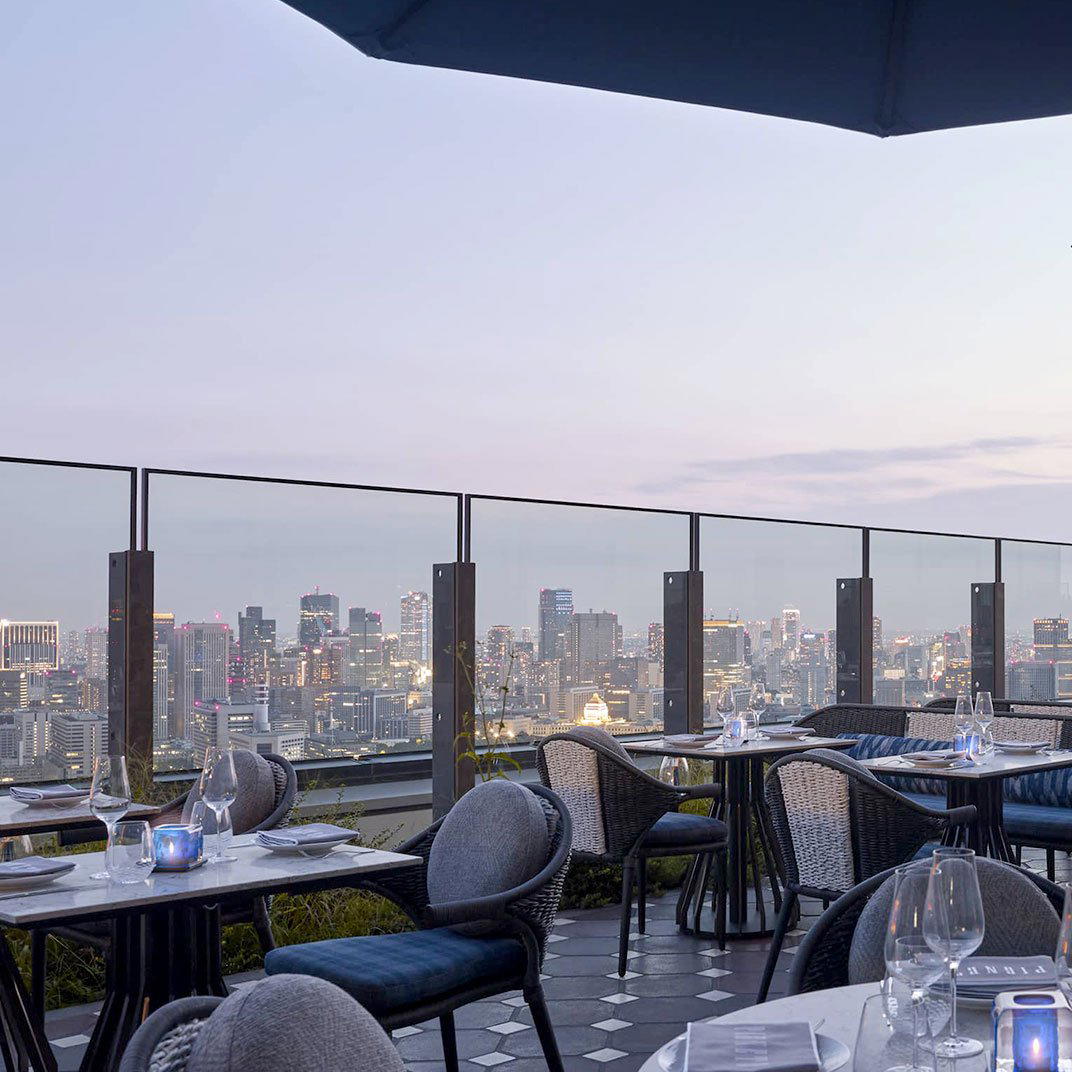
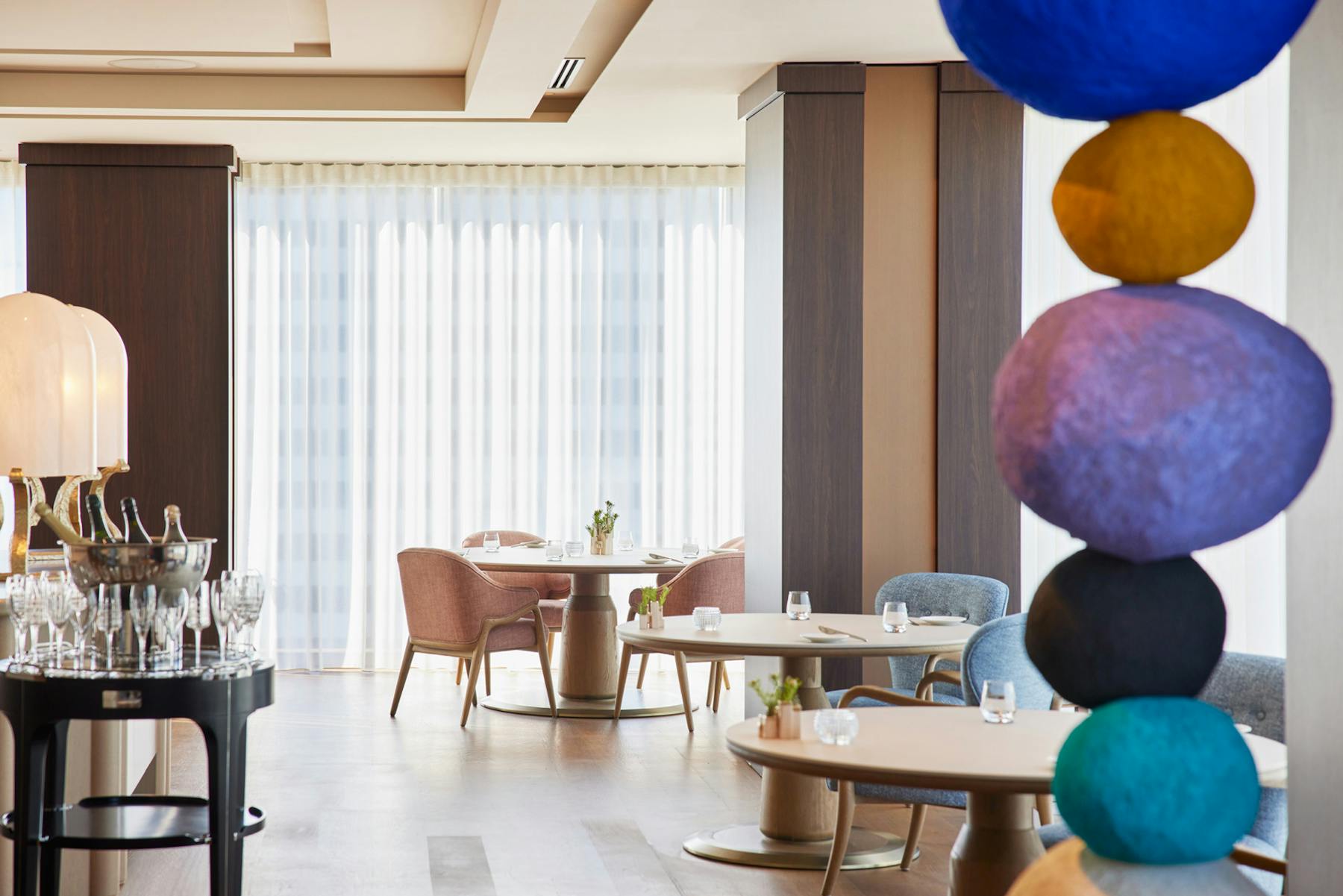
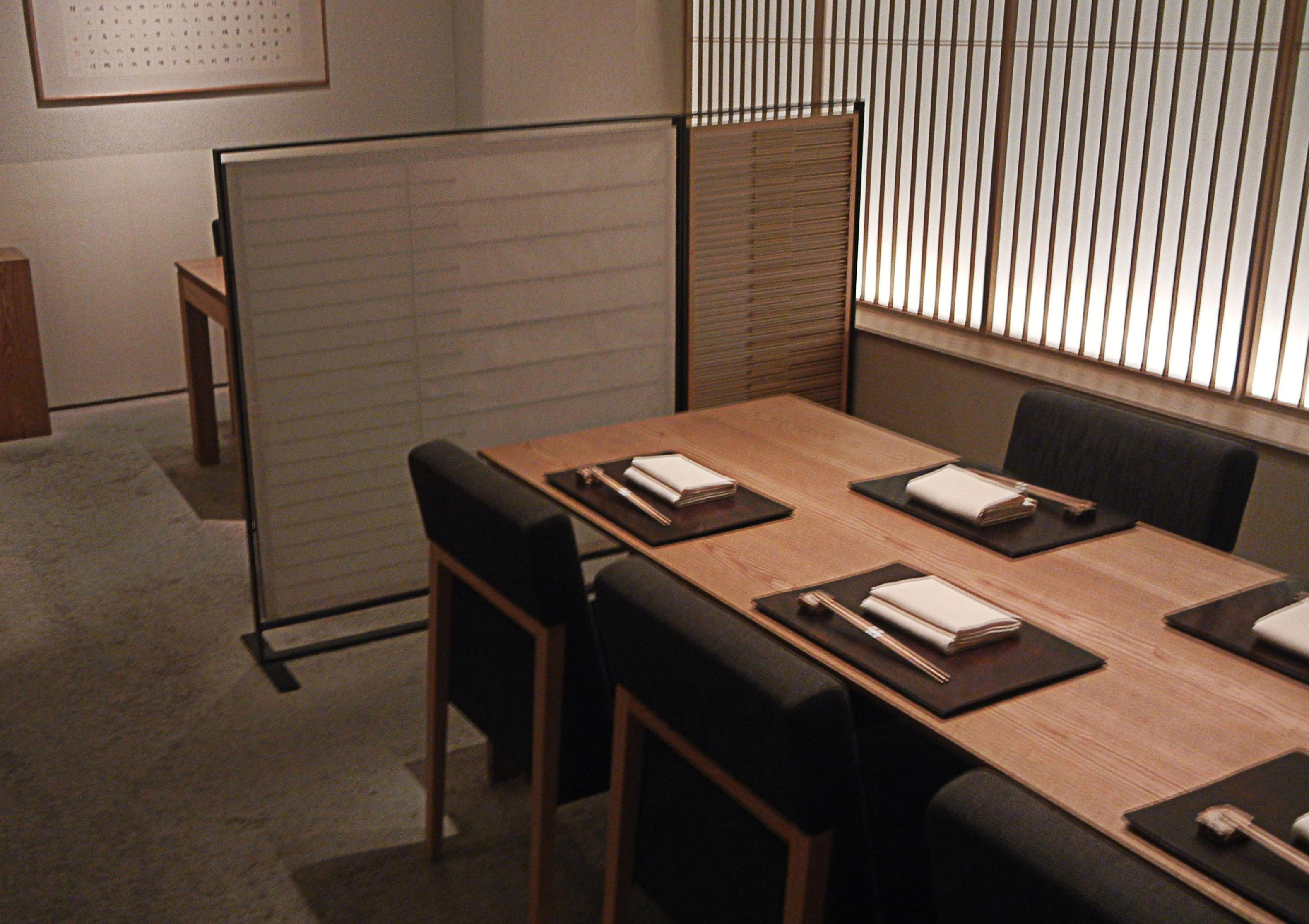
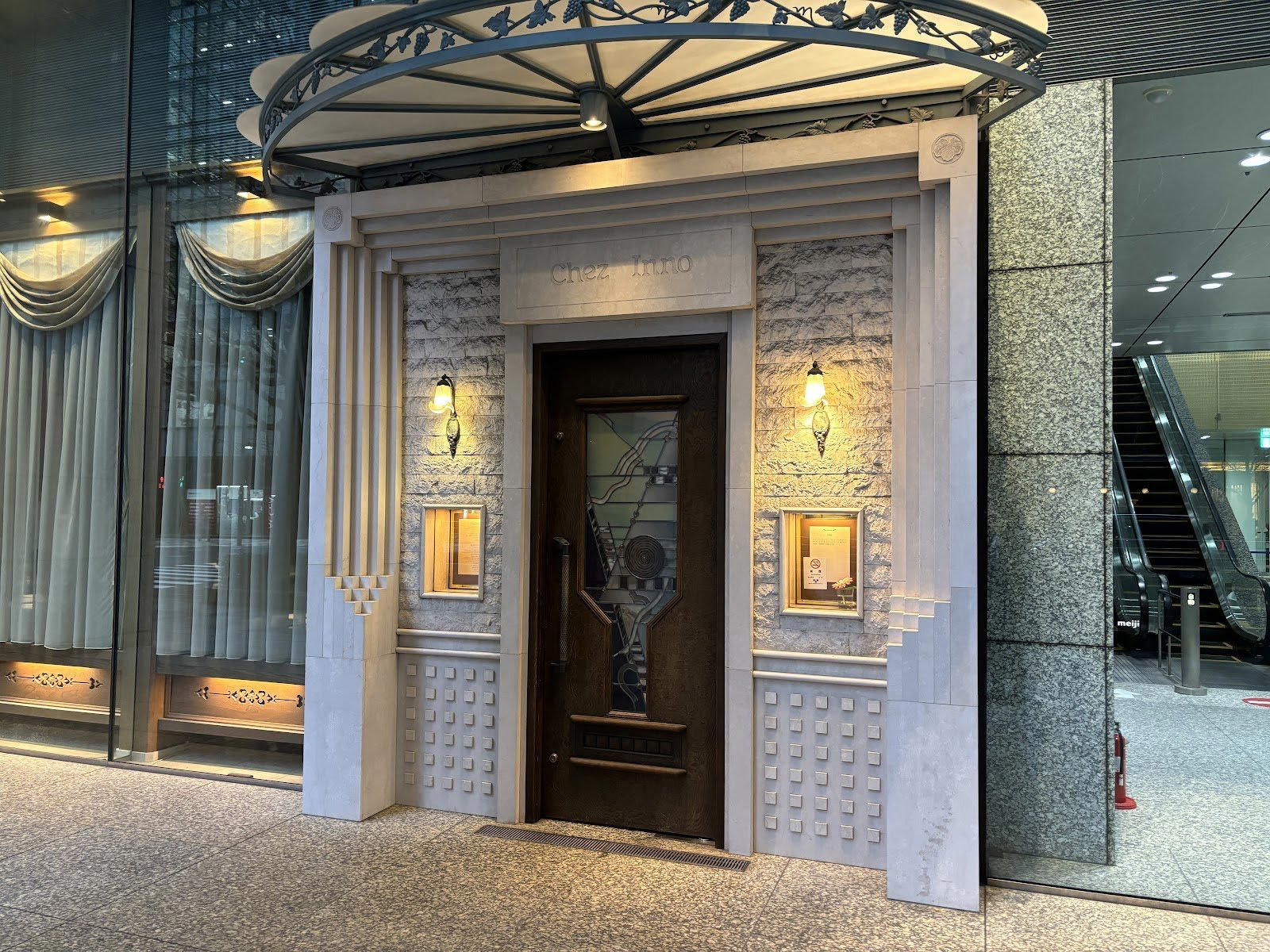
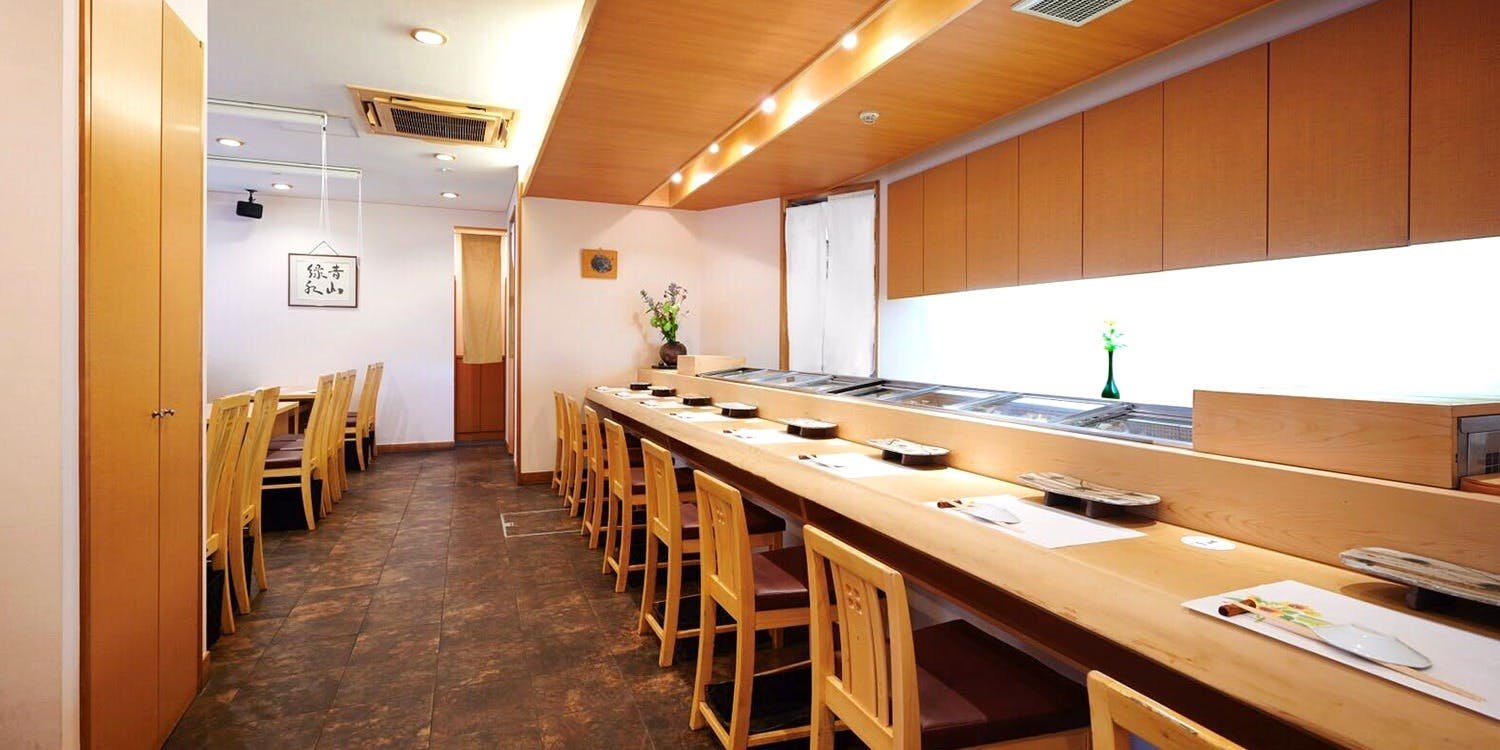
Approaching Myojinshita Kandagawa Honten in Tokyo, the city changes register. Busy casual dining and everyday counters give way to a quieter, more deliberate restaurant mood. That setting matters for unagi. The cuisine rewards a room that slows the meal down: the wait before the lacquered box, the measured pacing of rice and eel, the sense that a narrow tradition can carry a full lunch or dinner without theatrics.
Myojinshita Kandagawa Honten belongs to that older Tokyo category: specialist unagi, not a broad dining address using eel as one seasonal item. Its inclusion in Tabelog’s Unagi 100 selections for 2024 is the useful signal here. The recognition points less to novelty than to continuity inside a genre where consistency is the currency. In a city that can turn many cuisines into tasting-counter events, unagi remains more disciplined: preparation, sauce, rice, pacing, and restraint carry the argument.
Unagi as a progression, not a single order
The mistake with Tokyo eel is treating it as a one-plate craving. At serious unagi houses, the meal has its own arc. The opening stretch is quiet and anticipatory, because eel cookery is not built for instant service. Then the table narrows its focus: rice, tare, fish, steam, char, and the way the layers meet rather than compete. The progression is compact compared with broader Japanese tasting formats, but it is no less structured.
That structure explains why Myojinshita Kandagawa Honten reads differently from the broader Tokyo dining map. Other options can pull in opposite directions: tonkatsu at Tonkatsu Marugo, curry at BENGAL or Caligari Akihabara, and old-school sweets at Amanoya all serve a lunch-and-errand rhythm. Eel asks for another tempo. It is less about variety and more about concentration, a format closer in seriousness to a specialist room such as Ishibashi than to quick-turnover dining elsewhere in the city.
The cooking tradition behind Tokyo unagi is often discussed through texture, sauce, rice, heat, and timing. A diner does not need a technical seminar to understand the consequence: the meal turns on balance rather than aggression. Too much sweetness in the sauce, too much smoke, or rice that loses structure would flatten the experience. At this level, the point is calibration.
Why the old house format still matters in Tokyo
Tokyo’s premium restaurant culture often prizes counter intimacy: sushi, tempura, yakitori, and kappo rooms that put technique directly in front of the guest. Unagi has a different social architecture. A quieter, more traditional setting can shift attention away from performance and toward continuity. The format suits business meals, family lunches, and small groups who want conversation without turning the room into background noise.
That distinction is useful for visitors building a Tokyo itinerary. The city can be read too narrowly through its busiest retail and entertainment districts, but older food traditions sit close to newer casual dining across Tokyo. A serious eel meal gives the day a second rhythm. It also pairs naturally with an itinerary that leaves room for slower walking, browsing, and a more deliberate meal rather than a station-to-station sprint.
For broader planning, use Our full Tokyo restaurants guide to place this meal beside other formats, from yakitori to casual curry, cafe, and seafood addresses across the city. For a fuller city plan, the same editorial map extends to Our full Tokyo hotels guide, Our full Tokyo bars guide, Our full Tokyo wineries guide, and Our full Tokyo experiences guide.
Where it fits in a Japan dining itinerary
Unagi is a useful counterweight to the high-gloss tasting menus that dominate many luxury itineraries. It is expensive enough at the serious end to require intent, with listed pricing of Dinner: JPY 15,000 - JPY 19,999 and Lunch: JPY 8,000 - JPY 9,999, but its grammar remains direct. The value is not course count; it is the confidence of a restaurant that can build a meal from a narrow repertoire and still feel complete. That makes Myojinshita Kandagawa Honten better suited to diners interested in Japanese specialism than those chasing breadth.
It also sits well within a larger Japan route that treats regional formats as the story, not just restaurant names. A traveler might compare it with beef-focused dining, Kyoto minimalism, Osaka cafe culture, contemporary small-room cooking, or curry in other Japanese cities. Even Japanese food abroad reads differently after a Tokyo meal built on a single craft tradition. For a different dining thread near the capital, other regional restaurants offer another lens on how food identities travel and adapt.
The editorial verdict is clear: this is a specialist choice, not a general-purpose Tokyo dinner. Choose it when the purpose of the meal is to understand unagi as a formal tradition, with Tabelog recognition and a focused setting reinforcing that purpose. For diners who want a long menu or visible counter theatre, Tokyo offers other answers. For those who value sequence, restraint, and a cuisine that measures skill in small adjustments, the restaurant earns its place on a serious itinerary.
Frequently asked questions
Where exactly is Myojinshita Kandagawa Honten?
Tokyo.
Is Myojinshita Kandagawa Honten expensive?
Pricing at Myojinshita Kandagawa Honten is listed as Dinner: JPY 15,000 - JPY 19,999; Lunch: JPY 8,000 - JPY 9,999.
How far ahead should I plan for Myojinshita Kandagawa Honten?
For a Tabelog Unagi 100 selection in Tokyo, planning ahead is sensible, especially if the meal is a priority on a tighter itinerary.
What has Myojinshita Kandagawa Honten built its reputation on?
Its core credential is selection for Tabelog Unagi 100 in 2024. The appeal is focused and specific: a Tokyo restaurant centered on unagi.
Is Myojinshita Kandagawa Honten allergy-friendly?
Those details are not provided here. The menu is centered on unagi, so diners with allergies or dietary restrictions should ask the restaurant directly before booking in Tokyo.
Price Lens
Comparable venues at the same tier for side-by-side context.
| Venue | Cuisine | Price | Awards | Notes |
|---|---|---|---|---|
| Myojinshita Kandagawa HontenThis venue (the venue you are viewing) | Historic Traditional Unagi (Grilled Eel) Restaurant | $100–150 | Tabelog 100 #5 | Not listed |
| Yakitori Toge | Modern Yakitori Omakase | $50–100 | Tabelog 100 #59 | Shinjuku, Modern Yakitori Omakase |
| Yakitori Sekine | Modern Yakitori Counter | $50–100 | Tabelog 100 #86 | Toshima, Modern Yakitori Counter |
| そかろ | Charcoal-Grilled Yakitori with Nagoya Cochin | $50–100 | Not listed | Bunkyō, Charcoal-Grilled Yakitori with Nagoya Cochin |
| Pretty Pork Factory & Katsu Puripo | Pork-focused Japanese shabu-shabu, samgyeopsal & tonkatsu | $50–100 | Tabelog 100 #80 | Shibuya, Pork-focused Japanese shabu-shabu, samgyeopsal & tonkatsu |
| LIKE | Modern Japanese | Not listed | Not listed | Minato, Modern Japanese |
Recognition history
Dated appearances from independent guides and award organizations, with the underlying list record or original source where available.
Tabelog 100 #5 · No. 5
Tabelog · Tabelog 100 - Unagi - 2024