Fónico
Our verdict
Fónico occupies a Roma Norte address that places it inside one of Mexico City's most contested dining corridors, where the intersection of classical technique and indigenous Mexican produce has become the dominant creative conversation. The kitchen works at the meeting point of imported methods and local ingredients, positioning it within a broader shift reshaping serious dining across the capital and beyond.

Pearl is the En Primeur Club membership app — saves, bookings, and concierge access live there. Same editors, same standards.
- Address
- Salamanca 85, Roma Nte., Cuauhtémoc, 06700 Ciudad de México, CDMX, Mexico
- Phone
- +525563852051
- Hours
- Mon–Wed 1:30 PM–12 AMThu–Sat 12:30–2 AM, 1:30 PM–12 AMSun 12:30–2 AM, 1:30–6 PM
- Website
- fonico.mx
- Directions
- Get directions
- Booking
- Book on OpenTable
The menu
What to order
- Yellow Corn Esquites with black truffle
- Short-ribs with dried chiles
- Velvety walnut Cream Soup
- Cochinillo with Green Mole
Roma Norte and the Technique Question
Mexico City's Roma Norte has spent the better part of a decade sorting itself into tiers. The neighbourhood's Salamanca and Orizaba streets now run parallel to a broader argument about what serious Mexican cooking actually means: whether it should anchor itself in tradition, reach toward global technique, or find productive tension between both. Fónico, at Salamanca 85, sits inside that argument rather than above it, which is precisely where the more interesting kitchens in the city tend to operate.
The blocks surrounding Roma Norte's northern edge carry a different energy from the tourist-facing Condesa or the Polanco fine-dining corridor. Foot traffic here skews local, the storefronts lean independent, and the restaurants that survive do so on repeat custom rather than first-visit novelty. That context matters when assessing what any kitchen in this postcode is actually trying to do.
The Wider Frame: Imported Methods, Indigenous Produce
The most productive creative tension in Mexican fine dining right now runs between classical European training and the extraordinary depth of Mexico's indigenous ingredient catalogue. That intersection has produced some of the country's most discussed restaurants over the past fifteen years. Pujol made the case at the top of the market; Quintonil pushed it further into botanical specificity. Sud 777 approached it from a garden-to-table angle; Em collapsed it into a more intimate format. Fónico enters a city where that conversation is already well advanced, which raises the bar for what a kitchen needs to say to contribute something legible to it.
Same dynamic plays out at a national scale. Animalón in Valle de Guadalupe uses the Baja landscape's produce as both ingredient and concept. Levadura de Olla in Oaxaca works within a regional tradition so deep that technique becomes almost secondary to provenance. KOLI in Monterrey and Alcalde in Guadalajara represent the same creative impulse applied to very different regional ingredient sets. Le Chique in Puerto Morelos takes it toward technical maximalism. What unites these addresses is a shared insistence that Mexican ingredients deserve the same precision of handling as the European and Japanese products that have historically set the benchmark for fine dining globally. For further context on where Fónico sits within the capital's broader dining map, the full Mexico City restaurants guide provides a more complete orientation.
Reading the Address
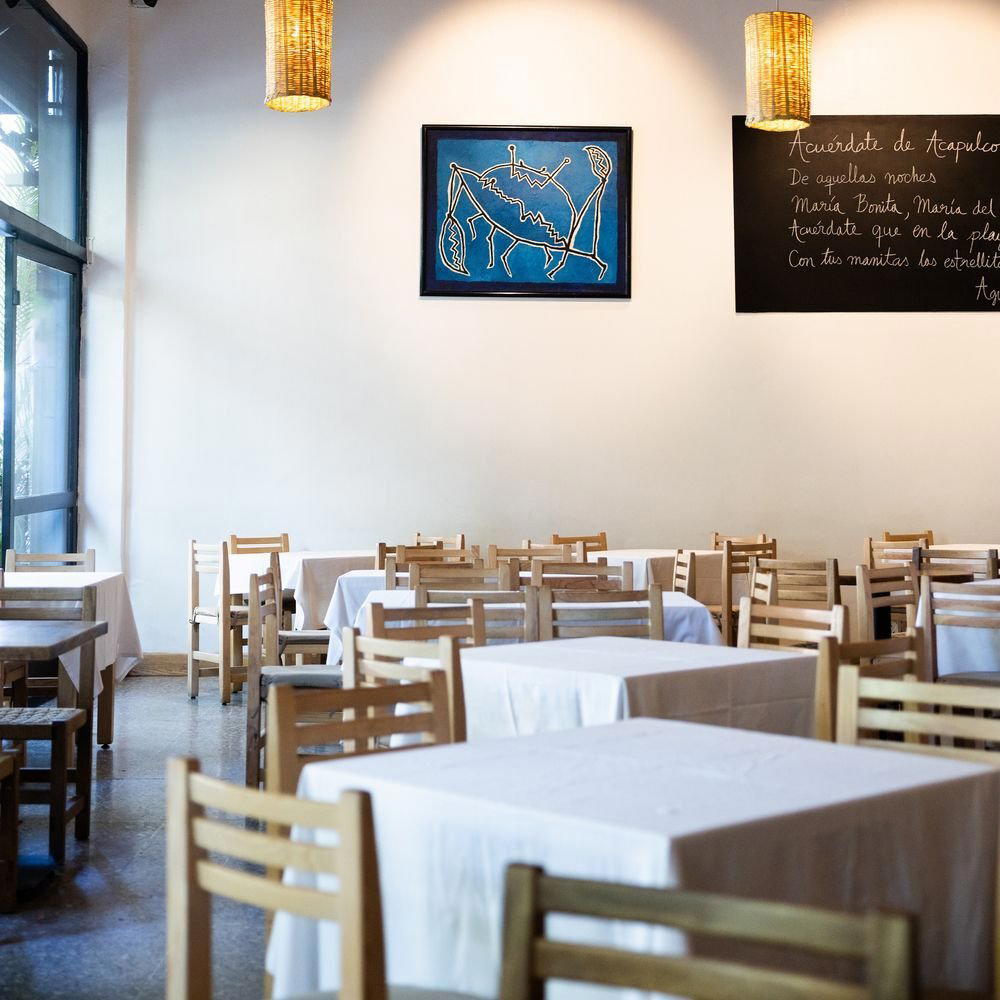
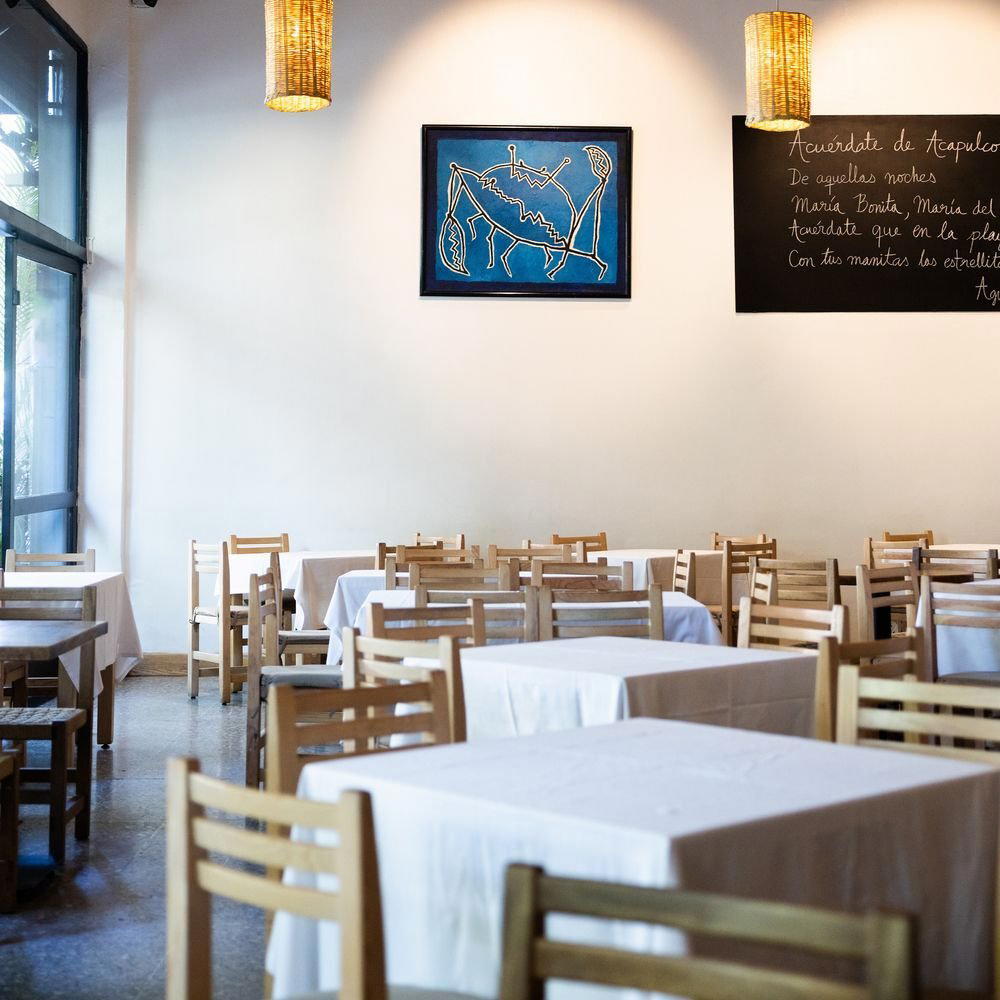
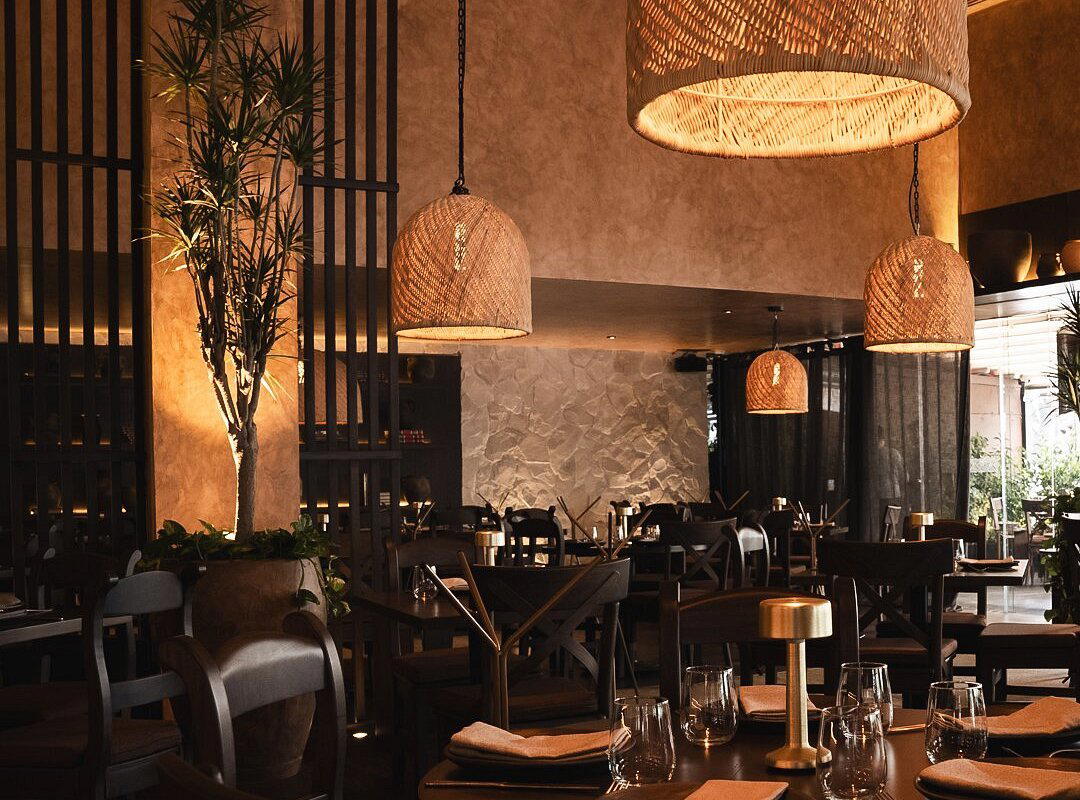
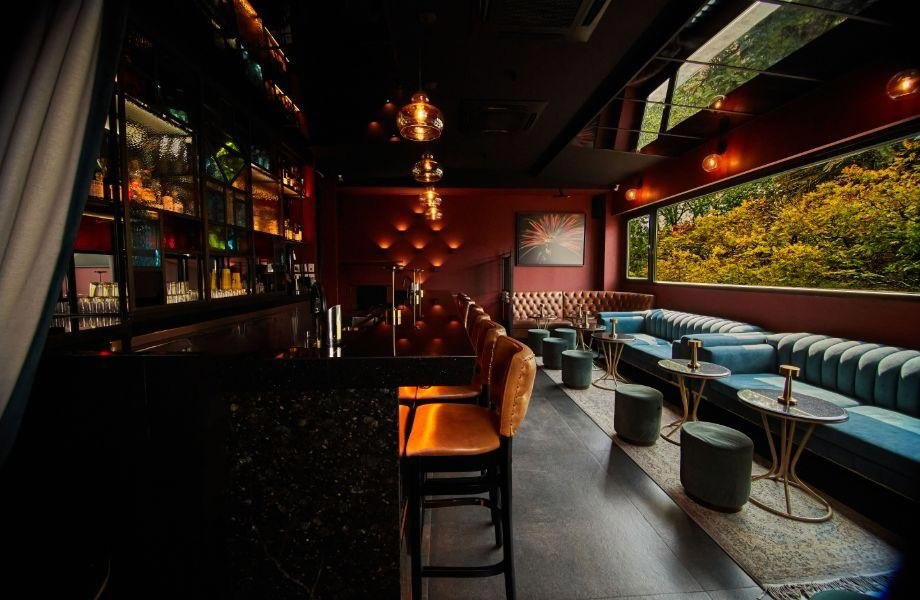
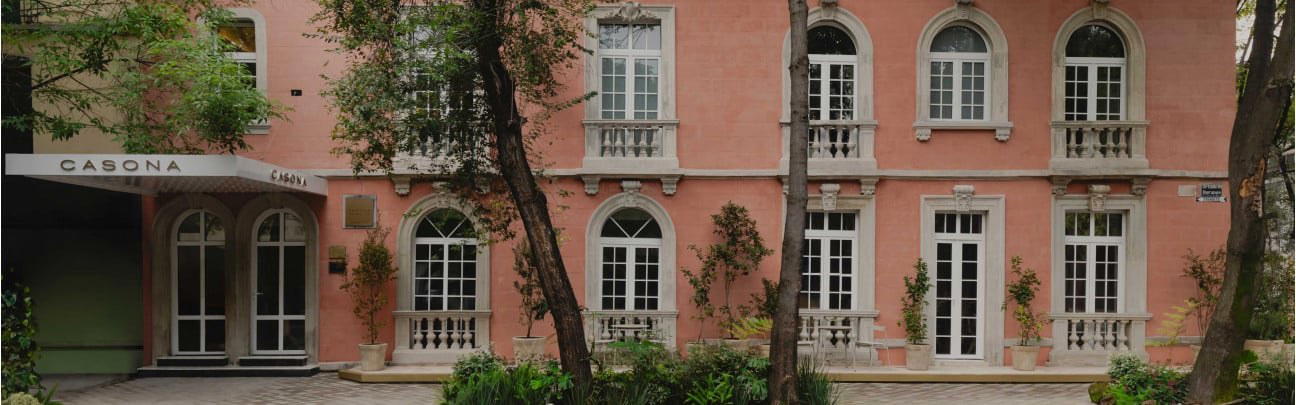
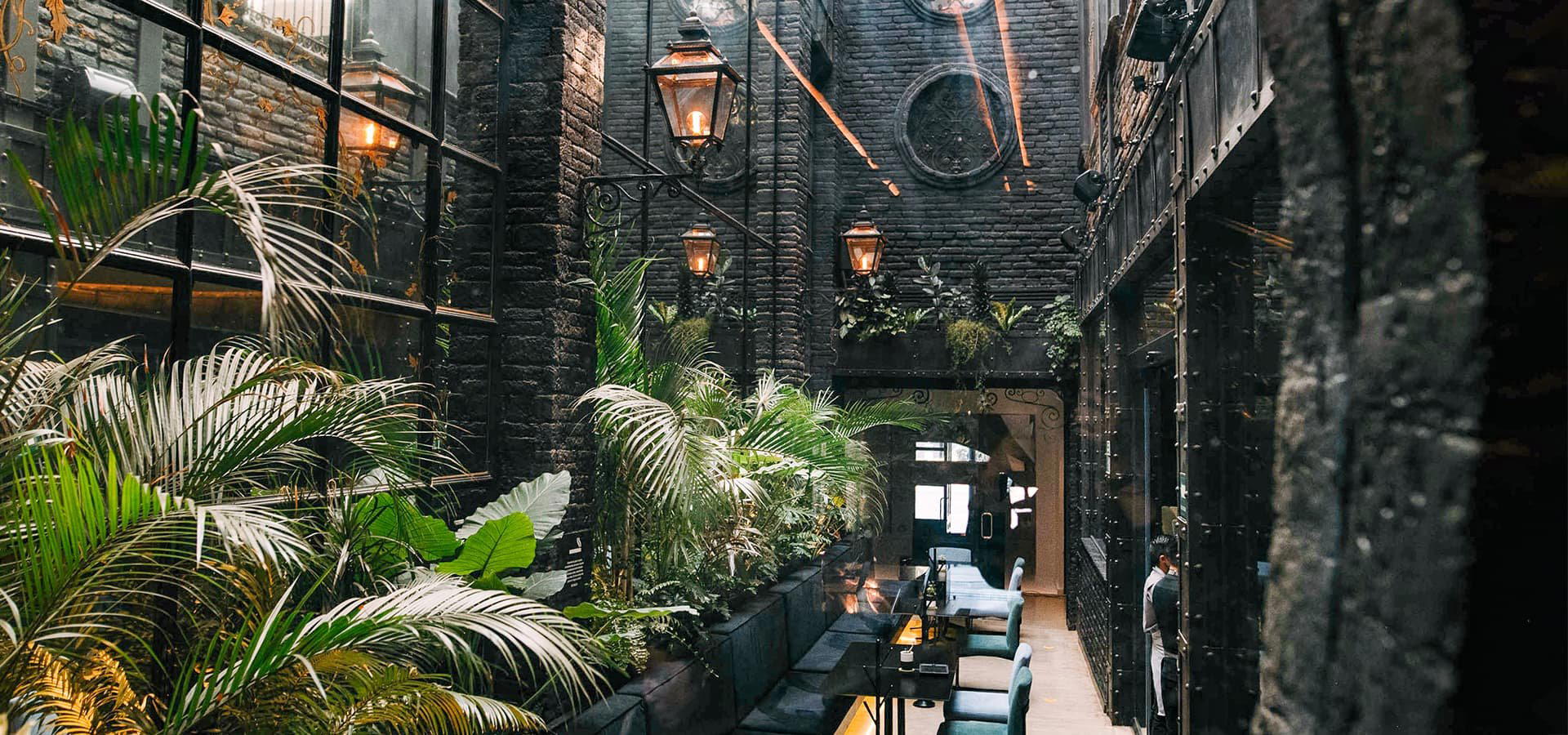
Salamanca 85 is a Roma Norte address with the neighbourhood's characteristic early-twentieth-century building stock: high ceilings, tiled floors, proportions designed for a different era's pace. These spaces tend to absorb sound differently from purpose-built restaurant rooms, which shapes how a dining experience feels before a single plate arrives. The physicality of Roma Norte's converted buildings is part of why the neighbourhood attracts kitchens that want atmosphere to arrive without being manufactured.
Roma Norte's dining cohort in this price range includes Rosetta, Elena Reygadas's Italian-inflected kitchen on Colima, which occupies a similarly converted domestic space and prices at a comparable mid-market point. Rosetta's longevity in the neighbourhood demonstrates that Roma Norte rewards consistency and a clear identity over novelty cycles. That is the competitive environment Fónico operates within.
The Technique-Ingredient Axis in Practice
When kitchens in Mexico City commit to the local-ingredients, global-technique model, the decisions compound quickly. Sourcing Mexican chiles, herbs, fungi, and grains with the same rigour applied to French produce requires relationships with specific suppliers, often small-scale growers working heirloom varieties that don't move through wholesale channels. The kitchens that do this seriously, including several of those listed above, invest in those supply chains over years rather than seasons.
On the technique side, the reference points vary: classical French brigade structure, Japanese precision in product handling, Scandinavian fermentation and preservation methods, and South American live-fire traditions have all made their way into Mexico City kitchens over the past decade. The question any serious kitchen faces is which methods genuinely serve the ingredients and which are applied for their own sake. The most coherent menus in this city tend to be the ones where technique is invisible: the product arrives tasting like a more concentrated version of itself, and the kitchen's labour is evident only in the result.
Beyond Mexico City, this same debate runs through kitchens like Arca in Tulum, HA' in Playa del Carmen, Lunario in El Porvenir, Pangea in San Pedro Garza García, and Olivea Farm to Table in Ensenada. Internationally, kitchens like Le Bernardin in New York and Lazy Bear in San Francisco represent what it looks like when technique and product achieve genuine parity, even if the ingredient sets differ entirely.
Practical Planning
Fónico is located at Salamanca 85, Roma Norte, Cuauhtémoc, 06700, Mexico City. Getting there: Roma Norte is accessible from the Metro's Insurgentes station (Line 1) and is well-served by Uber and DIDI throughout the day and evening. Reservations: Timing: Roma Norte's dining rhythm runs later than northern European or North American norms; arriving before 8:30 p.m. on weekdays typically means a quieter room. Weekends in the neighbourhood fill from 9 p.m. onward. Budget:
Frequently asked questions
What's the address for Fónico?
Fónico is located at Salamanca 85, Roma Nte. Cuauhtémoc, 06700 Ciudad de México, CDMX, Mexico, Mexico City.
How does Fónico's Roma Norte location compare to Mexico City's Polanco restaurant district?
Polanco carries the capital's highest concentration of internationally awarded restaurants, with the infrastructure and price points that come with that profile; Roma Norte, where Fónico sits at Salamanca 85, operates on a different register — independent, neighbourhood-scaled, and generally more attuned to local produce sourcing than to global-brand dining. For visitors choosing between the two, the distinction is less about quality and more about format: Polanco skews formal and destination-driven, while Roma Norte rewards exploratory dining on foot.
What do regulars order at Fónico?
What the Roma Norte address and the kitchen's approach signal is a focus on classical European technique applied to Mexican produce — the model that has defined the neighbourhood's upper tier over the past decade. Your best intelligence will come from current regulars or the restaurant directly at Salamanca 85.
How far ahead should I plan for Fónico?
As a practical orientation, Roma Norte independents without international award profiles typically take reservations one to three weeks out, though a kitchen gaining word-of-mouth traction can compress that window quickly. Contacting the restaurant at Salamanca 85, Roma Norte directly is the most reliable way to gauge current demand.
A Pricing-First Comparison
Comparable venues nearby, for context on price, style, and recognition.
| Venue | Cuisine | Price | Notes |
|---|---|---|---|
| FónicoThis venue — the venue you are viewing | Contemporary Mexican Fine Dining | Not listed | Not listed |
| Tetetlán | Modern Mexican | $30–50 | Puente Sierra, Modern Mexican |
| Alfil Restaurante | Mexican-Middle Eastern Fusion | Not listed | Condesa, Mexican-Middle Eastern Fusion |
| Dama Terraza | Homestyle Mexican-American Fusion | Not listed | Bosque de Chapultepec, Homestyle Mexican-American Fusion |
| Palominos | Sonoran Steakhouse | $30–50 | Del Valle Norte, Sonoran Steakhouse |
| Isabel La Católica 30 | Traditional Mexican Regional | $50–100 | Centro, Traditional Mexican Regional |