Mustrue

Mustrue brings a Michelin Plate-recognised European menu to Haeundae-gu, Busan's most cosmopolitan district, at a mid-range price point that sits well below the neighbourhood's premium tier. Consecutive Michelin Plate recognition in 2024 and 2025 positions it as one of the more credible European addresses in a city where the cuisine remains a genuine minority pursuit. The ₩₩ pricing makes the standard accessible without the commitment of a full tasting-format counter.
Pearl is the En Primeur Club membership app — saves, bookings, and concierge access live there. Same editors, same standards.
- Address
- 29 Jwadongsunhwan-ro 433beon-gil, Haeundae-gu, Busan, South Korea
- Phone
- +82 51-747-2369
- Website
- mustruedining.modoo.at
- Directions
- Get directions
 Saves & bookings on Pearl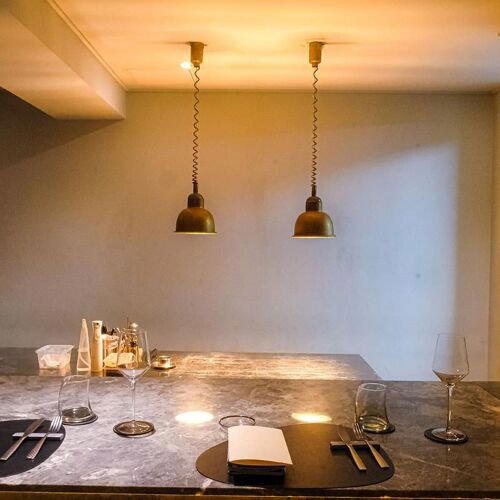
European Dining in Haeundae: What the Neighbourhood Context Tells You
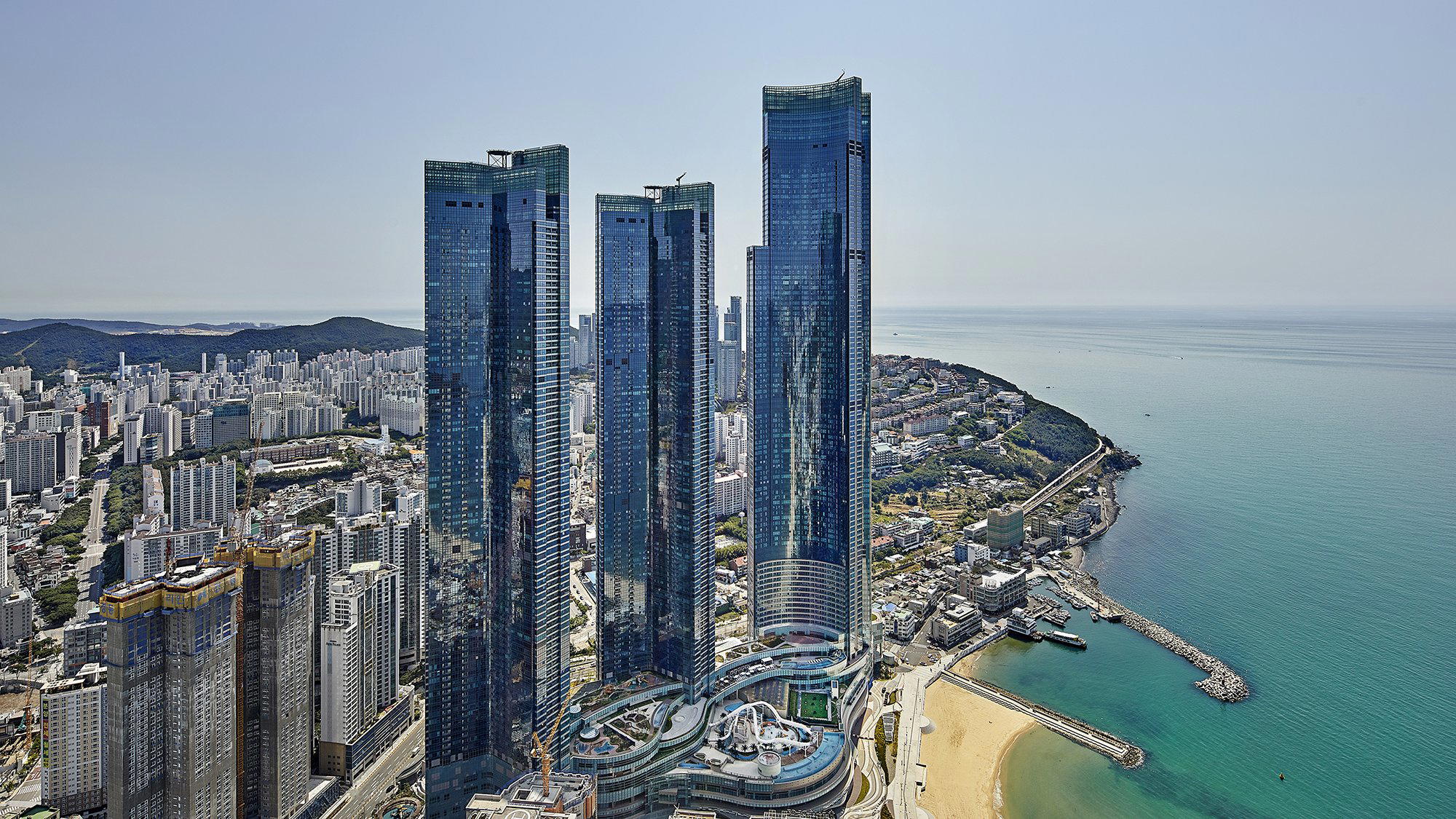
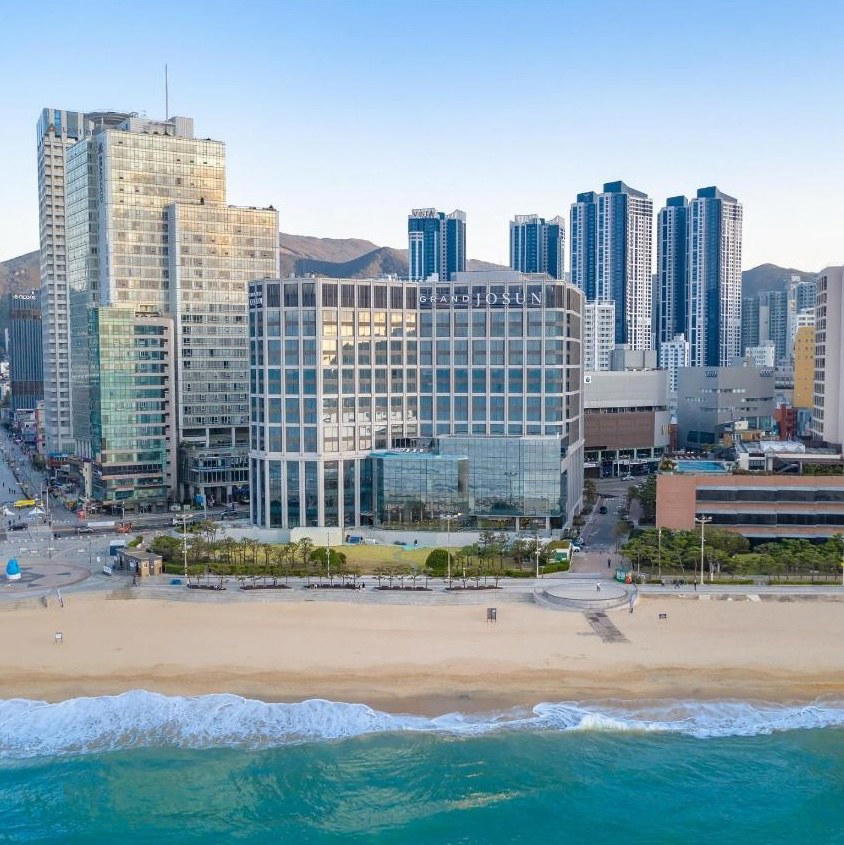
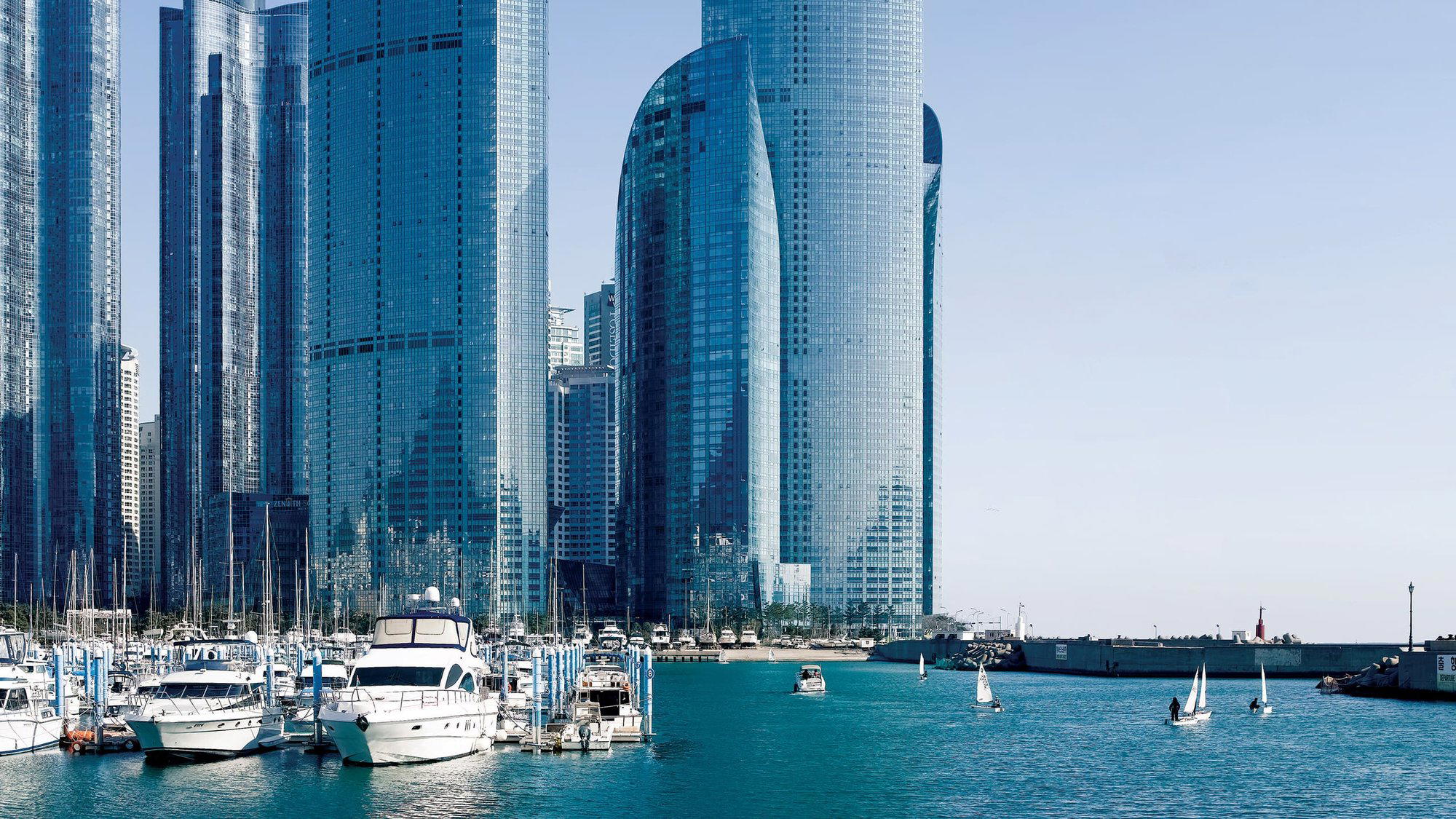
Haeundae-gu is the part of Busan most accustomed to foreign formats. The district runs from the beach strip inland through Centum City and into the quieter residential corridors near Jwadongsunhwan-ro, where the address for Mustrue sits. It is a district that has absorbed international hotel brands, department-store dining floors, and a small tier of independently owned Western-cuisine restaurants with more ease than anywhere else in the city. That context matters when reading Mustrue: European cooking in Busan is not a mainstream proposition, and in Haeundae it competes against a relatively small peer group rather than a crowded category.
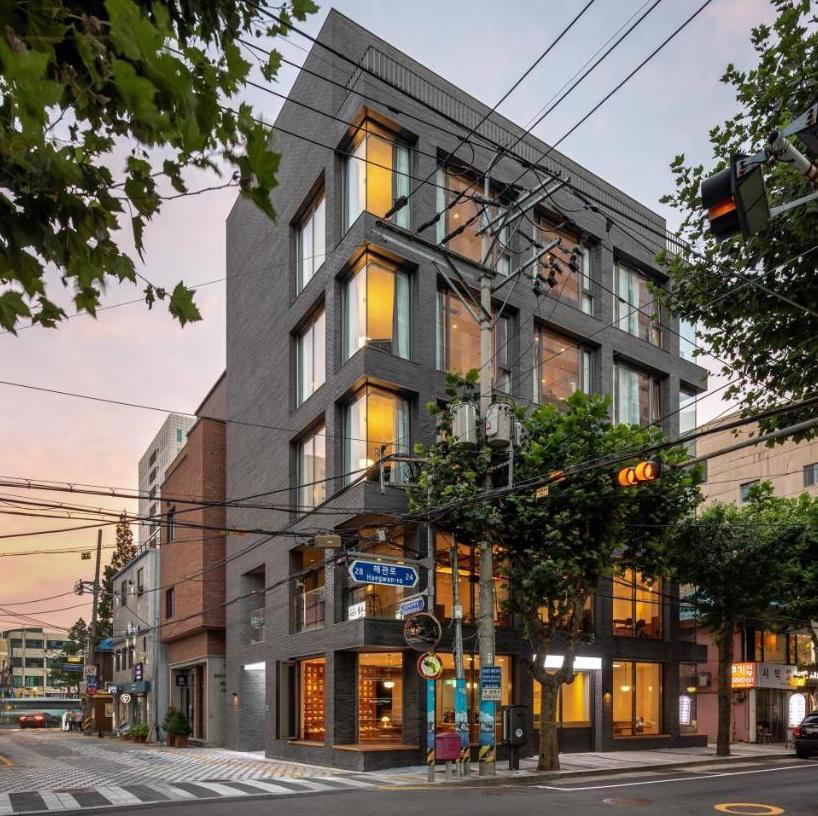
The address at 29 Jwadongsunhwan-ro 433beon-gil places the restaurant away from the seafront commercial density, in a quieter sub-district that Korean diners tend to associate with considered, neighbourhood-rooted operators rather than high-footfall tourist dining. Approaching from the main road, the physical shift in scale is the first editorial signal: this is not a venue designed around volume or spectacle.
The Physical Container: Space as an Editorial Argument
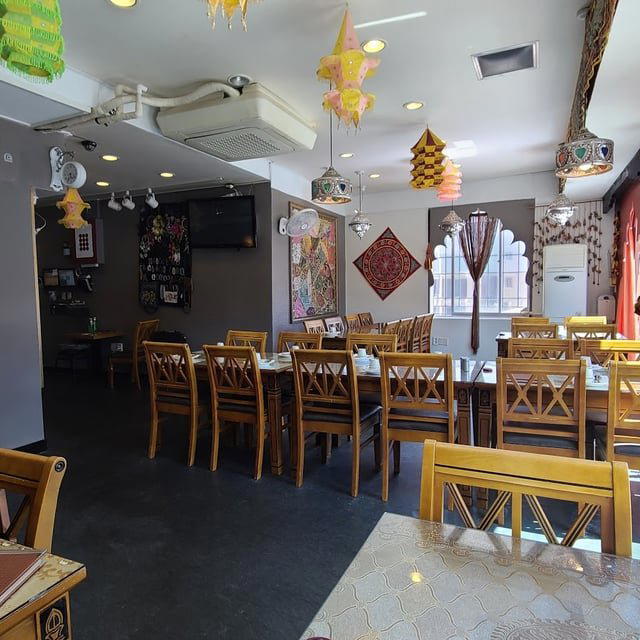
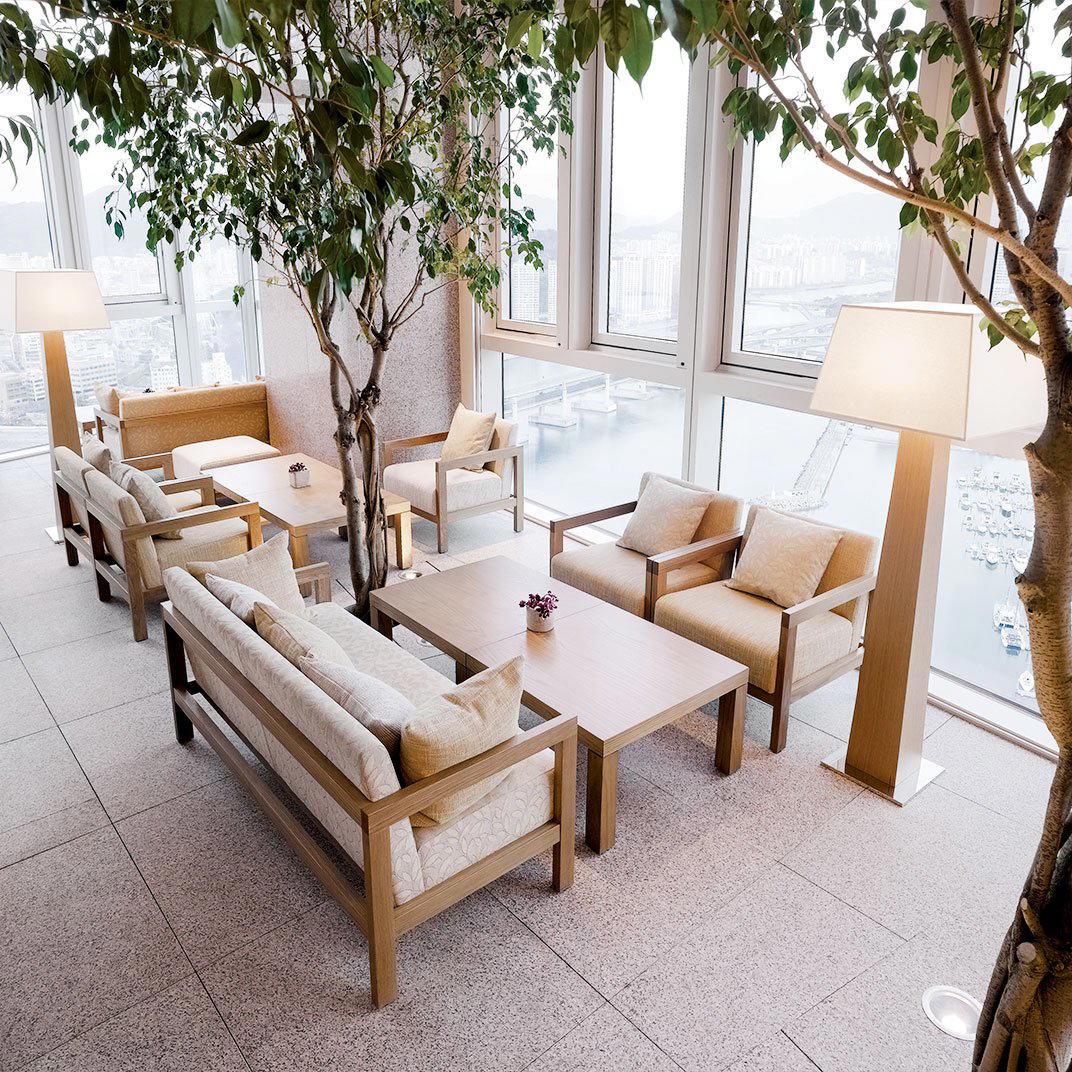
In Korean restaurant culture, the interior format of a European-cuisine restaurant carries particular weight. The dominant local dining idiom runs toward communal tables, visible kitchen activity, and an ambient register calibrated for groups. European restaurants operating at the ₩₩ tier in Busan have broadly split into two approaches: some adopt a bistro-casual register with exposed materials and a relaxed seating plan, while others attempt a more formal European dining room posture that can feel effortful in the Korean context. The design choices at a restaurant like Mustrue are, in this sense, a positioning statement before the menu is read.
The seating arrangement and interior architecture of a mid-range European address in this part of Haeundae typically prioritises proximity between tables that allows the room to feel inhabited at partial capacity, a genuine practical concern for European-format restaurants in Korean cities where that cuisine has a narrower draw than Japanese or contemporary Korean. Whether a space reads as intimate or merely small depends entirely on the quality of the spatial decisions. The distinction matters because the dining experience in European formats is substantially shaped by the physical container in ways that Korean barbeque or naengmyeon traditions, which carry their own defined spatial logic, are not.
Michelin Recognition in Context
Mustrue holds Michelin Plate recognition in both 2024 and 2025. The Michelin Plate, reintroduced as a formal designation, marks restaurants the inspectors consider worth visiting, positioned below the star tiers but above the general listing. Consecutive years of Plate recognition signals sustained consistency rather than a single strong inspection cycle. In a city where Michelin coverage is concentrated in a smaller number of addresses than Seoul, appearing in the guide at all represents a meaningful threshold. Against Mori in the ₩₩₩ Japanese tier or Born and Bred at the ₩₩₩₩ steakhouse register, Mustrue's ₩₩ Plate position occupies a specific niche: Michelin-recognised European cooking at a price point that makes a mid-week visit a realistic proposition rather than a planned occasion.
For comparison, Palate operates in the contemporary format at the same ₩₩ tier, while the city's Korean-traditional anchors like 100.1. Pyeongnaeng sit at ₩ and serve a fundamentally different dining need. The European category in Busan does not have the depth of either Seoul or a major Western capital, which means Michelin recognition carries proportionally more weight as a navigation tool for visitors than it might in a more crowded field.
For broader European comparisons in the region, Stiller in Guangzhou and Aroma in Guangzhou represent the Chinese tier of mid-range European addresses, while Bar Valette in London anchors the European-origin end of the same broad cuisine category. The Korea-based comparable set for serious European cooking is concentrated in Seoul, at addresses including Mingles and Gaon, though both operate at higher price tiers and in different culinary registers.
The ₩₩ Tier and What It Signals for European Cooking in Busan
Pricing in the ₩₩ bracket for European cuisine in Korea typically covers a la carte mains in the 20,000 to 45,000 KRW range or set lunch formats that bring the per-head cost down further. At this tier, operators are making a deliberate decision not to position within the premium occasion-dining segment, where European formats can charge significantly more on the basis of imported ingredients, formal service staffing ratios, and elaborate plating. The ₩₩ register implies an accessible format: fewer courses, more direct presentation, a service approach that does not require extensive ceremony.
That combination, Michelin recognition plus accessible pricing, is a specific editorial argument in its own right. It positions Mustrue as a restaurant that earns its recognition on cooking fundamentals rather than on production value or occasion-dining atmosphere.
Busan's Wider Dining Context
Busan's dining identity is shaped primarily by seafood, pork-based soups, and a regional Korean cooking tradition with real depth. Outro by Vito and the Korean fine dining tier represent the city's highest-profile culinary addresses, while internationally-recognised Korean cuisine at the Seoul end of the spectrum, from 권숙수 - Kwon Sook Soo to temple food traditions like Baegyangsa, demonstrates how broad the domestic culinary range is before European formats are even considered.
Within that context, choosing a European restaurant in Busan is a deliberate act. Visitors and residents doing so are generally either seeking a specific respite from Korean formats during an extended stay, or specifically interested in how European cooking translates in a city that lacks the concentrated foreigner-resident population that has historically driven demand for Western cuisine in Seoul. Mustrue's Haeundae location positions it precisely where that demand is strongest.
Those planning a broader dining itinerary in the city can use our full Busan restaurants guide, while complementary resources cover hotels, bars, wineries, and experiences across the city. For Jeju comparisons, The Flying Hog in Seogwipo provides a useful data point on how Western-format dining operates outside the main Korean metropolitan centres.
Planning a Visit
The address at 29 Jwadongsunhwan-ro 433beon-gil, Haeundae-gu, is accessible from Haeundae station or by taxi from the beach and BEXCO convention areas.
How It Stacks Up
Comparable venues nearby, for context on price, style, and recognition.
| Venue | Cuisine | Price | Awards | Notes |
|---|---|---|---|---|
| MustrueThis venue — the venue you are viewing | Modern Fusion Fine Dining | $$$$ | Michelin Plate | Not listed |
| Torafuguga | Japanese Fugu (Pufferfish) Fine Dining | $$$$ | Michelin Plate | Jung 1(il)-dong |
| Zero Base | Modern Japanese Omakase | $$$ | Michelin Plate | Millak-dong |
| L'Essence | Contemporary French Bistro with Korean Influences | $$$ | Michelin Plate | Namcheon 2(i)-dong |
| Yakitori Haegong | Dining | Not listed | Michelin Plate | Jeonpo 2(i)-dong |
| Yulling | Contemporary French with Local Busan Ingredients | $$$$ | Not listed | Jung 1(il)-dong |
Recognition history
Dated appearances from independent guides and award organizations, with the underlying list record or original source where available.
Michelin Plate
Michelin
Michelin Plate
Michelin
At a Glance
- Modern
- Intimate
- Elegant
- Special Occasion
- Date Night
- Natural Wine
- Local Sourcing
- Organic
Current opening hours
- Monday
- Closed
- Tuesday
- Closed
- Wednesday
- 12–3 PM, 6–9:30 PM
- Thursday
- 12–3:30 PM, 6–9:30 PM
- Friday
- 12–3 PM, 6–9:30 PM
- Saturday
- 12–3 PM, 6–9:30 PM
- Sunday
- 10 AM–3 PM, 6–9:30 PM
Hours can change for holidays and private events. Last verified .
Comfortable and private modern space.