
Tabelog 100 #50
Our verdict
Murakami Kaishindo belongs to Kyoto’s older confectionery grammar: small-scale, formal, and judged as much by restraint as by novelty. Its Tabelog Sweets WEST “Tabelog 100” selections in 2020, 2022, and 2023 place it in the city’s serious sweets circuit, where Western-style confections and wagashi sit beside temple-town ritual rather than café trend-chasing.

Pearl is the En Primeur Club membership app — saves, bookings, and concierge access live there. Same editors, same standards.
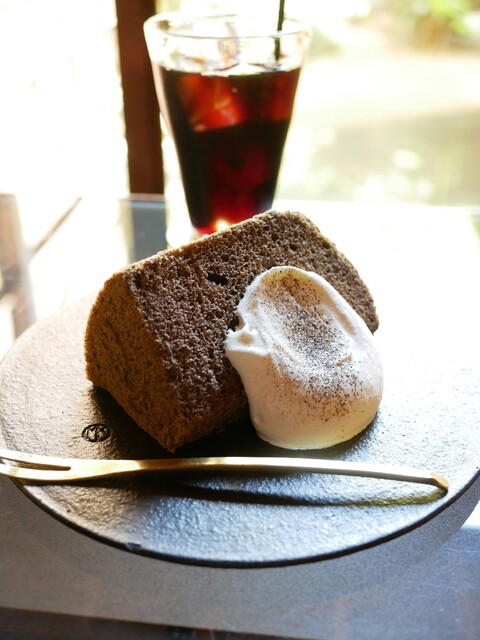
The menu
What to order
- Russian Cake
- Assorted baked cookies
- Western-style cakes
Approaching a Kyoto sweet shop like this, the tempo changes before the counter appears. Kyoto has polished dining rooms, but the confectionery tradition works smaller: paper boxes, precise service, quiet buying decisions, and the local habit of treating sweets as social currency. Murakami Kaishindo fits that grammar. It is not a spectacle-driven dessert stop; it belongs to the older Kyoto category where Western-style sweets and Japanese traditional sweets share a civic role, used for visits, gifts, tea, and seasonal courtesy.
That distinction matters because sweets in Kyoto are not simply post-meal. Wagashi has long been tied to tea practice, seasonal calendars, and the city’s gift economy, while Western-style confectionery has its own place in formal packaging and Japanese presentation. The strongest shops in this lane do not need constant menu churn. They trade on continuity, consistency, and feeling correct in a city where hospitality is often measured by what is brought to someone else’s home.
A Kyoto sweets address judged by continuity, not novelty
Read Murakami Kaishindo through reputation rather than reinvention. Tabelog recognition in 2023 places it in the regional conversation around serious confectionery rather than casual snack tourism. The listing score, 3.69, matters less than the recognition itself: Japanese sweets listings tend to reward shops sustaining demand and regular custom, not openings with brief attention.
Kyoto’s sweets field splits into lanes. There are pilgrimage sweets tied to local rituals, represented by other Kyoto specialists. There are contemporary dining rooms treating dessert as part of a broader restaurant experience. Then there is the confectionery counter: purchase-led, compact, and often more revealing of local habits than a long tasting menu. Murakami Kaishindo sits there, where restraint is not limited ambition but the operating code.
The shop’s categories, Western-style sweets and Japanese traditional sweets, point to Kyoto’s appetite for hybrid inheritance. This is not necessarily modern fusion; it is the older Japanese ability to absorb outside formats and make them obey local rules: portion, packaging, gifting, seasonality, and social use. In that context, the shop’s continued recognition is not decorative trivia. It places the business in the conversation around confectionery localized into Japanese urban life, especially in cities with developed gift cultures and exacting local customers.
The format rewards a deliberate stop, not a long meal
Kyoto visitors often overbuild eating days: a formal lunch, coffee, temple sweets, then counter dinner. Smarter is to separate confectionery from the meal calendar. A sweets address asks for another rhythm: arrive with purpose, buy with an eye to who will receive the box, and leave room for quieter food rituals. Compared with the broader casual-price band represented by Boulangerie Liberte' or Nijo Wakasaya Teramachi ten, this reads less as a quick carbohydrate stop than a Kyoto-specific errand.
That errand has different value from higher-spend restaurants. A bar or restaurant such as Calvador or Nijo Aritsune asks the traveler to commit an evening. A sweets counter asks for daylight attention, when Kyoto shows its everyday face: office workers, gift buyers, and visitors moving between transport and shopping streets. The category remains useful for serious travelers because it shows local taste when it is not dressed up as dinner.
The presence of both Western-style and Japanese traditional sweets makes the shop a practical bridge for travelers wanting Kyoto confectionery without turning the day into a taxonomy lesson. It also keeps the experience grounded. Many cities flatten dessert into photogenic café culture; Kyoto’s better sweet shops are more exacting. Packaging, restraint, and gifting suitability carry weight. The purchase is part of the experience, but it is not theater.
How it fits into a sharper Kyoto itinerary
Murakami Kaishindo is strongest as a counterpoint to Kyoto’s reservation-heavy dining. Place it between cultural stops or before a hotel pause, not after a large meal. The restaurant map can pull travelers toward famous set pieces, but confectionery gives a cleaner read on local formality: small transactions, precise timing, and seriousness about sweets outside a full restaurant arc.
For a broader Kyoto day, pair this stop with contrasting formats, not similar ones. Other casual Kyoto dining shows a more populist appetite; Our full Kyoto restaurants guide is better for mapping meals around it. Travelers building a full city plan should also cross-reference Our full Kyoto hotels guide, Our full Kyoto bars guide, Our full Kyoto wineries guide, and Our full Kyoto experiences guide rather than treating sweets as a standalone errand.
The wider Japan list clarifies the point: destination value is not always tied to elaborate service. A concise counter or shop can be as culturally legible as a dining room, whether in Kyoto or elsewhere. Even outside Japan, the same editorial rule applies: small-format specialists often explain a food culture faster than a grand room. In Kyoto, this sweets address does that through continuity, category discipline, and critical recognition.
Frequently asked questions
What's the pricing like at Murakami Kaishindo?
Pricing at Murakami Kaishindo is listed as - JPY 999 - JPY 999 View spending breakdown.
What's Murakami Kaishindo's location?
Kyoto.
Is Murakami Kaishindo open every day?
Current operating days and hours are not specified in the provided listing details, so confirm directly with Murakami Kaishindo before visiting.
What's the defining dish or idea at Murakami Kaishindo?
Murakami Kaishindo is a sweets address, not a restaurant built around a single plated menu. Its 2023 Tabelog recognition points to a house defined by confectionery rather than dinner service.
Can Murakami Kaishindo handle vegetarian requests?
The focus on sweets and Japanese traditional sweets may make vegetarian-friendly choices possible, but ingredients should be confirmed directly with the shop. The safest reference point is the house format itself: a sweets address in Kyoto.
Would Murakami Kaishindo be comfortable with kids?
Its sweets-focused format can make it an approachable Kyoto stop for families, but visit timing and product availability should be confirmed directly with the shop.
Booking and Cost Snapshot
Comparable venues by category and price.
| Venue | Cuisine | Price | Awards | Notes |
|---|---|---|---|---|
| Murakami KaishindoThis venue (the venue you are viewing) | Historic Western-style pastry & cafe | $10–20 | Tabelog 100 #50 | Not listed |
| Warder | Kyoto artisan bakery & sandwich shop | $1–10 | Tabelog 100 #26 | Nakagyō, Kyoto artisan bakery & sandwich shop |
| BLUE FIR TREE | Cafe / Pancake | Not listed | Tabelog 100 #97 | Higashiyama, Cafe / Pancake |
| PATISSERIE.S | Not listed | $20–30 | Tabelog 100 #9 | Shimogyō, Modern French-style patisserie & dessert salon |
| Cafe Verdi | Not listed | Not listed | Tabelog 100 #54 | Sakyō, Coffee Shop / Cafe |
| kashiya | Modern Kyoto cafe & sweets | $20–30 | Tabelog 100 #56 | Sakyō, Modern Kyoto cafe & sweets |
Recognition history
Dated appearances from independent guides and award organizations, with the underlying list record or original source where available.
Tabelog 100 #50 · No. 50
Tabelog · Tabelog 100 - Sweets - WEST - 2023
Continue exploring
More in Kyoto
Restaurants in Kyoto
All restaurants in Kyoto →
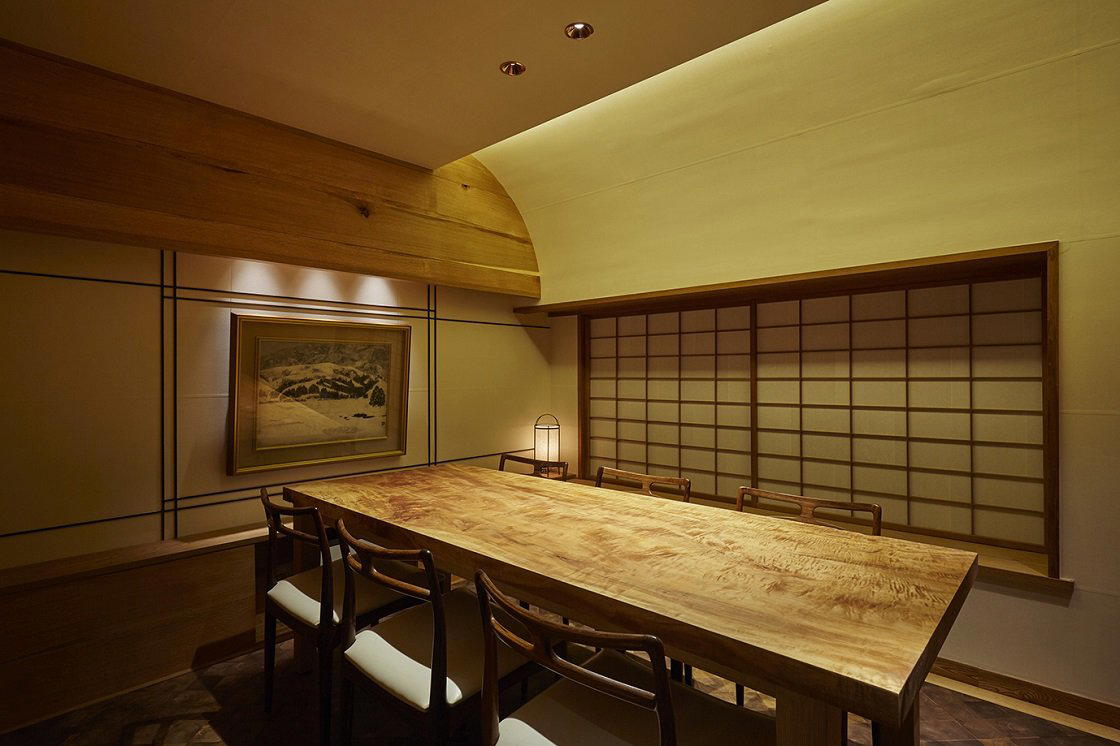



Bars in Kyoto
All bars in Kyoto →



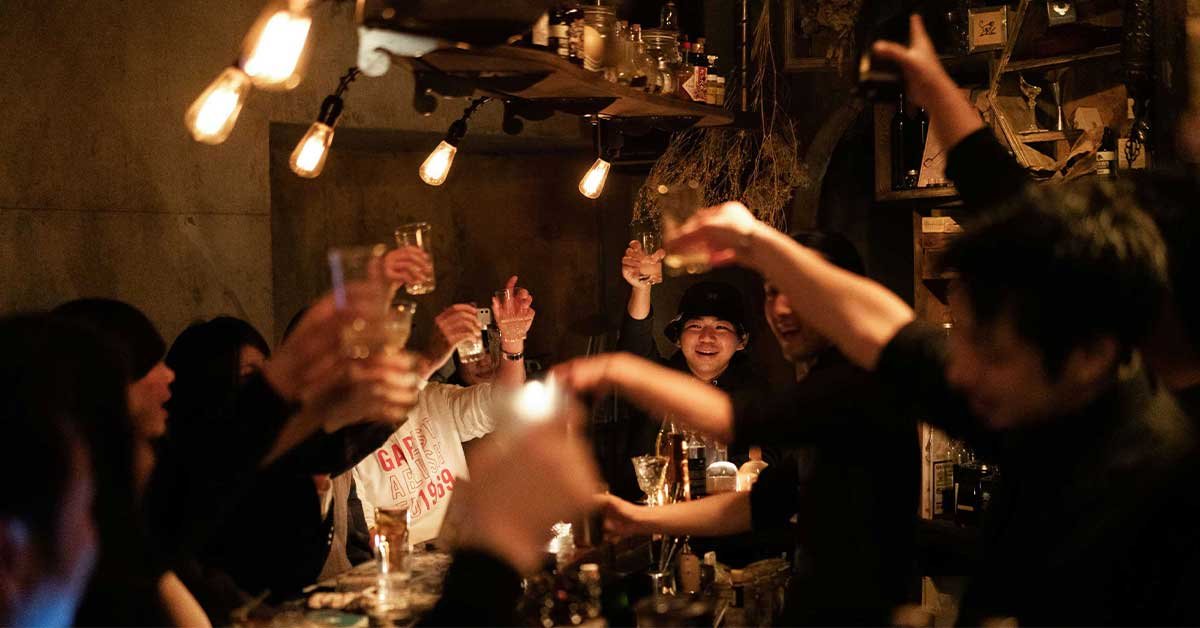
Hotels in Kyoto
All hotels in Kyoto →

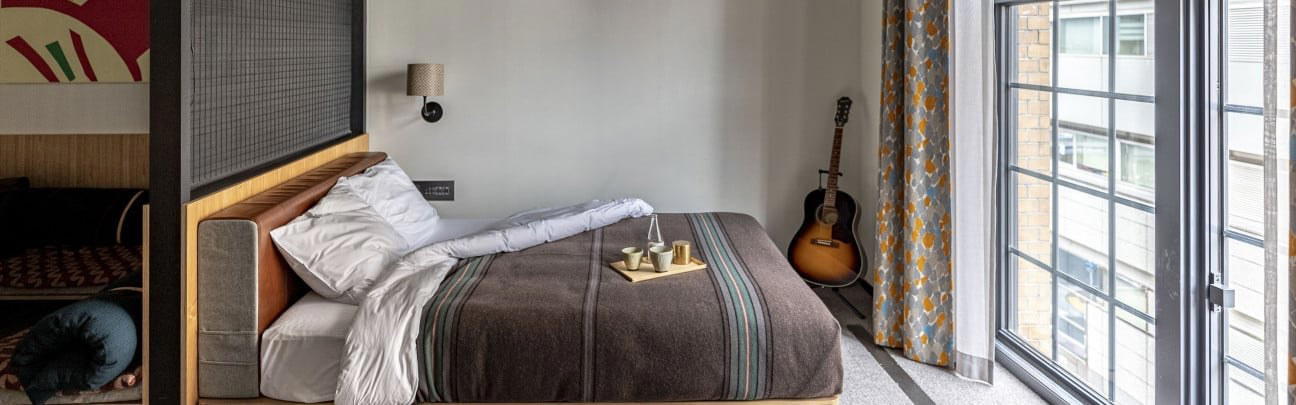


Wineries in Kyoto
Browse all →
Details
- Classic
- Cozy
- Well Known
- Solo
- Casual Hangout
- After Work
- Historic Building
- Standalone
- Design Destination
- A La Carte
- Coffee
- Tea
Current opening hours
- Monday
- 10 AM–6 PM
- Tuesday
- 10 AM–6 PM
- Wednesday
- 10 AM–6 PM
- Thursday
- 10 AM–6 PM
- Friday
- 10 AM–6 PM
- Saturday
- 10 AM–6 PM
- Sunday
- Closed
Hours can change for holidays and private events. Last verified .
A small, non-smoking Western-style cafe with about 15 seats in a white historic building, offering a calm, nostalgic atmosphere that feels like stepping back into early 20th‑century Kyoto.