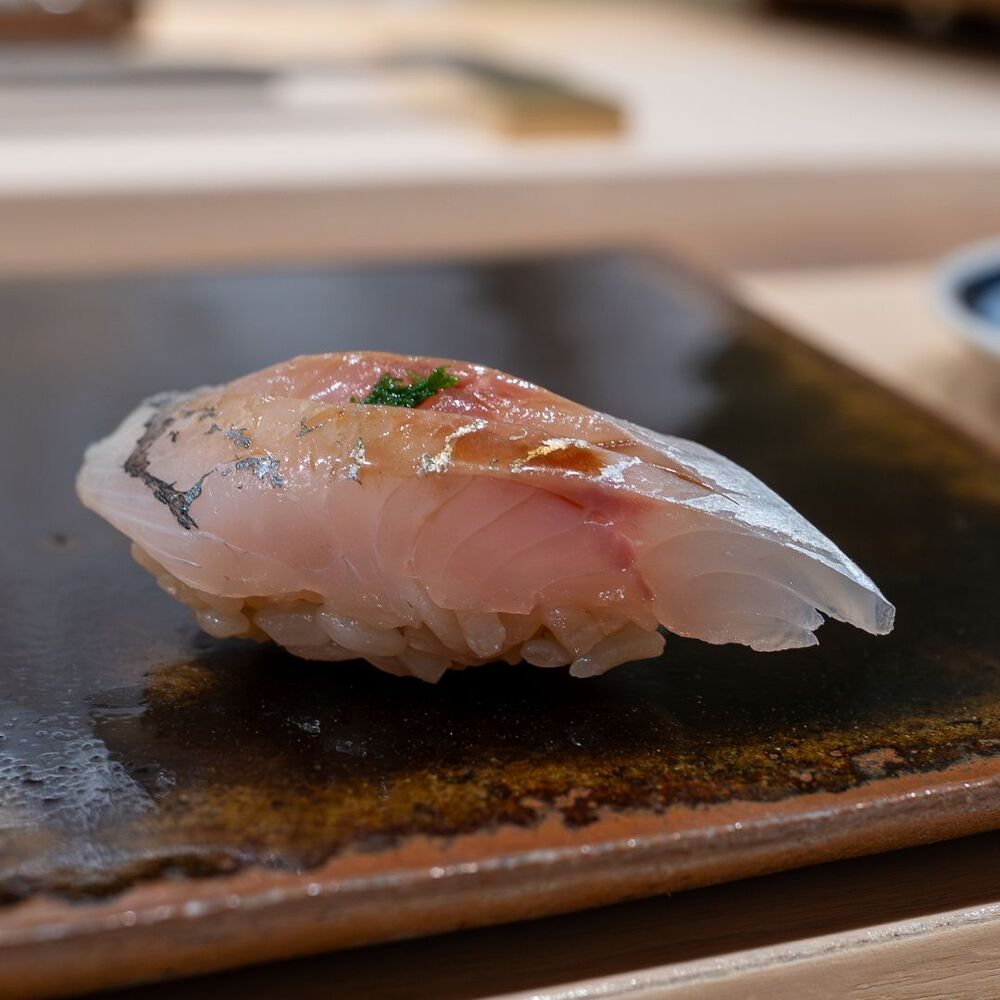
Mui Mui occupies a Jean-Talon address that places it squarely in Montreal's most food-literate neighbourhood, where the proximity to the market sets a high bar for what lands on the table. The room draws a crowd that knows the difference between a wine list assembled by instinct and one built with genuine cellar logic. It earns its place in a city that takes both categories seriously.
Pearl is the En Primeur Club membership app — saves, bookings, and concierge access live there. Same editors, same standards.
- Address
- 149 Rue Jean-Talon O, Montréal, QC H2R 2W9, Canada
- Phone
- +15144957677
- Website
- muimuimtl.com
- Directions
- Get directions
 Saves & bookings on Pearl
Jean-Talon and the Restaurants That Earn Their Address
The stretch of Jean-Talon running west from the market has quietly become one of Montreal's more interesting corridors for serious eating. Unlike the Plateau's self-conscious cool or the Old Port's tourist economics, this part of the city operates on neighbourhood logic: a regular crowd, high food literacy, and restaurants that tend to survive on repeat visits rather than novelty. Mui Mui at 149 Rue Jean-Talon Ouest sits inside that dynamic, drawing from a catchment that includes market vendors, Mile-Ex residents, and the kind of diner who keeps a running mental map of where the wine is worth ordering.
Montreal's dining scene has matured considerably over the past decade. The city now sustains multiple tiers of serious restaurants, from the grand formal registers of Jérôme Ferrer - Europea and Sabayon down through the mid-range modern cooking that venues like Mastard have made their own. Mui Mui occupies a position in that ecosystem shaped by its address and its audience, neither chasing prestige nor settling for convenience dining.
A Wine List as the Organizing Principle
In Montreal's more considered neighbourhood restaurants, the wine list often functions as the clearest signal of how seriously the kitchen is taken. A list assembled without coherent logic tends to signal that wine is an afterthought — something ordered to fill revenue gaps between food courses. The alternative, a cellar built around a discernible point of view, tells a different story about what the room values and who it expects to be serving.
The broader trend across Montreal's independent restaurant scene has moved toward natural, low-intervention, and grower-producer wines, particularly from lesser-known appellations in France, Italy, and increasingly, from Canadian producers working in the Niagara Peninsula and Okanagan Valley. This reflects a pattern visible across serious independent restaurants in Canadian cities: Alo in Toronto has long maintained a cellar with significant depth and international recognition, while AnnaLena in Vancouver has built its wine identity around producers that complement rather than overshadow the food. At Restaurant Pearl Morissette in Lincoln, the wine program is the restaurant in many respects, with the kitchen built around what the estate produces. These are not coincidental alignments — they reflect a national shift toward wine lists that carry editorial weight.
A restaurant on Jean-Talon operating in a food-dense neighbourhood has every reason to approach its cellar with that same discipline. The market proximity means the food sourcing conversation is already refined; the wine selection either matches that or falls behind it.
The Room and What It Signals
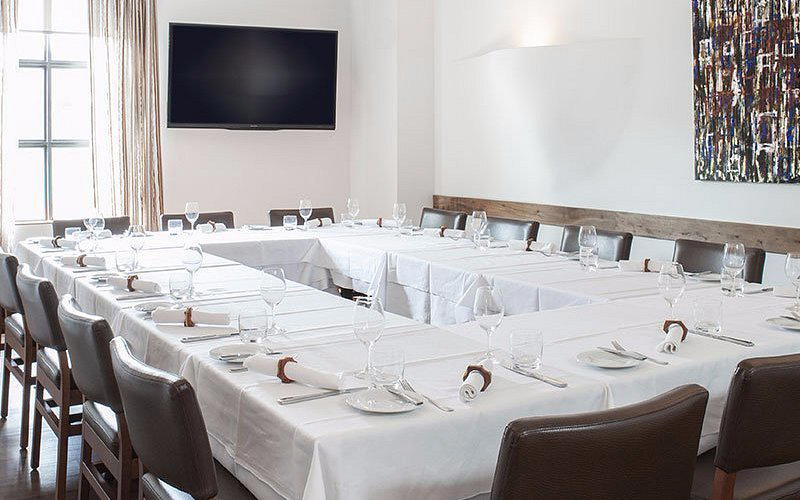
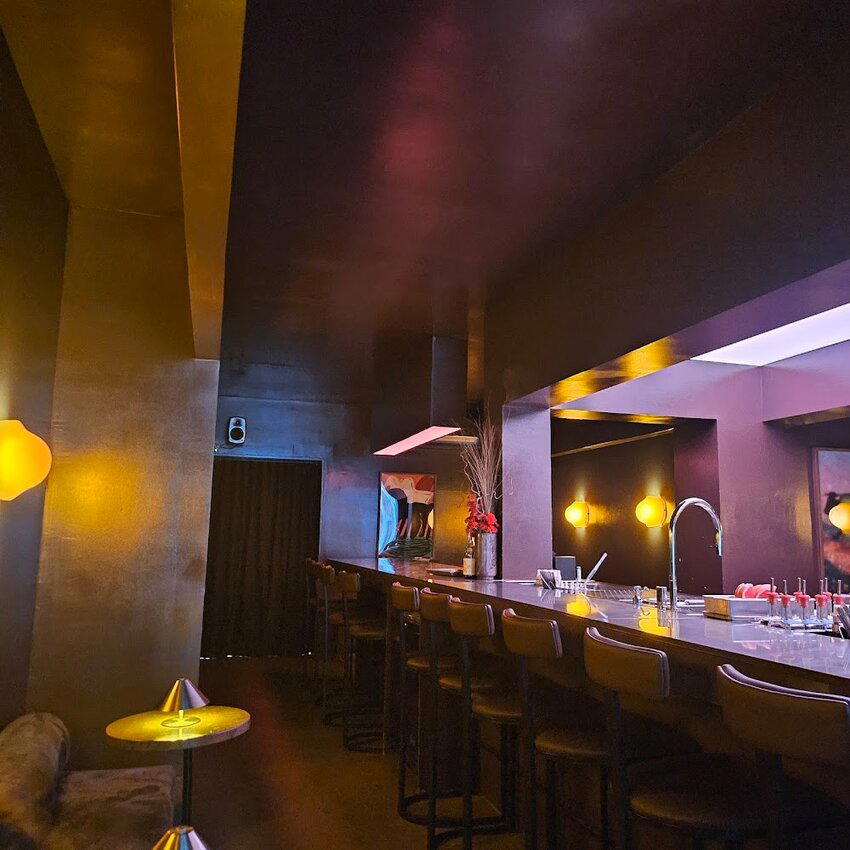
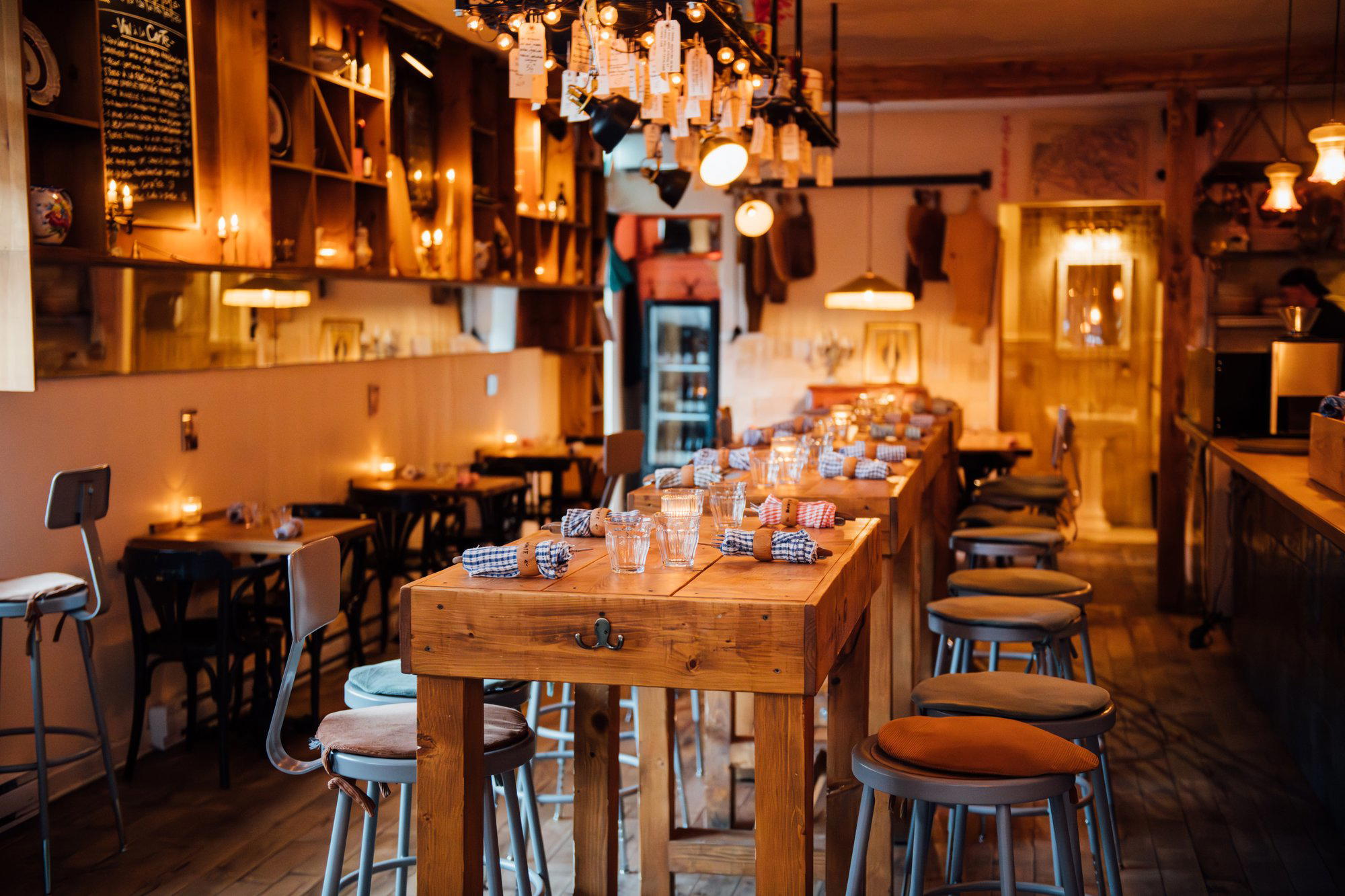
Montreal's Jean-Talon corridor tends toward interiors that read as intentional without being laboured. The neighbourhood does not reward ostentation, a room that tries too hard signals misreading of its audience. What works here is warmth without theatre: good light, considered materials, a pace that allows the meal to stretch without pressure.
This positions Mui Mui within a recognisable Montreal type: the neighbourhood anchor that punches slightly above its postal code without losing the texture of a local. Comparable positions exist across the city's dining map. 3 Pierres 1 Feu operates on similar neighbourhood logic, while Abu el Zulof has carved out a distinct identity in Montreal's broader independent restaurant conversation. Each occupies a different segment of the city's dining plurality, and together they illustrate how Montreal sustains serious restaurants across a wide range of registers and price points.
For context on how the city compares at the formal end, Tanière³ in Quebec City represents the province's most architecturally ambitious approach to regional cuisine. At the other end of the formality scale, Aux Anciens Canadiens in Quebec City keeps a very different set of traditions alive. Mui Mui sits somewhere between those poles, shaped by its neighbourhood rather than by a programmatic ambition.
Montreal in a Wider Canadian Frame
Positioning any Montreal independent restaurant requires understanding what distinguishes the city's dining culture from its Canadian peers. Montreal operates with more restaurants per capita than Toronto or Vancouver, lower average meal costs, and a food culture that treats eating seriously without requiring formal occasion as a precondition. The result is a city where mid-range restaurants carry more ambition than the category implies elsewhere.
Across Canada, the restaurants that have built lasting reputations tend to be defined by a specific combination of culinary discipline and sense of place. Eigensinn Farm in Singhampton and The Pine in Creemore are extreme examples of place-specificity shaping the entire format. Narval in Rimouski demonstrates that this logic applies outside major urban centres too. For international context, the standard set by Le Bernardin in New York City or Atomix represents a different tier of ambition altogether, one built on international recognition and reservation infrastructure that neighbourhood restaurants in Montreal neither seek nor need. Barra Fion in Burlington and Bearspaw Golf Club in Calgary illustrate how Canada's dining conversation extends well beyond its three major cities.
Mui Mui participates in the Montreal version of this conversation, operating in a city where the bar for neighbourhood restaurants is genuinely high.
Planning Your Visit
Mui Mui is located at 149 Rue Jean-Talon Ouest, accessible from Jean-Talon Metro station on the orange line, which places it within a short walk of both the market and the Mile-Ex district. For a neighbourhood restaurant in this part of the city, booking ahead is advisable, particularly on weekends when the Jean-Talon corridor draws beyond its immediate residential catchment. Visiting in summer or early autumn allows diners to combine a meal with the market at its most productive, which gives the food sourcing context that Jean-Talon restaurants benefit from. For a fuller picture of the city's restaurant options across price points and neighbourhood, our full Montreal restaurants guide maps the scene in more detail.
Credentials Lens
| Venue | Cuisine | Price | Awards |
|---|---|---|---|
| Mui MuiThis venue — the venue you are viewing | Not listed | Not listed | This venue |
| L’Express | French Bistro | $$ | French Bistro |
| Schwartz’s | Delicatessen | $ | Delicatessen |
| Toqué | French | $$$$ | French |
| Jérôme Ferrer - Europea | Modern Cuisine | $$$$ | Michelin 1 Star |
| Mastard | Modern Cuisine | $$$ | Michelin 1 Star |
At a Glance
- Trendy
- Cozy
- Modern
- Date Night
- Special Occasion
- Group Dining
- Casual Hangout
- Terrace
- Standalone
- Craft Cocktails
Current opening hours
- Monday
- Closed
- Tuesday
- Closed
- Wednesday
- 5:30–10:30 PM
- Thursday
- 5:30–10:30 PM
- Friday
- 5:30–10:30 PM
- Saturday
- 5:30–10:30 PM
- Sunday
- Closed
Hours can change for holidays and private events. Last verified .
Described on OpenTable as charming and a neighborhood gem, with a special-occasion feel and a relaxed contemporary dining-room atmosphere.
Know Before You Go
- Getting there
- 149 Rue Jean-Talon O, Montréal, QC H2R 2W9, Canada