On Peel Street in downtown Montreal, Iberica brings Iberian flavours into a city whose restaurant scene is defined by French and French-Canadian traditions. The address places it squarely in the city's commercial core, where after-work dining and pre-theatre crowds converge. For those tracing Montreal's broadening appetite for European regional cuisine, it occupies a distinct position in the mix.
Pearl is the En Primeur Club membership app — saves, bookings, and concierge access live there. Same editors, same standards.
- Address
- 1450 Peel St, Montreal, Quebec H3A 1S8, Canada
- Phone
- +15142851888
- Website
- iberica.ca
- Directions
- Get directions
 Saves & bookings on Pearl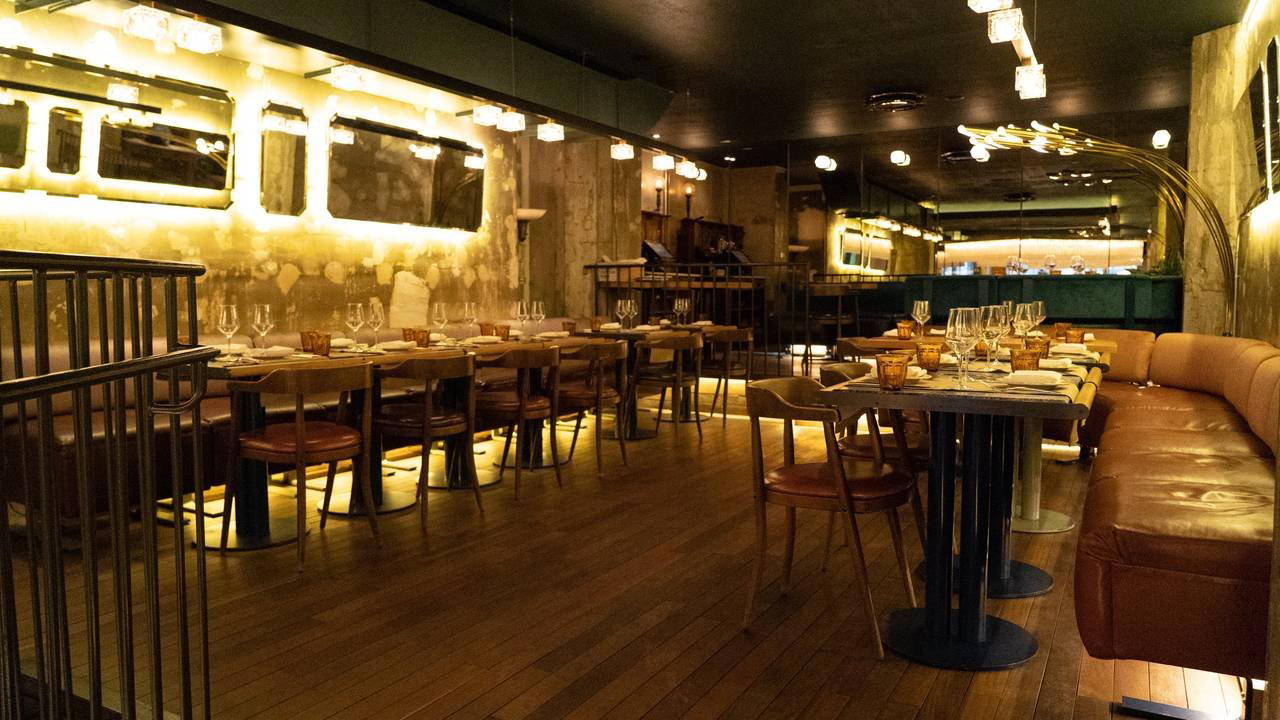
Peel Street and the Weight of the Room
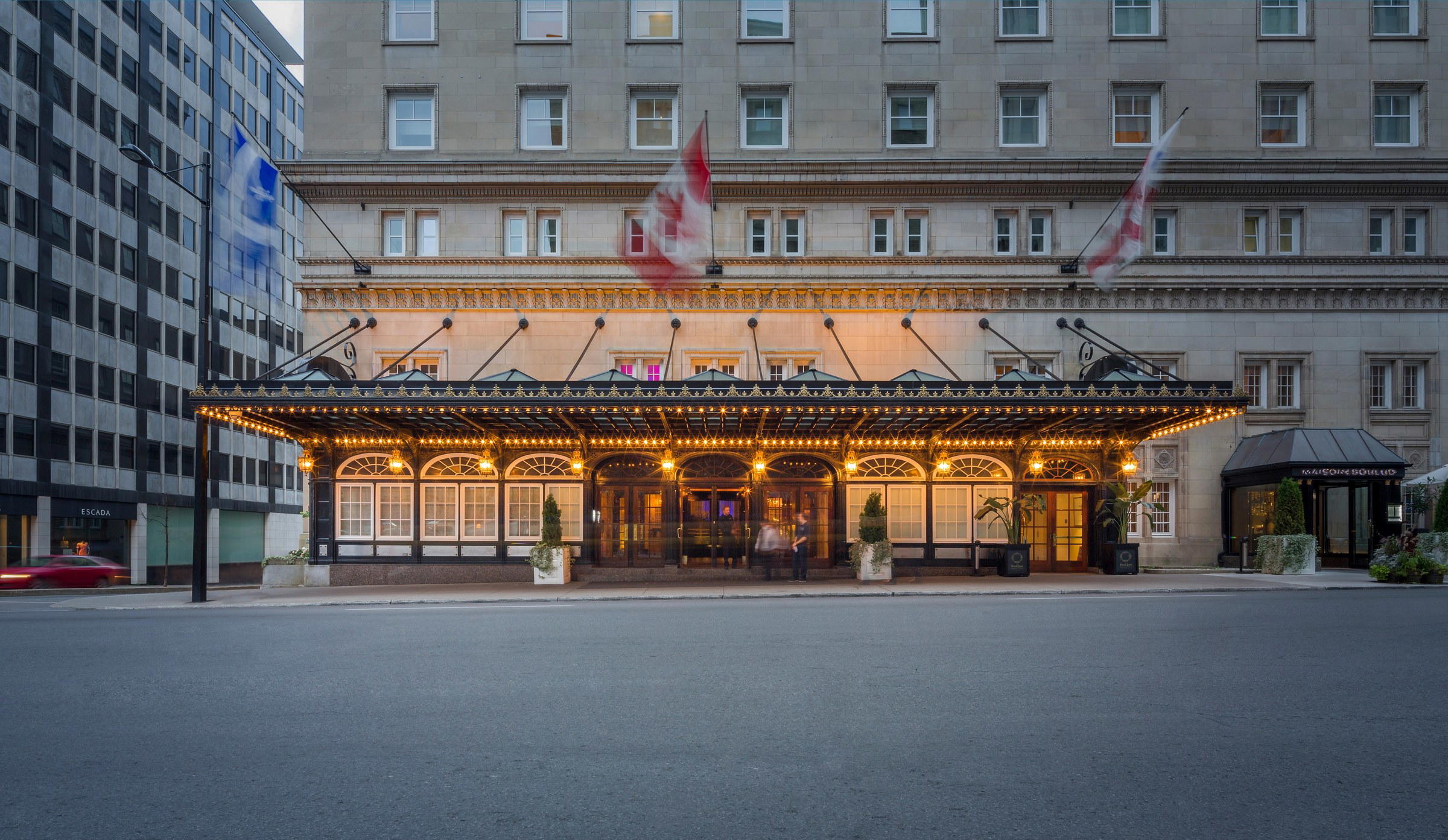
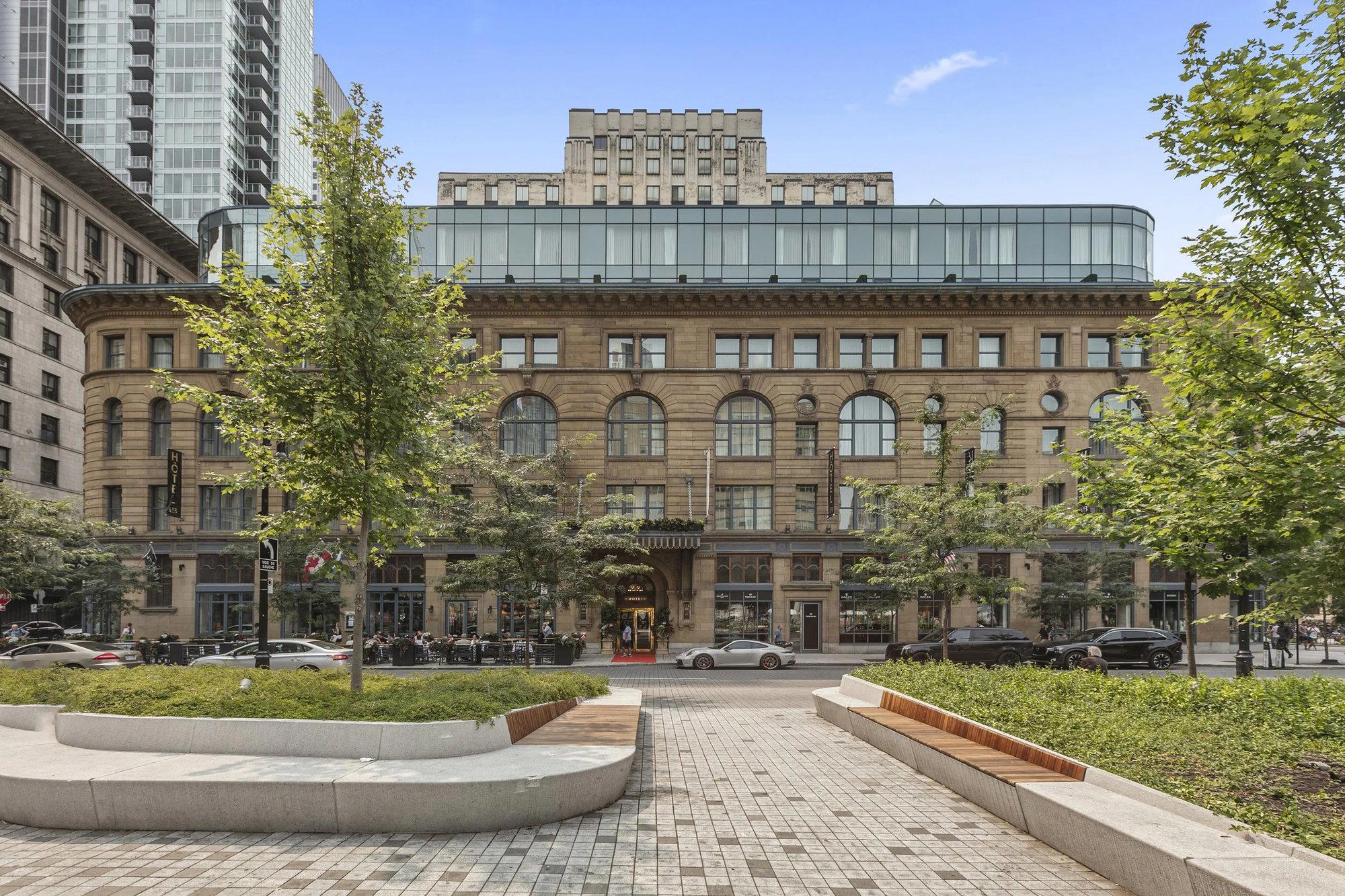
Iberica is a restaurant at 1450 Peel St in downtown Montreal serving authentic Spanish and Catalan cuisine. Peel Street in downtown Montreal carries a particular kind of energy that shifts by the hour. By late afternoon, the street belongs to office workers cutting between the McGill metro and the tower blocks above Sainte-Catherine; by evening, the same corridor fills with diners working their way toward the Quartier des spectacles or settling into the neighbourhood's own restaurants. Iberica, at 1450 Peel, sits inside that rhythm. The address alone tells you something about the room's likely register: this is central Montreal at its most accessible, not a destination tuck-away or a neighbourhood-specific draw, but a place the city's daily movement deposits people into.
In a city where French bistro tradition runs deep, L'Express on Saint-Denis remains the reference point for that genre, and where ambitious modern kitchens like Jérôme Ferrer's Europea and Mastard represent the higher-price-point end of the contemporary spectrum, Iberica positions itself as something categorically different: an Iberian point of reference in a dining scene that has historically privileged French lineage above all else.
Iberian Cuisine in a French-Dominant City
Montreal's restaurant culture is genuinely bilingual in its European influences, but it has always leaned heavily westward toward France rather than south toward the Iberian Peninsula. The city has a handful of Spanish and Portuguese addresses scattered across its neighbourhoods, but nothing approaching the density of, say, Toronto's Ossington strip or Vancouver's eclectic West End. That relative scarcity gives any serious Iberian kitchen more room to define the genre for its local audience.
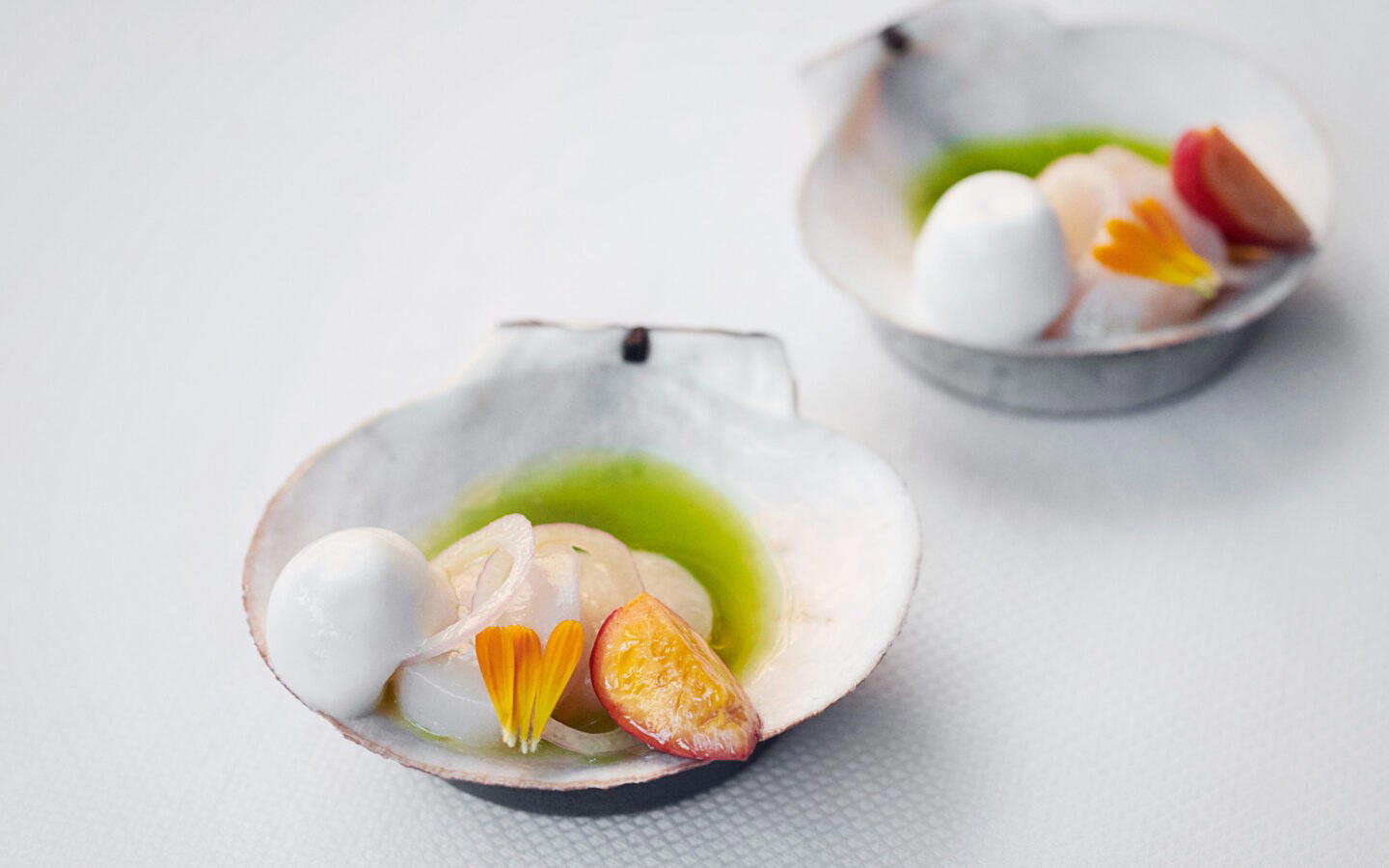
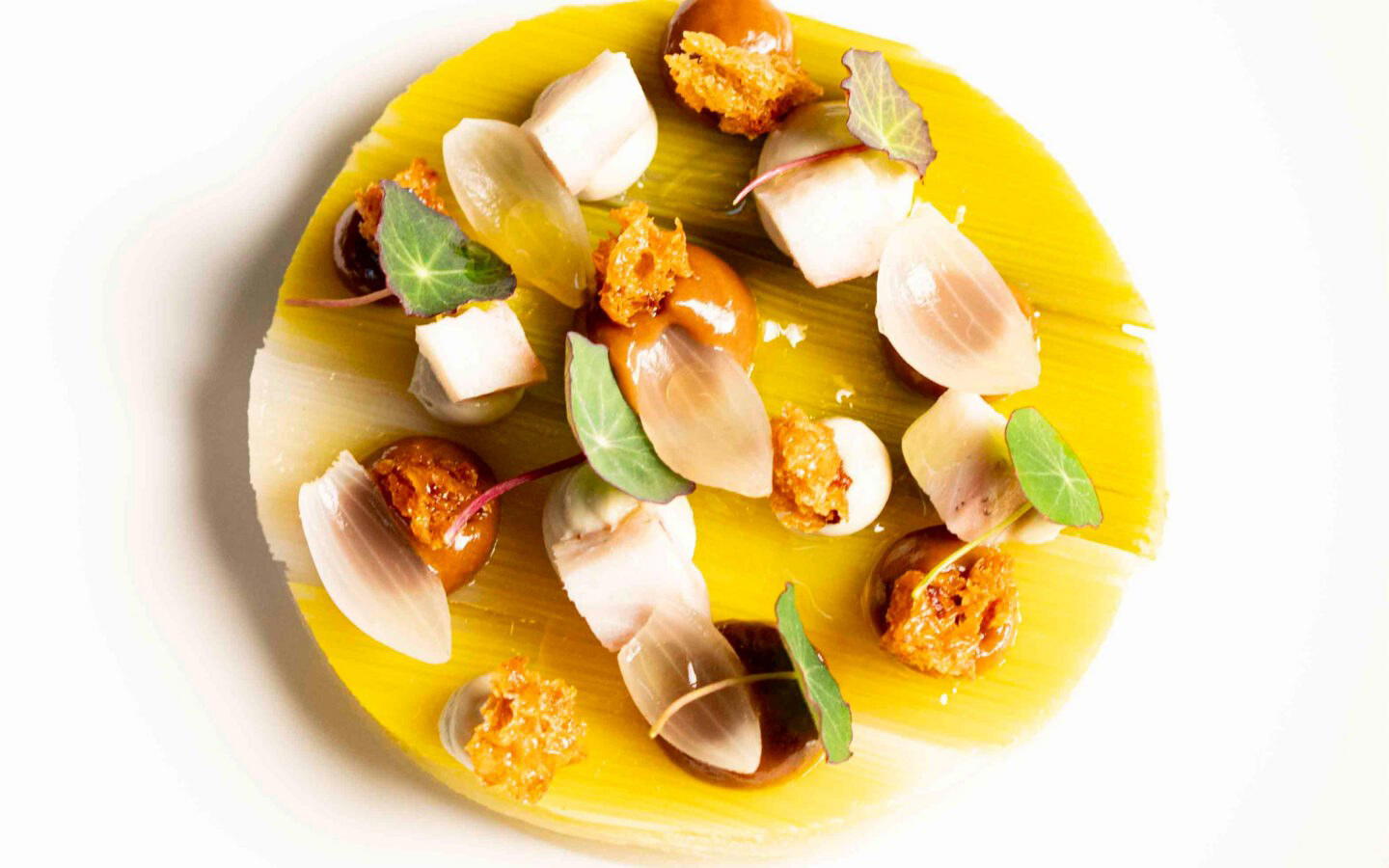
Iberian cuisine as a category resists easy summary. The Portuguese and Spanish traditions share certain structural instincts, a reliance on preserved and cured proteins, olive oil as the dominant fat, wine as both ingredient and accompaniment, but diverge dramatically in technique and regional expression. The bacalhau preparations of Lisbon bear little resemblance to the pintxos culture of San Sebastián. Any kitchen flying the Iberian flag has to make choices about where on that spectrum it lands, and those choices shape everything from the wine list to the texture of the room. For diners accustomed to Montreal's French register, the shift to Iberian flavour profiles can feel both familiar (charcuterie, wine-forward formats) and disorienting (the sharper salinity, the smoked paprika, the char-forward cooking).
Elsewhere in Canada's dining conversation, restaurants like Alo in Toronto and AnnaLena in Vancouver demonstrate how major cities have developed their own distinct fine-dining voices. Montreal's version of that ambition runs through addresses like Sabayon and the broader cluster of modern kitchens reinterpreting European traditions through a local lens. Iberica operates at a different register within that ecosystem, with the Iberian Peninsula rather than France as its primary reference.
The Sensory Logic of Iberian Dining
What makes Iberian dining distinctive as a physical experience, separate from any specific dish, is the way it organises time and attention differently from a French tasting format or a North American steakhouse progression. The tradition of sharing plates, whether the Spanish tapas model or the Portuguese petiscos equivalent, creates a table dynamic that is inherently social and non-linear. Dishes arrive in rough waves rather than prescribed courses; the table accumulates plates rather than clearing between them; conversation and eating interweave rather than punctuating each other.
That sensory rhythm has become increasingly familiar to North American diners over the past decade, as the sharing-plate format has migrated from Spanish restaurants into the broader casual-dining mainstream. But in its more disciplined Iberian form, the format carries specific flavour logic: smaller plates are designed to be eaten quickly, at temperature, with wine as a continuous rather than course-matched element. The room's sound level, the turnover of plates, and the pace of service all reflect that philosophy when executed properly.
For context on what this dining tradition looks like at its most elaborated, Quebec City's Tanière³ demonstrates how regional identity can be translated into a formal dining experience with national recognition. Iberica draws on a different geography but operates within the same broader question: how does a European culinary tradition root itself in a Canadian context?
Where Iberica Sits in the Montreal Dining Picture
Montreal's dining scene in 2024 and into 2025 has continued to diversify along two parallel tracks: high-investment modern kitchens competing for award recognition, and neighbourhood-level addresses building loyal local followings on a more modest scale. The downtown core, where Iberica is located, skews toward the latter, the Peel Street corridor is not where Montreal's most ambitious kitchens tend to operate. Toqué and its peers cluster elsewhere; the downtown addresses tend toward accessibility and volume rather than provocation.
That positioning places Iberica in a specific competitive context. Its likely comparable set is not the four-dollar-sign tasting-menu restaurants reviewed in La Presse and Le Devoir but rather the mid-tier European-influenced rooms where the question is execution consistency rather than conceptual ambition. Addresses like 3 Pierres 1 Feu and Abu el Zulof represent the range of non-French European and Middle Eastern influences now present in the city's mid-market dining mix. Within that peer group, an Iberian kitchen occupies a distinct niche simply by virtue of category, there are fewer direct comparators in Montreal than there would be in Toronto or Vancouver.
Further afield, Canadian dining destinations worth cross-referencing for their European regional focus include Restaurant Pearl Morissette in Lincoln, where wine and food integration at a serious level shapes the entire guest experience, and Narval in Rimouski, which demonstrates that compelling regional cuisine in Canada does not require a major urban address. Even rurally situated restaurants like Eigensinn Farm in Singhampton and The Pine in Creemore remind us how varied the reference points for serious Canadian dining have become.
International comparators outside Canada are equally instructive. Le Bernardin in New York City anchors the French-influenced fine-dining end of the spectrum, while Atomix in the same city shows how a non-European culinary tradition can command the highest tier of recognition. These are not direct peer comparisons to Iberica, but they illustrate the range of reference frames available to a diner building their own comparative map of what serious European-influenced dining looks like in the current moment.
Planning Your Visit
The Peel Street address is direct to reach: Peel metro station on the green line deposits you directly at the block. Downtown Montreal's parking options are plentiful but expensive in the evening hours; arriving by transit or cab is the practical default for most visitors. The surrounding area includes several pre- and post-dinner bar options along Crescent and de la Montagne Streets, which run parallel to Peel within walking distance.
Iberica is recommended for reservations and keeps regular hours of Tue to Thu 12 to 10:30 PM, Fri 12 to 10:30 PM, Sat and Sun 4 to 10:30 PM, with Monday closed. Price per person is about $75. Downtown Montreal restaurants at this address tier tend to experience higher weekend demand through the autumn and holiday season, when the city's event calendar and tourist traffic peak simultaneously. Those visiting during Montreal's festival-heavy summer months, when the Jazz Festival and Just for Laughs compress the city's central dining capacity, should factor in additional lead time for reservations at any downtown address.
covers the city's major culinary traditions and neighbourhoods. Aux Anciens Canadiens in Quebec City, Barra Fion in Burlington and Bearspaw Golf Club in Calgary offer contrasting regional perspectives.
Comparable Spots
Comparable venues nearby, for context on price, style, and recognition.
| Venue | Cuisine | Price | Notes |
|---|---|---|---|
| IbericaThis venue — the venue you are viewing | Authentic Spanish & Catalan Cuisine | $$$ | Not listed |
| Tinc Set Montréal | Spanish Tapas & Catalan Wine Bar | $$$ | Outremont |
| Café Il Cortile | Authentic Italian Trattoria | $$$ | Golden Square Mile |
| Jellyfish Montreal | Modern Crudo + Charbon Grill | $$$ | Vieux Montréal |
| Maison Publique | English Gastropub with Canadian Locavore Focus | $$$ | Parc-Laurier |
| Chez Alexandre | Classic French Brasserie | $$$ | Golden Square Mile |
At a Glance
- Elegant
- Sophisticated
- Modern
- Lively
- Date Night
- Business Dinner
- Group Dining
- Celebration
- Special Occasion
- Open Kitchen
- Standalone
- Design Destination
- Extensive Wine List
- Craft Cocktails
- Local Sourcing
Current opening hours
- Monday
- Closed
- Tuesday
- 12–10:30 PM
- Wednesday
- 12–10:30 PM
- Thursday
- 12–10:30 PM
- Friday
- 12–10:30 PM
- Saturday
- 4–10:30 PM
- Sunday
- 4–10:30 PM
Hours can change for holidays and private events. Last verified .
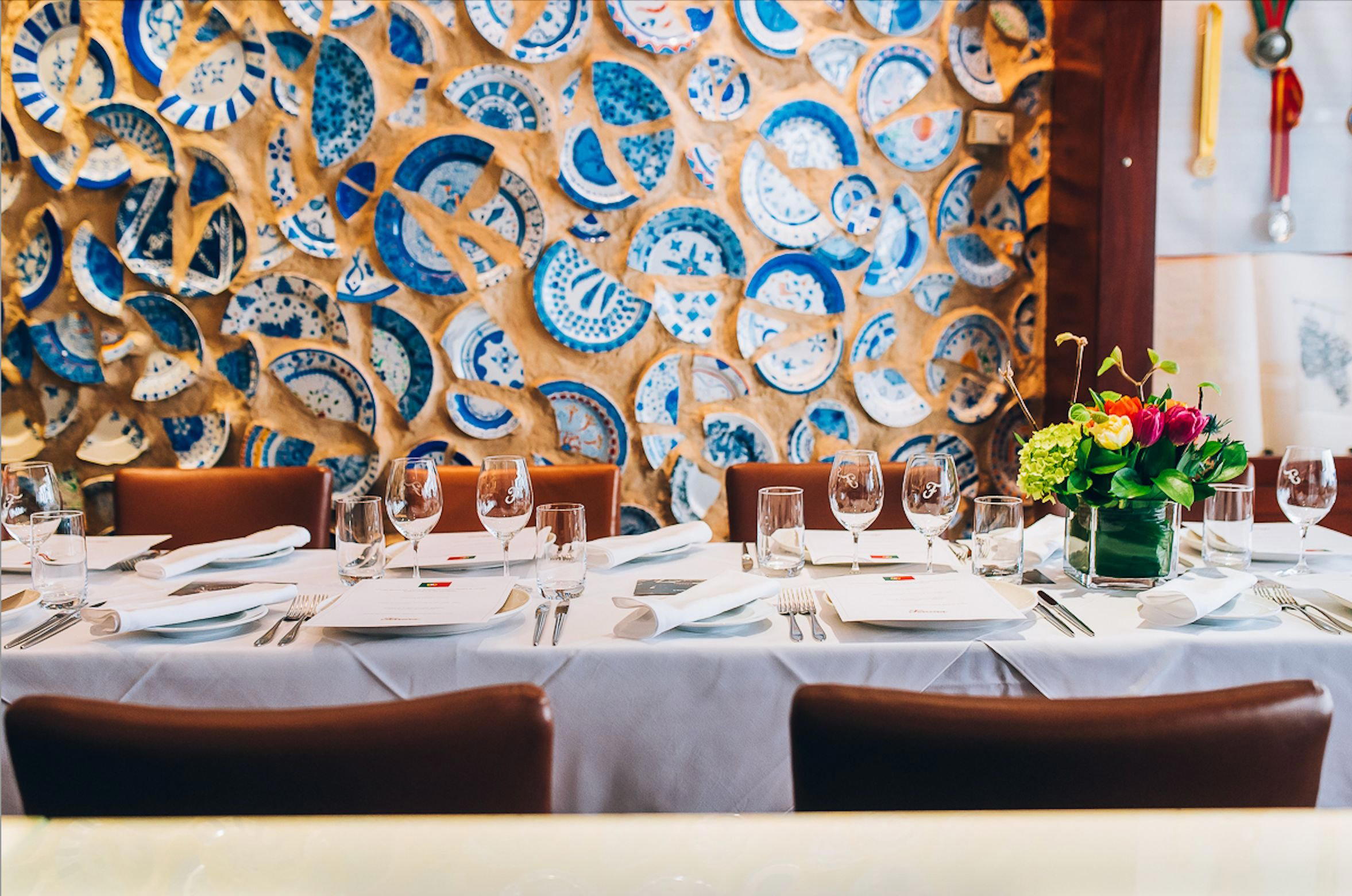
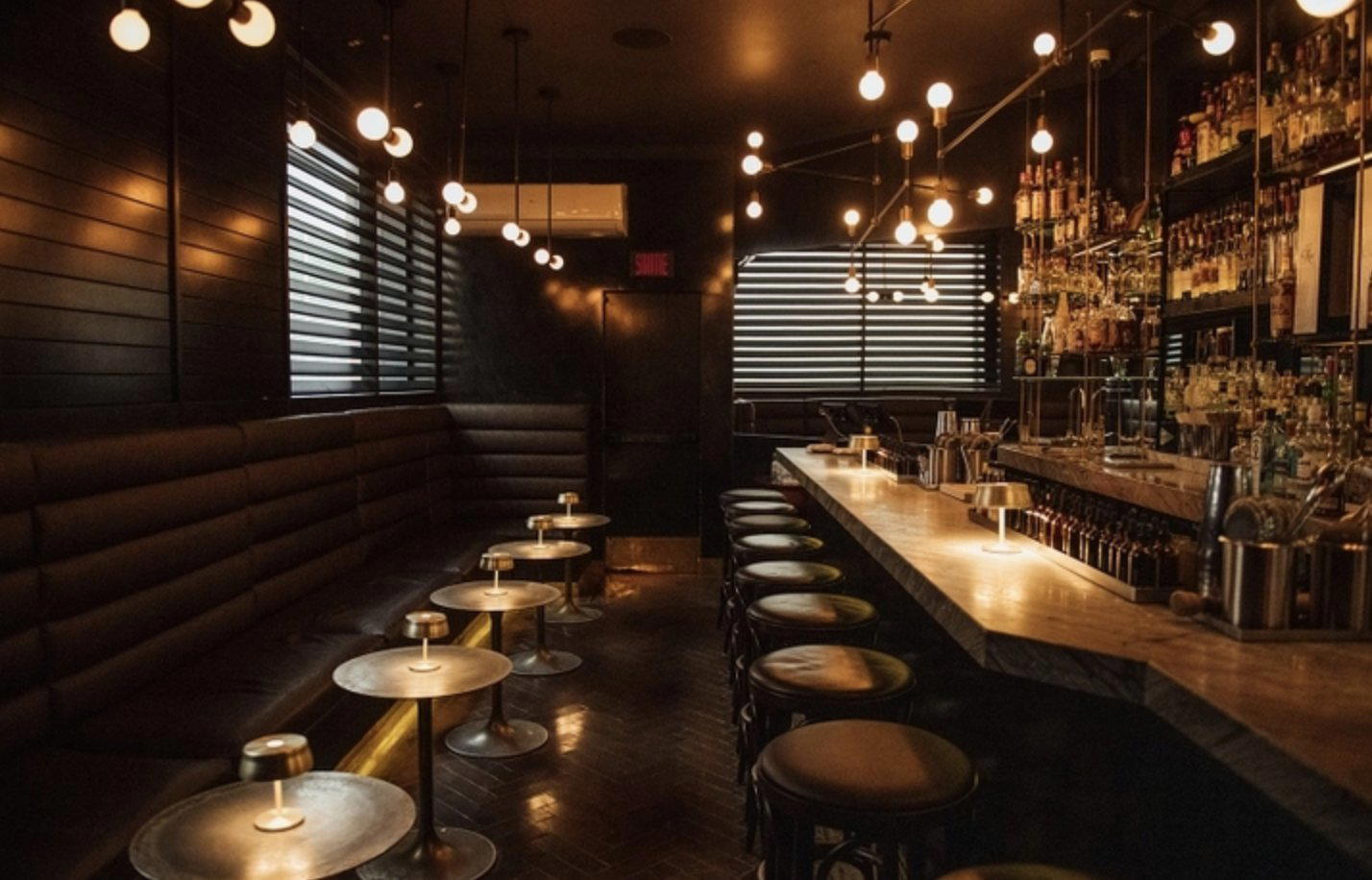
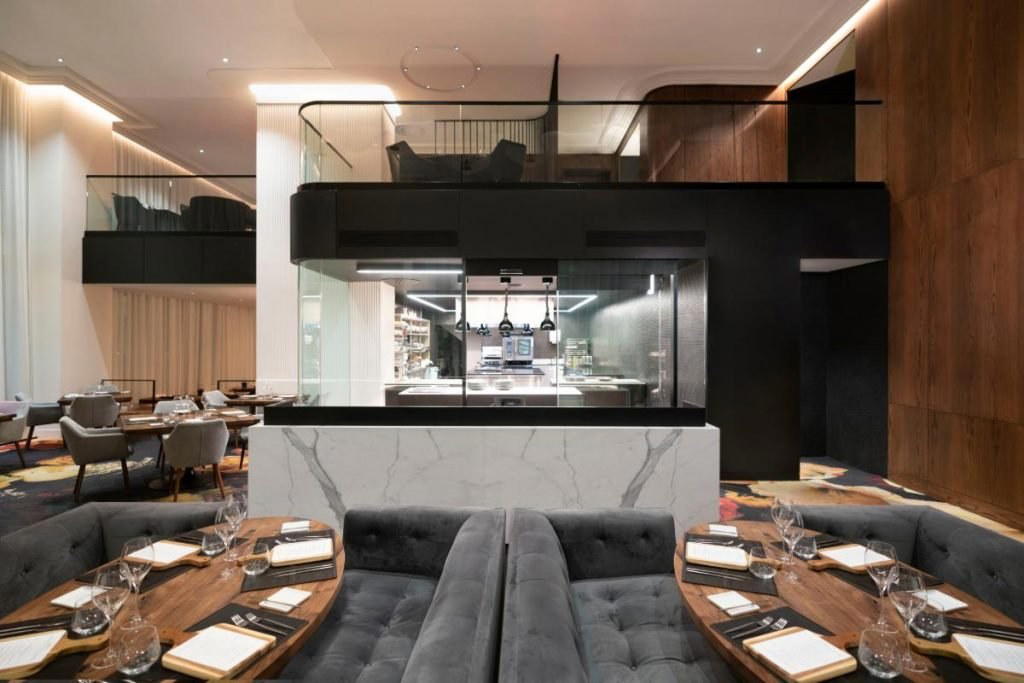
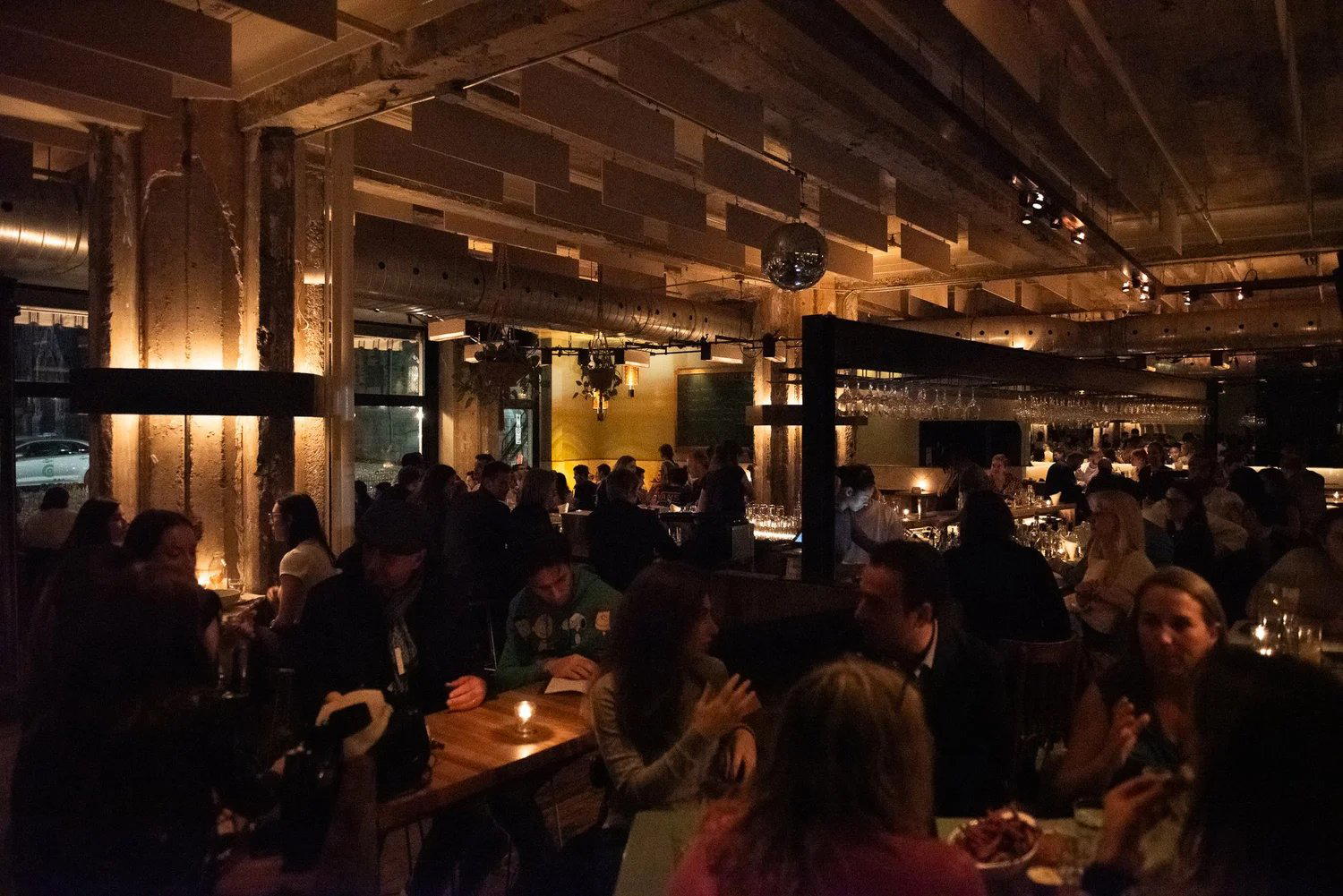
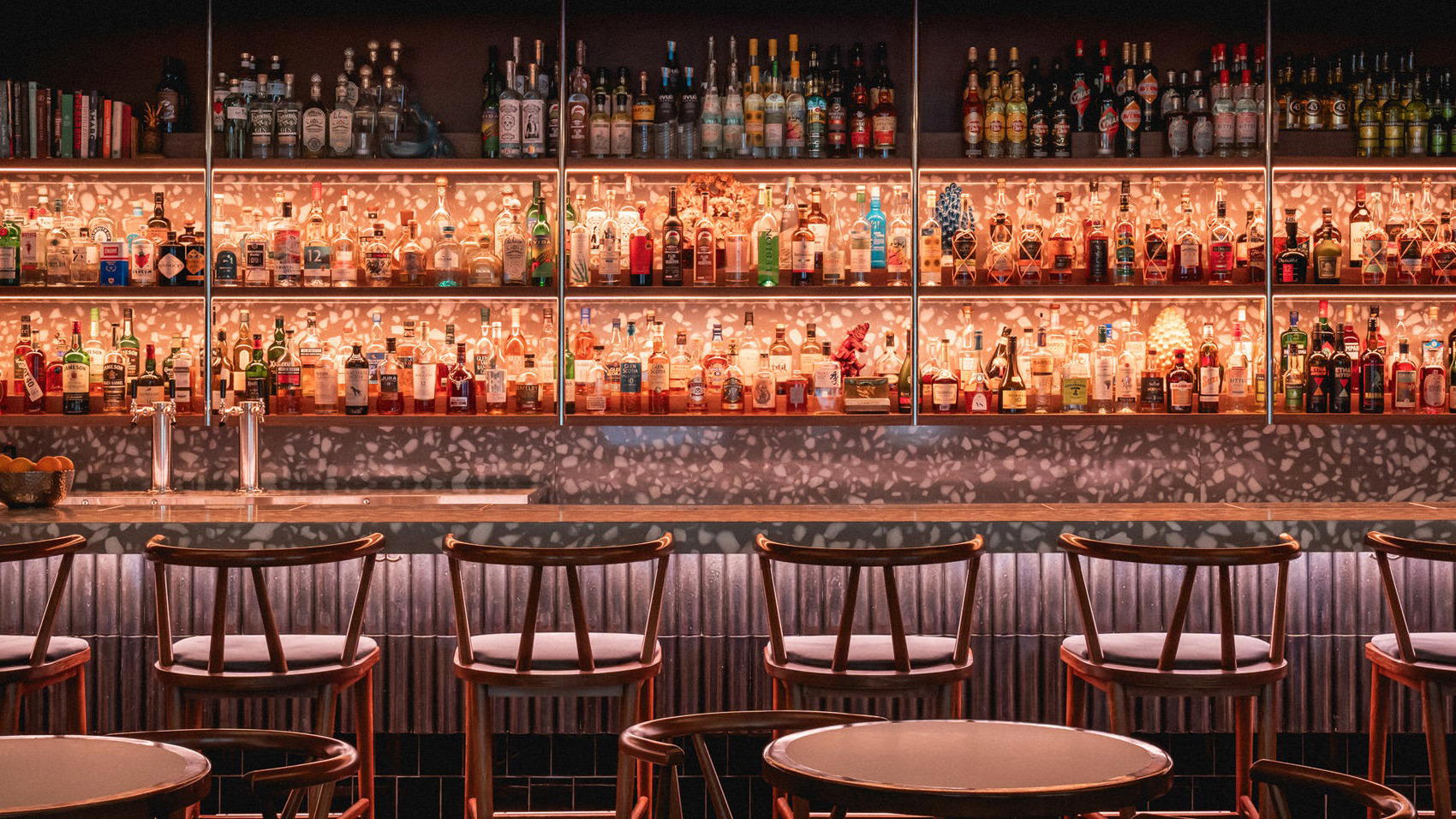
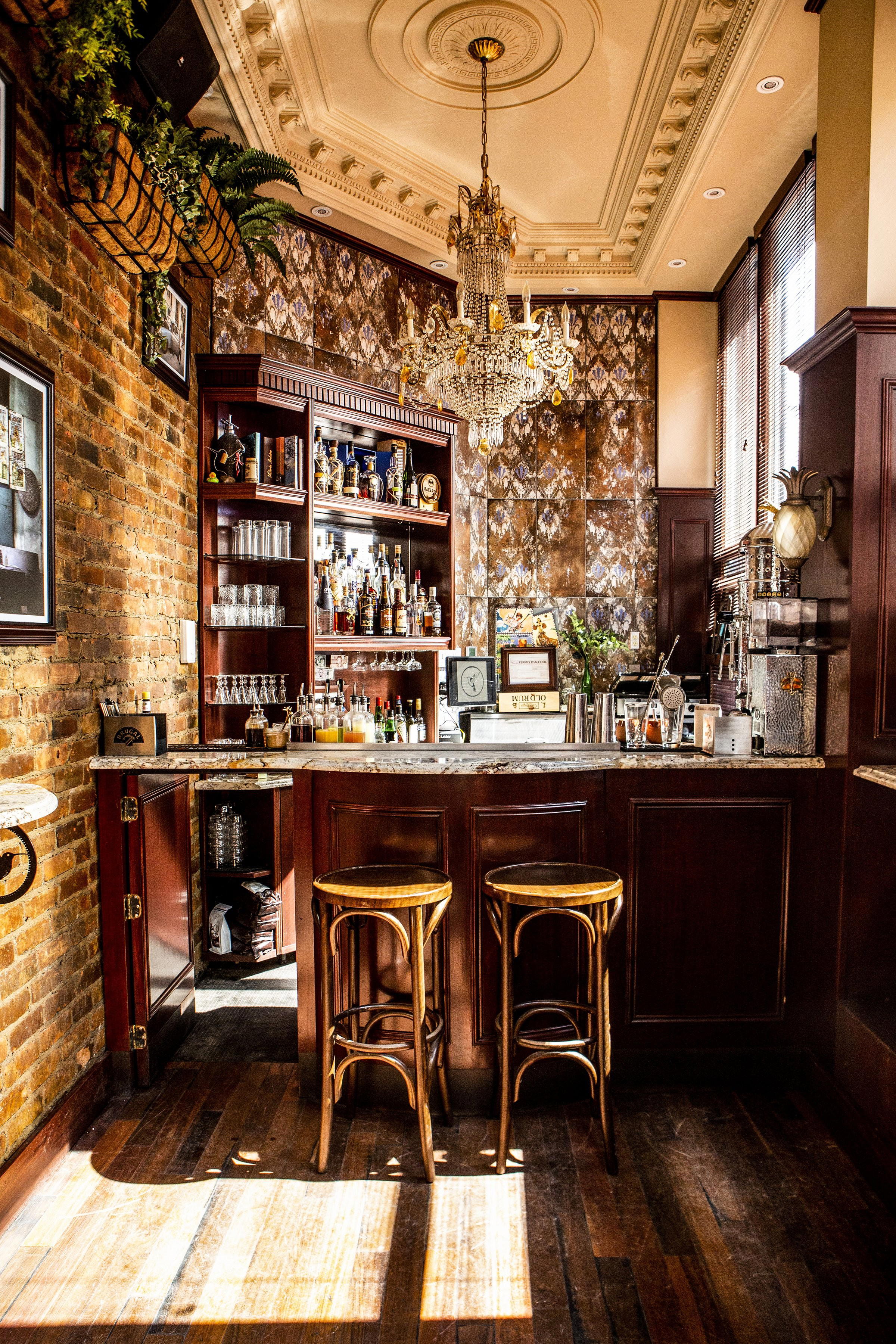
Stylish and lively with striking Barcelona-inspired design, featuring soaring ceilings, marble counters, and a dramatic bar creating a warm yet refined atmosphere.