
Chef Vincent Gee presents disciplined Edomae technique at a minimalist sushi counter on Saint-Laurent, sourcing fish from Japan and Canadian waters. The rice—pesticide-free, stored in straw baskets, and seasoned with a calibrated blend of vinegars—is adjusted for the fat content of each fish. Preparation demonstrates confident curing and marinating, anchored by ingredient quality.
Pearl is the En Primeur Club membership app — saves, bookings, and concierge access live there. Same editors, same standards.
- Address
- 5400 boulevard Saint-Laurent, Montréal, Quebec, H2T 1S1, CAN
- Phone
- +1 438-558-6558
- Website
- sushinishinokaze.com
- Directions
- Get directions
 Saves & bookings on Pearl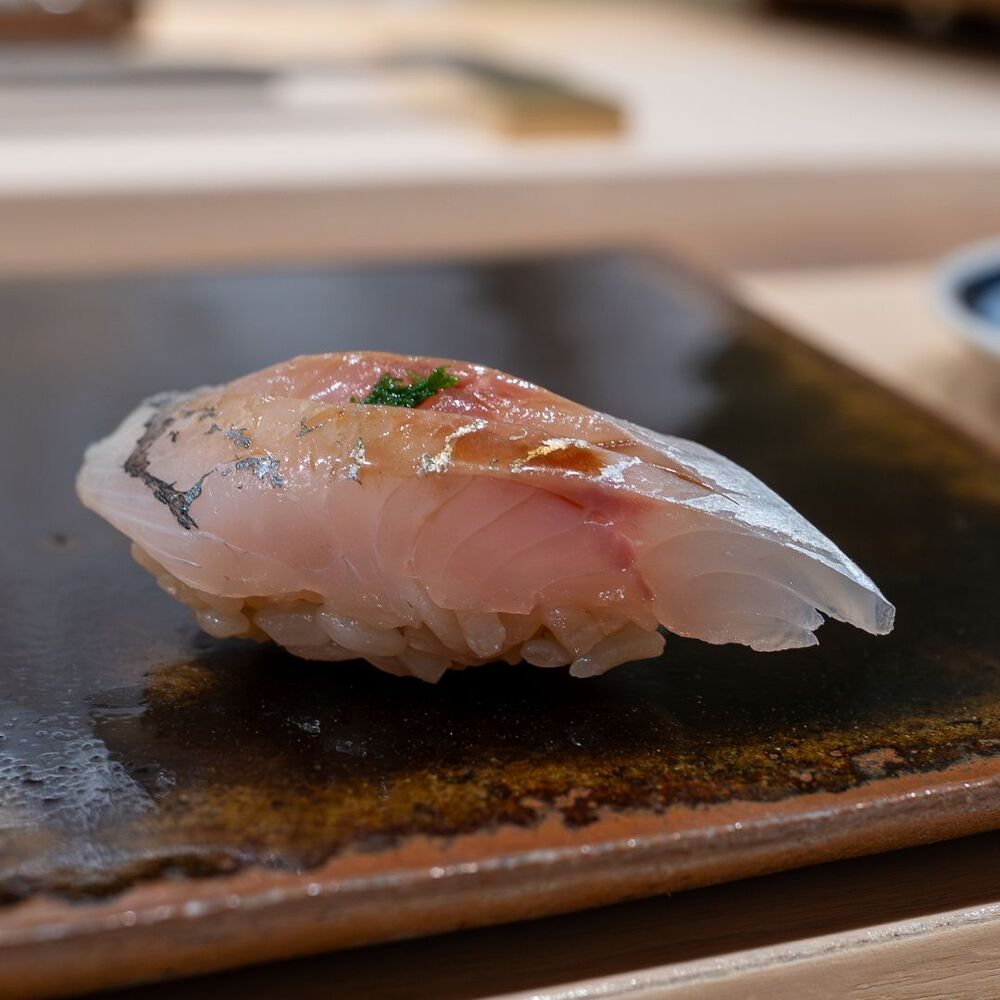
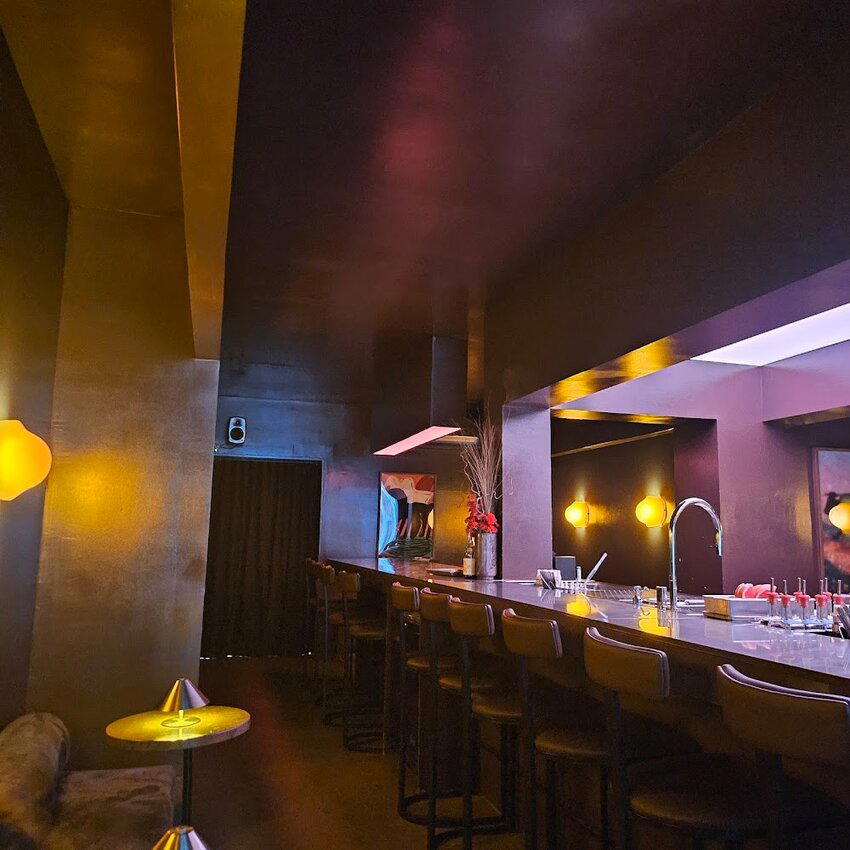
The counter sits in a stripped-back room where nothing distracts from the transaction between chef and diner. Five or six stools, muted surfaces, natural wood, this is the Edomae format distilled to its core signals. Chef Vincent Gee presents fish in their traditional box at the start of service, a gesture that underscores the discipline and transparency that define his approach. Montréal's sushi scene has expanded in recent years, but the city's top-tier Edomae counters remain a small category, distinguished by sourcing range, technical depth, and the willingness to price against ingredient cost rather than local averages. Sushi Nishinokaze operates within that competitive set, where provenance and preparation matter more than volume or spectacle. For reference, Alma Montreal and Alep occupy different culinary registers in the city; this counter speaks to diners who measure sushi by Tokyo standards rather than Western fusion conventions.
Sourcing Strategy and Ingredient Calibration
The fish program divides between direct imports from Japan and Canadian catch. Dazzlingly fresh Nova Scotia shrimp arrive with the snap and sweetness that signal careful handling; bluefin tuna, sourced from Japanese waters, is portioned and aged according to the cut and fat distribution. Kohada, a fish that reveals technique in its preparation, arrives vinegared with precision, its umami intensity left intact. Gee's approach centers on curing, marinating, and aging intervals calibrated to each species. The rice, stored in straw baskets to regulate humidity, is seasoned with a subtle blend of vinegars and brought to different temperatures depending on whether it will cradle lean hirame or fatty chutoro. This is the technical foundation that separates entry-level omakase from the upper bracket: temperature modulation, vinegar ratios, and aging discipline applied fish by fish. Montréal's proximity to Atlantic and Gulf catch gives the city an advantage in shellfish and certain finfish, but the reliance on Japanese imports for tuna, sea bream, and other Edomae staples remains a cost driver. Gee bridges both supply chains, and the fish box shown at the start of service communicates that dual sourcing to the diner before the first course lands.
Technical Execution and Service Format
Counter format compresses time and eliminates intermediaries. Gee works alone or with minimal support, shaping nigiri directly in front of the guest and setting each piece at intervals that allow the diner to track temperature and texture changes. The rice, slightly warm, is pressed lightly, enough to hold structure but not compact the grains, and the fish, whether cured or raw, arrives at body temperature or just below. Kohada preparation involves a multi-step vinegar cure that must balance acidity, salt, and time; Gee's version carries umami depth without the aggressive sourness that signals over-marination. The bluefin tuna, presented in lean akami and richer chutoro cuts, shows the aging intervals applied to each section of the loin. This is not the kind of menu that pivots weekly based on market caprice; the format is stable, the fish list narrows by season, and the technique remains consistent. Montréal's broader dining scene includes options like 3 Pierres 1 Feu, Agrikol, and Abu el zulof, which operate in different culinary traditions; for visitors seeking Edomae discipline, the counter format at Sushi Nishinokaze removes the guesswork inherent in à la carte or fusion-hybrid menus.
Counter books by reservation only; walk-ins are not accommodated. Seats fill weeks ahead during peak dining windows, and the omakase format means the meal unfolds at a pace set by the chef, typically spanning ninety minutes. The setting on boulevard Saint-Laurent places the restaurant in the Mile End corridor, a neighborhood dense with independent dining and cultural programming. No valet, no lounge, no pre-dinner cocktail service, this is a single-focus operation where the meal begins when you sit and ends when the final tamago is plated. For context on the city's wider hospitality landscape, consult our full Montréal restaurants guide, our full Montréal hotels guide, and our full Montréal bars guide. The venue itself operates with minimal digital presence; reservation details are managed directly, and pricing information is not published in advance. Diners should expect counter-level omakase pricing, comparable to other ingredient-driven formats in the city, and confirm the total when booking. The rice, sourced pesticide-free and stored in traditional straw baskets, is one of the few technical details Gee foregrounds in service, a signal that the foundation of each nigiri receives as much attention as the fish itself.
How Sushi Nishinokaze Montréal compares with similar nearby venues.
| Venue | Cuisine | Price | Awards |
|---|---|---|---|
| Sushi Nishinokaze | Not listed | Not listed | Michelin 1 Star |
| Lawrence | Modern Cuisine | $$$$ | Not listed |
Recognition history
Dated appearances from independent guides and award organizations, with the underlying list record or original source where available.
Michelin 1 Star
Michelin
At a Glance
- Intimate
- Sophisticated
- Elegant
- Modern
- Quiet
- Date Night
- Special Occasion
- Celebration
- Solo
- Private Event
- Chefs Counter
- Design Destination
- Standalone
- Sake Program
- Natural Wine
- Sommelier Led
- Extensive Wine List
- Local Sourcing
- Sustainable Seafood
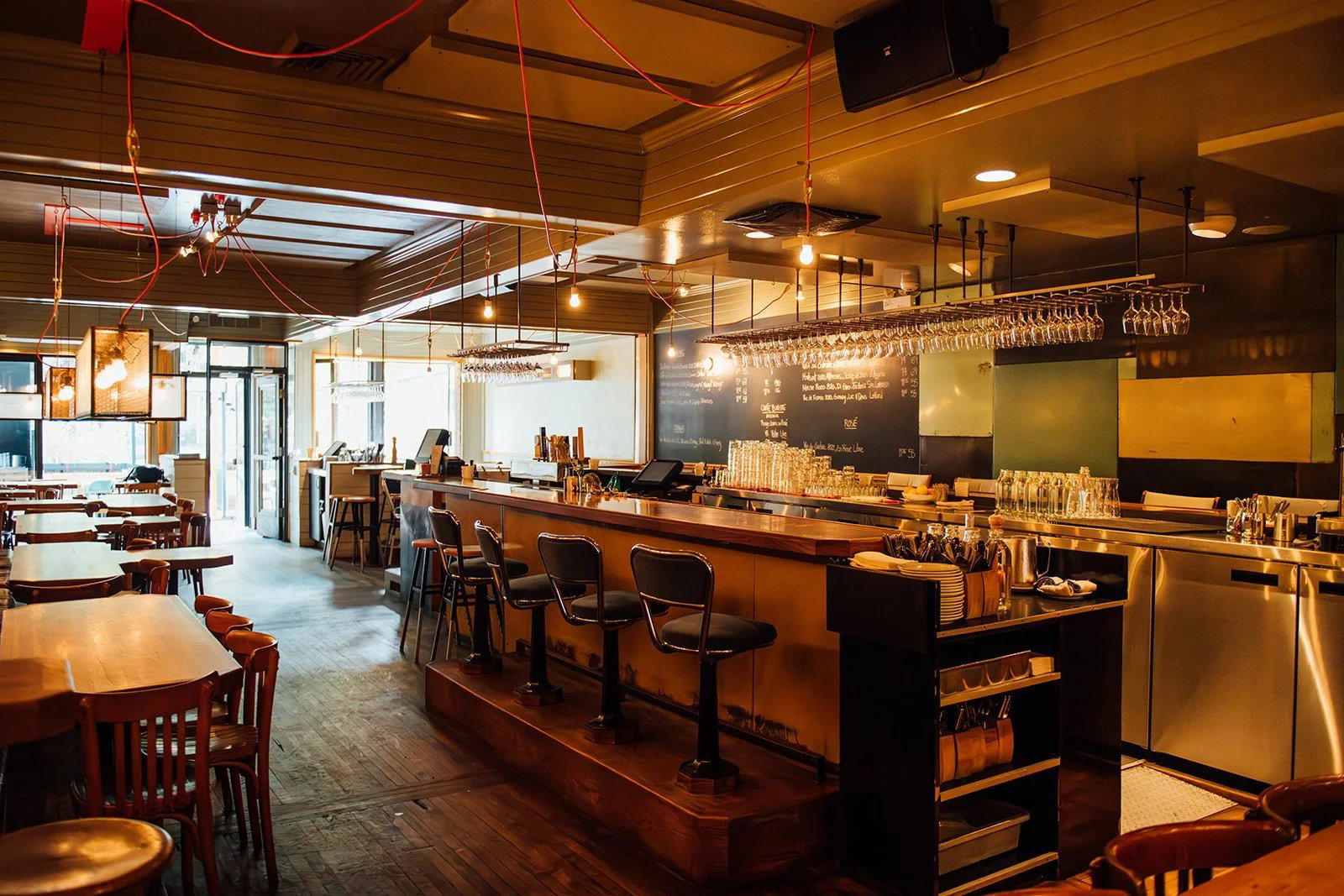
Refined, intimate, and gallery-like, with an understated atmosphere shaped by old-world and modern design elements.
Know Before You Go
- Reservations
- Essential
- Dress code
- Smart casual
- Getting there
- 5400 boulevard Saint-Laurent, Montréal, Quebec, H2T 1S1, CAN