On Kazmairstraße in Munich's Westend district, Mr. Tonkey occupies a neighbourhood that has quietly become one of the city's more interesting dining corridors, sitting well outside the fine-dining circuit centred around Tantris or Atelier. Without confirmed cuisine category or price tier in the public record, it draws attention precisely because it operates away from the obvious tourist and critic infrastructure, a address-first venue in a part of the city that rewards exploration over expectation.
Pearl is the En Primeur Club membership app — saves, bookings, and concierge access live there. Same editors, same standards.
- Address
- Kazmairstraße 28, 80339 München, Germany
- Phone
- +4915227045764
- Website
- mrtonkey.de
- Directions
- Get directions
 Saves & bookings on Pearl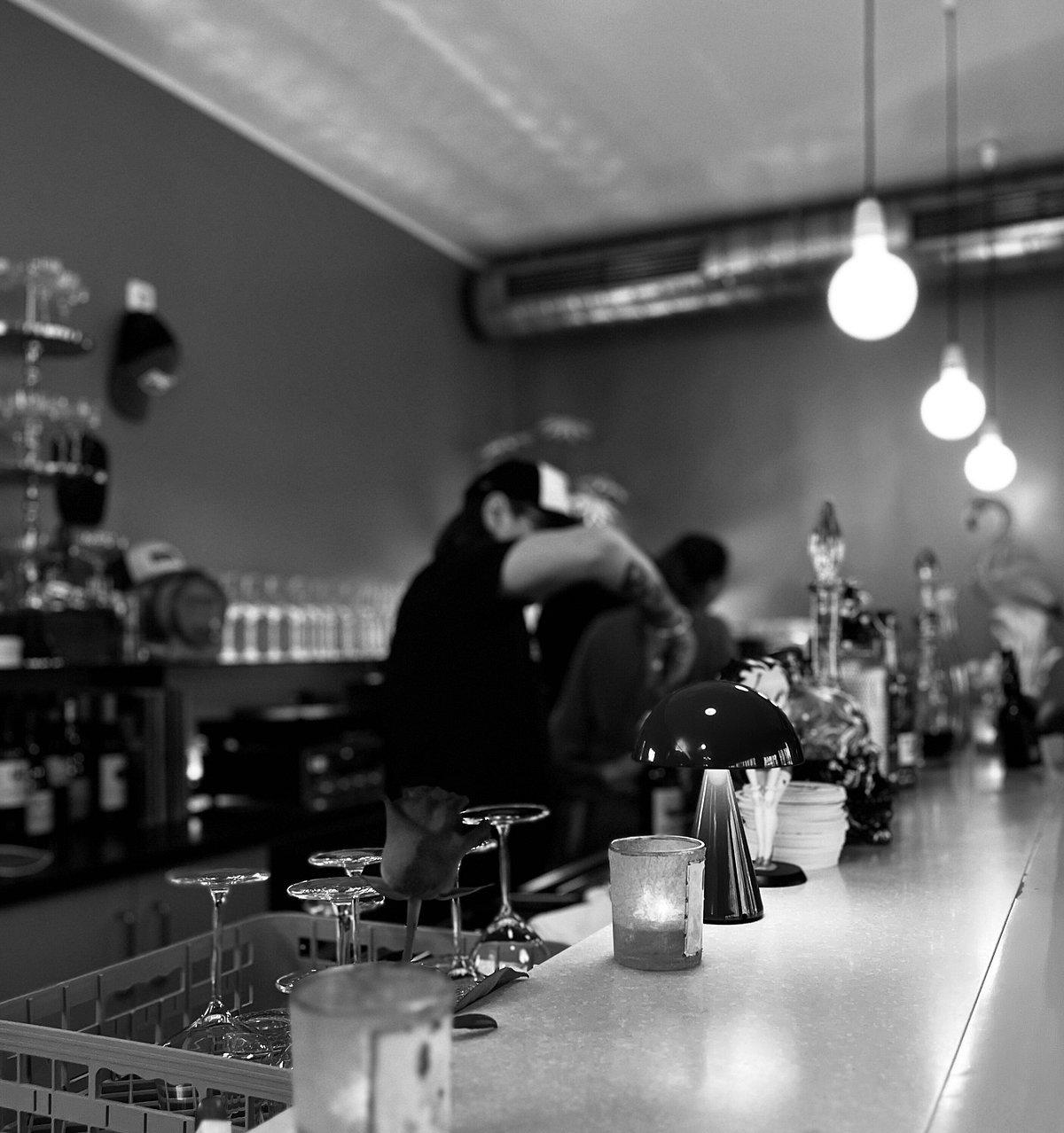
Westend, Munich's Quietly Shifting Dining Corridor
Munich's dining conversation tends to anchor itself north and west of the Altstadt: Tantris in Schwabing, Atelier inside the Bayerischer Hof, Alois – Dallmayr Fine Dining in the old town. The Westend, by contrast, has traditionally been left off those itineraries. Kazmairstraße sits in that district, running through a neighbourhood that has changed faster in the last decade than most Munich postal codes, a mix of long-established Turkish and Balkan communities alongside newer bars, small grocers, and the kind of restaurant openings that follow rising rents slowly rather than leading them. Mr. Tonkey at number 28 belongs to this emerging corridor, which means the context for evaluating it is not the Michelin circuit but the local-first dining culture that defines Westend at street level.
What the Address Tells You Before You Enter
Arriving on Kazmairstraße from the direction of Schwanthalerhöhe U-Bahn, the street presents itself as residential and small-commercial rather than destination-oriented. There are no valet arrangements, no hotel lobbies functioning as a buffer between the pavement and the dining room, no design flourishes visible from the outside that signal the kind of investment behind properties like Tohru in der Schreiberei. This is a neighbourhood address in the fullest sense of the phrase, and in Munich's current restaurant geography that positioning carries its own logic. As the city's formally recognised fine-dining tier, which now competes internationally with destinations like Aqua in Wolfsburg or Vendôme in Bergisch Gladbach, has continued to consolidate around a small number of high-investment addresses, the mid-tier and neighbourhood-level venues have had more room to define themselves on their own terms.
For a city that tends toward conservatism in its hospitality culture, that shift is worth noting. Germany's more experimental dining formats, CODA Dessert Dining in Berlin or the hyper-seasonal approach at ES:SENZ in Grassau, have generally found their footing outside Munich proper. The city's neighbourhood restaurant culture, including what is developing in Westend, fills a different function: it is where residents actually eat, rather than where critics visit.
Cultural Roots and the Neighbourhood Dining Tradition
The Westend's demographic history shapes what tends to work there culinarily. The district's long association with immigrant communities, particularly from southeastern Europe and the Middle East, means that the food culture at street level has never been straightforwardly Bavarian. Grilled meats, flatbreads, slow-cooked preparations, and produce-led cooking have been part of the neighbourhood's daily rhythm for decades, long before any restaurant commentator took notice. When newer venues open in this context, particularly credible ones tend to engage with that existing food culture rather than import a format wholesale from elsewhere.
This cultural layering is what distinguishes Westend from, say, the more internationally oriented dining districts of Munich's city centre. A venue on Kazmairstraße is positioned, whether intentionally or by circumstance, within a culinary tradition that has its own depth and its own regulars. That is a different kind of credibility than the kind conferred by a Michelin star or a placement in a ranked list, and it functions differently in terms of who the restaurant is actually serving and how it sustains itself over time.
Germany's broader restaurant culture has become increasingly attentive to this distinction. Properties like Schanz in Piesport or Waldhotel Sonnora in Dreis draw on regional German culinary identity in ways that resonate with international critics; the neighbourhood restaurants of Munich's Westend operate with a different but equally coherent logic, rooted in local continuity rather than critical recognition.
Positioning Within Munich's Mid-Tier
Munich's formally recognised fine-dining circuit, JAN, Tantris, Tohru in der Schreiberei, Alois, operates at price points and booking pressures that place them out of reach for most regular use. Below that tier, the city's mid-range has been slower to develop a coherent identity than comparable European cities. That gap has been gradually filled by neighbourhood venues in districts like Westend, Haidhausen, and Neuhausen, where the format is typically smaller, the pricing more accessible, and the relationship with a regular local clientele more central to how the restaurant works.
What can be said with confidence is that a Kazmairstraße address in 2024 positions a venue within a neighbourhood undergoing gradual change, where the audience skews local and the competitive reference point is not Restaurant Haerlin in Hamburg or Victor's Fine Dining by Christian Bau in Perl but the other neighbourhood-level options within walking distance.
For readers coming from outside Munich who are used to navigating cities like New York, the Westend register will read as distinctly local in character.
Know Before You Go
- Address: Kazmairstraße 28, 80339 München, Germany
- District: Westend, Munich
- Nearest transit: Schwanthalerhöhe (U4/U5) is the closest U-Bahn station
- Price range: About €45 per person
- Hours: Mon: Closed; Tue: 5–11 PM; Wed: 5–11 PM; Thu: 5–11 PM; Fri: 5 PM–1 AM; Sat: Closed; Sun: Closed
- Booking: Reservations are recommended
- Negroni
- Burgers
- Roast Beef
- Veal Goulash
- Spinach Dumplings
- Baba Ganoush
The Short List
Comparable venues nearby, for context on price, style, and recognition.
| Venue | Cuisine | Price | Notes |
|---|---|---|---|
| Mr. TonkeyThis venue — the venue you are viewing | Theresienwiese, Wine & Streetfood | $$$ | Not listed |
| RYU – Fusion Kitchen | Neuhausen, Japanese-Vietnamese Fusion | $$ | Not listed |
| Magari by Geisha | Haidhausen, Modern Asian Fusion | $$$ | Not listed |
| P. Korn Restaurant & Steaks | Neuhausen, Austrian-Inspired Steakhouse | $$$ | Not listed |
| Canal Grande | Not listed | $$$ | Nymphenburg, Classic Italian Canal-Side Ristorante |
| The Indian Room Munich | Schwabing, Modern Indian Fine Dining | $$$ | Not listed |
At a Glance
- Trendy
- Lively
- Bohemian
- Intimate
- Date Night
- Casual Hangout
- After Work
- Group Dining
- Solo
- Wine Cellar
- Live Music
- Design Destination
- Standalone
- Extensive Wine List
- Craft Cocktails
- Sommelier Led
Current opening hours
- Monday
- Closed
- Tuesday
- 5–11 PM
- Wednesday
- 5–11 PM
- Thursday
- 5–11 PM
- Friday
- 5 PM–1 AM
- Saturday
- Closed
- Sunday
- Closed
Hours can change for holidays and private events. Last verified .
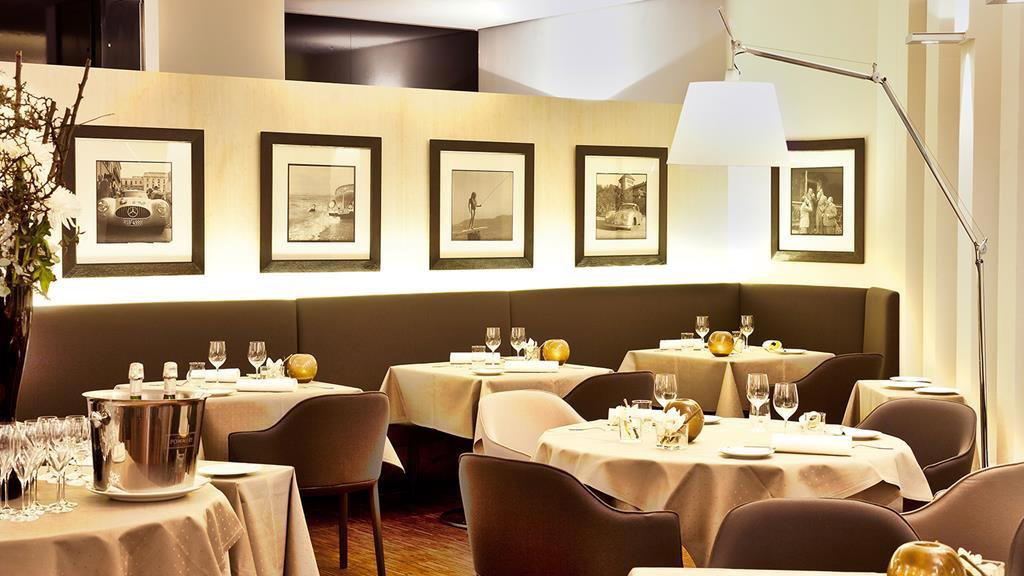
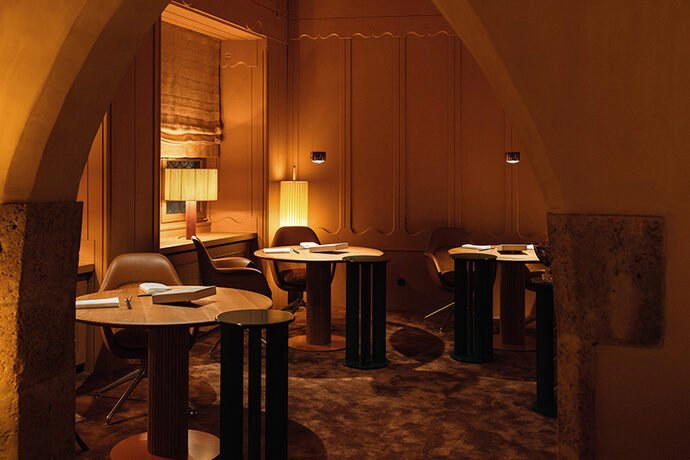
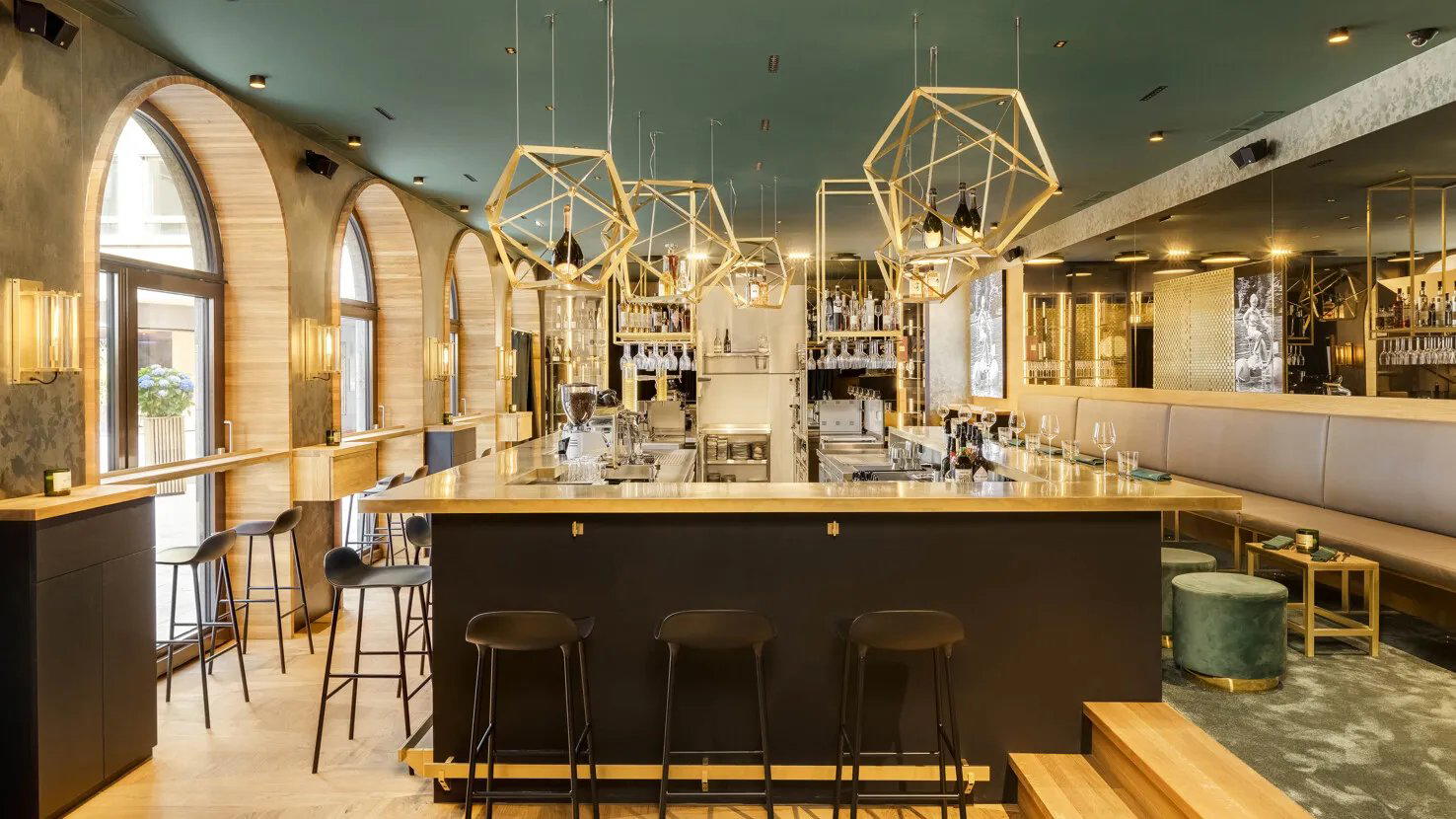
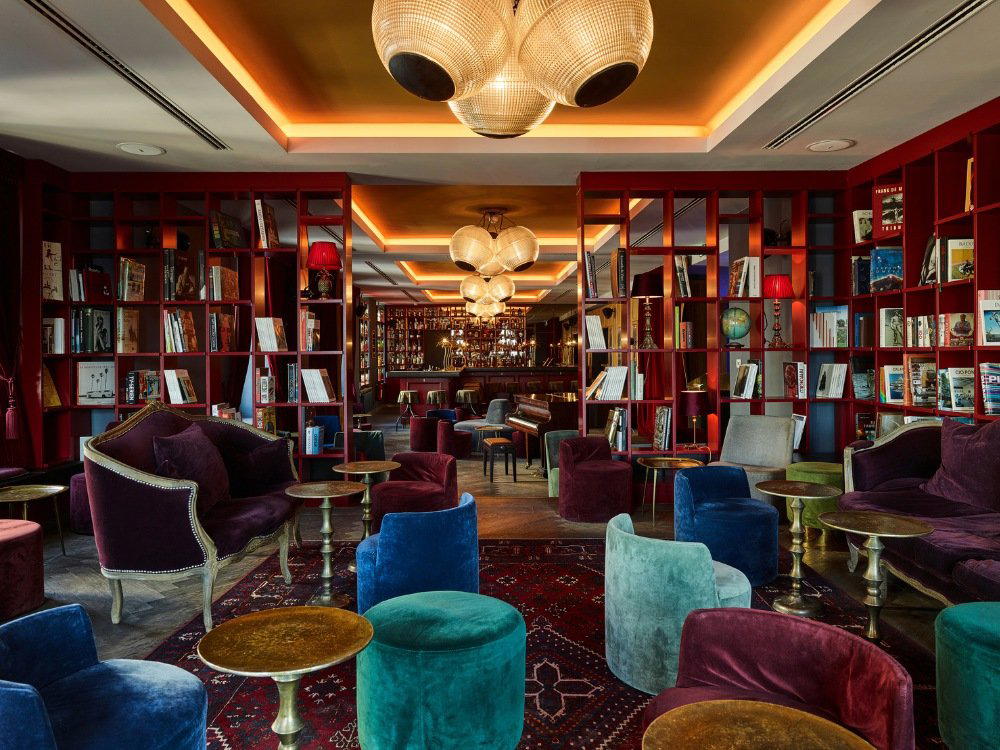
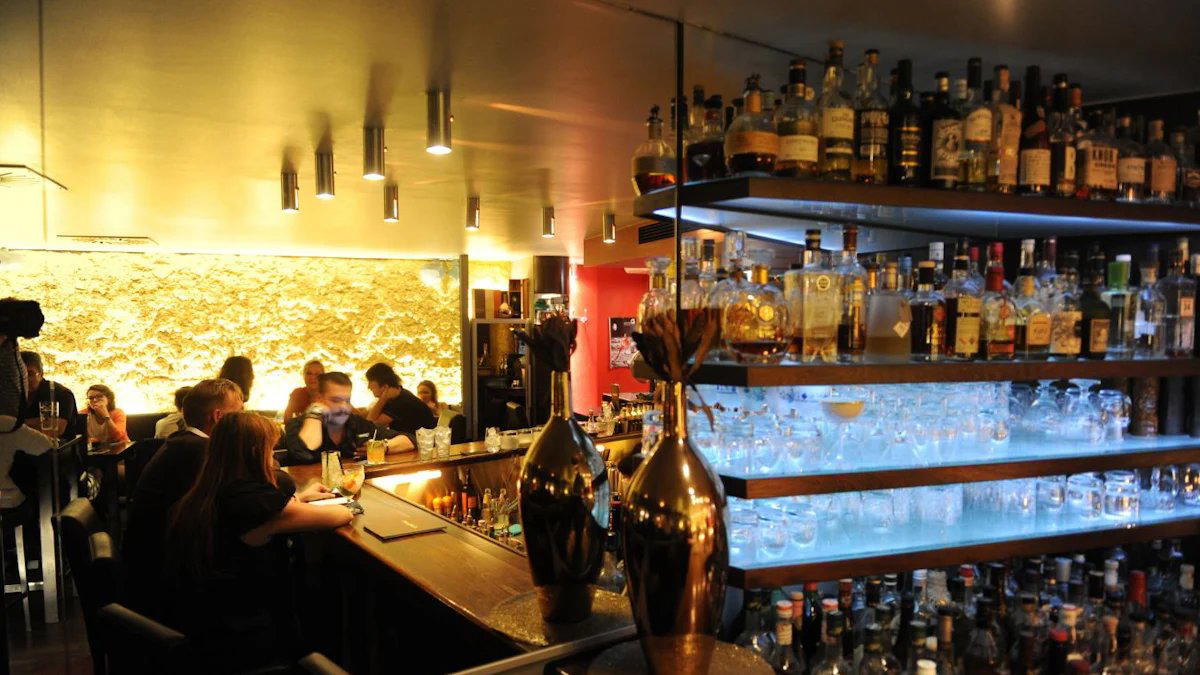
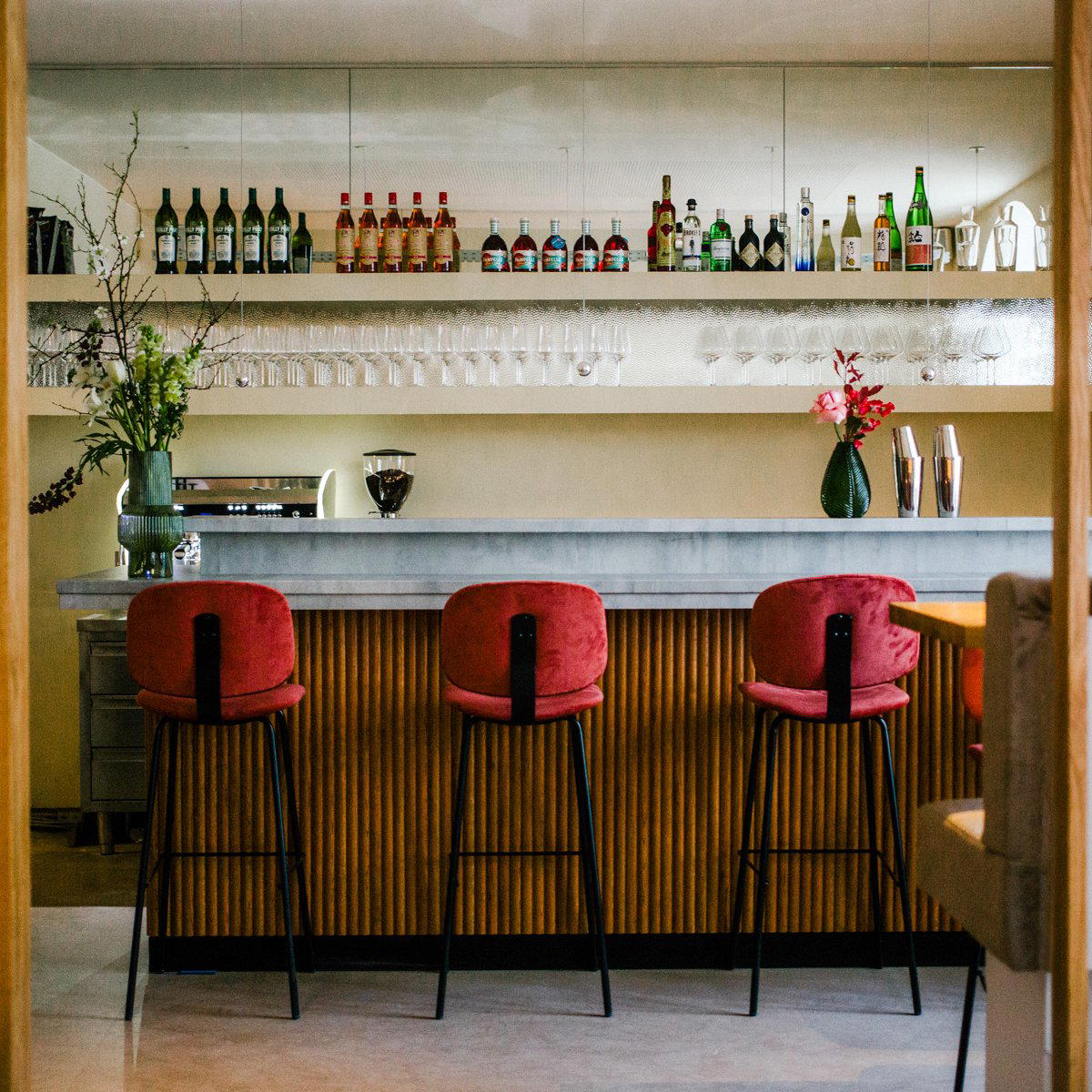
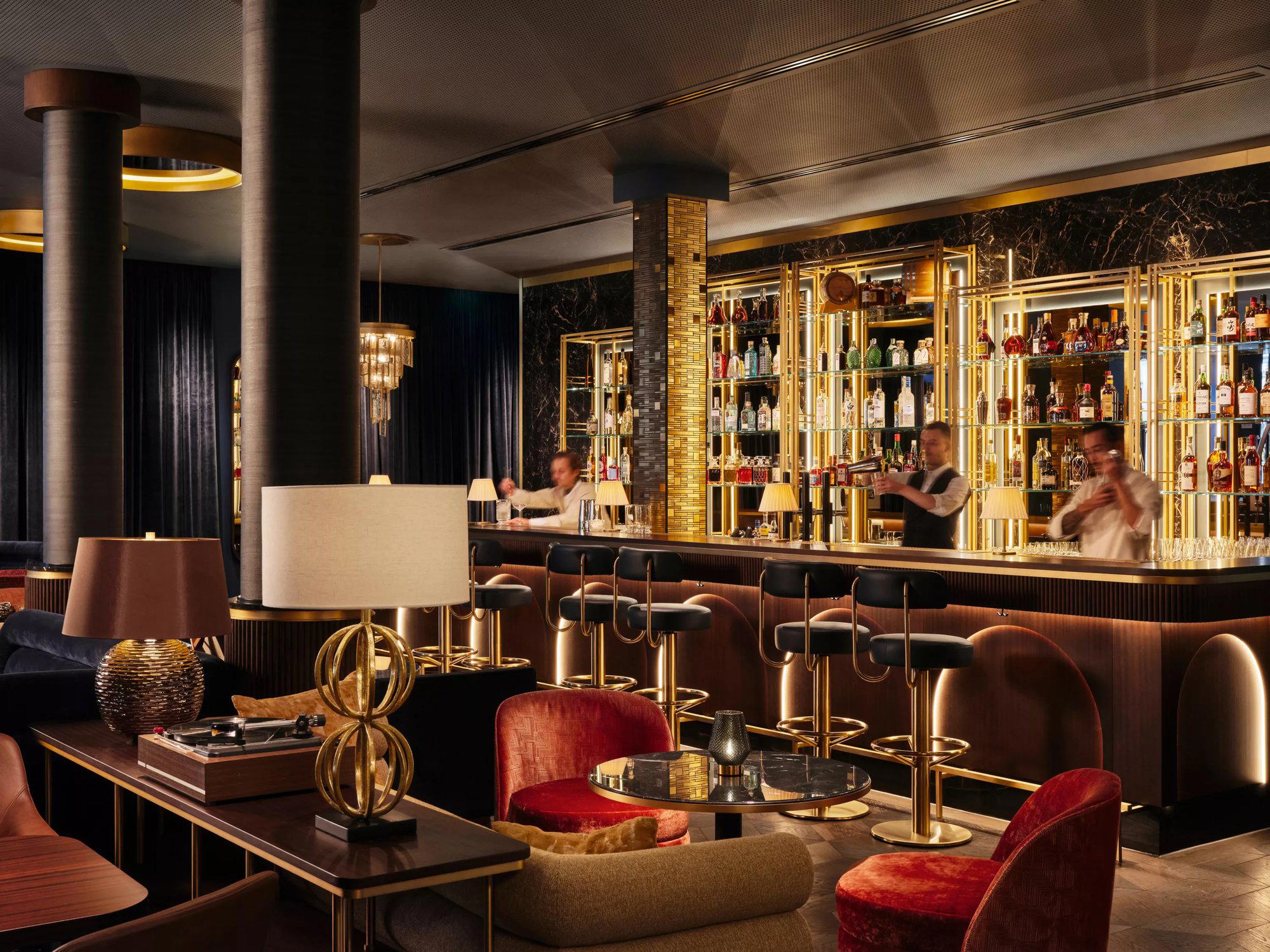
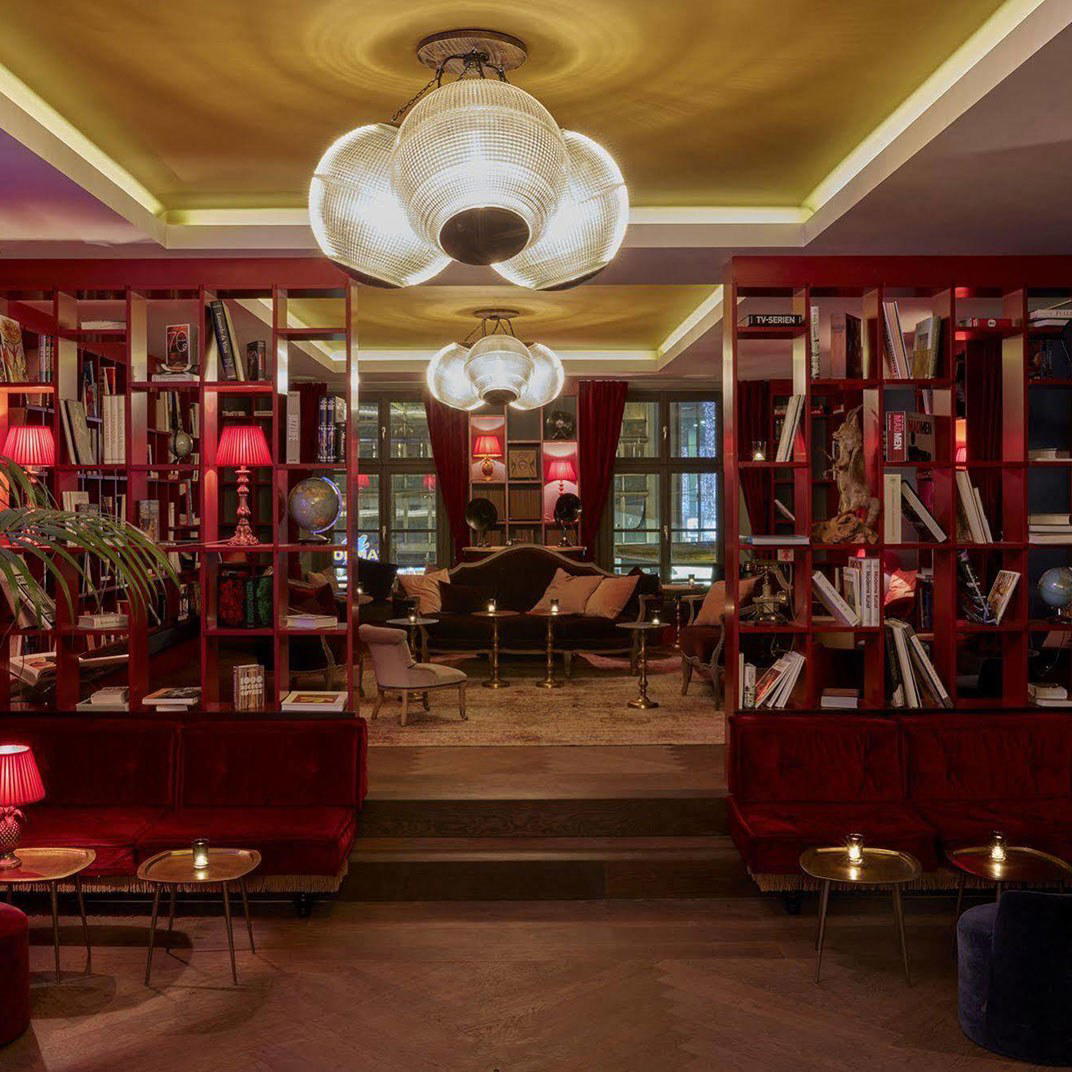
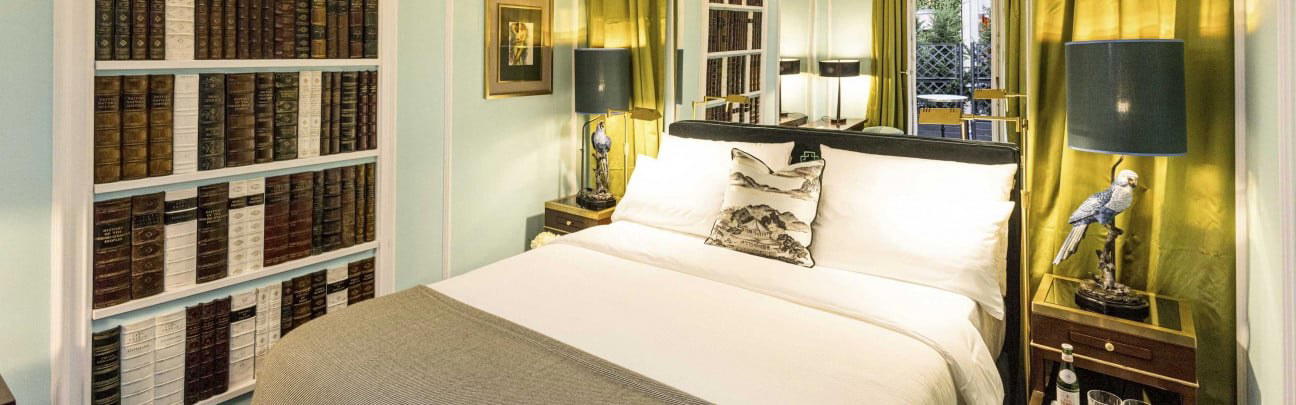
Mint green walls with eclectic art installations, funky vintage vinyl collection, and relaxed yet sophisticated atmosphere with well-known music selection creating a Pulp Fiction meets Gotham City aesthetic.