Mr. Capri
Mr. Capri occupies a low-key address at 33 W 8th St in Greenwich Village, a neighborhood where Italian-American traditions and downtown New York energy have long intersected. The restaurant sits in a dining category defined less by spectacle than by menu coherence and room character. For readers building a New York itinerary, it belongs in a conversation about the Village's mid-register dining options.
Pearl is the En Primeur Club membership app — saves, bookings, and concierge access live there. Same editors, same standards.
- Address
- 33 W 8th St, New York, NY 10011
- Phone
- +19172614329
- Website
- mrcapri.com
- Directions
- Get directions
 Saves & bookings on Pearl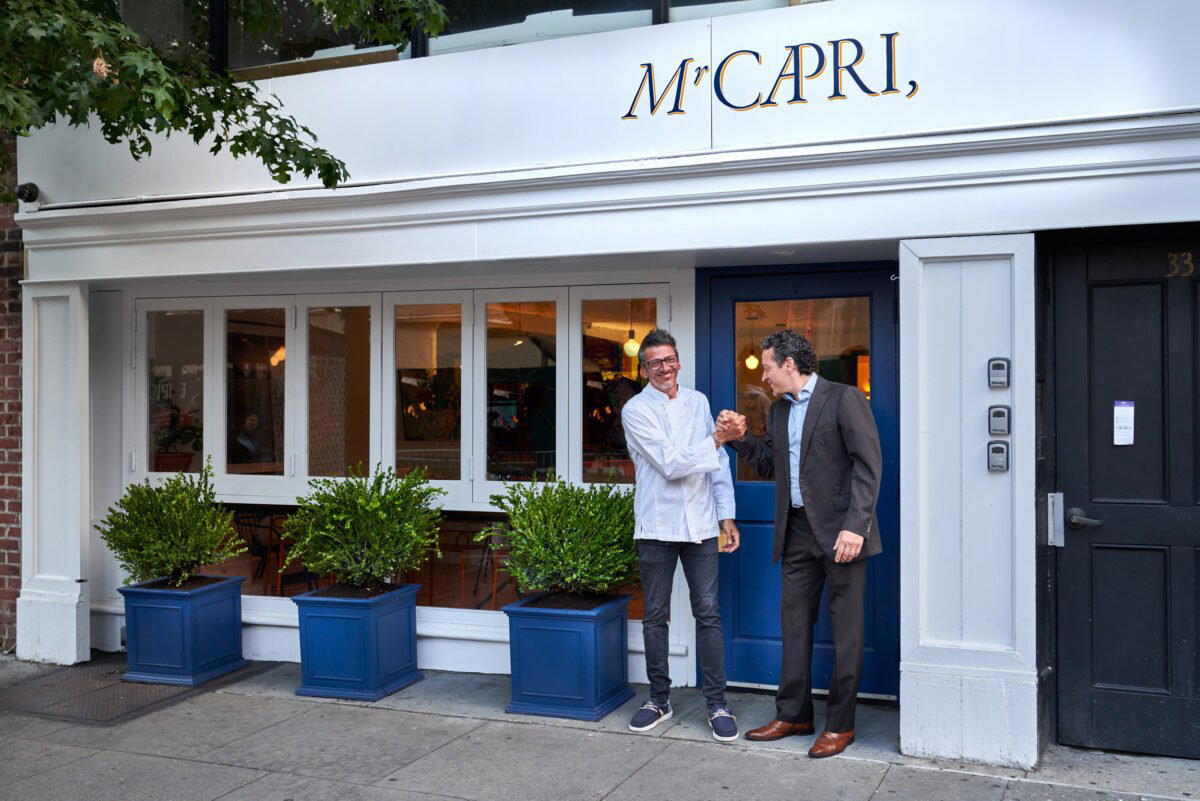
Where Greenwich Village Sets the Table
Greenwich Village has always operated on a different register than Midtown's trophy-dining corridor, where rooms like Le Bernardin and Per Se signal ambition through scale and formality. The Village's dining identity runs counter to that: smaller rooms, neighborhood loyalty, menus that prioritize familiarity over novelty. Mr. Capri, at 33 West 8th Street, fits that pattern. The address places it in a stretch of lower Greenwich Village where the foot traffic is a mix of NYU adjacency and long-term residents who have been eating in the same blocks for decades.
Mr. Capri is a restaurant serving Capri Regional Italian at 33 W 8th St in Greenwich Village, New York City. It is not competing with the tasting-menu tier, the Atomix-level rooms where multi-course progressions and deep wine programs define the experience. It is not the destination-dining format of Masa, where the menu architecture is a deliberate, controlled sequence. It sits in a different stratum of New York eating, one that the Village has historically sheltered well.
Reading the Menu Structure
The way a restaurant organizes its menu communicates something before a single dish arrives. At the high end of New York dining, menus tend toward linear progression, a fixed sequence that removes choice in favor of authorial control, a format you find in rooms like Jungsik or, further afield, at places like Alinea in Chicago or The French Laundry in Napa. At the other end, a la carte menus built around familiar category headers, starters, pastas, mains, signal something different: the expectation that guests arrive with preferences and leave with them satisfied.
Italian-American restaurants in New York have long favored the latter architecture, and for structural reasons that go beyond tradition. A menu organized around antipasti, pasta, and secondi gives a table the flexibility to build a shared meal, to order lightly or heavily depending on appetite and occasion. It also places the kitchen's skill in a different kind of relief: rather than a single controlled narrative, it has to execute well across multiple categories simultaneously. That is a different demand, and in the Village specifically, the rooms that have lasted do so because their kitchens meet it consistently.
What the address and category suggest is a menu organized around the conventions of Italian-American neighborhood dining, the kind of structure that rewards regulars who know what to order and gives newcomers enough familiar anchors to find their way.
The Village in the Broader New York Dining Map
New York's dining geography has never been flat. Different neighborhoods anchor different kinds of eating, and the Village occupies a specific position in that map: historically a home for Italian-American tables, literary-era café culture, and the kind of room that functions as a standing appointment for locals rather than a reservation-trophy for visitors. That positioning separates it from the dining corridor around Midtown and from the tasting-menu density of the Lower East Side and East Village.
It is where you eat on the night you want a real room with real neighborhood character rather than a choreographed experience. Comparable instincts play out in other American cities, Emeril's in New Orleans or Bacchanalia in Atlanta occupy similar positions as anchors that feel rooted in their cities rather than imported from a global fine-dining template.
Internationally, the contrast is equally legible. The controlled formality of Alain Ducasse at Louis XV in Monte Carlo or the institution-scale ambition of 8½ Otto e Mezzo Bombana in Hong Kong represent a different register entirely. The Village's neighborhood dining operates on the assumption that not every meal needs to be a production, and in New York, that assumption has its own loyal market.
Placing Mr. Capri Against Its comparable set
The relevant comparison for the restaurant is not Le Bernardin or Masa. It is the cluster of Italian-leaning neighborhood rooms in the Village and surrounding downtown neighborhoods that have built reputations through consistency rather than critical fanfare. In New York, that category includes restaurants that lack Michelin stars and 50 Best placements but maintain full rooms on weeknights because the regulars keep returning. That is a different kind of credential, and not a lesser one, it reflects a dining culture that values reliability and familiarity as much as innovation.
For context on what farm-sourcing and ingredient discipline can look like at a different scale, Blue Hill at Stone Barns in Tarrytown represents one end of that spectrum, and Single Thread Farm in Healdsburg another. Neither is a direct peer to a Village neighborhood room, but they illustrate the range of approaches that American restaurants take to sourcing and menu philosophy. The restaurant occupies a more grounded position in that range, or at least, that is what its address and category suggest.
Providence in Los Angeles if you are cross-referencing West Coast alternatives, or Addison in San Diego and The Inn at Little Washington for comparable East Coast tasting-menu ambition, all occupy a fundamentally different tier. Lazy Bear in San Francisco similarly represents the chef-driven, fixed-menu format that is categorically distinct from a neighborhood Italian room.
Planning a Visit
The restaurant sits at 33 West 8th Street in Greenwich Village, an address that is walkable from the West 4th Street subway station and from the concentration of hotels in the surrounding downtown area. Greenwich Village tables in this category tend to fill on weekend evenings through a combination of walk-ins and same-week bookings, with weeknight sittings generally more accessible. For confirmed hours, booking method, and current menu pricing, checking directly with the restaurant or a current reservation platform is the reliable approach, specific operational details for Mr.
Reputation Context
Comparable venues nearby, for context on price, style, and recognition.
| Venue | Cuisine | Price | Notes |
|---|---|---|---|
| Mr. CapriThis venue — the venue you are viewing | Capri Regional Italian | $$$ | Not listed |
| Sant Ambroeus Lafayette | Modern Milanese Italian | $$$ | SoHo-Little Italy-Hudson Square |
| Spes | Italian Natural Wine Bar | $$$ | East Village |
| Osteria Delbianco Bryant Park | Traditional Northern Italian | $$$ | Midtown-Times Square |
| Amarone | Classic Italian Trattoria | $$$ | Hell's Kitchen |
| Aurora | Rustic Italian Piedmont | $$$ | Williamsburg |
Continue exploring
More in New York City
Restaurants in New York City
Browse all →
Bars in New York City
Browse all →
Hotels in New York City
Browse all →




At a Glance
- Cozy
- Elegant
- Romantic
- Intimate
- Classic
- Date Night
- Special Occasion
- Brunch
- Private Dining
- Extensive Wine List
- Craft Cocktails
Current opening hours
- Monday
- 12–3 PM, 4:30–10:30 PM
- Tuesday
- 12–3 PM, 4:30–10:30 PM
- Wednesday
- 12–3 PM, 4:30–10:30 PM
- Thursday
- 12–3 PM, 4:30–10:30 PM
- Friday
- 12–3 PM, 4:30–11 PM
- Saturday
- 12–3 PM, 4:30–11 PM
- Sunday
- Closed
Hours can change for holidays and private events. Last verified .
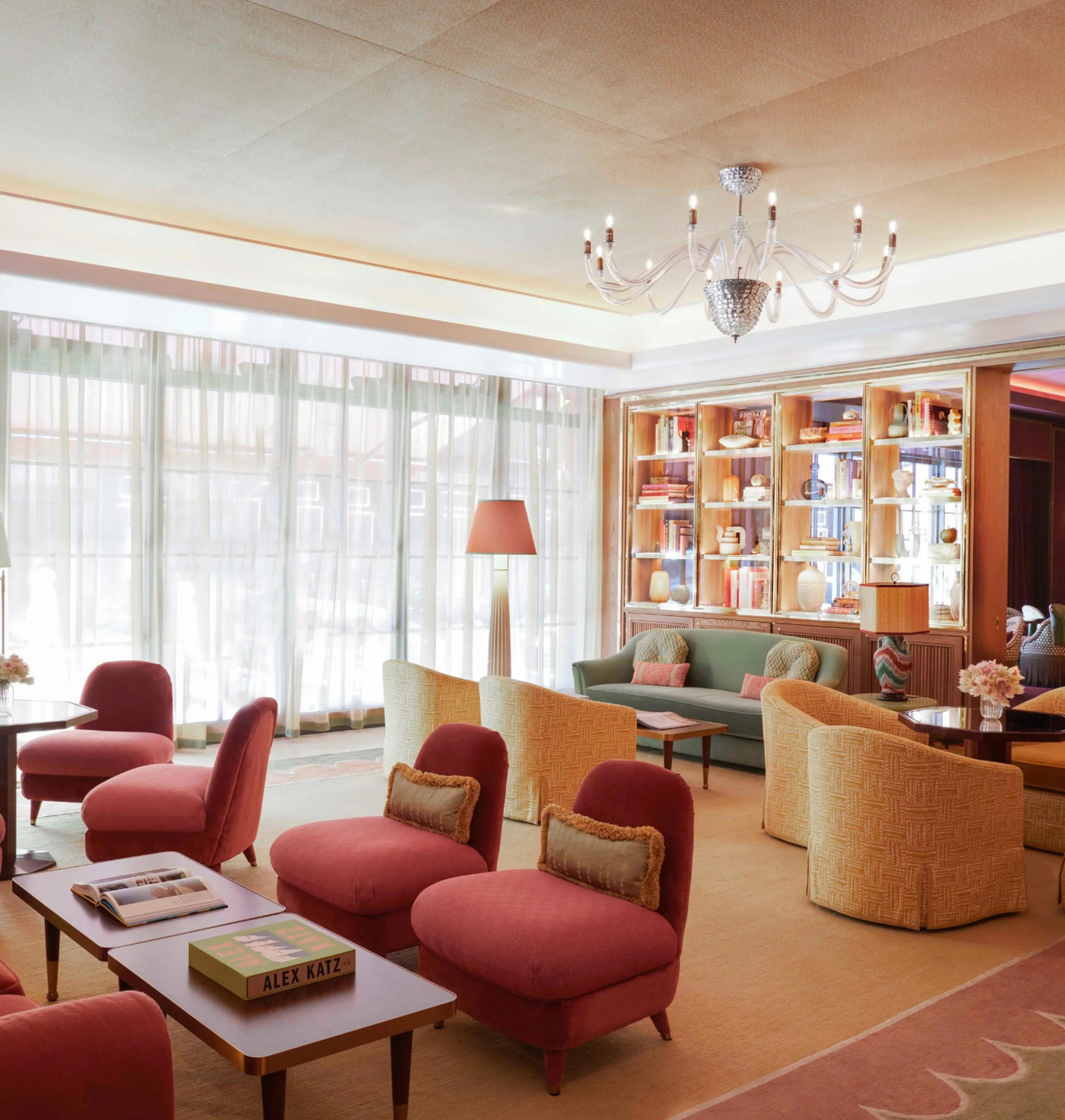
Warm, cozy, and rustic with bright airy decor evoking Capri's seaside vibe, soft lighting, and an inviting atmosphere.