Amarone
Amarone on 9th Avenue in Hell's Kitchen sits at the intersection of Italian-American dining tradition and serious wine culture. The room draws from a neighborhood that has quietly become one of Midtown's more reliable corridors for full-evening dining, and the wine program is the clearest reason to seek it out over the block's more casual alternatives. Plan accordingly: this is a wine-first room in a city that rewards that priority.
Pearl is the En Primeur Club membership app — saves, bookings, and concierge access live there. Same editors, same standards.
- Address
- 686 9th Ave #1, New York, NY 10036
- Phone
- +12122456060
- Website
- amaroneristorante.com
- Directions
- Get directions
 Saves & bookings on Pearl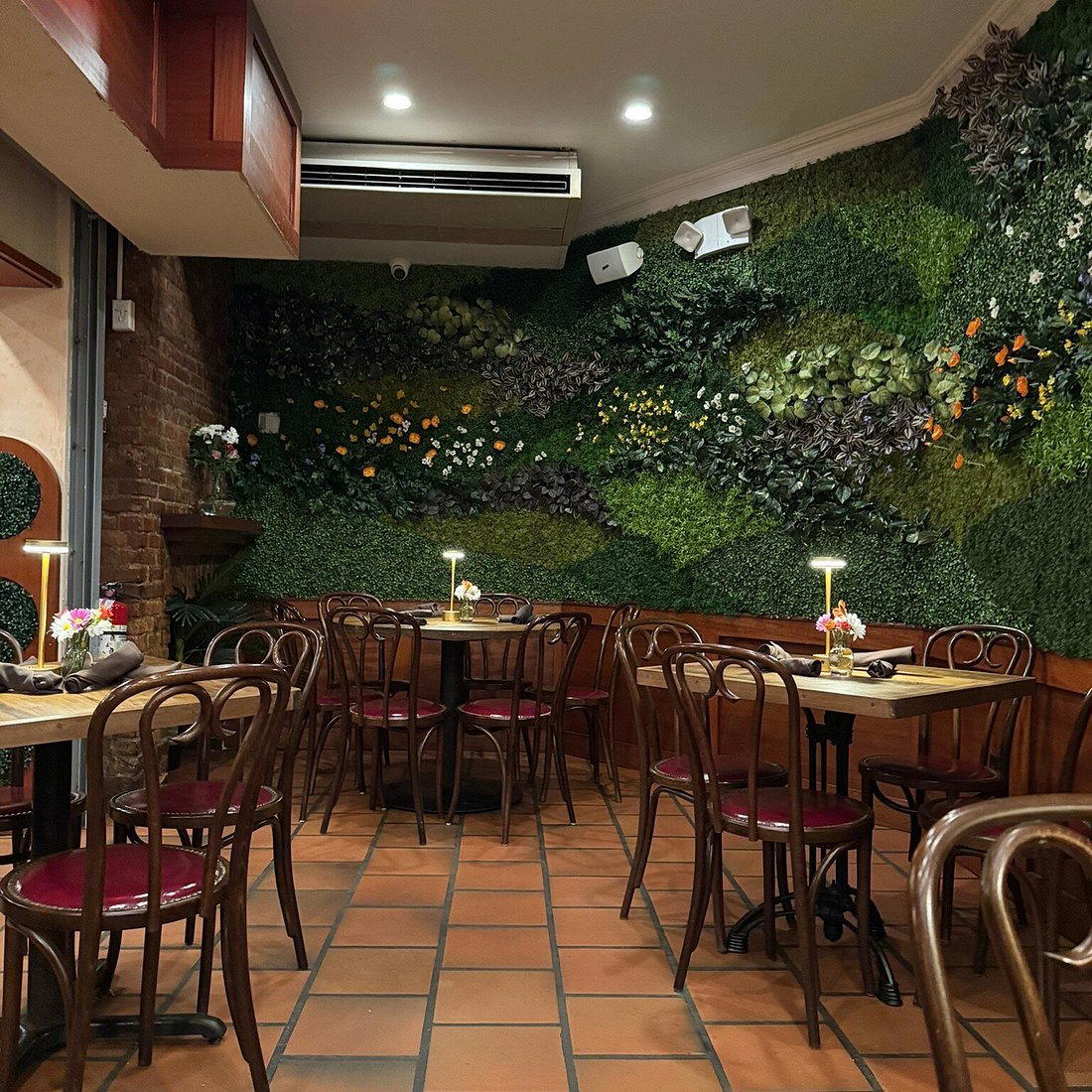
Hell's Kitchen and the Case for Wine-First Italian Dining
The name alone signals an editorial position. Amarone — the Valpolicella-zone's most architecturally serious red, built from dried Corvina and Rondinella grapes and aged for years before release — is not a casual reference. Restaurants that name themselves after a wine rather than a chef or a neighborhood are, in effect, announcing where their priorities sit. In Hell's Kitchen, a corridor that stretches along 9th Avenue and has spent the last two decades accumulating a genuinely varied dining portfolio, that declaration carries weight.
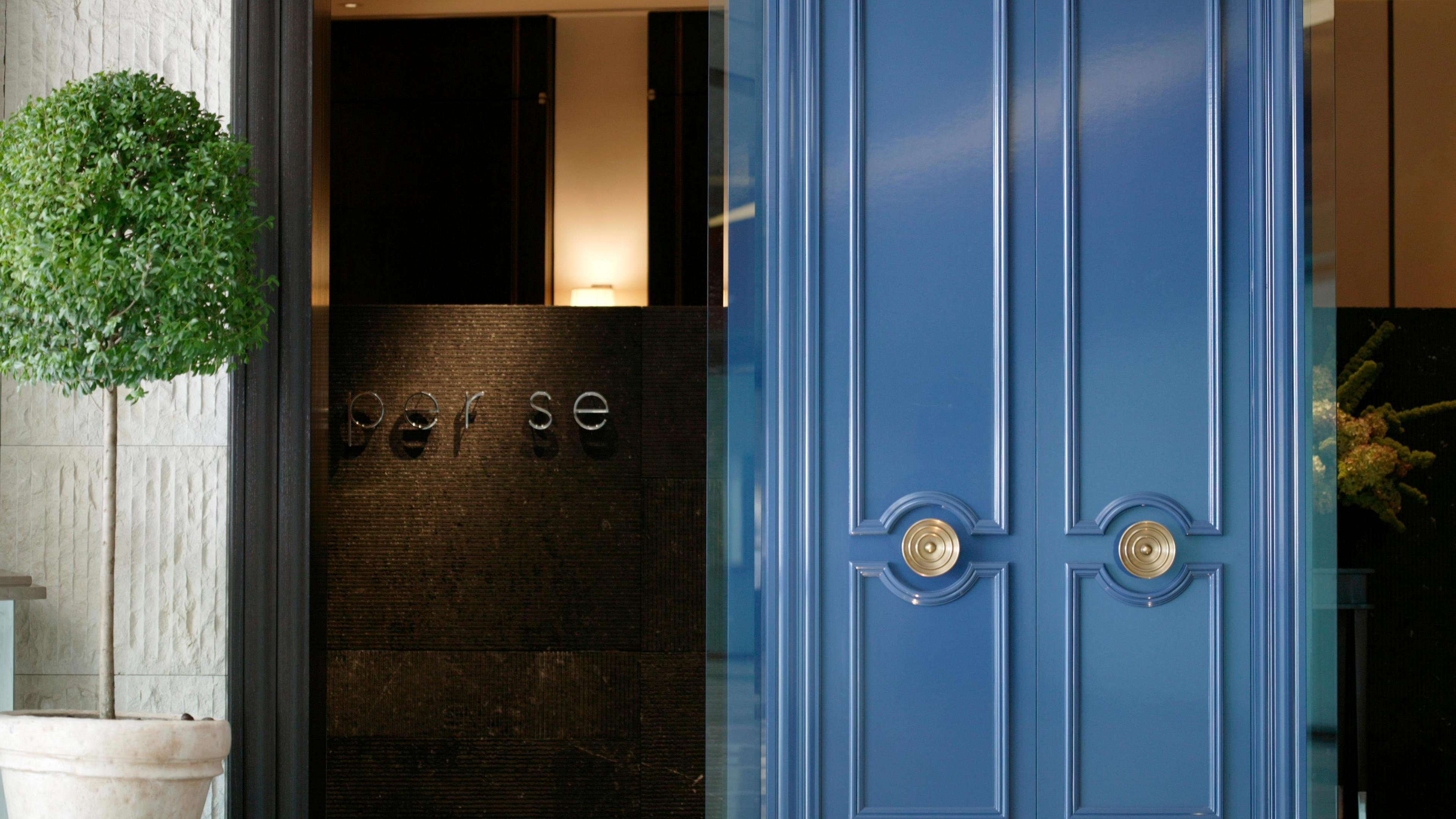
Italian dining in New York exists across a wide spectrum of ambition and formality. At the upper end, properties like Eleven Madison Park and Per Se operate in a register where the cuisine category almost becomes secondary to the tasting-menu architecture. Below that tier, the city has dozens of neighborhood Italian rooms competing on pasta quality, room warmth, and, increasingly, wine depth. A restaurant that foregrounds its wine identity, through its name, its curation approach, or both, is placing a deliberate bet on a clientele that reads a list before they read a menu.
The Amarone Tradition and What It Signals on a List
Amarone della Valpolicella is one of the more demanding wines in the Italian canon to cellar and to price correctly. Production involves the appassimento process: harvesting Corvina, Rondinella, and Molinara grapes, drying them for three to four months to concentrate sugars and phenolics, then fermenting to near-dryness. The result is a wine that typically reaches 15 to 17 percent alcohol, carries deep dried-fruit and chocolate register, and requires years of bottle age to integrate. The Denominazione di Origine Controllata e Garantita (DOCG) rules require a minimum of two years of aging for standard Amarone and four for Riserva bottlings.
A restaurant that understands Amarone well enough to name itself after the wine is making a claim: that its cellar handles wines with genuine aging requirements, and that its service staff can guide a table through a bottle that will overwhelm a lighter pasta course but sit perfectly against a braise or aged hard cheese. That is a specific kind of competence, and it is rarer in the $50-and-under bottle tier than the city's sheer volume of Italian restaurants might suggest.
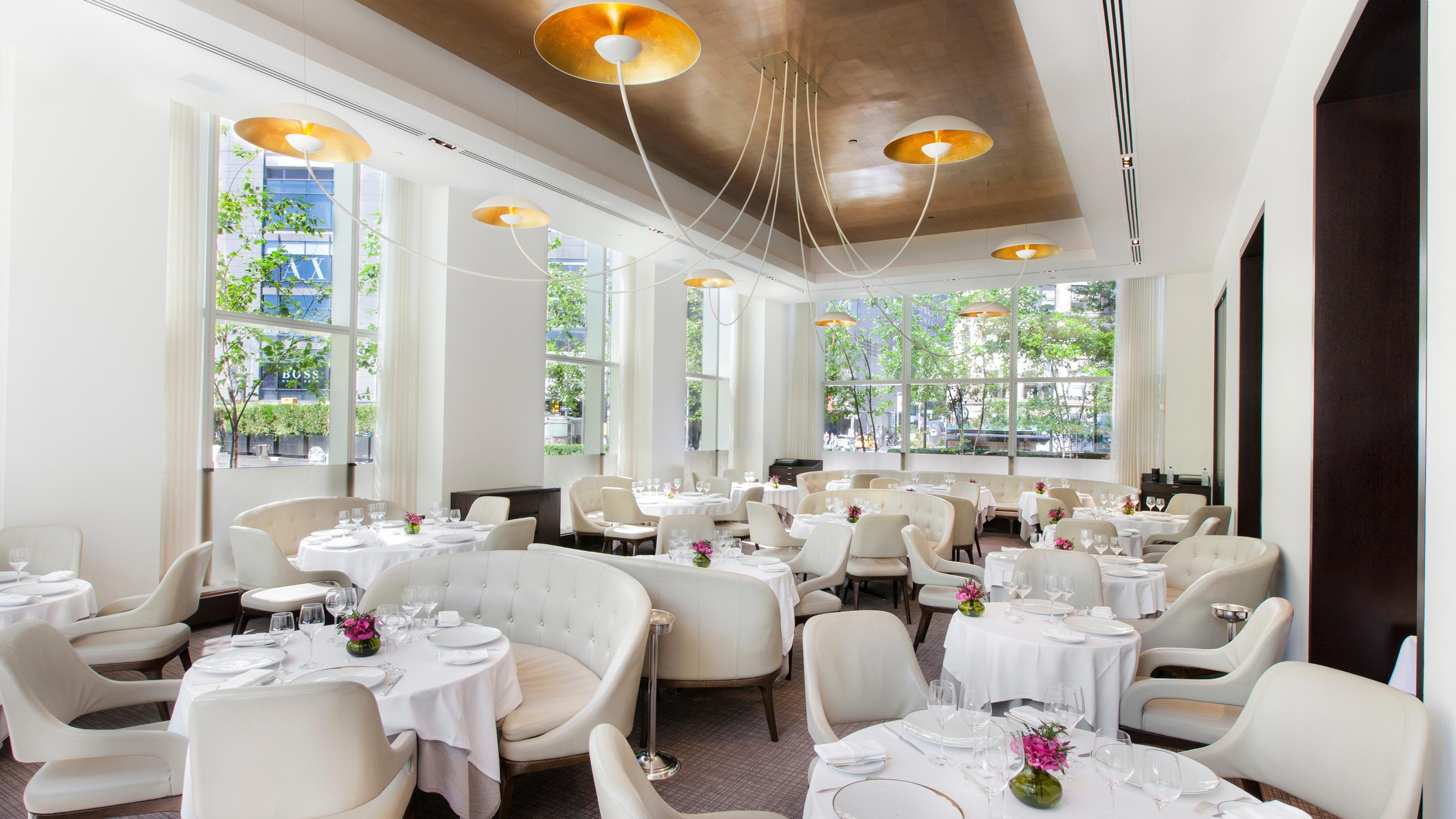
For comparison, the wine programs at New York's most scrutinized dining rooms, Le Bernardin with its seafood-forward cellar, or Atomix with its Korean-inflected natural wine selections, operate with large teams and significant financial backing. The Italian neighborhood room occupies a different position: it must balance cellar investment with price points accessible enough to sustain regular custom from a neighborhood clientele, while still offering enough depth to hold the interest of a more wine-focused diner.
9th Avenue as a Dining Corridor
Hell's Kitchen's dining identity has been shaped by successive waves of immigration and, more recently, by the westward pressure of Midtown workers seeking alternatives to the Sixth and Seventh Avenue restaurant clusters. The 9th Avenue stretch between the low 40s and low 50s has historically hosted a mix of Thai, Greek, and Italian rooms, with the Italian contingent anchoring the block in a way that reflects the neighborhood's older demographic composition before the theater district began pulling in a more transient crowd.
This is a neighborhood where a restaurant can sustain a loyal local following while also catching pre-theater traffic from guests heading to Broadway venues a few blocks east. That dual clientele shapes the pacing of service and, often, the structure of the wine program: bottles that can be opened and enjoyed over 90 minutes sit differently on a list than those requiring a long, contemplative evening. A wine named Amarone requires the latter. That the restaurant makes this its central identity suggests it is serving the longer-stay customer rather than the pre-curtain rush.
Placing Amarone in the New York Italian Conversation
New York's serious Italian dining conversation tends to concentrate around a handful of addresses that have accumulated critical recognition over years. Across the broader American scene, properties like Frasca Food & Wine in Boulder have built identities explicitly around regional Italian wine depth, and Blue Hill at Stone Barns in Tarrytown has demonstrated how farm-sourcing discipline can reframe an entire dining category. In Italy itself, benchmarks like Dal Pescatore in Runate and Atelier Moessmer Norbert Niederkofler in Brunico show how regional specificity and cellar depth can coexist with serious cooking ambition.
A Hell's Kitchen room does not compete in that register, nor should it.
Other dining programs worth cross-referencing in the broader context of wine-serious American restaurants: Single Thread Farm in Healdsburg, Providence in Los Angeles, Smyth in Chicago, Lazy Bear in San Francisco, and Addison in San Diego each demonstrate how a wine program's ambition can shape a restaurant's overall identity and peer positioning. Emeril's in New Orleans and The French Laundry in Napa similarly show the long-term brand value of building a cellar identity that outlasts individual menu cycles. The Inn at Little Washington is another reference point for how a wine-forward identity in a non-metropolitan setting can sustain decades of critical interest. Masa in New York, at the opposite end of the cuisine spectrum, demonstrates how total format commitment, in that case to a single Japanese tradition, builds a durable reputation.
Planning Your Visit
Amarone is located at 686 9th Avenue, Hell's Kitchen, Manhattan. The address places it within a ten-minute walk of the major Midtown transit hubs and a short distance from the Broadway theater corridor, making it a functional pre-theater or post-theater option for guests who prefer to eat at pace rather than rush.
Logistics at a Glance
| Detail | Amarone | Le Bernardin | Per Se |
|---|---|---|---|
| Cuisine focus | Italian (wine-forward) | French, Seafood | French, Contemporary |
| Price tier | Not confirmed | $$$$ | $$$$ |
| Neighborhood | Hell's Kitchen | Midtown West | Columbus Circle |
| Booking lead time | See FAQ below | Weeks to months ahead | Weeks to months ahead |
For a broader map of where Amarone sits within the city's dining options, see our full New York City restaurants guide.
Continue exploring
More in New York City
Restaurants in New York City
Browse all →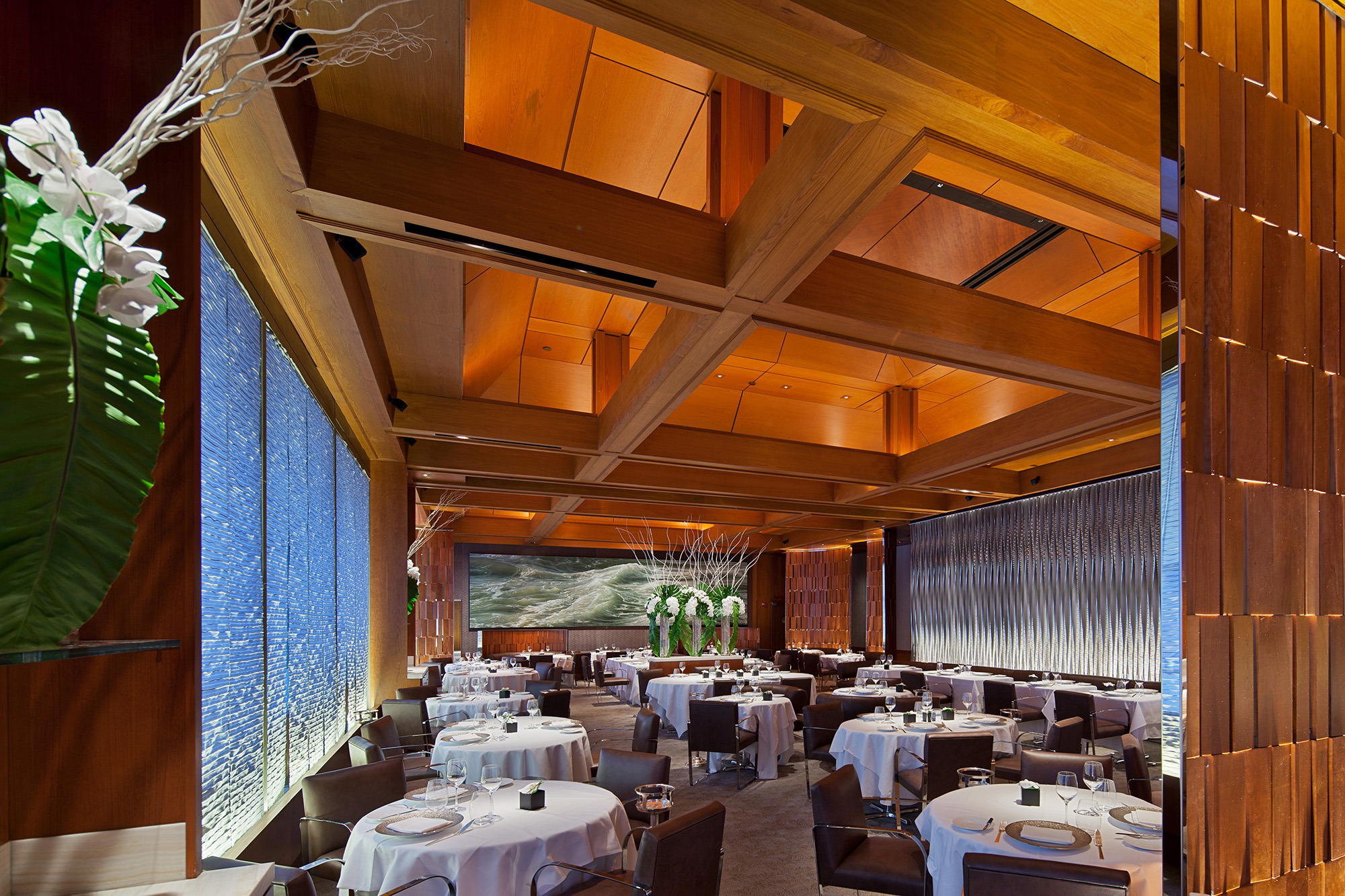
Bars in New York City
Browse all →
Hotels in New York City
Browse all →





At a Glance
- Cozy
- Elegant
- Romantic
- Classic
- Date Night
- Special Occasion
- Group Dining
- Private Dining
- Extensive Wine List
Current opening hours
- Monday
- 4–11 PM
- Tuesday
- 4–11 PM
- Wednesday
- 4–11 PM
- Thursday
- 4–11 PM
- Friday
- 4–11 PM
- Saturday
- 4–11 PM
- Sunday
- 4–11 PM
Hours can change for holidays and private events. Last verified .
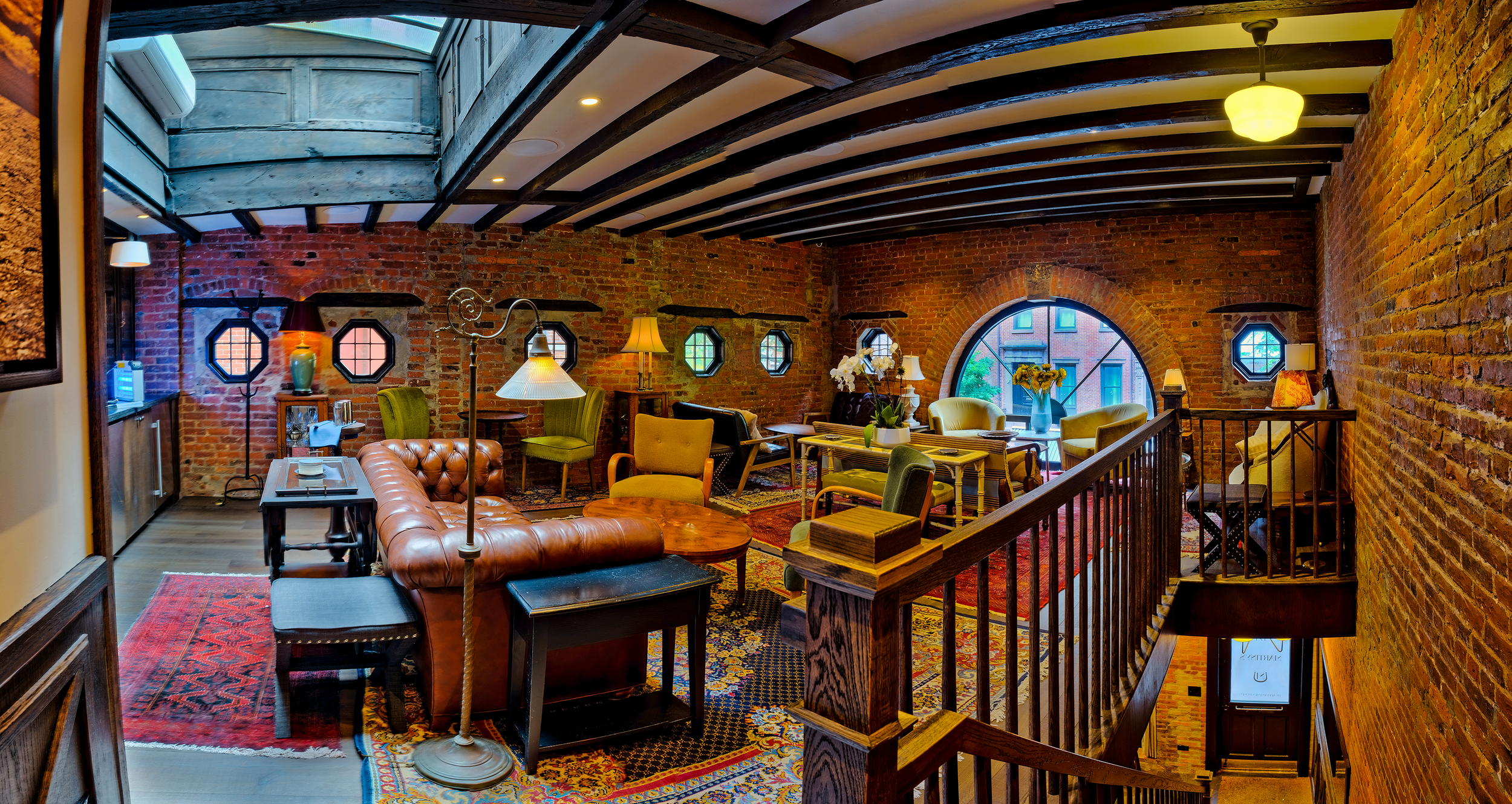
Cozy ambiance with brick walls, moderate noise level, and warm lighting creating an elegant yet welcoming Italian atmosphere.