Osteria Delbianco Bryant Park
Our verdict
Osteria Delbianco Bryant Park occupies a specific position in Midtown Manhattan's Italian dining scene, drawing from the osteria tradition of approachable formality and ingredient-led cooking. Located steps from Bryant Park at 18 East 41st Street, it sits in a corridor where the lunch trade is competitive and the dinner crowd skews toward pre-theatre and neighbourhood regulars. The room rewards those who arrive without a fixed agenda.

Pearl is the En Primeur Club membership app, where members save venues, book tables and use the concierge.

The menu
What to order
- Lasagna "Omaggio alla Nonna Delbianco"
- Pollo Piccante
- Seafood Risotto
Midtown's Italian Register
Italian restaurants in Midtown Manhattan operate across a wide register. At one end sit red-sauce institutions that have survived for decades on loyalty and volume. At the other, a smaller tier of ingredient-focused osterie work closer to the northern Italian tradition: quieter rooms, shorter menus, wine lists that reward attention. Osteria Delbianco Bryant Park at 18 East 41st Street occupies territory in that second category, positioned a few blocks from Bryant Park in a stretch of Midtown that has historically been better at office lunch than serious dinner.
That neighbourhood context matters. The blocks around 41st and Fifth Avenue generate steady foot traffic from the public library, the park, and the tower offices that ring them, but they have rarely been where New York's most discussed Italian tables land. The osteria format, with its suggestion of informality inside a considered framework, works here precisely because it doesn't ask the neighbourhood to be something it isn't. The cooking can do the work without the address carrying the expectation.
The Atmosphere and the Room
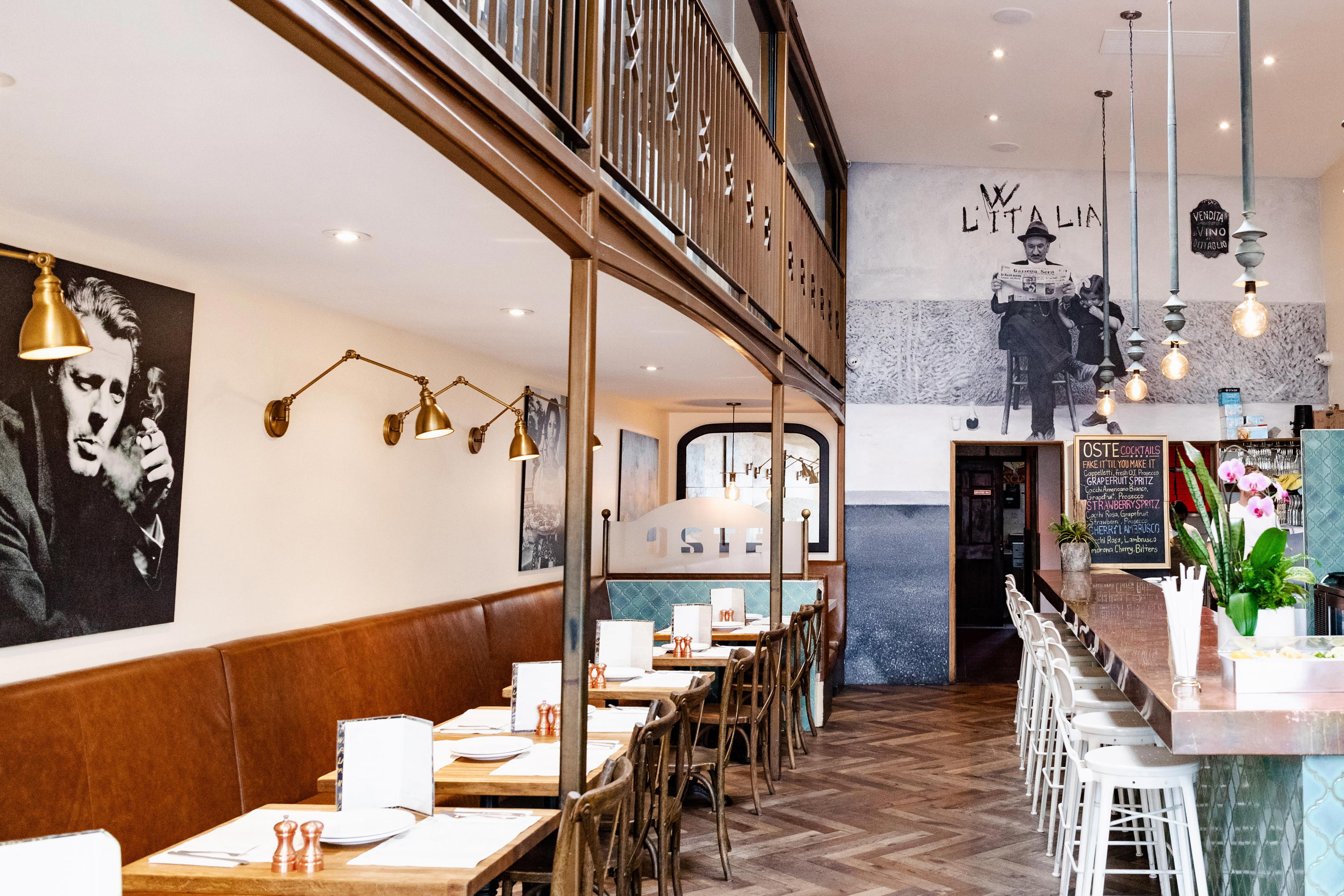
The osteria tradition in Italy is partly defined by what it withholds: the starched formality of a ristorante, the noise levels of a trattoria at full tilt, the self-consciousness of a wine bar. What remains is a particular register of warmth, where the room functions as a container for the food rather than a production in its own right. In New York, achieving that register is harder than it sounds. The city's dining rooms tend toward either maximalism or studied minimalism, and the middle ground, a space that reads as purposeful without being theatrical, requires restraint in the design brief.
For a property on 41st Street, the ambient context arrives through the windows: the Bryant Park end of Midtown has a specific quality of light in the late afternoon, when the park's canopy filters the sun and the avenue traffic settles into its pre-rush rhythm. An osteria that works with that environment rather than against it, keeping the interior palette warm and the sound levels manageable, earns something that higher-decibel Midtown restaurants routinely sacrifice: the conditions for an actual conversation over the meal.
Where It Sits Against the Midtown Italian Tier
Italian dining in Manhattan has never been a single market. The Michelin-tracked tables, places like Le Bernardin for French seafood or Per Se for contemporary French, operate at price points and booking windows that belong to a different conversation entirely. Closer in category, the city's mid-market Italian osterie compete on value, consistency, and the ability to hold a loyal neighbourhood clientele through the lunch-and-dinner week. That is a more demanding test in some respects than the tasting-menu tier, because the margin for a difficult service or an off night is narrower.
The comparison set for Osteria Delbianco Bryant Park is not Masa or Atomix or Jungsik New York, all of which sit in a tasting-menu tier with different booking dynamics and price expectations. It is the cluster of Italian rooms that serve Midtown's working population at lunch and attract a dinner crowd that wants something more considered than a quick pre-theatre pasta but less orchestrated than a full tasting sequence. Within that cohort, longevity, wine program depth, and the kitchen's handling of pasta and secondi are the differentiating variables.
The Ingredient Logic Behind the Osteria Format
The osteria tradition, carried from its Italian roots into New York's version of the format, places a premium on ingredient selection over technique demonstration. The cooking is not supposed to announce itself. A correctly made cacio e pepe tells you about the quality of the Pecorino and the pepper before it tells you anything about the kitchen's skill, and the leading versions of that dish in New York are distinguished by restraint in the emulsification and confidence in the seasoning, not by elaboration. Similarly, a well-sourced branzino needs less done to it than a fish from a less careful supply chain.
This ingredient logic is what separates an osteria operating with conviction from one using the label as a positioning exercise. When the sourcing is serious, the menu can be shorter and the preparation simpler. When it isn't, the kitchen tends to compensate with technique and garnish. The format is, in that sense, honest: it doesn't hide its priorities.
Comparable Italian programs across the United States, from Bacchanalia in Atlanta to ingredient-forward rooms in other markets, have demonstrated that the osteria sensibility travels when the sourcing infrastructure supports it. In New York, where the supply chains for Italian staples are well established and the import market for DOP-certified products is mature, a kitchen that wants to cook in this mode has the raw material to do so.
Bryant Park as a Dining Address
Bryant Park itself has evolved considerably as a public space since its renovation in the early 1990s, and the dining and hospitality ecosystem around it has followed. The park's programming, from the winter village to the summer film series, generates consistent visitor traffic that benefits the restaurants on its perimeter streets. For a dinner-focused osteria, that traffic is less directly relevant than it is for a quick-service operation, but it contributes to an address that feels activated rather than dormant after office hours.
The 41st Street corridor connects Bryant Park to Grand Central to the east, which means the commuter footfall is significant. For the osteria format, this creates an interesting opportunity: the evening dinner window, after the peak commute has cleared, has a different character than the lunch rush, and a room that transitions well between those two modes is covering more of the Midtown demand curve than one that optimises for only one.
For more context on where this address fits within New York's broader dining geography, see our full New York City restaurants guide. For reference points in other American cities where the same commitment to ingredient-led cooking has produced notable results, Blue Hill at Stone Barns in Tarrytown, Single Thread Farm in Healdsburg, The French Laundry in Napa, Providence in Los Angeles, Lazy Bear in San Francisco, Alinea in Chicago, Addison in San Diego, Emeril's in New Orleans, and The Inn at Little Washington in Washington all illustrate the range of what serious ingredient-led American dining looks like across different formats and price tiers. Internationally, 8 1/2 Otto e Mezzo Bombana in Hong Kong and Alain Ducasse Louis XV in Monte Carlo show how the Italian fine dining register translates outside Italy at the upper end of the market.
Know Before You Go
- Address: 18 E 41st St, New York, NY 10017
- Neighbourhood: Bryant Park / Midtown Manhattan
- Format: Osteria (Italian)
- Nearest Transit: Bryant Park station (B, D, F, M lines); Grand Central–42nd St (4, 5, 6, 7, S lines) approximately three blocks east
- Price Range: Contact venue for current pricing
- Hours: Contact venue for current service hours
Frequently asked questions
at Osteria Delbianco Bryant Park?
The osteria format is most useful as a guide here: prioritise the pasta course, where Italian osterie typically concentrate the kitchen's clearest statement of intent, and follow the seasonal secondi rather than anchoring to a single fixture. At a room operating in this tradition, the pasta preparation and the sourcing of protein are the clearest indicators of how seriously the kitchen is working. Ask the front-of-house team what has arrived most recently from the market; in an osteria that is functioning as designed, they will have a direct answer.
Can I walk in to Osteria Delbianco Bryant Park?
Walk-in availability at Midtown Manhattan osterie varies considerably by day and service. Lunch on a weekday is typically more accessible than Friday or Saturday dinner, when the office crowd is replaced by a more deliberate dining public. In New York's mid-market Italian tier, tables at the bar or counter are often kept for walk-in guests even when the main room is committed. Contacting the venue directly before arrival will give the most accurate read on current capacity.
What makes Osteria Delbianco Bryant Park worth seeking out?
The case rests on format and address together. Midtown Manhattan above 34th Street is underserved by the kind of considered Italian room that the osteria tradition, when executed with discipline, produces. The Bryant Park location is accessible from multiple transit lines and sits in a part of the city that generates both a lunch crowd and a dinner public, giving the kitchen a fuller week to develop consistency. For those whose Italian dining in New York defaults to the downtown cluster or the Upper East Side, 41st Street represents a different logistical calculation worth making.
Can Osteria Delbianco Bryant Park adjust for dietary needs?
Italian osterie, as a category, tend to have more flexibility with dietary accommodation than format-rigid tasting-menu rooms, because the a la carte or semi-fixed structure allows substitution without collapsing the menu architecture. For specific requirements, including vegetarian, gluten-sensitive, or allergen-related needs, the standard protocol in New York is to contact the venue in advance rather than at the table. This gives the kitchen time to prepare alternatives with the same sourcing care applied to the standard menu rather than improvising at service.
Is Osteria Delbianco Bryant Park a good choice for a business lunch near Grand Central?
The 41st Street address places it within a short walk of Grand Central Terminal, which makes it a practical candidate for a business lunch where the priority is a room that allows conversation over a meal without the noise levels of a more casual operation. The osteria format, with its focus on unhurried service and a menu that moves at the guest's pace rather than the kitchen's, suits the lunch-meeting format better than a tasting-menu room or a high-volume Italian brasserie. Confirming current lunch service hours directly with the venue is advisable before scheduling.
The Minimal Set
Comparable venues nearby, for context on price, style, and recognition.
| Venue | Cuisine | Price | Notes |
|---|---|---|---|
| Osteria Delbianco Bryant ParkThis venue (the venue you are viewing) | Traditional Northern Italian | $50–100 | Not listed |
| Cafe Ginori at Bergdorf Goodman | Not listed | $30–50 | Midtown-Times Square, Contemporary Italian |
| Il Pesce | Italian Seafood | $50–100 | Midtown South-Flatiron-Union Square, Italian Seafood |
| Giorgio's of Gramercy | Classic Italian-American | $50–100 | Midtown South-Flatiron-Union Square, Classic Italian-American |
| Campagnola | Authentic Italian Countryside Trattoria | $50–100 | Upper East Side-Lenox Hill-Roosevelt Island, Authentic Italian Countryside Trattoria |
| Altesi Downtown | Classic Italian Trattoria | $50–100 | SoHo-Little Italy-Hudson Square, Classic Italian Trattoria |
Continue exploring
More in New York City
Restaurants in New York City
All restaurants in New York City →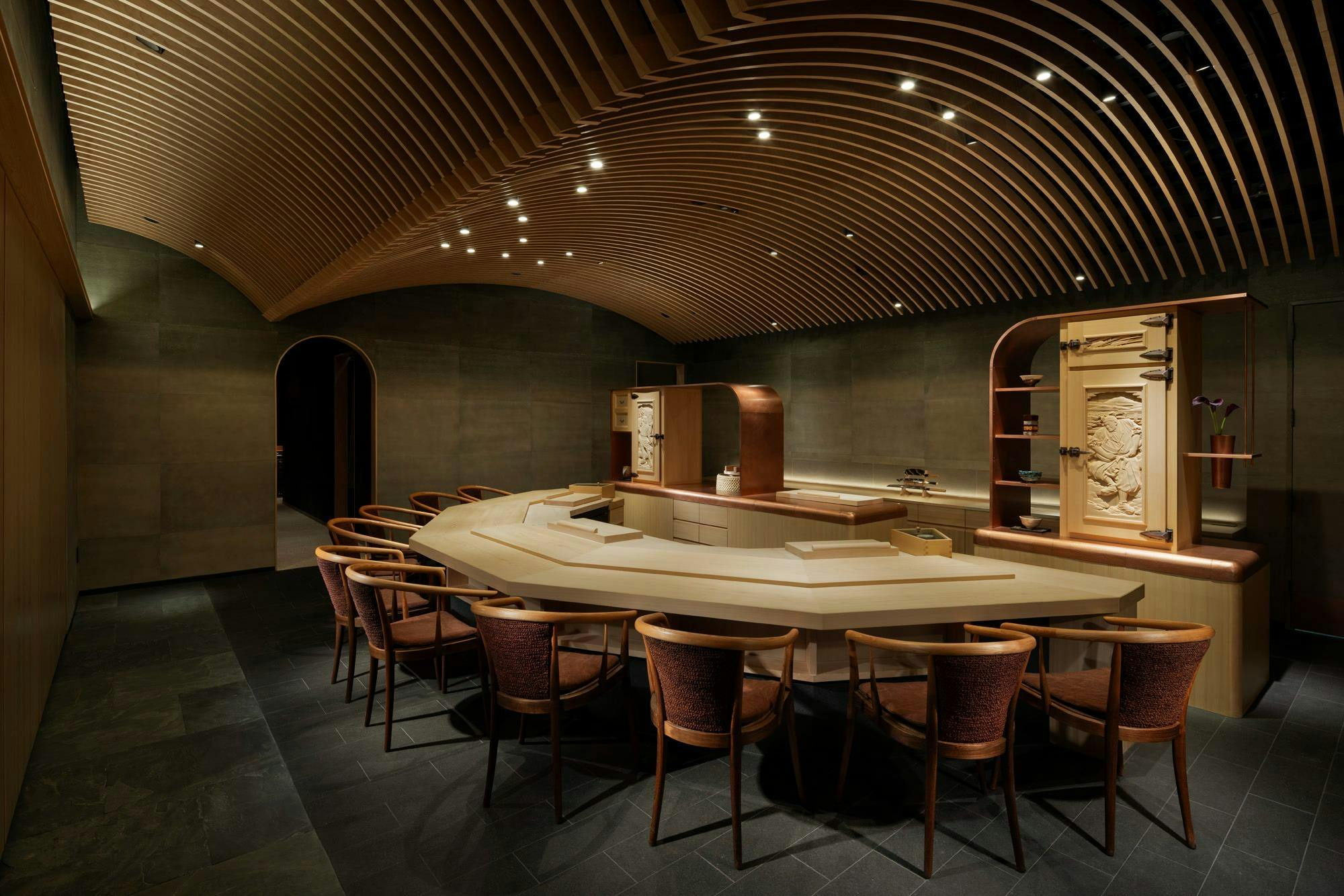
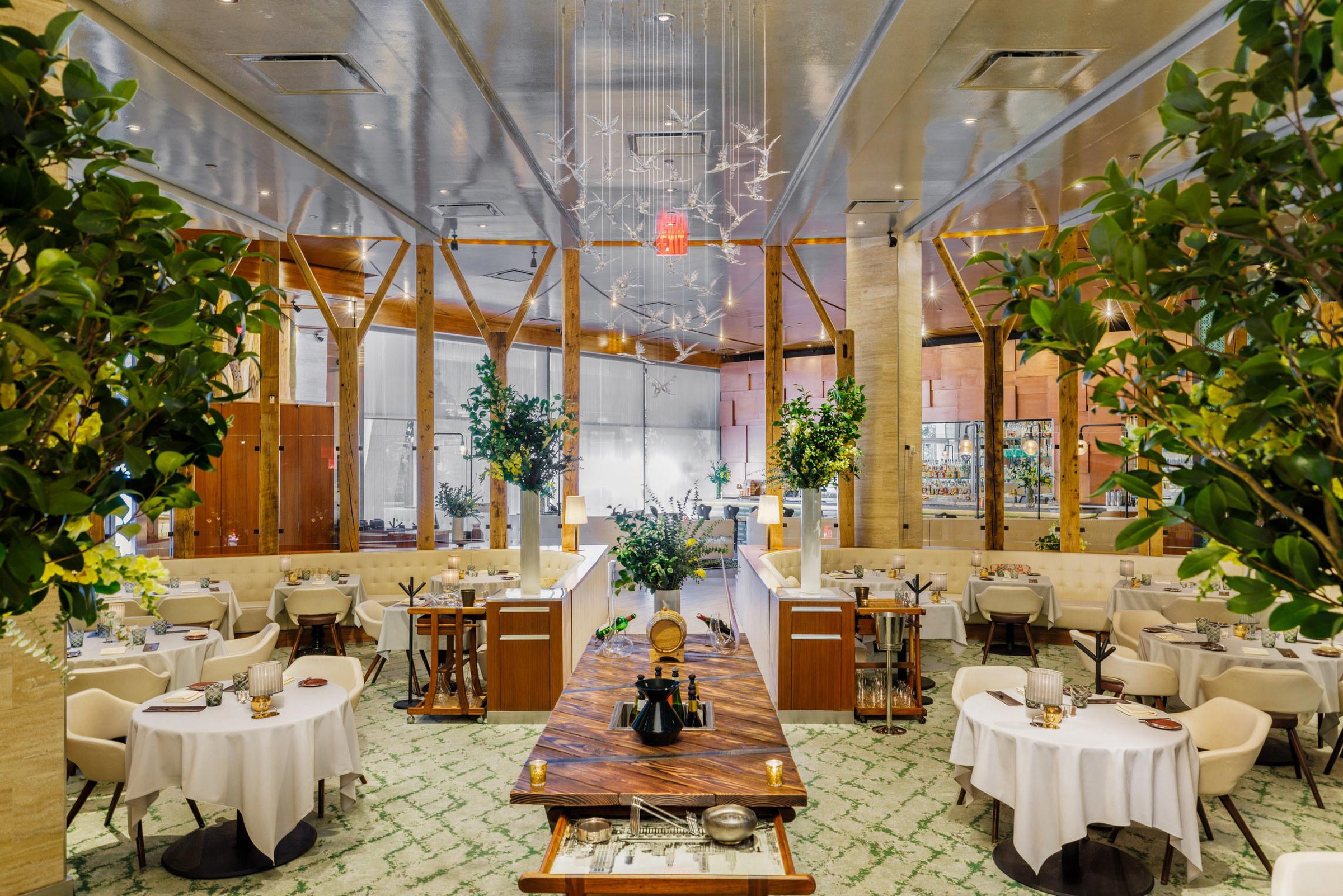
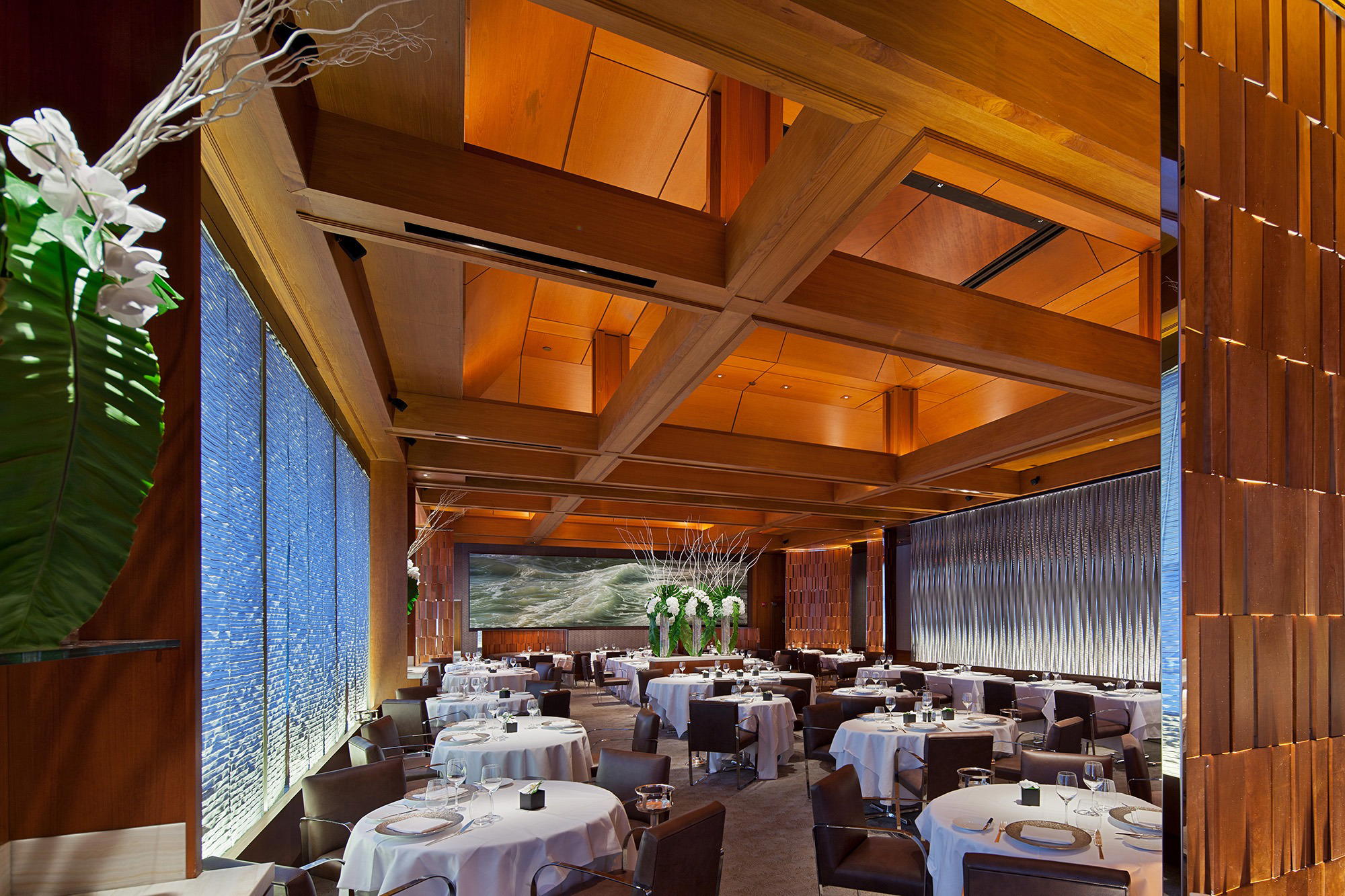
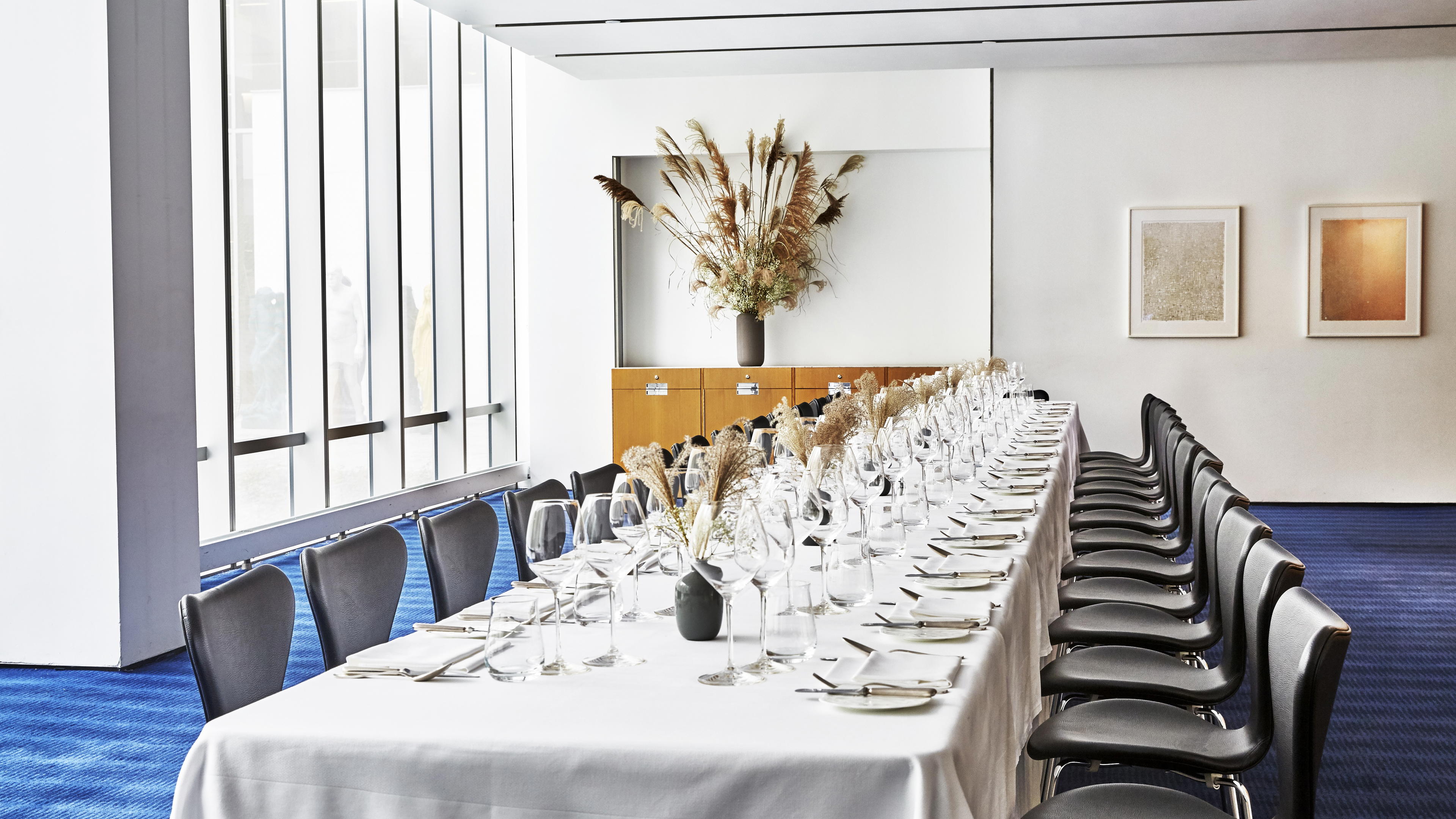
Bars in New York City
All bars in New York City →





Details
- Cozy
- Elegant
- Classic
- Date Night
- Business Dinner
- Special Occasion
- Standalone
- Extensive Wine List
- Street Scene
- A La Carte
- Vegetarian Friendly
Current opening hours
- Monday
- 12–10 PM
- Tuesday
- 12–10 PM
- Wednesday
- 12–10 PM
- Thursday
- 12–10 PM
- Friday
- 12–10 PM
- Saturday
- 11:30 AM–10 PM
- Sunday
- 11:30 AM–10 PM
Hours can change for holidays and private events. Hours as of .
Warm and inviting with cozy, elegant atmosphere well-suited for intimate dinners or gatherings.