The 1920
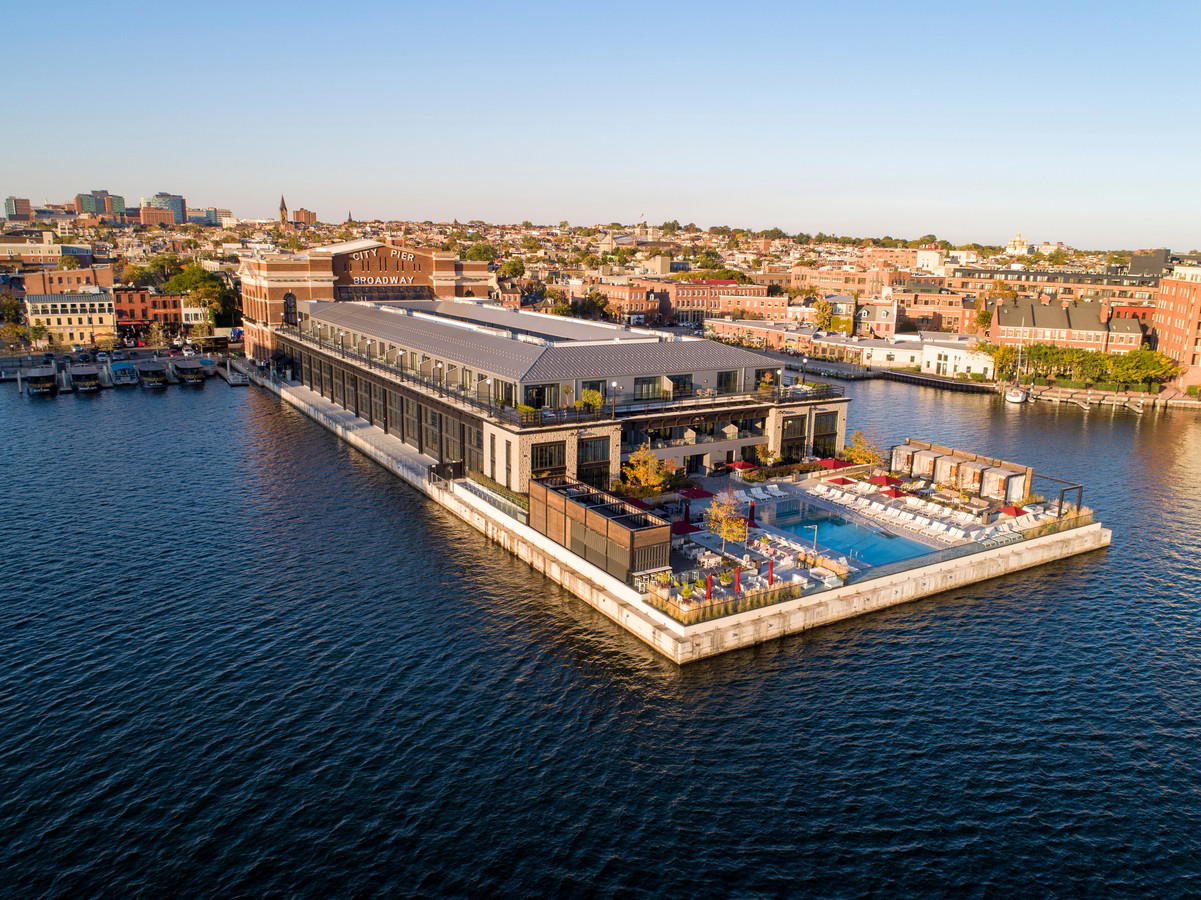
The 1920 occupies a historic address at 110 Water St in Baltimore's Inner Harbor district, where the city's older commercial bones meet a newer generation of hospitality concepts. The name signals an era rather than a style, inviting comparison with Baltimore's ongoing reinvention of its waterfront identity. For context on where it fits within the wider dining scene, see our full Baltimore guide.
Pearl is the En Primeur Club membership app — saves, bookings, and concierge access live there. Same editors, same standards.
- Address
- 110 Water St, Baltimore, MD 21202
- Phone
- +12409047273
- Website
- the-1920.com
- Directions
- Get directions
 Saves & bookings on Pearl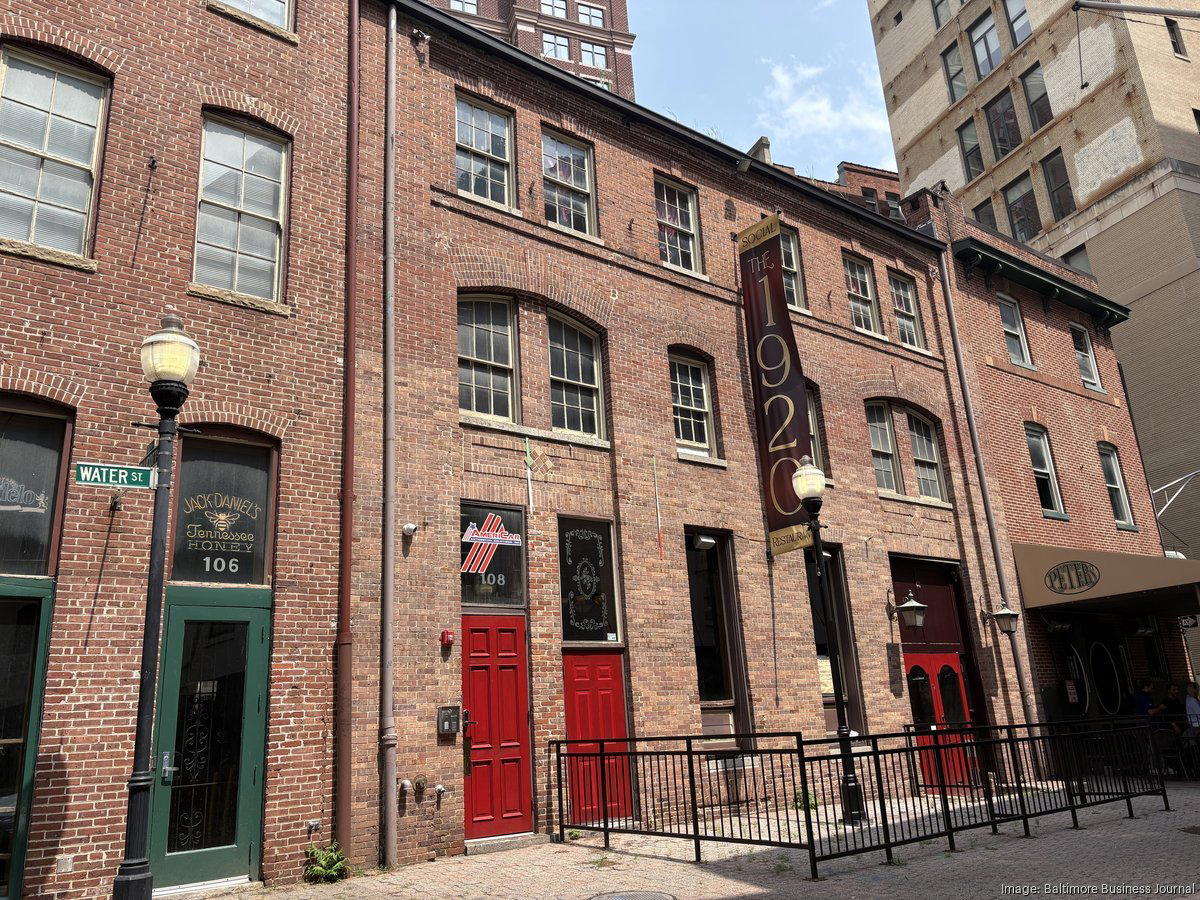
Baltimore's Waterfront Reinvention and Where The 1920 Fits
Baltimore's Inner Harbor has been through more than one identity. For much of the late twentieth century, the waterfront sat in the tourist-infrastructure tier: chain hotels, festival marketplaces, and restaurants calibrated for convention crowds rather than the city's own residents. That picture has been shifting, quietly and then more noticeably, as independent operators have moved into the district's older commercial addresses. The 1920, at 110 Water St, occupies one of those addresses, a building whose name alone gestures toward the era when Baltimore's port economy was producing a particular kind of civic confidence, the kind that got carved into facades and pressed into the details of interior millwork.
To understand what a venue at this address means in 2024, it helps to understand the broader pattern playing out across American city waterfronts. The split between tourist-facing hospitality and resident-facing hospitality has narrowed considerably in Baltimore over the past decade, with concepts at the Inner Harbor increasingly trying to serve both audiences without flattening the experience for either. That is a harder editorial problem than it sounds. Cities where it has worked well, the Ferry Building end of San Francisco's waterfront, or the Seaport district in Boston at its better moments, tend to share one feature: operators who have a clear sense of what they are, independent of the foot-traffic opportunity the location provides.
The Evolution of the Address
The name The 1920 is doing specific cultural work. Naming a venue after a decade is a familiar move in American hospitality, one that can tip quickly into theme-restaurant territory or, handled with more restraint, into something that reads as a genuine engagement with the material history of a place. Baltimore in the 1920s was a city at the height of its port and manufacturing influence, producing everything from canned goods to steel, and the waterfront addresses on Water St would have been working commercial spaces rather than leisure destinations. The distance between that function and the current one is part of what the name is pointing at, whether intentionally or not.
Venues that name themselves after historical periods tend to evolve in one of two directions over time: they either lean harder into the period aesthetic as a marketing device, or they shed the period references in favor of a more durable contemporary identity while keeping the name as a kind of address shorthand. The interesting question for the restaurant is which direction its current iteration represents. Baltimore's dining scene has been generating that kind of question across several of its more ambitious recent openings, from the Turkish program at dede on the north side to the Angeli's Pizzeria format closer to the residential neighborhoods. Each of those concepts answers the question of what Baltimore dining can be in a particular way. The restaurant's answer remains, for now, less legible from the outside.
Placing The 1920 Within the Baltimore Dining Spectrum
Baltimore's restaurant scene in the mid-2020s is more layered than its national reputation suggests. The city operates several distinct tiers. At the summit of the formal dining bracket, Cindy Wolf's Charleston has held its position as the reference point for serious tasting-menu dining for more than two decades, a durability that places it in a different category from most of its American peers. Below that, a second tier of independent operators has been building programs with genuine ambition: 16 On The Park and Akbar represent different ends of the price and format spectrum but share an approach oriented toward consistency and neighborhood identity rather than destination-dining theatrics.
The Inner Harbor sits at an interesting angle to all of this. It draws visitors who may also eat at Charleston or at the better neighborhood spots, and it draws convention and hotel guests whose reference points are set elsewhere. Concepts that work in that context tend to have a format flexible enough to absorb both audiences. Nationally, the restaurants that have solved this problem most durably, think of the relationship between Le Bernardin in New York City and the Midtown lunch and dinner crowd, or how Emeril's in New Orleans built its waterfront identity, tend to anchor themselves in a culinary point of view clear enough that the location becomes incidental rather than definitional.
For comparison, venues in the tasting-menu tier at American destination restaurants, Alinea in Chicago, Lazy Bear in San Francisco, The French Laundry in Napa, Single Thread Farm in Healdsburg, Providence in Los Angeles, Blue Hill at Stone Barns in Tarrytown, Addison in San Diego, The Inn at Little Washington, Atomix in New York City, and 8 1/2 Otto e Mezzo Bombana in Hong Kong, tend to sit well clear of high-traffic waterfront corridors. Their location is either deliberately removed from tourist infrastructure or embedded in a neighborhood with its own culinary density. The restaurant's Water St address places it in a different operating environment from any of those, which is neither a criticism nor a recommendation, but a fact that shapes expectations.
Planning a Visit
The restaurant is located at 110 Water St in Baltimore's Inner Harbor, accessible by foot from most downtown hotels and a short ride from the Mount Vernon and Fells Point neighborhoods where much of the city's independent dining is concentrated. For anyone building a Baltimore itinerary that combines a visit here with the broader dining scene, Baltimore's options vary by neighborhood and format.
Cuisine and Credentials
Comparable venues nearby, for context on price, style, and recognition.
| Venue | Cuisine | Price | Notes |
|---|---|---|---|
| The 1920This venue — the venue you are viewing | Contemporary American with French influences | $$ | Not listed |
| Explorers | Modern American Gastropub | $$ | Inner Harbor |
| 16 On The Park | Modern American Gastropub | $$ | Eager Park |
| Golden West Cafe | American Comfort Food with Southwest & New Mexican Influences | $$ | Hampden |
| La Maison by Cafe Dear Leon | French Bakery Cafe with Baltimore Twists | $$ | Remington |
| Iron Rooster | All-Day Breakfast & Comfort Food | $$ | Canton |
Continue exploring
More in Baltimore
Restaurants in Baltimore
Browse all →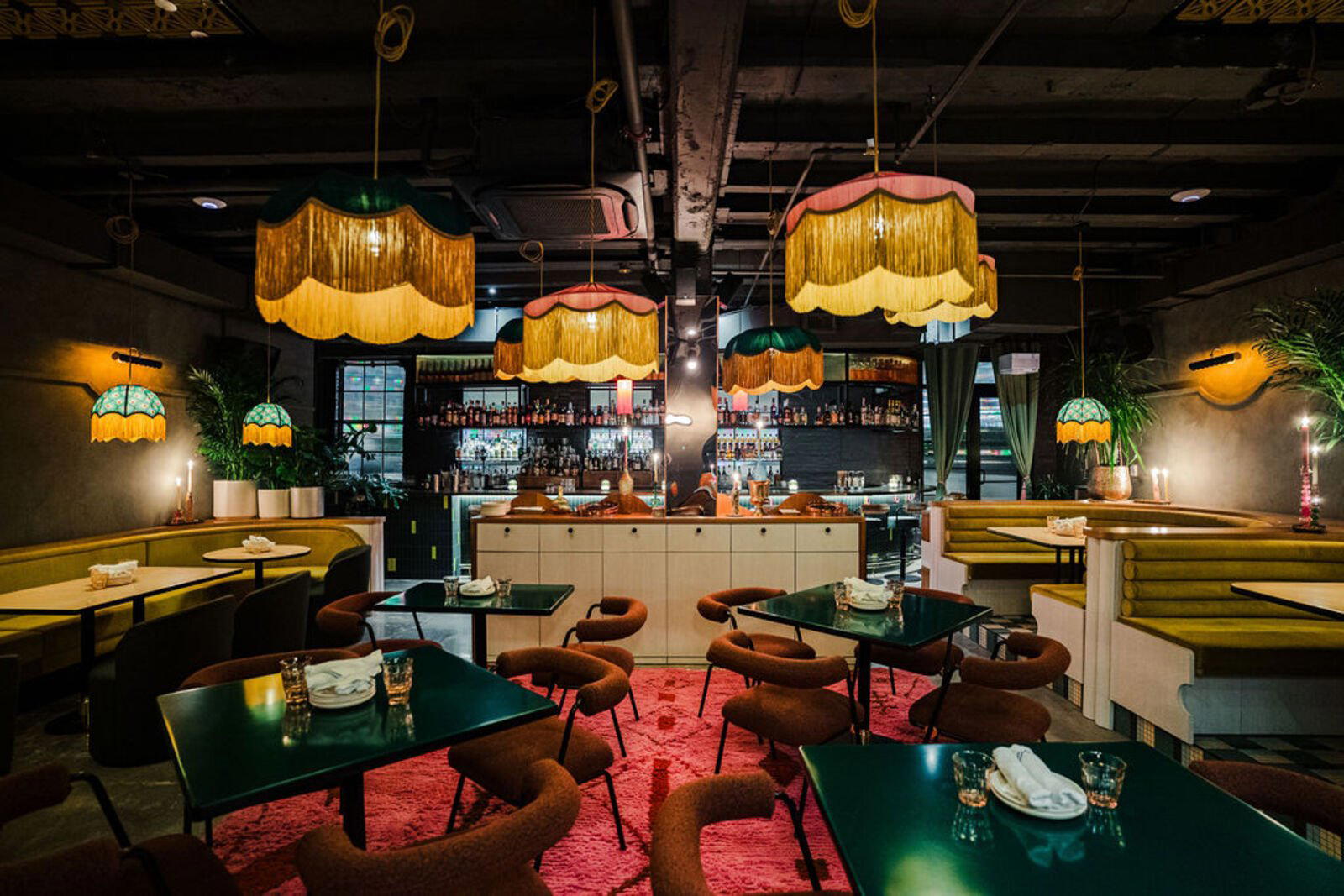
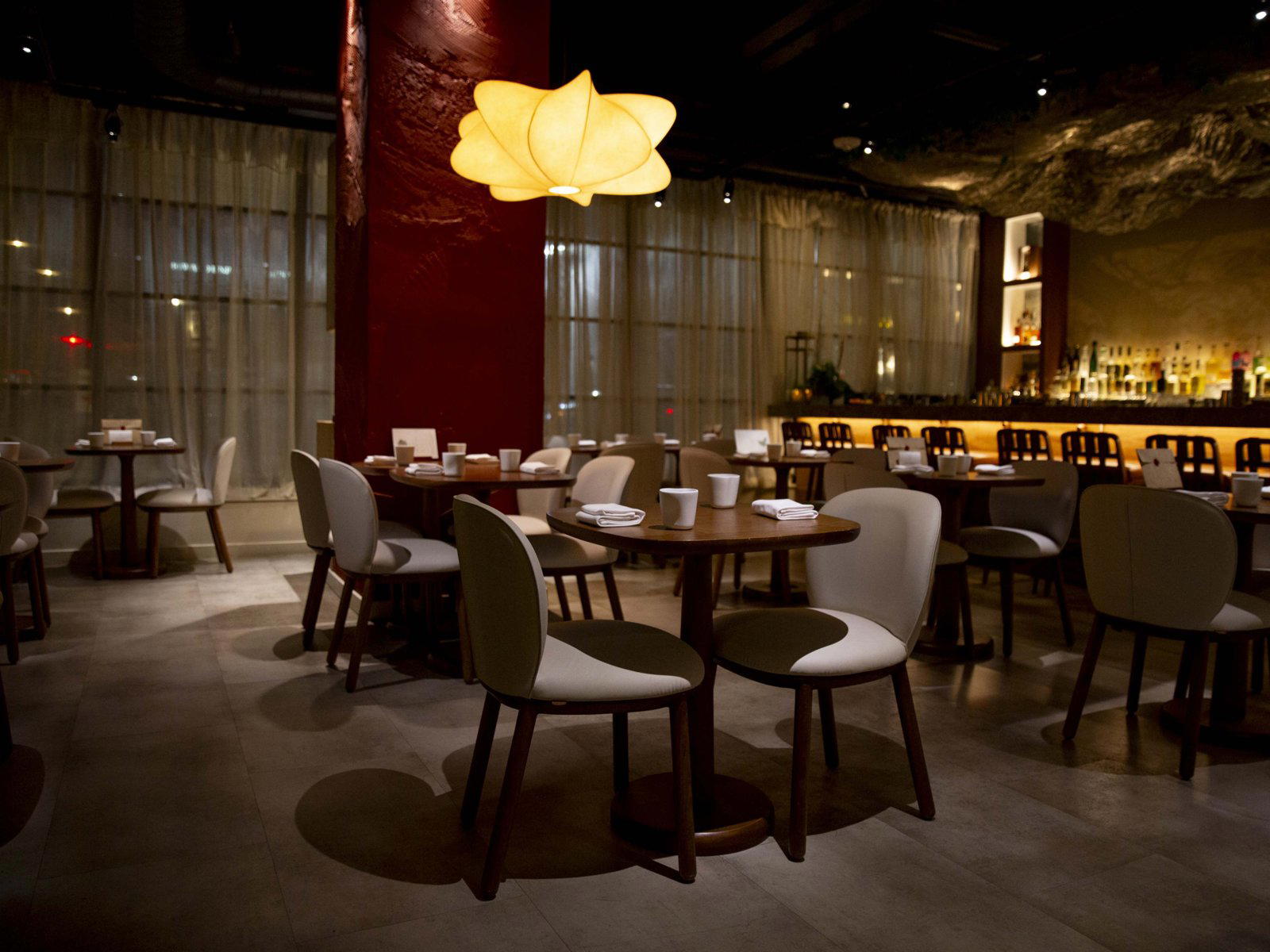
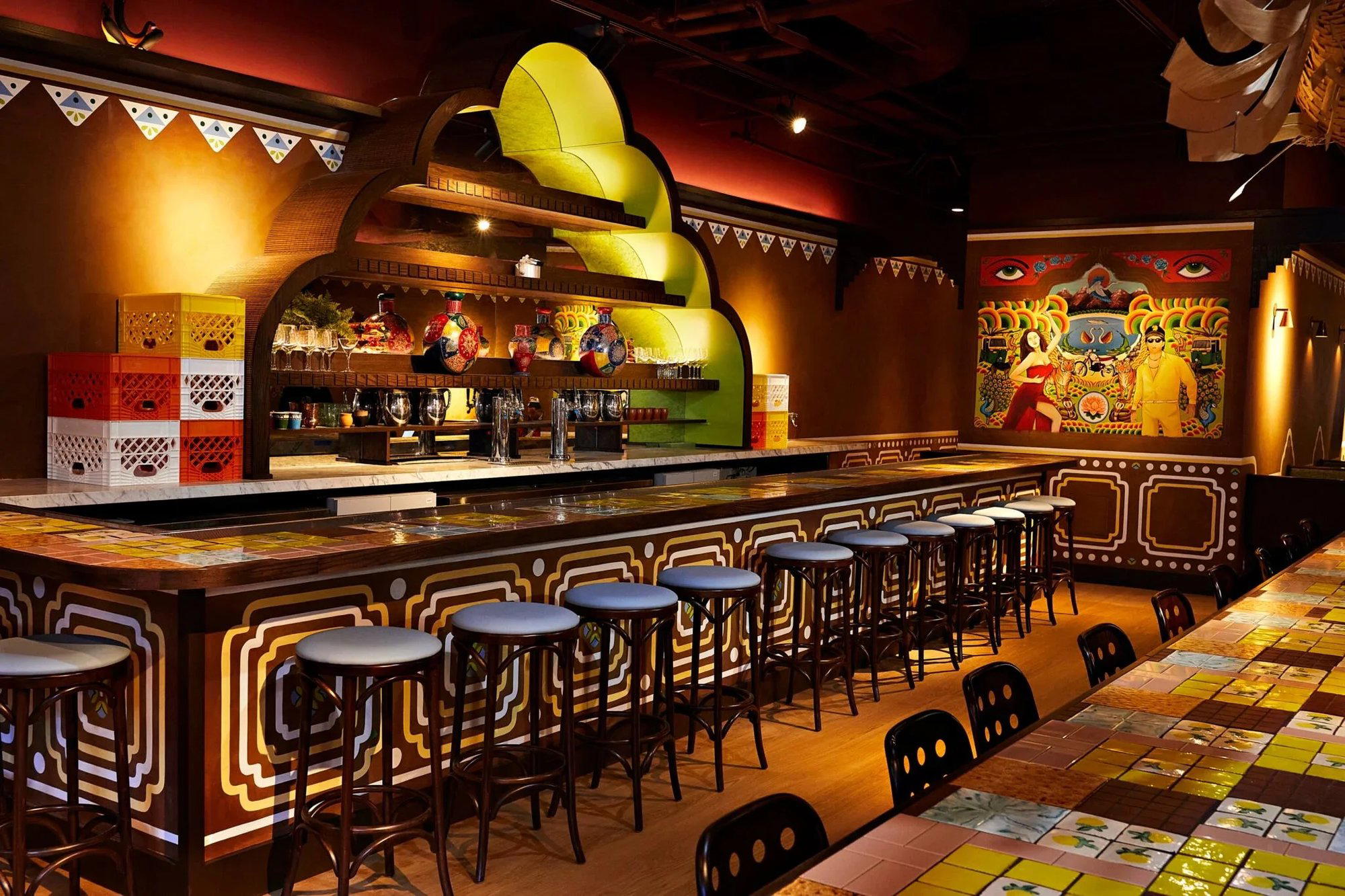
Bars in Baltimore
Browse all →
At a Glance
- Lively
- Elegant
- Modern
- Casual Hangout
- After Work
- Group Dining
- Live Music
- Standalone
- Craft Cocktails
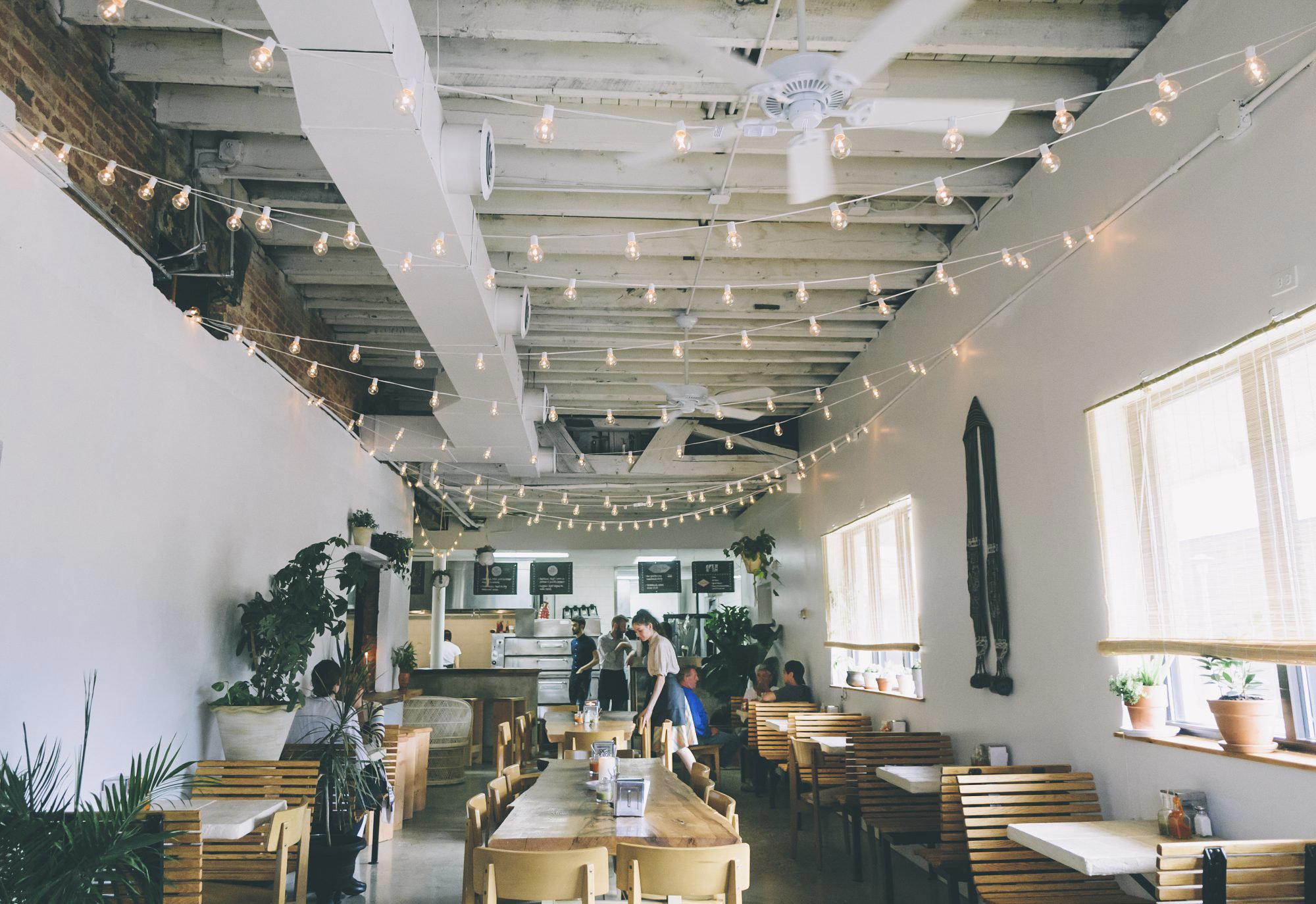
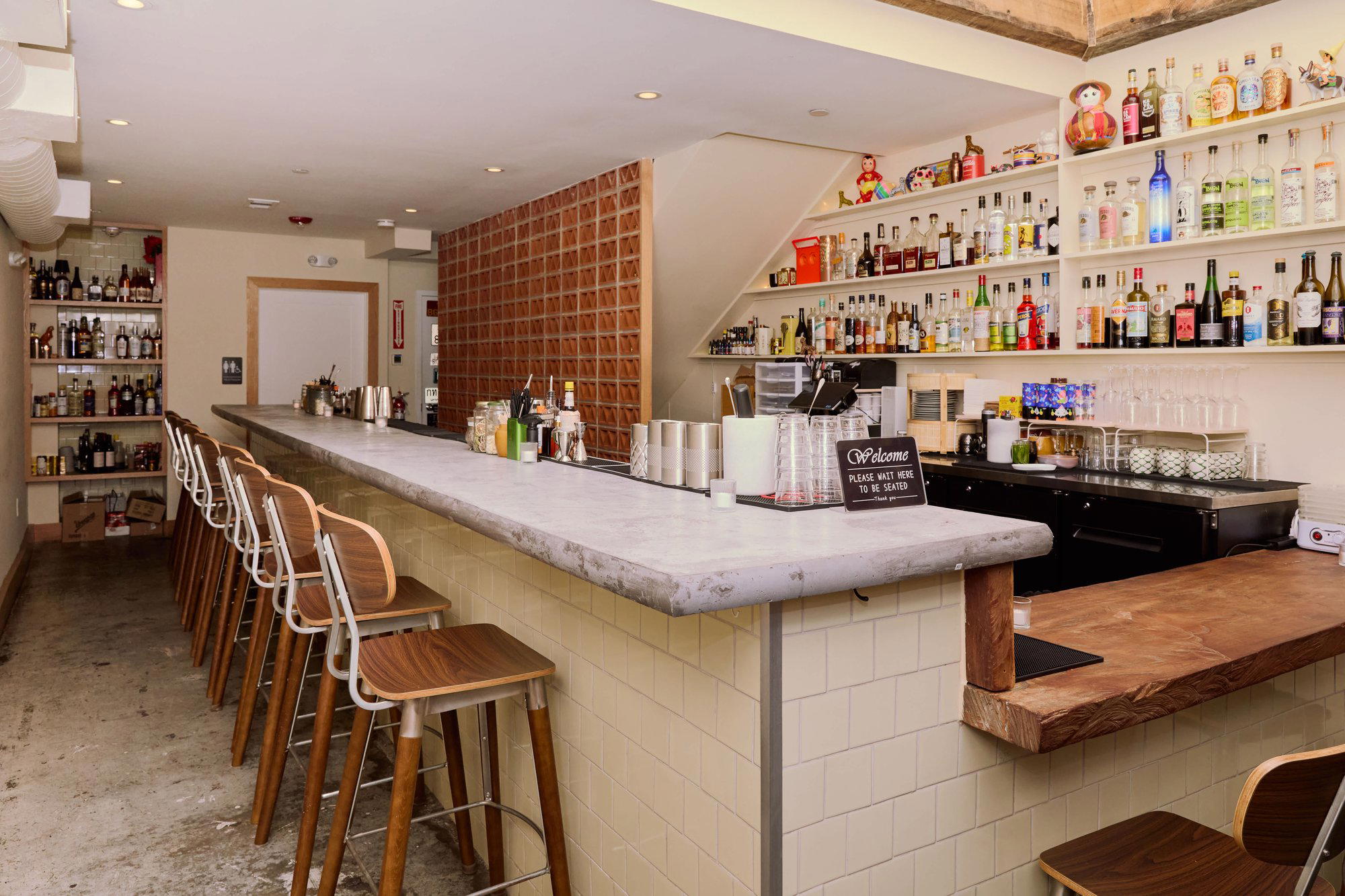
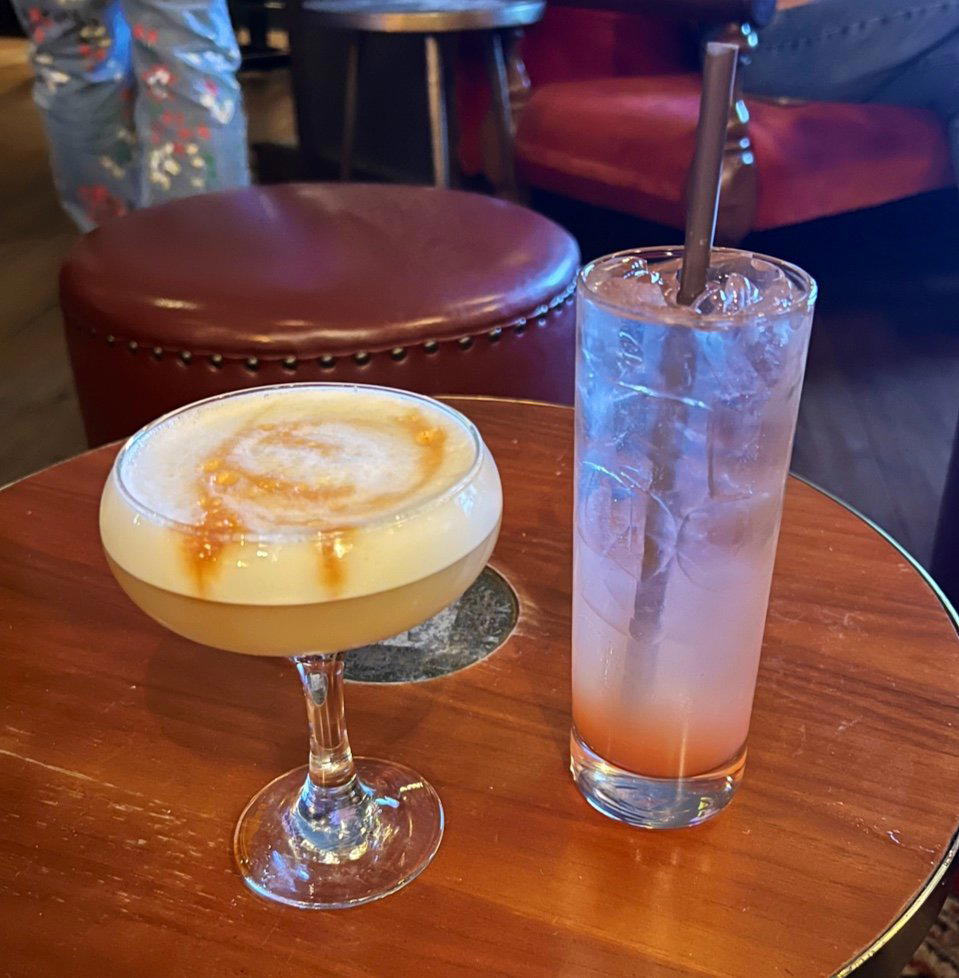
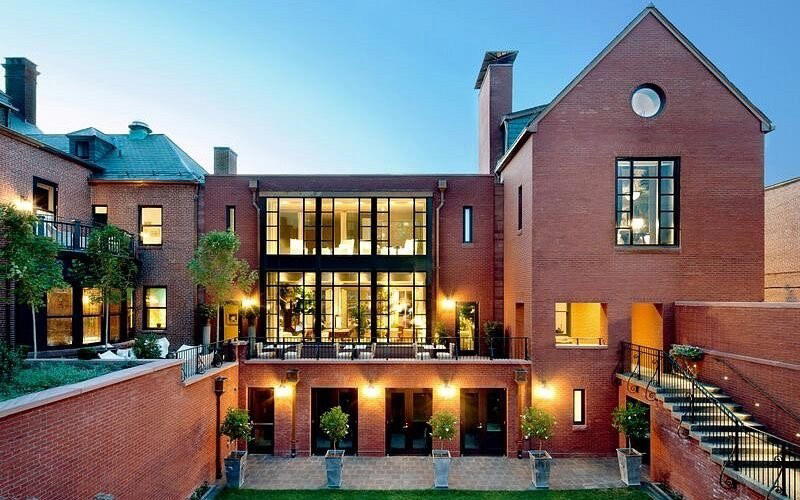
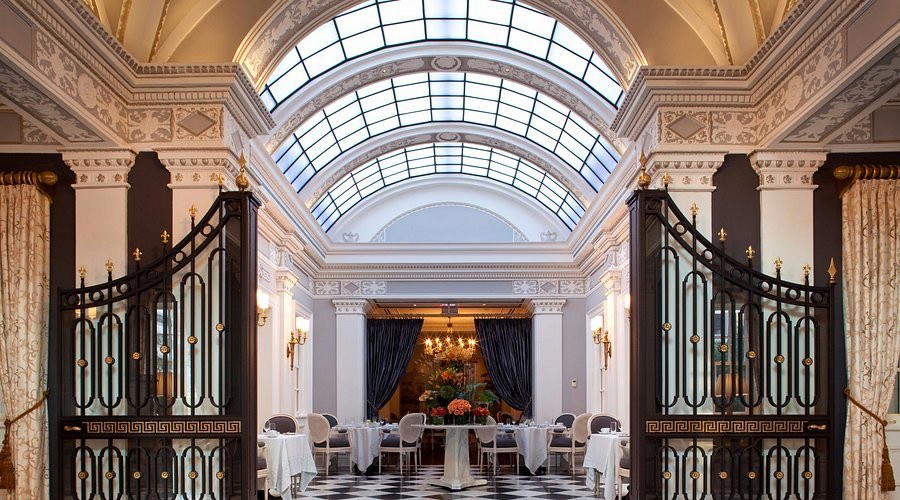
Lively and fantastic vibe with live music entertainment in a swanky downtown setting.