Moulin de Brandon
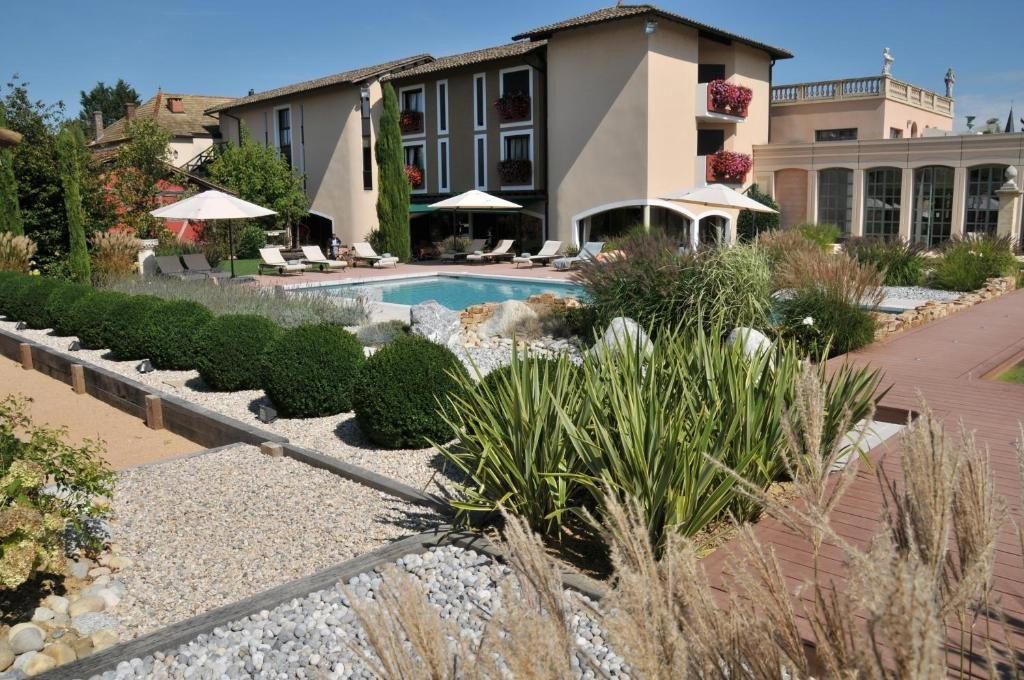
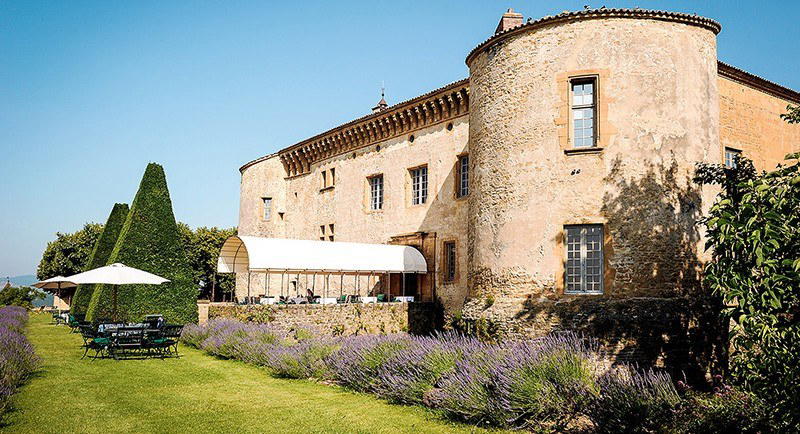
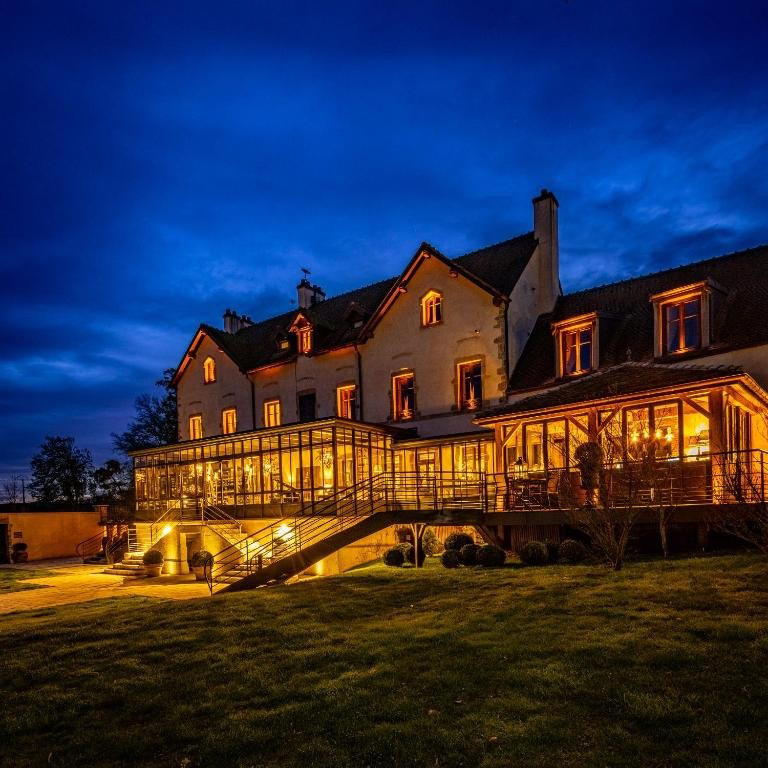
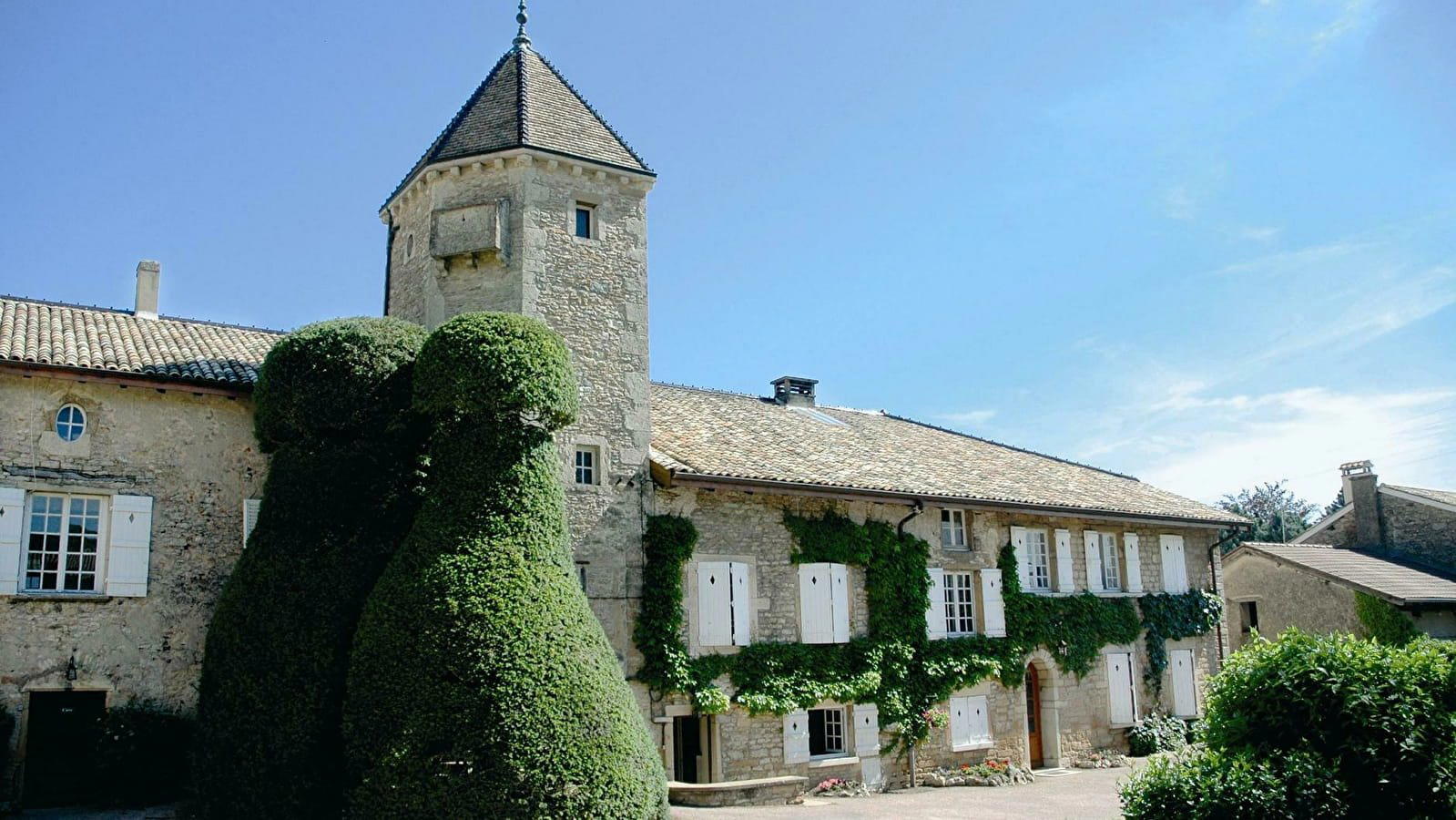
Moulin de Brandon occupies a converted mill on the rural edge of Navour-sur-Grosne in Burgundy's Mâconnais country, where the cooking draws directly from the surrounding agricultural land. The address alone signals intention: this is a destination that earns its remove from urban dining circuits through the quality of what the region produces. For those tracing France's tradition of terroir-rooted table, it belongs on the itinerary alongside our full Navour Sur Grosne restaurants guide.
Pearl is the En Primeur Club membership app — saves, bookings, and concierge access live there. Same editors, same standards.
- Address
- 112 route de Montagny, 71520 Navour-sur-Grosne, France
- Phone
- +33385329762
- Website
- instagram.com
- Directions
- Get directions
 Saves & bookings on Pearl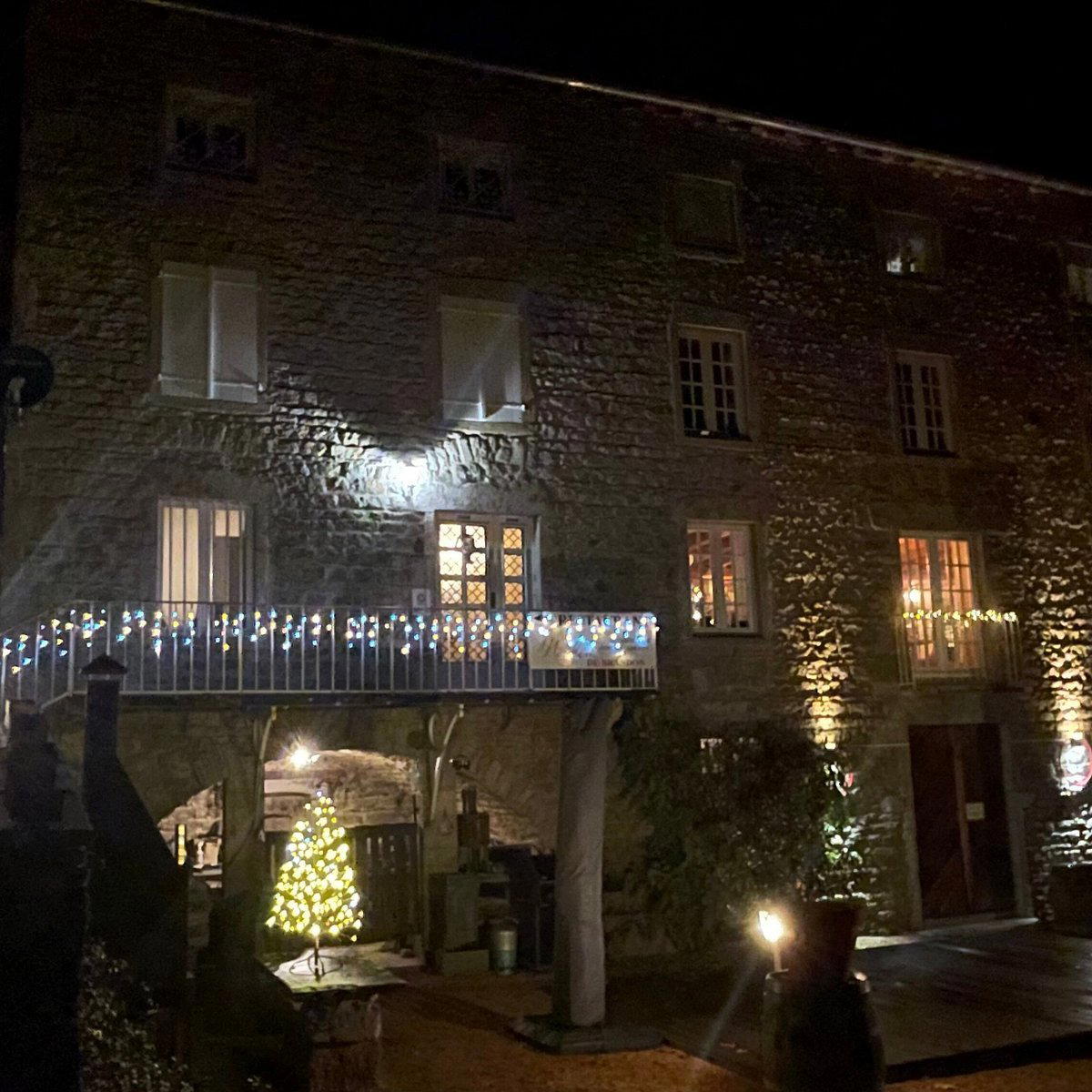
A Mill Address in Mâconnais Country
Moulin de Brandon is a restaurant in Navour-sur-Grosne, France, serving French Wood-Fire Grill cuisine at a price tier of 2. Moulin de Brandon is a restaurant in Navour-sur-Grosne, France, serving French Wood-Fire Grill cuisine at a price tier of 2. The approach to Moulin de Brandon follows the logic of southern Burgundy itself: you leave the departmental roads, drop into a fold of the Grosne valley, and arrive at a converted mill on a route that has carried grain, livestock, and slow-moving agricultural commerce for centuries. Before a single dish arrives, the setting makes an argument about where food comes from. This corner of the Saône-et-Loire, the 71520 postcode places it firmly in Mâconnais rather than Côte-d'Or territory, sits in one of France's most quietly productive agricultural zones, where limestone soils, river-fed meadows, and a continental-tilting climate combine to yield ingredients that rarely need to travel far to reach a kitchen worth cooking in.
That physical remove is deliberate, and it connects the restaurant to a broader pattern in French regional dining. The country's most coherent ingredient-led restaurants have rarely clustered in cities. Bras in Laguiole made its case from the Aubrac plateau. Auberge du Vieux Puits in Fontjoncouse operates from a village of fewer than two hundred inhabitants. Auberge de l'Ill in Illhaeusern has held its Alsatian riverbank address across generations. The logic in each case is the same: proximity to source material is not incidental to the cooking, it is the cooking's structural basis.
The Ingredient Case for Mâconnais
Burgundy's southern reach does not carry the name recognition of Beaune or Gevrey, but its agricultural output is substantial and specific. The Mâconnais produces Chardonnay on its limestone ridges, but the valley floors and hillside pastures generate something equally serious for the kitchen: Charolais cattle from the bocage country to the west, Bresse poultry from the flatlands immediately to the east, freshwater species from the Grosne and Saône river systems, and a rotation of foraged and cultivated produce shaped by a climate that leans warmer than the Côte de Nuits without losing the mineral character of Burgundian soil.
For a mill address, the sourcing context has particular weight. Mills historically sat at the intersection of agricultural production and food transformation, the point where raw material became something workable. A restaurant occupying that space in 2024 inherits a symbolic logic even before considering the menu. The question the address poses is whether the kitchen uses that context or merely decorates itself with it.
France's most credible ingredient-sourcing operations tend to share a few characteristics: they maintain direct supplier relationships rather than working through wholesale networks; they adjust menus seasonally and often weekly rather than quarterly; and they prioritise regional breed and variety over commodity produce even when the commodity version is cheaper and more consistent. Where those conditions hold, the food reflects its geography in ways that are traceable on the plate rather than merely stated on the menu. Comparable commitments are visible at Mirazur in Menton, where the kitchen garden directly determines the day's menu structure, and at Flocons de Sel in Megève, where Alpine altitude shapes both the produce and the cooking register.
Where Moulin de Brandon Sits in the Regional Picture
Navour-sur-Grosne is not a dining destination with an established circuit. It does not have the institutional gravity of Georges Blanc in Vonnas or the name recognition that draws international visitors to Paul Bocuse's Auberge du Pont de Collonges. That absence of institutional weight is itself information. Restaurants in this position either trade on scenery and occasion dining, weddings, anniversaries, the rural escape weekend, or they build a case through the specificity of their sourcing and cooking that justifies the drive from Mâcon, Chalon-sur-Saône, or Lyon.
The mill format, the rural address at 112 route de Montagny, and the Grosne valley setting place the restaurant in the category of destination rather than neighbourhood restaurant. Visitors do not pass by accidentally. Those who arrive have made a deliberate choice to seek out a particular kind of experience, one grounded in place rather than in urban prestige signals. That self-selecting audience matters: it shapes what the kitchen can reasonably attempt and what the room can sustain in terms of pacing and atmosphere.
For comparison, consider how differently the same commitment to regional produce reads at urban addresses. Alléno Paris au Pavillon Ledoyen operates with Michelin recognition and a Paris address that generates its own gravitational pull. AM par Alexandre Mazzia in Marseille frames Mediterranean produce through a highly personal, award-recognised lens. Rural addresses like Moulin de Brandon make a different wager: that the place itself is enough of a signal, and that the cooking will be judged against the landscape rather than against an urban comparable set.
Planning a Visit
The restaurant sits at 112 route de Montagny in Navour-sur-Grosne, in the Saône-et-Loire département of Burgundy. The nearest significant town is Mâcon, roughly accessible via the A6 autoroute before local roads bring you south and west into the Grosne valley. Given the rural address and destination format, booking ahead is advisable, Arriving without a reservation is a credible risk, particularly on weekend services when the room is likely to fill with guests from the surrounding region and from Lyon, which sits within comfortable driving distance to the south.
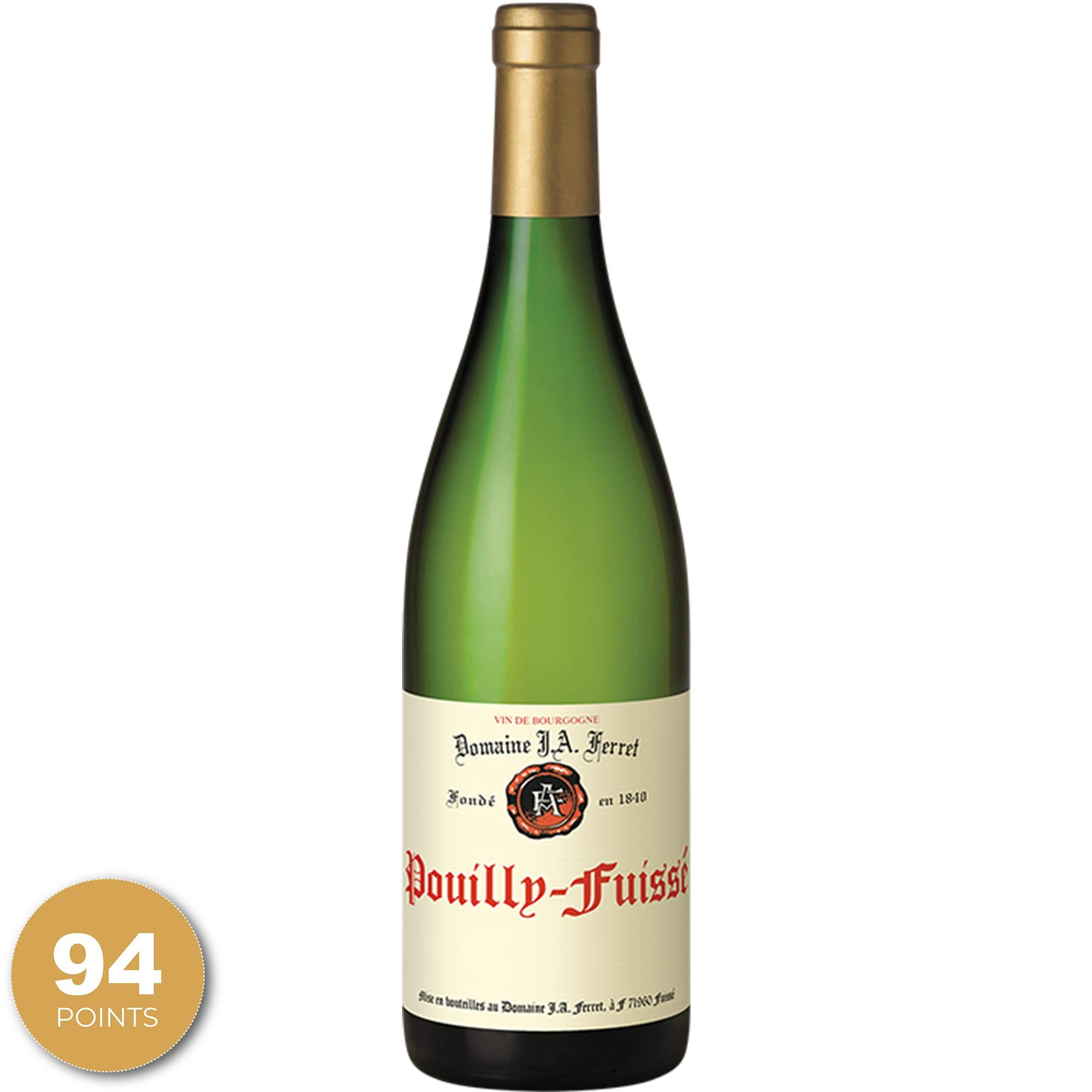
and consider how the restaurant fits alongside the Mâconnais wine route, which runs through villages including Pouilly-Fuissé and Saint-Véran. The intersection of serious Chardonnay country and ingredient-led cooking is not accidental in this part of France, it reflects a regional culture that has treated the table and the cellar as related disciplines for generations, a sensibility shared by destinations as varied as Troisgros in Ouches and L'Oustau de Baumanière in Les Baux.
At-a-Glance Comparison
Comparable venues nearby, for context on price, style, and recognition.
| Venue | Cuisine | Price | Notes |
|---|---|---|---|
| Moulin de BrandonThis venue — the venue you are viewing | French Wood-Fire Grill | $$ | Not listed |
| Le Lamartine | Traditional French Maconnaise Bistro | $$ | Quai Lamartine |
| Auberge des Vignerons | Traditional French Beaujolais Bistro | $$ | Émeringes |
| La Boname de Bruno | Bistronomique French | $$ | Quartier Bas des Pentes Presqu'île |
| Breizh Café - Lyon | Authentic Breton Crêperie & Galettes | $$ | Quartier Bas des Pentes Presqu'île |
| La Maison des Beaujolais | Traditional French Beaujolais Bistro | $$ | Saint-Jean-d'Ardieres |
Continue exploring
More in Navour Sur Grosne
Restaurants in Navour Sur Grosne
Browse all →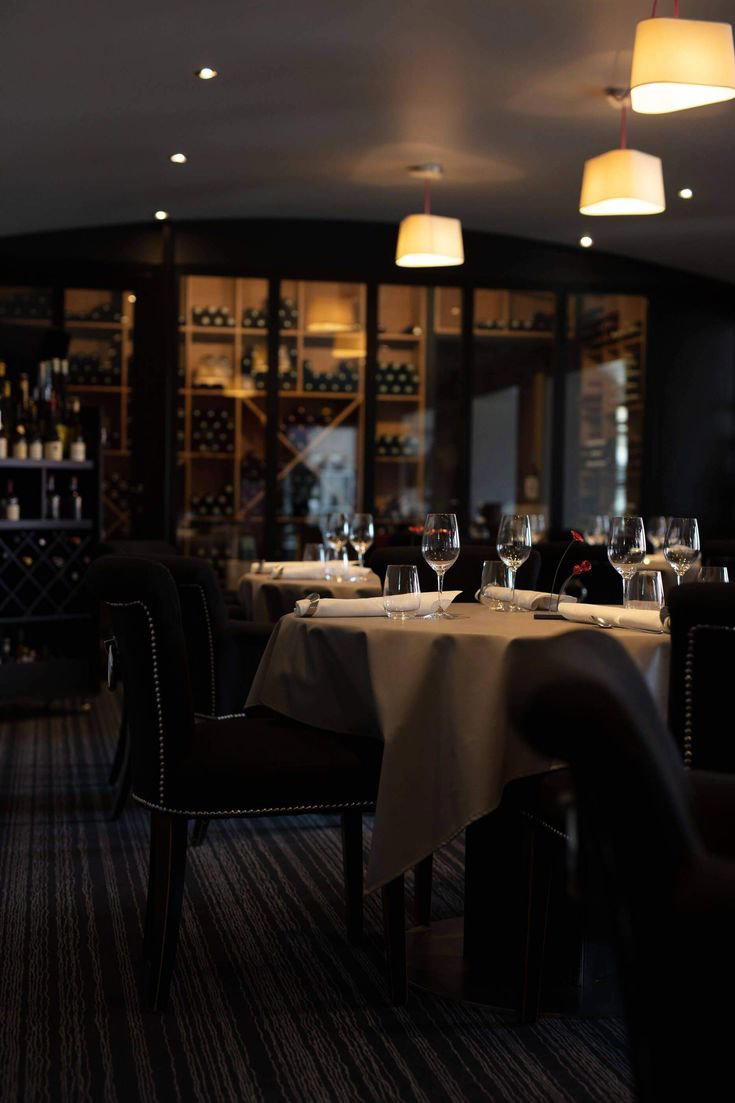
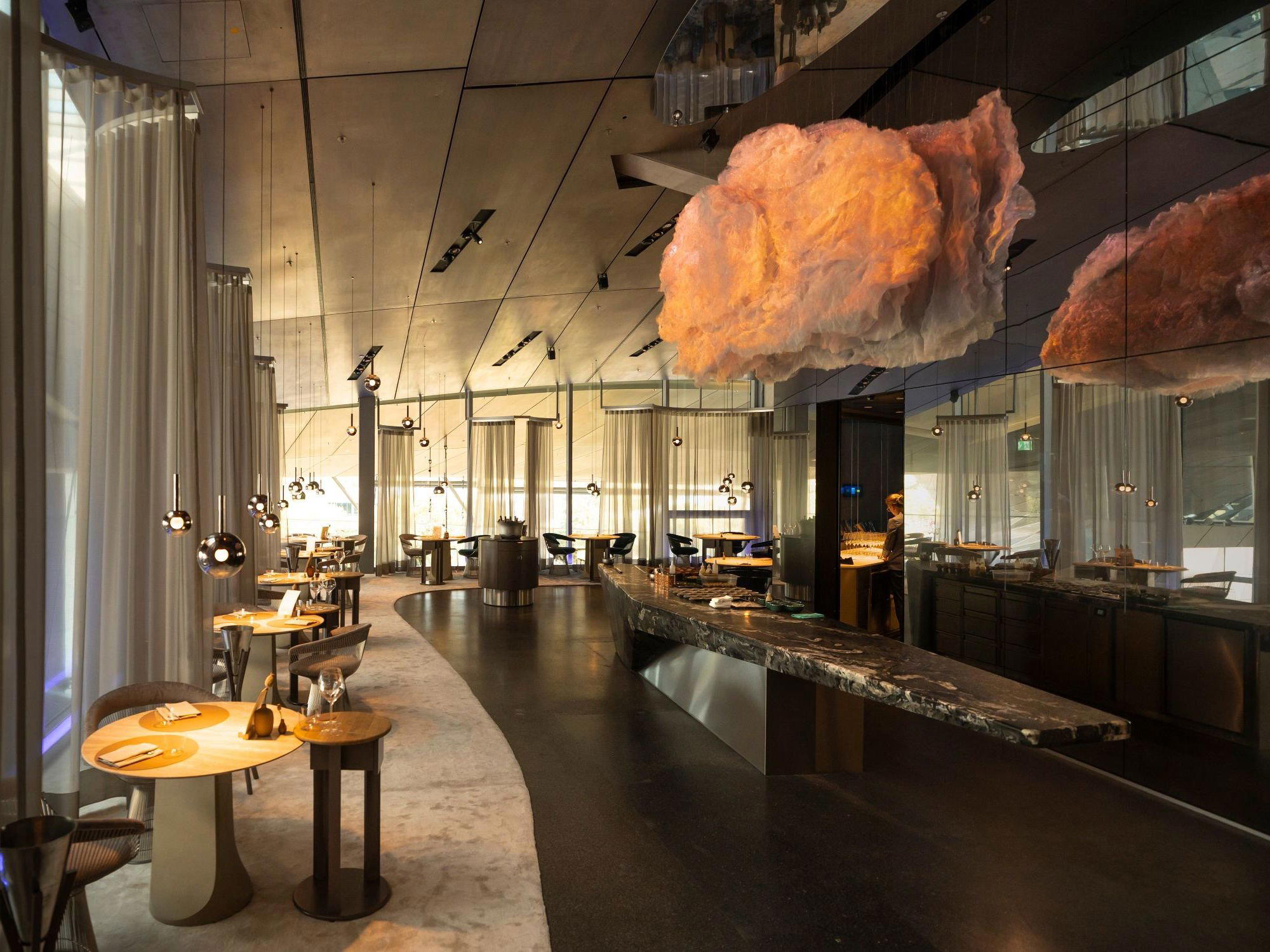
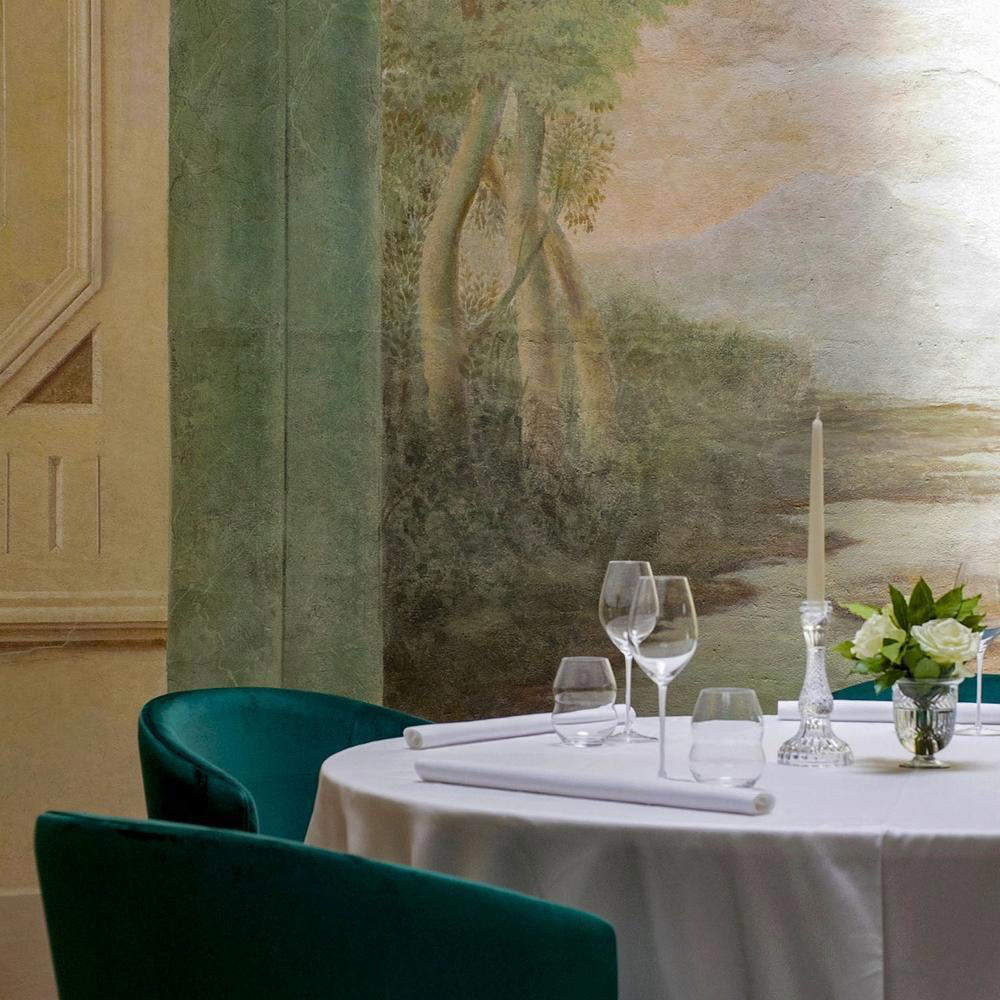
Hotels in Navour Sur Grosne
Browse all →

At a Glance
- Rustic
- Cozy
- Intimate
- Romantic
- Date Night
- Special Occasion
- Open Kitchen
- Terrace
- Historic Building
- Extensive Wine List
- Local Sourcing
- Garden
Current opening hours
- Monday
- Closed
- Tuesday
- Closed
- Wednesday
- Closed
- Thursday
- Closed
- Friday
- 7:30–9 PM
- Saturday
- 7:30–9 PM
- Sunday
- 7:30–9 PM
Hours can change for holidays and private events. Last verified .
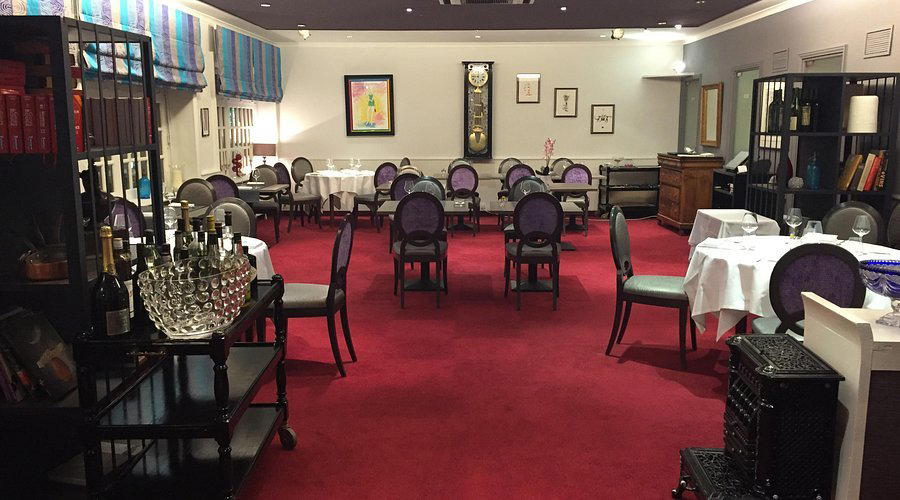
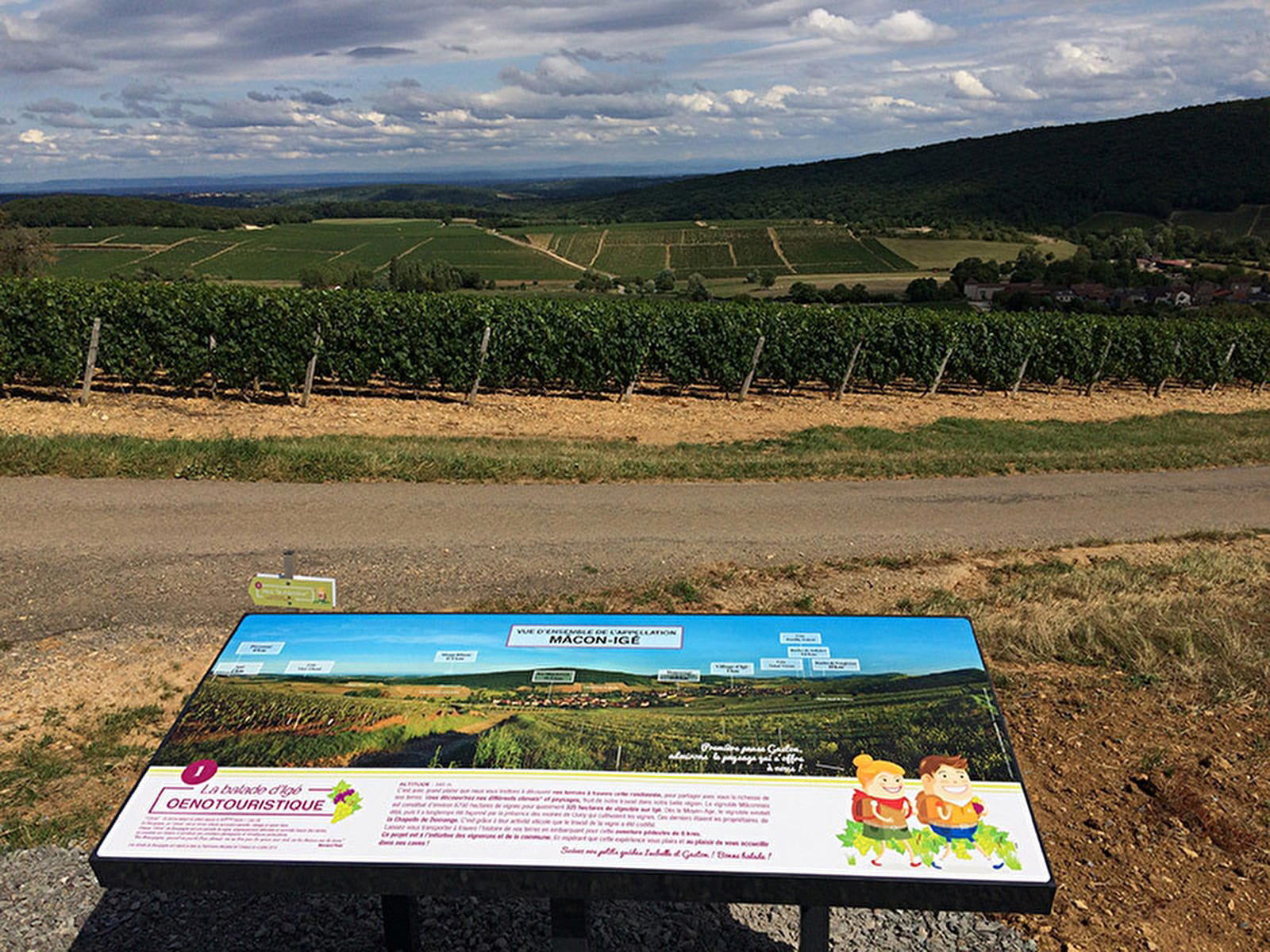
Warm, cozy atmosphere with open fireplace cooking, bucolic decor, and terrace overlooking Burgundian hills.