Our verdict
Moti sits on the third floor of a Roppongi building at 6-2-35 Minato City, bringing Indian cuisine into one of Tokyo's most internationally dense dining neighbourhoods. Roppongi has long absorbed foreign culinary traditions with a particular seriousness, and Indian cooking here occupies a different register than the lunch-counter curry houses found across the city. Moti represents that more considered end of the spectrum.

Pearl is the En Primeur Club membership app, where members save venues, book tables and use the concierge.
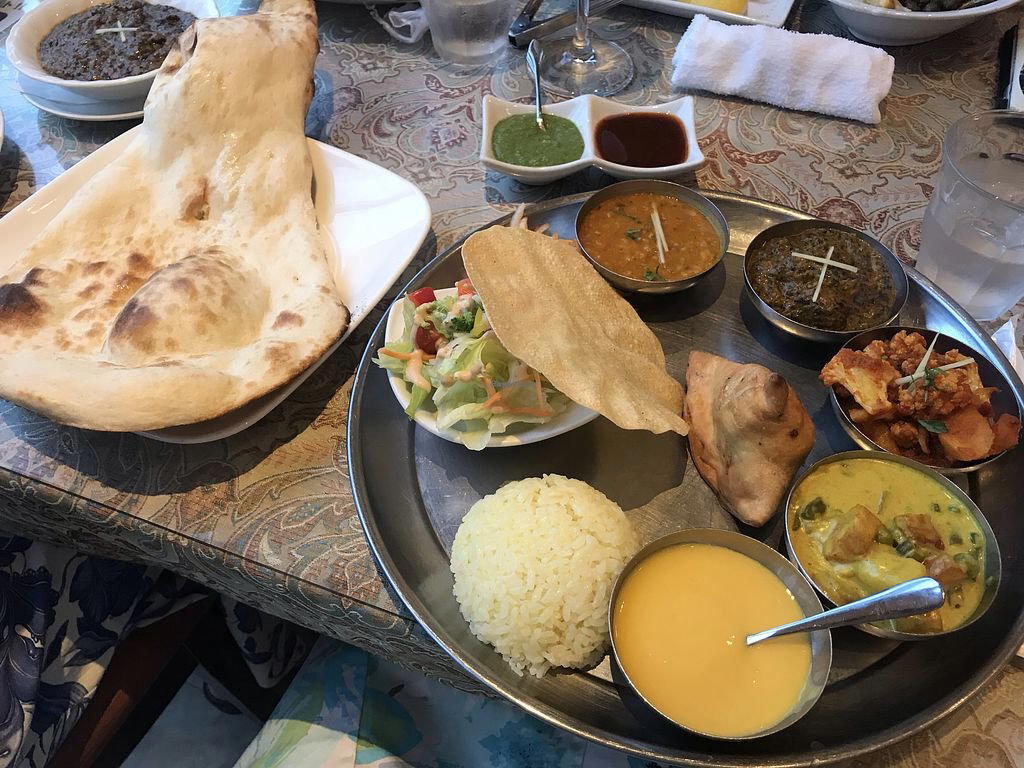
The menu
What to order
- Butter_chicken
- Chicken_jalfrezi
- Onion_bhajia
Indian Cuisine in Tokyo's Most Cosmopolitan Neighbourhood
Roppongi has always operated on different terms from the rest of Tokyo's dining scene. The neighbourhood's concentration of embassies, international residents, and foreign-facing businesses created demand early for cuisines that the rest of the city was slower to take seriously. Indian food followed that pattern. Where most Tokyo wards absorbed curry as a domesticated, Japanese-inflected comfort dish, Roppongi developed a more direct relationship with the subcontinent's cooking traditions. Moti, on the third floor of the Hamabi Building at 6-2-35, is part of that longer story.
The address is worth pausing on. Roppongi's upper-floor restaurants, separated from street traffic, reached by elevator or narrow staircase, tend to cultivate a regulars-first dynamic. The separation from foot traffic is intentional in its effect, if not always in its design: diners arrive with purpose rather than impulse. That context shapes what kind of restaurant can survive here. The area's dining peers at the premium end include RyuGin for kaiseki and L'Effervescence for French, both of which have built sustained reputations in Roppongi's serious-dining tier. Indian cooking at this address enters that competitive frame.
What Indian Cuisine Means in a City Like Tokyo
Tokyo's relationship with Indian food is more layered than most Western cities appreciate. Japan developed its own curry culture over more than a century, with the dish arriving via the British Royal Navy in the Meiji era and evolving into a distinct, roux-based format that bears little resemblance to South Asian cooking. That domesticated curry became a Japanese staple. The consequence is a bifurcated market: on one side, the curry-rice chains and convenience store packs that occupy a permanent place in daily Japanese eating; on the other, a smaller but committed set of restaurants drawing on actual subcontinental technique, using spice work, bread traditions, and regional preparations that the Japanese curry tradition never absorbed.
The gap between those two categories is significant. Restaurants operating in the second tier rely on a clientele that seeks out regional complexity, the difference between a Dal Makhani and a Tadka Dal, or between a Hyderabadi biryani and its Lucknawi counterpart, or the specific char and tang of a properly made tandoor preparation. Tokyo has enough of that audience to support serious Indian cooking, particularly in areas like Roppongi where an internationally experienced diner base already exists.
This matters for how to think about Moti. It is not primarily a neighbourhood curry house. Its Roppongi location, third-floor positioning, and the general trajectory of serious Indian dining in this part of the city place it in the more considered register of that second category. For context on how Japan's broader serious-dining scene operates across cities, the work being done at Gion Sasaki in Kyoto and HAJIME in Osaka illustrates the premium that Japanese diners place on technical rigour and sourcing discipline across cuisines, not only in native Japanese formats.
The Cultural Weight of Spice Cooking in a Precision-Obsessed City
There is an interesting friction between Indian cooking's core techniques and the aesthetic values that Tokyo's dining culture tends to reward. Japanese cuisine has historically prized restraint, subtraction, and the integrity of individual ingredients. Indian cooking, particularly in its North Indian expression, operates through accumulation and layering: ghee-tempered aromatics, spice blooms, long-cooked sauces where individual components dissolve into a unified depth. Getting that complexity right in a Tokyo context, where the diner's palate is trained on precision and where ingredient quality standards are unusually high, demands real kitchen discipline.
The tandoor oven is perhaps the most telling test. A properly run tandoor operates at temperatures between 450 and 500 degrees Celsius, producing the characteristic blistered crust on naan and the dry, high-heat char on proteins that cannot be replicated in a conventional oven. In cities where Indian restaurants are numerous and competitive, the quality of the tandoor work is a primary sorting mechanism. In Tokyo, where Indian restaurants are fewer and the comparison set is narrower, the standard matters precisely because the diners who seek out this cooking tend to have reference points from elsewhere.
For Tokyo diners who move across the city's international dining spectrum, the contrast with French technique-led restaurants like Sézanne or the innovation-focused work at Crony is instructive. Each cuisine tradition demands its own internal logic of execution; the question with Indian cooking in Tokyo is whether the kitchen is applying that internal logic correctly, or adapting it toward local preferences in ways that diminish the original.
Roppongi as a Setting for Non-Japanese Cuisines
Dining in Roppongi at the serious end of the market involves navigating a neighbourhood that has simultaneously a strong international identity and a persistent association with the louder, more transient end of Tokyo nightlife. The better restaurants in the area have largely succeeded by ignoring the street-level noise and building on repeat clientele. That is the model that works: a defined audience, consistent execution, and separation from the tourism churn that affects ground-floor operators. The elevator ride to a third-floor restaurant is, in practice, a filter.
For travellers building a Tokyo itinerary around the full range of the city's serious dining, the EP Club guides cover the broader scene. Harutaka represents the omakase sushi tier. Our full Tokyo restaurants guide maps the wider picture, and the Tokyo hotels guide, Tokyo bars guide, and Tokyo experiences guide cover the rest of the city's premium offer. For those extending beyond Tokyo, akordu in Nara, Goh in Fukuoka, 1000 in Yokohama, and 6 in Okinawa represent the breadth of serious dining across Japan. The Tokyo wineries guide rounds out the picture for those interested in Japan's developing wine culture.
For comparative reference beyond Japan, the standard of Indian-adjacent South Asian cooking at high-end venues in cities like New York, where the competitive pressure is considerably higher, provides a useful calibration. Restaurants like Atomix and Le Bernardin illustrate the level of sustained critical attention that a non-native cuisine can attract when the technical execution and sourcing are treated with the same seriousness applied to European fine dining.
Planning Your Visit
Moti is located at 6-2-35 Roppongi, Minato City, Tokyo, on the third floor of the Hamabi Building. The Roppongi station exits for both the Hibiya Line and the Toei Oedo Line place it within a short walk. Third-floor venues in Roppongi of this type tend to reward advance planning, particularly on weekend evenings when the neighbourhood's international dining audience is at its densest. Arriving with a reservation, even on quieter weekday slots, is the reliable approach.
Frequently asked questions
What should I order at Moti?
Without a current verified menu on record, we cannot responsibly name specific dishes. What the cultural context of serious Indian dining in Tokyo suggests, however, is that any restaurant in this category will have tandoor preparations and bread as a primary indicator of kitchen quality. North Indian cooking at the more considered end of the Tokyo market tends to anchor around those foundations. Check the restaurant directly for current menu details before visiting.
Is Moti reservation-only?
Third-floor Roppongi restaurants of this type typically operate on a reservation-preferred basis, particularly on evenings when the neighbourhood's international dining audience is concentrated. This applies regardless of the day of week, given Roppongi's generally high foot traffic and the limited seating typical of upper-floor venues.
What is the standout thing about Moti?
Its position in Roppongi's international dining tier is the most legible signal: this is a neighbourhood where serious non-Japanese cuisines have historically found a more engaged audience than elsewhere in Tokyo. Indian cooking at this address enters that tradition with the built-in expectation of a technically informed clientele. That context shapes what the restaurant has to deliver, and for diners who understand South Asian cooking traditions, the Roppongi setting means the comparison set is more sophisticated than in most Tokyo neighbourhoods.
Is Moti good for vegetarians?
North Indian cuisine has one of the strongest vegetarian traditions of any major culinary culture, with dishes built around legumes, paneer, and seasonal vegetables that are core to the cuisine rather than afterthoughts. If Moti follows the conventions of serious North Indian cooking, vegetarian diners should find substantial options on the menu.
Is Moti worth it?
The answer depends on what you are using as a reference point. Within Tokyo's Indian dining scene, a Roppongi restaurant operating at the considered end of the market occupies a different position from the city's many casual curry houses. For diners who value technical South Asian cooking and are prepared to treat it with the same seriousness they would apply to a kaiseki or omakase booking, the premise is sound.
How does Moti fit into Roppongi's broader serious-dining scene?
Roppongi has sustained a tier of international-cuisine restaurants that operate at a level above the tourist-facing casual end, supported by the neighbourhood's concentration of embassy staff, long-term foreign residents, and internationally travelled Japanese diners. Moti's third-floor address at 6-2-35 places it inside that tier geographically and structurally. For Tokyo diners who move between Japanese and international formats at the serious end, it occupies the space that Indian cuisine has carved out in this particular neighbourhood over decades: a cuisine treated on its own technical terms, not domesticated toward a Japanese approximation.
Comparable Spots
Comparable venues nearby, for context on price, style, and recognition.
| Venue | Cuisine | Price | Awards | Notes |
|---|---|---|---|---|
| MotiThis venue (the venue you are viewing) | Authentic North Indian | $30–50 | Not listed | Not listed |
| MarieIranganee | Sri Lankan Curry | $20–30 | Tabelog 100 #69 | Shibuya |
| Spice Bazaar Achakana | Indian-based spice bar & curry house | $20–30 | Tabelog 100 #83 | Shinjuku |
| Eric South Toukyou gaaden terasu ten | South Indian Curry & Biryani | $20–30 | Tabelog 100 #67 | Chiyoda |
| Calical Shimbashi honten | Indian Curry | $1–10 | Tabelog 100 #51 | Minato |
| COCHIN NIVAS | South Indian curry house | $10–20 | Tabelog 100 #26 | Shinjuku |
Continue exploring
More in Tokyo
Restaurants in Tokyo
All restaurants in Tokyo →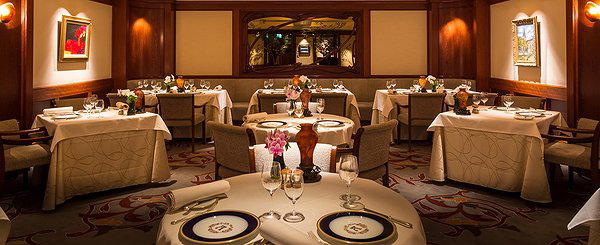






Details
- Classic
- Elegant
- Business Dinner
- Family
- Casual Hangout
- Standalone
- Sake Program
- Street Scene
- A La Carte
- Vegetarian Friendly
- Vegan Options
Current opening hours
- Monday
- 11 AM–10 PM
- Tuesday
- 11 AM–10 PM
- Wednesday
- 11 AM–10 PM
- Thursday
- 11 AM–10 PM
- Friday
- 11 AM–10 PM
- Saturday
- 11 AM–10 PM
- Sunday
- 11 AM–10 PM
Hours can change for holidays and private events. Hours as of .
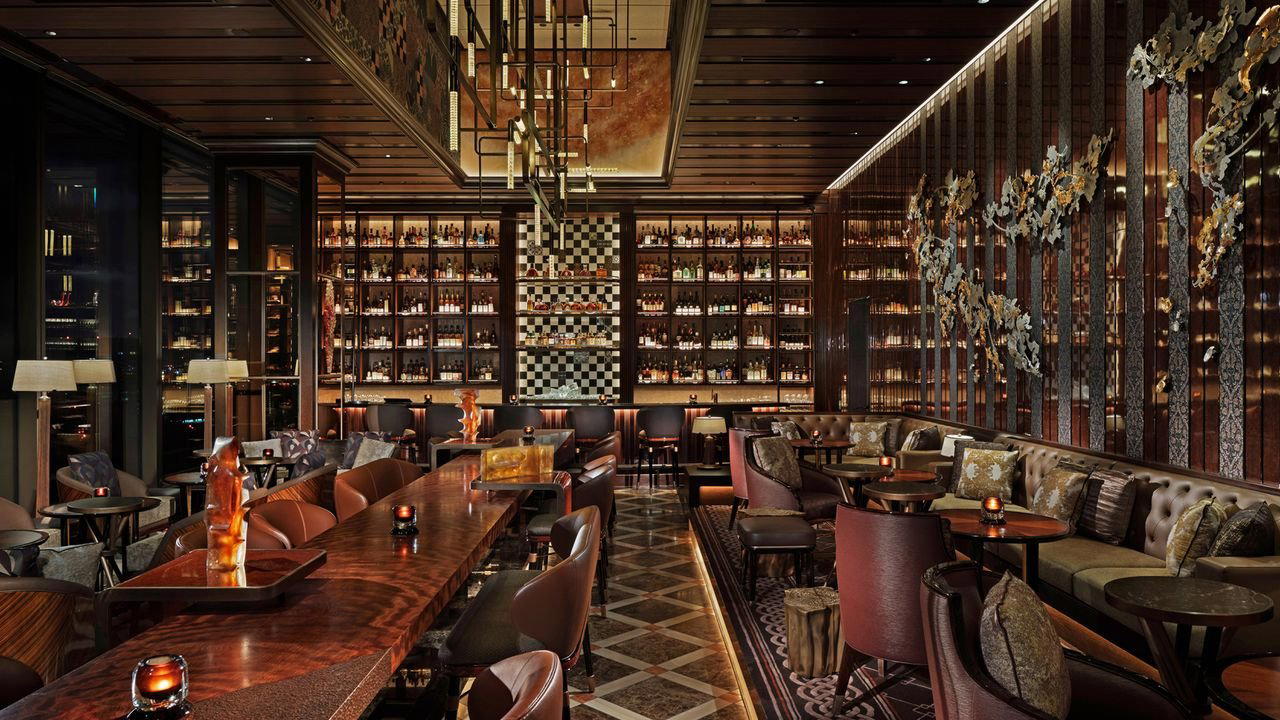
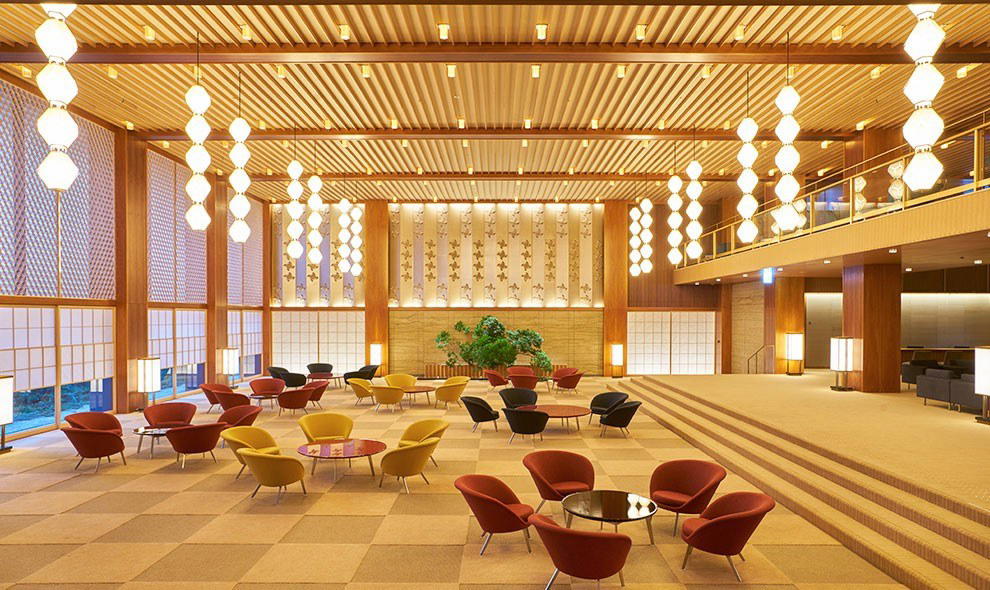
Luxurious palace-like interior with red patterned carpet, wooden screens for semi-privacy, spacious seating, and city views from windows.