Motek Brickell
Motek Brickell occupies a compelling position in Miami's evolving Middle Eastern dining scene, where imported culinary technique meets the city's subtropical produce and multicultural appetite. Located at 701 S Miami Ave in the heart of Brickell, it draws a financially mobile crowd that expects both precision and warmth from its food. The address places it firmly in a neighbourhood where global ambition and local identity are in constant negotiation.
Pearl is the En Primeur Club membership app — saves, bookings, and concierge access live there. Same editors, same standards.
- Address
- 701 S Miami Ave #412A, Miami, FL 33131
- Phone
- +17867445590
- Website
- motekcafe.com
- Directions
- Get directions
 Saves & bookings on Pearl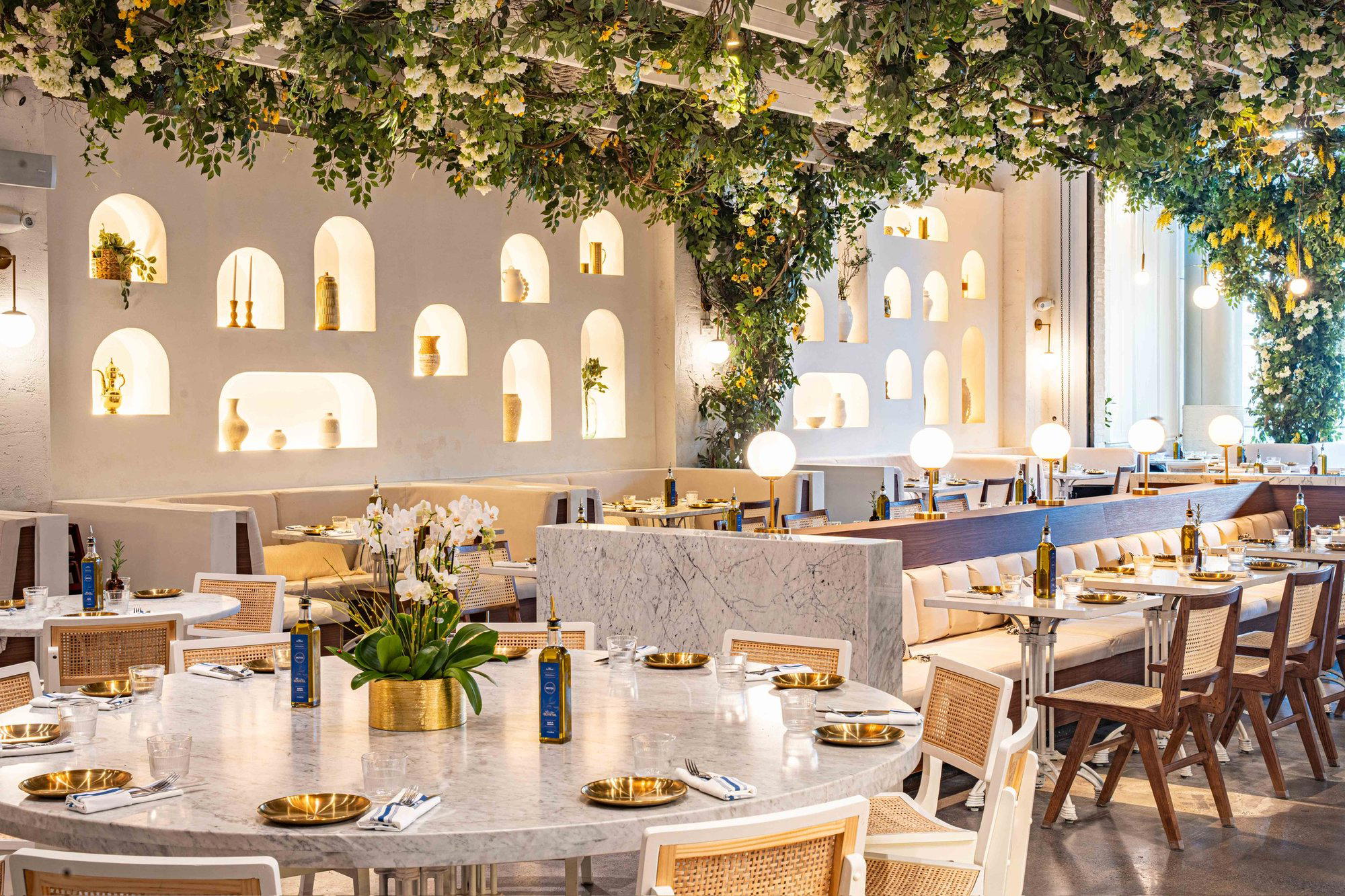
Where Brickell's Appetite Meets the Eastern Mediterranean
Brickell has spent the past decade transforming from Miami's financial corridor into one of its most competitive dining districts. The neighbourhood now runs a full register of ambitions: Korean steakhouse programs like Cote Miami, technically driven Italian at Boia De, and the kind of ingredient-forward Modern American cooking found at Ariete. Into this field, Motek Brickell arrives with a proposition that feels both timely and underrepresented: Eastern Mediterranean cooking refracted through a Miami lens, at 701 S Miami Ave.
The name itself signals intent. In a city where hospitality often tilts toward performance, that softness in the branding is a deliberate positioning choice, suggesting the kitchen's relationship to its culinary heritage is affectionate rather than academic.
A Technique-First Approach to a Deeply Rooted Cuisine
The broader story of Middle Eastern food in America has shifted considerably over the past ten years. What was once flattened into hummus-and-pita familiarity has, in cities like New York, Los Angeles, and increasingly Miami, been given room to express its actual complexity. The cuisines of Israel, Lebanon, Turkey, and the broader Levant are built on layered spice logic, long-cooked proteins, fermented dairy, and charred vegetable preparations that reward patience and precision as much as any European classical tradition.
Miami's subtropical climate makes it a logical home for this kind of cooking. The city's farmers' markets and regional suppliers already traffic in citrus varieties, tropical herbs, and stone fruits that sit naturally alongside the za'atar, sumac, and preserved lemon that anchor Levantine flavor profiles. The intersection of local ingredients and imported method is not a forced graft here; it follows a culinary logic that kitchens from ITAMAE's Peruvian-Japanese framework to the Argentinian fire cooking of Los Fuegos have already demonstrated works in Miami's climate.
At a broader level, this technique-meets-terroir model is what distinguishes the serious iteration of any globally rooted cuisine from its casual derivative. Kitchens in this register typically treat sourcing with the same rigor applied to preparation, the kind of discipline evident in American fine dining from Blue Hill at Stone Barns to Single Thread Farm in Healdsburg, even if the cuisine type differs entirely.
The Brickell Competitive Context
Motek operates in a price and format tier that sits between the casual Mediterranean spots dotted through Wynwood and the full tasting-menu commitments of Miami's most ambitious kitchens. Brickell diners skew toward expense-account confidence and after-work flexibility, which shapes both format expectations and menu pacing. The neighbourhood's dining room dynamics tend to reward places that can move between business dinner and social occasion without losing atmosphere or kitchen focus.
That dual-mode requirement is something particularly durable Miami restaurants handle through menu architecture rather than decor pivots. Ariete in Coconut Grove manages a similar range. The comparison matters here: in a city where dining rooms frequently prioritize spectacle over plate, the kitchens that build loyalty do so through consistency of cooking across service periods, not just peak-hour performance.
The Brickell corridor also benefits from foot traffic patterns that differ from beach-adjacent neighborhoods. Diners here are less likely to be tourists orienting around a single night out and more likely to return, which creates the conditions for a kitchen to develop a regular clientele and iterate on a menu over time. That dynamic is part of what makes the neighborhood increasingly serious as a dining address, in the way that our full Miami restaurants guide documents across the city's districts.
Miami's Eastern Mediterranean Moment
The timing of Motek's presence in Brickell reflects something happening in American dining more broadly. Middle Eastern and Levantine cooking has moved from peripheral to central in particularly food-attentive American cities. In New York, the model has been refined to the point where technique-driven Israeli kitchens compete directly with French-trained fine dining for the same reservation slots. In Los Angeles and San Francisco, the same shift has produced kitchens that apply the rigor of places like Lazy Bear or Providence to Levantine flavor frameworks.
Miami arrives at this moment with specific advantages. Its population includes substantial Jewish, Lebanese, and Israeli communities who carry firsthand calibration for authenticity. A kitchen cooking in this tradition faces an informed local audience, which acts as a quality check that raises the floor. That community fluency is different from the dynamic in cities where Middle Eastern food is primarily encountered as novelty.
The city's hospitality infrastructure also supports the crossover: Miami imports produce, proteins, and specialty ingredients at a scale that gives serious kitchens access to the raw materials that make technique-forward Levantine cooking possible. Preserved lemons, quality tahini, specific cuts for slow-cooked lamb preparations, these are no longer specialty procurement challenges in South Florida's current supply environment.
What to Know Before You Visit
- Address: 701 S Miami Ave #412A, Miami, FL 33131
- Neighbourhood: Brickell, Miami's primary financial district and an increasingly competitive dining address
- Timing: Weeknight visits typically offer more relaxed pacing than Friday or Saturday service
- Peer context: Sits in a similar casual-to-serious register as Boia De and Cote Miami; less tasting-menu formal than Ariete at its most ambitious
Cuisine Lens
Comparable venues nearby, for context on price, style, and recognition.
| Venue | Cuisine | Price | Notes |
|---|---|---|---|
| Motek BrickellThis venue — the venue you are viewing | Modern Israeli-Mediterranean | $$ | Not listed |
| Aviv | Modern Middle Eastern | $$$ | Miami Beach |
| Pubbelly Sushi | Japanese-Latin Fusion Gastropub | $$ | Miami Riverwalk |
| Cream Parlor | Homemade Ice Cream & Cafe | $$ | Shorecrest |
| Lo D' Alex | Cuban Fusion with Latin Influences | $$ | Sweetwater |
| Toreros Churrascaria Kendall | Brazilian Rodizio Steakhouse | $$ | Westwood Lake |
At a Glance
- Lively
- Modern
- Trendy
- Date Night
- Group Dining
- Casual Hangout
- Brunch
- Open Kitchen
- Terrace
- Craft Cocktails
Current opening hours
- Monday
- 11 AM–10 PM
- Tuesday
- 11 AM–10 PM
- Wednesday
- 11 AM–10 PM
- Thursday
- 11 AM–11 PM
- Friday
- 11 AM–11 PM
- Saturday
- 10 AM–11 PM
- Sunday
- 10 AM–10 PM
Hours can change for holidays and private events. Last verified .
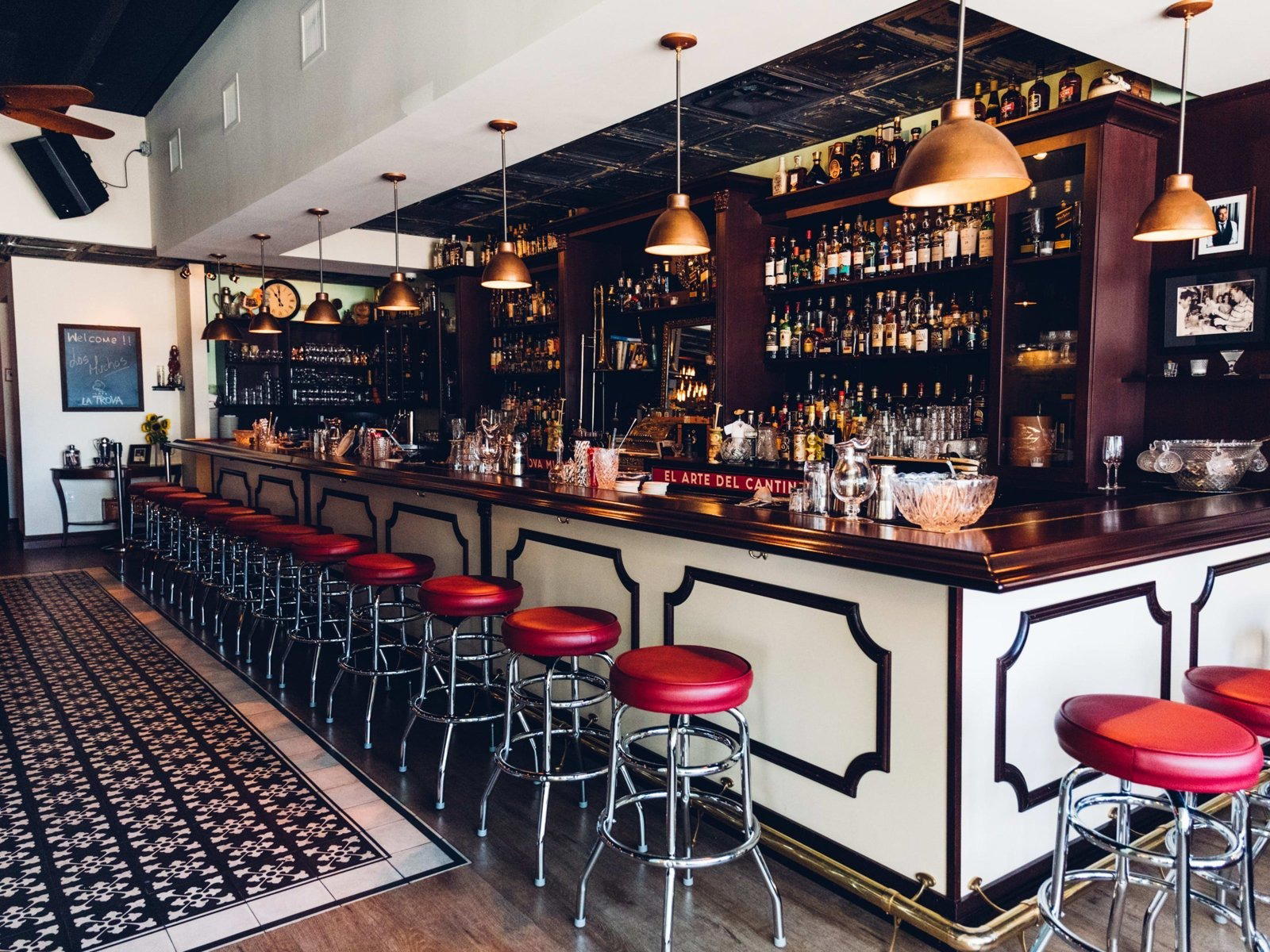
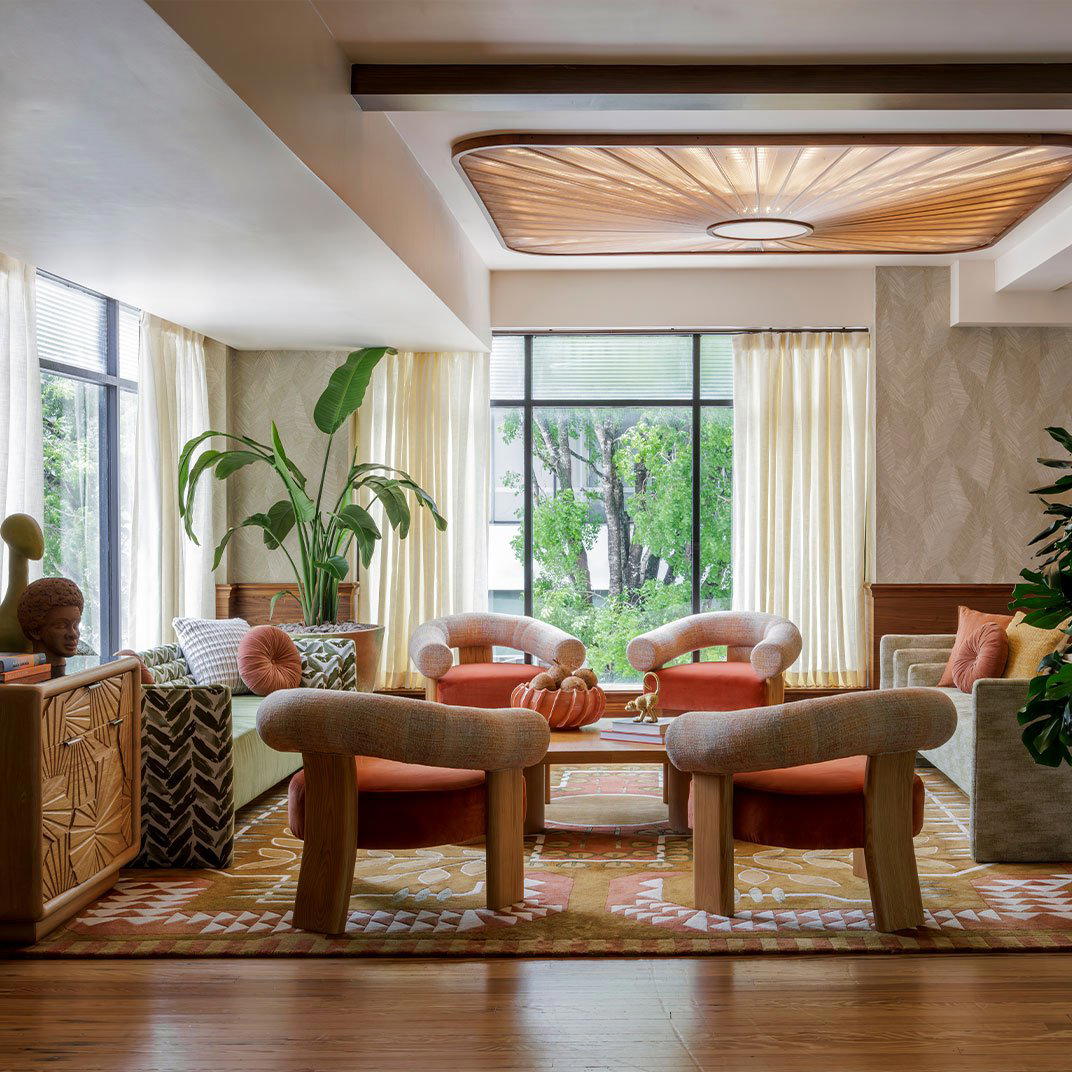
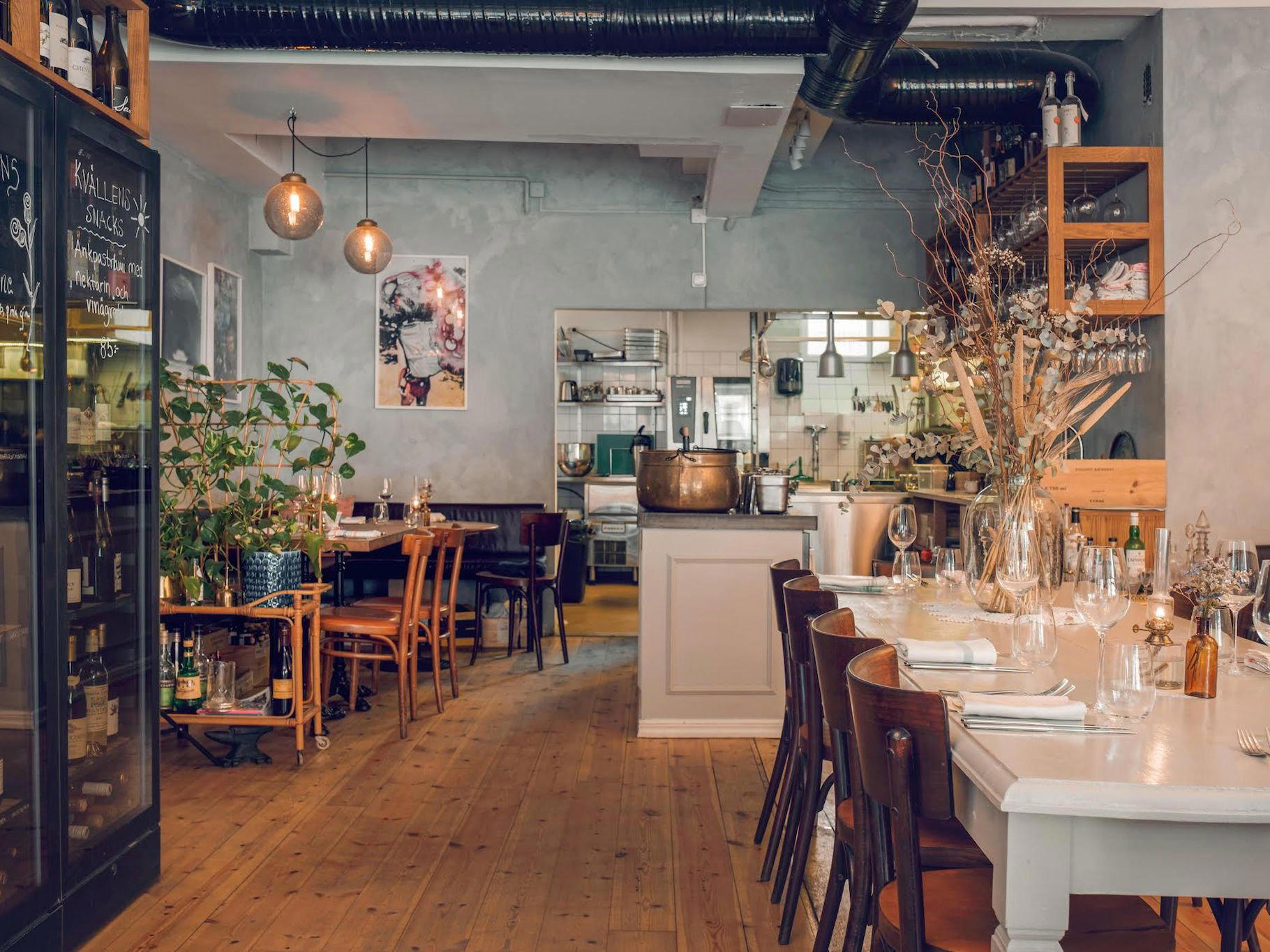
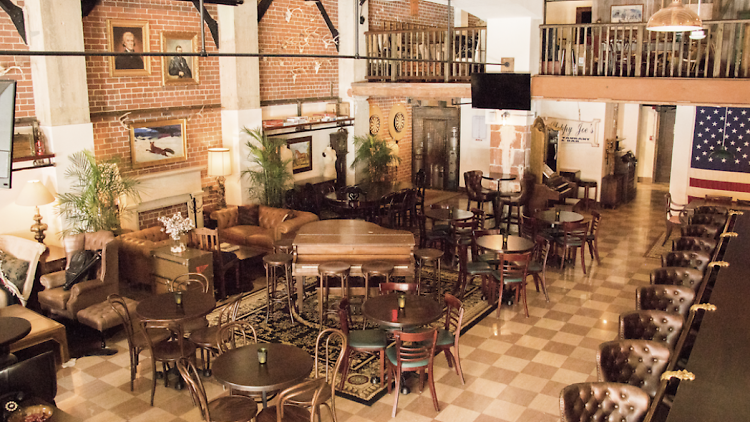
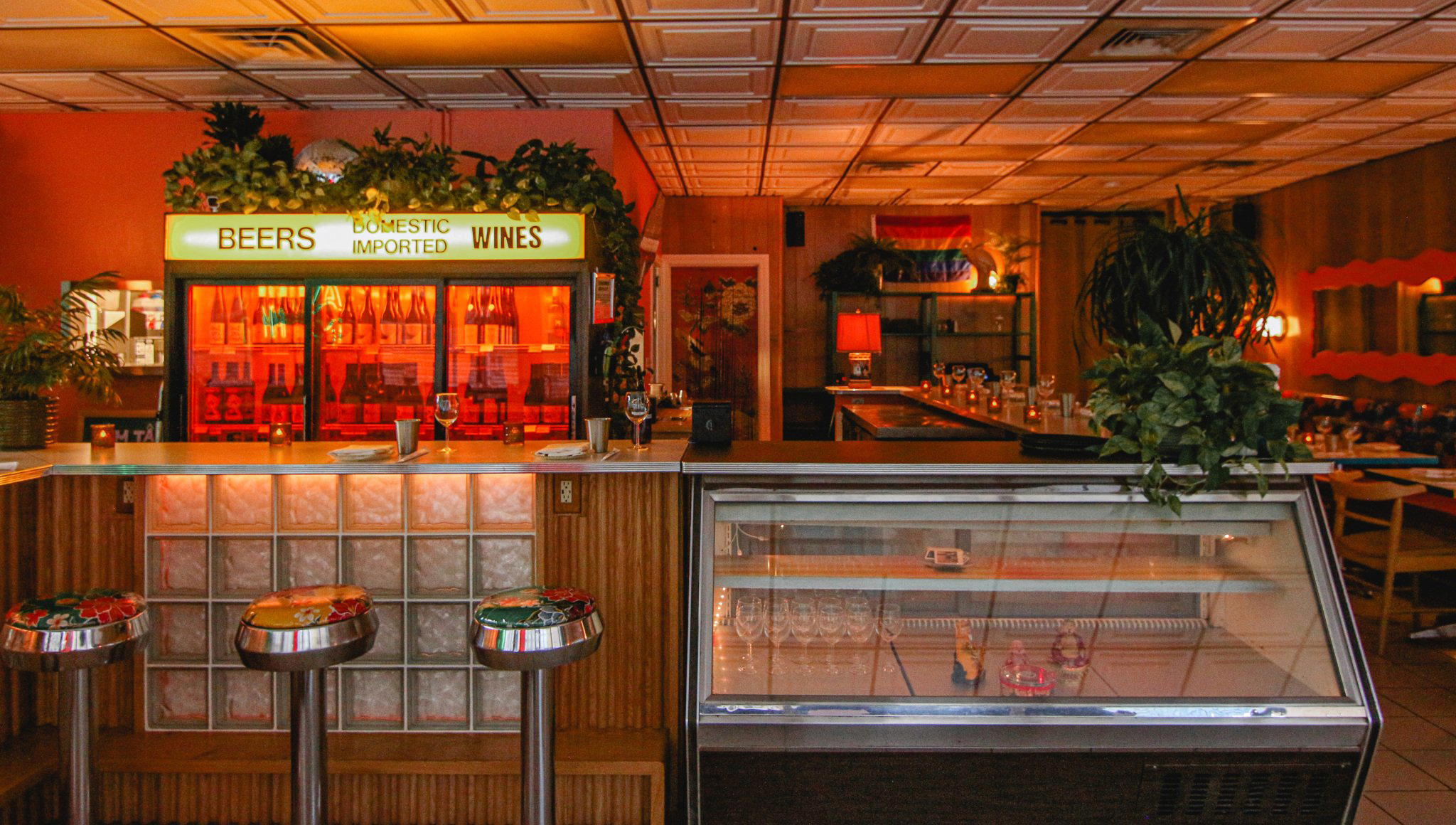
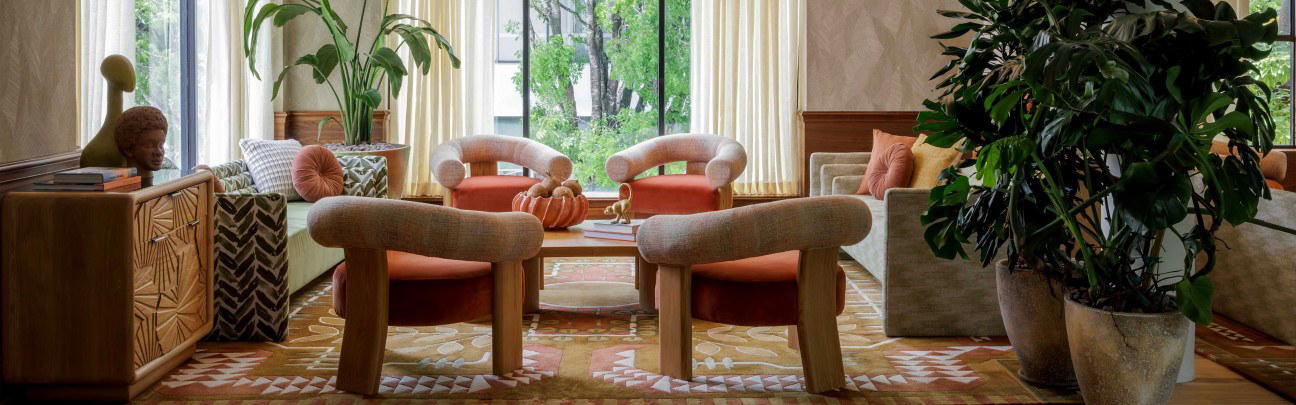
Warm, lively space with lively energy, open kitchen, communal tables, and lovely decor praised for its welcoming and dynamic feel.