Aviv

Wine Spectator Award of Excellence
Our verdict
Aviv brings Israeli and Mediterranean cooking to Miami's increasingly confident dining scene, grounding its menu in the olive oil traditions, preserved citrus, and charred vegetable techniques that define modern Tel Aviv restaurants. The format suits the city's appetite for bold, herb-driven plates without the formality of a tasting-menu structure. For Miami diners tracking where the city's restaurant culture is heading, Aviv is worth attention.

Pearl is the En Primeur Club membership app — saves, bookings, and concierge access live there. Same editors, same standards.
- Address
- 2341 Collins Ave, Miami Beach, FL 33139
- Phone
- (305) 768-1386
- Hours
- Mon–Thu 7–11:30 AM, 5:30–10 PMFri–Sat 7–11:30 AM, 5:30–11 PMSun 7–11:30 AM, 5:30–10 PM
- Website
- avivsb.com
- Directions
- Get directions
- Booking
- Book on Resy
The menu
What to order
- Hummus tehina
- Haloumi baklava
- Salatim
- Beef shishlik
Where the Mediterranean Lands in Miami
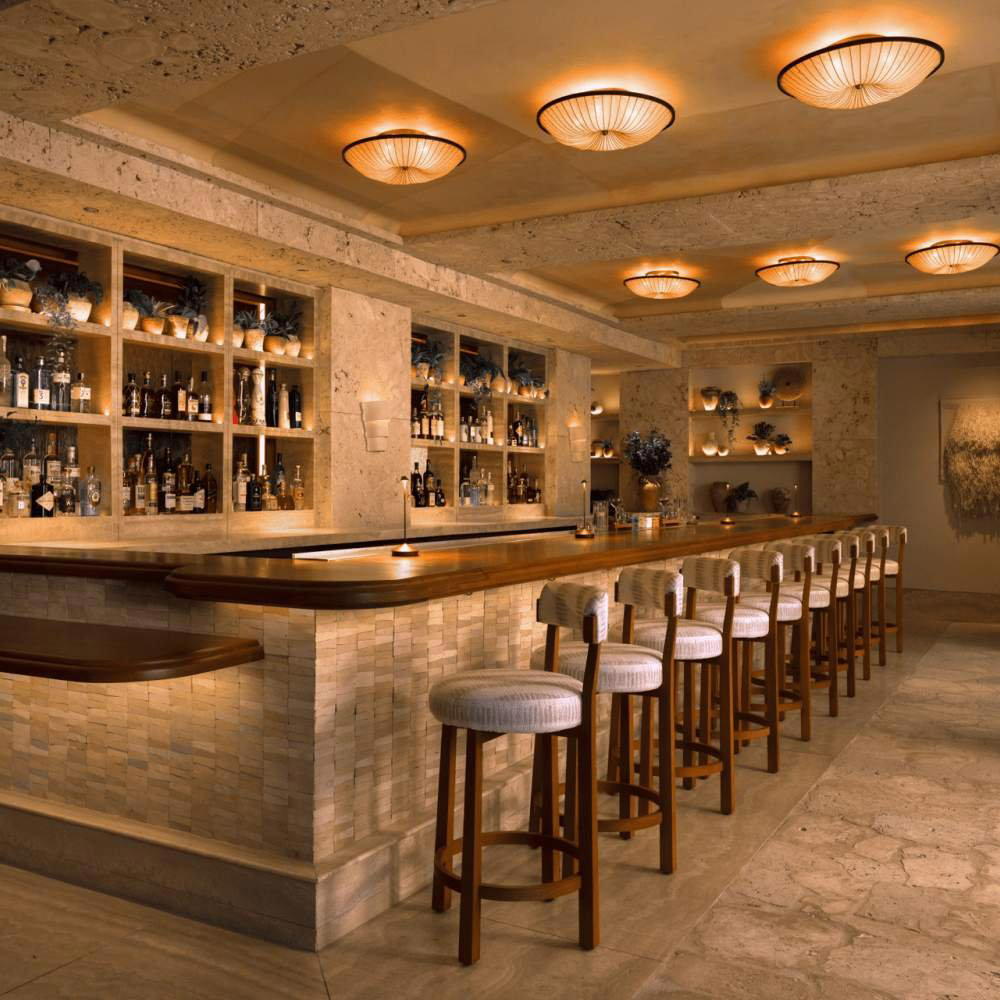
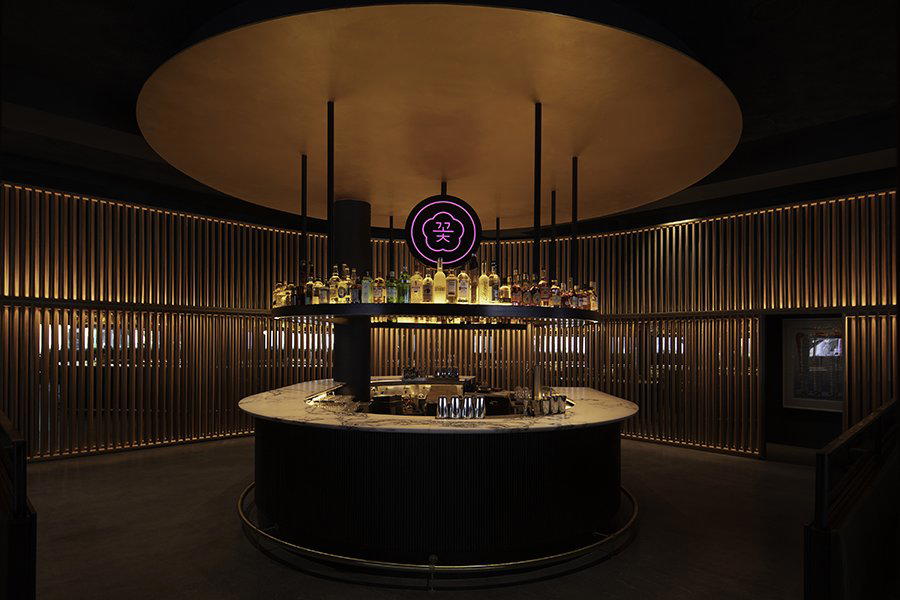
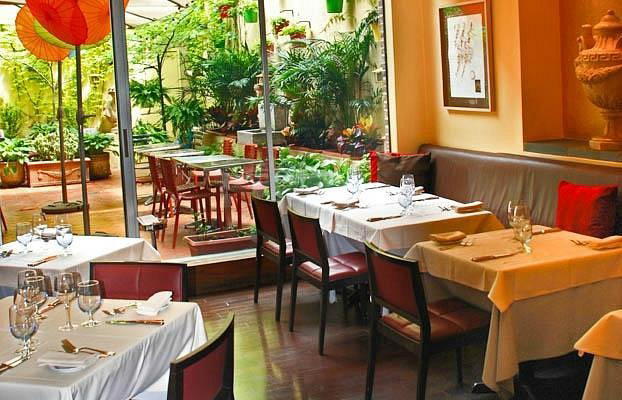
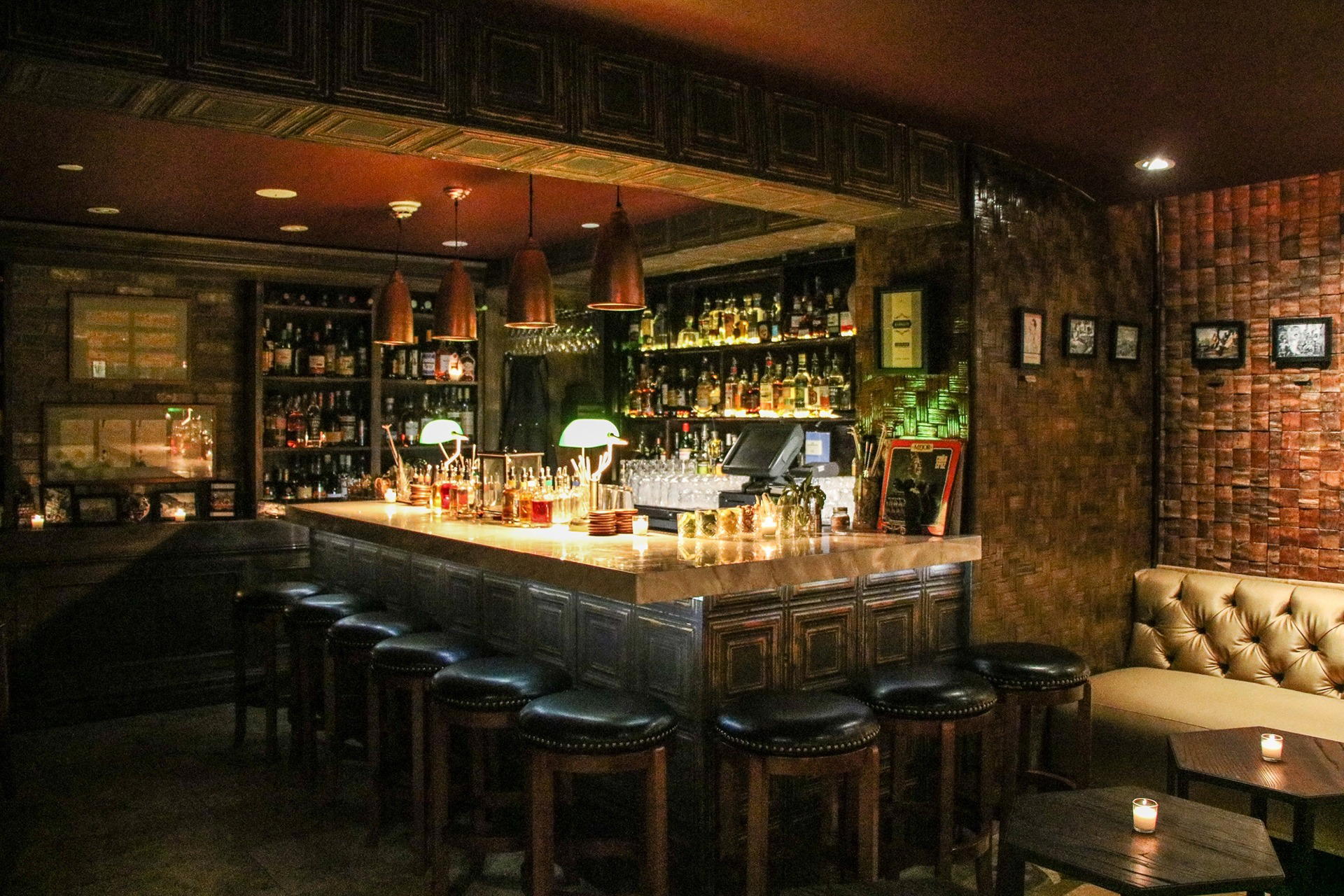
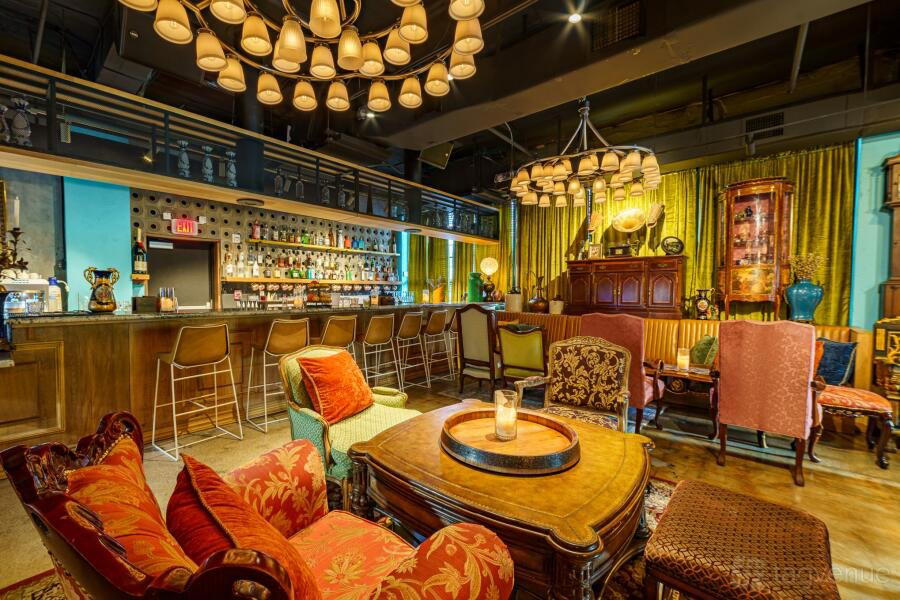
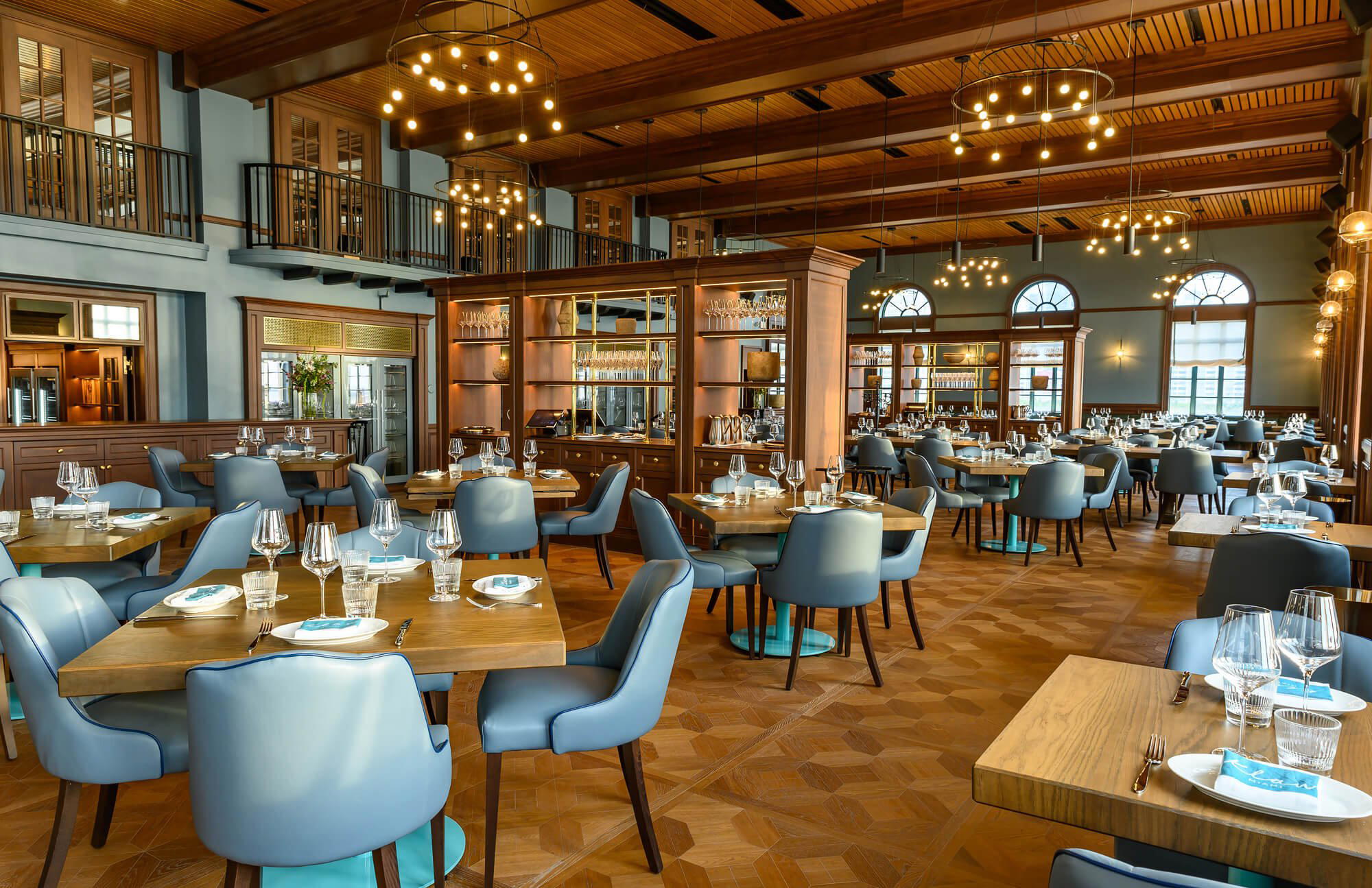
Miami's dining scene has spent the better part of a decade sorting itself into two distinct registers: the theatrical, resort-adjacent blockbusters and a quieter tier of cuisine-specific restaurants with more depth than spectacle. Aviv belongs to the second group. The room's visual cues — earthy tones, warm light, the kind of spare arrangement that signals the kitchen is the point — set a frame that Israeli and Eastern Mediterranean restaurants have refined into something close to a recognizable global grammar. You arrive expecting herbs, fire, and acid. What the category does with those three elements is where the differentiation happens.
Israeli cooking as it's practiced at the serious end of the contemporary spectrum is not a cuisine of subtlety so much as precision. The bold flavors are intentional, but the ratio between tahini and lemon, or between char and raw freshness, is where skill shows. Aviv operates within that framework, and Miami, with its year-round heat and appetite for produce-driven cooking, is a logical home for it. The city's food culture has historically tracked Latin American and Caribbean influence; the arrival of Eastern Mediterranean as a serious category here reflects broader shifts in what American diners are seeking.
The Olive Oil Foundation
Any serious conversation about Israeli and Eastern Mediterranean cuisine runs through olive oil, and not in the decorative sense that European fine dining sometimes deploys it. In this tradition, olive oil is structural. It carries heat. It emulsifies dips. It finishes dishes in quantities that French-trained palates might initially misread as excess, before understanding it as the point. The difference between a labneh finished with a serious cold-pressed oil and one dressed with commodity olive oil is the difference between a dish and an afterthought.
Miami's ingredient supply chain for this category has improved as the city's Israeli and Jewish communities have grown and as specialty importers have extended their reach into Florida. That means the gap between what's possible in Tel Aviv and what's achievable here has narrowed. Aviv sits in a city where the raw material question is increasingly answerable.
How Aviv Fits Miami's Broader Dining Map
Miami's premium casual tier, restaurants with serious cooking ambitions and price points that don't require a special occasion, has grown more competitive in recent years. Boia De represents the Italian expression of that tier, with a tight menu and deep wine focus that has earned significant critical attention. Ariete anchors the Modern American end. Cote Miami operates as the Korean steakhouse anchor point. Aviv brings a cuisine category that has been underrepresented at this level of execution in Miami, which positions it as a category-specific destination rather than one option among many doing similar things.
The comparison set that matters for Aviv is less its Miami peers and more the Israeli and Mediterranean restaurants that have defined the category internationally: Eyal Shani's Miznon group, which demonstrated that Israeli street food could translate globally without being diluted; the Tel Aviv restaurant scene's shift toward open-fire cooking and vegetable-forward menus over the past decade; and the small number of American operators, mostly in New York, who have brought that sensibility to the US market with enough rigor to hold critical attention. That's the peer conversation Aviv is entering, regardless of where it sits on any given week's Miami reservation list.
For a wider picture of where Aviv fits within Miami's full dining spectrum, from the French technical tradition at L'Atelier de Joël Robuchon Miami to the Peruvian precision of ITAMAE, the full Miami restaurants guide offers the clearest map of the city's current range.
The Format and What It Asks of You
Israeli restaurant culture, even at its most polished, resists the formality that European fine dining conventions impose. Dishes tend to arrive as they're ready rather than in strict sequence. Sharing is not optional etiquette but operational logic, the mezze tradition assumes a table, not a plate. This format creates a different kind of pacing, one where the meal's shape is partly collaborative. Miami diners, accustomed to the sharing-plate format from its prevalence across Latin American and Asian restaurants in the city, tend to adapt quickly.
The vegetable component at serious Israeli restaurants deserves its own attention. The cuisine does not treat vegetables as supporting actors. Roasted cauliflower with tahini and herbs, charred eggplant in its many iterations, and fattoush-adjacent salads built on day-old bread and peak-season tomatoes are load-bearing dishes, not garnishes. A table that orders only the meat or fish and skips the vegetable plates has, in a meaningful sense, missed the meal.
Planning a Visit
Miami's dining calendar has two distinct tempos. The October-to-April season brings higher visitor volume, shorter booking windows, and more competition for tables at restaurants that have established any kind of following. The summer months thin out, which can mean more availability but also reduced kitchen energy at some venues. Aviv, as a relatively recent entrant to the city's Israeli dining category, is leading approached with a reservation rather than a walk-in during peak season months. Check the restaurant's current booking channel directly, as Miami restaurants at this tier have shifted between reservation platforms more than once in recent years.
Parking in Miami remains a practical variable worth factoring in; the city's public transit coverage is limited outside downtown and Brickell, so most diners arrive by car or rideshare. For everything around dining, the Miami bars guide, hotels guide, and experiences guide cover the adjacent planning layers. The Miami wineries guide is also worth consulting for those building a longer itinerary around drink as well as food.
Frequently asked questions
How far ahead should I plan for Aviv?
Miami operates on two distinct booking tempos: October through April draws higher visitor volume and tightens reservations across the premium casual tier, while the summer months offer more flexibility. Aviv's Israeli and Mediterranean format, positioned in a competitive segment of Miami dining, warrants booking at least one to two weeks out during season. During peak winter months or around Art Basel in December, extending that window further is prudent.
What's the defining dish or idea at Aviv?
The organizing principle at Aviv is the Eastern Mediterranean table, where olive oil functions as a primary ingredient rather than a finishing touch and cold preparations carry as much weight as hot ones. Israeli cuisine at this level treats vegetables and pulses as the structural backbone of a meal, not as sides to a protein centerpiece. That philosophy separates Aviv from the broader Miami Mediterranean category, where grilled seafood and pasta tend to dominate.
In Context: Similar Options
Comparable venues nearby, for context on price, style, and recognition.
| Venue | Cuisine | Price | Awards | Notes |
|---|---|---|---|---|
| AvivThis venue — the venue you are viewing | Modern Middle Eastern | $50–100 | Wine Spectator Award of Excellence | Not listed |
| Adrift Mare | Modern Mediterranean restaurant & cocktail bar with Biscayne Bay views | $50–100 | Not listed | Brickell |
| Ristorante Fratelli Milano | Traditional Italian Pasta House | $30–50 | Not listed | Miami Jewelry District |
| ZURI Restaurant | Mediterranean-Moroccan Fusion | Not listed | Not listed | Edgewater |
| Hacienda Ramirez Cruz | Authentic Mexican Cuisine | $50–100 | Not listed | Wynwood Art District |
| Marabú | Coal-Fired Cuban Cuisine | $30–50 | Not listed | Miami Riverwalk |
Recognition history
Dated appearances from independent guides and award organizations, with the underlying list record or original source where available.
Wine Spectator Award of Excellence
Wine Spectator

Aviv
The wine
Aviv holds the Wine Spectator Award of Excellence, which Wine Spectator gives to lists of usually 90 or more selections.
- Wine program
- Curated wine list
- Wine Spectator
- Wine Spectator Award of Excellence
- Extensive wine list
Details
- Trendy
- Elegant
- Modern
- Bohemian
- Special Occasion
- Group Dining
- Date Night
- Celebration
- Open Kitchen
- Private Dining
- Extensive Wine List
- Tasting Menu
- Small Plates
- Family Style
- Vegetarian Friendly
Current opening hours
- Monday
- 7–11:30 AM, 5:30–10 PM
- Tuesday
- 7–11:30 AM, 5:30–10 PM
- Wednesday
- 7–11:30 AM, 5:30–10 PM
- Thursday
- 7–11:30 AM, 5:30–10 PM
- Friday
- 7–11:30 AM, 5:30–11 PM
- Saturday
- 7–11:30 AM, 5:30–11 PM
- Sunday
- 7–11:30 AM, 5:30–10 PM
Hours can change for holidays and private events. Last verified .
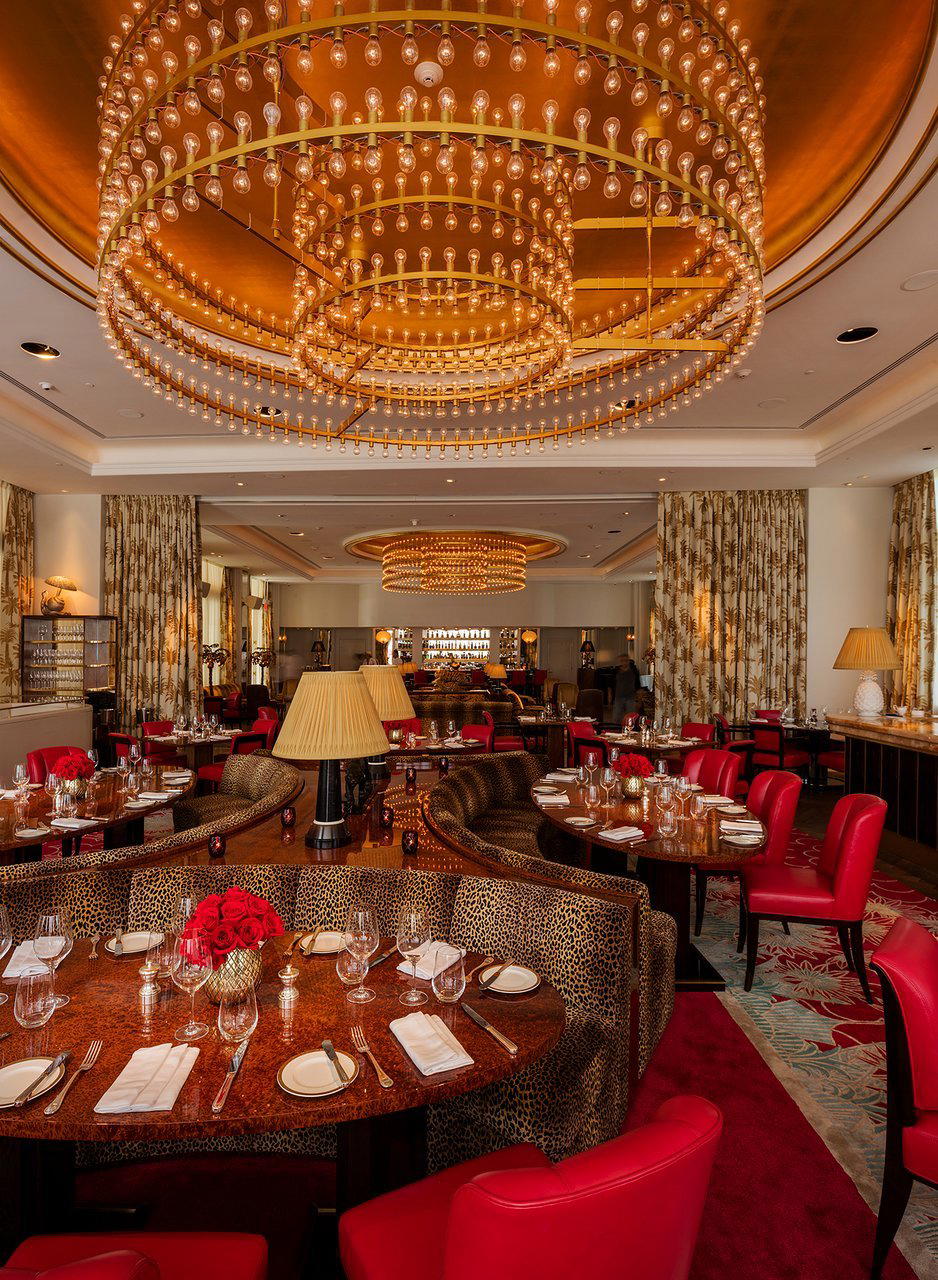
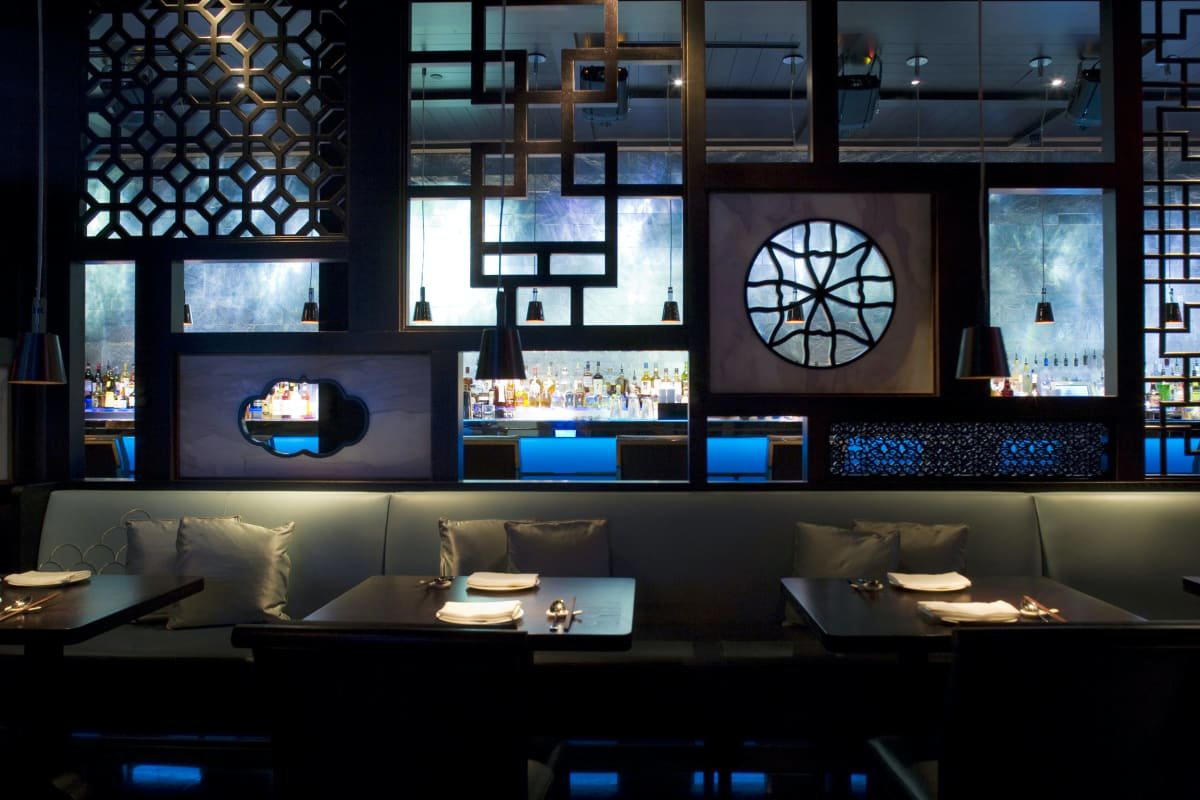
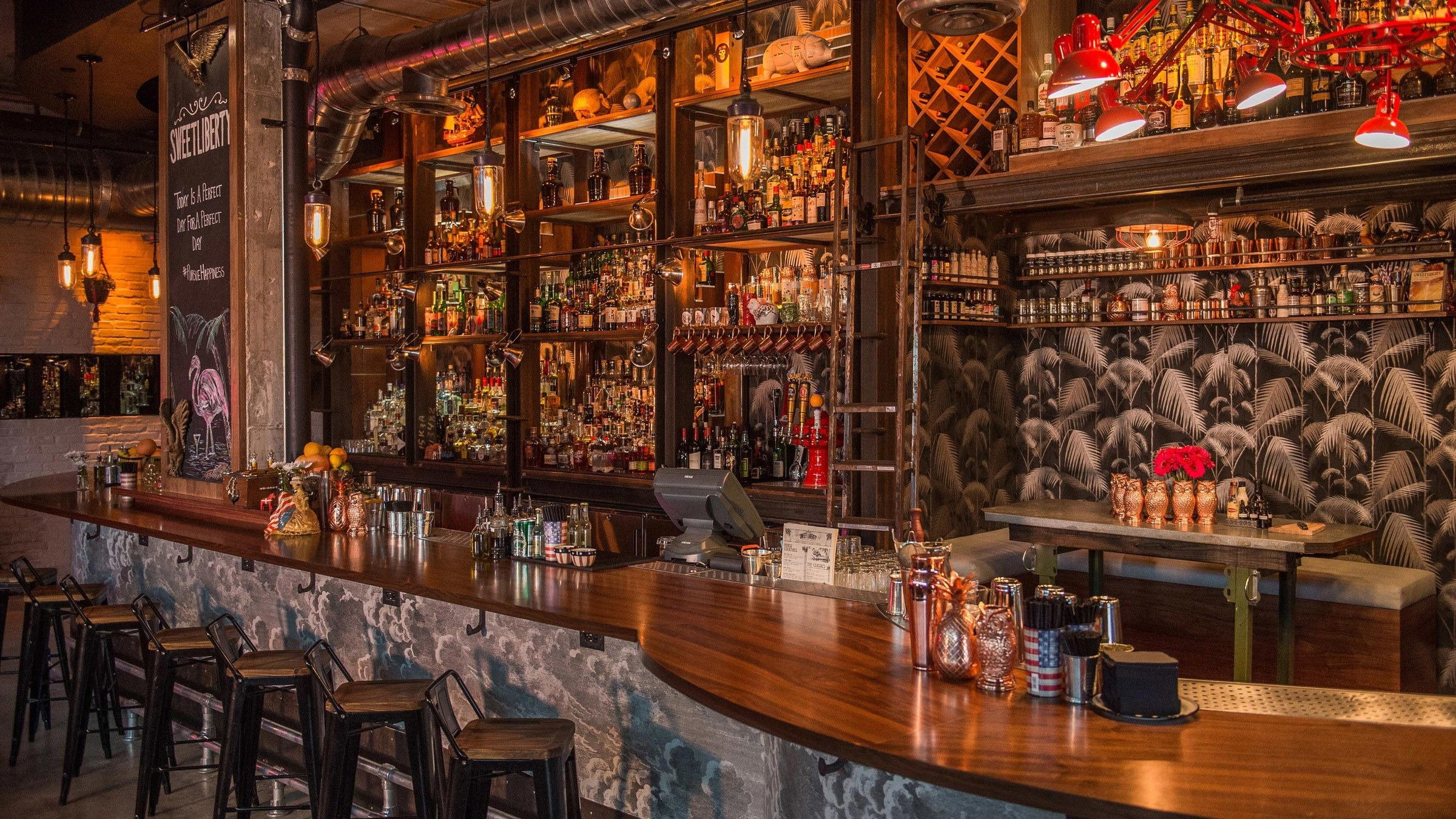
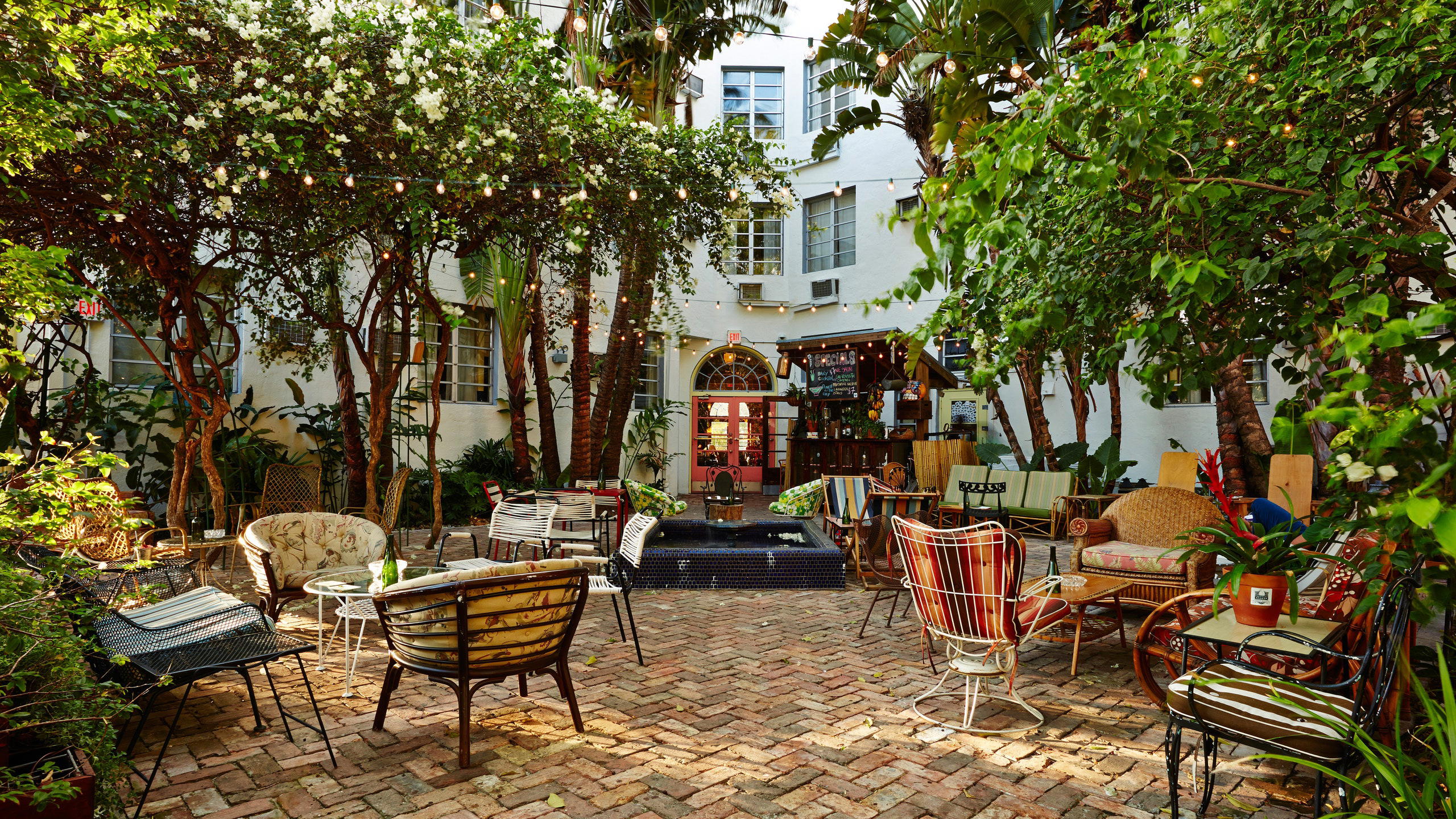
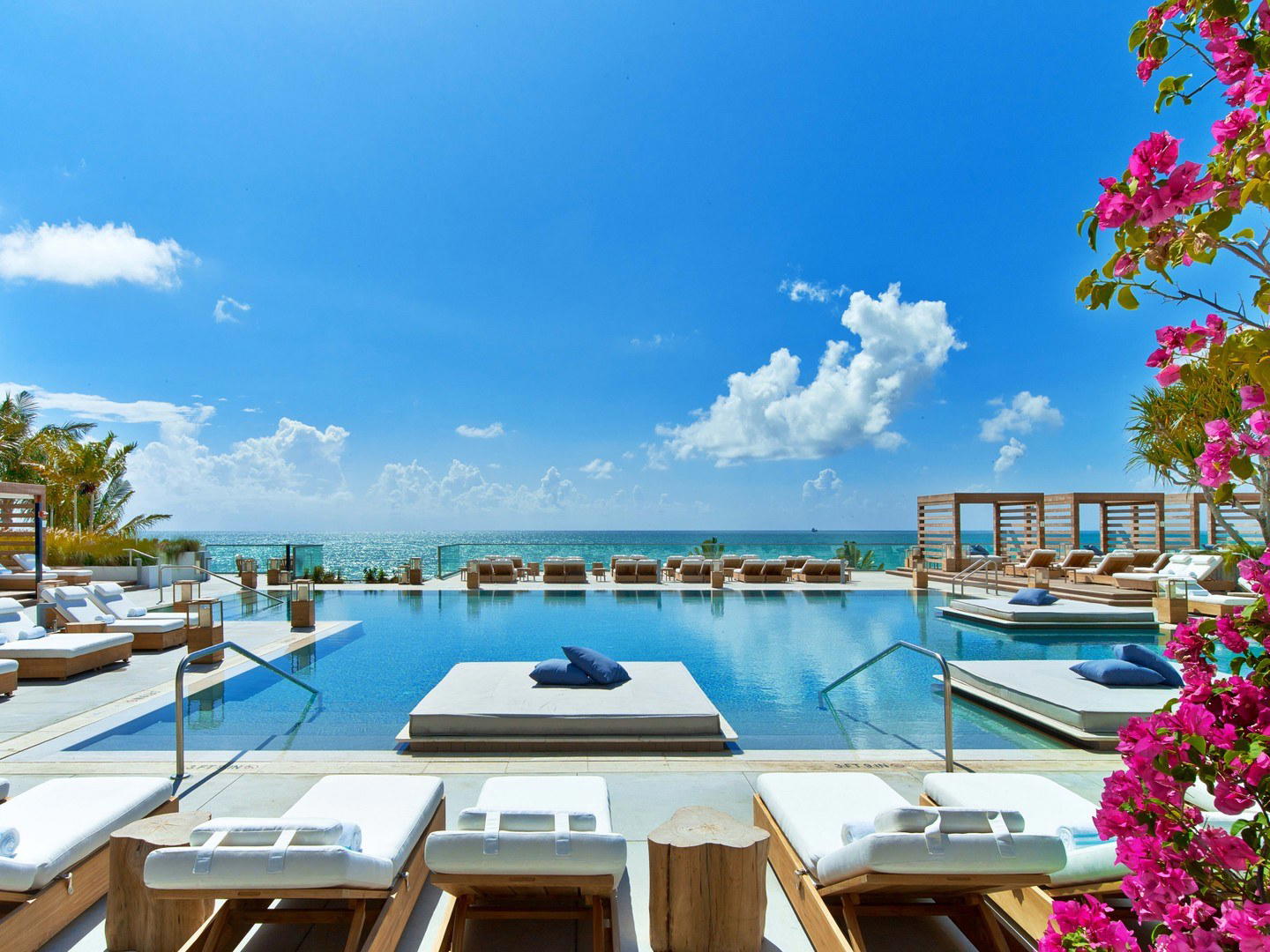
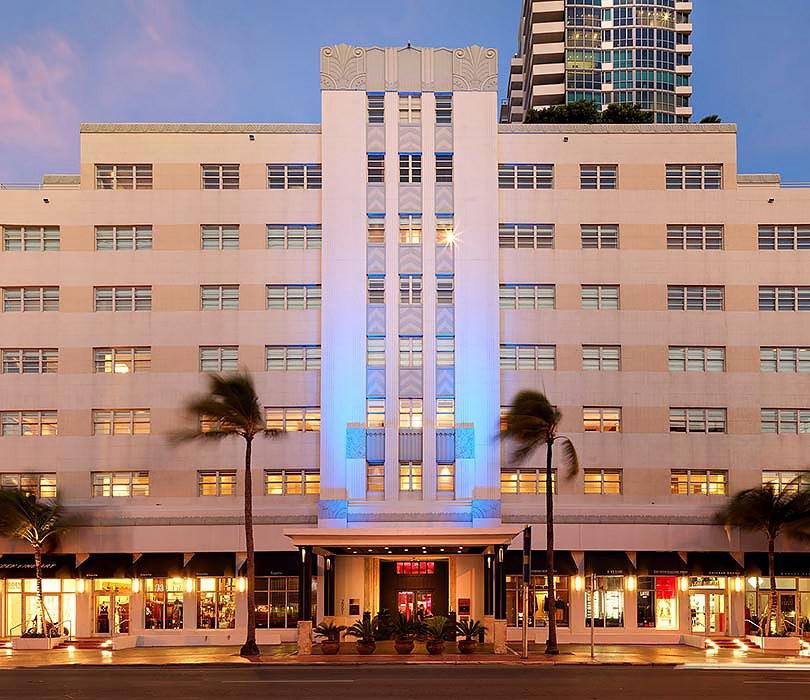
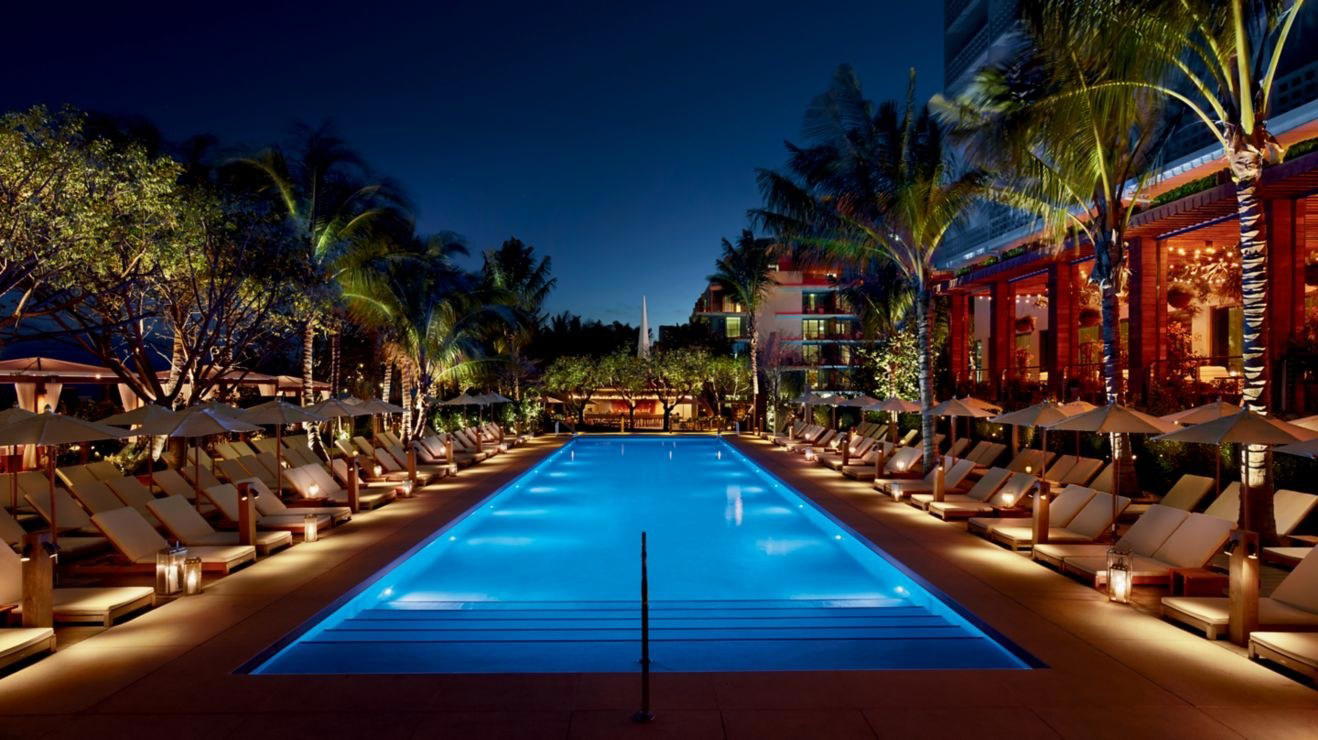
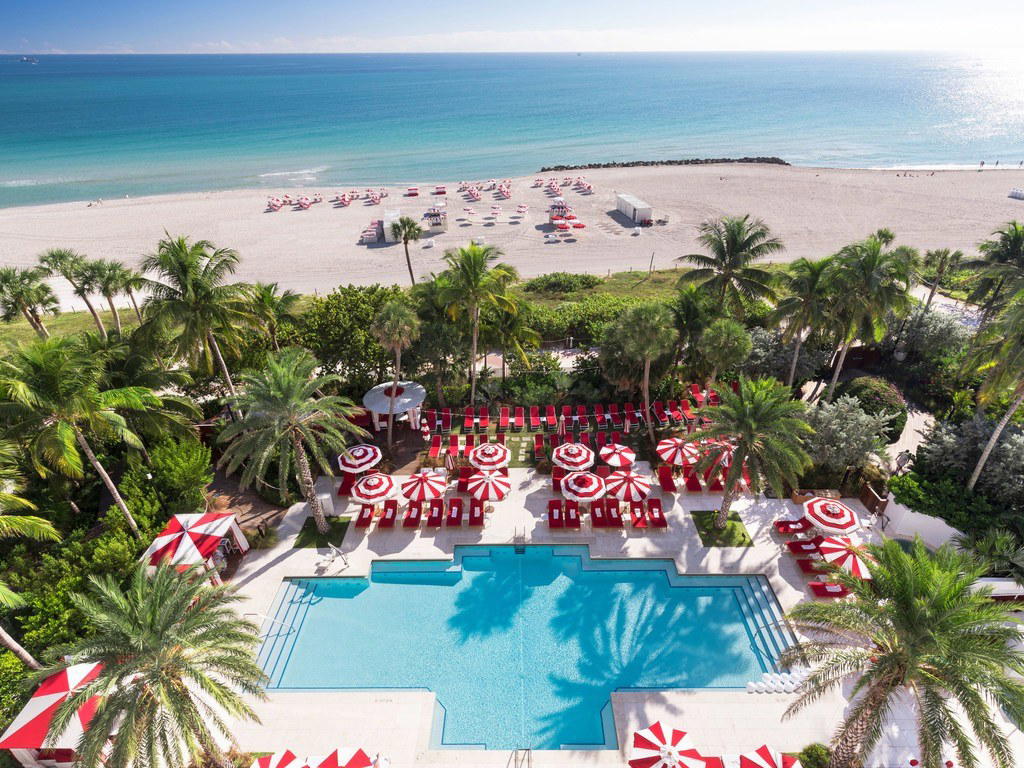
Boho chic with huge canvas lanterns, warm elegant lighting, rustic-modern beach club vibe, and open kitchen views.