Pubbelly Sushi
Pubbelly Sushi at Brickell City Centre sits where Miami's appetite for Japanese-Latin crossover cooking meets a polished urban dining room. The menu moves through familiar sushi formats reframed with Latin and American accents, positioning it squarely in the city's mid-to-upper tier of Japanese-influenced restaurants. It draws a consistent Brickell crowd and rewards visitors who engage with the full menu rather than defaulting to a single category.
Pearl is the En Primeur Club membership app — saves, bookings, and concierge access live there. Same editors, same standards.
- Address
- 701 S Miami Ave Suite 421, Miami, FL 33131
- Phone
- +17868995043
- Website
- pubbellyglobal.com
- Directions
- Get directions
 Saves & bookings on Pearl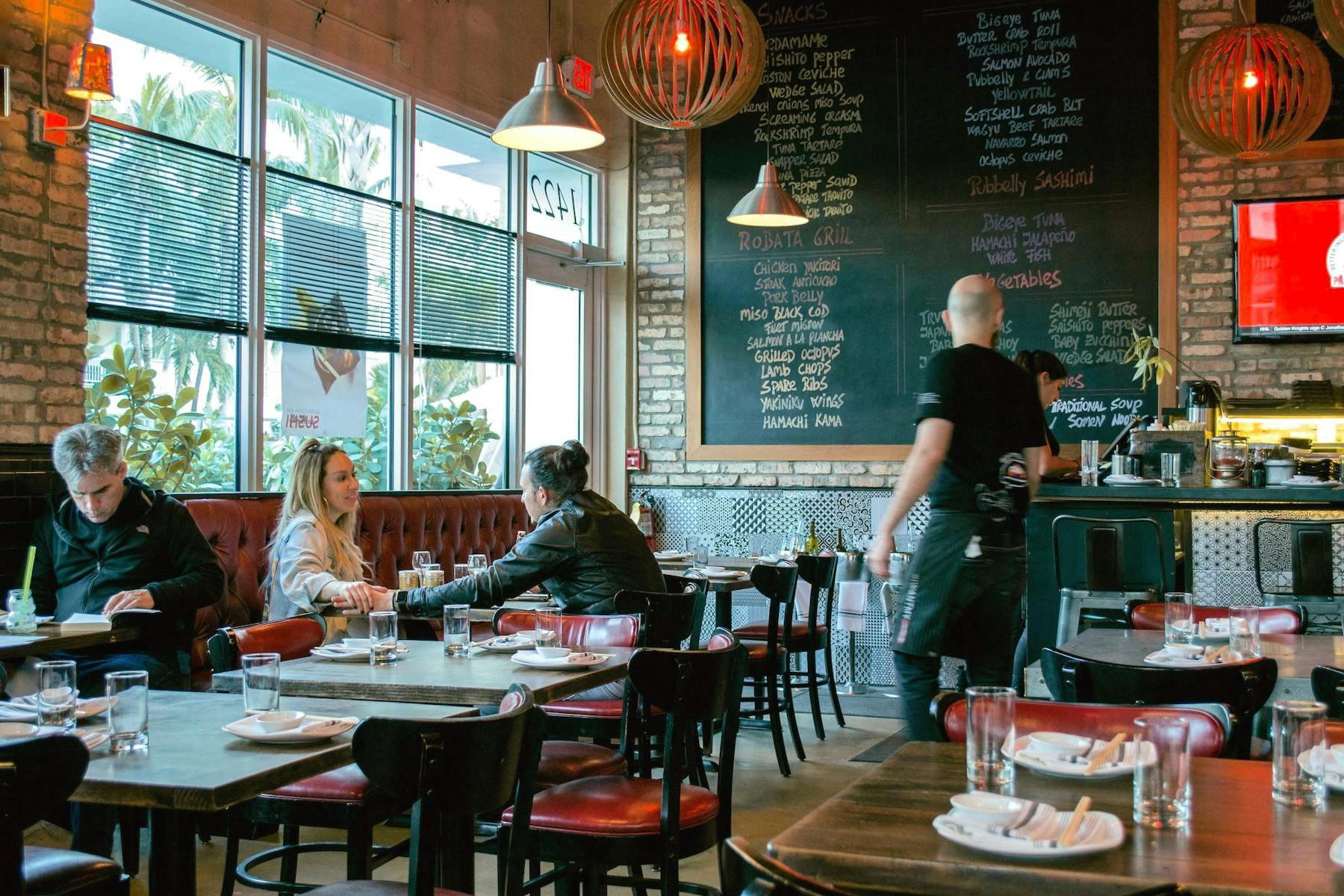
Where Miami's Japanese-Latin Crossover Finds a Natural Home
Miami's relationship with sushi has never been conventional. The city's demographic layering — Cuban, Peruvian, Colombian, Haitian, and North American influences all in permanent conversation — has produced a restaurant culture that resists the idea of genre purity. In that context, Japanese-Latin fusion dining is less a trend than a structural feature of how Miami eats. Pubbelly Sushi, located at 701 S Miami Ave in Brickell City Centre, occupies a specific position in that ecosystem: a sushi-anchored restaurant that takes the crossover premise seriously enough to organise its entire menu around it.
Brickell is the right neighbourhood for this kind of restaurant. The area functions as Miami's financial and residential vertical, with a dining audience that skews professional, internationally mobile, and accustomed to food cities. It sits within walking distance of the Brickell City Centre complex, which consolidates a significant concentration of mid-to-upper-tier restaurant options. Among those, Pubbelly Sushi distinguishes itself less by exclusivity and more by the particular logic of its menu construction.
How the Menu Is Built, and What That Architecture Signals
The editorial angle most useful for understanding Pubbelly Sushi is menu architecture. Japanese restaurants in the United States typically follow one of two structural approaches: the omakase model, which hands control to the kitchen through a fixed sequence, or the à la carte model, which positions sushi within a broader menu that includes cooked dishes, rolls, and shareable formats. Pubbelly Sushi operates firmly in the second tradition, and the organisation of its menu tells you exactly what kind of experience is on offer.
Rather than building toward a single climactic sequence, the menu is designed for horizontal exploration. Rolls, nigiri, hot plates, and shareable dishes exist in parallel, with Latin-inflected preparations appearing alongside more conventional Japanese formats. This is a meaningful structural choice. It invites a table to move across categories rather than through a fixed progression, which suits Miami's social dining culture better than a counter-service omakase would. The format also reduces the barrier to entry: diners who want to anchor on familiar sushi rolls can do so, while those willing to range more widely across the menu will find the crossover sensibility more fully expressed.
For Miami's Japanese-Latin hybrid category, this positions Pubbelly Sushi in interesting company. Restaurants like ITAMAE, which operates at a more precise Nikkei (Japanese-Peruvian) register, approach the same cultural intersection from a different structural angle, using smaller formats and a tighter tasting logic. Pubbelly Sushi operates at a broader frequency, more accessible in format, wider in scope, which is a distinct curatorial choice rather than a lesser one.
Brickell City Centre and the Urban Dining Context
Shopping and dining complexes have a complicated reputation in serious food cities. They tend to attract chains and volume operators, which can undermine the credibility of independents who choose those settings. Brickell City Centre has navigated this better than most, assembling a tenant mix that includes restaurants with genuine culinary investment. For Pubbelly Sushi, the Suite 421 address places it in a high-traffic urban context that brings a consistent and varied audience, tourists staying in Brickell's hotel corridor, local professionals on weeknight dinners, and weekend visitors from other Miami neighbourhoods.
That audience diversity shapes what the menu needs to do. A restaurant in this setting cannot assume the diner has deep familiarity with Japanese technique or Latin-Asian culinary crossover. What works is a menu structured to reveal more the deeper you go, which is exactly the architecture Pubbelly Sushi employs. Accessible entry points (familiar roll formats, recognisable flavour profiles) sit alongside more considered preparations for diners who engage further.
Miami's broader fine dining tier for context: restaurants like Ariete, Boia De, and Cote Miami each operate with tight, specific culinary identities and have attracted significant critical attention. L'Atelier de Joël Robuchon Miami anchors the French fine dining category with full Robuchon institutional credentials. Pubbelly Sushi does not compete directly with any of these, which is by design: it fills a different register in Miami's restaurant ecology, one oriented toward shareable formats, crossover cooking, and an audience that prioritises engagement and energy alongside technical quality. For a fuller sense of how these restaurants sit relative to each other, our full Miami restaurants guide maps the competitive field across categories and price tiers.
Where Pubbelly Sushi Sits in the National Japanese-Influence Conversation
Across the United States, Japanese-influenced restaurants have fractured into several distinct tiers and formats. At one end, omakase counters with strict sequencing and allocation systems, the kind of experience you find in New York's current counter culture, represent a hyper-specialised premium format. At the other end, Japanese-American restaurants with broad à la carte menus serve a much wider audience at accessible price points. Pubbelly Sushi sits closer to the latter, but with a Latin crossover premise that gives it a regional specificity Miami's dining culture has earned the right to claim.
Nationally, the restaurants drawing the deepest critical attention tend toward formality and restraint, venues like Le Bernardin in New York City, Providence in Los Angeles, or Alinea in Chicago operate in registers defined by precision and conceptual discipline. The accessible, socially-oriented dining model that Pubbelly Sushi represents serves a different but equally real need in any city's restaurant ecology. Comparison with tasting-menu destinations like The French Laundry in Napa, Single Thread Farm in Healdsburg, or Lazy Bear in San Francisco is informative only as contrast: those venues pursue depth through limitation; Pubbelly Sushi pursues engagement through range. Internationally, the same structural tension appears at places like 8½ Otto e Mezzo Bombana in Hong Kong, where a broad, hospitality-forward format operates alongside more spartan tasting-menu peers.
Other national restaurants worth noting in the accessible-but-considered category include Emeril's in New Orleans, Blue Hill at Stone Barns in Tarrytown, Addison in San Diego, The Inn at Little Washington, and Atomix in New York City, all operating with clear culinary identity across varied formats.
Know Before You Go
- Address: 701 S Miami Ave, Suite 421, Miami, FL 33131
- Neighbourhood: Brickell City Centre, Miami
- Format: À la carte, Japanese-Latin crossover, shareable format
- Phone: Not available, check the venue website or OpenTable for current booking options
- Hours: Not listed, confirm directly before visiting, as Brickell City Centre tenants operate on complex schedules
- Price range: Not published in available data, consistent with mid-to-upper Brickell dining tier based on location and format
- Booking: Walk-in and reservation options typical for this format; advance booking recommended for weekend evenings
How Pubbelly Sushi Miami compares with similar nearby venues.
| Venue | Cuisine |
|---|---|
| Black Tap Craft Burgers & Beer | Hamburgers |
| Casa Tua Cucina | Italian |
At a Glance
- Lively
- Trendy
- Cozy
- Industrial
- Casual Hangout
- After Work
- Group Dining
- Open Kitchen
- Craft Cocktails
- Sake Program
- Beer Program
Current opening hours
- Monday
- 11:30 AM–11 PM
- Tuesday
- 11:30 AM–11 PM
- Wednesday
- 11:30 AM–11 PM
- Thursday
- 11:30 AM–11 PM
- Friday
- 11:30 AM–12 AM
- Saturday
- 11:30 AM–12 AM
- Sunday
- 11:30 AM–11 PM
Hours can change for holidays and private events. Last verified .
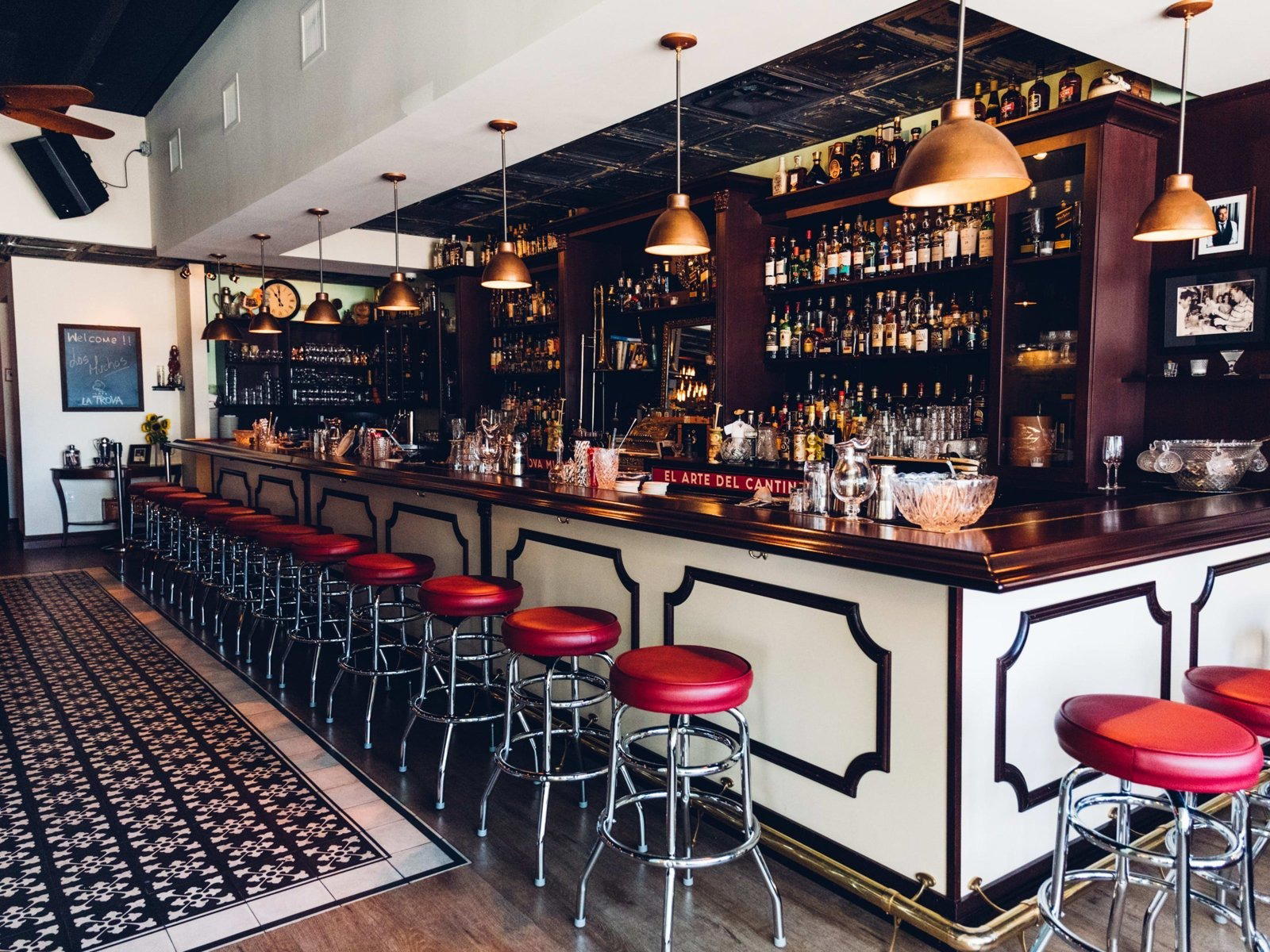
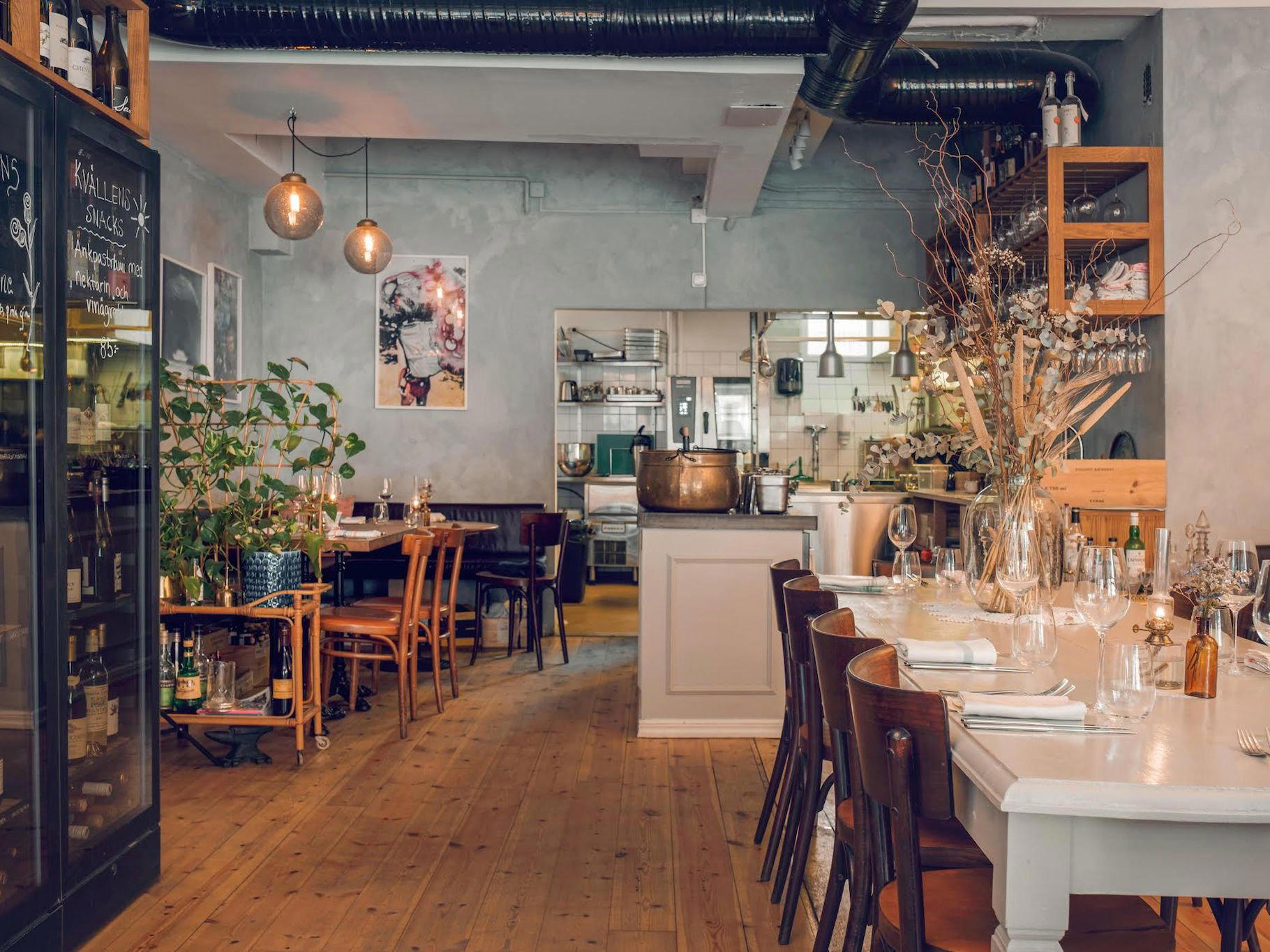
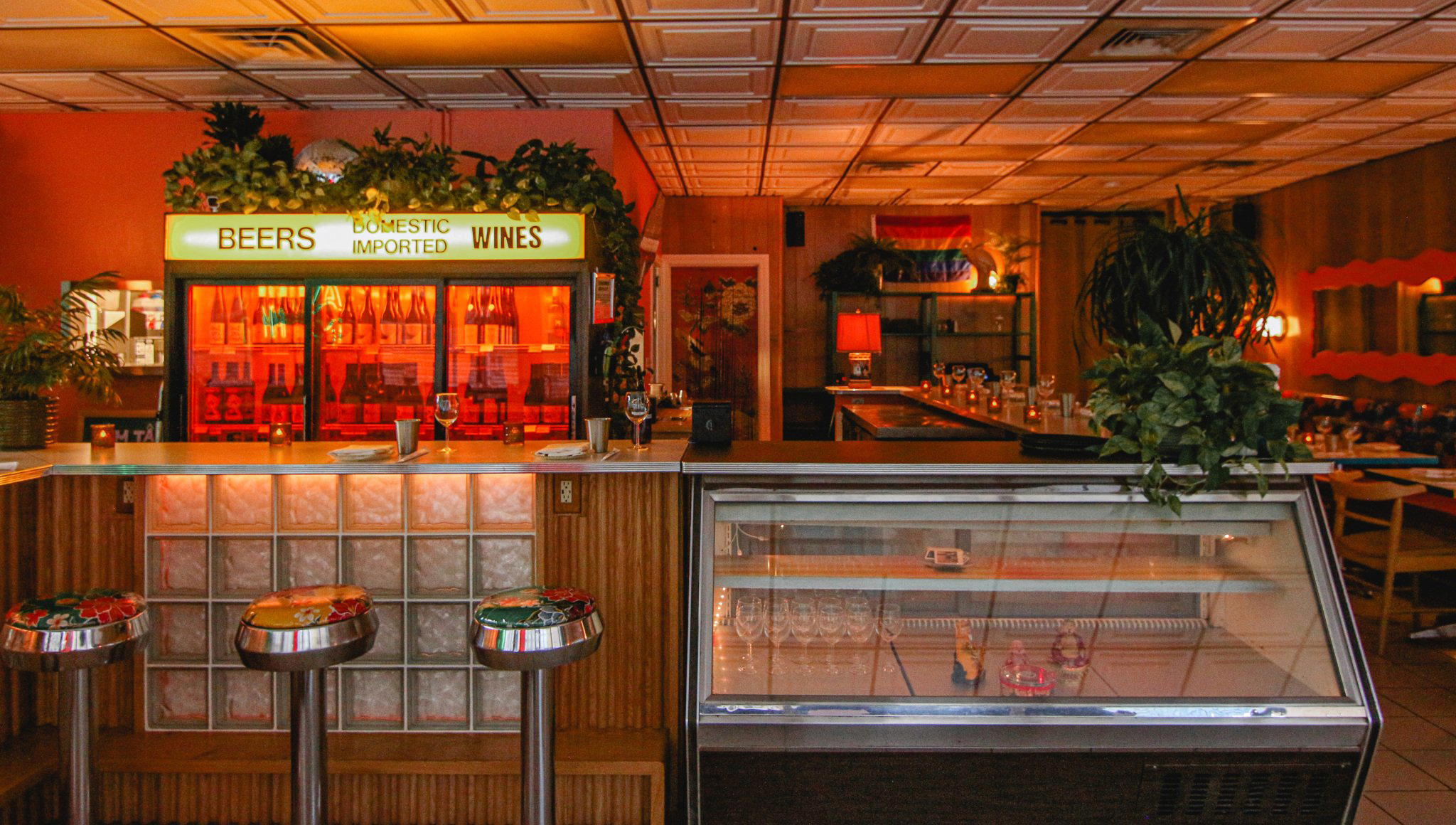
Tight, cozy space with brick walls, exposed ductwork, loud alt-rock music, and mismatched wood furnishings creating an eclectic gastropub atmosphere.
Know Before You Go
- Getting there
- 701 S Miami Ave Suite 421, Miami, FL 33131