Cream Parlor
Cream Parlor sits on Biscayne Boulevard in Miami's Upper Eastside, a stretch where independent operators have quietly replaced vacant storefronts with category-specific concepts. With sparse publicly available data and no listed awards or chef credentials, the parlor operates within a local, neighbourhood-first register that puts it at a different altitude than Miami's decorated dining circuit.
Pearl is the En Primeur Club membership app — saves, bookings, and concierge access live there. Same editors, same standards.
- Address
- 8224 Biscayne Blvd, Miami, FL 33138
- Phone
- +17865344180
- Website
- creamparlor.com
- Directions
- Get directions
 Saves & bookings on Pearl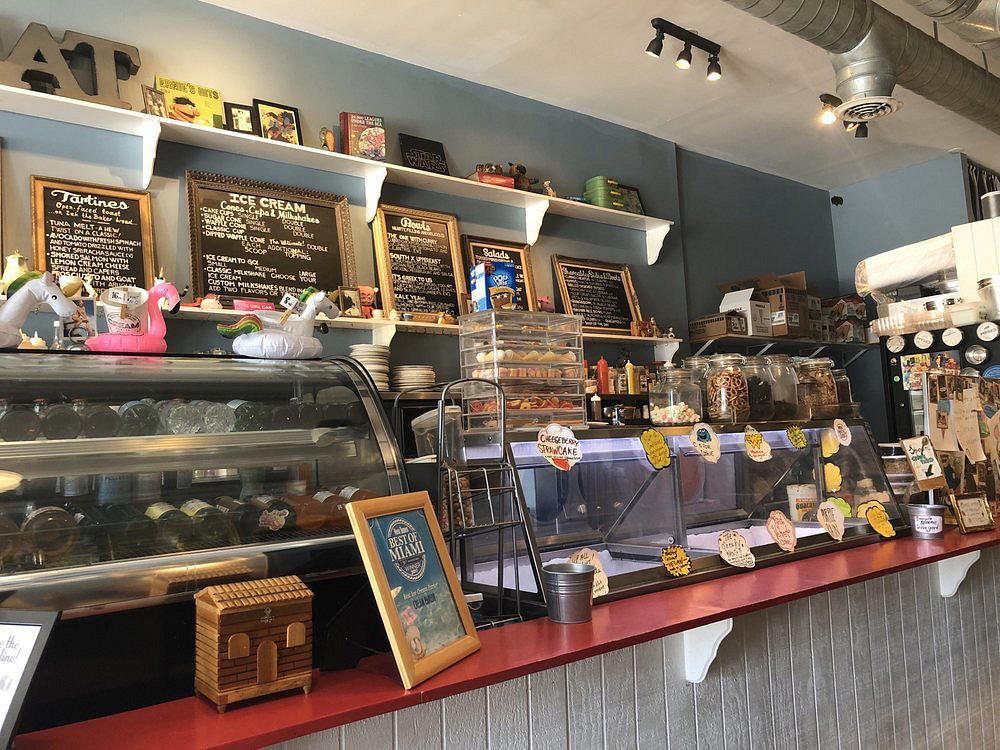
Biscayne Boulevard and the Rise of the Neighbourhood Independent
Upper Eastside Miami has undergone a slow, unglamorous transformation over the past decade. Biscayne Boulevard north of the Design District, once defined by strip motels and auto shops, has attracted a particular kind of operator: independent, category-specific, and drawing a local rather than tourist crowd. Cream Parlor, at 8224 Biscayne Blvd, sits inside this pattern. It is a parlor-format concept on a corridor that increasingly rewards walk-in neighbourhood traffic over reservation-driven destination dining.
The format itself carries a distinct set of assumptions about sourcing and production. Frozen dessert and ice cream operations exist on a wide spectrum, from commodity soft-serve using stabiliser-heavy industrial bases to small-batch producers working with local dairies and seasonal fruit. Where a given parlor lands on that spectrum is not always visible from the outside, but it shapes everything from texture and flavour intensity to the environmental footprint of the product. Miami's climate, with year-round warmth and proximity to South Florida agricultural production, creates conditions where a sourcing-conscious ice cream maker can draw on Florida-grown ingredients with minimal cold-chain distance — a logistical advantage that operators elsewhere in the country do not have in equal measure.
The Sustainability Argument for Small-Format Dessert Concepts
Among the categories where environmental sourcing practices are hardest to verify from the outside, dessert and ice cream are rarely leading of mind. Attention concentrates on protein and produce at full-service restaurants, while pastry and frozen dessert operations often escape scrutiny. That gap matters. Conventional dairy supply chains carry significant carbon and water costs, and ingredient sourcing for premium ice cream, including fruit, nuts, and flavourings, can involve supply lines that run counter to stated sustainability commitments.
The operators who address this most directly tend to work at small scale, with limited menus, and often with named supplier relationships. Across the United States, a cohort of independent ice cream and frozen dessert makers has emerged that approaches production with the same sourcing rigour applied at farm-to-table restaurants. Concepts like Single Thread Farm in Healdsburg and Blue Hill at Stone Barns in Tarrytown have demonstrated how direct agricultural relationships reshape what ends up on the plate at the high end of the dining spectrum. The downstream question is whether similar discipline can be applied at the parlor format, where price points and margins are structurally different.
Miami's food scene has produced its share of sourcing-conscious operators outside the fine dining tier. Ariete, working in the Modern American register, and Boia De, with its tightly edited Italian-leaning menu, have both built reputations partly on product quality and restraint in the mid-to-upper price range. At the parlor level, the calculus is different: lower ticket averages mean that premium sourcing must be absorbed differently, either through higher per-unit pricing, smaller portions, or a rotating menu that tracks ingredient availability rather than locking in fixed year-round offerings.
What the Upper Eastside Format Implies
Neighbourhood parlors on corridors like Biscayne Boulevard tend to operate on foot traffic and repeat local custom rather than editorial-driven destination visits. That positioning is not a limitation so much as a different business model with different sustainability implications. Lower covers, shorter supply lines to the customer, and a local repeat-customer base all reduce the waste and energy costs associated with high-volume tourist-facing operations.
Miami's broader dining conversation, particularly at the level covered by venues like L'Atelier de Joël Robuchon Miami, Cote Miami, and ITAMAE, tends to concentrate on high-ticket, high-production-value concepts. These restaurants sit in a different competitive frame from a neighbourhood parlor and are not useful comparators for Cream Parlor. A more apt reference set would be the independent dessert and specialty food operators scattered across Wynwood, Little Haiti, and the Upper Eastside itself, where the defining question is whether a concept can sustain quality and sourcing standards on a local-business model.
Nationally, the restaurants that have pushed sourcing consciousness furthest into the mainstream of American dining, among them Smyth in Chicago, Lazy Bear in San Francisco, and Providence in Los Angeles, have done so at full-service formats with the pricing to match. The challenge and the opportunity for smaller-format operators is applying that sourcing logic at a price point accessible to a wider cross-section of neighbourhood visitors. For a look at how Miami's full dining circuit maps against these national reference points, see our full Miami restaurants guide.
Know Before You Go
Address: 8224 Biscayne Blvd, Miami, FL 33138
Neighbourhood: Upper Eastside, along the Biscayne Boulevard commercial corridor
Format: Neighbourhood parlor concept
Price Range: Not publicly listed; parlor-format pricing typically runs below Miami's mid-market restaurant tier
Reservations: No booking method listed; walk-in neighbourhood format
Hours: Not published in available data; confirm directly before visiting
Contact / Website: Not currently listed in public records
Nearest Context: Positioned on a corridor that runs between the Design District and Miami Shores, with parking available along Biscayne Boulevard
How Cream Parlor Miami compares with similar nearby venues.
| Venue | Cuisine | Price |
|---|---|---|
| Grand Central | Contemporary | $$$ |
| San Lorenzo Ristorante | Italian (no-menu surf or turf tasting) | Not listed |
Continue exploring
More in Miami
Restaurants in Miami
Browse all →

At a Glance
- Cozy
- Whimsical
- Classic
- Casual Hangout
- Family
- Brunch
- Group Dining
- Standalone
- Terrace
- Beer Program
- Local Sourcing
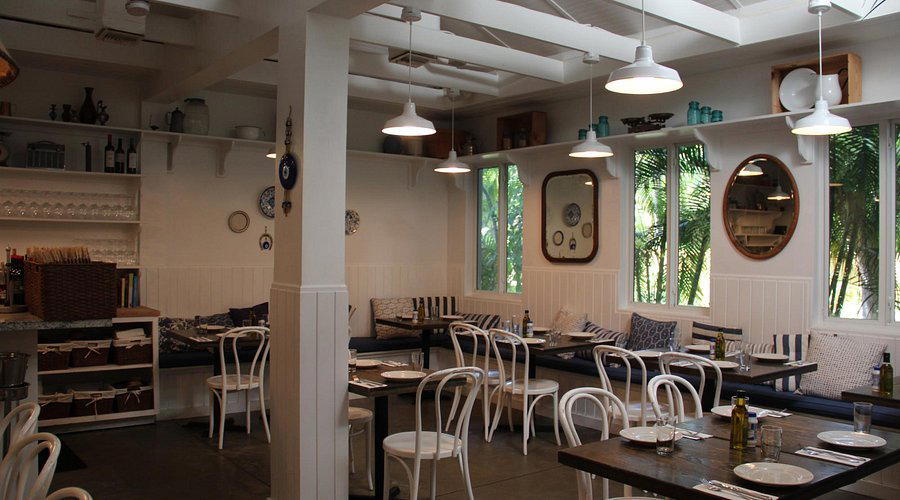
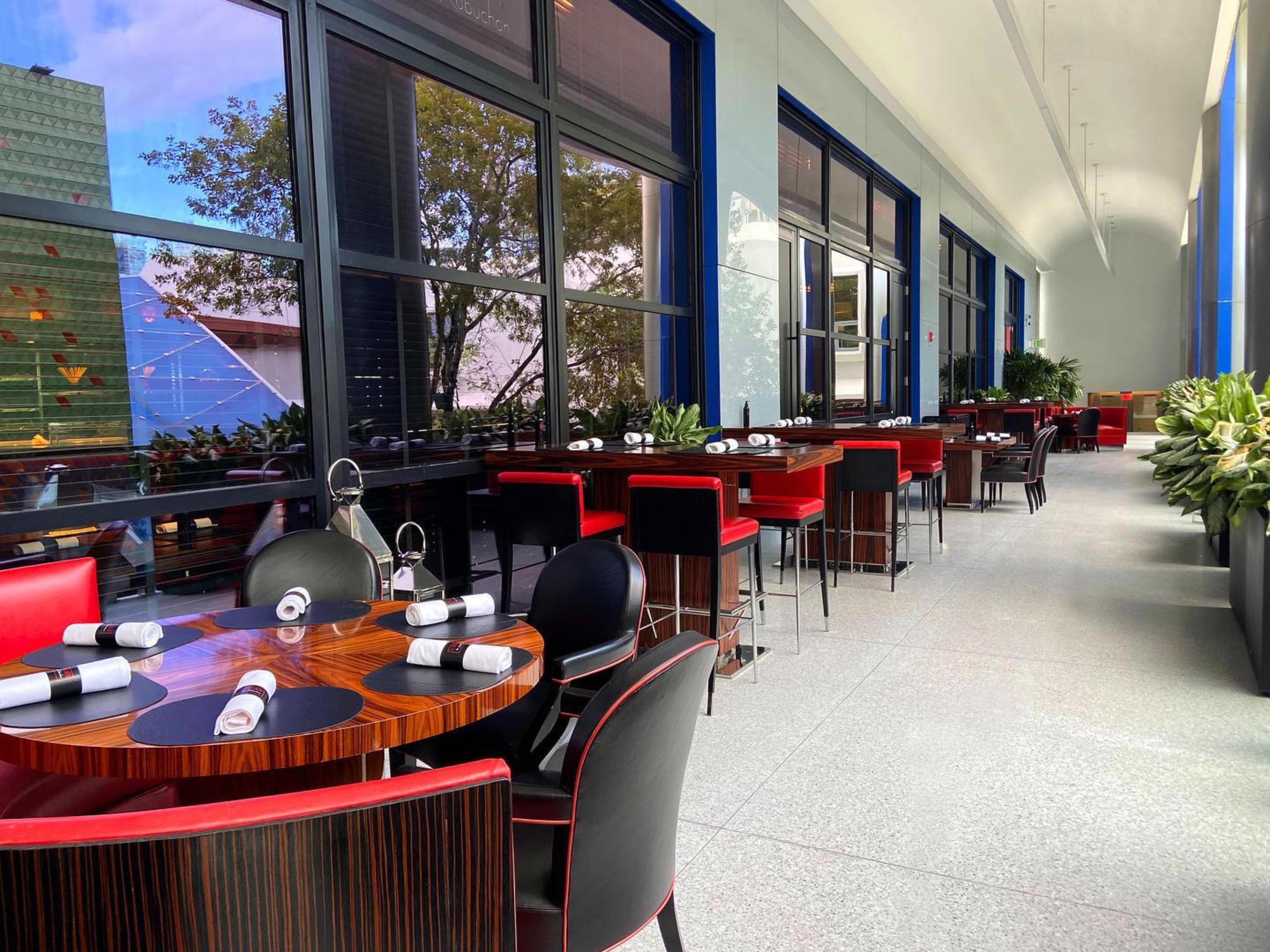
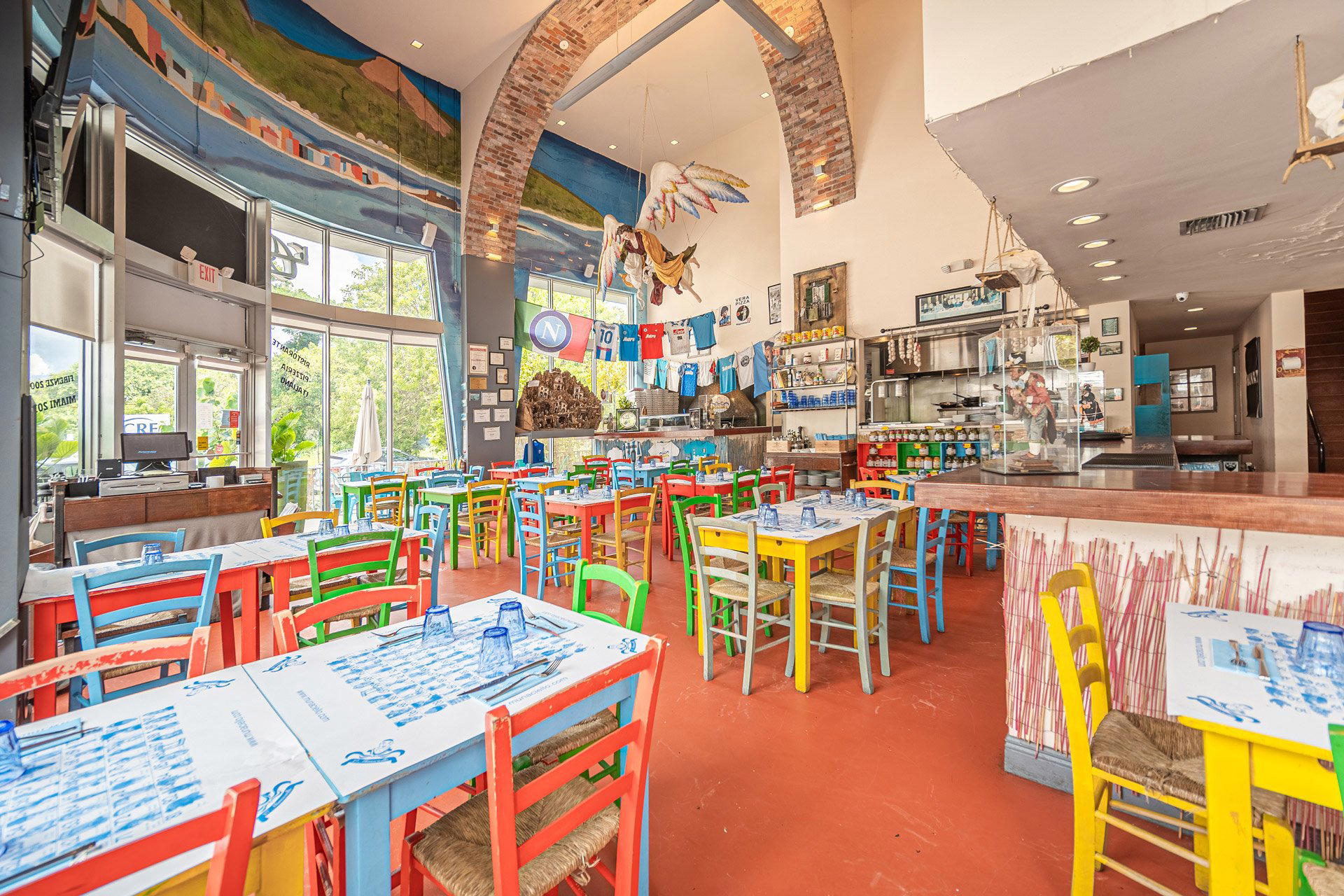
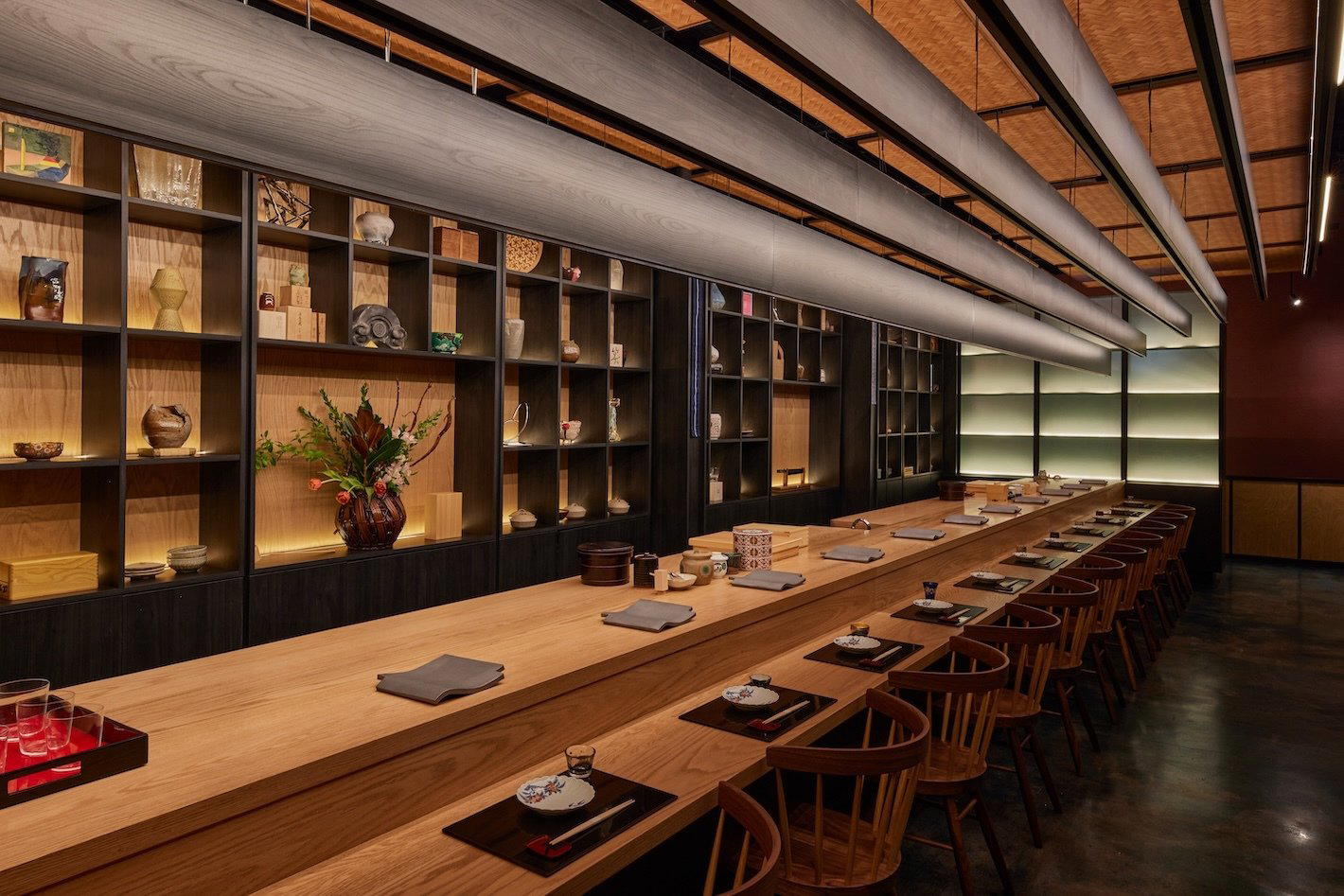
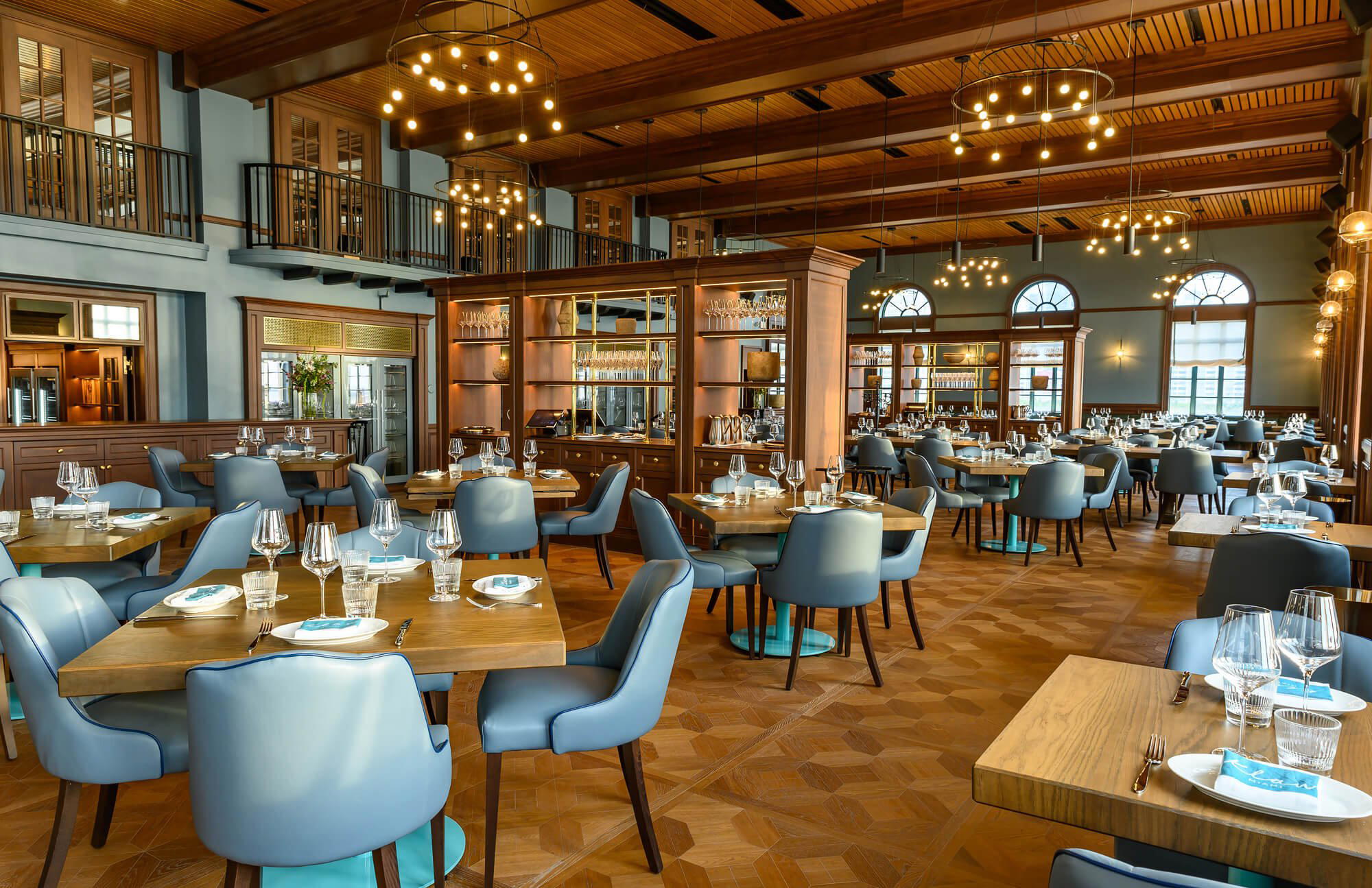
Bright robin egg blue interior with vintage finds, mismatched china, and nostalgic curiosities creating a warm, welcoming, kitschy atmosphere with natural lighting from the storefront.
Know Before You Go
- Getting there
- 8224 Biscayne Blvd, Miami, FL 33138