Our verdict
Morning Glory sits on Nguyễn Thái Học, one of Hoi An's most walked streets in the ancient town, where Vietnamese home cooking meets the town's long tradition of feeding curious travellers well. Among Hoi An's mid-range dining addresses, it draws repeat visitors through a focus on regional Central Vietnamese dishes in a setting that balances accessibility with genuine local character.

Pearl is the En Primeur Club membership app, where members save venues, book tables and use the concierge.
The menu
What to order
- White Rose Dumplings
- Stuffed Squid
- Green Mango Salad with Pork & Prawns
Nguyễn Thái Học and the Cooking That Defines It
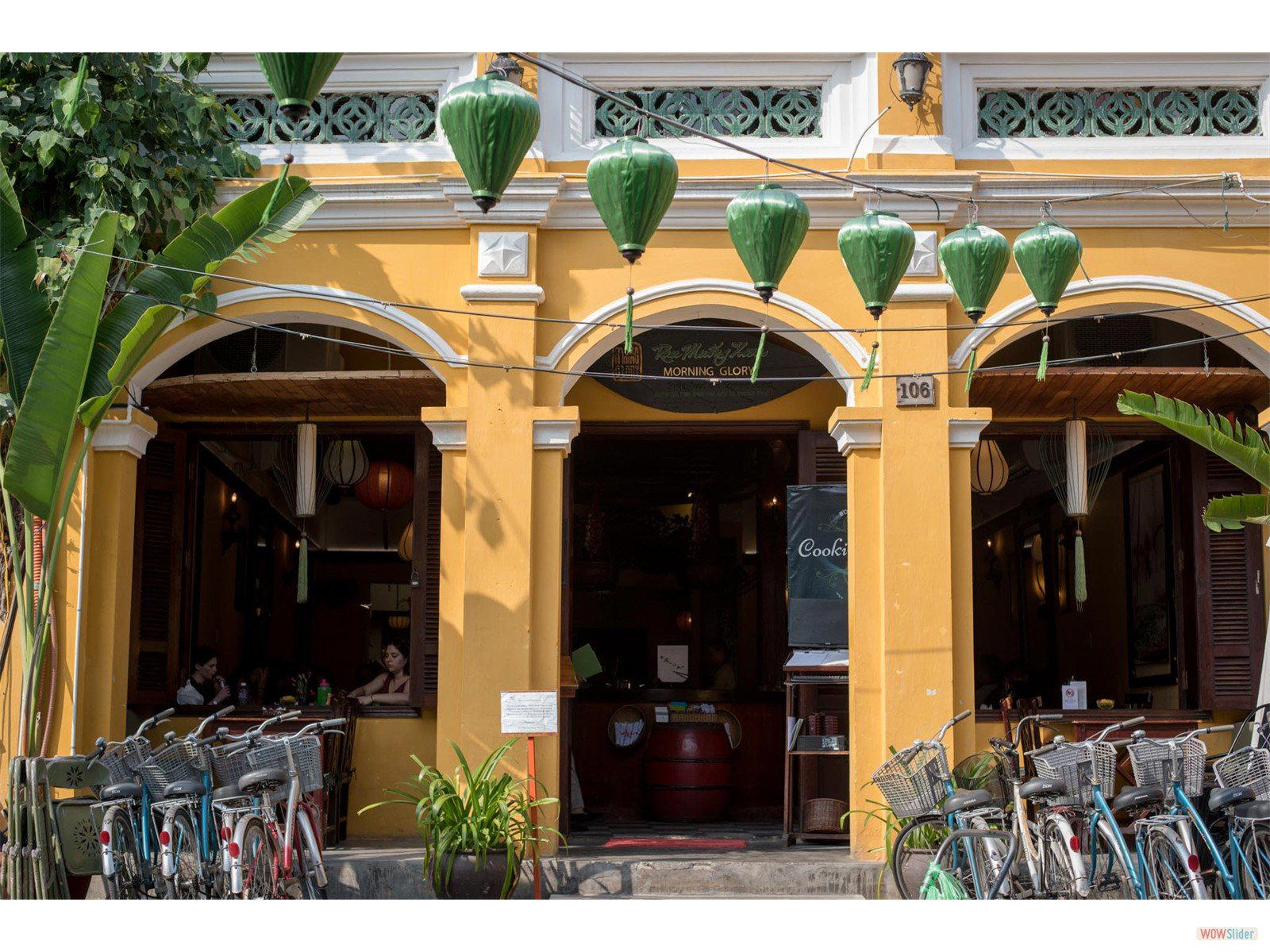
There is a particular kind of street in Hoi An's ancient town where the old trading-house architecture and the smell of lemongrass exist in the same breath. Nguyễn Thái Học is one of them. Running close to the Thu Bon River and within easy walking distance of the lantern-lit core of the UNESCO World Heritage zone, it has become one of the town's more consistent addresses for food that is recognisably Vietnamese rather than adapted for an international palate. Morning Glory sits at number 106 on this street, and its position matters: the ancient town's dining scene has stratified over the past decade into tourist-facing approximations of local food on one end and genuinely research-driven Vietnamese cooking on the other. This address belongs closer to the latter.
Hoi An has always been a cooking town. Its geography as a former international trading port, Chinese merchants, Japanese traders, French colonists, layered influences onto Central Vietnamese cuisine in ways that produced dishes you don't find elsewhere in the country. White rose dumplings, cao lầu noodles made with water reportedly drawn from a specific local well, the banh mi tradition that draws dedicated queues at addresses like Banh Mi Phuong (Hoi An) and Bánh Mì Phượng: these are not generic Vietnamese dishes dressed up for export. They are products of a specific place. The restaurants worth visiting in this town are the ones that treat that specificity seriously.
The Ancient Town as Dining Context
The ancient town's dining scene is compact enough to walk in an afternoon, but it rewards knowing which streets carry the more serious kitchens. Nguyễn Thái Học runs parallel to Trần Phú, which is heavier with souvenir shops, and the contrast is instructive. The Thái Học side pulls a different crowd: longer tables, repeat visits from guests staying nearby, fewer picture menus on the pavement. Morning Glory operates in that context, where the setting does much of the editorial work. The shophouse format common to this part of Hoi An, narrow frontage, deep interior, upper floors that once housed merchant families, gives the dining rooms on this street a verticality and intimacy that larger riverside restaurants can't replicate.
For visitors arriving from Da Nang (roughly 25 kilometres north, or around 45 minutes by road), Hoi An's ancient town is typically the first point of orientation. Those coming for a longer stay tend to structure their eating around the town's signature dishes rather than individual restaurants. Morning Glory fits that pattern: it is a place to return to rather than a single-visit destination, which puts it in the same practical category as Before and Now and 42 Đường Phan Bội Châu on the town's repeat-visit dining circuit.
Central Vietnamese Cooking in a Town That Takes It Seriously
The broader argument for Hoi An as a food destination rests on Central Vietnamese cuisine's claim to being the most complex regional tradition in the country. Where southern Vietnamese cooking leans on sweetness and northern cooking on restraint and clarity, the central tradition, shaped by the former imperial capital Huế to the north and the trading-port culture of Hoi An itself, produces dishes that are simultaneously more intricate and more herbaceous. The balance of fermented shrimp paste, fresh herbs, slow-cooked broths, and textural contrast in dishes like bún bò Huế or the town's own white rose speaks to a cooking culture that developed over centuries under specific geographical and cultural pressures.
Morning Glory operates in that tradition, making it a useful comparison point against the kind of Vietnamese food available in major international cities. The gap between what Hoi An's better kitchens produce and what travels well enough to appear on menus in London or Sydney is significant. Dishes built around cao lầu noodles, with their distinctively chewy texture and char-grilled pork, are specifically tied to local ingredients and local technique in a way that makes them resistant to faithful reproduction elsewhere. Eating them on Nguyễn Thái Học, rather than in a restaurant abroad that references them, is a different experience entirely.
For a sense of how Hoi An's food culture sits within the broader Vietnamese dining conversation, it is worth comparing the informal, ingredient-led approach here against the more formal interpretations of Vietnamese cuisine at addresses like Gia in Hanoi or Akuna in Ho Chi Minh City. Those restaurants apply contemporary restaurant structure to Vietnamese ingredients; Hoi An's better kitchens tend to work in the opposite direction, letting the ingredients and local tradition set the terms. La Maison 1888 in Da Nang represents yet another register, where French fine dining technique meets Vietnamese produce at the luxury end of the regional spectrum. Morning Glory occupies a different tier entirely: accessible, locally grounded, and priced for the town's broad visitor base rather than a narrow premium segment.
Planning a Visit
The ancient town of Hoi An is navigable on foot, and 106 Nguyễn Thái Học is reachable within a short walk from the central market and the Japanese Covered Bridge. The street is generally busy in the early evening as the lanterns come on across the town, which is also peak time at the town's more popular dining addresses. Arriving before 6pm or after 8pm gives a more settled experience. Hoi An's ancient town charges an entrance fee for visitors staying outside the zone, though most hotels within the core area provide passes. The town is bicycle-friendly, and most guesthouses rent bikes by the day, which is a practical way to move between addresses like Morning Glory and other spots on the dining circuit, including 115 Đ. Trần Cao Vân. For a fuller map of where Morning Glory sits among the town's options, our full Hoi An restaurants guide covers the range from street-level specialists to the town's more formal dining rooms.
Frequently asked questions
Is Morning Glory suitable for children?
Morning Glory sits on Nguyễn Thái Học in Hoi An's ancient town, a pedestrian-friendly street that suits families navigating the area on foot. Central Vietnamese cooking features rice-based dishes and fresh herb platters that tend to work across age groups, though the menu specifics are best confirmed on arrival. The setting is a dining room rather than a fine-dining counter, which keeps the atmosphere approachable for mixed-age groups.
What kind of setting is Morning Glory?
The restaurant occupies a heritage trading-house address at 106 Nguyễn Thái Học, one of the central streets of Hoi An's UNESCO-listed ancient town. The format is a sit-down dining room rather than a street stall, placing it in the mid-register of the local scene between hawker stands and the town's more formal operations. The surrounding architecture and street character are as much part of the experience as the food itself.
Does Morning Glory in Hoi An focus on a specific regional Vietnamese cooking tradition?
Morning Glory operates within Central Vietnamese cuisine, the regional tradition most closely associated with Hoi An and the former imperial capital of Hue further north. This tradition is distinguished by its layered use of fermented and fresh condiments, its rice-based staples, and dishes, like cao lầu, whose ingredients are argued to be inseparable from the town itself. For visitors comparing Hoi An's dining options, that regional specificity is what separates the more serious kitchens on Nguyễn Thái Học from the broader tourist-facing food strip along the riverfront.
What's the signature dish at Morning Glory?
What the restaurant is broadly associated with is Central Vietnamese cooking, a regional tradition that includes dishes like cao lầu and white rose dumplings, both of which are closely tied to Hoi An and rarely replicated with the same ingredients outside the town. Confirming the current menu directly with the restaurant is the most reliable approach.
How do I find Morning Glory?
Morning Glory is located at 106 Nguyễn Thái Học, Phường, Hội An, Đà Nẵng, Vietnam, Hoi An.
Can I walk in to Morning Glory?
Walk-in availability at 106 Nguyễn Thái Học is not formally documented, but Hoi An's ancient town dining scene operates across a wide spread of visitor hours, and midweek or early-service arrivals typically encounter shorter waits. The restaurant's location near the central market and the Japanese Covered Bridge means it draws consistent foot traffic, so peak weekend evenings may require a wait. Checking ahead through the venue directly is the safest approach if timing is fixed.
What's the standout thing about Morning Glory?
The address is the clearest anchor: 106 Nguyễn Thái Học places the restaurant inside Hoi An's ancient town proper, where the cooking tradition and the built environment reinforce each other in a way few Vietnamese cities can replicate. Central Vietnamese cuisine, the regional category Morning Glory works within, is widely regarded among food writers as the country's most technically layered regional tradition, and Hoi An is the town most identified with its preservation. That combination of location and culinary specificity is what draws visitors who have already eaten their way through Hanoi and Ho Chi Minh City.
The Short List
Comparable venues nearby, for context on price, style, and recognition.
| Venue | Cuisine | Price | Notes |
|---|---|---|---|
| Morning GloryThis venue (the venue you are viewing) | Authentic Hoi An Vietnamese Street Food | $10–20 | Not listed |
| Seashell by Nu Eatery | Modern Vietnamese Fusion Tapas | $10–20 | Hoi An Old Town, Modern Vietnamese Fusion Tapas |
| Cầu An Bàng | Vietnamese Seafood | $10–20 | An Bang Beach, Vietnamese Seafood |
| Red Bridge Cooking School, Restaurant, and Villa - Hoi An Riverside | Modern Vietnamese | $20–30 | Cam Thanh, Modern Vietnamese |
| White Rose (Bông Hồng Trắng) | Traditional Hội An Dumplings | $1–10 | Old Town, Hoi An White Rose Dumplings |
| Mai Fish Restaurant | Traditional Vietnamese Family-Style | $10–20 | Minh An Ward, Traditional Vietnamese Family-Style |
Continue exploring
More in Hoi An
Restaurants in Hoi An
All restaurants in Hoi An →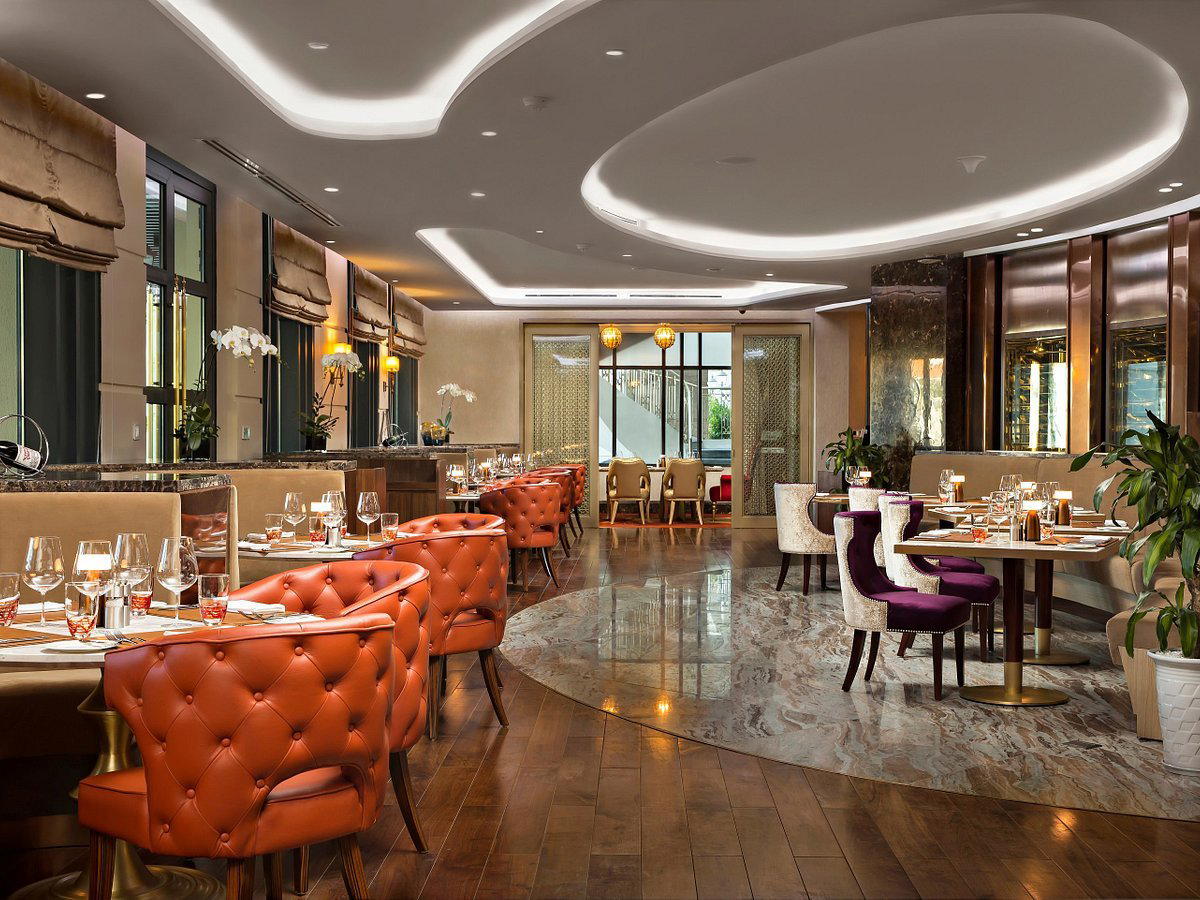
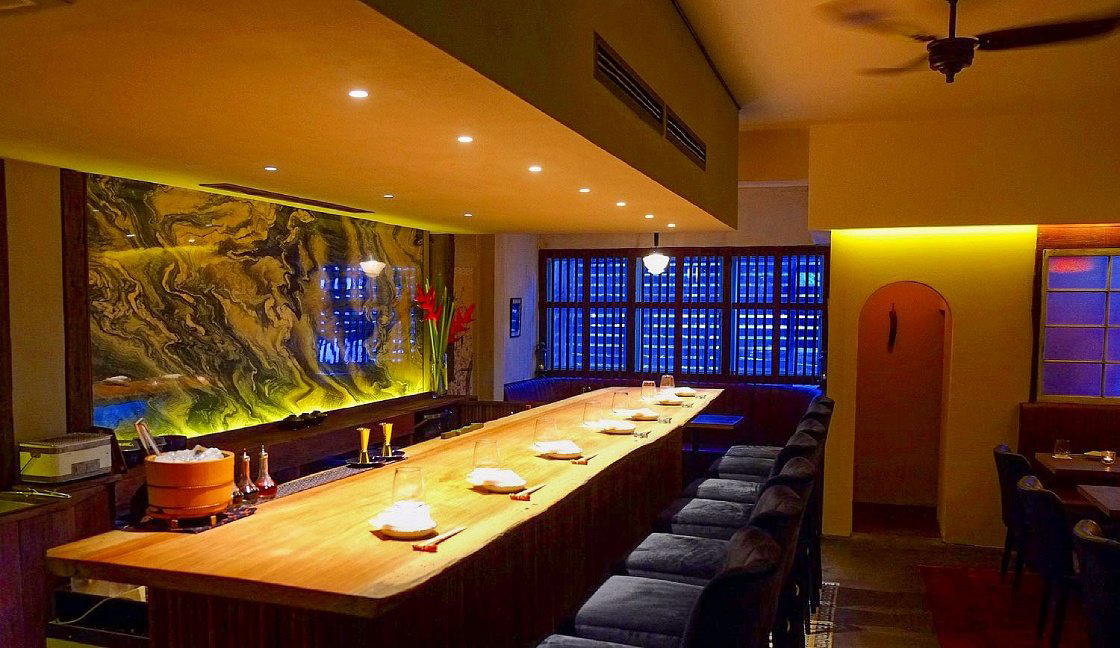
Bars in Hoi An
All bars in Hoi An →
Details
- Rustic
- Cozy
- Classic
- Family
- Casual Hangout
- Group Dining
- Standalone
- Local Sourcing
- Street Scene
- A La Carte
- Vegetarian Friendly
- Vegan Options
- Gluten Free Options
Current opening hours
- Monday
- 11 AM–10 PM
- Tuesday
- 11 AM–10 PM
- Wednesday
- 11 AM–10 PM
- Thursday
- 11 AM–10 PM
- Friday
- 11 AM–10 PM
- Saturday
- 11 AM–10 PM
- Sunday
- 11 AM–10 PM
Hours can change for holidays and private events. Hours as of .
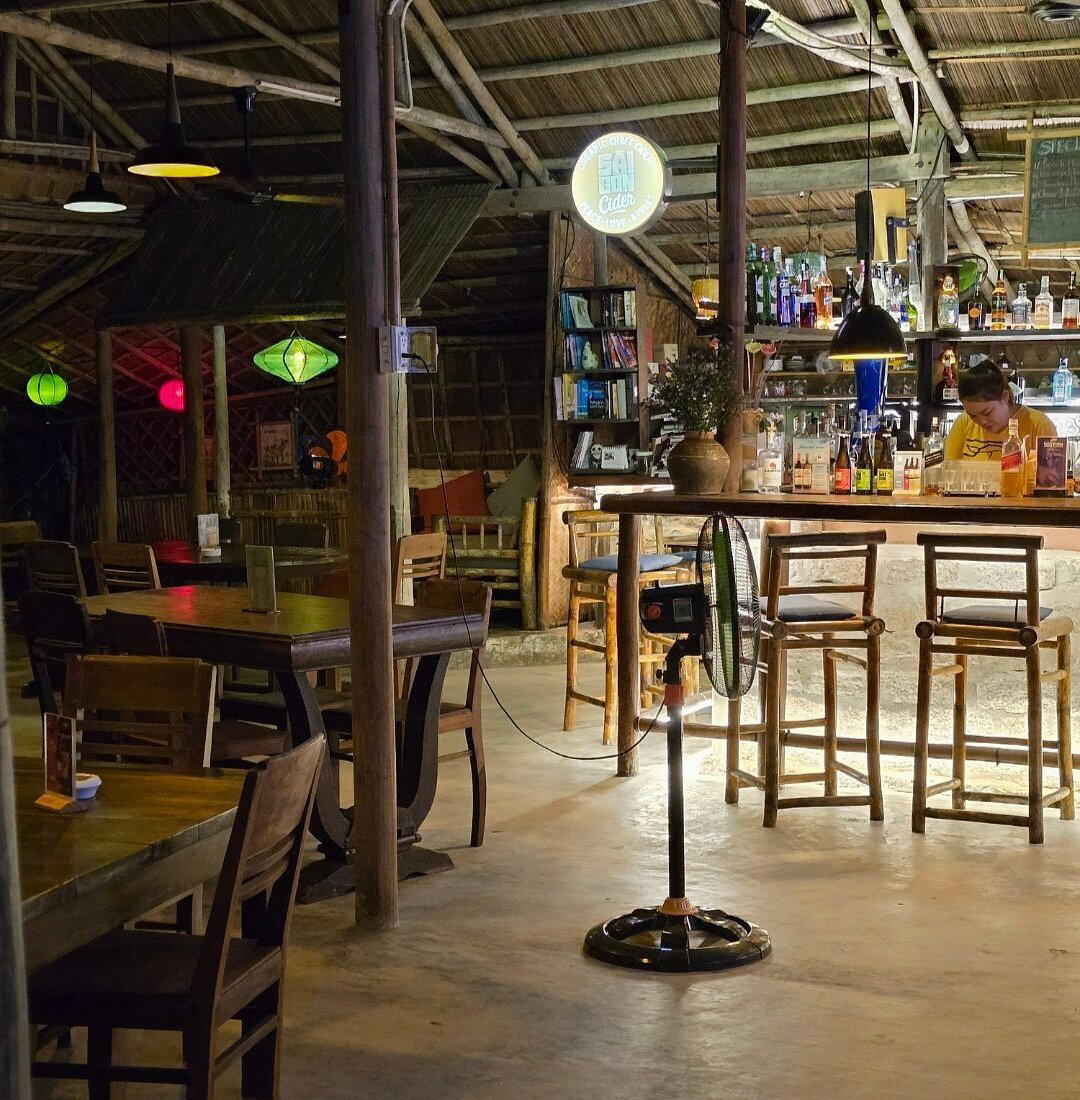
Comfortable restaurant atmosphere blending traditional Vietnamese elements with a welcoming, cozy vibe.