Morgenstern's BANANAS
Our verdict
The shop's positioning around banana-forward offerings connects to a broader conversation in the city about ethical sourcing, single-origin produce, and what a dessert counter can actually stand for beyond the scoop in the cup.

Pearl is the En Primeur Club membership app, where members save venues, book tables and use the concierge.

The menu
What to order
- Salted Peanut Butter Soft Serve
- Banana Caramel
- New God Flow
- King Kong Banana Split
- Ube Cookies n' Cream
The Lower East Side and the Ethics of the Scoop
New York's dessert counter scene has fractured along a familiar fault line over the past decade. On one side sit the high-volume, Instagram-optimised operations built around novelty formats and rotating viral items. On the other, a smaller cohort of shops has pushed in the opposite direction, anchoring their identity in ingredient provenance, reduced waste, and a more considered relationship with the supply chain that puts fruit on the counter.
The banana as a primary organising ingredient is itself a sustainability statement, though not an obvious one. Bananas are among the most transported, most wasted, and most ecologically fraught fruits in the global supply chain. A shop that foregrounds the banana is either ignoring that complexity or engaging with it directly. The positioning of Morgenstern's BANANAS suggests the latter orientation, placing the venue in a conversation that extends well beyond the dessert category into questions of sourcing ethics, agricultural transparency, and what it means to build a food concept around a single ingredient with such a complicated global footprint.
Where It Sits in New York's Dessert Tier
The dessert and ice cream counter market in New York separates into roughly three tiers. The first is the mass-market chain, present on nearly every commercial block in Manhattan. The second is the artisan or boutique operation, typically independent, with a focused menu and some stated commitment to ingredient quality. The third, smaller tier is the concept-led shop that uses format, ingredient philosophy, or cultural specificity to position itself apart from the artisan mainstream. Morgenstern's BANANAS operates in that third space, where the conceptual frame around a single ingredient carries as much weight as the product itself.
For comparison, the city's most decorated dining addresses, from Le Bernardin to Masa to Per Se, have spent years building the case that ingredient sourcing is the foundation of serious cooking. That same logic, applied at the dessert counter level, is what distinguishes a concept like this from a generic scoop shop. The argument is not that a banana dessert belongs in the same conversation as a tasting menu at Atomix or Jungsik New York, but that the underlying principle, sourcing with intention and reducing waste through disciplined use of a single ingredient, is the same one that drives the city's most serious kitchens.
The Sustainability Frame: Why Single-Ingredient Focus Matters
Across American food cities, the sustainability conversation at restaurants has shifted from broad gestures toward specific, verifiable commitments. At Blue Hill at Stone Barns in Tarrytown, the farm-to-table relationship is so tightly integrated that the menu is literally determined by what is growing on the property. At Single Thread Farm in Healdsburg, the sourcing calendar drives the entire tasting format. These are full-service, high-investment operations, but the underlying logic, reduce distance, reduce waste, know your source, applies at every price point.
A dessert concept built around a single fruit takes that logic in a different direction. The discipline of working with one primary ingredient forces efficiency: there is less room for over-ordering, less tolerance for inconsistency in supply, and a stronger argument for building supplier relationships that prioritise ethical growing practices. The banana's complicated agricultural history, associated with monoculture farming, labour disputes, and significant carbon costs in refrigerated shipping, means that a shop foregrounding the banana either confronts those issues or sidesteps them. The more thoughtful operations in this space make sourcing transparency part of the offering itself.
This is the same orientation that drives serious farm-to-table programmes at places like Providence in Los Angeles and Addison in San Diego, where the provenance story is not an afterthought but a core part of the editorial identity of the restaurant. Applied to a dessert counter, it raises the question of whether casual-format venues can carry the same rigour, and the answer, increasingly, is that the format is less important than the commitment.
The Lower East Side as Context
The LES has functioned for decades as an entry point for independent food operators who lack the capital for Midtown or the West Village but bring a stronger point of view than the neighbourhood's earlier incarnations suggested. A dessert concept with a clear ingredient philosophy fits that context more naturally than it would in a more polished zip code.
For visitors building a day around the neighbourhood, the Lower East Side rewards the kind of sequential eating that starts with a market or specialty food stop and builds toward a longer meal. The area is walkable from the financial district and a short distance from Soho, making it a natural addition to a broader downtown itinerary. Those planning a more comprehensive New York dining programme should consult our full New York City restaurants guide for context on how the LES fits into the city's broader culinary geography. Given the venue's walk-in format typical of dessert counters in this category, queuing at peak times, particularly weekend afternoons, is a realistic expectation rather than an exception. Those with specific dietary questions or looking to confirm current hours are advised to check directly through the venue's own channels before visiting, as operating schedules for independent dessert operations in New York can shift seasonally.
The LES works well as a standalone afternoon destination or as a dessert stop appended to a broader downtown eating day. For those interested in how other American cities are handling the sustainability and sourcing conversation at the restaurant level, Emeril's in New Orleans, Lazy Bear in San Francisco, Alinea in Chicago, The French Laundry in Napa, Bacchanalia in Atlanta, and The Inn at Little Washington each offer a different lens on what ingredient ethics looks like at the fine dining level. For international reference points, 8 1/2 Otto e Mezzo Bombana in Hong Kong and Alain Ducasse at Louis XV in Monte Carlo show how the sourcing conversation plays out in different regulatory and agricultural environments.
Frequently asked questions
What's the signature dish at Morgenstern's BANANAS?
The venue's identity is built around banana-forward desserts, with the banana as the anchoring ingredient across the menu.
Do they take walk-ins at Morgenstern's BANANAS?
Dessert counters in New York's artisan tier almost universally operate on a walk-in basis rather than a reservations model. If you are visiting during a busy period, particularly weekend afternoons in warmer months, a short queue is likely. The LES location means foot traffic is generally lower than comparable venues in Soho or the West Village, which works in the visitor's favour.
What do critics highlight about Morgenstern's BANANAS?
The venue's editorial positioning centres on the concept itself rather than conventional critical metrics like Michelin recognition, which is not part of the dessert counter category in New York. The critical conversation around shops like this tends to focus on ingredient sourcing, conceptual coherence, and how well the format delivers on its stated premise rather than on tasting-menu-style execution.
Can Morgenstern's BANANAS handle vegetarian requests?
Banana-based dessert formats are inherently plant-forward, and the core offering is likely compatible with vegetarian and in many cases vegan dietary requirements. For confirmed allergen information or specific dietary needs, contacting the venue directly is the appropriate step, as formulations can change and dairy use in frozen desserts varies by preparation.
Is Morgenstern's BANANAS overpriced or worth every penny?
Concept-driven dessert counters in New York's independent tier typically price above mass-market chains but below the dessert courses at tasting-menu restaurants. The value question at venues like this turns on whether the sourcing and concept warrant the premium over a standard scoop shop, a judgement that depends on how much the provenance story matters to the individual visitor.
What makes Morgenstern's BANANAS different from other New York dessert shops with a sustainability focus?
The specificity of the banana as a central organising ingredient separates this concept from broader farm-to-table dessert operations that rotate their focus across seasonal produce. Building a shop's identity around a single fruit with a well-documented agricultural and ethical complexity, rather than defaulting to whatever is in season locally, is a more constrained and in some ways more demanding creative position. It places the venue in a niche of dessert operations that are as much about ingredient advocacy as about the product on the counter, a category that remains small within New York's wider food scene.
Reputation Context
Comparable venues nearby, for context on price, style, and recognition.
| Venue | Cuisine | Price | Notes |
|---|---|---|---|
| Morgenstern's BANANASThis venue (the venue you are viewing) | Artisanal Soft Serve & Non-Dairy Ice Cream | $10–20 | Not listed |
| Westville East | Vegetable-Forward American Comfort | $20–30 | East Village |
| Back Forty | Farm-to-Table American | Not listed | East Village |
| Malibu Farm | California Farm-to-Table | Not listed | Financial District-Battery Park City |
| Empire Diner | Modern American Diner | $30–50 | Chelsea-Hudson Yards |
| Bea | American Comfort Food | $30–50 | Hell's Kitchen |
Continue exploring
More in New York City
Restaurants in New York City
All restaurants in New York City →
Bars in New York City
All bars in New York City →
Details
- Whimsical
- Well Known
- Trendy
- Energetic
- Casual Hangout
- Solo
- Family
- Design Destination
- A La Carte
- Vegan Options
Current opening hours
- Monday
- 12 PM–12 AM
- Tuesday
- 12 PM–12 AM
- Wednesday
- 12 PM–12 AM
- Thursday
- 12 PM–12 AM
- Friday
- 12 PM–12 AM
- Saturday
- 12 PM–12 AM
- Sunday
- 12 PM–12 AM
Hours can change for holidays and private events. Hours as of .
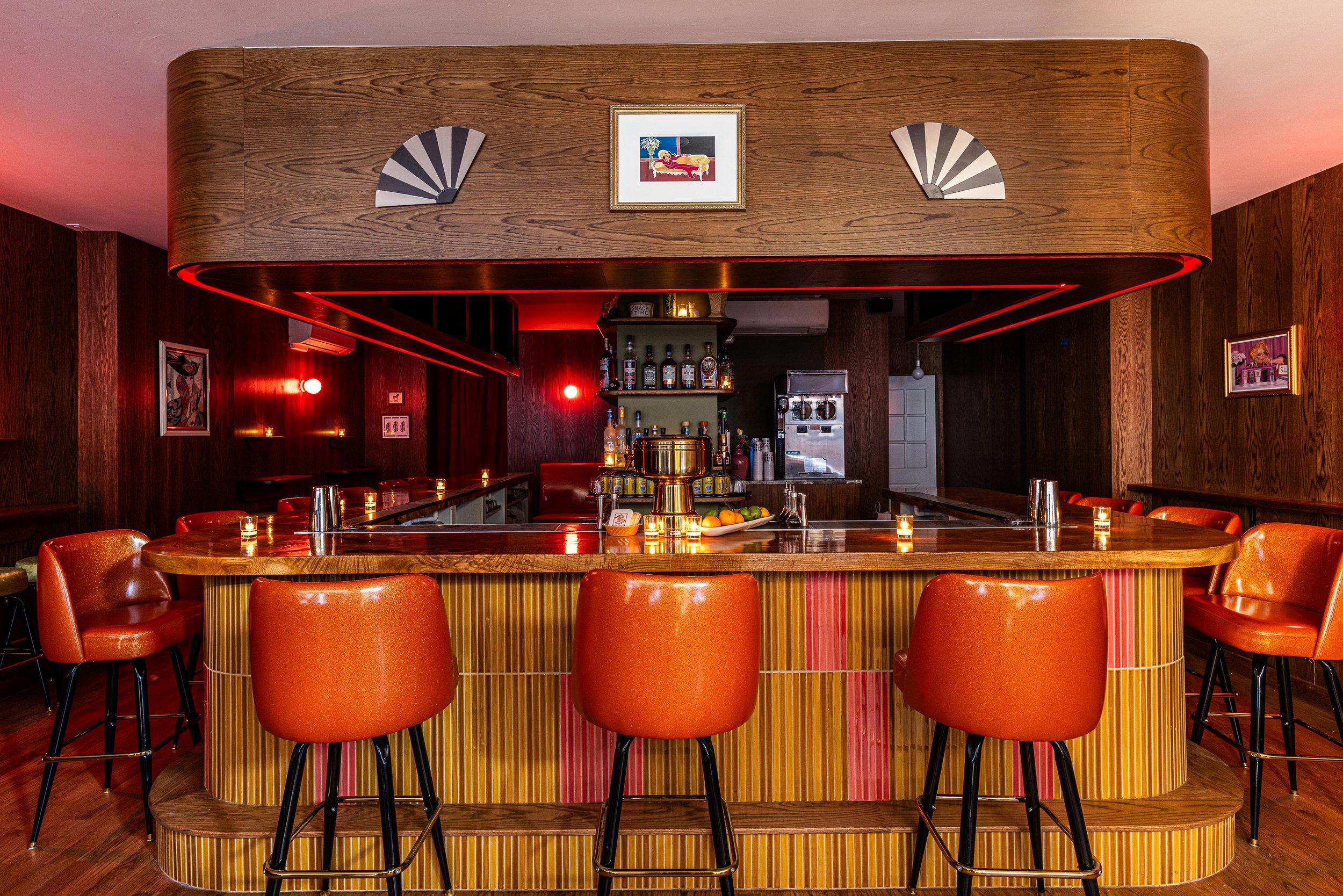
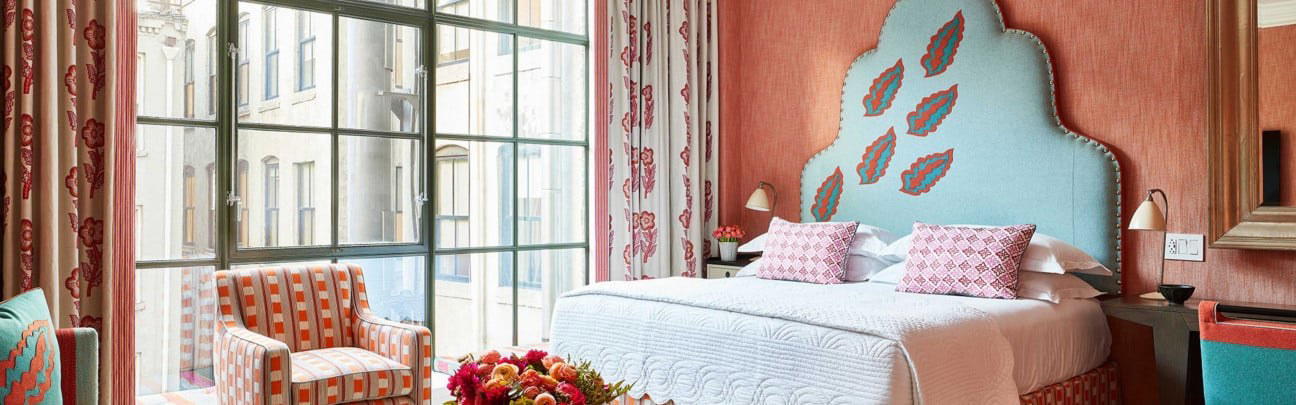
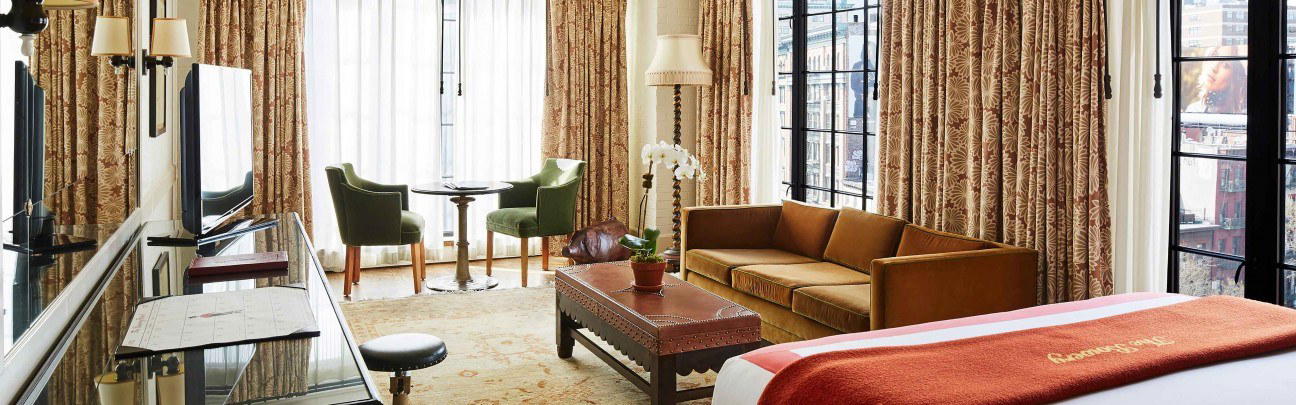
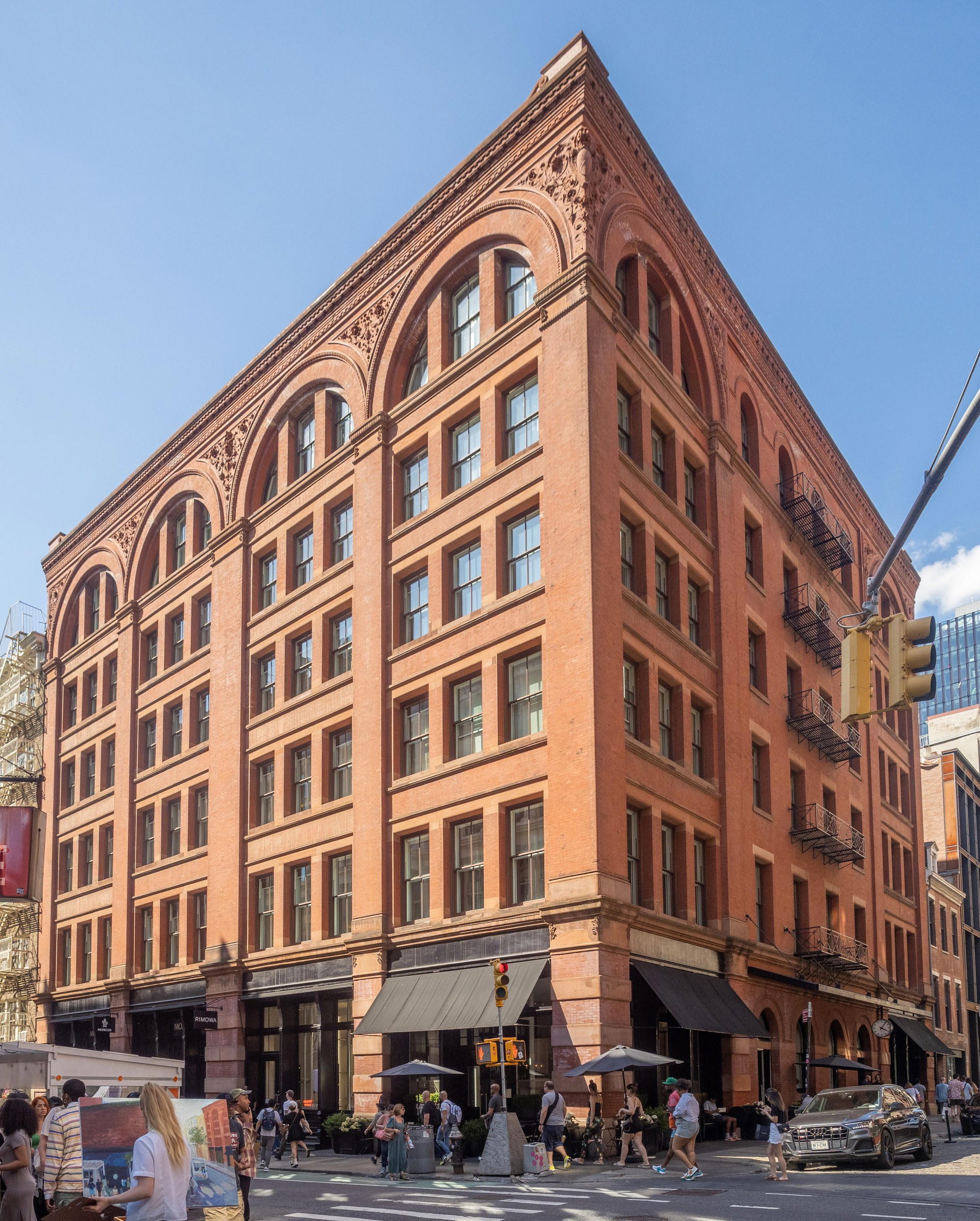
Aggressively cheerful retro aesthetic with bright yellow facade, checkerboard floors, banana-yellow counter, and staff in yellow hats and aprons evoking a nostalgic 1969 boardwalk vibe.