Malibu Farm
Malibu Farm at 89 South Street brings the California farm-to-table ethos to the edge of the East River, where the harbour light and open-air setting create a distinct counterpoint to Manhattan's indoor dining culture. The menu tracks seasonal produce and coastal simplicity rather than tasting-menu ambition, positioning it as a mid-market option in a downtown waterfront corridor otherwise defined by tourist traps and chain outposts.
- Address
- 89 South St, New York, NY 10038
- Phone
- +19179794811
- Website
- malibufarm.nyc
- Directions
- Get directions
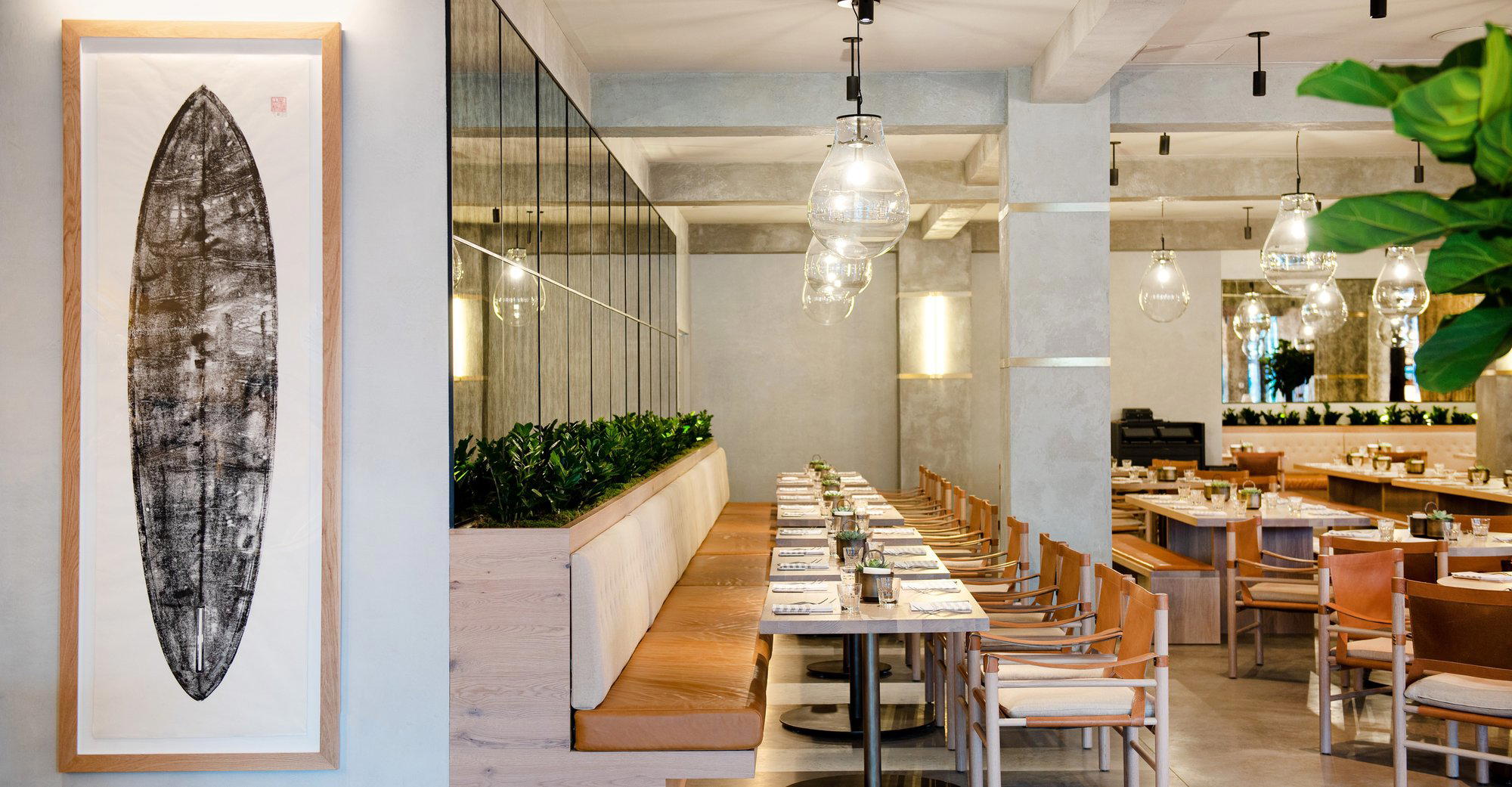
Where the Harbour Comes In
Lower Manhattan's waterfront has never been an obvious destination for serious eating. The Seaport district runs on foot traffic, and for years that meant a dining scene calibrated to volume over intention. What makes Malibu Farm at 89 South Street worth attention is precisely how it holds a different register in that environment: open sight lines to the water, natural materials, and a menu philosophy rooted in California coastal simplicity. The light alone changes the atmosphere. On clear afternoons, the harbour reflection moves across the room in a way that most Manhattan dining rooms spend millions trying to replicate through artificial means.
The Sensory Baseline of a Farm-to-Table Room
Farm-to-table as a category has been diluted by overuse, but the format still carries a specific sensory signature when executed with some discipline: earthy, uncluttered plating; natural textiles and wood surfaces that absorb rather than amplify noise; a tempo that slows because the menu itself rewards attention rather than transaction speed. Malibu Farm's South Street location inherits that signature from its California origin, where the original restaurant sits closer to actual farmland than most concepts trading the same language. The translation to New York involves a trade-off that every coast-transplanted restaurant faces: the produce supply chains are different, the ambient energy is different, and the customer arriving off the Fulton Street subway is not the same as the one walking barefoot off a Malibu beach. What carries across is the visual grammar of the space and the structural commitment to lighter, produce-forward cooking in a borough that defaults to protein-heavy indulgence.
Sound levels at waterfront venues in this corridor tend to run lower than in the more compressed dining rooms uptown or in the West Village, partly because exterior views give the eye somewhere to rest, which reduces the social pressure to perform conversation at volume. That acoustic quality is not incidental. It shapes how long people stay, how they pace their ordering, and whether a meal becomes an event or an errand.
Context in the New York Dining Tier
To understand where Malibu Farm sits, it helps to map what it is not. The heavy institutional end of New York fine dining runs through rooms like Le Bernardin, Per Se, and Masa, where tasting menus and long booking windows define the competitive set. Korean-led fine dining at Atomix or Jungsik New York occupies a parallel tier of technical precision and conceptual ambition. The restaurant operates on a different axis entirely: accessible price points, walk-in-friendly seating at certain hours, and a menu that does not demand prior research or a dress-code deliberation. That positioning is a design choice, not a deficit. New York needs mid-register venues that perform reliably in specific contexts, and the Seaport waterfront is one of those contexts.
The Farm-to-Table Format Across American Cities
The restaurant's founding logic belongs to a broader American movement that has produced serious operations at multiple price points and in multiple cities. Blue Hill at Stone Barns in Tarrytown takes the farm relationship to its most literal and expensive expression, with on-site agriculture feeding a tasting menu that changes at the pace of the growing season. Single Thread Farm in Healdsburg integrates farm, restaurant, and inn into a single hospitality proposition. On the West Coast, Providence in Los Angeles applies similar seasonal discipline to seafood at the fine-dining tier. The difference with the restaurant is accessibility: it enters the conversation without tasting-menu commitment or extended lead times.
That accessibility places it in an interesting comparative conversation with restaurants like Emeril's in New Orleans and Bacchanalia in Atlanta, both of which built regional identity around produce-led cooking without locking guests into a single prix fixe format. The conceptual ambition differs, but the customer logic is similar: diners who want intention and sourcing consciousness without theatrical formality.
At the highest tier of American farm-integrated dining, The French Laundry in Napa and Alinea in Chicago operate with entirely different stakes and structures. Lazy Bear in San Francisco and Addison in San Diego show how California culinary values travel into more formal formats. The Inn at Little Washington in Virginia builds the full country-house arc around seasonal sourcing at the luxury end. Internationally, the sourcing-led philosophy extends to rooms like 8 1/2 Otto e Mezzo Bombana in Hong Kong and Alain Ducasse at Louis XV in Monte Carlo, where ingredient provenance is a central part of the editorial proposition. The restaurant sits far from those price points and structural commitments, but the underlying argument about food origin connects the whole spectrum.
Planning a Visit
The restaurant at the Seaport is located at 89 South Street, New York, NY 10038, in the Seaport District, accessible from the Fulton Street station on the A, C, J, Z, 2, 3, 4, and 5 lines. The waterfront setting makes timing consequential: midday and weekend afternoon slots benefit most from the harbour light and views, while evening visits trade that brightness for a quieter ambient pace as foot traffic in the district decreases. Walk-in capacity and reservation availability shift by season, with summer weekends drawing the highest demand from both tourists and Seaport regulars. Check current booking status directly with the venue before planning a visit. Dress: Casual. Budget: Mid-market by New York standards. No awards data on record at time of publication.
Price and Positioning
Comparable venues nearby, for context on price, style, and recognition.
| Venue | Cuisine | Price | Notes |
|---|---|---|---|
| Malibu FarmThis venue — the venue you are viewing | Not listed | $$ | Not listed |
| Soho Diner | Not listed | $$ | SoHo-Little Italy-Hudson Square, Modern American Diner |
| Two Boots Pizza East Village | East Village, Cajun-Italian Fusion Pizza | $$ | Not listed |
| 232 Bleecker | West Village, Vegetable-Forward American | $$ | Not listed |
| Russ & Daughters Brooklyn | Not listed | $$ | Brooklyn Navy Yard, Jewish Deli Appetizing |
| Diner | Williamsburg, Classic American Diner | $$ | Not listed |
Continue exploring
More in New York City
Restaurants in New York City
Browse all →
Bars in New York City
Browse all →
Hotels in New York City
Browse all →






At a Glance
- Scenic
- Trendy
- Lively
- Energetic
- Brunch
- Casual Hangout
- Group Dining
- Date Night
- Waterfront
- Terrace
- Panoramic View
- Craft Cocktails
- Farm To Table
- Organic
- Local Sourcing
- Sustainable Seafood
- Waterfront
- Skyline
Bright, casual, and lively with an indoor-outdoor layout overlooking the water and docked tall ships; fast-paced energy with a relaxed Southern California aesthetic.