Our verdict
On West 43rd Street in Midtown Manhattan, Bea occupies a corner of the city where Hell's Kitchen meets the Theater District, a neighborhood whose dining scene has shifted considerably over the past decade toward more considered, destination-worthy cooking. Positioned among New York's serious independent restaurants, Bea draws visitors and locals alike who want something more deliberate than pre-theater convenience.

Pearl is the En Primeur Club membership app, where members save venues, book tables and use the concierge.

Hell's Kitchen and the New Midtown Table
For much of New York's dining history, the blocks west of Times Square functioned as a transit zone: restaurants built around pre-theater curtain times, high turnover, and tourist foot traffic. That calculus has changed. Hell's Kitchen and the western stretch of 43rd Street now house a more varied dining population, one that includes serious independent operators alongside the neighborhood staples. Bea, at 403 West 43rd Street, sits within that shift, a restaurant whose address once would have signaled compromise but now fits within a broader story about where considered cooking is taking root in Midtown.
That repositioning of the neighborhood matters for understanding how to read Bea against its peers. The question for any independently operating restaurant in this corridor is how it prices and programs relative to the Midtown dining tier anchored by venues like Le Bernardin, Per Se, and Masa, all of which operate at the top of the city's formal dining register. Bea functions at a different scale and with a different register of ambition, one that belongs to a growing category of New York restaurants that prioritize specificity over ceremony.
The Atmosphere and What It Signals
In a city where dining rooms often declare their intentions loudly through design, the bare concrete of the downtown natural wine bar, the hushed linen formality of the classic French room, the atmosphere of a West 43rd Street address carries its own set of cues. The Theater District adjacency brings a particular energy to evening service: the ticking clock of curtain times, the particular mix of visitors who are seeing the neighborhood for the first or fifteenth time, and the regulars who have found reason to return independent of whatever is playing nearby.
Atmospherically, restaurants in this part of Midtown tend to fall into one of two camps. The first is the transactional: efficient rooms built to turn tables before eight o'clock. The second is the more recent arrival, places that work against the neighborhood's reputation for convenience-first dining by creating an environment that rewards slower, more attentive visits. The sensory contract that a restaurant makes with its guests at the door is often the clearest signal of which camp it occupies. Noise levels, lighting temperature, the pace at which the room moves: these are not incidental details but deliberate editorial choices about what kind of experience the kitchen is trying to support.
For New York restaurants operating in the middle of the city's price and prestige spectrum, the competition for atmosphere and attention is arguably more demanding than it is at either extreme. The very high end, where Eleven Madison Park and Atomix operate, can rely on the gravity of occasion to do a portion of the atmospheric work. Neighborhood restaurants in lower Manhattan have density of foot traffic and cultural cachet working in their favor. Midtown independents have to generate their own pull, largely through word of mouth and the quality of repeat visits.
Situating Bea in a Wider American Fine Dining Conversation
The serious independent restaurant, not a chef-group satellite, not a hotel dining room, not a brand extension, occupies a particular place in American dining right now. Across the country, operations like Lazy Bear in San Francisco, Smyth in Chicago, Providence in Los Angeles, and Addison in San Diego have demonstrated that restaurants outside the legacy fine dining frameworks can accumulate critical attention and loyal followings by committing to a point of view and executing it with consistency. Seasonal operators like Single Thread Farm in Healdsburg and farm-rooted institutions like Blue Hill at Stone Barns in Tarrytown have extended that conversation into ingredient sourcing and land relationships.
In New York, the independent restaurant operates under additional pressure: real estate costs, labor market competition from larger groups, and the perpetual need to remain legible to a dining public that has more options than any other American city. Restaurants like The French Laundry in Napa and The Inn at Little Washington have the advantage of destination status, diners travel to them as the primary purpose of a trip. A Midtown Manhattan restaurant must compete for that same level of intention against the full weight of the city's dining options.
Internationally, the question of what sustains a serious independent restaurant over time has been answered with particular clarity by places like Dal Pescatore in Runate and Atelier Moessmer Norbert Niederkofler in Brunico, operations where geographic identity and generational continuity provide the through-line. American city restaurants, without that kind of rootedness, build longevity differently: through critic relationships, award recognition, and the accumulation of a neighborhood or city-wide reputation. For a venue operating on West 43rd Street, proximity to the Theater District provides a reliable baseline audience, but the restaurants that last beyond their first five years in New York tend to be the ones that have found a reason for locals to return.
For broader context on how Bea fits within the full range of New York's dining options, our full New York City restaurants guide covers the city's neighborhoods and price tiers in depth. Comparable commitments to regional craft and seasonal cooking can also be found at Frasca Food and Wine in Boulder and Emeril's in New Orleans, both of which have built durable identities in markets where the dining public rewards consistency and a clear point of view.
Planning Your Visit
Address: 403 W 43rd St, New York, NY 10036. Timing: The Theater District's pre-curtain rush peaks between 5:30 and 7:00 pm on weekday evenings; arriving outside that window typically allows for a more relaxed pace of service. Getting there: The Port Authority Bus Terminal and several subway lines (A, C, E at 42nd Street) place the restaurant within direct reach of most Manhattan neighborhoods and outer-borough transit corridors. Dress: Budget:
Frequently asked questions
What do people recommend at Bea?
Is Bea reservation-only?
What do critics highlight about Bea?
Is Bea allergy-friendly?
Is Bea overpriced or worth every penny?
How does Bea fit into the wider Hell's Kitchen dining scene, and is it suited to a standalone dinner rather than a pre-theater stop?
The Quick Read
Comparable venues nearby, for context on price, style, and recognition.
| Venue | Cuisine | Price | Notes |
|---|---|---|---|
| BeaThis venue (the venue you are viewing) | American Comfort Food | $30–50 | Not listed |
| Planet Hollywood New York | Classic American | $30–50 | Midtown-Times Square, Classic American |
| Dishes | American Deli | Not listed | Midtown-Times Square, American Deli |
| Cafe Skye | Elevated American Bar Food | $20–30 | Lower East Side, Polished American Bar Food |
| FREEHOLD | American Gastropub | Not listed | Williamsburg, American Gastropub |
| Emmy Squared Pizza: Williamsburg, Brooklyn | Detroit-Style Pizza | Not listed | Williamsburg, Detroit-Style Pizza |
Continue exploring
More in New York City
Restaurants in New York City
All restaurants in New York City →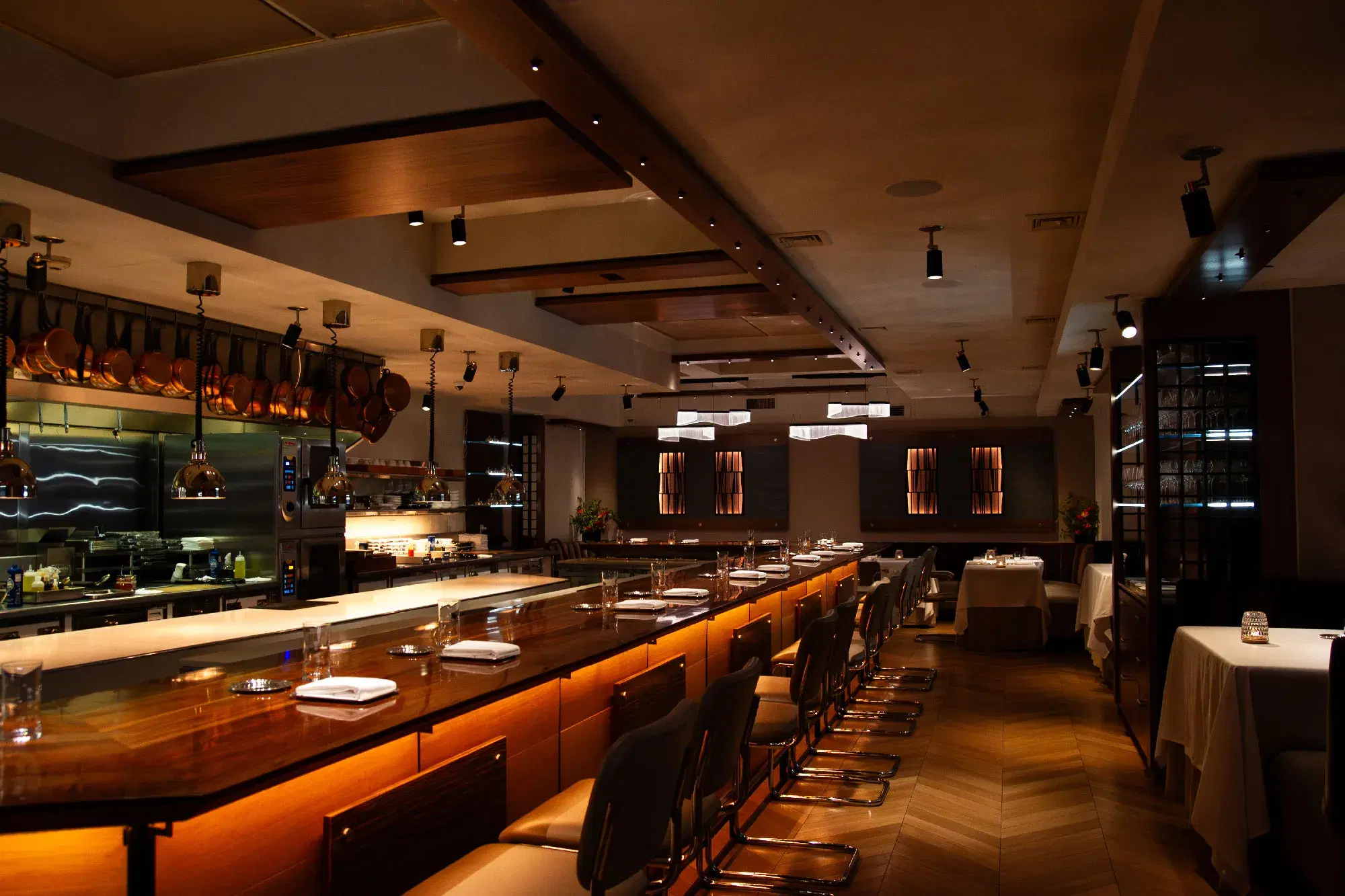
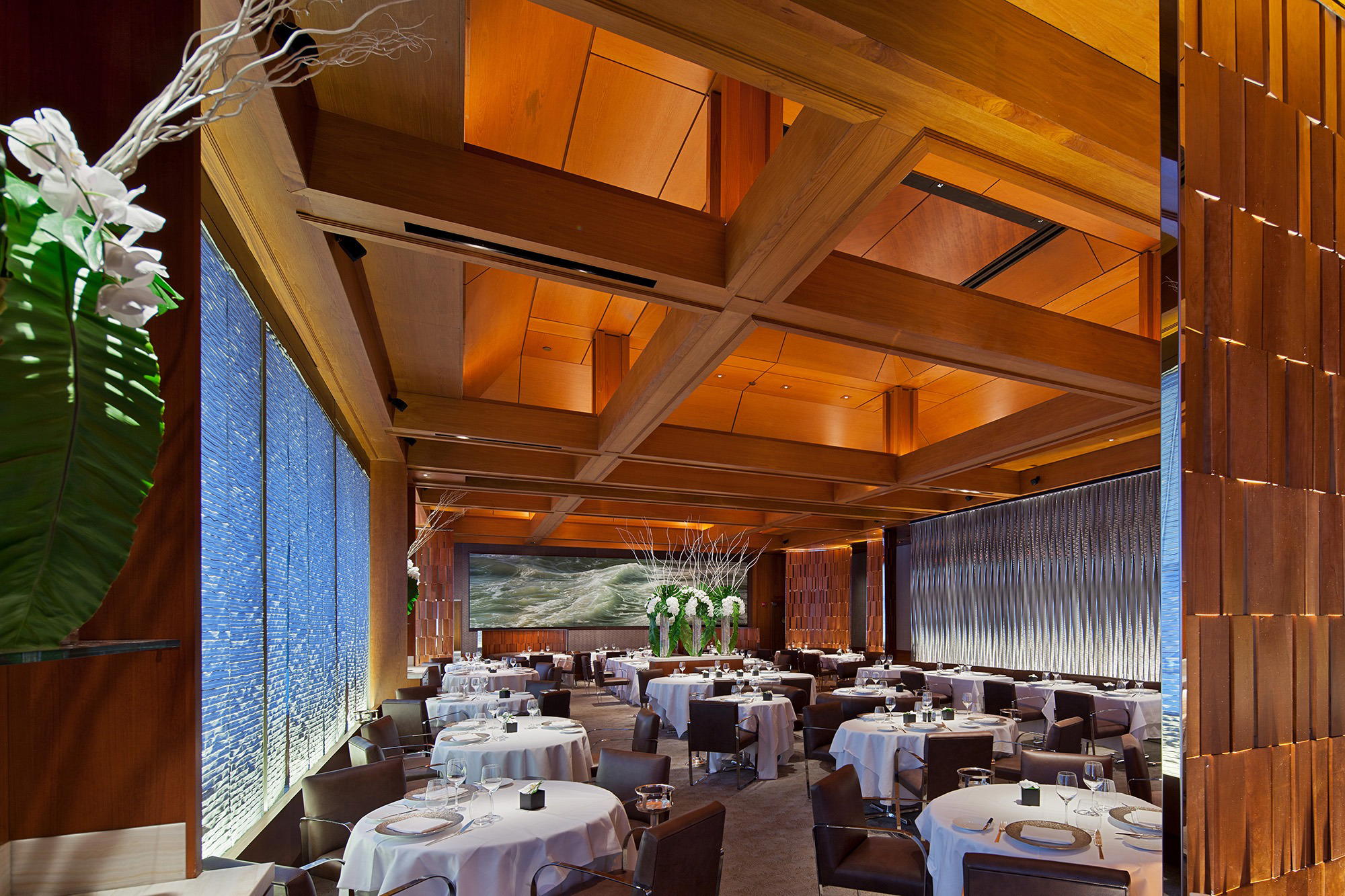
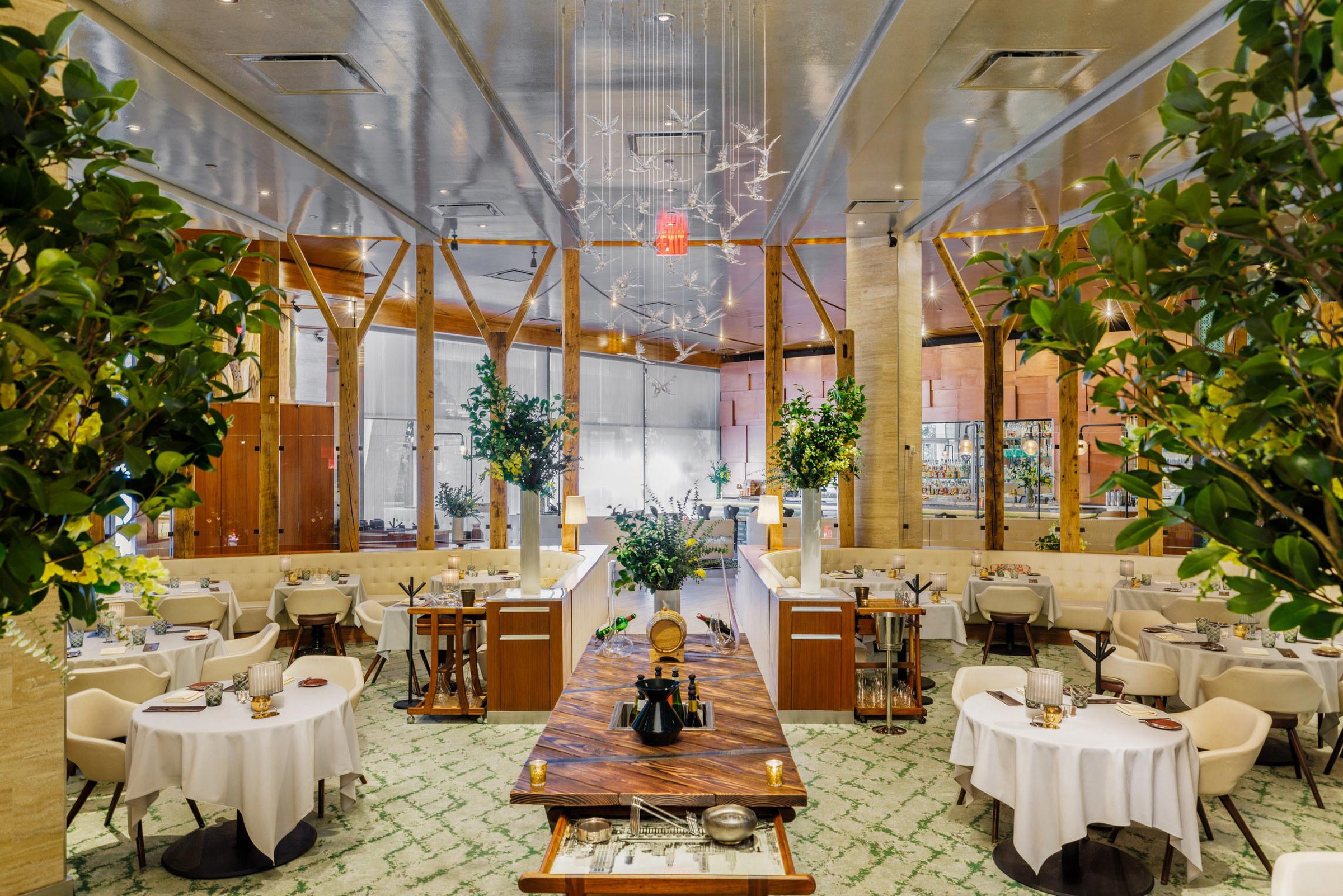
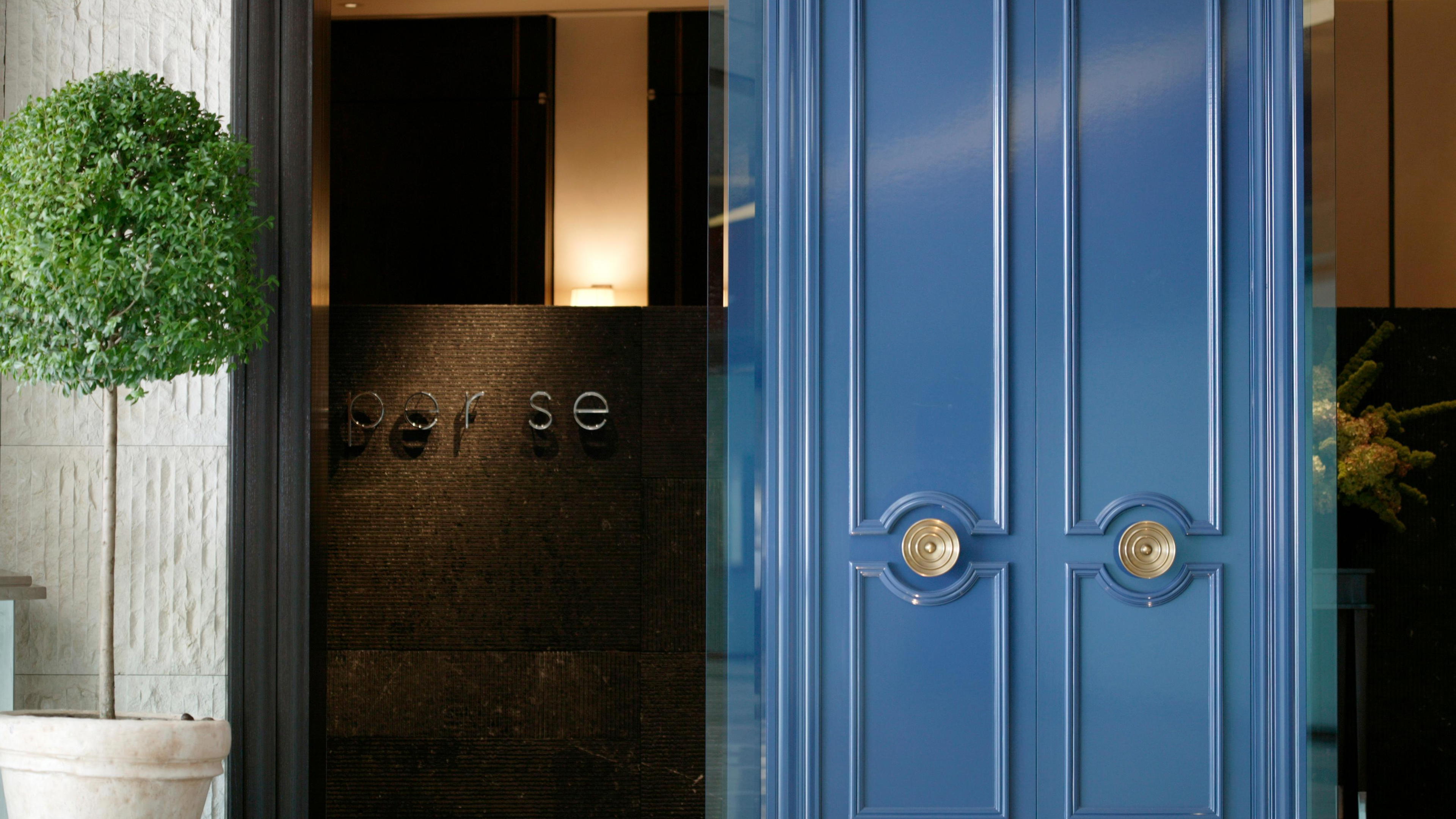
Bars in New York City
All bars in New York City →
Details
- Cozy
- Lively
- Trendy
- Date Night
- Casual Hangout
- After Work
- Live Music
- Craft Cocktails
- A La Carte
- Craft Cocktails
- Vegetarian Friendly
- Vegan Options
- Gluten Free Options
Current opening hours
- Monday
- 5 PM–2 AM
- Tuesday
- 5 PM–2 AM
- Wednesday
- 5 PM–2 AM
- Thursday
- 5 PM–2 AM
- Friday
- 5 PM–2 AM
- Saturday
- 11 AM–4 PM, 5 PM–2 AM
- Sunday
- 11 AM–4 PM, 5 PM–2 AM
Hours can change for holidays and private events. Hours as of .
Lively atmosphere with glowing wooden bar, white brick walls, black chairs, and a hip downtown vibe enhanced by live jazz music.